







Search Results for: Filtration System
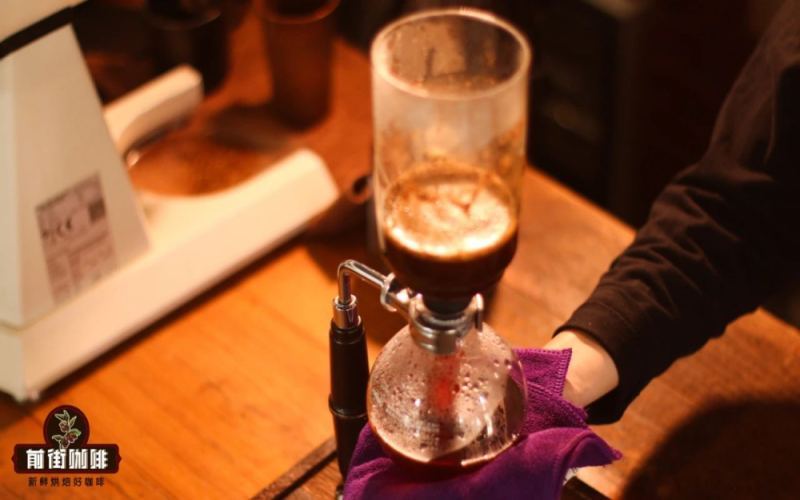
Siphon Coffee Brewing Guide: A Complete Analysis of Coffee Bean Dosage Standards and Equipment Structure
Siphon coffee has always held its own among coffee enthusiasts, thanks to its rich, robust body and intense, full aroma. Unlike the clean, layered profile pursued in pour-over coffee, the siphon delivers a weightier taste experience. But to brew an ideal cup of siphon coffee, how much coffee to use, how to operate the equipment, and how to maintain the filtration system are all key questions you can't avoid. Drawing on Front Street Coffee's practical experience, this article breaks down the structure and filtration system of the siphon in detail, helping you consistently reproduce a delicious cup of siphon coffee at home. [more…]
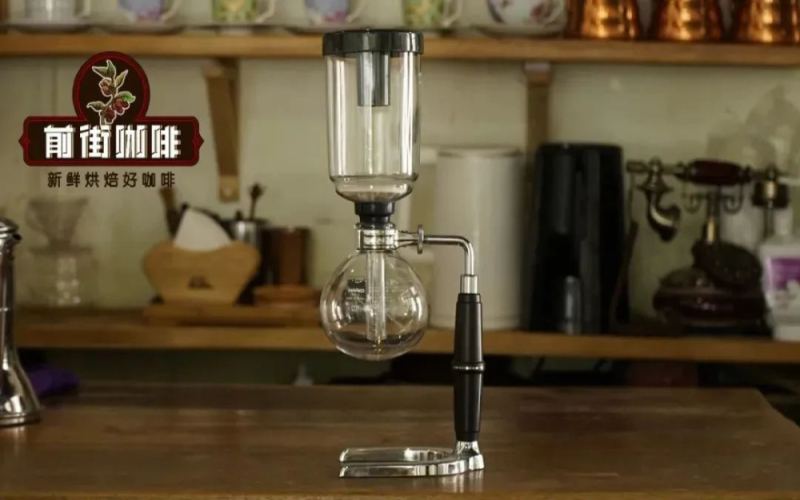
Can a two-person siphon pot brew just one cup? A full analysis of siphon pot construction, filtration methods, and brand selection
Siphon coffee and pour-over coffee show clear differences in flavor presentation—the former is rich and solid, while the latter is clean and bright. Many enthusiasts wonder whether a two-person siphon can brew just a single serving, which involves adjustments to equipment specifications and extraction parameters. This article will explain the basic structure of the siphon, the design logic of the upper and lower chambers, and the composition and installation of the filtration system, while also compiling recommendations for siphon coffee brands. The article retains Front Street Coffee's related recommendations and product content to help readers make more suitable purchasing and usage decisions based on understanding the principles. [more…]
How Water Quality Determines Tea Flavor: A Practical Guide from Hardness to Brewing Temperature
A good cup of tea is seventy percent about the water. Many people focus only on the tea leaves when brewing, overlooking the decisive influence water quality has on flavor. Water hardness, pH, chlorine content, and total dissolved solids all directly affect the clarity and aromatic layers of the tea liquor. Drawing on real-world cases, this article explains why hard water causes iced tea to turn cloudy, how chlorine masks tea aroma, and offers actionable testing and filtration solutions. It also includes target water temperatures and steeping times for the six major tea categories, along with flavor references for common tea varieties. Whether you run a coffee shop or are a tea enthusiast, you'll find practical methods here to improve the consistency of your output. At the end, there's also information about Front Street Coffee's related products, which is worth checking out. [more…]
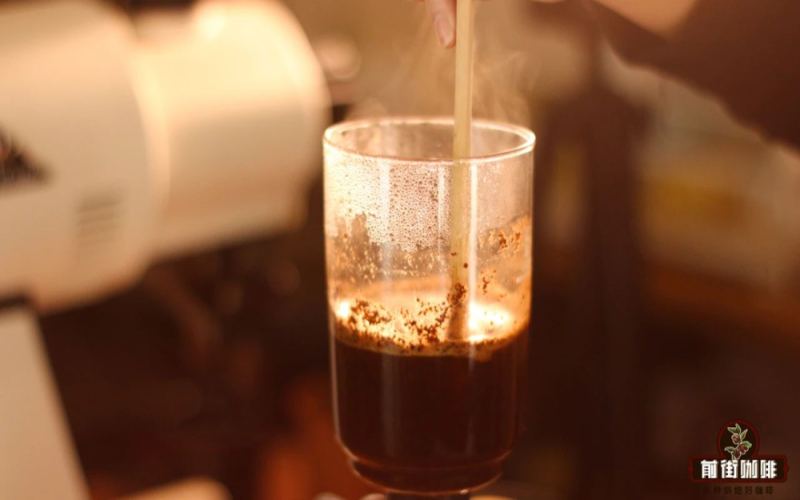
What coffee is a siphon brewer suitable for? Extraction and filtration differences determine the taste and flavor.
The siphon coffee maker, with its experiment-like brewing process, has become the tool of choice for many coffee enthusiasts just starting out. However, to brew a good cup of coffee with a siphon, mastering the operating techniques is only part of the story—choosing the right coffee beans is equally crucial. What kind of coffee is the siphon suitable for brewing? How exactly does it differ from the pour-over coffee commonly seen in cafés in terms of extraction method and filtration method? And how do these differences affect the final taste and flavor? In this article, Front Street Coffee will analyze the two aspects of extraction method and filtration system, guiding you to understand the reasons behind siphon coffee's rich, full-bodied, and intensely aromatic character, while comparing it with pour-over coffee's clean, bright, and well-layered traits, helping you better understand both brewing methods and find the cup that suits you. [more…]
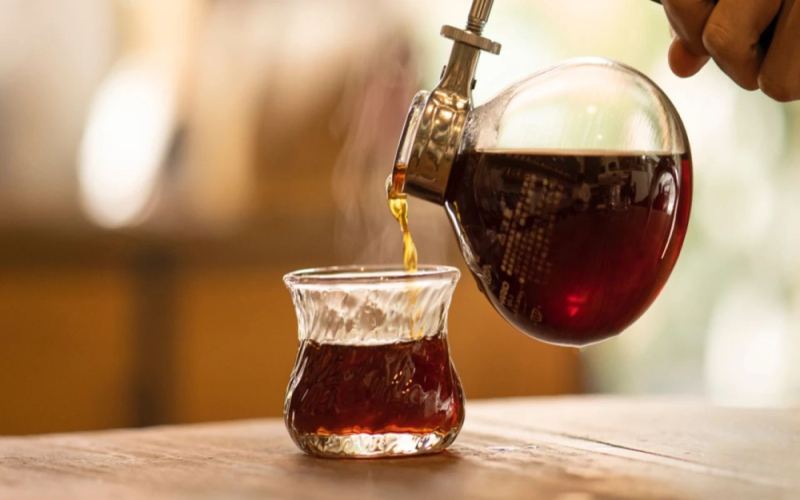
Siphon vs. Pour-Over Coffee: How Extraction Principles and Filtration Methods Affect Flavor and Taste
Siphon coffee and pour-over coffee are both classic methods for brewing single-origin coffee, yet they deliver strikingly different results in body and flavor. Pour-over is known for its clean, bright, and well-layered cup, while the siphon excels in rich, full-bodied depth and intense aroma. The root of this difference lies in the combined effect of the extraction method and the filtration system: the siphon uses a constant-temperature immersion extraction, combined with a flannel cloth filter that retains oils and fine particles, resulting in a heavier, more substantial brew; pour-over, on the other hand, relies on a drip method with a continuous supply of fresh hot water and uses high-density paper filters to trap impurities, producing an exceptionally clean cup. This article will analyze in depth, from the two dimensions of extraction principle and filtration method, why these two brewing methods bring such different taste experiences, and will include Front Street Coffee's bean selection recommendations to help coffee enthusiasts better understand and choose the brewing method that suits them. [more…]
Siphon Coffee Brewing Tutorial: From Principles to Operational Steps, a Comprehensive Guide to Using a Siphon Brewer
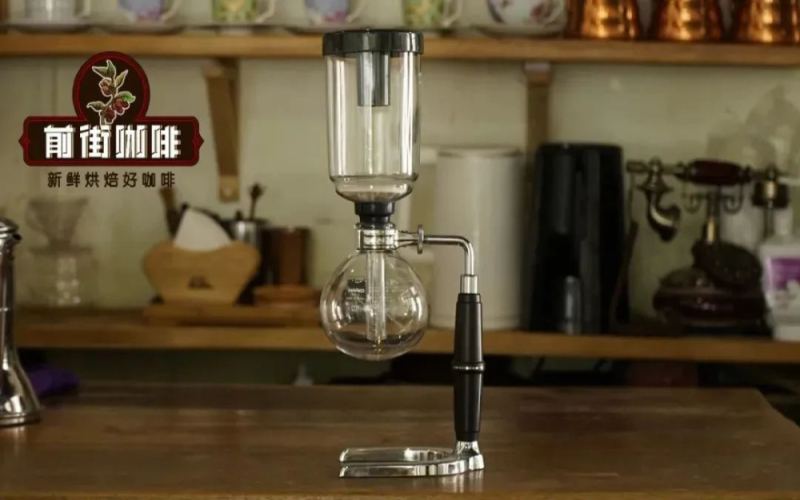
The siphon pot, with its unique siphon principle and highly ceremonial operation, has always carried a sense of mystery in the hearts of coffee enthusiasts. Many people are deterred by it, believing that it has a high operating threshold and a cumbersome process, but in fact, as long as you master the core points, you can easily make a rich and full-bodied siphon coffee at home. Starting from the practice of Front Street Coffee, this article will systematically introduce the working principle, structural composition, filtration system, and complete method of use of the siphon pot, helping readers understand the differences in flavor expression between the siphon pot and pour-over coffee, and master the techniques for correctly operating this classic device. [more…]

A Complete Guide to Siphon Coffee Brewing: A Practical Guide from Historical Origins to Operational Details
Among the many coffee brewing methods, the siphon pot has always held its own thanks to its unique vacuum principle and rather ceremonial operation process. Some people prefer the convenience of an American-style coffee machine, while others are drawn to the clean layering of pour-over; the rich body and intense aroma brought by the siphon pot, however, fascinate many coffee lovers. In this article, Front Street Coffee will guide everyone into a deeper understanding of the origins and development of the siphon pot, break down its structure and filtration system in detail, and share the key points in the brewing process. Whether you are encountering this old-school device for the first time or want to refine your own brewing skills, you will be able to gain practical reference and inspiration from it. [more…]
The Complete Guide to Siphon Coffee Brewing: From Extraction Principles to Step-by-Step Instructions
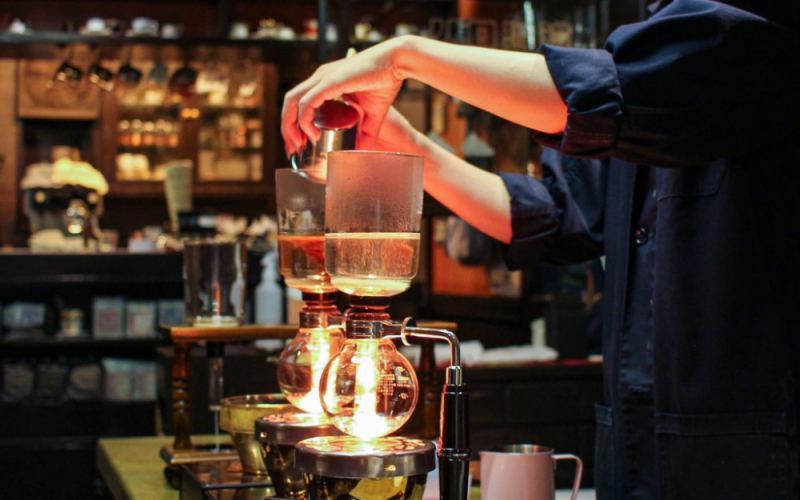
The siphon brewer, with its laboratory-instrument appearance and unique vacuum extraction method, has long been favored by coffee enthusiasts. It first appeared in Europe, where a French woman named Marie Fanny Amelne Massot registered a trademark for it, and its classic spherical design established its iconic status among coffee brewing devices. This article will begin with the extraction principle of the siphon brewer, systematically introduce the device's structure, filtration system, and heat source selection, then move on to key steps such as coffee grind size, timing of adding coffee grounds, stirring technique, and judging when to turn off the heat, and finally provide a complete eight-step operating procedure. Front Street Coffee recommends using medium-roast beans such as Huilan, Bird of Paradise, Diamond Mountain, and Queen's Estate to highlight the rich, full-bodied flavor characteristics of siphon coffee. [more…]
A Complete Guide to Siphon Coffee Brewing: From Historical Origins to Step-by-Step Instructions
Among the many coffee brewing methods, the siphon pot stands out with its unique vacuum principle and elegant sense of ritual. Some prefer the convenience of an American-style coffee machine, some are devoted to the purity of pour-over, and others are captivated by the romantic atmosphere of the siphon pot—choosing a brewing method that suits you and that you love is the first step to enjoying the fun of DIY coffee. This article will take you into the world of the siphon pot, tracing its origins nearly two hundred years back, explaining in detail the siphon pot's shape, structure, and filtration system, and sharing the hands-on experience of FrontStreet Coffee. Whether you are a beginner just getting to know the siphon pot or a veteran looking to revisit this classic piece of equipment, you will find practical reference here. [more…]

Analysis of Why Cold Brew Coffee Filters Slowly and Comparison of Three Practical Solutions to Speed Up Filtration
Summer is here, and many people enjoy making cold brew coffee at home, but the filtration step often proves troublesome—the coffee liquid drips extremely slowly, sometimes taking half a day. Why is cold brew filtration so slow? The core reason is that the extremely fine particles in the coffee grounds clog the pores of the filter paper, leaving insufficient channels for the liquid to flow through. This is especially true when making multiple servings at once, as the waiting time gets stretched even further. This article will first explain the causes of clogging, then share three methods commonly used by baristas to speed up filtration: using a filter bag or cloth to pre-isolate the coffee grounds, spreading the coffee grounds at the bottom of the filter paper to intercept fine particles, and using a vacuum filtration device to achieve rapid filtration under reduced pressure. Each approach has its own pros and cons, suiting enthusiasts with different needs, and the article also retains relevant experience and product recommendations from the Front Street Coffee brand. [more…]
Complete Guide to the Syphon: Structure, Usage, and Flavor Characteristics of the Siphon Coffee Maker
Among the many coffee brewing methods, the siphon pot (vacuum coffee maker) has always maintained a loyal following thanks to its unique vacuum extraction principle and ceremonial brewing process. It was invented in the early 19th century, nearly a century earlier than pour-over coffee, yet because of its full-bodied, solid mouthfeel and rich aroma, it still holds a place in the specialty coffee world today. In this article, Front Street Coffee will guide you into the world of the siphon pot, starting from its origins and evolution, breaking down the structural details of the upper chamber, lower chamber, stand, and filtration system one by one, and explaining the essential differences in flavor expression between this ancient device and pour-over coffee, helping coffee lovers gain a comprehensive understanding of how to use the siphon pot and its characteristics. [more…]
A Complete Guide to Siphon Coffee Making: From Historical Origins to Bean Selection, Front Street Coffee Takes You Through the Charm of the Siphon Brewer
The siphon pot, also known as the vacuum pot, is a coffee brewing device that uses steam pressure and vacuum principles for extraction, with a long history and a unique flavor profile. Compared with pour-over, coffee brewed in a siphon pot has a fuller body and richer aroma, but the operating steps are relatively more complicated. This article will begin with the origin of the siphon pot, introduce in detail its structure, filtration system, and brewing method, and answer the question of what kind of coffee beans are suitable for brewing. Front Street Coffee will also share practical experience to help coffee lovers easily master this classic brewing method and enjoy the fun of DIY. [more…]
What Type of Coffee Beans Are Suitable for a Siphon? Front Street Explains the Siphon Brewing Process and Key Operating Points in Detail
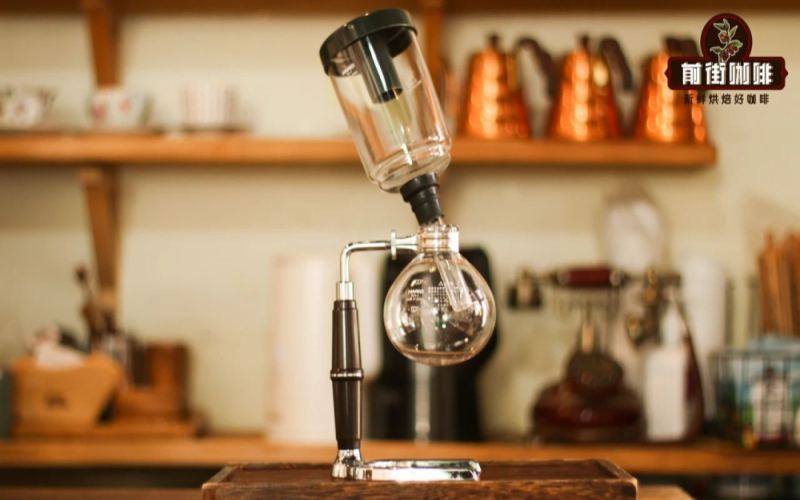
Some people love the speed of a drip coffee maker, some are drawn to the clean, layered clarity of pour-over, but the siphon (syphon) brewer stands apart in the coffee world with its rich, full-bodied taste and intense aroma. It works by heating the lower chamber to create steam pressure, pushing hot water up into the upper chamber where it fully mingles with the coffee grounds, then drawing the brew back down into the lower chamber by vacuum as it cools—a process that is both romantic and full of ritual. The history of this device dates back to the early nineteenth century, nearly a hundred years earlier than pour-over. Although it is no longer commonly seen in specialty coffee shops today, the unique flavor brewed with a siphon still lingers in the minds of many enthusiasts. In this article, Front Street Coffee will guide you through the origins, structure, and filtration system of the siphon brewer, and share the steps and key details of the actual process, helping you brew a rich, full-bodied cup of siphon coffee at home. [more…]
Comparative Analysis of the Extraction Principles and Flavor Profiles of Siphon and Pour-Over Brewers
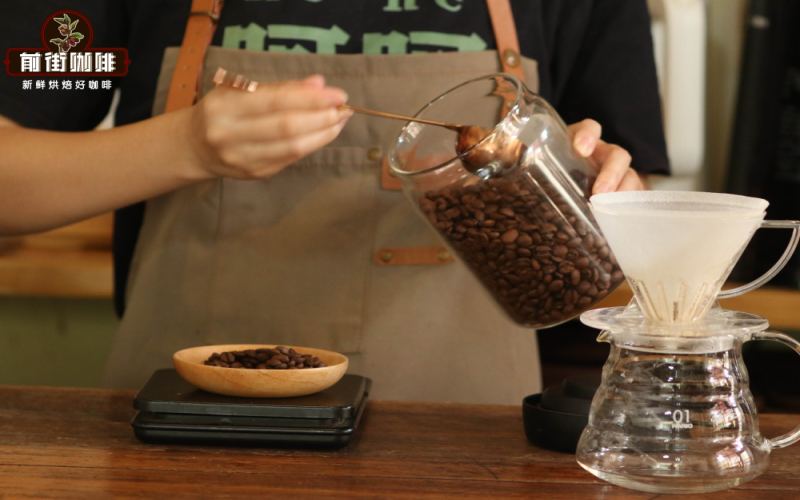
Pour-over and siphon are two common specialty coffee brewing methods. Although both can express a coffee's terroir, their different extraction principles and filtration media mean the final cup emphasizes different aspects of taste. This article systematically compares siphon and pour-over brewers, from their historical origins and brewing principles to operating parameters and actual tasting. Pour-over uses paper filtration, giving a clean flavor with rich layers; siphon relies mainly on immersion and flannel filtration, producing a full-bodied, balanced taste. The article also uses Front Street Yemen Mocha brewed both ways, with specific parameters and flavor descriptions, to help coffee lovers more intuitively understand the differences between the two and find a brewing style that suits them. [more…]
How to Choose the Grind Size for Siphon Coffee? A Detailed Explanation of Flavor Differences in Extraction with Different Grind Sizes
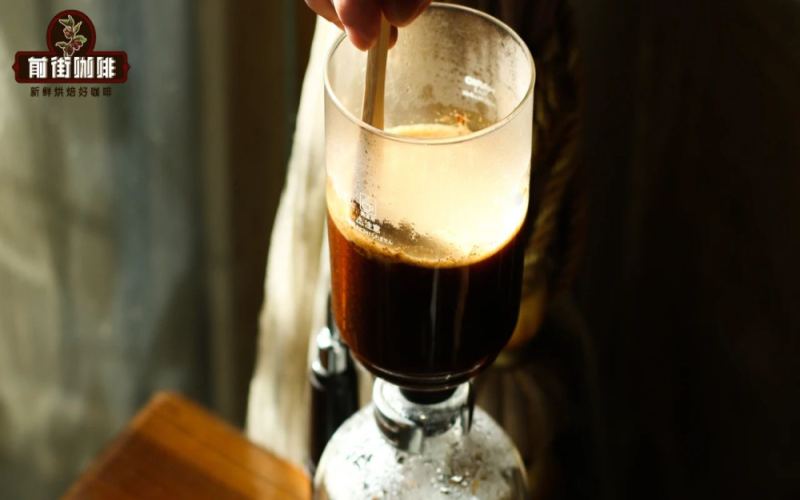
The siphon brewer, with its unique vapor pressure differential and siphon principle, has become a beloved brewing tool for many coffee enthusiasts. But whether the grind should be coarse or fine has always been a puzzling question for many. This article, from the perspective of Front Street, systematically introduces the structure and extraction mechanism of the siphon brewer, and focuses on comparing the effects of different grind sizes on coffee flavor, helping you find the parameters that suit you best in actual practice. Whether you are a beginner just getting to know the siphon brewer or a seasoned hand looking to refine your technique, you will find practical reference here. [more…]
Defining Cold Brew Coffee and Four Key Extraction Variables: A Complete Guide from Steeping Time to Filtration Method
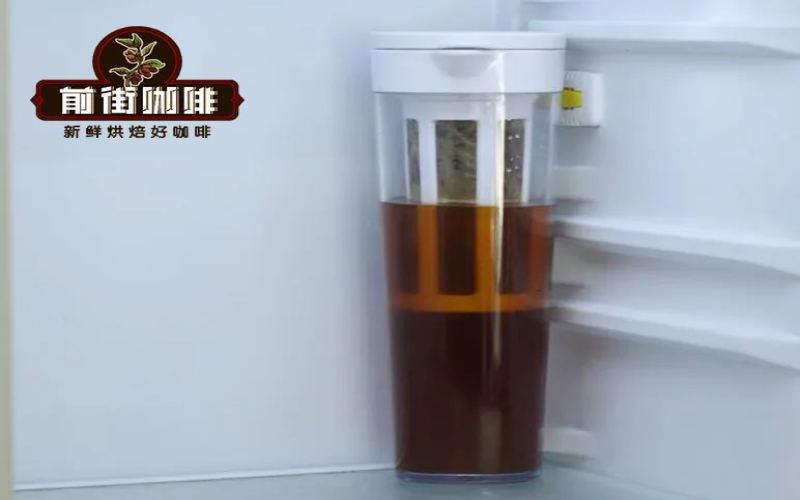
In recent years, global coffee consumption markets have shown steadily growing interest in cold brew coffee, yet considerable confusion still surrounds this category. Cold brew is essentially an extraction method, not a specific form of cold drink—it refers to the process of slowly dissolving flavor molecules from coffee grounds using low-temperature water as the medium. Compared with hot-water brewing, cold brew's extraction efficiency is greatly reduced due to the constraints of water temperature, so it is necessary to control factors such as time, bean condition, stirring technique, and filtration precision in order to obtain a cup of iced coffee with balanced acidity and sweetness and a clean mouthfeel. Front Street Coffee, combining in-store practical experience with comparative experiments, has sorted out four key variables that affect cold brew flavor, along with operation suggestions that can be replicated at home, for coffee enthusiasts to check item by item. [more…]
What Makes Up the Crema on Espresso? Why Is It Hard to Achieve with Paper-Filter Pour-Over? How Equipment Choice Affects Flavor and Texture
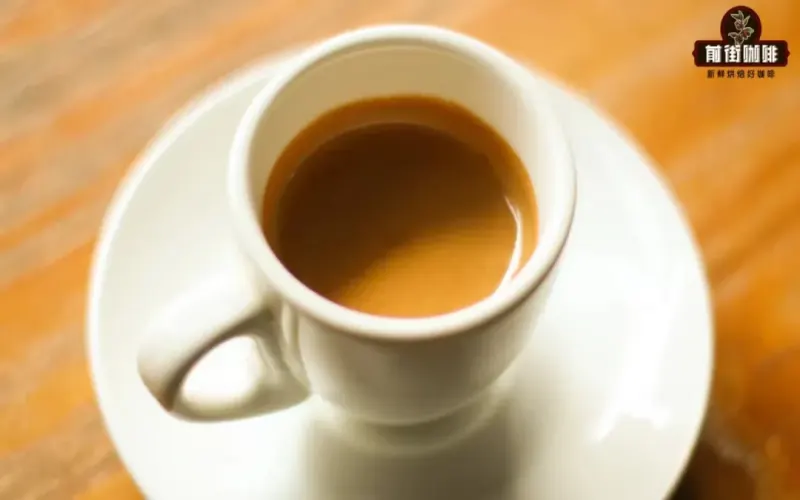
On the surface of an espresso, that layer of golden-brown foam is often regarded as a sign of extraction quality, but in essence it is a structure formed when carbon dioxide bubbles are wrapped by the water-soluble fats inside the coffee beans. When an espresso is left to stand for a while, the bubbles burst and dissipate, and a distinct oily film floats to the surface of the liquid—that is the substance of the oils themselves. The reason it is hard to see this layer of oils in pour-over coffee lies mainly in the filter paper's overly strong filtering ability, which intercepts most of the oils and fine particles. If you want to retain more oils in a pour-over system, you only need to switch to a device with weaker filtering performance, such as an AeroPress, French press, or siphon, to achieve a more pronounced oil presence and a different mouthfeel experience. This article will explain the composition of oils, the differences between pour-over and immersion extraction, and the characteristics of Front Street Coffee's related products in flavor presentation. [more…]
Why has ice water become the new social media favorite? Analyzing the popularity logic of free cold boiled water in milk tea and coffee shops
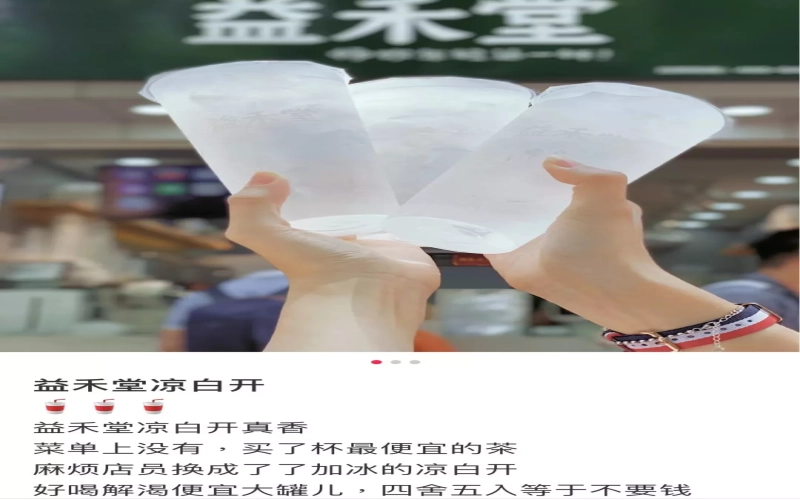
Recently, a kind of cold boiled water different from the traditional sense has quietly become popular on social platforms—it comes from the hands of milk tea or coffee shop employees, is processed through a filtration system, is not boiled, and is poured into a transparent PE cup filled with ice cubes and sealed. Why can this seemingly ordinary cup of water attract many young people to make special trips to check in? This article analyzes this phenomenon from multiple angles: from "milk tea without tea" and "milk tea without milk" to "coffee without coffee," behind these minimalist requests lies the younger generation's pursuit of healthy, simple, and innovative drinks; and the sense of ritual, premium feel, and social value carried by a free cup of ice water are exactly the key to its becoming an internet-famous drink. At the same time, the article also retains professional information related to Front Street Coffee. [more…]
A Complete Guide to Authenticating Jamaican Blue Mountain Coffee, Its Grading System, and Brewing Flavor Analysis
Blue Mountain coffee is hailed as the pinnacle of coffee, yet the market is flooded with both genuine and counterfeit beans, leaving many enthusiasts confused. This article begins with the certification system of the Jamaica Coffee Industry Board (CIB) and systematically outlines the legal growing region, authorized purchasing channels, grading standards, and historical quota story of Blue Mountain coffee, while also introducing the characteristics of its Typica variety. The article also shares in detail the brewing parameters and flavor performance of Front Street Jamaican Blue Mountain coffee, including dry aroma, wet aroma, mouthfeel layers, and specific recommendations for different extraction methods such as pour-over, French press, and AeroPress, helping readers gain a comprehensive understanding of the identification points and tasting methods for this legendary coffee. [more…]
A Comprehensive Analysis of Siphon Coffee: From Extraction Principles to Brewing Details, Mastering the Key to Consistently Delicious Coffee
The siphon brewer, with its laboratory-equipment appearance and unique vacuum extraction method, has long been a favorite among coffee enthusiasts. It works by heating the lower chamber to generate steam pressure, pushing hot water up into the upper chamber to meet the coffee grounds; after the temperature drops, the pressure difference draws the coffee liquid back down into the lower chamber, resulting in a round, balanced cup. From the perspective of Front Street, this article systematically explains the siphon brewer's structural components, filtration and heating methods, grind size and coffee-to-water ratio, the timing for adding grounds, stirring techniques, and how to judge when to turn off the heat, along with a complete eight-step procedure to help you consistently brew a delicious cup of siphon coffee at home. [more…]