







How does siphon coffee brewing actually work?
A siphon brewer extracts coffee through a pressure difference created by temperature change. Water heated in the lower pot turns to steam, expands and pushes hot water up into the upper chamber, where it mixes with the grounds. When the heat is removed and the pot cools, the liquid flows back down through the vacuum tube, leaving the brewed coffee behind.
The result differs from pour-over: siphon coffee is fuller in body, richer in aroma and more solid in texture, while pour-over reads cleaner with clearer layers. The setup has three main parts, the upper pot, lower pot and filtration system. Once those and the core steps are understood, the process is far less intimidating than it appears, and coffee brewing at home becomes routine.
With its unique siphon principle and ceremonial operation, the siphon pot has always carried a touch of mystery in the hearts of coffee lovers. Many people are intimidated by it, believing that it has a high threshold for operation and a cumbersome process, but in fact, as long as you master the core points, you can easily make a rich and full-bodied siphon coffee at home. Starting from the practice of Front Street Coffee, this article will systematically introduce the working principle, structural composition, filtration system, and complete method of use of the siphon pot, helping readers understand the differences in flavor expression between the siphon pot and pour-over coffee, and master the techniques for correctly operating this classic device.
For more specialty coffee knowledge, please follow the WeChat public account: Front Street Coffee (FrontStreet Coffee)
In most people's eyes, the siphon pot always carries a touch of mystery. This impression largely comes from its relatively high threshold for operation—complicated steps and a long time required—resulting in very low frequency of daily use, which makes it seem even more obscure. Today Front Street Coffee once again brings out the siphon pot to talk with everyone about its production method and the principles behind it!
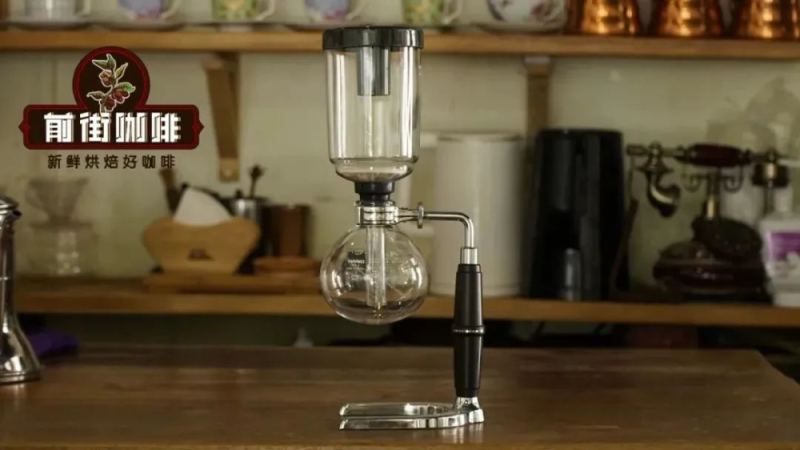
Introduction to the Siphon Pot The name "siphon pot" comes directly from the siphon principle it uses—completing coffee extraction through the pressure difference generated by temperature changes. Its English name is "SIPHON," so it is also called a syphon. Specifically, it uses steam generated after water is heated, forming pressure through thermal expansion and cold contraction, pushing the hot water in the lower pot up into the upper chamber to mix with the coffee grounds; when the temperature drops, the liquid flows back through the vacuum tube into the lower pot, finally producing coffee liquid.
People who have tasted siphon coffee will understand that the difference between it and pour-over coffee is quite obvious, and each has its own orientation in both mouthfeel and taste. Pour-over coffee is cleaner on the palate, with clearer layers and more prominent flavors; siphon coffee presents a fuller mouthfeel, richer aroma, and a more solid overall texture.
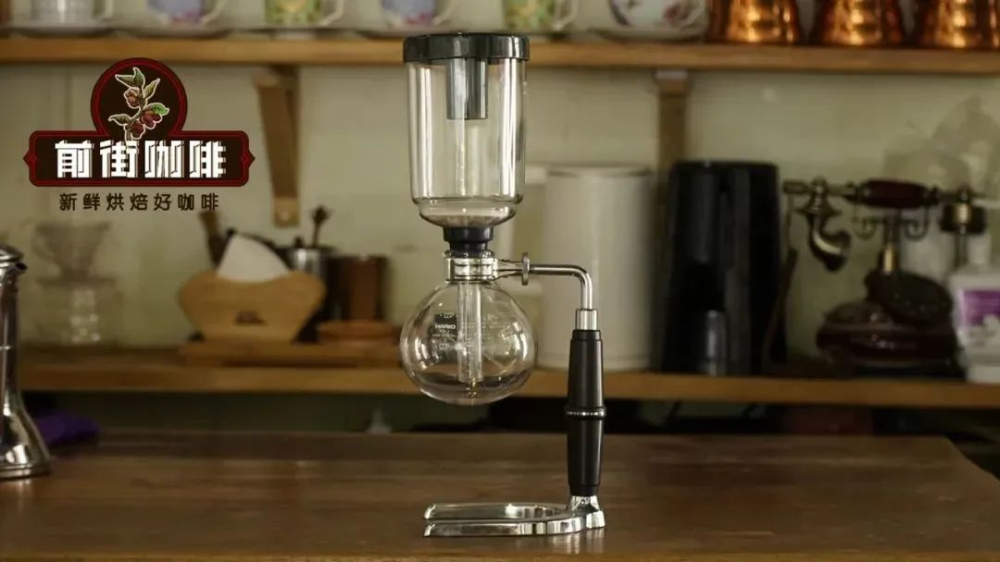
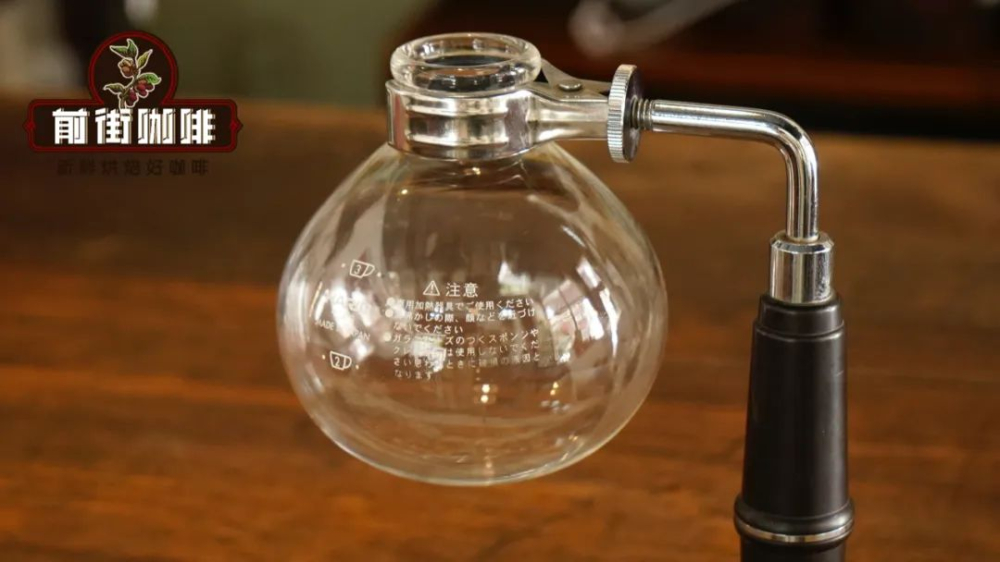
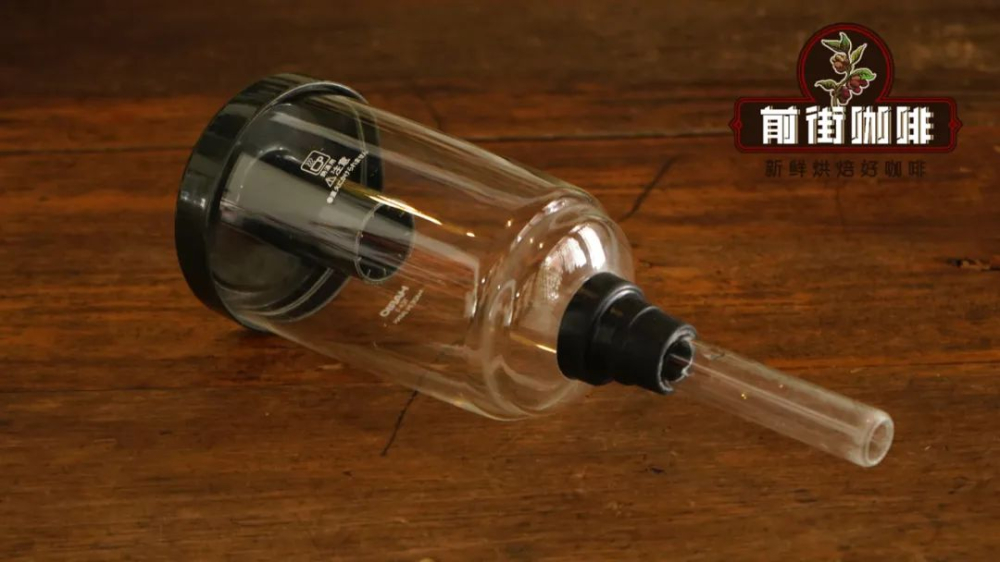
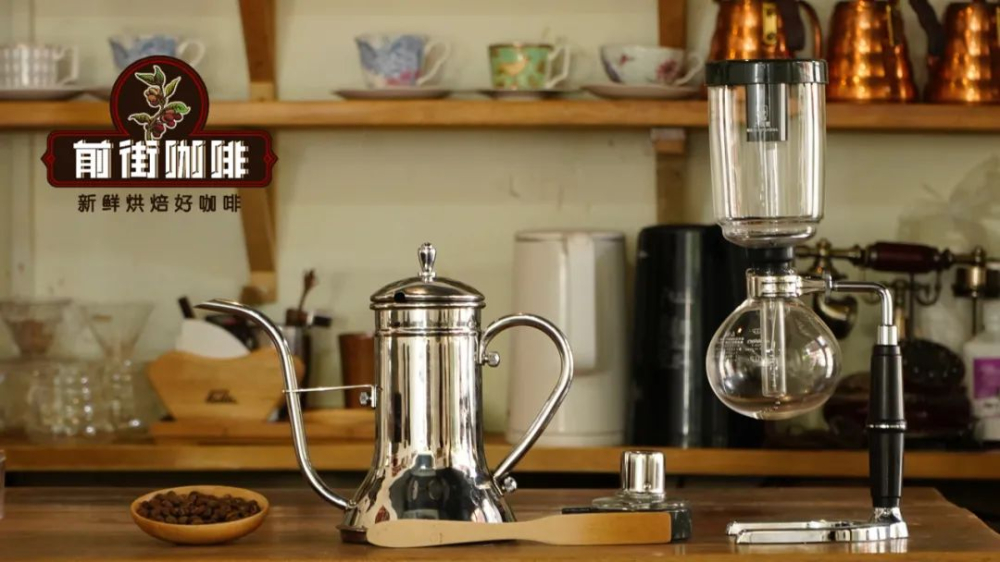
Structure of the Siphon Pot Appearance and construction: The siphon pot consists of three parts: the upper pot, the lower pot, and the stand. The stand is responsible for stabilizing the lower pot and keeping it suspended. The lower pot is basically spherical; this design is intended to make heating more even. The upper pot is cylindrical, with a narrowed bottom and an extended slender tube; the lower it goes, the narrower the tube diameter, and the connection point is equipped with a rubber ring to provide a sealing effect.
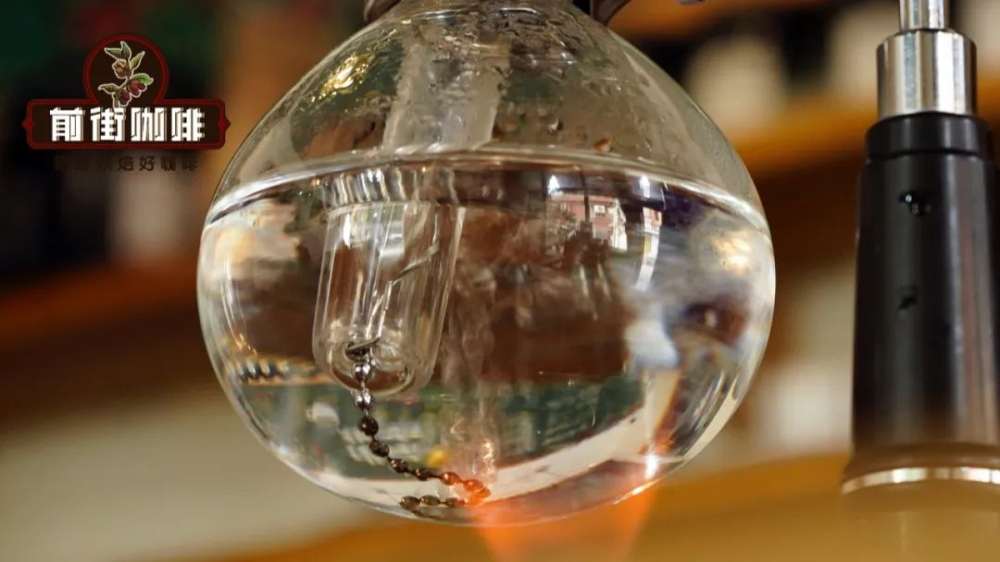
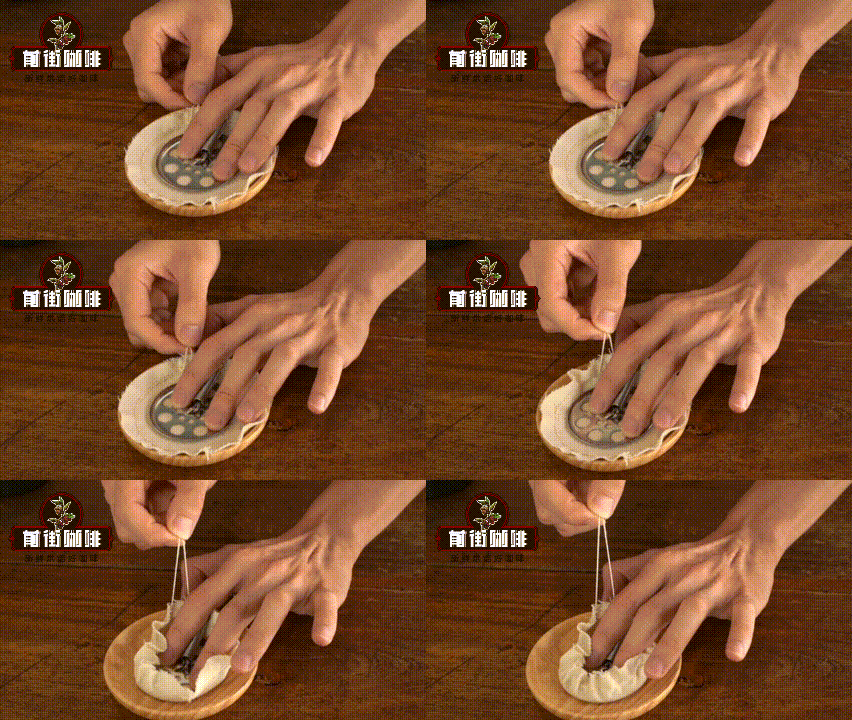
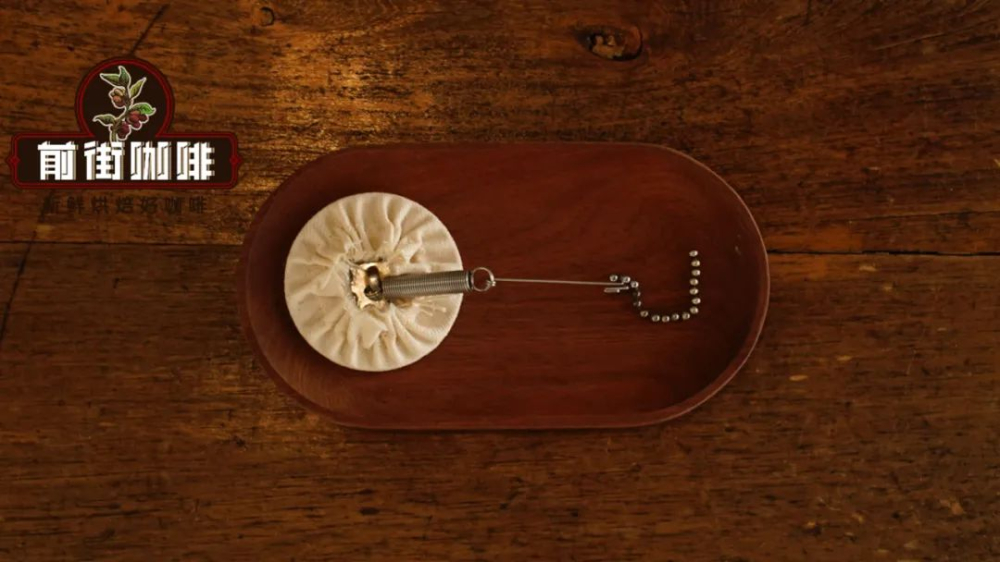
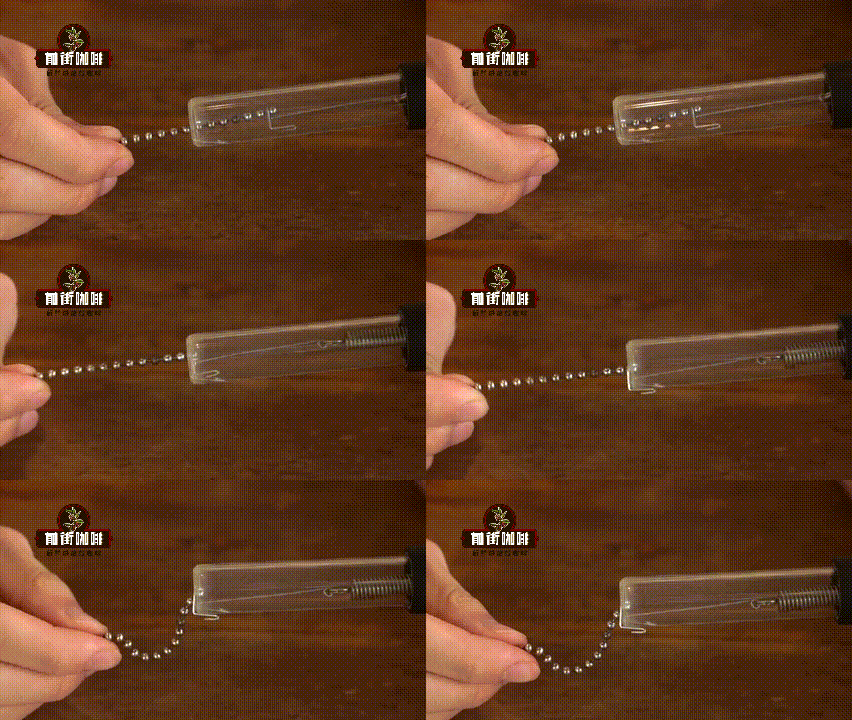
Filtration system: If you do not want to drink a mouthful of coffee grounds, you need to rely on the device to filter out the grounds during brewing. The siphon pot's filter is composed of a circular metal disc and a chain with a spring. Before use, the metal disc should be wrapped with filter material, most commonly a specially shaped flannel filter cloth. After the two sides of the filter cloth are tightened, it can wrap around the metal disc (remember to tie it securely after tightening, and cut off the excess thread), thus forming a complete filtration system, which can be placed inside the upper pot.


The above content is compiled by CoffeeHunters, a coffee news website.


