








How Does a Siphon Coffee Maker Work?
A siphon, or vacuum coffee maker, brews by vapor pressure. Water in the lower chamber is heated until steam pushes it up through the vacuum tube into the upper chamber, where it mixes with the grounds. When the heat is removed and the chamber cools, the coffee flows back down through the filter, leaving a full-bodied, aromatic cup.
The device dates to the early 19th century, nearly a hundred years before pour-over coffee became common. Its parts are the upper chamber, lower chamber, stand, and filtration system. Brewing methods vary widely, from the convenience of an American coffee machine to the French press, moka pot, and pour-over, so knowing how to make coffee by coffee maker is mostly about picking the method that suits the drinker.
Among the many coffee brewing methods, the siphon (vacuum coffee maker) has always had a loyal following thanks to its unique vacuum extraction principle and ceremonial brewing process. It was born in the early 19th century, nearly a hundred years earlier than the history of pour-over coffee, yet because of its full-bodied, solid mouthfeel and rich aroma, it still holds a place in the specialty coffee world today. In this article, Front Street Coffee will lead everyone into the world of the siphon, starting from its origin and evolution, breaking down the structural details of the upper chamber, lower chamber, stand, and filtration system one by one, and explaining the essential differences in flavor expression between this ancient device and pour-over coffee, helping coffee lovers gain a comprehensive understanding of the siphon's usage and characteristics.
For more specialty coffee knowledge, please follow the WeChat official account: Front Street Coffee (FrontStreet Coffee)
There is no need to care too much about others' judgments. As long as it is easy for you to operate, the extraction process goes smoothly, and you enjoy drinking it, then for you it is the most suitable brewing method. Some people like the convenient and quick approach of an American coffee machine, while others are intoxicated by the elegant and romantic atmosphere created by the siphon (vacuum) brewer. Some prefer the simple and direct French press, the Italian style brought by the moka pot, or the rich layers of pour-over filter coffee... In the end, a solution that works well for others may not necessarily suit you. Choosing the brewing method you like most and are most comfortable with is the first step to enjoying the pleasure of brewing coffee yourself. Next, please follow Front Street Coffee (FrontStreet Coffee) into the world of the siphon:
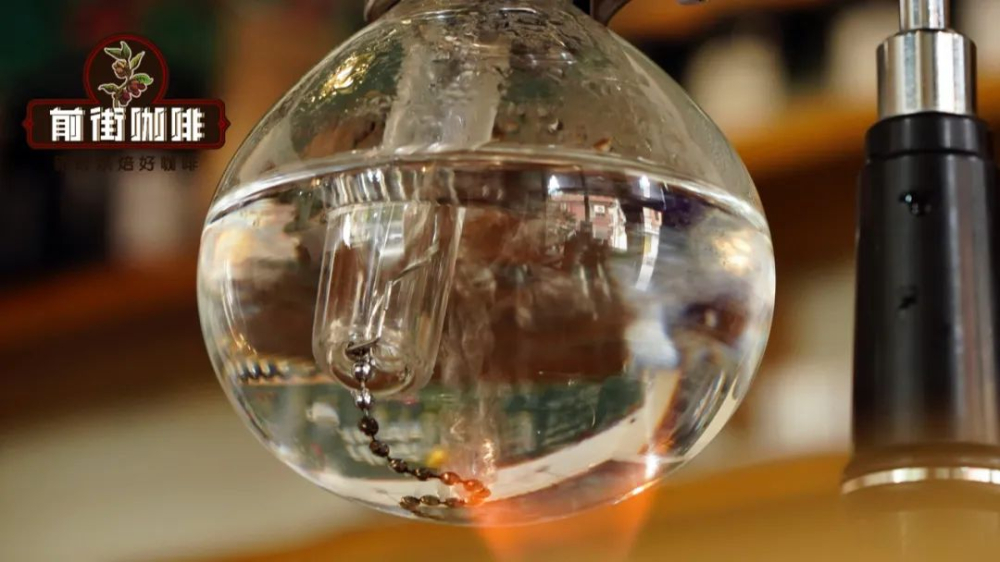
The English name of the siphon brewer is "SIPHON", so it is also called a siphon pot. It uses the thermal expansion and contraction caused by water vapor after water is heated to push the hot water in the lower chamber up into the upper chamber, where it merges with the coffee grounds. When the temperature drops, the water flows back into the lower chamber through the vacuum tube, thereby producing coffee liquid.
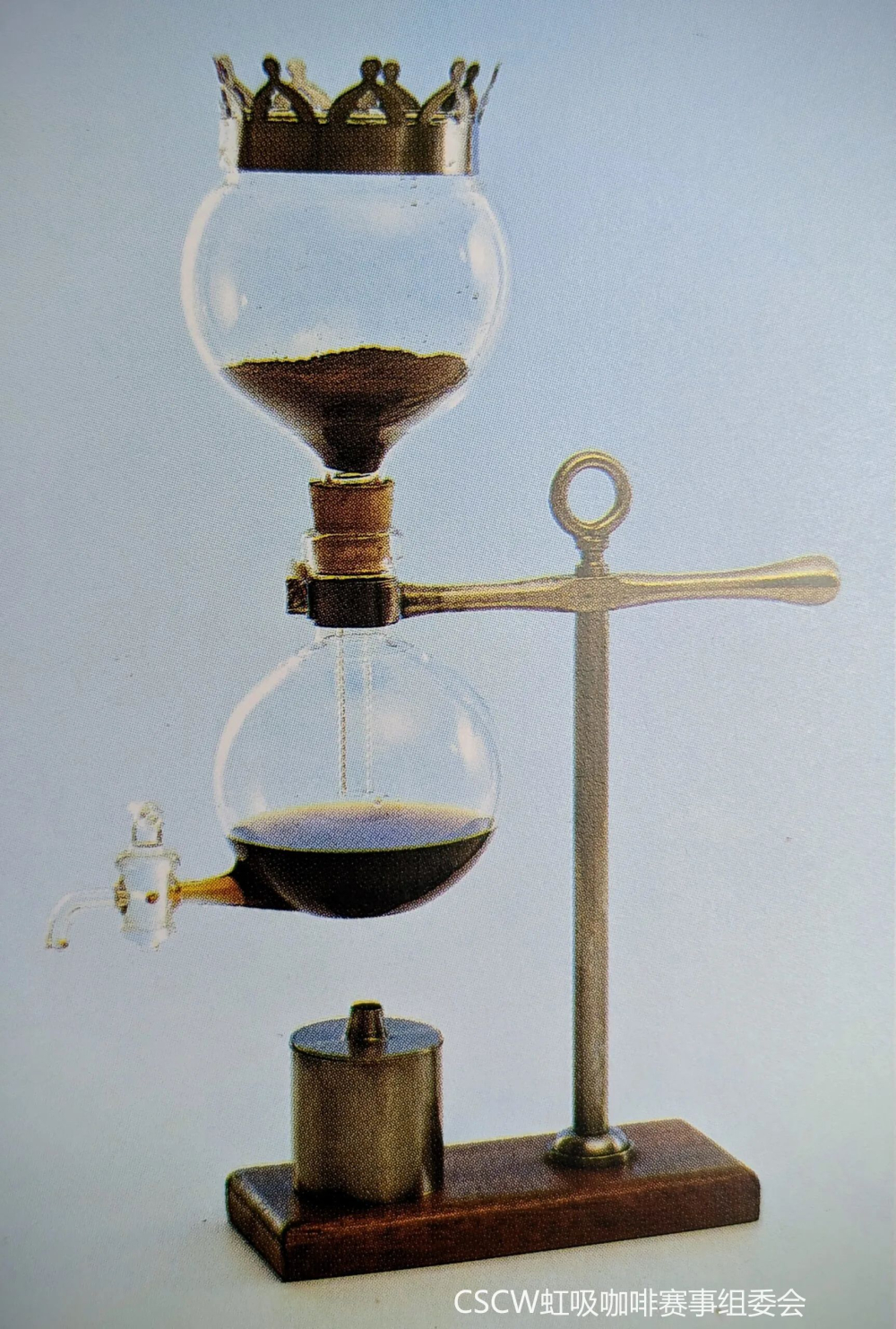
As for the origin of the siphon brewer, we can trace it back to the early 19th century, nearly a hundred years earlier than pour-over. According to relevant records, in 1826, German physicist Johann Norremberg invented the siphon brewer using equipment from the laboratory. His original intention was to demonstrate the power of steam to students, so he did not apply for a patent, and his design did not become popular. It was not until the mid-19th century that this device was improved by French inventor Marie Fanny Amelne Massot, and the up-down convection siphon brewer was born. She obtained the relevant patent in 1842, and only then did this device enter the market for sale.
Around the same period, Scottish engineer Robert Napier designed his Napier Coffee Pot. This device also used the vacuum principle to brew coffee. Although it won an award from the Institution of Mechanical Engineers in 1856, Napier never applied for a patent for it. From then on, vacuum brewing devices of the same type began to spread across Europe and were introduced to places such as the United States. However, with the later birth of automatic drip coffee, Americans' use of siphon brewers gradually declined.
Although pour-over coffee and the siphon brewer entered domestic specialty coffee shops around the same period, it is not hard to find that there is a huge gap in how often the two appear. In other words, siphon coffee has been replaced by pour-over coffee and has become one of today's mainstream output methods. As for this device full of old-school flavor, even friends who drink coffee all year round may not necessarily have seen it.
Key points of the siphon brewer's usage and preparation details
Friends who have drunk siphon coffee know that the difference between siphon coffee and pour-over coffee is still very large, whether in mouthfeel or taste. Pour-over coffee tastes cleaner, with clearer layers and more prominent flavors; while siphon coffee tastes fuller, with a richer aroma and a more solid mouthfeel.
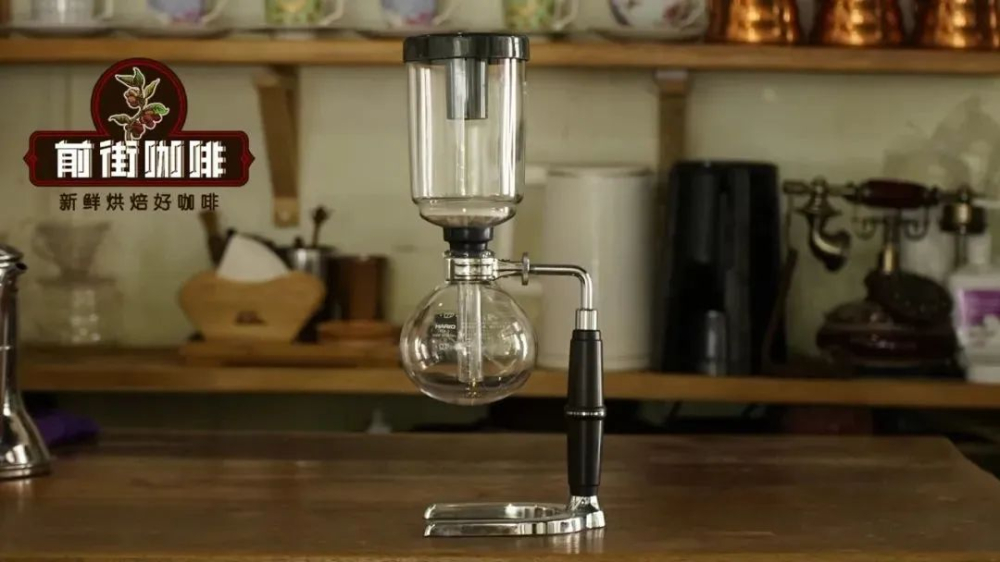
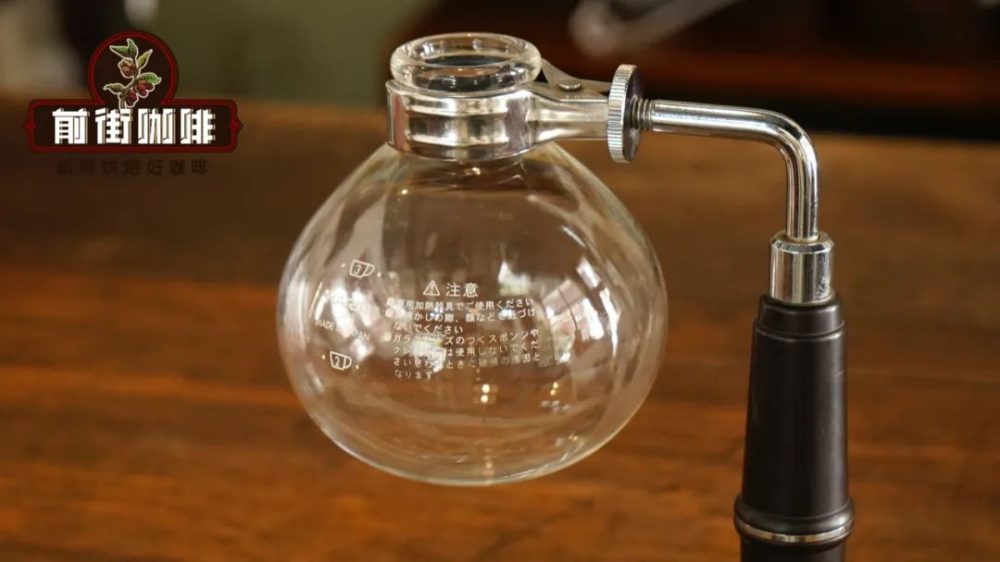
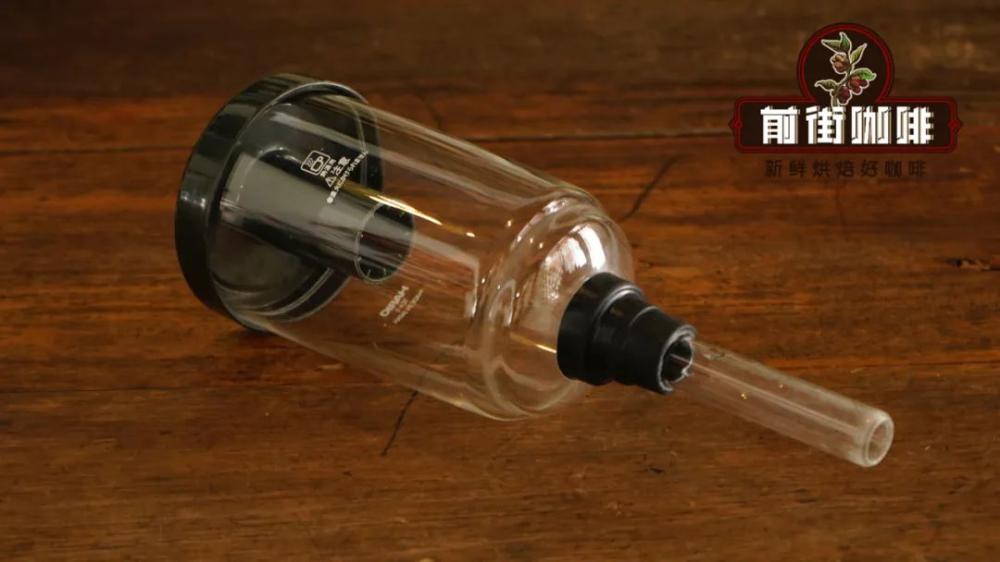
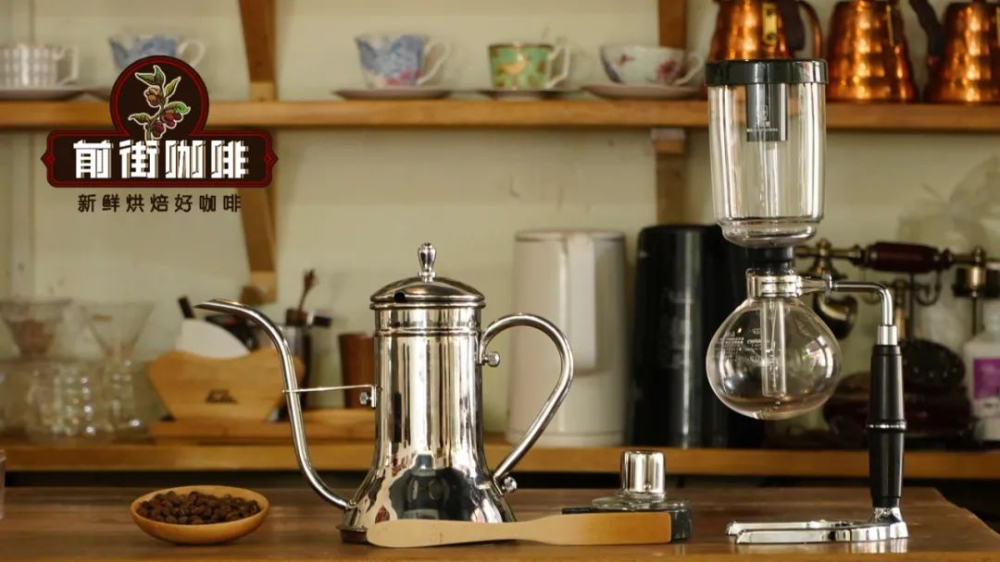
Siphon brewer appearance and structure : The structure of the siphon brewer is divided into: upper chamber, lower chamber, and stand. The stand mainly serves to stabilize the lower chamber so that it remains suspended in the air. The lower chamber is roughly a sphere, mainly so that the lower chamber can be heated evenly when heated; while the upper chamber is cylindrical, with a narrowed treatment at the bottom, extending into a slender tube. The lower the tube goes, the narrower its diameter becomes, and the connection point uses a rubber ring to provide sealing.
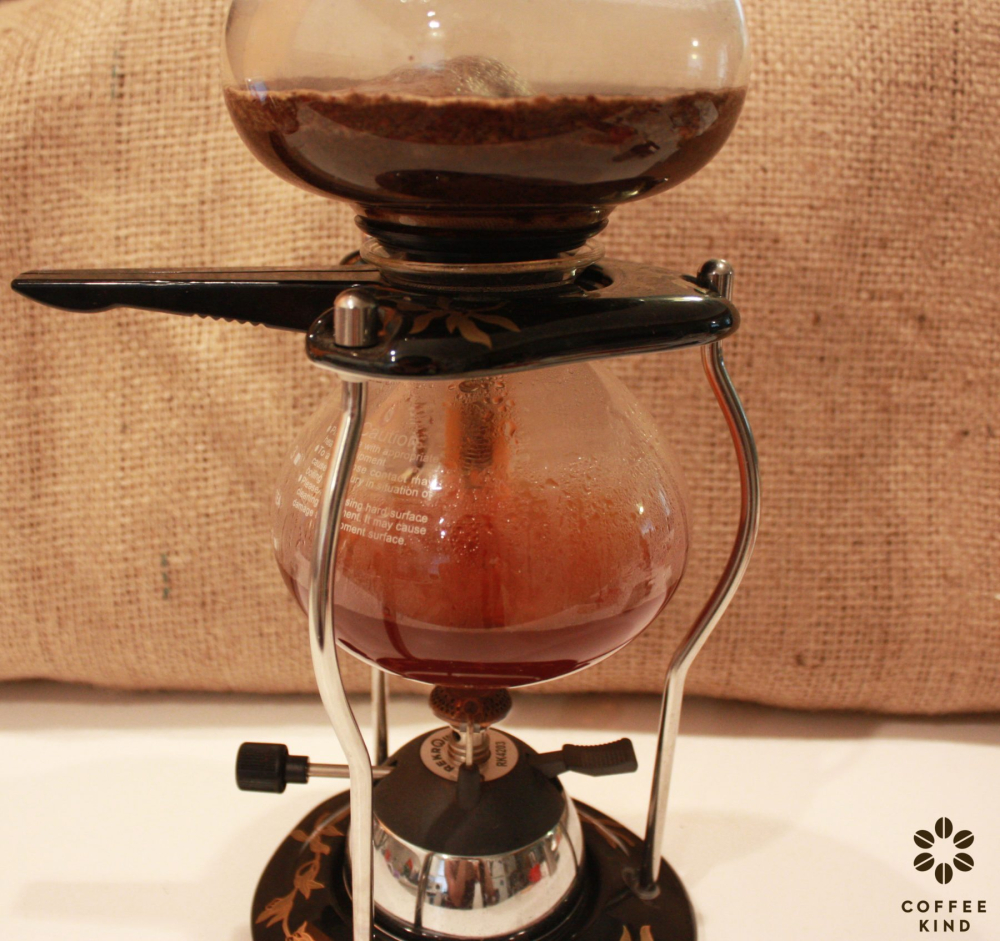
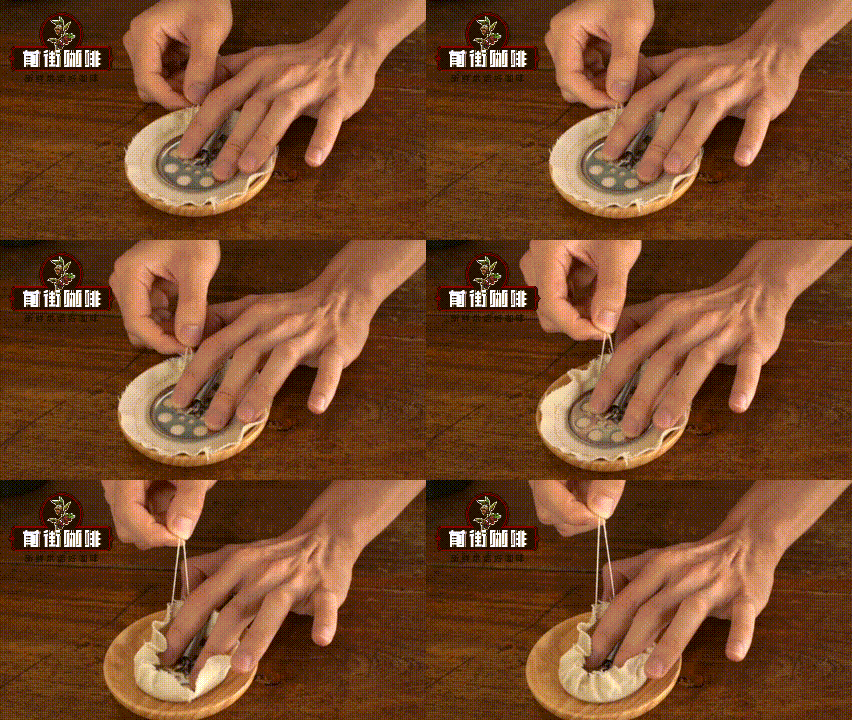
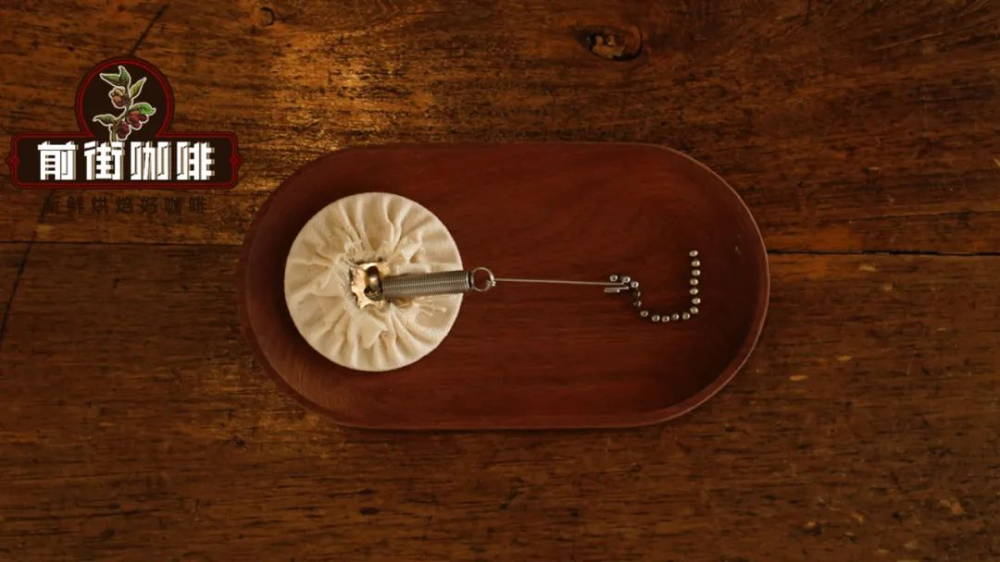
Filtration system: If we do not want to end up with a mouthful of coffee grounds, we need a device to filter them out during brewing! The siphon brewer's filter is composed of a circular metal disc connected to a chain with a spring. Before use, the metal disc is wrapped with filter material, and the most commonly used one is a specially shaped flannel filter cloth! After tightening the lines on both sides, the filter cloth wraps around the metal disc (remember to tie it tightly after pulling it taut and cut off the excess thread), forming a complete filtration system, which is then placed inside the upper chamber.

The above content is compiled by CoffeeHunters, a coffee news website.


