







Search Results for: Fibrous Material
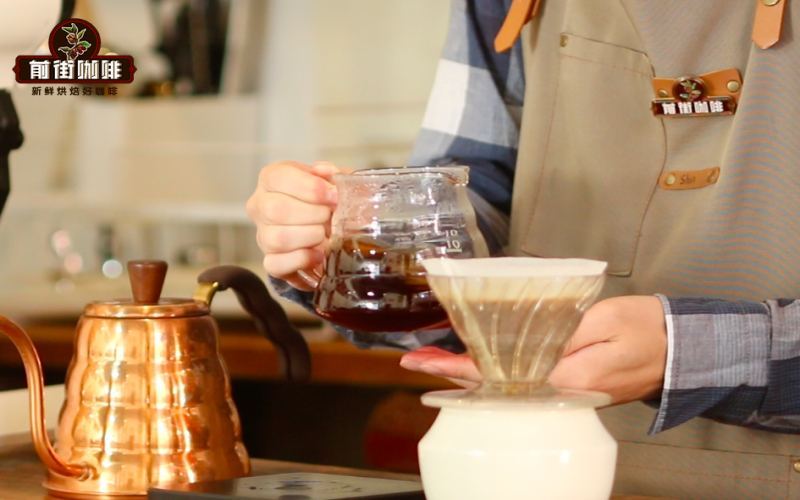
Where Does the Body of Pour-Over Coffee Come From? Analyzing the Essence of Body and Brewing Strategies to Enhance Mouthfeel
Have you ever heard the word "Body" from a barista or a fellow coffee enthusiast? It refers to the sense of volume and richness that coffee presents in the mouth, and it belongs to the tactile level of experience. Many people confuse Body with strength, but what truly determines richness is the oils and fibrous materials in coffee that do not dissolve in water. This article will start from the definition of Body, clarify the difference between it and mouthfeel and smoothness, and share a brewing method recommended by Front Street Coffee—by lowering the water temperature, reducing agitation, and extending the steeping time, pour-over coffee can also present a smooth and full-bodied texture. [more…]
How to Choose the Filter Material for Pour-Over Coffee? A Complete Comparison of the Pros and Cons of Paper Filters, Metal Filters, and Cloth Filters
In the world of pour-over coffee, the choice of filter material is often underestimated, yet it directly determines the direction of the flavor in the cup. Paper filters, metal filters, and cloth filters each have their adherents, and they differ vastly in how much they intercept oils, fine particles, and flavor compounds. This article begins with the century-old origins of the coffee paper filter, then breaks down one by one the structural principles, operational experience, and pros and cons of the three filtration methods, along with a comparison of mainstream filters such as KONO, HARIO, and CHEMEX, as well as practical advice from Front Street Coffee for everyday brewing. Whether you prefer a clean, bright sense of layering or pursue a thick, full-bodied original flavor, you can find the filtration solution that suits you in this article. [more…]
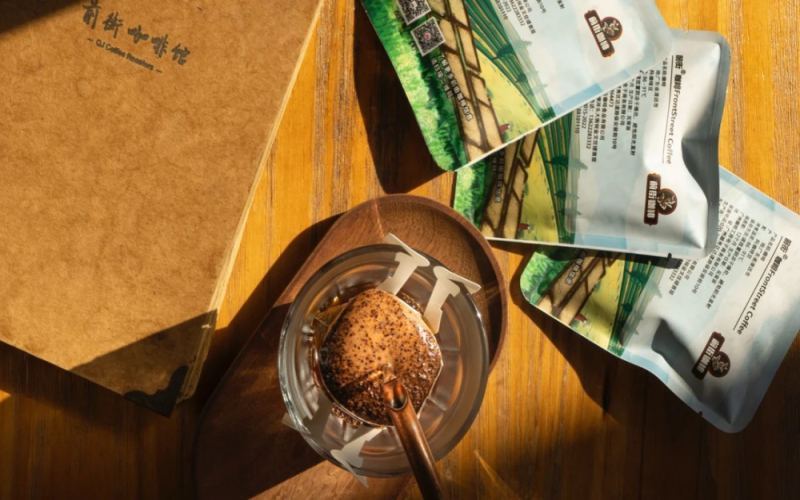
The Complete Guide to Brewing Specialty Drip Bag Coffee: Correct Technique, Water Temperature, Water Volume, and Whether It Can Be Re-steeped
Drip coffee bags have become the top choice for many people's daily black coffee thanks to their portability and ease of use. However, despite their seemingly simple nature, every step—from warming the cup and controlling water temperature to the pouring rhythm—affects the final flavor. Using a 10-gram drip coffee bag as an example, Front Street Coffee breaks down the brewing process and key considerations in detail, and answers common questions such as whether drip bags can be reused and what details to look for when purchasing, helping coffee lovers consistently brew a delicious pour-over-quality black coffee at home. [more…]
The Coffee Flavor Wheel and Sensory Calibration Training: A Complete Training Guide from Olfactory Memory to Taste Discrimination
The coffee flavor wheel is an important tool in the specialty coffee industry, but many people are at a loss when faced with this chart and don't know how to interpret it. This article systematically sorts out the development background and practical value of the coffee flavor wheel, and provides an in-depth explanation of specific methods for sensory calibration training—from the daily accumulation of aroma memory to the dual perception mechanism of taste buds and mouthfeel in taste discrimination. Only by building a personal flavor memory bank through scientific training can you truly understand a cup of coffee. The article also introduces the working principles of the tongue's two types of receptors, as well as the material basis behind smoothness and astringency. If you want to improve your tasting ability, this training method is worth studying repeatedly. [more…]
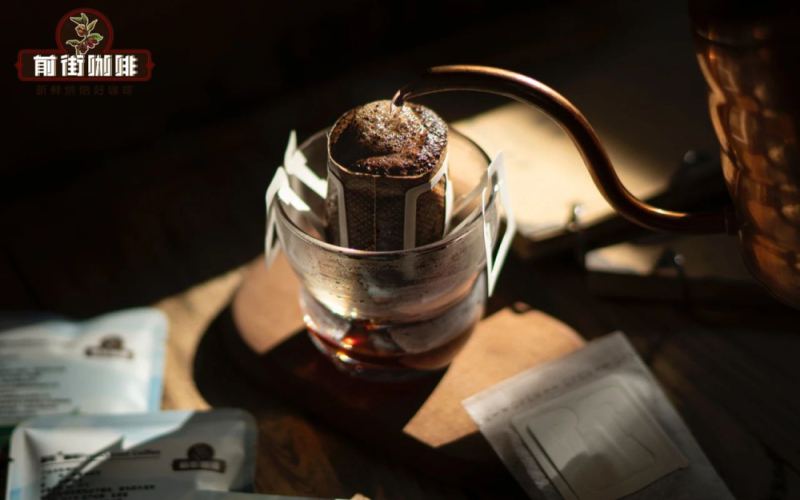
The Complete Guide to Drip Bag Coffee Brewing: Three Key Details for Coffee-to-Water Ratio and Water Temperature Control
Drip bag coffee may seem simple, but to brew an ideal cup, three details are indispensable: the pouring method, the coffee-to-water ratio, and the water temperature. In this article, a barista from Front Street Coffee shares practical brewing tips, breaking down everything from bean selection to specific steps. Whether you prefer floral notes, fruity acidity, or a rich, full-bodied taste, you'll find a drip bag coffee recommendation that suits you. The article also explains in detail how to keep a steady stream of water using a gooseneck kettle, precisely control the ratio with a graduated cup, and maintain the water temperature between 85 and 95 degrees Celsius to avoid off-flavors and a gritty mouthfeel. Master these key points, and your everyday drip bag coffee can easily be elevated to the next level. [more…]

A Complete Guide to the Golden Cup Extraction Theory: From Its Historical Origins to the Practical Application of Concentration and Extraction Yield
The Golden Cup extraction is a concept often mentioned in coffee circles. It uses two indicators—concentration and extraction yield—to judge whether a cup of coffee has been properly extracted. This theory can be traced back to 1952, when it was developed through collaborative research by the American coffee association and Dr. Lockhart of MIT. After multiple revisions, the Golden Cup range currently recognized by the SCAA is: extraction yield 18%-22%, concentration 1.15%-1.35%. But the Golden Cup numbers are only a reference tool, not an absolute formula for brewing delicious coffee. This article will walk you through the origins and development of Golden Cup extraction, the meaning of concentration and extraction yield, how to calculate extraction yield using formulas, and why you should not be limited by the Golden Cup range. [more…]
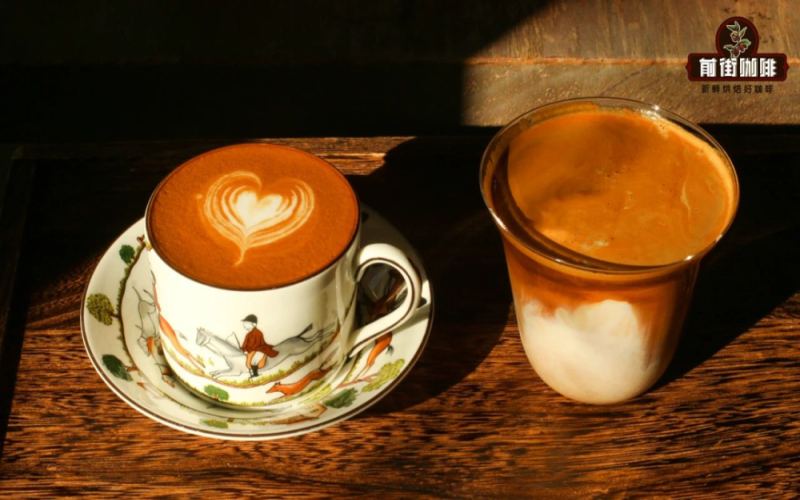
Why Is Latte Coffee Still Bitter? A Full Analysis of Espresso-to-Milk Ratios, Extraction Levels, and Coffee Bean Selection
Latte is the espresso drink most easily accepted by many people new to coffee, but quite a few find that the lattes they make themselves or buy outside still taste bitter. Where exactly does the bitterness come from? This article analyzes it from three angles: the roast level and varietal quality of the coffee beans, whether the espresso extraction is over-extracted, and individual sensory sensitivity, while also explaining how to improve the taste by adjusting extraction parameters or the ratio of milk to coffee. The article also recommends two beans, Front Street Classic Blend and Front Street Strawberry Candy Espresso Blend, to help you make a smooth, distinctly sweet milk coffee at home. [more…]
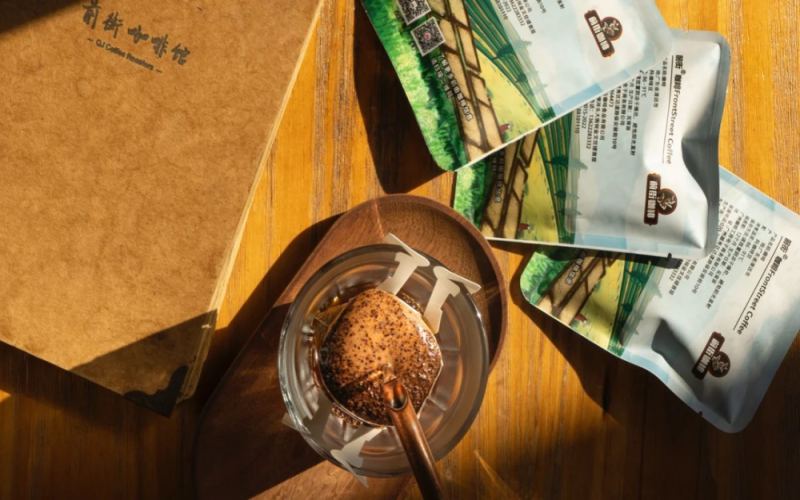
Types of Black Coffee | How Can Coffee Beginners Choose Drip Coffee Bags? What Are the Pros and Cons of Sidamo Huakui Drip Coffee? Is Drip Coffee the Same as Pour-Over Coffee?
For more specialty coffee knowledge, please follow: Front Street Coffee (Frontsteet Coffee) Is drinking drip bag coffee beans long-term harmful to your health? How should coffee beginners choose black coffee beans and drip bag coffee packs? You've probably been asked similar questions by friends who have "just gotten into coffee." [more…]
How to determine the coffee-to-water ratio for pour-over coffee? From the Golden Cup extraction principle to Front Street Coffee's 1:15 parameter practical analysis
How exactly should the coffee-to-water ratio for pour-over coffee be determined? Front Street Coffee has always recommended 1:15, and this is not an arbitrary choice behind it, but a scientific calculation based on the SCA Golden Cup extraction theory. This article will start with the Golden Cup standard, the definitions of extraction yield and concentration, gradually explain the ratio ranges corresponding to different tastes, and use a Costa Rica Geisha blend as an example to actually calculate concentration and extraction yield, helping you find the brewing parameters that suit you between theory and practice. [more…]
How to Judge the Quality of a Cup of Coffee? A Comprehensive Tasting Guide from Grinding and Extraction to Flavor and Mouthfeel
The birth of a good cup of coffee depends on proper grinding and extraction, and even more on the keen senses of the taster. This article begins with the correspondence between grind size and extraction method, sorts out the core standards of good coffee—fresh, clean, and comfortable on the palate—and systematically explains the professional descriptive vocabulary of the three dimensions: smell, taste, and mouthfeel. Whether you are a beginner enthusiast or a taster seeking to advance, you can find practical reference here. Front Street Coffee has always been committed to promoting professional coffee tasting knowledge, and we hope this article can help you better understand the flavors in your cup. [more…]
A Practical Guide to Pour-Over Coffee: Analyzing the Blooming Principle and Comparing Continuous vs. Pulsed Pouring Techniques
The charm of pour-over coffee lies in extracting rich flavors from coffee grounds with a simple pouring action. This article starts with the function of the dripper, first explaining why blooming is important—too much water will dissolve off-flavors and astringency along with it, while too little water will lead to insufficient extraction. Then, using Kenya Asali beans as an example, with a grind size of BG 5M, water temperature of 91°C, a coffee-to-water ratio of 1:13, and pre-infusion of 40-45ml/30-35 seconds, it compares in detail two common techniques: the continuous-pour method, which uses a steady thin stream to draw circles from the inside outward and finishes in about two minutes, yielding balanced acidity and sweetness with a long caramel finish, but a slightly flat body and flavor; and the pulse-pour method, which pours in stages, using large and small streams for the first two pours to agitate the coffee grounds and increase acidity and sweetness extraction, then switching to a submerged, non-agitating final pour to avoid pronounced bitterness, bringing the flavor up from raisin to blackcurrant juice, though with a shorter and weaker aftertaste. The article also includes relevant recommendations from Front Street Coffee, suitable for coffee enthusiasts to refer to. [more…]
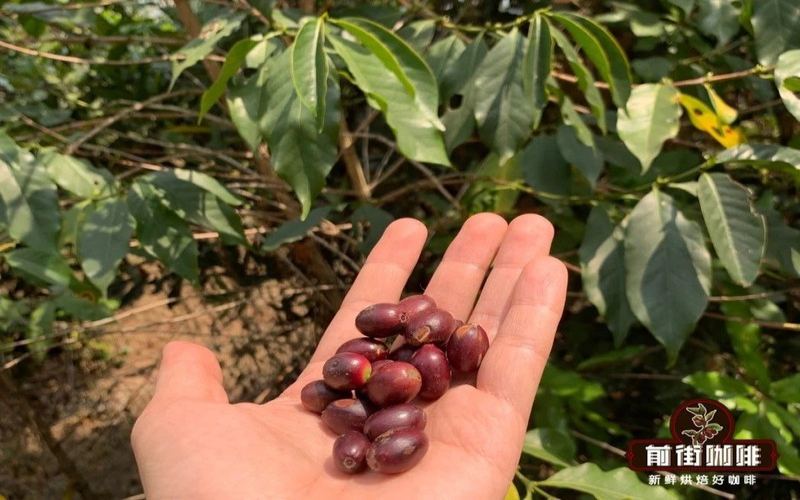
Master the flavor window of light-roast pour-over: understanding the degassing cycle and sealed storage to make aroma last longer
After light-roasted coffee beans leave the roaster, subtle gas exchange continues inside them. The large amount of carbon dioxide accumulated during roasting slowly escapes through the loose fibrous structure, and this natural release process directly affects the penetration efficiency of hot water molecules. Understanding the breathing rhythm of coffee beans can help me [more…]
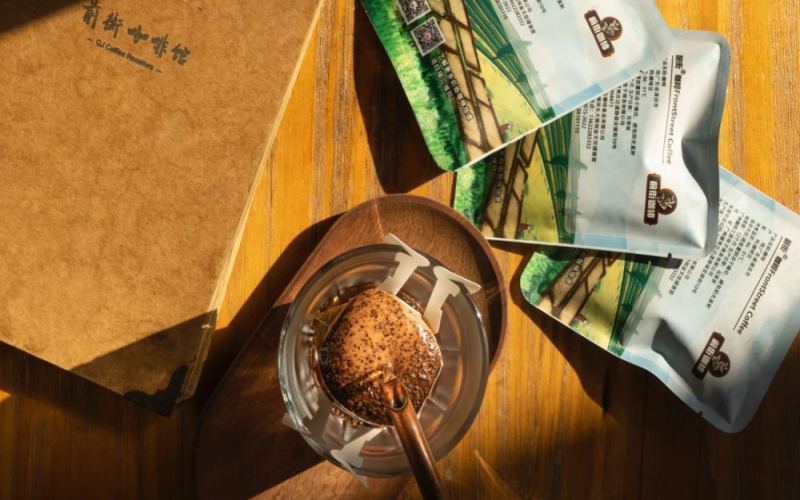
Is Black Coffee Drip Bag Suitable for Long-Term Drinking? Flavor Profile and Brewing Tips of Huakui Drip Coffee
Drip bag coffee, with its convenient brewing method, has become a daily choice for many coffee beginners and office workers. But does drinking drip bag coffee packets over the long term place a burden on the body? And how can beginners pick a drip bag product that suits them from the dazzling array of black coffee beans? This article addresses these common questions: first, it offers purchasing guidance for several Front Street Coffee beans based on flavor preferences; then it explains how to judge the roast level from flavor descriptions; next, it sorts out the pros and cons of drip bag coffee packets and the reason they can only be brewed once; finally, using the Front Street Sun-Dried Huakui drip bag as an example, it details the specific brewing steps and pouring method, helping readers easily brew a cup of coffee to their taste. [more…]
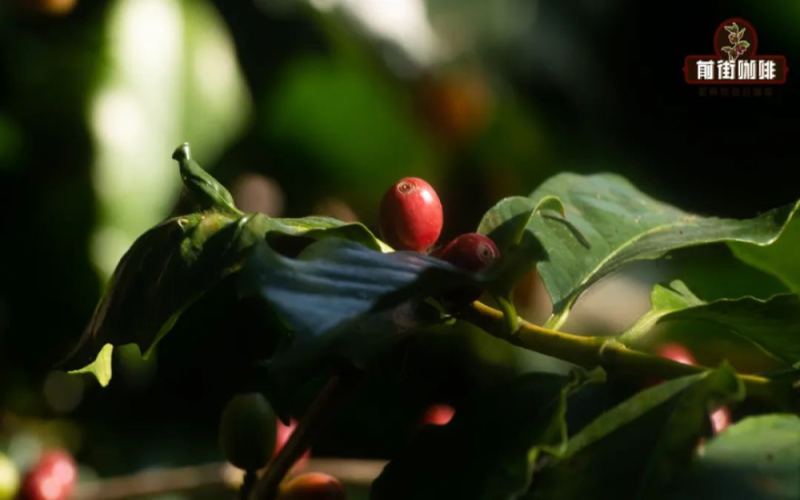
What Is the Relationship Between Coffee Cherries and Coffee Beans? A Detailed Explanation of Coffee Structure and Composition, and the Caffeine Content in a Single Bean
What exactly is the relationship between the coffee fruit and the coffee bean? A coffee cherry, from the outside in, consists of multiple parts including the exocarp, pulp, pectin layer, parchment, silver skin, bean core, and center line, with each layer playing a different role in coffee processing and flavor formation. The green coffee bean itself is composed of substances such as water, polysaccharides, lipids, proteins, sucrose, chlorogenic acid, other organic acids, amino acids, and caffeine, all of which directly affect coffee's mouthfeel, aroma, and the balance between bitterness and acidity. This article will dissect the structure of the coffee fruit layer by layer and systematically sort out the compositional substances of coffee beans, while also explaining the difference in caffeine content between Arabica and Robusta, helping coffee enthusiasts gain a more comprehensive understanding of the science behind the flavors in their cup. [more…]
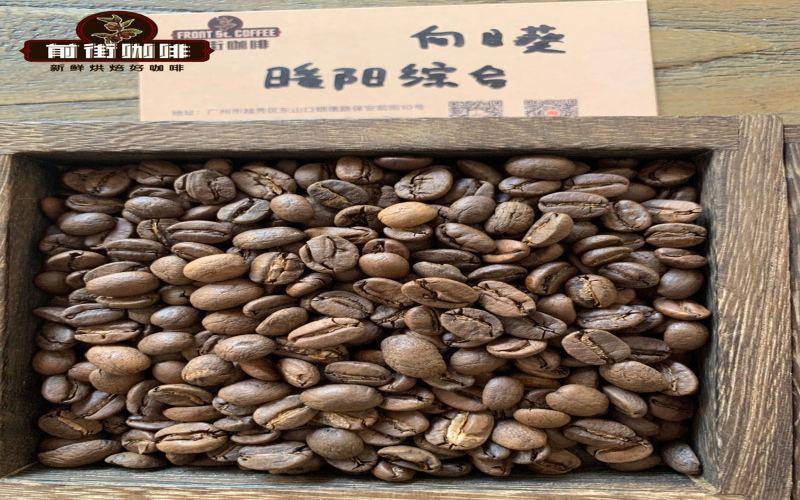
The Flavor Window and Storage Guide for Dark Roast Pour-Over Beans: From Degassing to Peak Flavor
Darker-roasted coffee beans undergo full caramelization and Maillard reactions in the roaster; the fibrous structure inside the bean expands, creating larger pores, and the degree of gas saturation and the rate of release are noticeably faster than in light roasts. Understanding the degassing patterns and flavor evolution of dark-roasted beans helps you accurately gauge the bean's condition during everyday pour-over brewing, allowing [more…]

The Complete Guide to Brewing Drip Coffee Bags: From Structure and Principles to a Detailed Explanation of Extraction Times for Sidamo Huakui
Drip coffee bags have become the entry point for many people to encounter specialty coffee, thanks to their portability and ease of use. But when it comes to their structural principles, pros and cons, and whether they can be reused for multiple brews, there are still quite a few points worth clarifying. This article will start with the origins of drip coffee bags, gradually break down their extraction mechanism, share the specific brewing steps and insights for Front Street Coffee's sun-dried Huakui drip bags, and finally offer purchasing advice for drip coffee bags based on different taste preferences, helping you easily get a cup of flavorful black coffee even in a busy daily routine. [more…]
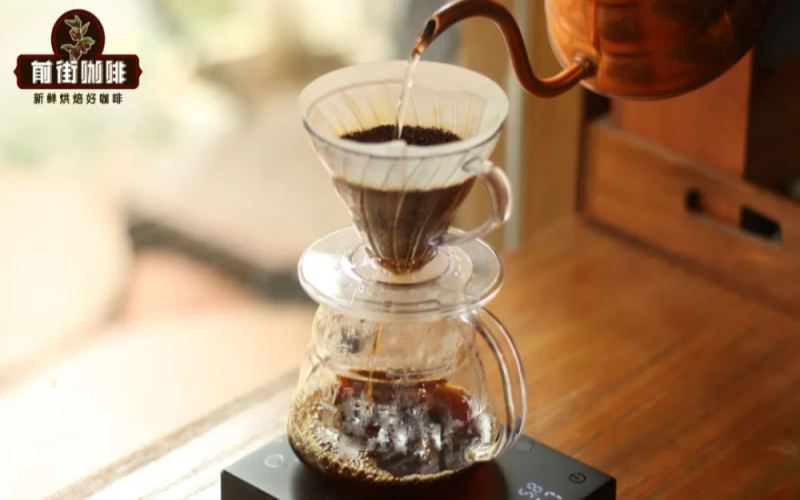
The Origin and Calculation Method of the Golden Cup Extraction Standard: How Extraction Yield and Strength Define a Good Cup of Coffee
The Golden Cup extraction is a widely circulated concept in the coffee world, defining an extraction range that most people find acceptable. This concept originated from a large-scale preference survey in the United States in the 20th century, promoted by the Brewing Committee established by the American Coffee Association in collaboration with Dr. Lockhart of the Massachusetts Institute of Technology. The survey found that about 30% of coffee beans are soluble substances, while the remaining 70% are insoluble fibers. After two rounds of testing with ordinary people and coffee experts, the Golden Cup range was ultimately determined as an extraction yield of 18% to 22% and a concentration of 1.15% to 1.35%. This article will sort out the origins and development of the Golden Cup standard, the calculation methods for extraction yield and concentration, and explain why the Golden Cup range can only serve as a reference rather than an absolute standard, helping you view coffee extraction more rationally. [more…]
How Is the Golden Cup Extraction Yield for Pour-Over Coffee Calculated? A Detailed Explanation from Concentration Measurement to Front Street Coffee Practical Cases
How exactly should the extraction yield and strength of pour-over coffee be calculated? The golden cup extraction yield range defined by the SCAA is 18% to 22%, corresponding to a TDS strength of about 1.15% to 1.35%, while the coffee-to-water ratio falls within the range of 1:12 to 1:15. This theory originates from Dr. Lockhart's scientific experiments in the 1950s, in which he quantified coffee flavor and laid the foundation for the golden cup standard. This article starts from the daily brewing at Front Street Coffee, explains the definitions of extraction yield and strength, the conversion formulas, and how to use a refractometer, and, using beans from Panama's Elida Estate as an example, fully demonstrates the parameter settings, pouring rhythm, and extraction yield calculation process of a staged pour-over, helping coffee enthusiasts understand the practical application and reference value of the golden cup theory. [more…]
A Complete Guide to Coffee Basics: Major Coffee Types Worldwide, Flavor Characteristics, and Grinding & Tasting Techniques
The world of coffee is rich and diverse, with coffee beans from different origins possessing their own unique flavor characteristics. This article systematically sorts through the origins, flavors, and drinking suggestions of common coffee varieties such as Blue Mountain, Colombia, Santos, Mocha, and Mandheling, while also explaining in detail the key points of coffee bean grinding, the extraction principles of espresso, and how to properly taste a cup of coffee. Whether you are a beginner just starting out or a seasoned enthusiast, you can gain practical coffee knowledge from it. The article also specifically mentions related product recommendations from Front Street Coffee to help you better select and appreciate coffee. [more…]
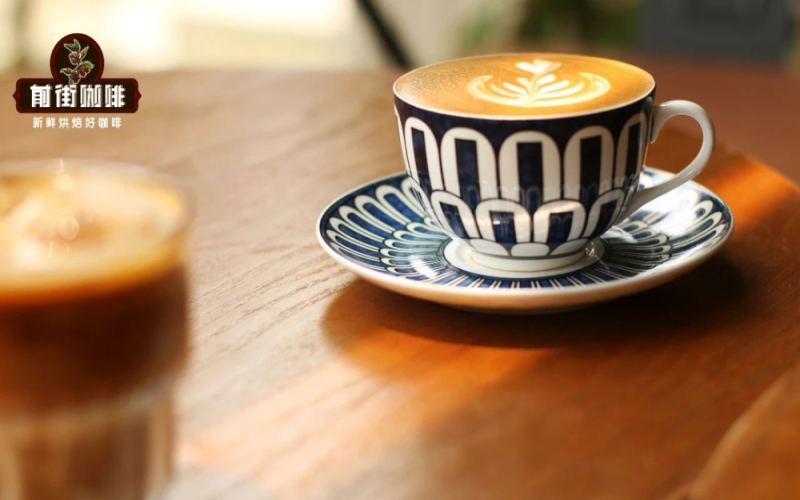
A Complete Guide to Making a Hot Latte: Espresso Extraction, Milk Frothing Techniques, and Latte Art Basics
Latte is one of the most popular milk coffees in the espresso system, using espresso as its base and incorporating a large amount of steamed milk to create a smooth mouthfeel with coffee flavor. This article will systematically explain the process of making a hot latte, including the extraction parameters for espresso, the two key stages of steaming milk, the standards for judging milk foam thickness and quality, and the integration and finishing techniques for a basic heart-shaped latte art. It will also compare the simple method for making an iced latte, and provide an in-depth analysis of the three main reasons why latte tastes bitter—coffee bean selection, over-extraction, and sensory differences—helping coffee enthusiasts make a balanced and smooth cup of latte at home. [more…]