







Search Results for: Extraction and Roasting
The Definition of Specialty Coffee and Its Evaluation Criteria: A Complete Guide from Green Bean Origin to Extraction
The concept of specialty coffee has undergone more than thirty years of development since it was first proposed by Erna Knutsen in 1974. Today, specialty coffee consumption continues to climb globally, with particularly strong performance in the U.S. market. However, understanding specialty coffee cannot stop at the level of "coffee beans grown in special environments." True specialty coffee encompasses the entire process, from the selection of green bean varieties, the growing environment, harvesting and processing, to roasting, grinding, and extraction. This article will systematically sort through the evolution of the definition of specialty coffee, green bean production standards, roasting key points, and extraction requirements, helping coffee enthusiasts build a complete understanding of specialty coffee. [more…]
Coffee Bean Roasting Principles | What's the Difference Between Dark Roast and Light Roast Coffee Beans? Can Single-Origin Beans Like Natural Red Cherry, Bird of Paradise Estate, Brazil Yellow Bourbon, and Mozart Be Used for SOE Coffee?
When Front Street Coffee baristas introduce coffee bean flavors to customers, they also share a lot of related knowledge about coffee beans. From a single coffee bean to the coffee we taste, it goes through picking, drying processing, hulling and sorting, roasting, and finally extraction—every step [more…]
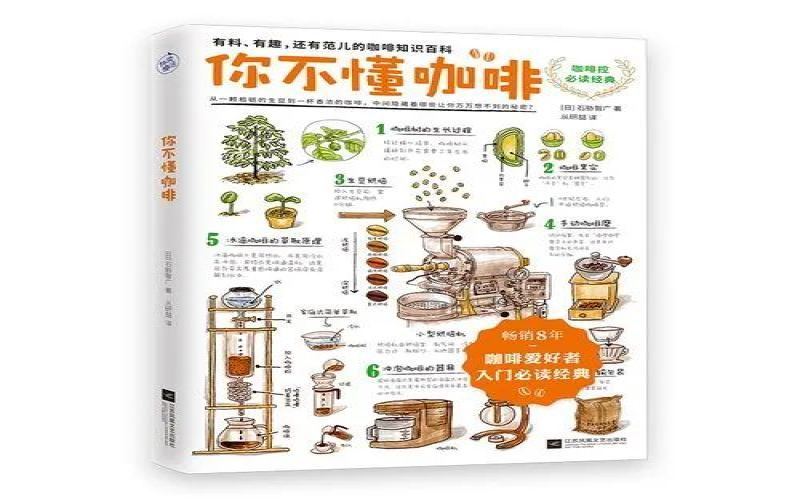
Must-Read for Coffee Novices and Roasting Enthusiasts: A Recommended List of Coffee Books from Beginner to Professional
Just getting into coffee and not sure where to start? Want to dive deep into roasting but can't find a reliable reading list? This article compiles a practical book guide for coffee lovers at different stages, from zero-foundation beginners to green bean sourcing and roasting science, covering core topics such as pour-over extraction, varieties and processing, tasting and cupping, and origin knowledge. Whether you're a complete novice or a practitioner with some foundation, you'll find something that suits you. At the end, we also recommend an academic guide that can be called the "ceiling," as well as Front Street Coffee's professional communication channel, to help you systematically improve your coffee knowledge. [more…]
Analyzing the Causes of Bitterness in Pour-Over Coffee: A Comprehensive Discussion from Bean Variety and Roasting to Extraction Parameters
The bitter taste of pour-over coffee often leaves enthusiasts puzzled—is it a problem with the beans or an error in the brewing method? This article will systematically analyze the root causes of bitterness in pour-over coffee from multiple dimensions, including coffee bean varieties, roast level, storage time, and extraction parameters. At the same time, we will also share the specific parameters used by Front Street Coffee when brewing a light-roasted washed Yirgacheffe, to help everyone more intuitively understand how to avoid the bitterness caused by over-extraction, and thereby brew a balanced, smooth, and enjoyable cup of coffee. [more…]
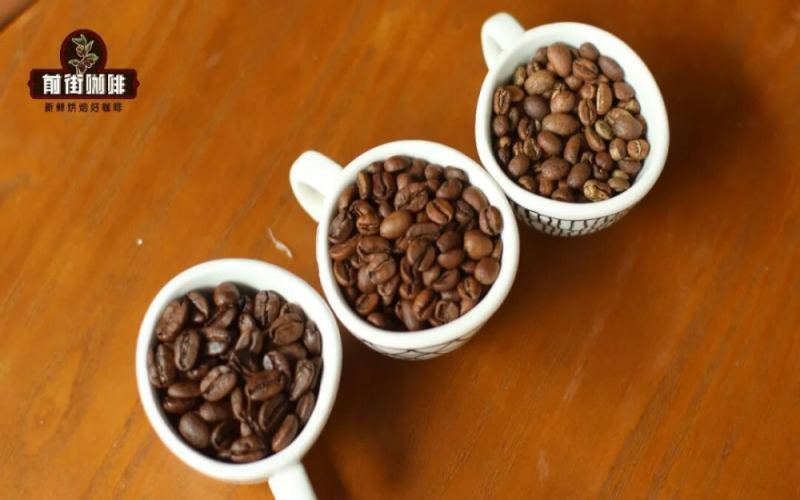
How Does Roast Level Determine SOE Performance? Why Light and Dark Roasts Are Unsuitable for Espresso
Roast level is one of the key variables affecting the direction of coffee flavor. From green beans to the cup, the roasting stage determines roughly thirty percent of the final taste. From the perspective of Front Street, this article sorts out the Maillard reaction and caramelization reaction that occur in coffee beans during roasting, explains the flavor characteristics presented by light, medium, and dark roasts, and focuses on answering a common question: why are both light-roasted and dark-roasted beans considered not quite suitable for SOE? At the same time, drawing on several specific Front Street products, it offers bean types and extraction suggestions suitable for making single-origin espresso, helping coffee enthusiasts more clearly understand the matching relationship between roast level and espresso. [more…]
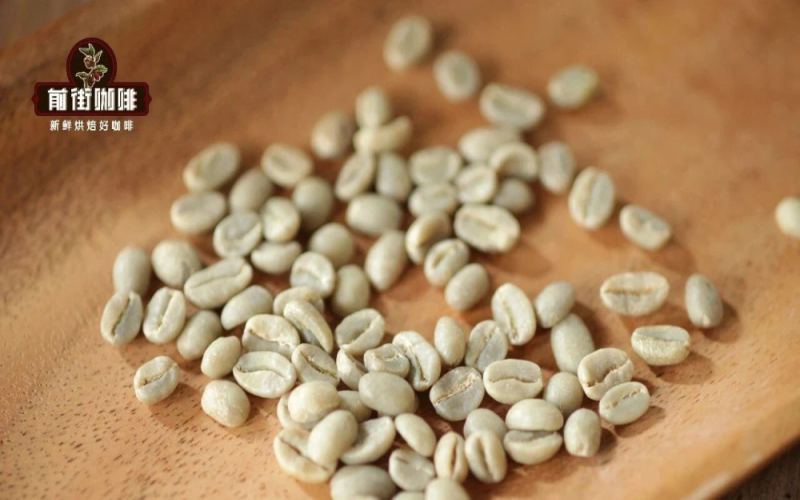
How Does Coffee Roast Level Shape Flavor? A Detailed Guide to SOE Single-Origin Bean Selection Logic and Recommendations
Roasting is the key stage that determines coffee flavor; among green beans, roasting, and extraction, roasting accounts for as much as thirty percent. Starting from the Maillard reaction and caramelization, this article sorts out how the three roast levels—light, medium, and dark—affect the balance of acidity and bitterness and the expression of aroma, then analyzes why SOE should not blindly pursue either light or dark roasting, and offers recommendations for four single-origin coffee beans suitable for making espresso. Whether you are an enthusiast just getting into SOE or a professional looking to refine your approach to bean selection, you can find useful criteria for judgment here. [more…]
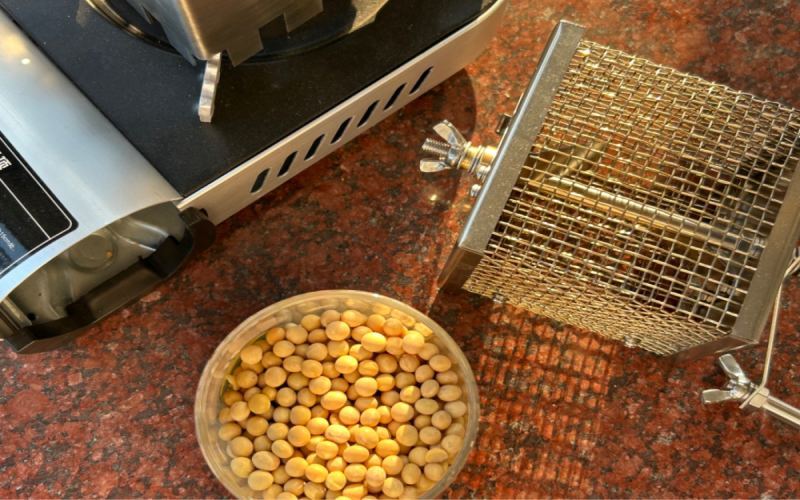
Can Soybeans Be Used as Coffee Beans? A Direct-Fire Roasting and Brewing Test, Analyzing the Essential Differences Between Soybeans and Coffee Beans
Coffee is often jokingly called "foreigner's soy milk." Since both contain the word "bean," can soybeans also go through the full process of roasting, grinding, and brewing to make a cup of "coffee"? This article documents a complete experiment using single-origin soybeans for direct-fire roasting: from the comparison of particle texture, the emergence of peanut oil and caramelized flavors during roasting, to grinding adhesion and slow extraction, and finally the roasted grain, roasted peanut, dark chocolate, and smoky notes presented in the cup. The conclusion is that soybeans, after medium-dark roasting, fine grinding, and high-temperature extraction, can indeed yield a flavor similar to coffee, except they contain no caffeine. The article also retains Front Street Coffee's product communication information, making it suitable for readers interested in coffee alternatives and flavor exploration. [more…]
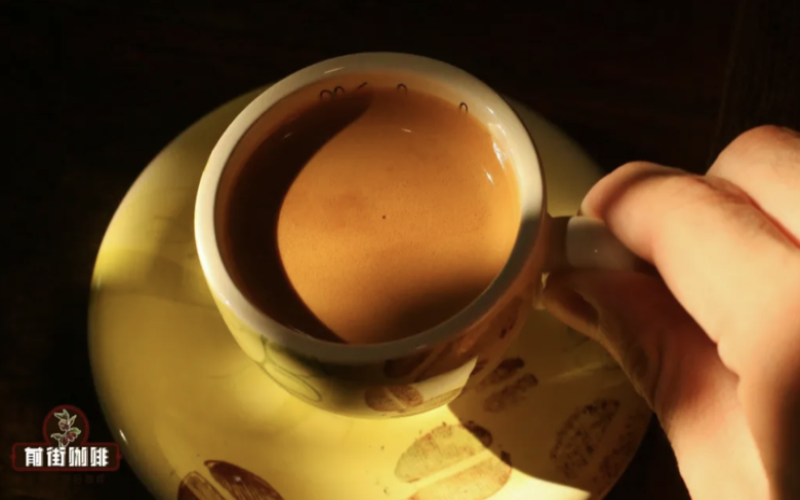
The Japanese Dark Roast School: A Roasting Philosophy That Takes Mouthfeel as Its Faith
In an era when specialty coffee has unmistakably surged toward "light-roast fruit acidity," the Japanese roasting world took the opposite path: roasting beans dark and thorough, pursuing the mellow aesthetics of "sweetness after bitterness." Japanese-style dark roasting is not an accidental product of over-roasting, but a self-consistent philosophical system. Understanding this school will change how you think about what "coffee should [more…]
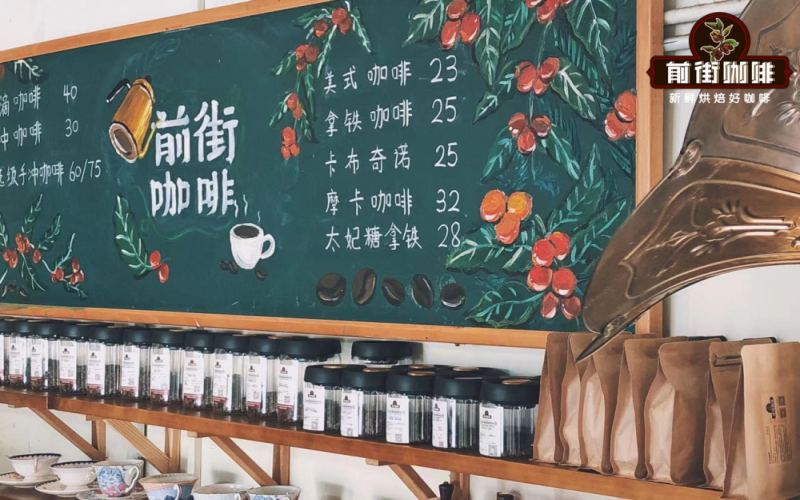
In-Depth Analysis of Coffee Roast Levels: Flavor Differences Between Dark and Light Roasts and a Guide to Choosing Beans for SOE Coffee
The roast level of coffee beans directly affects the flavor expression in the final cup. From the Maillard reaction and caramelization during roasting to the aroma characteristics presented by the three common roast levels—light, medium, and dark—this article systematically analyzes how roast level influences the balance between acidity and bitterness and the direction of flavor in coffee. At the same time, addressing the bean selection challenge for SOE (Single Origin Espresso), the article analyzes why light-roast and dark-roast beans easily produce harsh flavors under espresso extraction, and gives the reason why medium roast is the first choice for SOE. Front Street Coffee also recommends four single-origin beans suitable for making SOE, covering sun-dried Yirgacheffe, Papua New Guinea Paradise Bird, Costa Rica Mozart, and Brazil Queen Estate Yellow Bourbon, providing practical reference for coffee enthusiasts. [more…]
Home Coffee Bean Buying and Roasting Guide: Top Ten Brand Recommendations and Extraction Pairing Tips
Faced with a dazzling array of coffee beans, how do you choose the one that suits you best? This article systematically sorts out the logic of buying coffee beans for home use from multiple dimensions such as brewing method, roast date, regional flavor, and packaging format. You will learn about the applicable scenarios for single-origin beans and espresso blends, the importance of fresh roasting, and recommendations for resting time, while also seeing a list of representative coffee beans organized according to different flavor preferences. Whether you are a pour-over enthusiast just starting out or an espresso player pursuing a rich taste, this guide can help you quickly lock in your ideal choice. The article also specifically recommends several products from Front Street Coffee and answers the common question of whether to buy whole beans or ground coffee. [more…]
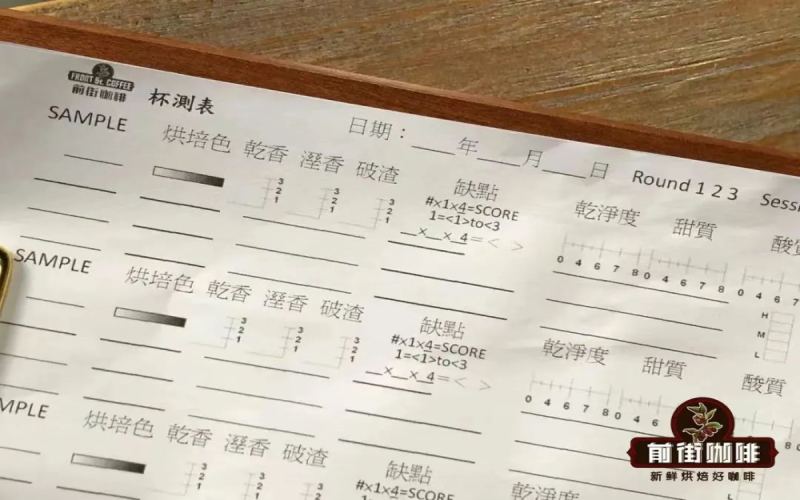
What stages affect coffee cleanliness? Looking at the history of Brazilian coffee harvesting and processing through COE cupping protocols
Cleanliness is an important dimension in judging coffee quality. It reflects whether a cup of coffee carries negative flavors such as earthiness, hay, or woodiness, or unpleasant sensations like astringency and dryness. From harvesting and processing to roasting and brewing, every stage can influence the level of cleanliness. This article starts with the emphasis COE cupping places on cleanliness, traces the historical problems Brazil—the world's largest coffee-producing country—has faced due to machine harvesting and rough sun-drying, and then extends to the impact of the roasting and brewing stages on cleanliness, helping coffee lovers systematically understand the industry chain logic behind a clean cup of coffee, while also retaining relevant recommendations for the Front Street brand. [more…]
SOE Coffee: Light Roast or Dark Roast? The Roasting Logic Behind Espresso Made from Single-Origin Beans and Four Front Street Recommendations
The same single-origin bean can taste completely different as a pour-over versus an SOE. The roast level plays a key role here—a light roast preserves the floral and fruity acidity, but under pressurized extraction it can turn sharp and prickly on the tongue; a dark roast brings a rich, mellow caramel note, but it easily masks the character of the origin. So what roast level should SOE actually use? This article starts from roast chemistry, analyzing how the Maillard reaction and caramelization shape coffee flavor, sorting out the flavor directions corresponding to light, medium, and dark roast levels, and then answers the roasting-selection challenge for making SOE from single-origin beans, and offers four Front Street Coffee beans suitable for SOE, covering four styles: tropical fruit, hazelnut and sugarcane, fermented fruit, and chocolate creamy peanut. [more…]
Analyzing the Causes of Coffee Bitterness: How to Distinguish Over-Extraction from Over-Roasting and Precisely Adjust Pour-Over Parameters
Many coffee enthusiasts, when they encounter bitterness during pour-over brewing, instinctively cut off the tail end of the extraction—but is bitterness really only coming from the tail end? In fact, the sources of coffee's bitterness are complex: they are related both to the order in which compounds dissolve during extraction and to the degree of roast. Front Street Coffee will guide you through a deeper understanding of the true causes of coffee bitterness, teach you to distinguish between the bitterness caused by over-extraction and that caused by too dark a roast, and share how to avoid unnecessary bitterness by adjusting pour-over parameters such as grind size, water temperature, and time, so that every cup of coffee comes closer to your ideal flavor. [more…]
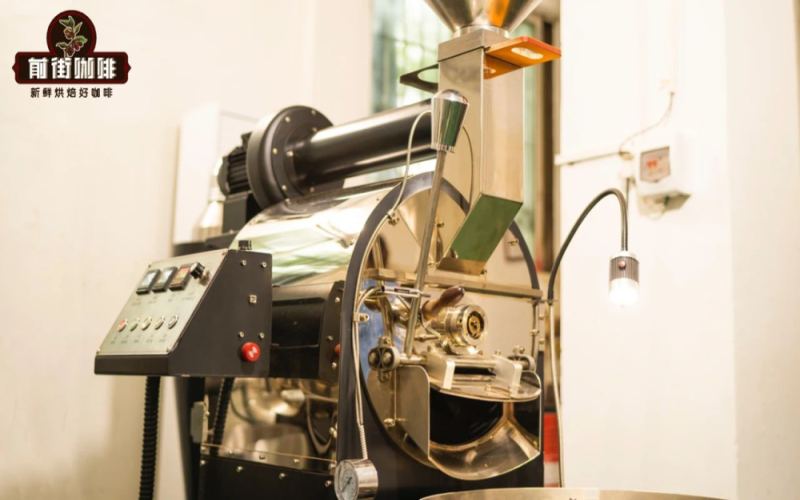
A Complete Guide to Coffee Roast Levels: Flavor Differences Across Light, Medium, and Dark Roasts and Pour-Over Parameter Comparison
Roasting is the key stage that determines the final flavor of coffee beans. Only after green beans are roasted at high temperatures, undergoing the Maillard reaction and caramelization, can they release rich aromas and a balanced interplay of acidity, sweetness, and bitterness. The roast levels commonly found on the market today are divided into three types: light, medium, and dark, each presenting a completely different flavor direction and brewing logic. Starting from Front Street Coffee's roasting practice, this article systematically sorts out the chemical reaction principles and flavor characteristics of the three roast levels, and, combined with three representative beans—Yirgacheffe Konga, Brazil Queen's Estate, and Indonesia Golden Mandheling—provides corresponding recommendations for dripper selection, water temperature, grind size, and extraction methods, helping coffee enthusiasts build a complete cognitive framework from roasting to brewing. [more…]
Five Key Steps for Italian-Style Blend Coffee Beans and a Full Analysis of Making Americano and Latte with Espresso
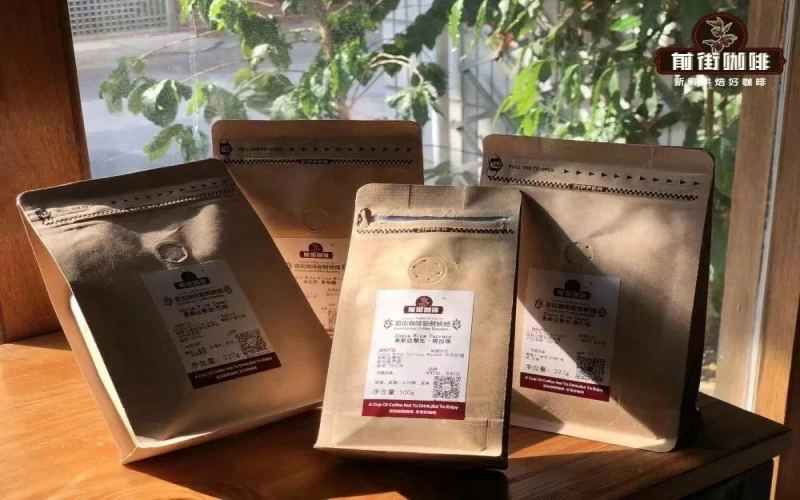
In the specialty coffee wave, single-origin beans are highly sought after, but the value of blend beans should not be underestimated. From the perspective of Front Street Coffee, this article systematically outlines the five major steps of espresso blending, explores why blending can create flavors that single-origin beans cannot achieve, and emphasizes the importance of consistent output for roasters. It then demonstrates in detail how to extract espresso using Front Street Sunflower · Warm Sun espresso blend beans, and extends to the production ideas for Americano and latte. Whether you are a coffee enthusiast or a professional, you can gain practical reference on blending logic and extraction practice from it. [more…]
A Complete Guide to Espresso Blend Formulation: From the Five Key Steps to Hands-On Espresso Extraction
In the wave of specialty coffee, single-origin beans are certainly highly sought after, but the value of blend beans should not be underestimated either. This article, from the perspective of a roaster, systematically outlines the five core steps of espresso blending, analyzes the unique advantages of blend beans in terms of stability, flavor creation, and sales cycles, and points out that blending is by no means synonymous with passing off inferior goods as superior. Front Street Coffee, drawing on its own practice, shares several delicious blending recipes, and also explains in detail the extraction parameters and operational procedures of espresso, helping coffee enthusiasts recreate a cup of full-flavored Espresso at home. [more…]

The Essence of Specialty Coffee: A Professional Interpretation and the Art of Balance from Green Beans to the Cup
The definition of specialty coffee goes far beyond the coffee beans themselves; it depends even more on whether the roaster and brewer can interpret the characteristics of each bean from a professional perspective. This article explores the core of specialty coffee in depth: from green bean varieties, processing methods, and moisture content to roasting curves, and then to the precise control of extraction parameters, emphasizing that only by fully understanding and accommodating the personality of the coffee beans can one present a cup of specialty coffee with balanced flavor and no jarring notes. Whether Robusta or Arabica, as long as the strengths are properly showcased, either can become specialty. The article also points out that blindly following brewing trends or ignoring basic extraction principles cannot achieve true specialty coffee. [more…]
The Complete Guide to Golden Mandheling Pour-Over: From PWN Bean Selection and Roasting Approach to Coarse Grind Low-Temperature Extraction
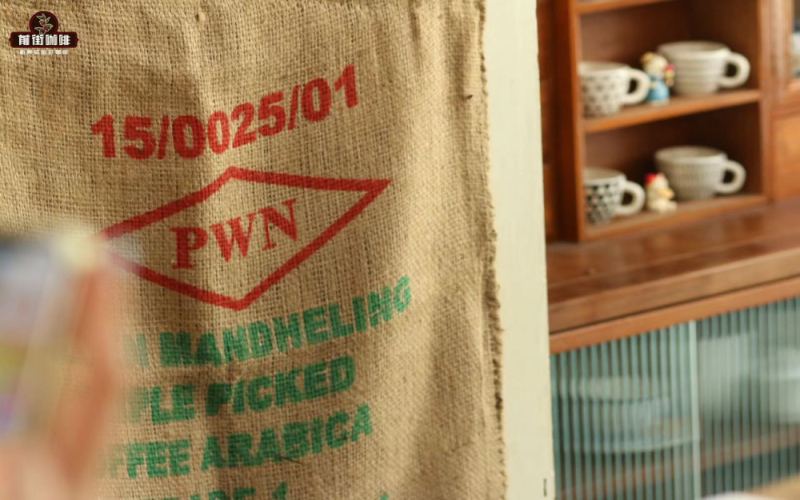
Golden Mandheling was once a classic option on specialty coffee menus, known for its rich, substantial body and creamy texture. Drawing on Front Street Coffee's practical experience, this article provides a complete overview of key points for selecting Golden Mandheling beans, identifying the PWN trademark, the flavor characteristics brought by the wet-hulling process, and roasting curves and pour-over parameters for dark-roasted beans. From controlling the first crack on the Yangjia 800N roaster to the extraction method using a KONO dripper with 88°C water and a 1:15 coffee-to-water ratio, the article also offers references for staged pouring and total extraction time, helping coffee enthusiasts consistently brew a clean, sweet finish interwoven with nuts, spices, herbs, and chocolate at home. [more…]

Does Decaf Coffee Lose Flavor? A Complete Guide from Processing to Roasting Techniques
For people sensitive to caffeine, decaf coffee offers a choice that lets them enjoy the flavor of coffee without worrying about insomnia. But how exactly is caffeine removed from decaf coffee? Will the flavor suffer greatly after removal? Can it still reach specialty grade? From the perspective of Front Street Coffee, this article sorts out the historical origins of decaf coffee, three mainstream decaffeination processes (solvent extraction, carbon dioxide treatment, water treatment), analyzes the impact of each method on flavor and health, and shares the unique challenges and coping techniques of decaf coffee during roasting, helping coffee lovers fully understand the pros and cons of decaf coffee and the truth about its quality. [more…]
Honduras Lychee Orchid Coffee: Barrel Fermentation Process Analysis and Full Record of Front Street Coffee Roasting and Brewing
The Lychee Orchid coffee beans from Honduras' Mocha Estate, through their unique barrel fermentation process, present a refreshing fruity acidity reminiscent of lychee and a rich sweetness like rum-filled chocolate. Front Street Coffee sorts through the origin information, variety characteristics, and processing method one by one, and meticulously records this bean's roasting curve, cupping performance, and pour-over parameters. This article will fully present Front Street's practical data from the roasting and brewing stages, including charge temperature, air vent and heat adjustment milestones, first crack development time, and the V60 dripper extraction plan, providing coffee enthusiasts with a reference quality-control file for Lychee Orchid. [more…]