







Search Results for: Extraction Experiment

How Does Portafilter Temperature Affect Espresso Extraction? A Comparative Test of Brew Head Preheating vs. Chilled Portafilter
Espresso extraction involves numerous variables, and portafilter temperature is often overlooked. Front Street Coffee designed a comparative experiment to address the question of "whether the hot or cold brew head affects tamping force": keeping dose and yield fixed while only changing the portafilter temperature, recording time, concentration, flavor, and milk-coffee performance. The experiment used Front Street Sunflower Warm Sun Blend, and the results showed that although temperature did not significantly change the extraction yield, it clearly steered the flavor direction—a preheated portafilter made the full-bodied feel and winey notes more prominent, while a chilled portafilter amplified the fruity acidity and light texture. This article will present the complete experimental data and tasting conclusions, and answer whether tamping force needs to be adjusted with temperature, as well as how to decide on a portafilter preheating strategy based on the coffee bean roast level. [more…]

Coffee Flavor Experiment: Can a Pinch of Salt Neutralize Bitterness and Improve Flavor Balance?
What should you do if your coffee is too bitter? Some people suggest that adding salt can improve the taste. In this article, through a controlled experiment with Mandheling coffee, we tested the effects of three different amounts of salt—0.01g, 0.02g, and 0.03g—on the coffee's flavor. The results showed that 0.02g of salt balanced the bitterness and saltiness, enhanced the body, and made it easy to drink; while 0.01g still had a pungent taste, and 0.03g was too salty. The experiment showed that adding salt can indeed mask bitterness to a certain extent, but similar to the bypass method, it is mainly suitable for rescuing extraction mistakes or coffee that is about to go wrong. If the coffee itself is perfectly extracted with balanced acidity and sweetness, adding extra salt will instead disrupt the flavor balance and artificially create negative tastes. [more…]
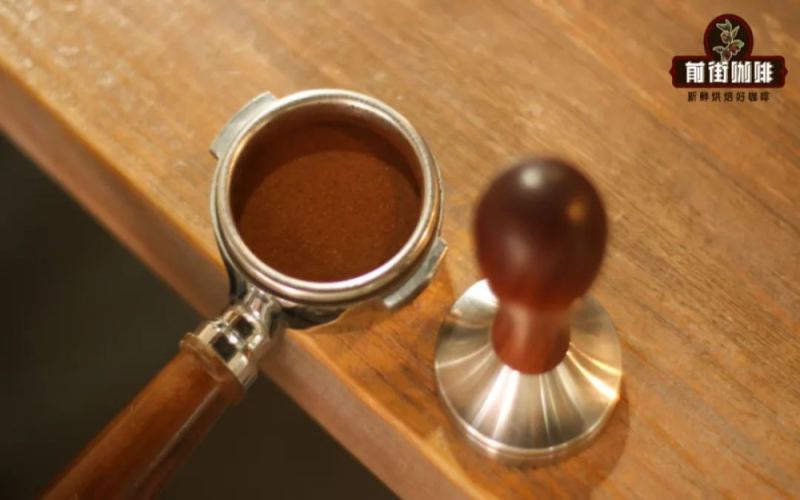
What espresso tamping pressure is actually appropriate? Experiment reveals the relationship between grind size and tamping force
Tamping is a step in espresso making that seems simple but is full of subtle knowledge. Baristas have different understandings of tamping: some believe a light press to level the grounds is enough, while others are used to pressing down with full force. So, does tamping pressure actually affect the extraction result? Front Street Coffee conducted two sets of comparative experiments, using coarse-ground and fine-ground coffee powder respectively, and observed the changes in extraction time after tamping with different pressures. The experiments revealed a key rule: the effect of tamping pressure on extraction is not fixed, but is closely related to the coarseness of the coffee grounds. This article will take you deeper into the true role of tamping, the differences in understanding among different schools of thought, and how to flexibly adjust tamping pressure according to grind size, so that every cup of espresso is more stable and outstanding. [more…]

AeroPress Cold Brew Experiment: Iced Coffee Brewing Notes for Yirgacheffe and Nicaragua
If you want a refreshing iced coffee in the summer, the AeroPress is a device worth trying. It combines immersion, paper filtration, and pressure extraction to produce a clean-tasting, high-concentration coffee liquid. This article documents the entire process of an AeroPress iced coffee experiment using Front Street Yirgacheffe washed Gedingding and Nicaraguan beans, including the bean selection approach, specific brewing parameters, and operating steps. By adjusting the grind size, water temperature, and coffee-to-water ratio, then cooling and diluting with ice cubes, the result is a cup of iced coffee with balanced acidity and sweetness and a fresh mouthfeel. The article also shares bean recommendations for different flavor preferences, for coffee lovers' reference. [more…]
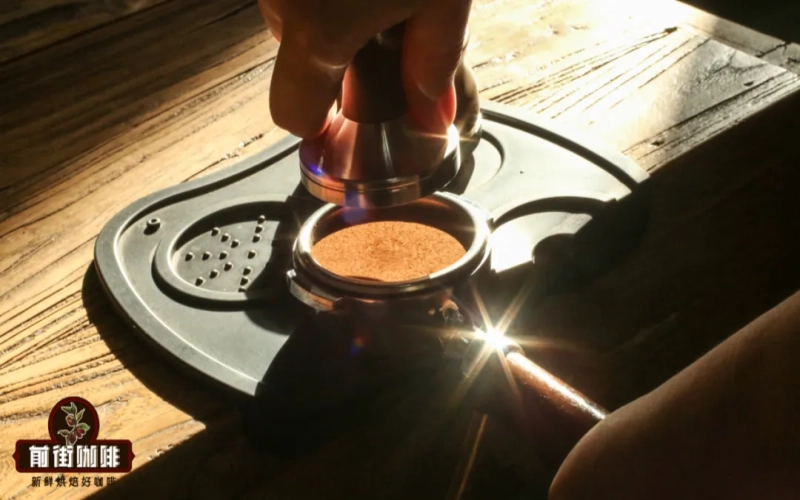
How Does Tamping Pressure Change Espresso Extraction? A Comparative Experiment Analysis of Light Tamp, Heavy Tamp, and No Tamp
When making espresso, does tamping pressure actually affect the final taste? Front Street Coffee has been asked this question many times. To provide an answer, Front Street Coffee used 20g of coffee grounds and a target liquid weight of 40ml, extracting three espressos each with light tamping at 2kg, heavy tamping at 18kg, and no tamping at all, then compared extraction times and flavor performance. The results surprised many: the extraction times for the three methods were almost identical, and the tastes were hard to distinguish. The key behind this lies in how the coffee machine's 9bar pressure actually works. Starting from experimental data, this article will clarify the real impact of tamping pressure and explain why even distribution of grounds is far more important than forceful tamping. [more…]
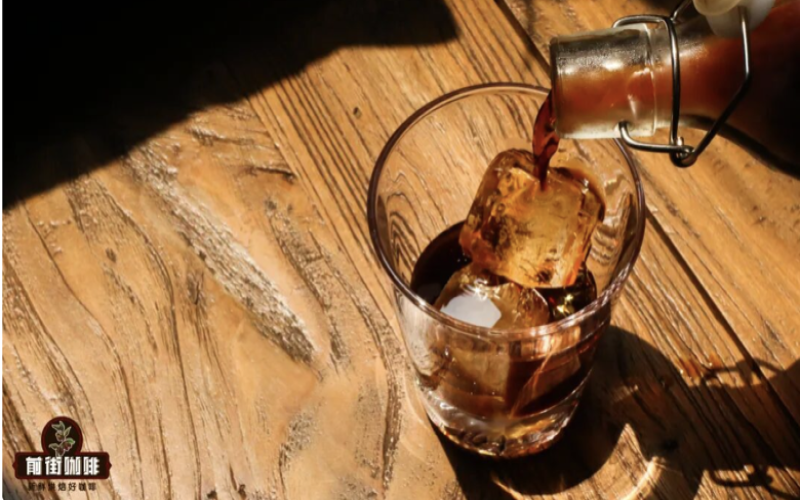
Flavor Experiment with Low-Temperature Slow Extraction: Differences in Cold Brew Across Different Processing Methods
The most fascinating thing about cold brew is that it works like a slow-motion projector: the flavor release that hot extraction completes in a few dozen seconds is stretched out over more than ten hours, and the character of every flavor compound is amplified and put on display. Running a set of cold brew comparison experiments with beans processed in different ways lets you directly see how each processing method truly expresses itself at low temperatures. The experiment is set [more…]
Ninety Plus Candle Glow Coffee Flavor Analysis: Roasting Key Points and Brewing Grind Adjustments for Natural Sidamo
Candlelight Coffee is a naturally processed Ethiopian bean from the LevelUp series by Ninety Plus, named for its flavor profile. It comes from the Sidama region, and its name means "the best way" in the local dialect. This article begins with the background of the Ninety Plus brand, then outlines Candlelight's origin characteristics, flavor expression, and roasting approach. It also documents a grind size comparison experiment conducted by Front Street Coffee using the same batch of beans, examining how different grind coarseness affects TDS concentration and the drinking experience. The article also organizes the N2, H2, and W2 labeling logic that Ninety Plus uses to classify flavor directions, helping coffee enthusiasts understand what makes this bean unique and how to adjust their brewing. [more…]

Ice Drip vs. Cold Brew: A Comprehensive Comparative Experiment from Brewing Principles to Flavor Expression
Ice drip coffee and cold brew coffee are two common methods of making cold coffee, and the two differ noticeably in production process, extraction time, and final flavor. Front Street Coffee conducted a synchronized experiment using the same sun-dried Huakui coffee beans, comparing the production methods and resulting performance of ice drip and cold brew in an all-round way, from grind size calibration to powder-to-liquid ratio setting, and then to extraction time and post-processing methods. The experimental results showed that ice drip coffee was clear and bright, with a clean and refreshing mouthfeel, carrying fermented notes and a faint berry-like sweet acidity; cold brew coffee, by contrast, had a full-bodied mouthfeel and uniform flavor, with prominent fruity sweetness and a weaker fermented note. This article will analyze in detail the differences in production methods between the two types of cold coffee, the experimental plan, and the flavor comparison results, to help coffee enthusiasts more clearly understand the characteristics of both and the basis for choosing between them. [more…]

How Does Water Temperature in Pour-Over Coffee Affect Extraction Flavor? A Comparative Experiment and Selection Guide from 80°C to 96°C
Among the many variables in pour-over coffee, water temperature has a particularly direct impact on the extraction result. It not only determines the speed and sequence with which flavor compounds are released from the coffee, but also ultimately shapes the acidity, sweetness, bitterness, and body of a cup of coffee. In this article, through comparative experiments conducted by Front Street Coffee using washed Yirgacheffe beans, five water temperature groups of 80°C, 86°C, 90°C, 93°C, and 96°C were used for brewing, recording the flavor differences and analyzing the relationship between water temperature and extraction yield and concentration. At the same time, the article also provides the recommended water temperature ranges for light-roasted and dark-roasted coffee beans in daily brewing, helping coffee enthusiasts make more suitable choices for different beans. [more…]
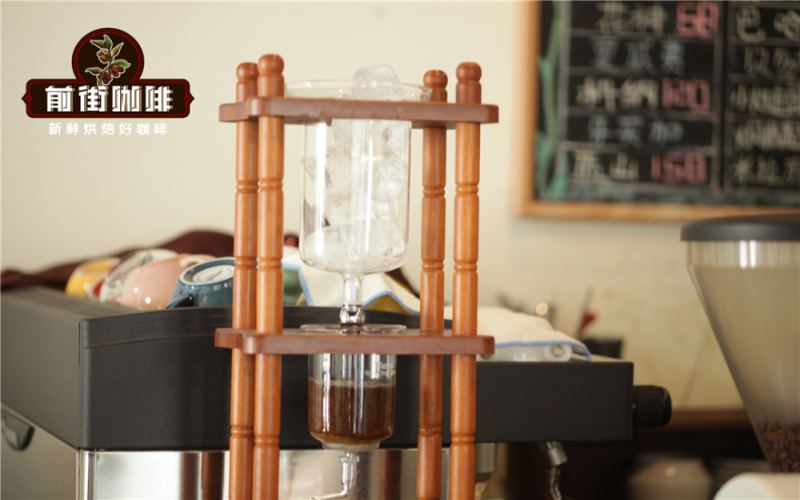
How Does Roast Level Affect Coffee Flavor? A Comparative Experiment Between Cold Brew and Pour-Over Extraction Methods
The flavor expression of coffee depends not only on the quality of the green beans, but is also closely related to the degree of roasting and the extraction method. In this experiment, coffee beans at three different roast levels—light, medium, and dark—were selected and extracted using two methods, cold drip and pour-over, to compare their specific differences in aroma, acidity, mouthfeel, and aftertaste. Light roast in cold drip presents fresh notes of citrus, jasmine, and honey, while pour-over shows bright acidity and a clean mouthfeel; medium roast in cold drip brings the sweetness of rose, grape, and blueberry, while pour-over presents the richness of chocolate and caramel; dark roast in cold drip has a pronounced oily body and a smooth mouthfeel, while pour-over is intense with a slight burnt bitterness. The article also recommends representative Front Street Coffee beans for each roast level, providing a reference for coffee lovers when purchasing and brewing. [more…]
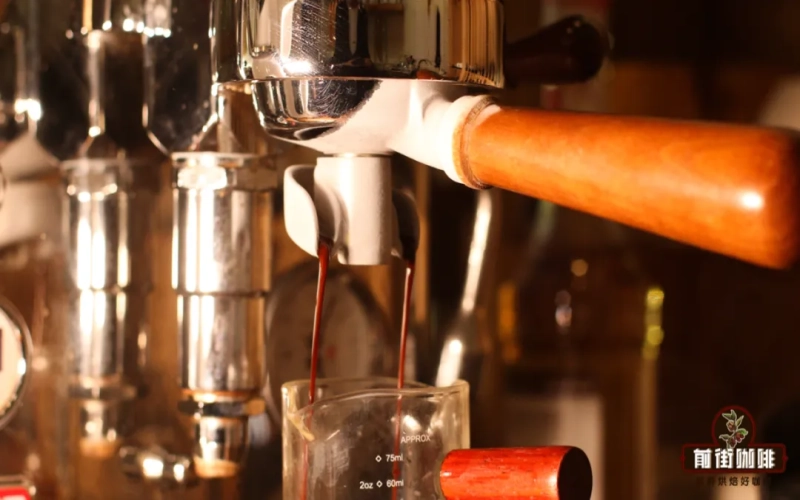
The Impact of Portafilter Temperature on Espresso Extraction: Starting from the WBC Champion's Frozen Portafilter Experiment
At the 2016 WBC, Taiwanese competitor Berg Wu won the championship with a frozen portafilter extracting espresso, overturning the perceptions of the judges and audience at the time. Can portafilter temperature really influence the flavor of an espresso? Through extraction experiments comparing high-temperature, room-temperature, and frozen portafilters, Front Street Coffee found that the three indeed show clear differences, and the effect brought by the frozen portafilter is especially far removed from the other two. This article will analyze in detail the principles behind how portafilter temperature affects espresso, and share Front Street Coffee's actual test conclusions, helping you reunderstand this easily overlooked extraction variable. [more…]
Can You Make Cold Brew with Hot or Warm Water? Flavor Comparison Experiment of Quick-Extracted Cold Brew Coffee at Different Water Temperatures
Cold brew coffee usually requires 8 to 12 hours of low-temperature slow extraction, but what if you want to drink it the same day? Raising the water temperature can speed up extraction, but if you use hot water directly, it becomes hot brew, and the floral and fruity aromas and low bitterness unique to cold brew will also disappear. Front Street compared three methods through experiments: conventional 23°C cold water extraction for 10 hours, 40°C warm water extraction for 4 hours, and 92°C hot water blooming followed by room-temperature water extraction for 4 hours. The beans used were Colombia · Hanami, with full berry acidity, floral notes, and pink pepper flavors. The results showed that the 40°C warm water rapid cold brew was closest to the performance of conventional cold brew, with both a fermented feel and clearly presented flavors, making it suitable for friends who want to drink cold brew quickly. [more…]
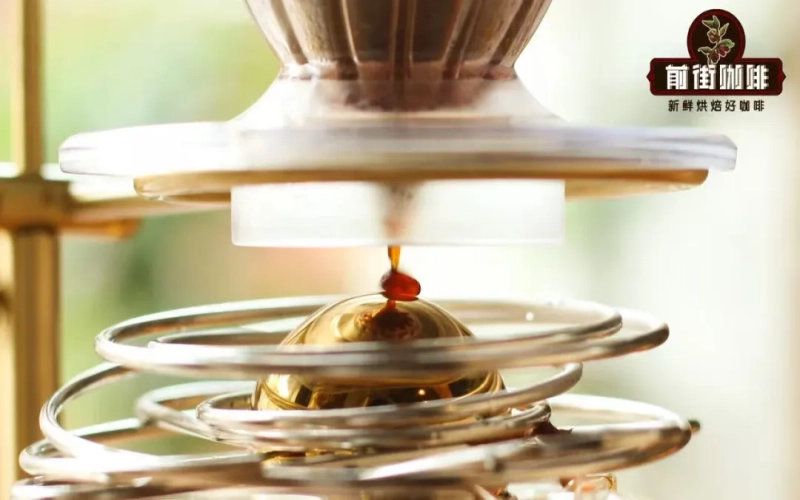
How Does Cup Temperature Affect Coffee Flavor? A Comparative Experiment on Preheating vs. Chilling a Pour-Over Coffee Cup
Coffee aroma is volatile, and the higher the temperature, the faster it dissipates, so some have proposed using low-temperature containers to lock in the aroma. Front Street Coffee compared three types of pour-over coffee vessels—a high-temperature cup, a room-temperature cup, and a frozen cup—to test whether cup temperature truly affects coffee aroma and flavor performance. The experiment used Kenya Asaliya coffee beans with uniform brewing parameters, and the results showed that cup temperature mainly changes the temperature of the coffee when it enters the mouth, rather than the amount of aroma, but temperature differences do indeed cause noticeable changes in flavor perception. This article will present the experimental process and conclusions in detail, and offer cup selection suggestions for different weather conditions. [more…]
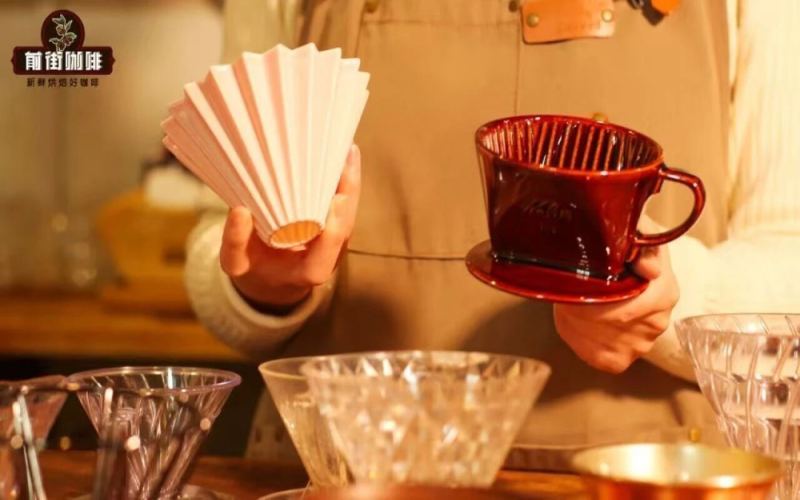
Comparative Experiment: V60 vs. YASUKIYO Wooden Dripper — Extraction Differences and Pairing Suggestions for the Same Yunnan Coffee Beans
Different drippers, due to differences in shape, hole size, and groove design, directly affect water flow rate and degassing, causing the same coffee beans to present entirely different flavor expressions. For this test, Front Street chose the V60 and the YASUKIYO wooden dripper, using the same brewing method and parameters to conduct a comparative test on Front Street 2013 Yunnan Small-Bean Typica, keeping water temperature, grind size, and pouring method as consistent as possible, to observe the differences between the two drippers in aroma, mouthfeel, and extraction efficiency. The article will separately analyze the structural characteristics of the two drippers and give recommendations for Front Street coffee beans that pair well with each, helping coffee lovers choose equipment more purposefully in their daily brewing. [more…]
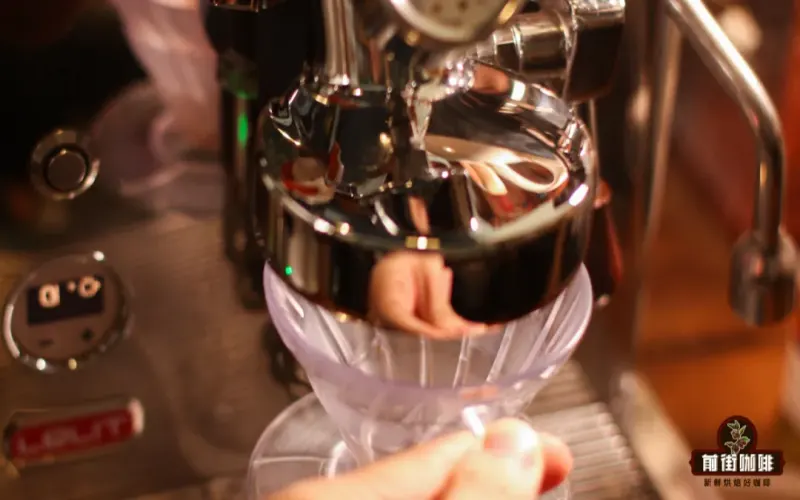
Can an Espresso Machine Make Pour-Over? A Comprehensive Analysis of Pour-Over Coffee Grind Size and Brewing Methods
When the size of a pour-over dripper happens to match the brew head of an espresso machine, an interesting question arises: can an espresso machine be used to make pour-over coffee? This article starts with a theoretical analysis, exploring the feasibility and limitations of brewing pour-over with an espresso machine, and then, through a practical brewing experiment using beans from Elida Estate Catuai, combined with specific parameters and operating steps, verifies the final cup quality. If you are interested in the principles of coffee extraction and the cross-use of brewing equipment, why not join Front Street Coffee and see what surprises this experiment can bring. [more…]

How Does Filter Paper Fit Affect Coffee Extraction? A Comparative Experiment Between V60 and KONO Reveals Flavor Differences
Wetting the filter paper before brewing coffee is almost a standard step for all pour-over enthusiasts, with the usual goals of making the filter paper fit snugly, removing paper dust, and, if hot water is used, warming the cup along the way. However, most tutorials rarely discuss in depth how much the degree of fit between the filter paper and the dripper actually affects the final taste. Front Street conducted two sets of controlled experiments, using V60 and KONO drippers respectively, paired with filter papers in different states of fit for brewing, and tasted and compared them one by one. The experiment used the floral-fruity Front Street · Gedin Gedin and the nutty-sweet Front Street · Brazil Red Bourbon, and the results showed that a poorly fitting filter paper significantly changes the flow rate, which in turn affects the extraction yield and concentration, producing noticeable differences in mouthfeel. [more…]
Is Iced Water Pour-Over Coffee Feasible? Bean Selection and Practical Steps, with a Soda Water Brewing Experiment
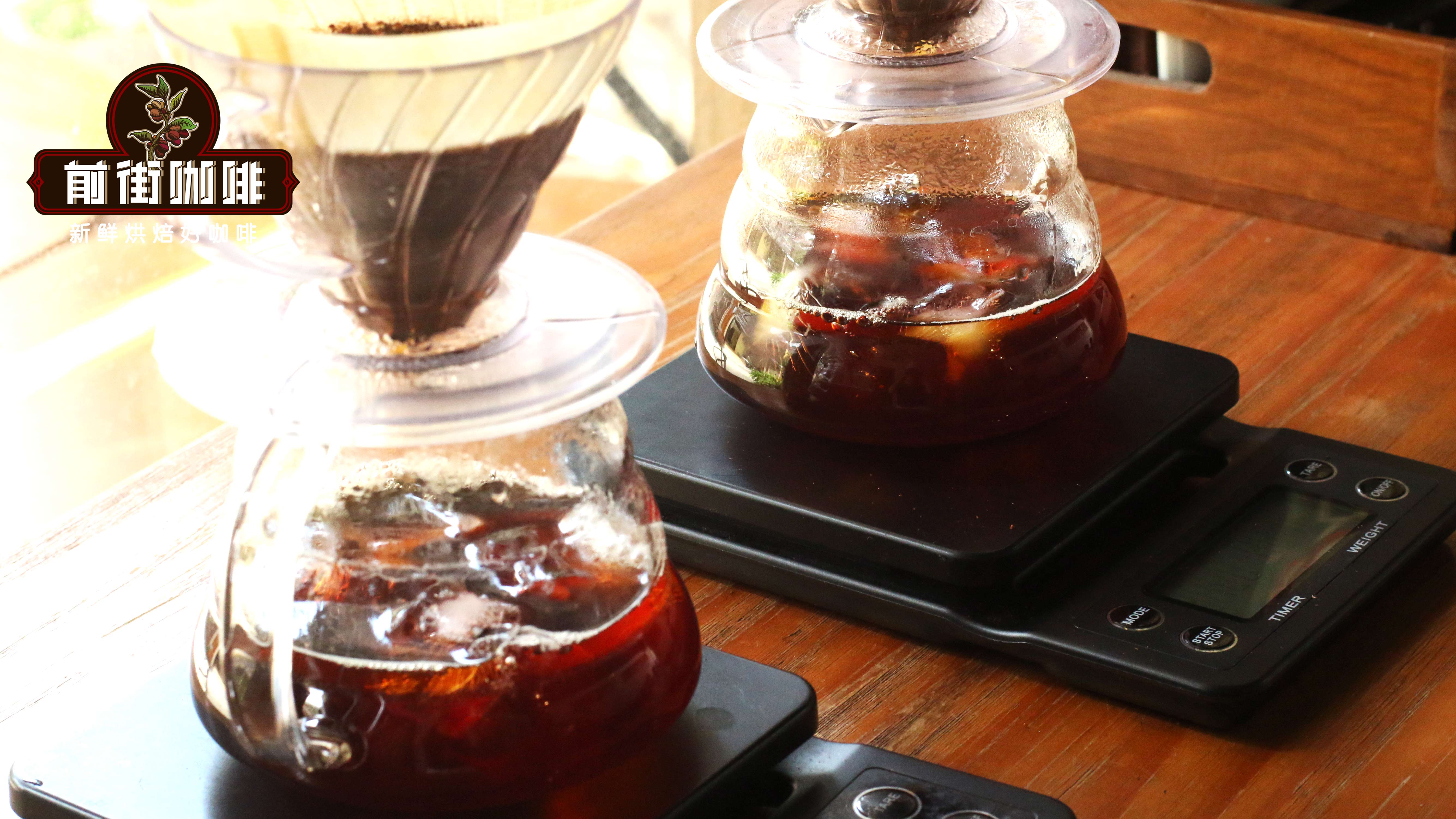
In the past, the iced pour-over recipes we shared mostly involved pouring hot coffee directly over ice to cool it down—a Japanese-style approach. This time, Front Street Coffee wants to try something different—extracting coffee with ice water the whole way through. Ice water is low in temperature and poor at extraction, so it may not seem very reliable, but once you understand the balance between grind size, water temperature, and pouring method, you can actually find a reasonable brewing path. This article will first explain the idea behind brewing coffee with ice water, then use the Costa Rica Strawberry Candy bean as an example to give the dripper choice, grinding parameters, and complete brewing steps, and finally add an extra experiment using soda water instead of ice water to see how the taste changes. [more…]
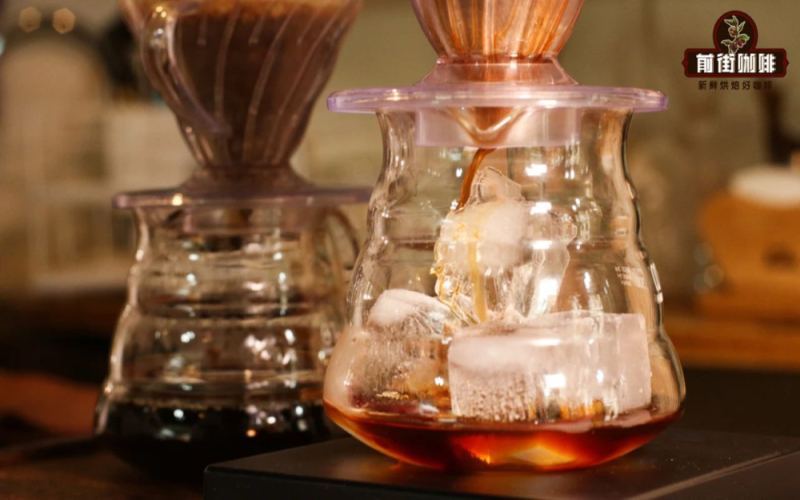
Comparison of Ice Addition Timing for Iced Hand-Brewed Coffee: An Analysis of Front Street's Japanese-Style Iced Hand-Brew Parameters and Sensory Differences
Should ice be added before or after brewing when making iced pour-over coffee? This question puzzles many coffee lovers. Front Street Coffee conducted a controlled experiment using 15 grams of Kaffa Forest coffee beans, a 1:10 coffee-to-water ratio, a water temperature of 90-91°C, and a grind setting of 9 on an EK43s grinder, testing two brewing sequences: ice added first and ice added last. The experiment found that after thorough shaking, the two methods performed quite similarly overall, but the coffee with ice added first tasted cleaner and more refreshing, while the one with ice added last had a more concentrated and intense aroma. The root of the difference lies in how much ice melts. This article will present the complete experimental parameters, step-by-step procedure, and sensory comparison results to help readers understand how the timing of ice addition affects the flavor of iced pour-over coffee. [more…]
How can an automatic pour-over coffee machine brew good coffee? Which coffee beans are suitable for American-style fully automatic models?
As technology continues to advance, coffee brewing has entered the era of automation. Automatic milk frothing and automatic latte art have long been commonplace, so can the ritual-rich pour-over coffee also be entrusted to a machine? This article, through a comparative experiment between an automatic brewing coffee machine and manual pour-over, uses the same Front Street Golden Mandheling, comparing grind size, coffee-to-water ratio, water temperature, and brewing technique one by one. The experiment not only tested whether the extraction yield fell within the golden cup range, but also conducted tasting from dimensions such as flavor layering and body thickness. At the same time, the article also provides suggestions for coffee beans suitable for pairing with automatic pour-over coffee machines, covering different roast levels and flavor orientations, helping enthusiasts choose equipment and beans more rationally. [more…]
Costa Rica Mozart Coffee Beans: A Three-Temperature Pour-Over Experiment—A Full Analysis of the Raisin Honey Process Flavor from Canet Estate
Costa Rican coffee is famous for its honey processing method, and Hacienda Cannet's Musician Series is among the best of the best, especially a raisin honey-processed Mozart coffee bean whose dry and wet aromas are both impressive. To investigate the effect of water temperature on the flavor expression of this bean, Front Street Coffee conducted comparative pour-over experiments at 93°C, 90°C, and 87°C, recording everything from aroma, acidity, and sweetness to the finish. This article will begin with the background of Hacienda Cannet, the origin of the Musician Series names, the green bean information, and the processing characteristics of the raisin honey method, then present in detail the brewing parameters and flavor differences of the three water temperatures, and finally offer brewing recommendations suitable for this Mozart coffee bean. [more…]