







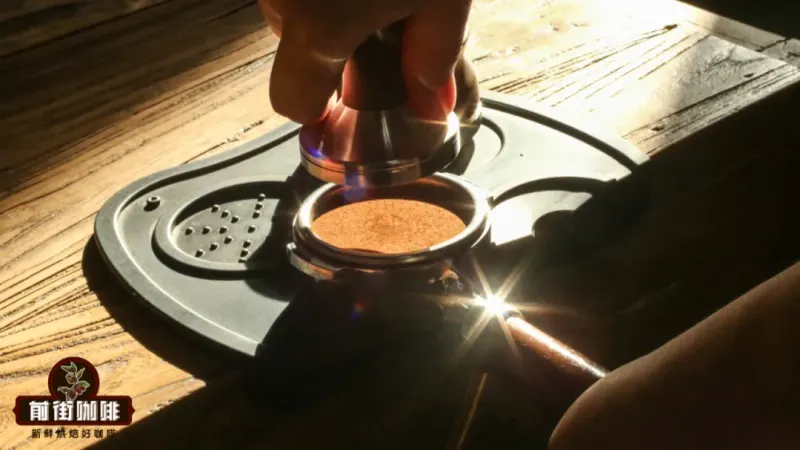
When making espresso, does tamping pressure actually affect the final taste? Front Street Coffee has been asked this question many times. To provide an answer, Front Street Coffee used 20g of coffee grounds and a target liquid weight of 40ml, extracting three espressos each with light tamping at 2kg, heavy tamping at 18kg, and no tamping at all, to compare extraction times and flavor performance. The results surprised many: the extraction times for all three methods were almost identical, and the tastes were hard to distinguish. The key lies in how the coffee machine's 9bar pressure actually works. This article will start from experimental data to clarify the real impact of tamping pressure and explain why even distribution of coffee grounds is far more important than forceful tamping.
In the article "The Importance of Distribution and Tamping," Front Street Coffee mentioned that during the preparation stage before espresso extraction, whether the coffee grounds in the portafilter are evenly distributed and whether the force applied during tamping is consistent can affect the extraction results and espresso flavor. However, that article did not specify how much force should be used for tamping, so many readers asked Front Street Coffee in the comments: how much force is appropriate for tamping?
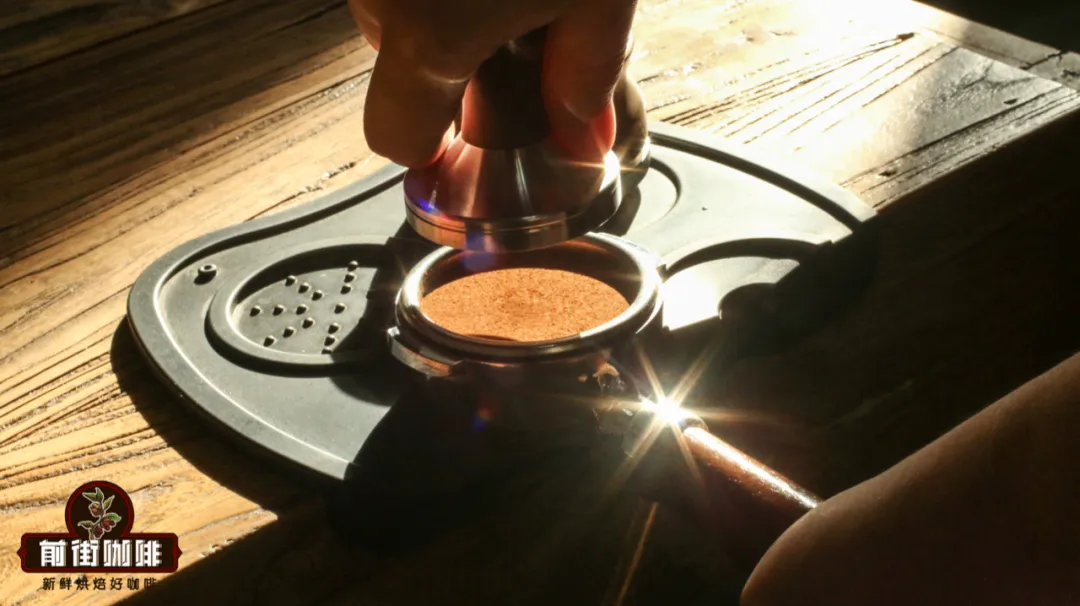
Although Front Street Coffee has published several articles on tamping pressure tests in the past, those contents focused more on experimental comparisons, and many friends might still find them unclear after reading. So today, Front Street Coffee is specifically discussing: what impact does the force of tamping the coffee puck have on extraction, and what does the coffee machine's claimed 9bar pressure actually mean? Why mention coffee machine pressure? Keep reading to understand.
Extraction Experiment
Let's get straight to the point and see how extraction time and taste of espresso change with the same amount of coffee grounds but different tamping forces. The experiment used 20g of coffee grounds, with a target liquid weight of 40ml, and tamping forces set at 2kg for light tamping (a gentle press) and 18kg for heavy tamping (a forceful press). To reduce errors, Front Street Coffee extracted a total of 6 espressos, taking the average extraction time, with results as follows:
For three pucks with 2kg light tamping, the average extraction time was 33 seconds.
For three pucks with 18kg heavy tamping, the average extraction time was 34 seconds.
In terms of taste, there was almost no noticeable difference between the two: balanced acidity, sweetness, and bitterness, with outstanding flavor performance. But the experiment did not end there; Front Street Coffee then extracted two special espressos. What made them special?
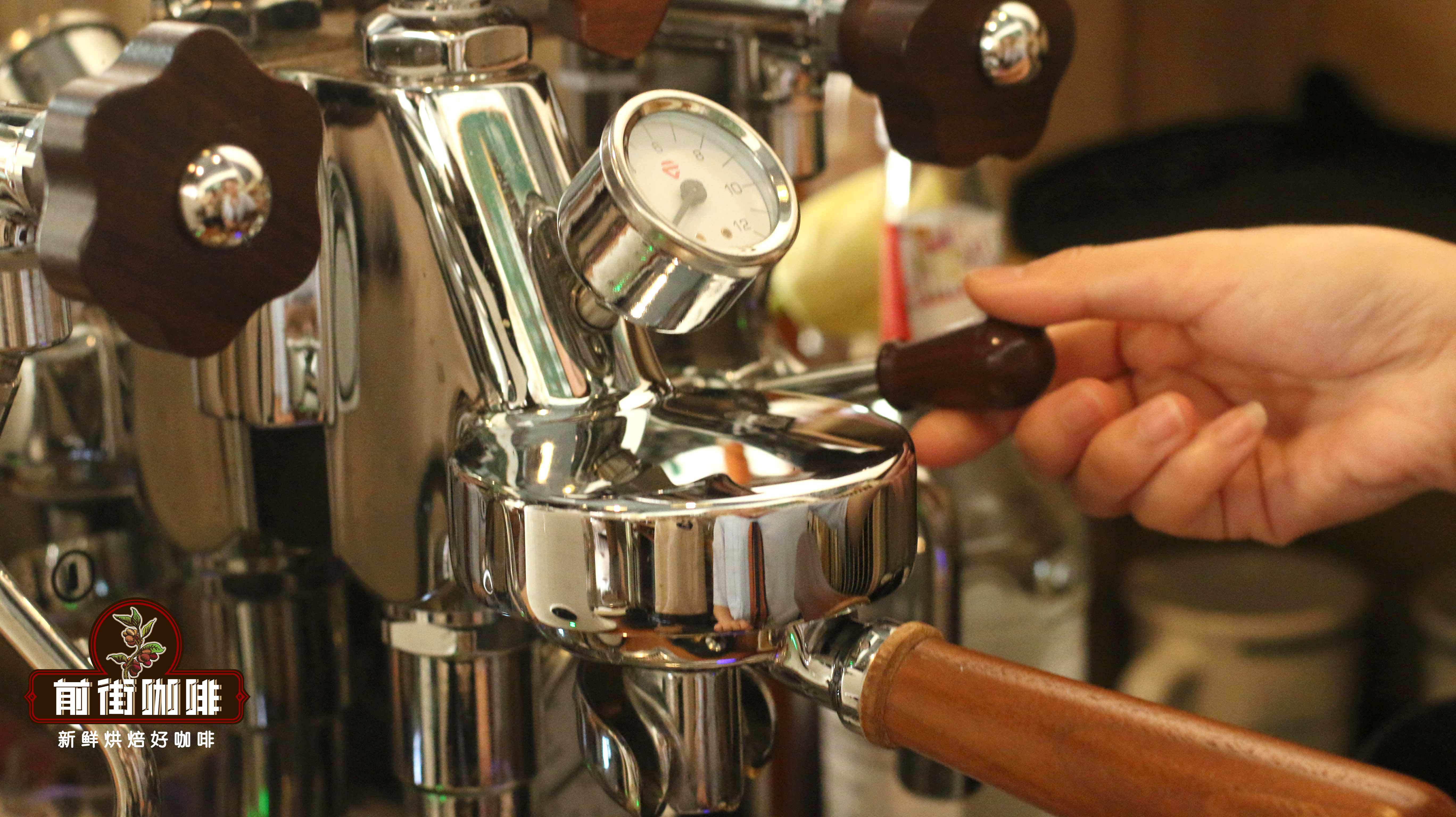
The special aspect was that these two espressos were extracted directly on the machine after distribution, without any tamping. As a result, their extraction time was also 33 seconds (taste to be discussed later). From the extraction time perspective, light tamping, heavy tamping, or even no tamping, the times did not fluctuate significantly.
This may contradict many people's intuition. Front Street Coffee also once thought that the harder the tamping, the tighter the puck, increasing water flow resistance, which should prolong extraction time and change extraction efficiency. But that is not the case. The reason is actually simple, because many people overlook one point—the coffee machine's extraction method.

The above content is compiled by CoffeeHunters, a coffee news website.


