







Search Results for: Espresso bean blends
The Art of Espresso Blending | What Are Espresso Beans? How to Blend Roasted Coffee Beans? Introduction to Espresso Blend Ratio Principles
Some friends may know about coffee beans, but not realize that coffee beans are also divided into espresso and single-origin. Actually, it's not hard to understand—the lattes and similar drinks we often have belong to espresso coffee, and the coffee beans used must correspond accordingly. Not all coffee beans can be used to make espresso. Some people ask Front Street: So what kind of [more…]
Espresso Blend Bean Beginner's Guide: Blending Philosophy, Roasting Methods, and Common Bean Combinations Explained
Many coffee enthusiasts are unclear about the difference between espresso and single-origin coffee, and don't know which coffee beans are suitable for making espresso. This article, from the perspective of Front Street, will systematically explain the definition of espresso beans, the roasting methods for blended beans (raw blend and roasted blend), the design principles of blend ratios, and the characteristics of three types: Arabica-Robusta blends, 100% Arabica blends, and single-origin espresso SOE. At the same time, the article will also introduce several popular espresso blends from Front Street Coffee to help readers make choices based on their own taste preferences. Whether you are a beginner just getting into espresso or an advanced player hoping to deepen your understanding of the art of blending, you can gain practical knowledge and reference from it. [more…]
A Comprehensive Guide to Espresso Blend Coffee Beans: Yunnan Flavor Blend Characteristics and Four Selected Front Street Coffee Bean Recommendations
Single-origin coffee is mostly used for pour-over, while espresso is generally made with blended beans. But must espresso use blended beans? What exactly is a blend? From the perspective of Front Street Coffee, this article systematically sorts out the origin of espresso blends, the purpose of blending, and the difference between raw blending and roasted blending, and analyzes in detail the flavor characteristics and applicable scenarios of four Front Street blends. The article also specifically introduces the "Front Street Dark Cocoa Blend" based on Yunnan coffee beans, which is highly cost-effective and suitable for moka pots and espresso beginners. Whether you are a coffee enthusiast or a shop owner, you can find an idea for choosing espresso beans that suits you. [more…]
How to Choose Espresso Beans for Home Coffee Machines? Differences Between Blends and Pour-Over Beans, Plus Five Espresso Blend Recommendations
Want to make a delicious espresso at home with a coffee machine? Choosing the right coffee beans is the first step. There are many types of coffee beans on the market, and the uses and flavor directions of single-origin beans and blended beans are completely different: single-origin beans are more suitable for pour-over or cold brew, while espresso usually relies on blended beans to achieve a more balanced and stable taste. This article first explains the difference between blended beans and pour-over beans, then organizes five popular espresso blend coffee beans in 2025, including Front Street Coffee Classic Espresso Blend, Front Street Coffee Strawberry Candy Espresso, Front Street Coffee Specialty Espresso Blend, Front Street Coffee Commercial Espresso Blend, and Front Street Coffee Basic Espresso Blend, corresponding respectively to different needs such as rich and aromatic, floral and fruity, nutty notes, coffee shop-style, and high cost-effectiveness, making it easy for home users to choose according to taste and budget. [more…]

Why Do Espresso Beans Favor Blends and Dark Roasts? An Analysis of Front Street Coffee's Four Espresso Blends and Their Extraction Parameters
Walking into any independent coffee shop, the choice of espresso beans often follows its own logic, yet chain brands manage to maintain a consistent flavor—and behind this lies the art of blending and roasting. Why doesn't espresso use single-origin beans? What problem does blending actually solve? What role does dark roasting play? Drawing on the hands-on experience of Front Street Coffee, this article sorts out the definition and advantages of espresso blend beans, introduces four Front Street espresso blend recipes—Specialty Blend, Commercial Blend, Dark Cocoa Blend, and Sunflower Warm Sun—and breaks down one by one the six major variables of water pressure, water temperature, grind size, dose, extraction time, and yield, helping coffee enthusiasts understand the logic behind the birth of a balanced espresso. [more…]
Analysis of the Flavor Characteristics of Medium-Roast Espresso Beans, and Why Espresso Blends Are Chosen for Making Espresso
To make an espresso that balances acidity, sweetness, and bitterness with a full-bodied mouthfeel, choosing the right beans is a key step. Single-origin coffee beans, while excelling in pour-over brewing, often struggle to meet espresso's demand for complexity, so blended beans become the top choice for most roasters. This article will start with the definition and characteristics of Italian-style blended beans, analyze the differences between the two processes of raw blending and roasted blending, and combine several classic blend products from Front Street Coffee to help you understand the taste characteristics of medium-roast Italian-style beans, and why Italian-style blended coffee beans should be chosen for making espresso. [more…]
How to make espresso blend beans? Roasting techniques for raw blending and post-roast blending, plus four recommended medium-roast espresso beans
A balanced espresso requires acidity, body, and sweetness in equal measure, and it all starts with choosing the right coffee beans. Single-origin beans are certainly appealing in pour-over, but when used for espresso they often lack complexity, which is why blending beans from different origins is common practice. This article focuses on espresso blends, first explaining what blended beans are and their characteristics, then taking a deeper look at the pros and cons of the two roasting approaches—"blending raw beans" versus "blending roasted beans"—and the scenarios each suits, and finally sharing four medium-roast espresso blends that Front Street Coffee has launched based on practical needs, including Sunflower Warm Sun, Specialty Blend, Commercial Blend, and Dark Cocoa Blend, introducing each one's recipe ratios, blending method, and flavor performance, for the reference of coffee enthusiasts and coffee shops. [more…]
The Core Principles of Espresso Blending and Recipe Analysis: From Ratio Pairing to Extraction Key Points
The charm of espresso lies in achieving complementary and elevated flavors through blending. Starting from Italian coffee culture, this article systematically explains the basic principles of espresso blending—why two to six types of beans are typically used, and why a clear primary-secondary relationship is needed rather than mixing in equal proportions. Using Front Street Coffee's Warm Sun Blend, Specialty Blend, and Basic Blend as examples, it illustrates how coffee beans from different origins harmonize with one another. It also introduces the differences between SOE and blended beans, as well as the key control points in time, flow rate, and tamping during Espresso extraction, helping coffee enthusiasts understand the recipe logic and operational details behind a delicious cup of espresso. [more…]
In-Depth Analysis of Espresso Blend Beans vs. SOE Espresso: A Comprehensive Comparison from Recipe Logic to Flavor Performance
The choice between espresso blends and SOE espresso has always been a hot topic among coffee enthusiasts. Why are blended beans still the mainstay of espresso to this day? Compared with single-origin espresso, what are their respective flavor advantages and suitable scenarios? From the perspective of Front Street Coffee, this article systematically sorts out the definition of blended coffee, the difference between pre-roast blending and post-roast blending, the three core purposes of blending, and the real differences in flavor between blended beans and SOE. At the same time, combined with the practical extraction plan of Front Street Sunflower Warm Sun Blend, it shares the specific ratios for hot lattes and hot Americanos, and recommends Front Street Classic Espresso Blend for friends who prefer a rich mouthfeel. Whether you are a beginner just getting into espresso or a seasoned drinker who wants to understand the logic of blend formulas, you can gain practical reference from it. [more…]
What Is the Difference in Bitterness Between Americano and Latte? A Complete Analysis from Espresso Base to Front Street Coffee Blend Beans
American coffee and latte coffee, which cup is actually more bitter? This question seems simple, but behind it lies the extraction principles of espresso, the dilution effects of milk and water, and the profound influence of coffee bean blending methods on flavor. Front Street Coffee will start with the definition and parameters of Espresso, analyze the flavor differences between American coffee and latte layer by layer, and provide a detailed introduction to the characteristics and suitable applications of various espresso blend beans, helping you make a choice that better suits your personal taste when ordering at a café, and also replicate a satisfying cup of espresso at home. [more…]
Where Do Black Coffee Flavor Differences Come From? A Detailed Guide to the Difference Between Americano and Long Black and How to Choose Front Street Coffee's Four Espresso Blends
The same cup of black coffee can be clean, sweet, and easy to drink, or burnt, bitter, and hard to swallow—so where exactly does the difference come from? Starting with the definition of black coffee, this article sorts out the origins of Americano and the reasons behind its flavor, and compares Americano and Long Black in terms of preparation order, coffee-to-water ratio, and taste performance. At the same time, drawing on the extraction parameters used at Front Street Coffee shops, it introduces one by one the recipes, roast levels, and flavor characteristics of four espresso coffee beans—Basic Blend, Commercial Blend, Warm Sun Blend, and Specialty Blend—to help coffee lovers and shop operators find a bean that suits them. [more…]
Standard Espresso Extraction Parameters and Brewing Methods, Front Street Espresso Blend Bean Buying Guide
Espresso is the foundation of café offerings and the subject many coffee enthusiasts delve into at home. How much dose, what water temperature, and how much pressure does a qualified Espresso actually require? How should extraction time and ratio be controlled? Starting from Front Street Coffee's hands-on experience, this article systematically sorts out the technical standards and extraction parameter logic of espresso, and introduces in detail the recipes, flavors, and suitable scenarios of four espresso blend coffee beans under Front Street, covering Dark Cocoa Blend, Specialty Blend, Commercial Blend, and Classic Blend. At the end, it also includes notes on purchasing coffee beans to help readers enjoy the best flavor within the peak flavor period. [more…]
Beginner's Guide to Espresso Blend Beans: A Detailed Explanation of Blending Logic, Roasting Methods, and Flavor Differences from Single-Origin Beans
In the world of espresso, blend beans have always held a mainstream position. Walking into a Front Street Coffee store, you'll find that the bar offers both pour-over single-origin coffees and espresso classics like lattes and cappuccinos—and what's used behind the espresso drinks is precisely blend beans. This article will focus on espresso blend beans: first clarifying their definition and Italian origins, then comparing the flavor differences between blend beans and single-origin beans, breaking down the pros and cons of the two roasting approaches—pre-blend roasting and post-blend roasting—and introducing one by one the flavor characteristics and recipe ratios of Front Street's four espresso blend beans currently on sale, providing a reliable reference for friends looking to get into espresso beans. [more…]

A Complete Guide to Espresso Blend Formulation: From Recipe Design to Brewing and Tasting Essentials
The flavor profile of espresso depends largely on the combination of the blend recipe and the roast level. Front Street Coffee has long provided freshly roasted espresso beans and emphasizes shipping only products within 5 days of roasting. This article systematically reviews the definition of espresso beans, the logic of blending, and six typical recipes, covering different styles such as balanced, intensely bitter, fruity-acidic, and wine-like, and also offers practical notes for blending. Whether you are a beginner just getting into espresso or a professional looking for a stable production solution for a coffee shop, you can find useful references here. [more…]
Understanding the Difference Between SOE Single-Origin Espresso and Espresso Blend Beans in One Article, Plus a Full Analysis of Front Street Coffee Espresso Bean Recommendations
SOE stands for single-origin espresso. It has rapidly gained popularity in domestic specialty coffee shops over the past two years and is often compared by consumers with espresso blends. This article will clarify the positioning of the two: SOE excels in distinctive flavor personality, while blends are strong in quality consistency, and there is no absolute hierarchy between them. The article also explains the difference between the two blending processes—pre-roast blending and post-roast blending—and compiles Front Street Coffee's four espresso blends and three medium-roast single-origin beans suitable for pulling SOE, including Strawberry Candy Blend, Costa Rica Mozart, Ethiopia Huakui, Brazil Queen's Farm, and others, providing a practical reference for choosing espresso beans. [more…]
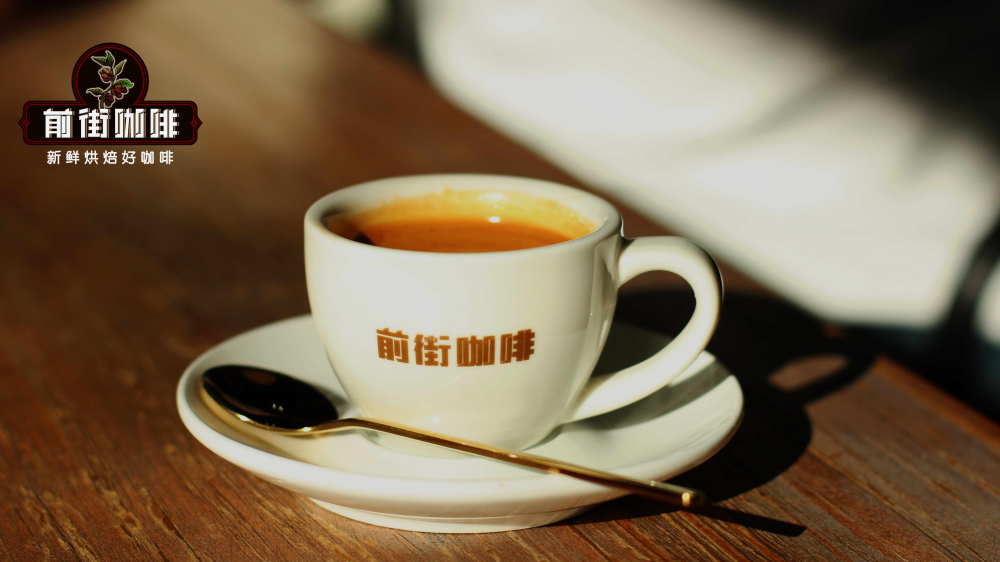
Commercial Espresso Bean Recommendations | How to Blend Espresso Beans? What Are the Techniques for Roasting Espresso Blends? Which Espresso Beans Are Suitable for Café Service?
Whether enjoyed on its own or as part of an espresso-based drink, a good, balanced espresso is the first requirement. However, to make an espresso with balanced acidity, body, and sweetness, you need to start with the right coffee beans—blending beans from different origins together. Although single-origin [more…]
What Exactly Is American Black Coffee? Analyzing the Differences Between Americano and Long Black and Blend Bean Choices
Many coffee enthusiasts simply equate Americano black coffee with Americano, but in fact there are subtle differences between the two in concept and preparation. This article starts with the flavor sources of Americano and the production differences between Americano and Long Black, analyzes the impact of espresso extraction status on taste, and systematically introduces the recipes, flavors, and applicable scenarios of several espresso coffee beans used in Front Street Coffee stores, including Sunflower Warm Sun Blend, Dark Cocoa Blend, Specialty Blend, and Commercial Blend, to help readers understand the bean logic and extraction key points behind a delicious cup of Americano black coffee. [more…]
What is the core difference between Americano and Latte? A Complete Breakdown from the Espresso Base to Front Street Coffee's Blend Beans
The difference between Americano and Latte ultimately comes back to the shared base of Espresso. An Americano is espresso diluted with water, while a Latte is espresso blended with milk — the two head in completely different flavor directions. From the perspective of Front Street Coffee, this article first breaks down the extraction logic and tasting approach of Espresso, then explains the key points of making a Latte and milk steaming techniques, and finally systematically introduces the recipe concepts and flavor profiles of Front Street Coffee's four espresso blends — Black Cocoa Blend, Specialty Blend, Commercial Blend, and Warm Sun Blend — helping coffee lovers understand the complete chain of a delicious cup of espresso from beans to cup. [more…]
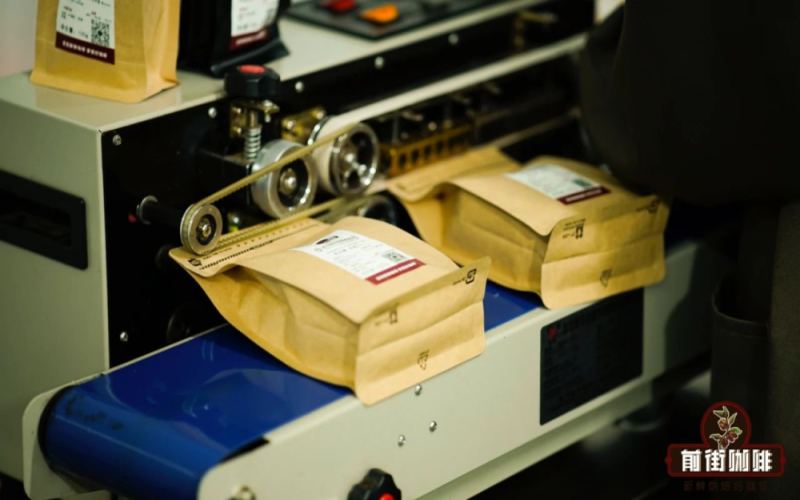
Espresso Bean Buying Guide: The Difference Between Blends and SOE, Plus Five Espresso Beans for Home Use by Flavor
Many coffee enthusiasts, when choosing espresso beans, often assume that only blends can do the job. In fact, single-origin beans can now also be used as espresso beans, known as SOE. Faced with a dazzling array of choices on the market, how to pick a bag of espresso beans suitable for a home coffee machine with outstanding flavor has become a key step in making good coffee. This article will start from the basic concepts of espresso beans, explain the differences between blends and SOE, and sort out the three major purposes of blending—price, stability, and flavor. On this basis, combined with most people's taste preferences, it will introduce five popular espresso beans, including Front Street Classic Espresso Blend, Specialty Blend, Strawberry Candy Espresso Blend, Commercial Blend, and Dark Cocoa Blend, corresponding respectively to different needs such as rich aroma, nuts, floral and fruity notes, coffee shop style, and high cost-effectiveness. Finally, it emphasizes the decisive influence of coffee bean freshness on flavor. [more…]
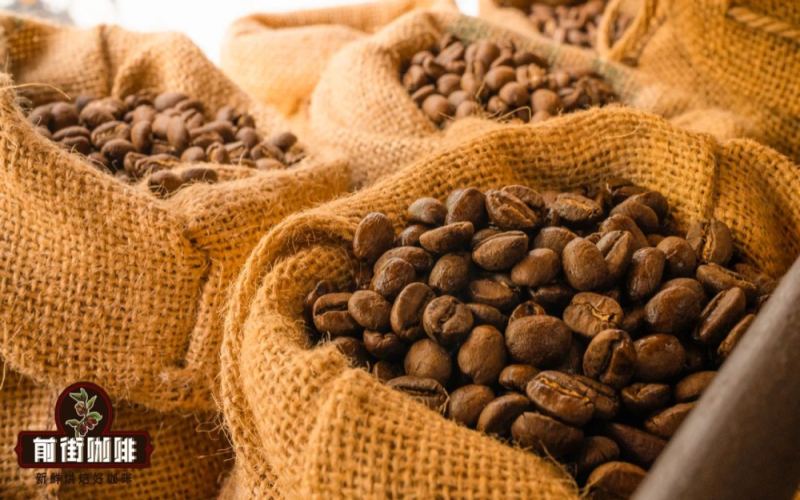
Hand-Brewed Espresso Blend Beans | Can Espresso Blend Beans Be Used for Pour-Over Coffee? Specialty Espresso Blend Coffee Beans Recommended for Gourmet Lattes
Whether it's espresso beans or espresso blends, as the name suggests, they are ingredients used for extraction in espresso machines, which is also the origin of espresso. So what are the characteristics of this kind of coffee? Besides making espresso, can it also be used to make pour-over coffee? Front Street Coffee (FrontStreet Coffee [more…]