







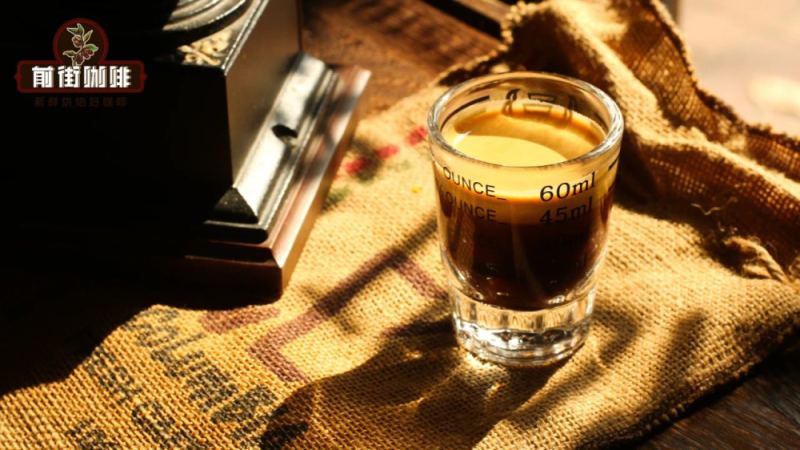
How Does SOE Coffee Differ From an Espresso Blend?
Espresso blends typically combine two to six bean types so their strengths cover each other's gaps, roasted darker and built around a clear hierarchy rather than equal parts. Single-origin espresso, usually called SOE coffee, instead presents one origin on its own, so the recipe logic shifts from balancing flavors to protecting the distinct character of that single lot.
Front Street's Warm Sun Blend illustrates the ratio approach: Honduras Sherry beans form the main body at roughly 7:3 with a Yirgacheffe component. Extraction depends on time, flow rate and tamping, and espresso is pulled under high temperature and pressure in a very short window. Milk drinks such as caffe latte and cappuccino remain the most ordered items, with the americano soe option letting drinkers taste a single origin in diluted form.
The charm of espresso lies in achieving complementary and elevated flavors through blending. Starting from Italian coffee culture, this article systematically explains the basic principles of espresso blending—why two to six types of beans are typically used, why a clear hierarchy is needed rather than equal-proportion mixing—and uses Front Street Coffee's Warm Sun Blend, Specialty Blend, and Basic Blend as examples to illustrate how coffee beans from different origins harmonize with one another. It also introduces the differences between SOE and blended beans, as well as the key control points in time, flow rate, and tamping during Espresso extraction, helping coffee enthusiasts understand the recipe logic and operational details behind a delicious shot of espresso.
For more specialty coffee knowledge, please follow our WeChat official account: Front Street Coffee (FrontStreet Coffee)
Italy, as a country, is permeated with romance and artistic flair. If you ever have the chance to visit, why not order a latte or cappuccino on the street and savor the rich taste of milk and coffee blended together. At Front Street Coffee (FrontStreet Coffee), many of the regulars are coffee enthusiasts, and when everyone sits around chatting, coffee culture always comes up—espresso is a frequent topic.
The most frequently ordered item at Front Street Coffee (FrontStreet Coffee) stores is espresso , specifically the latte. This name is a transliteration of the Italian "Caffe' Latte," which in Italian literally means coffee with milk. Espresso relies on an espresso machine to complete the extraction of Espresso at high temperature and high pressure in an extremely short time, and this form of extraction—Espresso—originated in Italy.
When brewing single-origin coffee beans, Front Street typically uses the pour-over method to showcase the unique flavor characteristics of that origin, whereas the espresso everyone drinks daily is basically never made with pour-over. The reason is that espresso blends beans according to the target flavor, and espresso beans tend to be roasted darker, requiring the strengths of multiple beans to complement each other and achieve flavor balance.
Taking the espresso blend currently used at Front Street as an example, the Front Street Warm Sun Blend combines beans in a 7:3 ratio, with Honduras Sherry coffee beans as the main body, paired with Yirgacheffe Natural Red Cherry, giving Front Street espresso a rich, full-bodied taste. So-called espresso blending usually refers to mixing two or more coffee beans, but generally no more than six, because when too many beans participate in the blend, it becomes difficult to highlight the coffee's distinctive character. In addition, espresso blends rarely use a 1:1 equal ratio, as that easily causes the characteristics of both sides to suppress each other. Therefore, blending must have a clear primary-secondary distinction to harmonize a flavor superior to that of single-origin coffee .
Before making an espresso blend, Front Street generally first clarifies the theme of the blend—that is, what flavor they hope the Espresso extracted by the espresso machine will ultimately present. This greatly tests the barista's familiarity with coffee beans from various origins, because the major premise of blending is fully understanding the characteristics of each single-origin coffee and mastering the subtle relationship between roast level and bean flavor, so as to make a delicious cup of espresso.
After repeated blending and experimentation, Front Street currently offers four Front Street espresso beans blend products. The Front Street Specialty Blend uses Colombian coffee beans and Brazilian coffee beans mixed in a 3:7 ratio. The nutty and chocolate notes unique to Colombian beans, combined with the rich peanut and cream flavors of Brazilian beans, produce an overall very balanced performance, with abundant crema, a smooth entry, and a light aroma with a slight bitterness characteristic of American beans. Front Street also has an espresso Basic Blend, made from Yunnan coffee and Brazilian coffee in a 3:7 ratio. This Front Street espresso blend presents soft fruit acidity and caramel-like sweetness. Espresso blending is like a painter's palette, mixing different colors to create a beautiful painting; a blend master is the same, grasping the characteristics of each bean so they complement each other, ultimately harmonizing a delicious cup of espresso—the principle is the same.
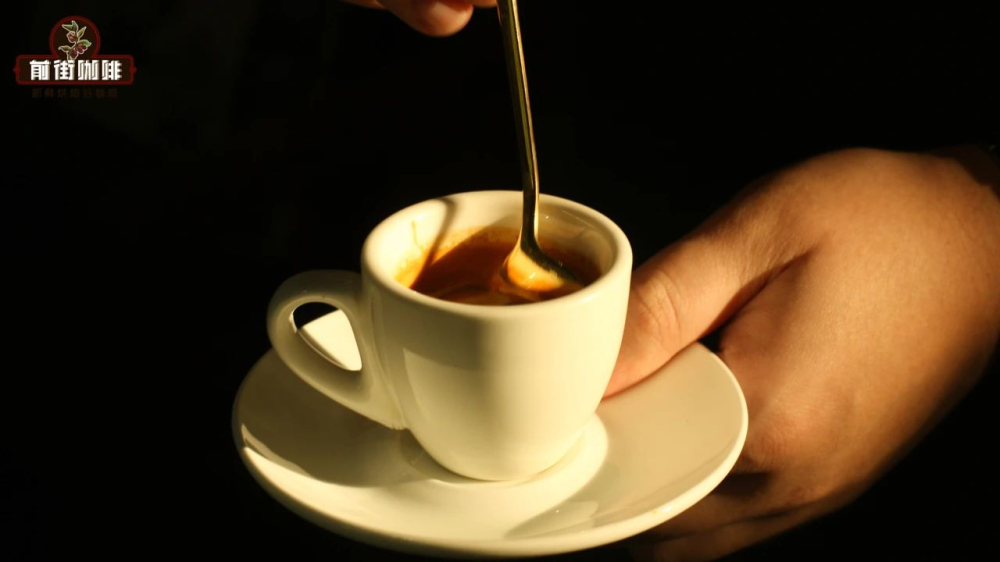
Not all Espresso uses blended beans. There is also something called SOE coffee, which likewise uses an espresso machine's high temperature and high pressure to extract a small cup of Espresso, but it uses single-origin coffee beans. Unlike espresso beans blends, SOE amplifies the character of a certain bean. For example, using Front Street Ethiopian Yirgacheffe for SOE, you can very clearly taste the signature lemon-citrus notes of the Yirgacheffe region. If an SOE lacks a distinctive flavor, depth, or intensity, or if some taste is too strong, then that SOE is considered a failure.
Precisely because of this, one major advantage of espresso blending is that it can harmonize beans through their complementarity. Compared to pour-over coffee, the flavors in espresso are amplified. If you still don't quite understand how espresso beans harmonize with each other, Front Street might offer a simple analogy: drinking a glass of apple juice, what you taste is just the simple sweet-and-sour of apples; if you want the apple juice to have a bit of creaminess, you can add an avocado, and then the juice's texture becomes as rich as a milkshake, and the apple's sweet-and-sour becomes less cloying—this is the same principle as espresso blending.
Once the espresso beans recipe is determined, how to extract a delicious Espresso is equally crucial. Front Street Coffee (FrontStreet Coffee) stores currently extract espresso to a standard of approximately 25 seconds for 40 milliliters of coffee liquid. If the flow rate is too fast, it is likely that the grind is too coarse or the tamping pressure is insufficient; nor should it drip down drop by drop, which usually means the grind is too fine or the tamping is too heavy. In addition, for Espresso made by the same person, under the premise of the same grind size and extraction amount, the fluctuation in extraction time should not exceed 1 second; otherwise, it indicates unstable tamping pressure or uneven tamping, and the difference in coffee taste will be very obvious—more practice is still needed.
To judge whether the extracted espresso is delicious, you can add water after extraction to make an Americano. If this Americano has no off-flavors or astringency on entry, doesn't taste watery, and the bitterness quickly dissipates after entering the mouth, then the espresso extraction is basically up to standard, which also means this espresso blend recipe is suitable. Only a recipe that has undergone repeated exploration and constant adjustment can ultimately produce a cup of fragrant, rich espresso.
The above content is compiled by CoffeeHunters, a coffee news website.


