







Search Results for: Espresso Flavor
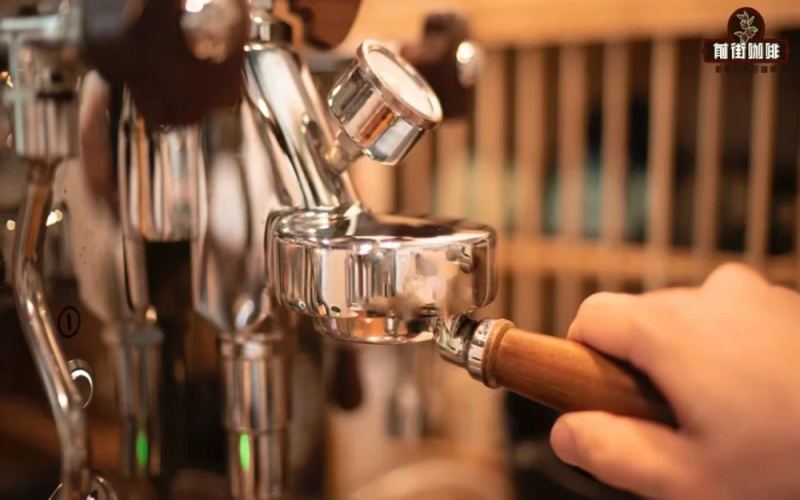
Specialty Espresso Beans Recommendation | What's the Difference in Flavor Between Espresso and Americano? Which Espresso Beans Have Rich Crema and Are Good for Latte Art?
Did you know? Espresso has a rich mouthfeel and intense flavor, which often makes it hard for people to accept, but once you get used to it, you actually find it has a unique charm. Moreover, espresso is also a coffee that tests coffee quality and barista skill. Since espresso is loved by so many people [more…]

Espresso Flavor Characteristics | How to Taste Espresso? Which Coffee Beans Are Used to Make Italian Coffee? How to Make Americano with Espresso?
Many people think espresso is very bitter, but actually you just haven't learned how to taste espresso. Front Street Coffee (FrontStreet Coffee) teaches you 5 steps to easily savor the charm of espresso. Espresso, in Italian, means "fast," that is, [more…]
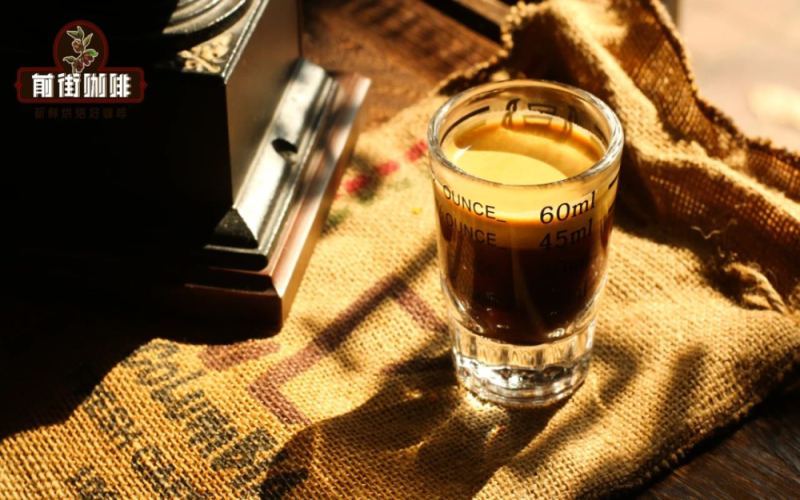
Starbucks Espresso Ordering and Tasting Complete Guide: From Espresso Basics to Four Italian Blend Bean Recommendations
Espresso is the base for many specialty coffee drinks, and Starbucks is no exception. However, Espresso has a strong, heavy flavor that not everyone can easily accept. From the perspective of Front Street Coffee, this article systematically explains how to order Starbucks espresso, the definition and characteristics of Espresso, the logic behind choosing Italian blend beans, and recommends four blend coffee beans suitable for making espresso. In addition, it provides a detailed introduction to three common ways of drinking espresso—drinking it straight, adding milk to make milk-based drinks, and adding water to make Americano—as well as the preparation ratios and extraction parameters for lattes, helping coffee enthusiasts fully master the key points of tasting and making espresso. [more…]
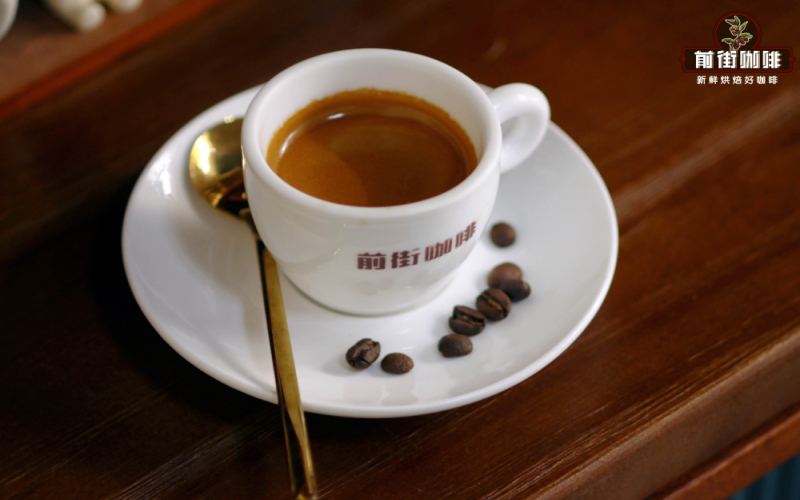
A Complete Guide to SOE Coffee: Definition, Characteristics, Pricing Rationale, Espresso Extraction Parameters, and Americano & Latte Ratios
SOE stands for Single Origin Espresso, and it has become increasingly popular in recent years amid the espresso boom. This article will help you clarify the definition and characteristics of SOE, explain why it costs more than ordinary espresso, and analyze its advantages of pure flavor and clear layers, as well as its difficulties such as the challenge of nailing the roast level and obvious batch variations. It will also introduce the blending logic of espresso blends, and include espresso extraction parameters for blends such as Front Street Strawberry Candy and for Huakui SOE and Ethiopian Konga SOE, along with the water-to-coffee and milk-to-coffee ratios for making Americanos and lattes with SOE, helping you consistently produce a good cup of coffee at home. [more…]

Espresso Blend Coffee Bean Recommendations | How to Taste a Cup of Espresso? How to Blend an Espresso Coffee Bean That Isn't Sour?
Espresso, which many people also like to call "Espresso," or "Italian-style espresso," or "concentrated coffee." A good espresso will add a good coffee flavor to Italian coffee. If you drink espresso on its own, the taste will be very strong, but there are also quite a few people who just like it [more…]
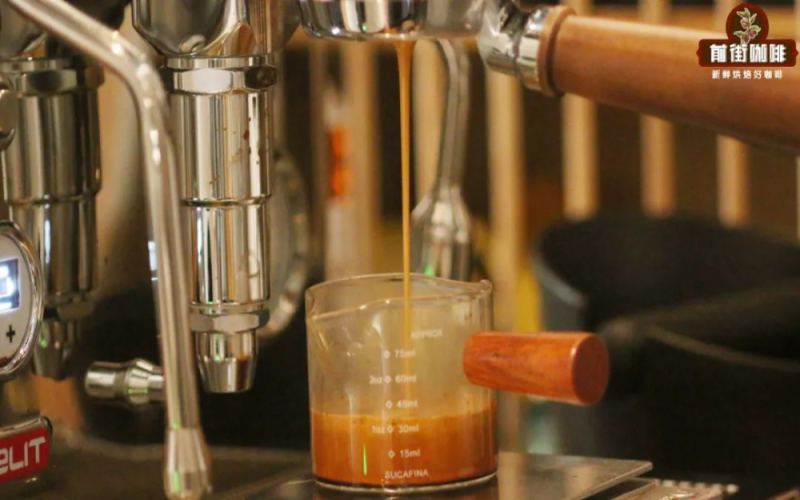
Espresso | What is espresso? How do coffee beginners make espresso? What are the correct ways to drink espresso?
For more specialty coffee knowledge, please follow: Front Street Coffee (Frontsteet Coffee) "How do you drink espresso?" - It has to be downed in one gulp! Don't think this is a joke; espresso really is downed in one gulp! Many friends, when drinking espresso for the first time, might find [more…]

Espresso Beans for Beginners | Is There a Big Difference in Taste Between Espresso and Americano? How to Choose High-Quality, Rich Espresso Beans?
Did you know? Espresso has a rich mouthfeel and intense flavor, often making it hard for people to accept, but once you get used to it, you find it has a unique charm. Moreover, espresso is also a coffee used to test coffee quality and barista skills. Since espresso is loved by so many people, [more…]
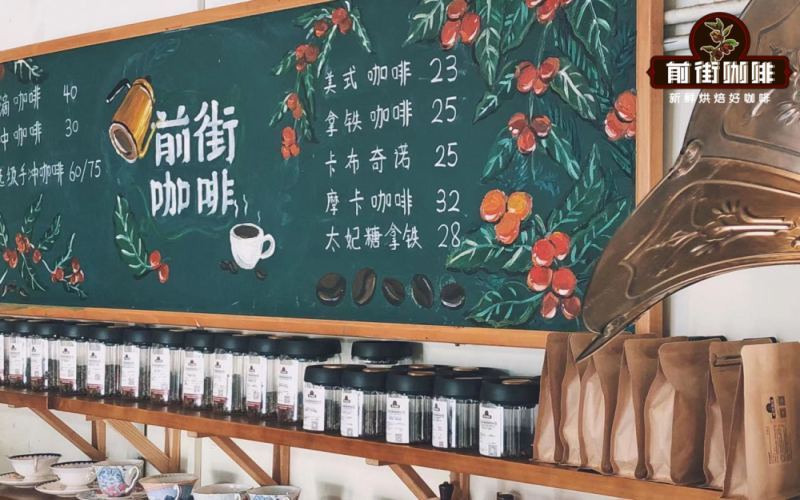
Espresso Flavor Analysis: Is Espresso Bitter, How to Taste It, and a Guide to Choosing Espresso Beans
Espresso is the drink least frequently ordered on its own in coffee shops, and many cafes even keep it hidden off the menu, making it only when a customer specifically asks. This article revolves around several core questions about Espresso: Is it actually bitter? How should you taste it? What makes it unique? Why do most cafes prefer to use espresso blends to make it? At the same time, Front Street Coffee has also put together several espresso bean recommendations suitable for stable extraction, covering a delicate winey type, a slightly acidic and full-bodied type, a balanced rich-aroma type, and a classic full-bodied type, for friends who want to recreate the espresso flavor at home. [more…]

Analysis of Espresso Tasting Methods and Recommendations for Blend Beans Suitable for Making Espresso
Espresso is the soul of the Italian coffee system—a single small cup can concentrate the essence of a region's flavors. Drawing on the production experience of Front Street Coffee, this article systematically explains the correct way to taste espresso—from cleansing the palate to drinking it down in one go—and provides an in-depth analysis of why espresso requires a blend rather than a single-origin bean. It details the recipe concepts and flavor profiles of Front Street Sunflower Warm Sun espresso beans (Honduras Sherry 6 : Yirgacheffe Red Cherry 4), the Nut Chocolate flavor blend (Yunnan 3 : Brazil 7), and the commercial espresso blend (Colombia 3 : Brazil 6 : Robusta 1), helping coffee lovers find the espresso beans that suit them. [more…]
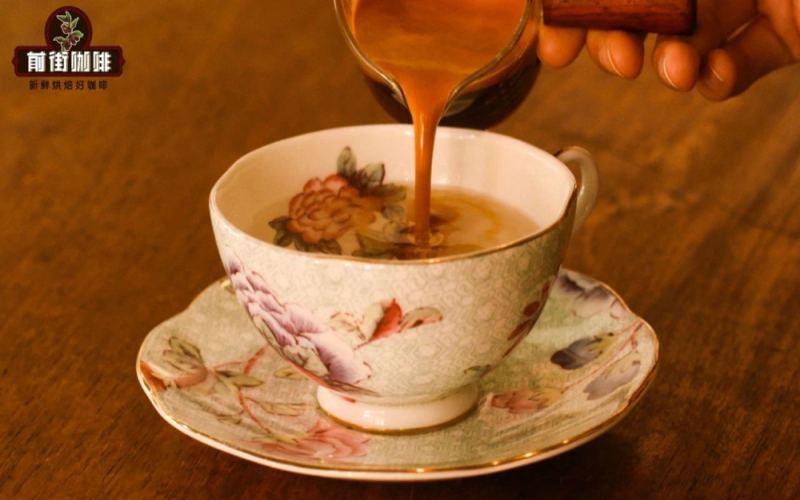
Espresso Flavor Characteristics | How Many Parts Make Up an Italian Coffee? What Is the Difference Between Espresso and Americano? How Do You Drink Espresso?
Anyone who has made espresso at home probably knows that espresso is the foundation of almost all fancy coffee drinks. For example, the ones we're most familiar with—latte, cappuccino, and flat white—are all made from espresso plus fresh milk, while Americano is simply espresso combined with water (or iced water). Because nothing else is added, [more…]
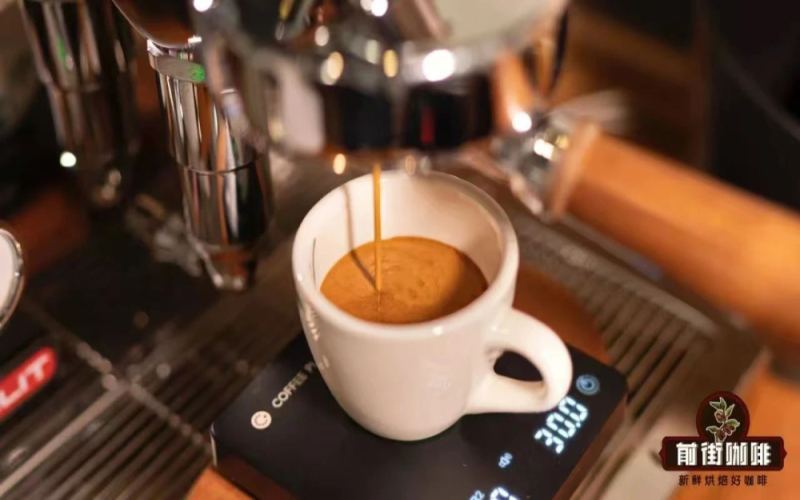
How to Taste Espresso: A Complete Step-by-Step and Flavor Guide from Bean Selection to Drinking
Espresso may be small in volume, yet it carries a concentrated aroma and a complex tasting experience. Many people are taken aback by its intensity and bitterness the first time they try it, and cannot understand why anyone would knock one back in a single gulp. In fact, the flavor profile of espresso is closely tied to the coffee beans used—everything from the choice of light, medium, or dark roast to the design of the blend ratio directly shapes what you taste on the first sip. This article begins with the historical background of espresso and the reasons behind its taste and mouthfeel, then introduces the flavor characteristics of four medium-dark roasted espresso blend beans from Front Street Coffee, before breaking down in detail the correct steps for drinking espresso straight, along with two alternative ways to enjoy it—Espresso Macchiato and Espresso Con Panna—to help you find the cup that suits you. [more…]
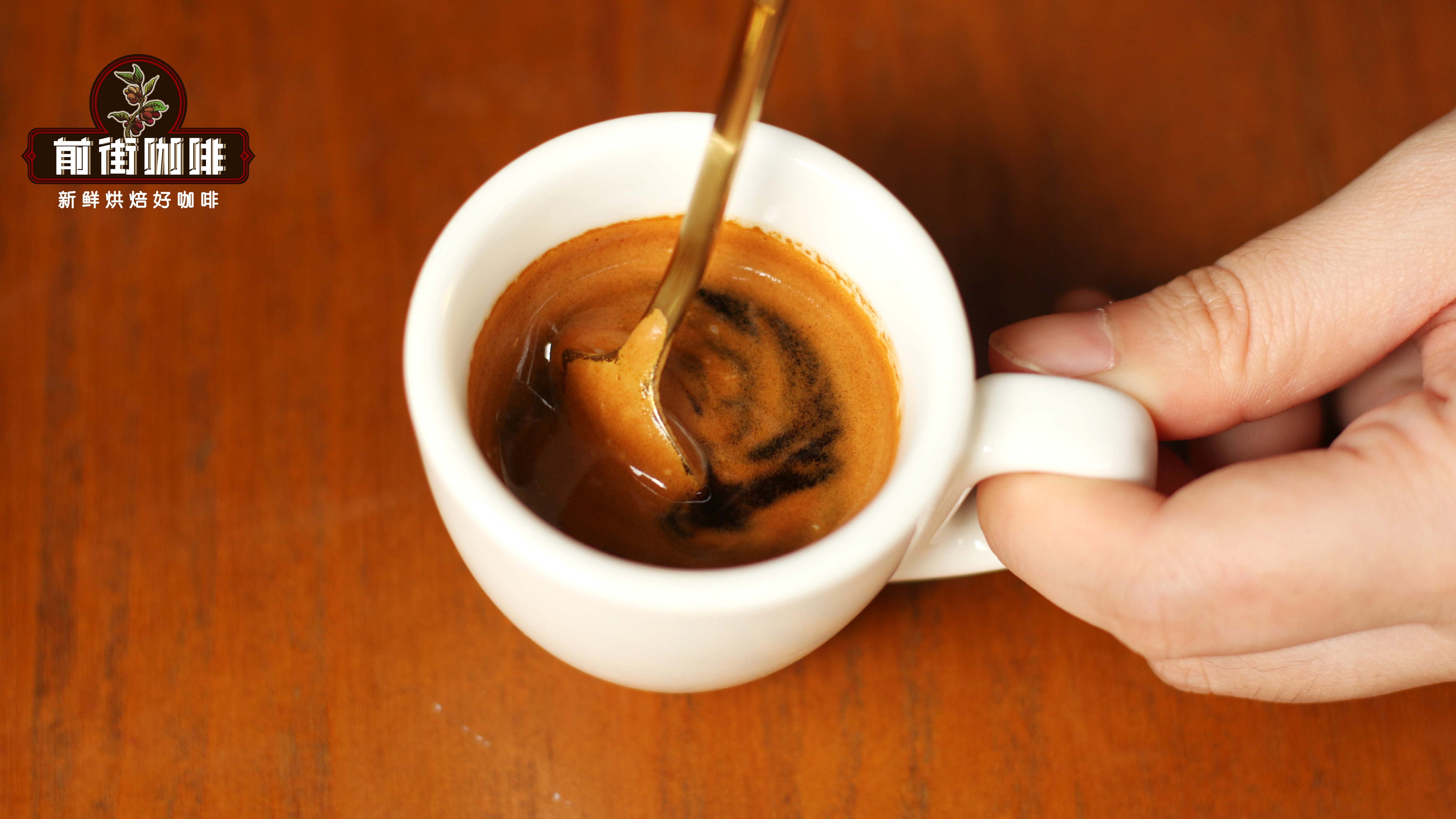
Analysis of Flavor Differences Between Espresso and Americano: Recommendations for Espresso Beans with Rich Crema
What exactly is the difference between espresso and Americano? The former is rich and intense, topped with a golden crema, while the latter is made by diluting espresso with water, resulting in a more balanced taste. In this article, from the perspective of Front Street Coffee, we will analyze in detail the definitions, preparation methods, and flavor characteristics of both, and recommend three espresso blend beans suitable for making Americano—including a classic espresso blend with rich crema, a Colombian Sidra with distinct fruity layers, and a balanced specialty espresso bean. We'll also include the extraction parameters for the Feima E98 espresso machine and common ways to enjoy espresso, helping coffee lovers fully understand the charm of Italian-style coffee. [more…]
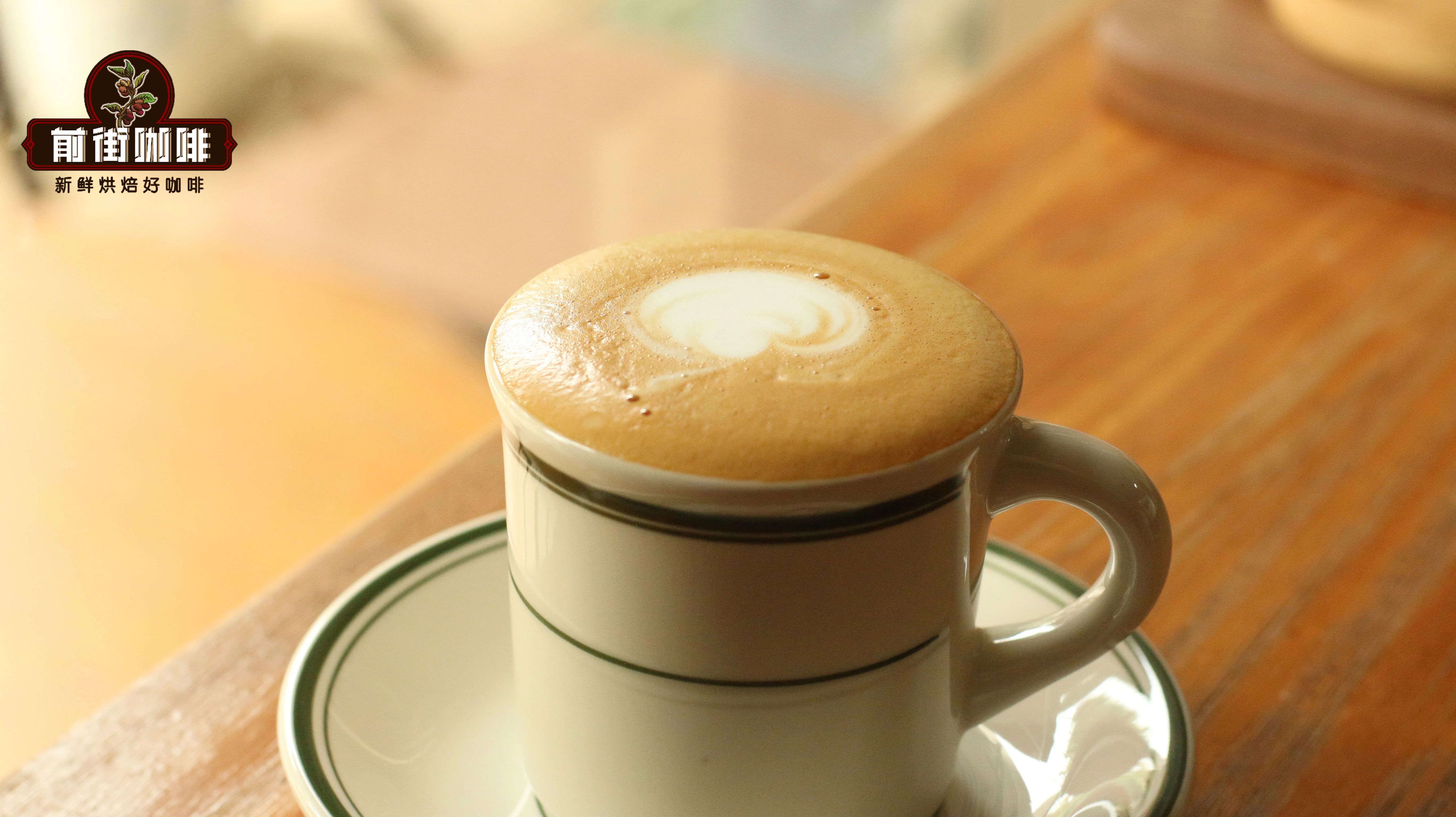
How Much Espresso Is in a Latte? Cappuccino vs. Latte Flavor Differences and Front Street Coffee Espresso Bean Recommendations
Latte and cappuccino are the two most common espresso milk drinks. Both are made from espresso, milk, and milk foam, but they differ noticeably in ratio, foam thickness, and mouthfeel. How much espresso actually goes into a latte? Roughly how much caffeine does it contain? And how should the coffee-to-milk ratio be managed during preparation? This article addresses these questions, while also explaining how to choose espresso beans, extraction parameters, and the key temperature points for steaming milk. It also introduces several Front Street Coffee espresso blends suitable for making lattes, helping coffee enthusiasts create a full-flavored milk coffee at home. [more…]
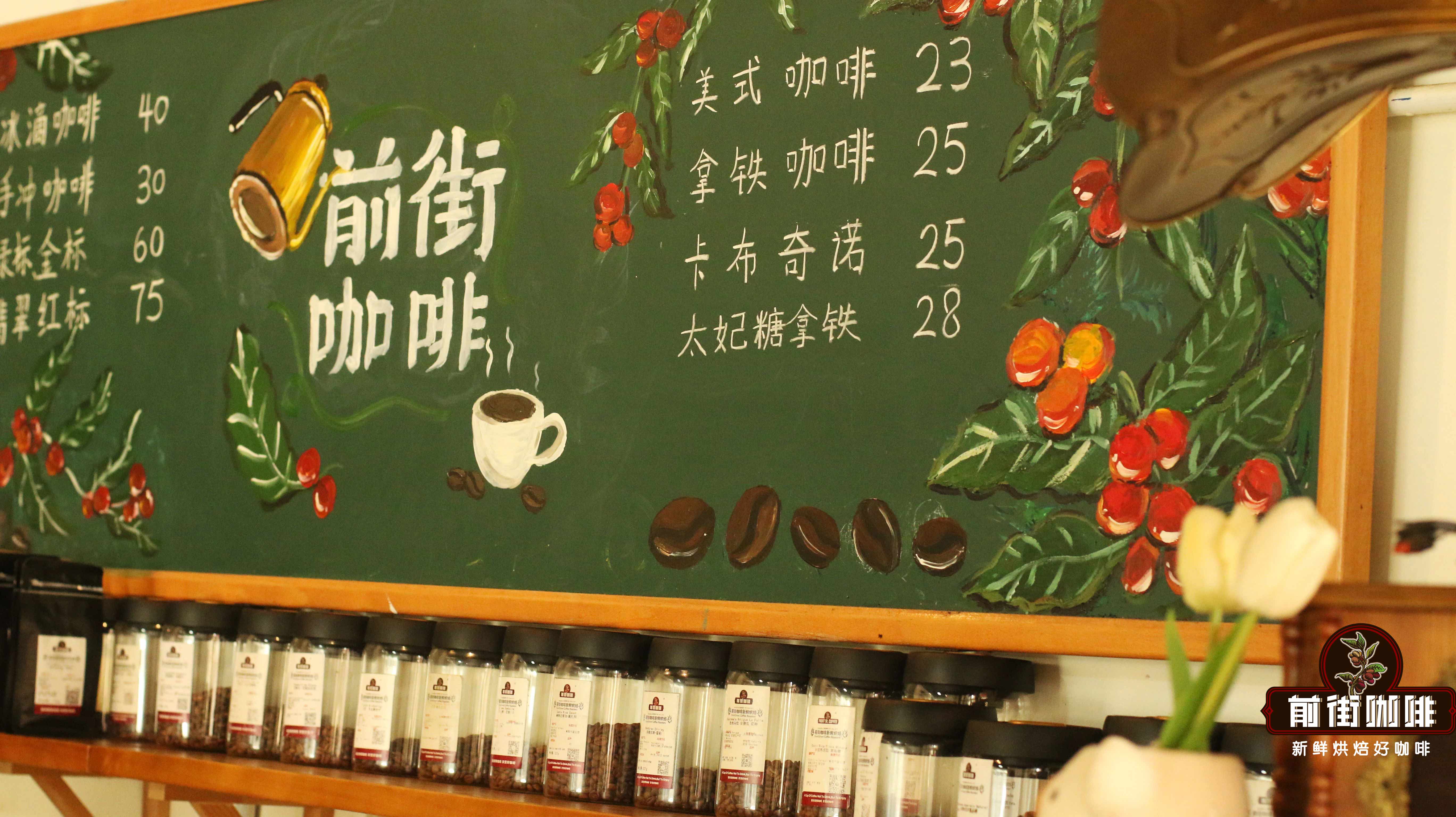
The Complete Guide to Espresso Extraction: Brewing Process, Americano Differences, and Blended Bean Flavor Guide
The world of espresso is built on the foundation of espresso, from which Americano, latte, cappuccino, flat white, and mocha are all derived. Espresso is made by forcing hot water at about 92 degrees through a finely ground and compacted layer of coffee under high pressure, extracting a liquid rich in flavor and relatively high in caffeine per unit. Americano originated during World War II, when American officers diluted espresso with water to mimic the taste of drip coffee, a practice that also carried a hint of European mockery. Front Street Coffee uses a hot Americano water-to-liquid ratio of about 1:4.5, and an iced Americano ratio close to 1:9, and offers four espresso blend beans to meet different needs. This article will also explain in detail the extraction standards, the effects of grinding and time on flavor, TDS measurement, as well as the seven-step espresso-making process and in-store extraction solutions, helping enthusiasts understand the logic behind a cup of espresso. [more…]
How to drink Espresso | What are the differences between single and double espresso? What is the coffee concentration of espresso? Where do the taste and flavor of espresso come from?
For more specialty coffee knowledge, please follow: Front Street Coffee (Frontsteet Coffee). Espresso is the soul of Italian coffee, commonly known as espresso; as the name suggests, it comes from Italy, with high concentration and a strong taste. A good cup of espresso is like a good base liquor, [more…]
A Comprehensive Guide to Espresso Coffee Varieties: Flavor Differences and Ratios from Espresso to Cappuccino and Latte
Walk into any café, and espresso is almost always the star of the menu. Many people's first reaction when tasting espresso is that it's bitter and intense, but in reality the espresso family is far more than just this one flavor. To find the cup that suits your taste—neither bitter nor astringent—you first need to understand what the common types of espresso drinks actually are. In this article, Front Street Coffee (FrontStreet Coffee) sorts out the most common espresso drinks found in cafés, from the extraction parameters of espresso and the blending logic of coffee beans, to the ingredient ratios and preparation details of Americano, latte, cappuccino, mocha, macchiato, caramel macchiato, and Dirty coffee, explaining one by one their differences and connections, to help coffee lovers understand the espresso system more systematically and find the cup that belongs to them. [more…]
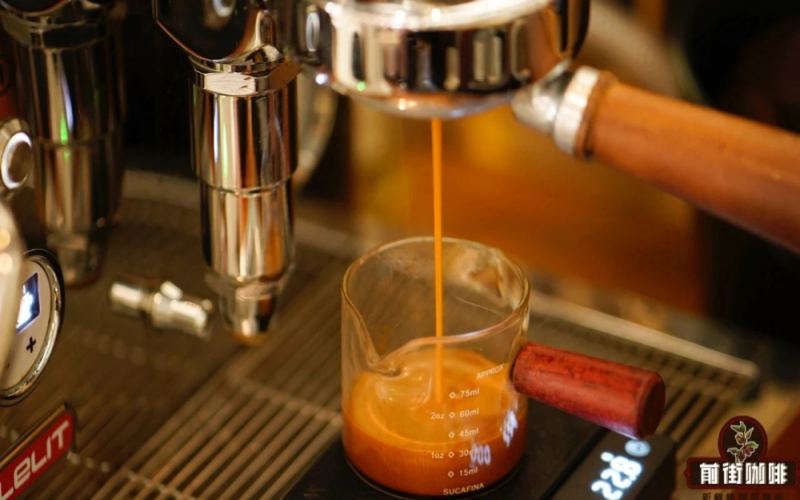
Recommended Coffee Beans for Espresso Extraction | Are Espresso Beans Always Dark Roasted? How Do Blended Beans Taste in Espresso?
Espresso is simply a method of coffee extraction, made using an espresso machine, where hot water under high pressure is forced through the coffee to quickly extract a concentrated shot. Espresso is also called Espresso, or simply Espresso. Many people's first impression is that espresso is strong and bitter, but actually, Front Street tells every [more…]
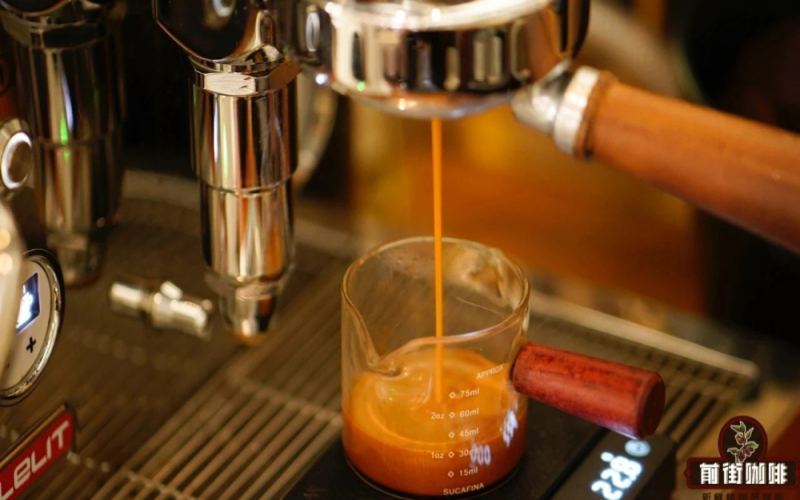
Must Espresso Use Dark Roast Beans? Flavor Differences Between Blends and SOE, and a Guide to Choosing from Front Street Coffee's Six Espresso Beans
Must espresso only be bitter and strong? In fact, a high-quality Espresso can also present rich layers of fruity, floral, spice, or chocolate and caramel notes, and the key lies in choosing the right coffee beans. This article will guide you through the tolerance of espresso for roast levels, explain how blended beans achieve flavor balance through combinations of multiple origins or roast levels, and compare the increasingly popular SOE single-origin espresso in recent years. At the same time, Front Street Coffee recommends four classic espresso blends and one Huakui SOE for you, and shares practical tips on fresh roasting, bean resting, and grinding and storage, helping you find an espresso daily bean suitable for making Americano or latte regularly. [more…]
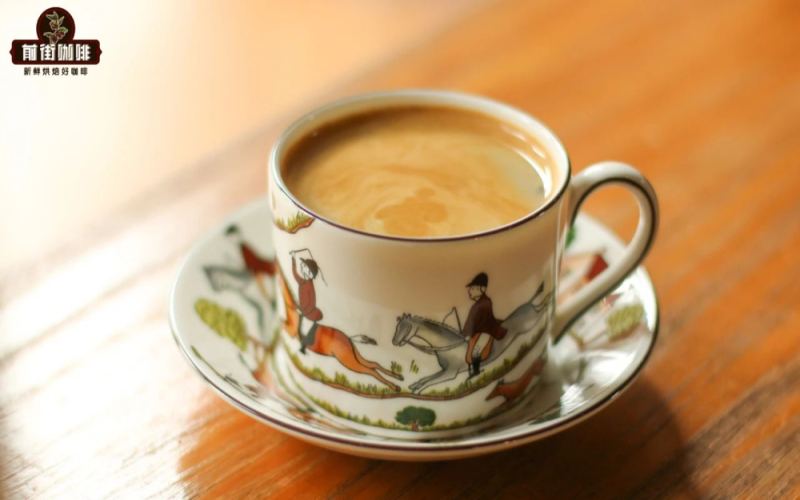
Espresso Blends, SOE, and Single-Origin Coffee | What's the Difference Between Espresso and Americano? Can You Add Sugar to Espresso?
Many friends who are new to coffee are often puzzled by a few questions, such as: what is Americano? What's the difference between espresso and Americano? Which one is more authentic and tastes better? Today, Front Street will answer these one by one for everyone. First, let's clarify a few relationships: What is Americano? Using Esp [more…]
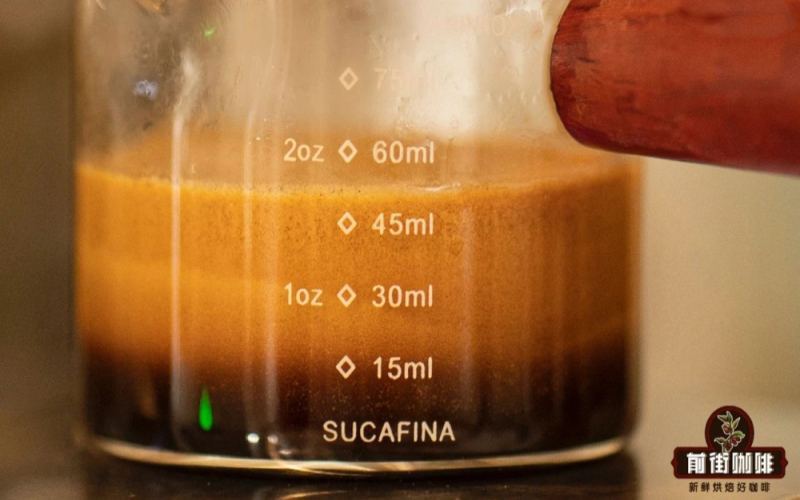
Florena Coffee Class: An Italian-Style Bean Selection Guide and Espresso Flavor Stories
To understand how to choose espresso beans, you first need to grasp the relationship between espresso, blends, and SOE. This article begins with the romantic naming of Starbucks Verona, then sorts out the respective pros and cons of single-origin espresso and blended beans, explains the difficulties SOE presents in bean selection and roasting, and why blended beans can deliver greater consistency. The article also draws on Front Street Coffee's own Sunflower Warm Sun blend to provide extraction parameters and flavor performance for iced lattes, helping coffee lovers find an espresso solution that suits them in their daily brewing. [more…]