







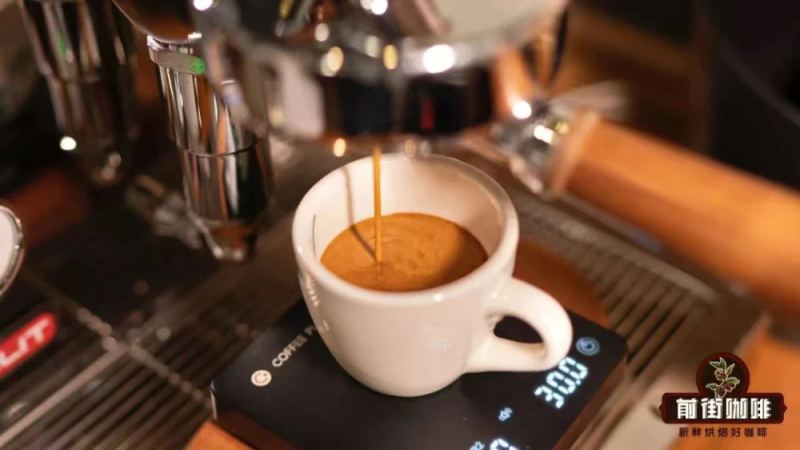
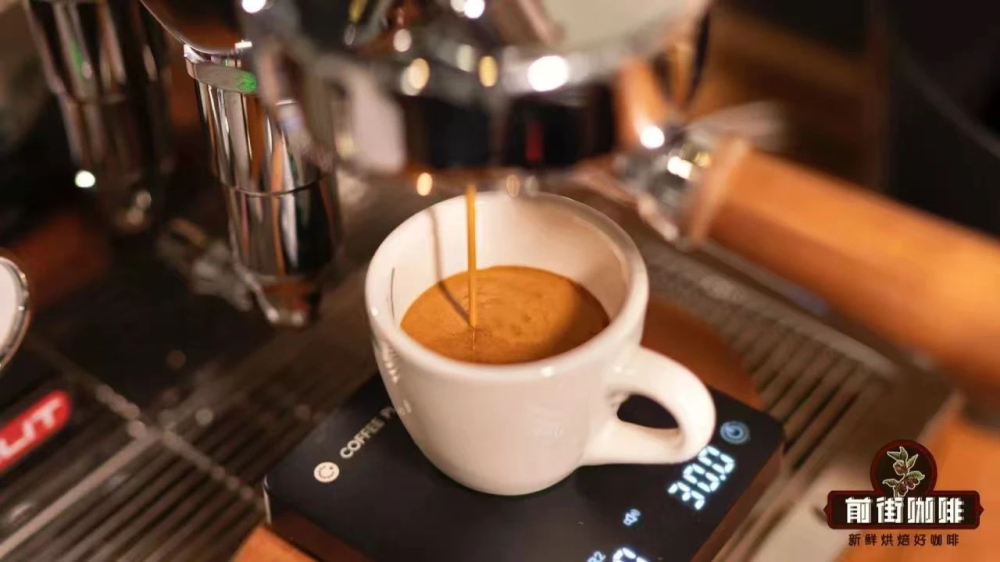
Although espresso comes in a small serving, it carries a rich aroma and a complex taste experience. Many people are startled by its intensity and bitterness the first time they try it, and don't understand why anyone could down it in one gulp. In fact, the flavor profile of espresso is closely tied to the coffee beans used—from the choice of light, medium, or dark roast to the design of the blend ratio, all of these directly affect what you taste. This article will start with the historical background of espresso and the reasons behind its taste and mouthfeel, introduce the flavor characteristics of four medium-dark roasted espresso blend beans from Front Street Coffee, then break down in detail the correct steps for drinking espresso straight, as well as two alternative ways to enjoy it—Espresso Macchiato and Espresso Con Panna—to help you find the cup that suits you.
For more specialty coffee knowledge, please follow our WeChat official account: Front Street Coffee (FrontStreet Coffee)
" Espresso is so strong! So bitter! Why do so many people like to drink it straight?!" Espresso first appeared during the industrial era, when everyone pursued speed—and coffee was no exception. So a coffee machine powered by steam pressure was invented, delivering fast output and a small serving that could be finished quickly. The intense coffee and its caffeine instantly provided people with sensory and mental stimulation.
The Taste and Mouthfeel of Espresso
The taste of espresso depends on the coffee beans used to make it. The espresso you drink daily tastes bitter because most coffee shops use medium-dark roast or darker beans, combined with espresso extraction, so the coffee's flavor is very full-bodied and concentrated. Front Street Coffee (FrontStreet Coffee) believes that a good cup of espresso, while bitter in flavor, should not produce unpleasant sensations (such as burnt bitterness, a heavy smoky taste, or a throat-clogging feeling).
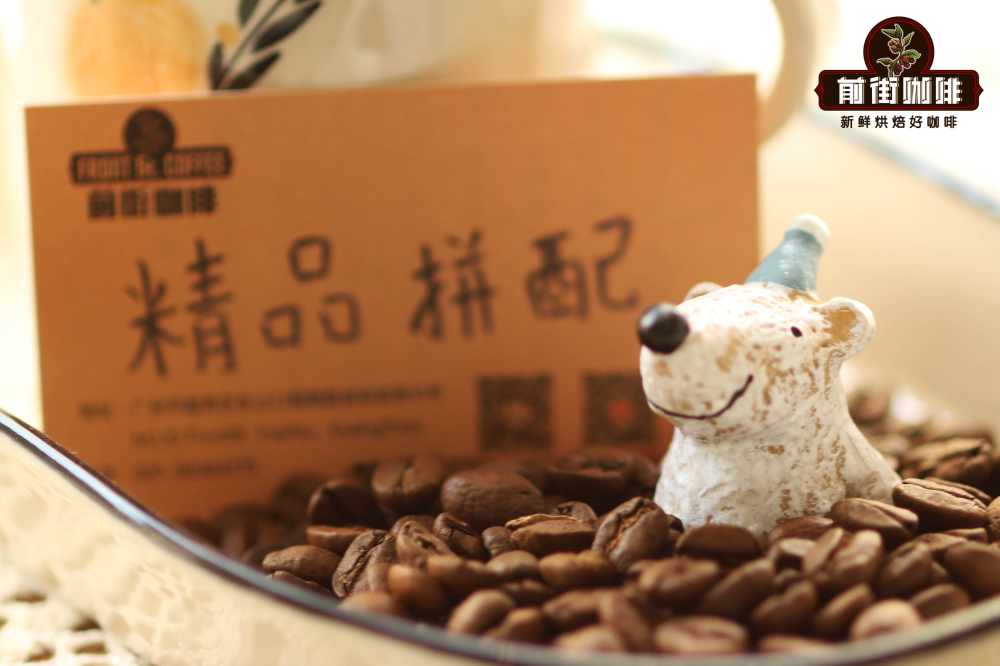
Front Street Coffee (FrontStreet Coffee) uses blend beans to make espresso in its shops because blend beans can leverage the characteristics of coffee beans from different origins, achieving a complementary effect on flavor through different ratios. This provides long-term stability for the product's taste and quality. In response, Front Street Coffee (FrontStreet Coffee) has developed 4 medium-dark roasted espresso blend beans based on the different taste preferences of general consumers.
1. A well-balanced espresso bean—Front Street Coffee (FrontStreet Coffee) Specialty Blend. Made from Colombian washed coffee beans (30%) + Brazilian semi-washed coffee beans (70%), with flavor notes of nuts, dark chocolate, and caramel.
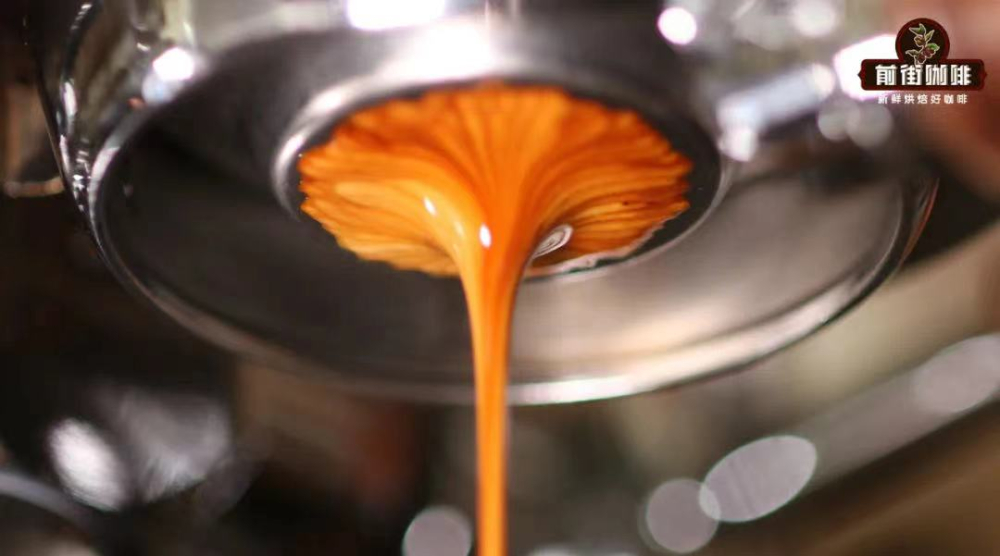
2. A bitterness-forward espresso bean —Front Street Coffee (FrontStreet Coffee) Commercial Blend, made from Robusta washed coffee beans (10%) + Colombian washed coffee beans (30%) + Brazilian semi-washed coffee (60%), with flavor notes of nuts, cocoa, and caramel, and a high body.
3. A slightly acidic, full-bodied espresso bean—recommended by many baristas, Front Street Coffee's Front Street Black Cocoa Blend, made from Yunnan washed small-bean coffee (30%) + Brazilian semi-washed coffee beans (70%), with flavor notes of soft fruit acidity, caramel, and nuts.
4. A wine-aroma-forward espresso bean—Front Street Coffee (FrontStreet Coffee) Sunflower Warm Sun Blend, made from Ethiopian natural Red Cherry coffee beans (30%) + Honduran Sherry Barrel coffee beans (70%), with flavor notes of rich wine aroma, vanilla cream, berry sweetness and acidity, and roasted nuts.
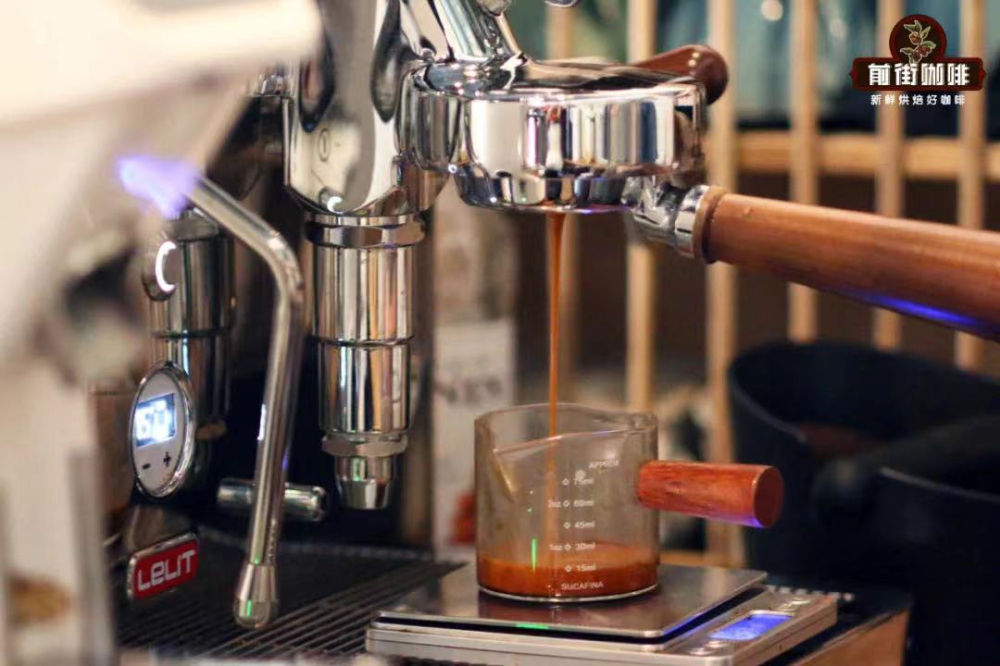
How to Drink Espresso?
Espresso comes in a small serving, usually only 20-40g. In Italy, people drink espresso in one gulp—whether it's the barista making it or the person drinking it, it's quick and done.
But when we go to a coffee shop to enjoy espresso in daily life, we don't need to be in such a hurry. Before tasting, take a sip of ice water to clean your palate and let the muscles on your tongue contract slightly. After the barista serves the espresso, you can stir it with a spoon to make it more uniform. Then taste it in three sips. The first sip to taste the flavors, the second sip to feel the body, and the third sip to sense the sweetness and lingering aftertaste.
If you don't want to drink it straight but also don't want to make it into a latte or americano, you can also try these ways of enjoying espresso.
Macchiato espresso
An Espresso Macchiato looks like a miniature cappuccino. Their biggest difference is that the Espresso Macchiato is one-third the size of a cappuccino—it's espresso topped with just a layer of milk foam without added milk, so the milky aroma only lingers on your lips, and the espresso's flavor isn't diluted by milk.
Con Panna espresso
A Con Panna is a regular espresso topped with a thick layer of fresh cream. So that guests can watch the interface where the cream and coffee merge—from the initial clean separation, to slowly seeping through strand by strand, and finally the dark brown, clear espresso becoming cloudy, with the cream's sweetness spreading through the espresso, making it more approachable.
The above content is compiled by CoffeeHunters, a coffee news website.


