







Search Results for: Ersha Island

After fifteen years of operation, the Starbucks Reserve store on Ersha Island in Guangzhou has permanently closed upon lease expiry; the successive exit of long-standing stores across multiple cities has prompted coffee enthusiasts to reminisce.
Recently, the Starbucks Reserve store next to Xinghai Concert Hall on Ersha Island in Guangzhou was confirmed to have permanently closed after fifteen years in operation, a piece of news that surprised and saddened many regular customers. This store, which opened in 2010, was once one of the most representative coffee shops on Ersha Island. After its lease expired, it quietly withdrew without prior announcement, sparking collective memories among nearby residents and coffee enthusiasts. Meanwhile, Starbucks old stores or specialty stores have also been closing one after another in cities such as Jiangmen, Beijing, Changzhou, and Chengdu, including the city's first pour-over store and old stores that had been operating for more than ten years. For many coffee fans, Starbucks was once the starting point for stepping into the world of coffee. The disappearance of these stores is not just the exit of a shop, but also carries countless personal memories and urban emotions. [more…]
How does St. Helena Island Napoleon coffee taste? An in-depth analysis of the underlying reasons for its high price
St. Helena coffee is famous for Napoleon's praise; the coffee beans produced on this isolated island in the Atlantic are considered the only island treasure in Napoleon's heart. The cultivation history of St. Helena coffee can be traced back to 1732, when it was introduced from Yemen and flourished on this isolated land. In the 1980s, David Henry launched a coffee improvement movement, insisting on purely natural cultivation, without machinery, and even recycling miscellaneous trees. This article will deeply explore the quality and flavor characteristics of St. Helena Napoleon coffee beans, analyze the various reasons for their high price, and take you to understand the story behind this rare coffee. [more…]
Naturally Low-Caffeine Rare Variety Laurina: The Legendary Coffee from Extinction on Bourbon Island to Revival and Rebirth
Bourbon Pointu is a rare coffee variety with elongated beans and pointed ends, discovered on Bourbon Island in 1810. Its caffeine content is only half that of ordinary Bourbon, making it a naturally low-caffeine coffee. During the 18th and 19th centuries, it was widely cultivated, with annual production once reaching 4,000 metric tons. However, disasters such as hurricanes, fire ants, and leaf rust followed one after another. After 1942, it completely disappeared from Réunion Island and was considered extinct by the coffee world. It was not until Japanese Ueshima Coffee expert Yoshiaki Kawashima spent years searching that in 2001, more than thirty surviving plants were discovered in the wild on Bourbon Island. Subsequently, French scientists collaborated with Ueshima Coffee to carry out revival efforts, and only in 2006 was the first small batch of beans harvested. This article introduces the origin of the name Bourbon Pointu, its historical rise and fall, flavor characteristics, and expensive price, as well as Front Street Coffee's recommendation and interpretation of this legendary variety. [more…]
Reunion Island's Pointed Bourbon: The Rise and Fall of a Naturally Low-Caffeine Legendary Variety and Its Flavor Characteristics
Bourbon Pointu is one of the most legendary varieties in the coffee world, sharing fame with Geisha yet standing apart due to its naturally very low caffeine content and delicate flavor. It originated on Réunion Island (formerly known as Bourbon Island) and is a natural mutation of Bourbon coffee, with an elongated bean shape and sharp points at both ends. In the 18th century, it was favored by King Louis XV of France and the writer Balzac. Around 1800, annual production reached 4,000 metric tons, but it nearly disappeared due to hurricanes, fire ants, leaf rust, and other disasters. By 1942, only 200 kilograms remained and were shipped back to France, and it was widely considered extinct. It was not until 1999 to 2007, through joint efforts by France and Japan, that it was successfully revived. This article will review the cultivation history, flavor characteristics, and caffeine data of Bourbon Pointu, and include Front Street Coffee recommendations and V60 pour-over parameters. [more…]
Front Street Island Coffee Analysis: Flavor Characteristics and Buying Guide for Jamaican Blue Mountain, Hawaiian Kona, and Puerto Rico
Island coffees are scarce in production and command a high price, yet they have won over countless coffee lovers with their rich creamy aroma and elegant floral notes. Front Street Coffee takes you on an in-depth look at the flavor characteristics, scoring performance, and suitable roast levels of three major island coffees: Jamaica Blue Mountain, Hawaii Kona, and Puerto Rico Yauco Selecto. Blue Mountain is mellow and well balanced, Kona beans have extremely high bean quality with very few defects, and Puerto Rico delivers 80% of the strength at half the price of Blue Mountain. This article also explains the freshness principles and health value of specialty coffee, helping you make a wise choice among high-priced island coffees. [more…]
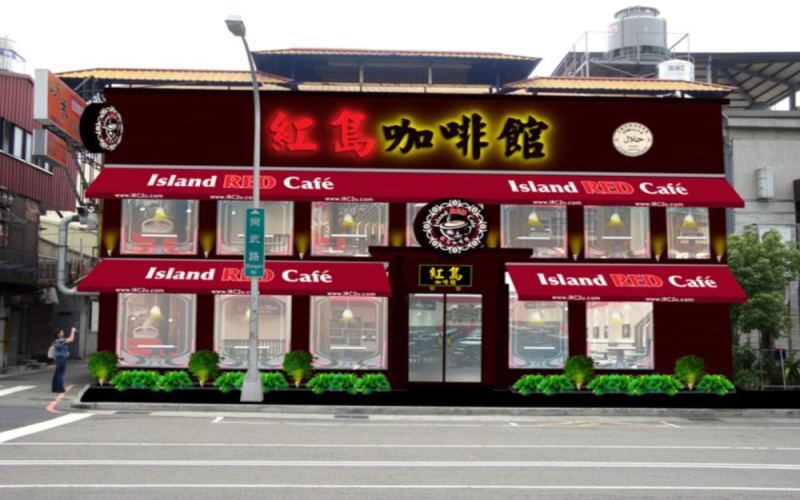
Chain Coffee Franchise Trap: Red Island Coffee Pyramid Scheme Swindles Over 30 Million Yuan, Founder Flees to Thailand and Is Finally Caught
During the 2008 financial crisis, a brand called "Red Island Coffee" was born in Malaysia, attracting Chinese businessmen with its upscale decor and high pricing. Founder Zhang Yufa claimed that investing 10,000 yuan would yield substantial monthly dividends, with an annual interest rate of 10%, and that recruiting downlines could bring even more returns. The temptation of low investment and high returns led many Chinese businessmen to open their wallets, and in the end Zhang Yufa absconded back to Malaysia with over 30 million yuan, with nearly 2 million Chinese people defrauded over the years. Although he once used money to smooth over relationships and evade justice, he was ultimately arrested under a joint operation by China, Thailand, and Malaysia. This case warns us: when faced with coffee franchise projects promising low investment and high returns, we must keep our eyes wide open. [more…]
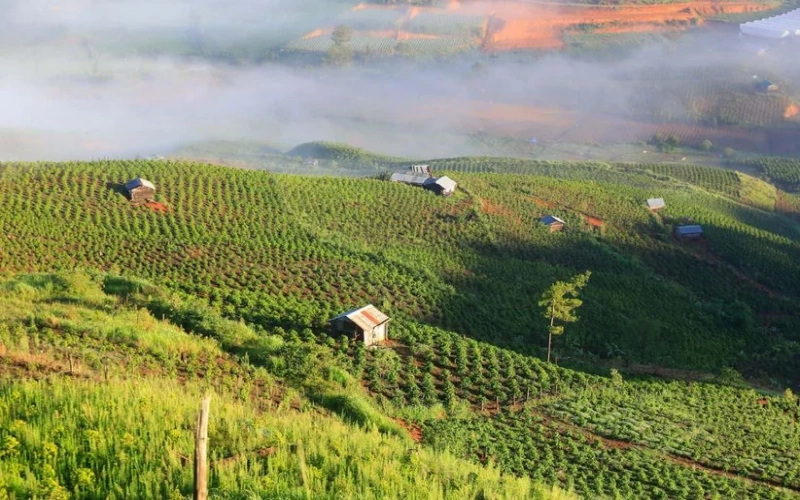
Which islands in Indonesia are coffee-producing regions? Analysis of coffee-growing areas and varieties on Java Island
Indonesia, as the world's fourth-largest coffee producer, is made up of more than seventeen thousand islands, and its coffee-growing regions are naturally divided by island, with Sumatra, Java, Sulawesi, Bali, and others each having their own characteristics. Among them, Sumatra has the highest output and is world-famous for its Mandheling flavor; Java not only has a long history of cultivation but also gave rise to the Java coffee variety named after the island. This article will review the distribution of Indonesia's main coffee islands and provide an in-depth introduction to Java's growing areas, altitude conditions, and variety structure, while also mentioning product information such as Front Street Coffee's Lindong budget beans, offering coffee enthusiasts a complete guide to Indonesia's producing regions. [more…]
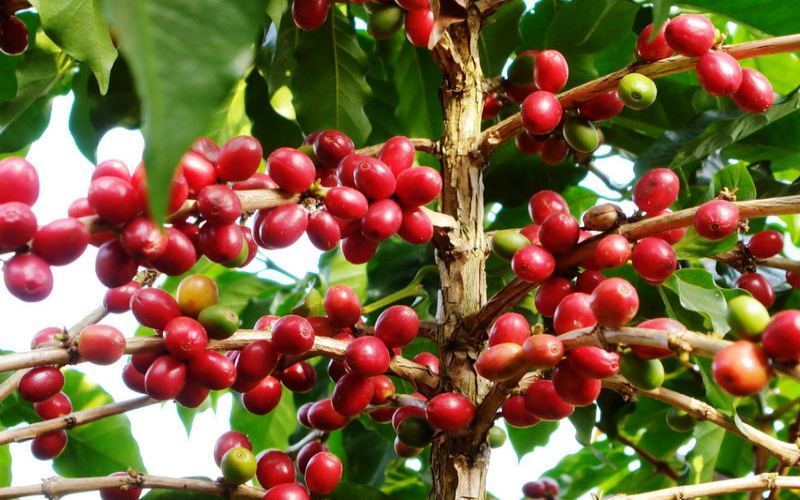
San Cristóbal and Galápagos Coffee: Tracing the Flavor Origins and Growing Conditions of Ecuador's Island Region
In the eastern Pacific's Galápagos Islands, San Cristóbal Island, with its abundant freshwater resources and unique microclimate, produces a highly acclaimed coffee treasure. This island is not only the only landmass in the archipelago with sufficient freshwater, but also, thanks to the Ecuadorian government's strict ecological protection policies, has become a representative region for naturally organic coffee. This article will guide you through an in-depth understanding of San Cristóbal's geographical environment, coffee-growing history, flavor characteristics, and the role of the Andes in Ecuador's coffee landscape. At the same time, we will also share Front Street Coffee's practical suggestions on fresh roasting and brewing to help you better savor this unique coffee from an equatorial island. [more…]
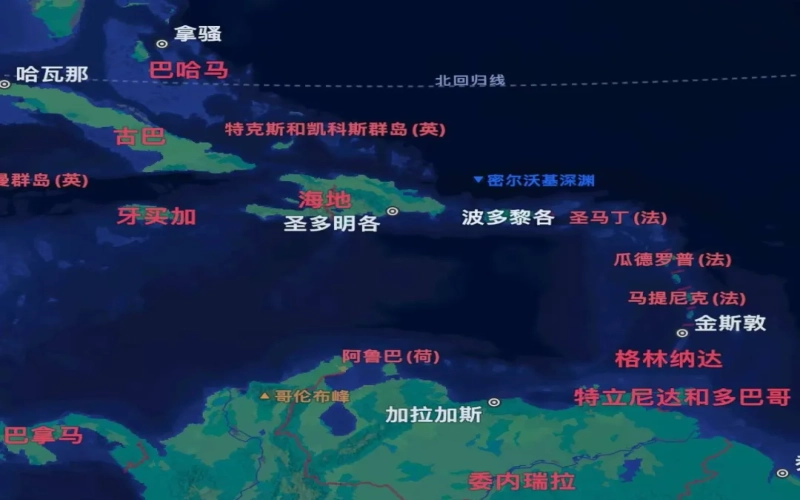
Puerto Rican Coffee: A Complete Analysis of the Planting History and Varieties of the U.S. Autonomous Territory's Caribbean Island Nation
Among the many coffee-growing islands in the Caribbean, Puerto Rico is a special case—it is not an independent country but a self-governing territory of the United States. This island, located in the eastern Greater Antilles, has a central mountain range running through it, volcanic terrain, and a tropical rainforest climate. Coffee cultivation was introduced by Spanish colonists as early as the 18th century. By the late 19th century, production reached 30 million pounds, ranking it among the world's top seven coffee-producing countries. Since then, due to the U.S. takeover, rising costs, typhoon damage, and competition from Brazil, the industry has gone through repeated ups and downs, and in 2017 two hurricanes destroyed nearly 90% of the plants. Today, Puerto Rican coffee is gradually recovering, with particularly outstanding quality in the Yauco area. About 4,000 coffee farmers on the island produce 3 million pounds of green beans annually, with varieties including Arabica, Robusta, and Liberica, and processing methods expanding from traditional washed and natural to experimental techniques. This article will guide you through this turbulent history and the current state of its varieties. [more…]
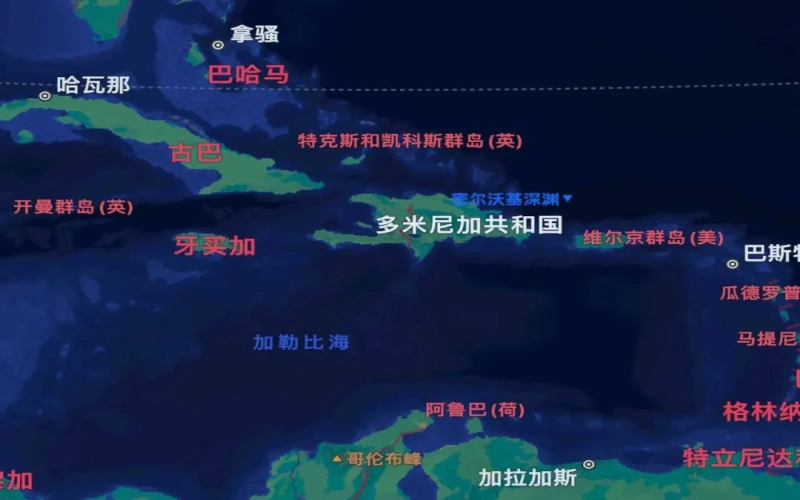
An Analysis of the Dominican Coffee Industry: Growing Regions, Cultivated Varieties, and Island Flavor Characteristics
The Dominican Republic is located in the eastern part of the Caribbean island of Hispaniola, sharing the island with Haiti. It boasts fertile soil, abundant rainfall, and numerous high mountains, making it an important coffee-producing country in the Caribbean. This article will begin with its geographical location, national flag and emblem, and climate and landforms, then systematically review the elevation, variety composition, and flavor characteristics of the Dominican Republic's four major coffee-producing regions, including Barahona, Cibao, the Central Cordillera, Neiba, and Valdesia, and introduce Front Street Coffee's recommendations for Dominican coffee. Whether you are a coffee enthusiast or a professional in the industry, you can gain insight into the unique charm of this island coffee-producing country. [more…]
Pointed Bourbon: The Natural Low-Caffeine Coffee Legend of Réunion Island, the Origin of the Mocha Variety and Darling of Royalty
Laurina, also known as Pointed Bourbon, is a rare coffee variety originating from Réunion Island. It is not only one of the most primitive subspecies of the Bourbon family but is also considered a parent of the Mocha variety, making it the source of coffee trees in Latin America. This coffee tree has smaller leaves and fruits than regular Bourbon, with slender pointed fruits and a low, Christmas-tree-like shape. Its caffeine content is only half that of regular Arabica, making it a natural low-caffeine coffee. In the 18th century, Pointed Bourbon was highly sought after by European royalty for its excellent flavor, and Louis XV once praised it as the best coffee in the world; however, a series of hurricanes and diseases in the 19th century nearly caused it to disappear from history. It was not until 1999, after Japanese experts searched unsuccessfully, that local botanists, through years of effort, finally found wild mother trees and gradually cultivated them, allowing this legendary variety to be reborn. Today, the Pointed Bourbon offered by Front Street Coffee features flavors of peach, honey pomelo, wild apple, and orchid, with a mouthfeel as rich as hundred-flower honey. [more…]
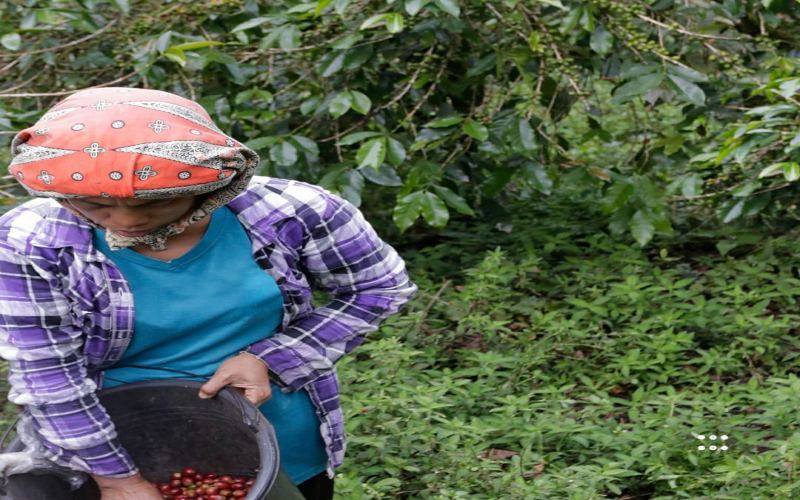
Exploring Indonesian Coffee Origins: A Comprehensive Analysis of Java Island's Coffee Cultivation History and Growing Region Distribution
Indonesia is the world's fourth-largest coffee producer, made up of more than seventeen thousand islands, with its coffee-growing regions divided by island. Java, as the country's earliest coffee-growing area, has a long history of coffee cultivation and exceptional natural conditions. This article will guide you through the origins and development of Indonesian coffee, outline the characteristics of the main island regions such as Sumatra and Java, and take a closer look at Java's geographical environment, cultivation distribution, and main varieties, while also sharing information on the Indonesian Lintong Mandheling everyday drinking beans recommended by Front Street Coffee. [more…]
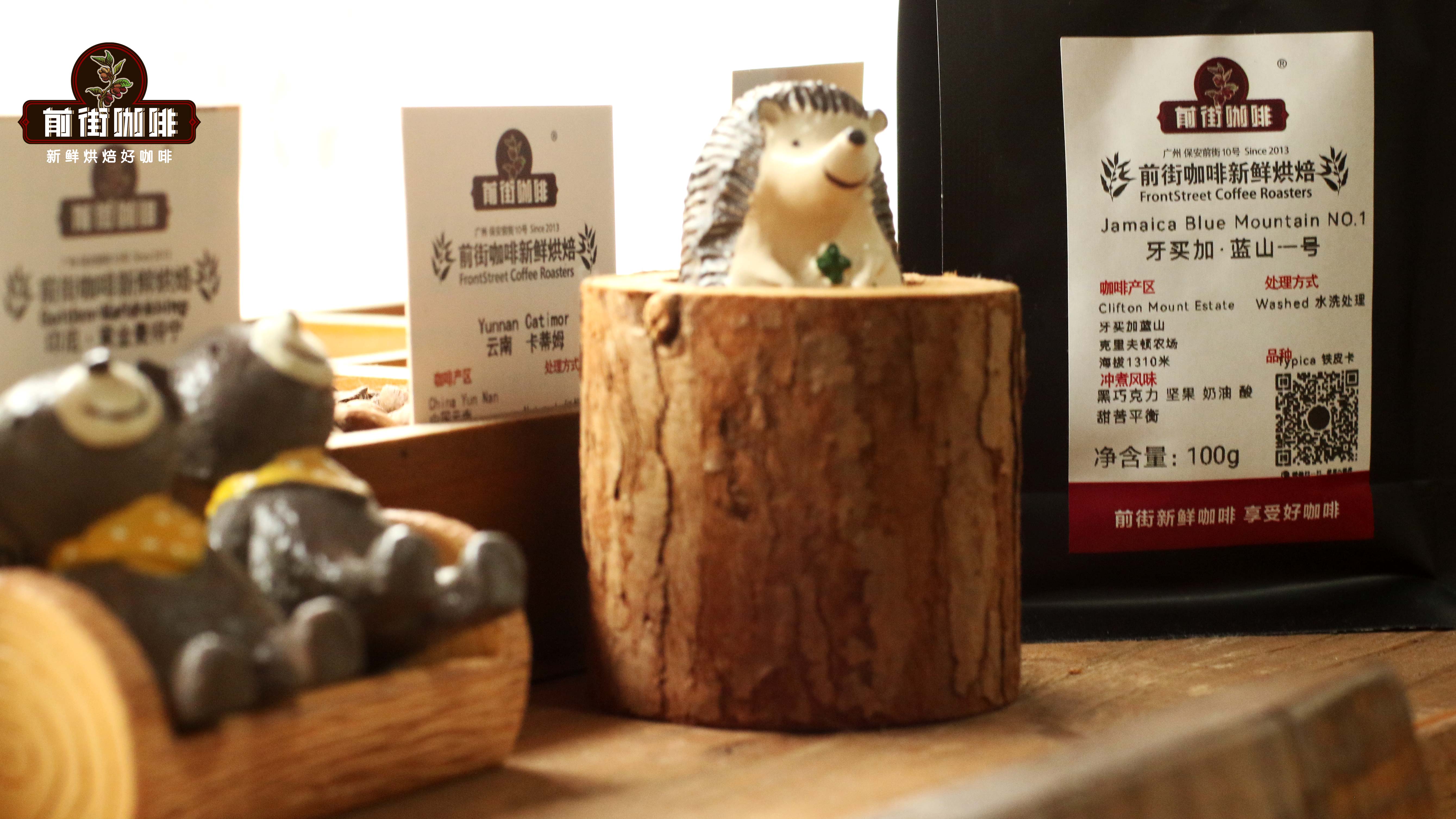
Hawaiian Kona Coffee Flavor Analysis: Island Growing Region Creates a Unique Aromatic, Non-Acidic Taste
Hawaiian Kona coffee is renowned for its rich, smooth flavor and mild acidity, which is closely related to the varietal characteristics of its island-growing region. This article begins with Front Street Coffee's introduction to the three major coffee varieties, then extends to Jamaica Blue Mountain, a classic representative of island coffee, analyzing the flavor performance of the Typica variety in low-altitude island environments. The article also provides a detailed record of the flavor profile of Front Street Blue Mountain No. 1 under medium-dark roasting, as well as the specific parameters and tasting impressions for making espresso and Americano with it, offering a reference for coffee enthusiasts to understand the unique charm of island coffee. [more…]

Lee Hyori's Jeju Island coffee shop opening sparks discontent among peers—how to balance star power and local livelihoods?
Korean singer Lee Hyori and her husband Lee Sang-soon opened a café on Jeju Island, and within just three days of opening, it sparked discontent among nearby café owners as fans queued for hundreds of meters and products sold out in 12 minutes. Former ruling party lawmaker Jeon Yeo-ok publicly criticized their star effect for squeezing the survival space of local cafés. Lee Sang-soon later responded that opening the shop was purely a personal decision, and that they would switch to a reservation system and step back into a behind-the-scenes role. The incident reflects the double-edged effects of celebrity side businesses in the coffee industry: they can boost the surrounding commercial area, but may also struggle to last due to excessive enthusiasm and a gap in quality. This article sorts out the whole course of the incident and explores the operational dilemmas and possible paths forward for celebrity coffee shops. [more…]
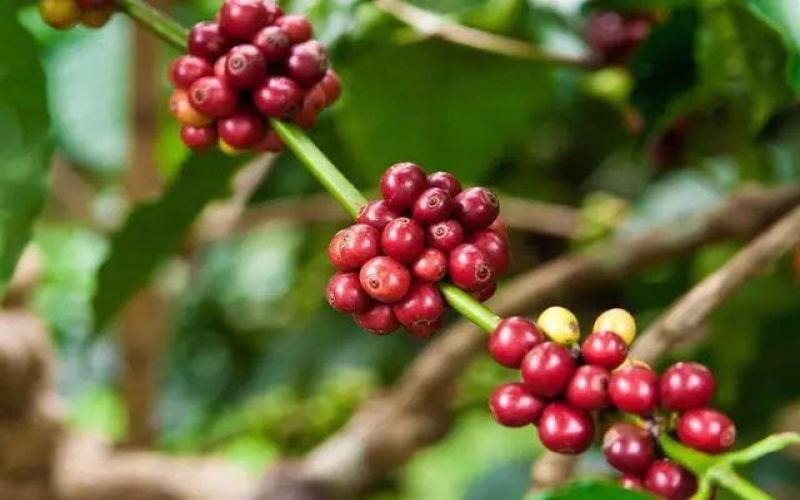
An Analysis of the Galápagos San Cristóbal Island Coffee Region: Organic Growing Conditions and Flavor Characteristics
The Galápagos Islands are located in the eastern Pacific Ocean, about 1,000 kilometers from the South American mainland, and were formed by the accumulation of undersea lava. Among them, the coffee produced on San Cristóbal Island is considered the finest coffee in Ecuador, with unique natural geographical conditions and an organic growing environment. This article will guide you through the geographical overview and historical background of the Galápagos Islands, the coffee-growing history and flavor characteristics of the San Cristóbal production area, and also share Front Street Coffee's brewing suggestions for this bean, helping coffee lovers gain a comprehensive understanding of this organic specialty coffee from the island of giant tortoises. [more…]
A Complete Guide to Hawaii's Coffee Regions: From Growing History to Kona Flavor and Specialty Bean Roasting
The Hawaiian Islands lie south of the Tropic of Cancer, and thanks to their volcanic soil and tropical climate, they produce coffee that is recognized worldwide as exceptional. The Kona growing region is the most famous, yet the history of coffee cultivation in Hawaii has been full of ups and downs—from its first introduction in 1825 to infestations of pests and diseases, and then the rise of small estates, spanning nearly two centuries. This article examines the full picture of Hawaiian coffee, from the history of its growing regions and flavor characteristics to the Kona certification system and emerging sub-regions such as Kau, Hamakua, and Puna, and explores how roasters like Front Street Coffee bring out its distinctive charm. [more…]
Exploring Indonesian Mandheling: An Arabica Flavor Journey from Sumatra to Baihua Island
Indonesian coffee is known for its rich, restrained flavor and relatively low acidity, and Mandheling in particular is a single-origin coffee much loved in China. This article starts from the geography of Sumatra, explains the origin of the name Mandheling, and takes an in-depth look at the unique Coba da Flores growing region on Flores Island. You will learn about Indonesia's distinctive wet-hulling processing method, as well as detailed product information and flavor characteristics of Front Street Indonesian Flores Island Washed Mandheling 18 Screen coffee. Whether you are a pour-over enthusiast or an espresso lover, this article will give you a comprehensive understanding of the appeal of Indonesian Arabica coffee. [more…]
In-Depth Analysis of Hawaiian Kona Coffee Beans: Variety Characteristics, Historical Origins, and Recommended Well-Known Brands
The Hawaiian Islands lie near the Tropic of Cancer, where volcanic soil and a tropical climate give rise to the world-famous Kona coffee. This article provides a comprehensive overview of the history of coffee cultivation in Hawaii, its quality characteristics, the distribution of major growing regions, and its certification system, and also introduces well-known brands such as Kona Mist and their online direct-sales model. At the same time, Front Street Coffee recommends a number of Hawaiian specialty coffee beans to help enthusiasts gain a deeper understanding of the unique appeal of this top-tier growing region. From its introduction in the 19th century to today's specialty-oriented development, Hawaiian coffee has traveled a rugged yet glorious path. [more…]
An Analysis of the History and Grade Classification of Hawaiian Kona Coffee Planting, and How Does Queen Estate Typica Taste?
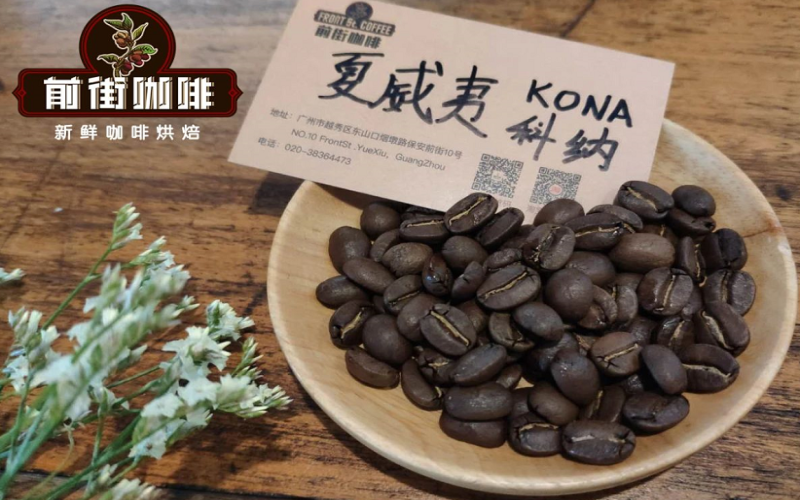
Hawaiian Kona coffee has long enjoyed the reputation of being the king of island coffees, and together with Jamaican Blue Mountain it is known as the "king and queen" of the coffee world. This article will take you deep into the cultivation history of Kona coffee, the terroir conditions of its producing region, and the characteristics of its grade classifications, while focusing on the top-tier Kona coffee beans produced by Queen Estate—grown at an altitude of 1,100 meters, of the Typica variety, washed processed, and medium roasted, offering a rich fruity profile weaving together mulberry, black plum, plum, and maltose when brewed as pour-over, with a juice-like mouthfeel that leaves a deep impression. In addition, at the end of the article there is a purchasing recommendation from Front Street Coffee to help you find the Kona flavor you desire. [more…]
The Unique Charm of Sumatran Coffee: An Analysis of Mandheling Flavor and the Wet-Hulling Process
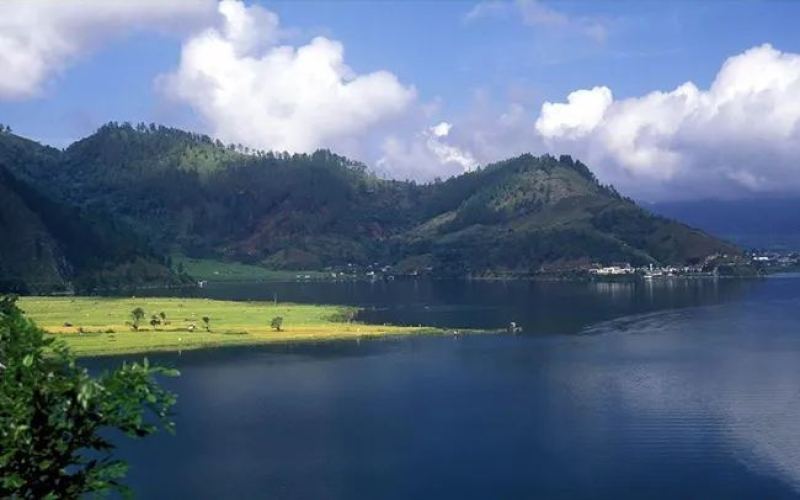
Indonesia is an important coffee-producing country globally, and the Mandheling coffee from its Sumatra island is renowned worldwide for its rich and full-bodied flavor. The name Mandheling originates from an amusing misunderstanding during World War II and has now become an iconic representation of Indonesian coffee. Sumatra island boasts unique growing conditions such as volcanic soil and a tropical rainforest climate, with Arabica varieties mainly distributed in the Gayo Mountain and Lintong producing areas of the Barisan Mountains. The local unique wet-hulling process significantly shortens drying time, creating Mandheling's distinctive flavor profile of clean brightness and intense sweetness. Front Street Coffee's PWM Golden Mandheling comes from the Gayo Mountain producing area, undergoing three rounds of strict hand sorting according to PWN company standards, presenting high quality with uniform bean shape and balanced taste. This article will guide you through an in-depth understanding of Sumatra coffee's terroir conditions, main producing areas, and the specific process of wet-hulling. [more…]