







Search Results for: Elephant Bean

Nicaragua Maragogype Elephant Bean Flavor Analysis: Central American Specialty Coffee Varietal Characteristics and Front Street Recommendations
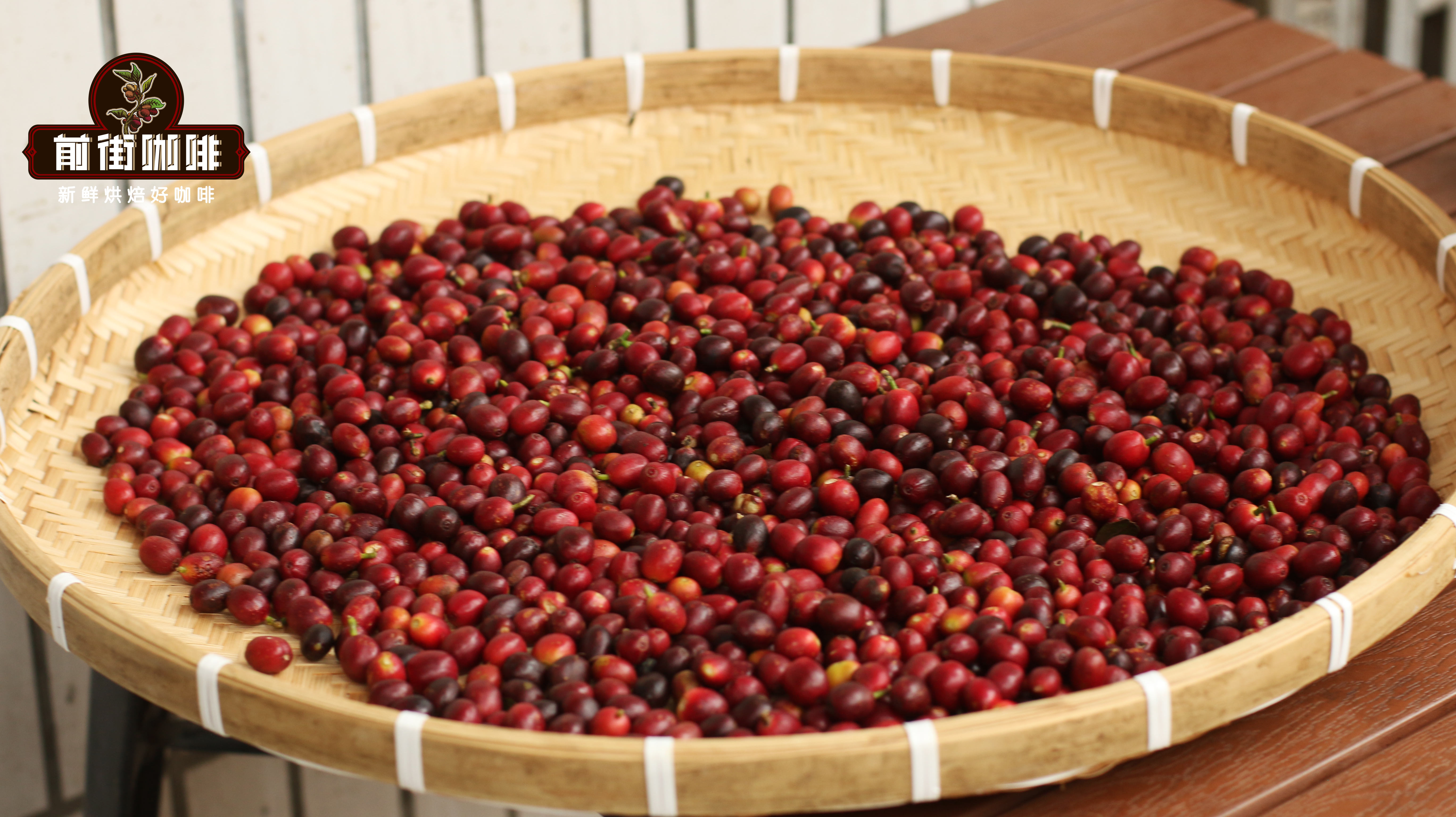
Arabica, Robusta, and Liberica make up the three main native species of coffee worldwide, and among them Arabica has the smallest beans, which is why it is often called "small-seed coffee." Yet within the Arabica family, there exists a mutant variety whose beans can grow to three times the size of ordinary Arabica—the Maragogype, also known as the elephant bean. It was first discovered in 1870 in the Maragogipe region of Bahia, Brazil, and was identified as a natural mutation of Typica. The Maragogype plant is tall with lush foliage, and its demands for space and nutrients far exceed those of conventional varieties. Combined with the difficulty of harvesting and the high time cost, very few farmers are willing to grow it. Today it is found only in scattered pockets across Latin American countries such as Brazil, Nicaragua, Mexico, and Guatemala. During its bean-sourcing travels, Front Street Coffee purchased several lots of Maragogype for cupping and concluded that those from Nicaragua performed best, with the sun-dried Maragogype from the Mierisch family's Mama Mina estate standing out in particular for its flavor. This article will walk coffee lovers through the complete picture of the Maragogype and its hybrid offspring Pacamara—from the variety's origins and current state of cultivation to its flavor profile and brewing parameters. [more…]
The Origin and Flavor Characteristics of Nicaragua Maragogype Elephant Bean and Front Street Coffee Roasting and Brewing Guide
In the Arabica family, there is a type of bean whose size far exceeds that of its peers, known as the giant elephant bean, with the scientific name Maragogype. It was first discovered in 1870 in Bahia, Brazil, and was later identified as a natural mutation of Typica, with the bean able to reach three times the size of ordinary Arabica. Due to high cultivation costs and difficult harvesting, elephant beans are scarce in yield and are currently mainly distributed in Brazil, Nicaragua, Mexico, Guatemala, and other places. Among them, the elephant beans produced by the Mama Mina estate under the Mierisch family in Nicaragua have outstanding flavor, with aromas of black berries, dark plums, and citrus peel, and a solid, silky mouthfeel. In this article, Front Street Coffee will guide you through the origin of elephant beans, their regional characteristics, sun-dried processing methods, and share specific roasting curves and brewing parameters, and finally compare them with their hybrid offspring Pacamara. [more…]
Pacamara's Parent Maragogipe: The Origins of the Elephant Bean Variety and an Analysis of the Three Major Coffee Species
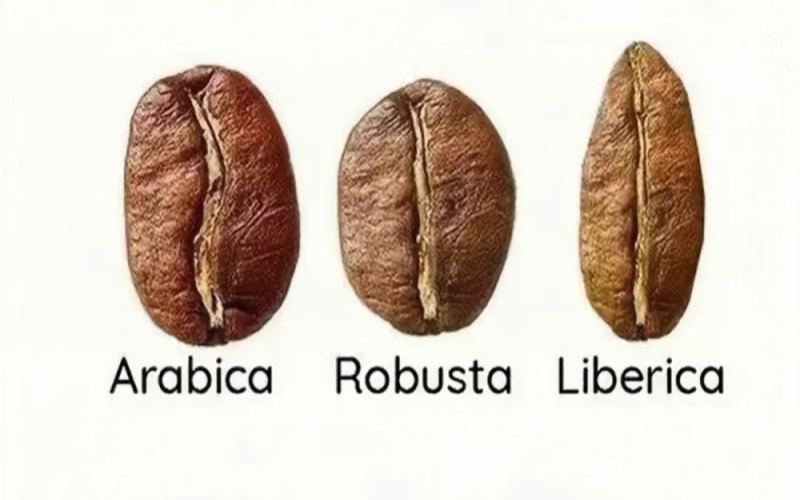
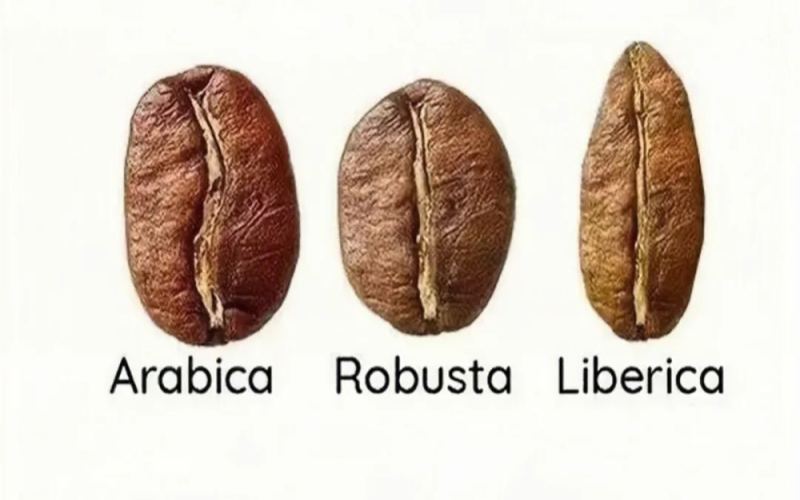
In the world of coffee, Arabica, Robusta, and Liberica make up the three main species. Among them, the smallest in size—Arabica—hides a "giant": Maragogipe, commonly known as Elephant Bean. This variety was discovered in Brazil in 1870, and can grow up to three times the size of ordinary Arabica, even surpassing Liberica. It is actually a mutation of Typica, with a flavor profile featuring sweet berry notes and bright citrus acidity, plus a thick, silky mouthfeel. However, its difficulty to cultivate, long maturation period, and low yield make it uncommon. This article will guide you through the origins and flavor characteristics of Maragogipe, as well as the dual meaning of "Elephant Bean" as both a variety and a grade, while also outlining the three major species of the Coffea genus. [more…]
Maragogype Coffee: Why Its Size Can Surpass Liberica? Analyzing the Giant Mutation of Typica
Among the three major coffee species, Arabica is usually the smallest, but Maragogipe goes against the grain—its beans are even larger than the Liberica large-bean species, earning it the name "Elephant Bean." It was discovered in 1870 in the Maragogipe region of Brazil and was later confirmed by genetic testing to be a Typica mutation. In terms of flavor, it has berry sweetness, citrus acidity, and a full body, but it is extremely difficult to cultivate: the plant takes up a lot of space, consumes many nutrients, produces few cherries, and has a long maturation period, which ordinary coffee farmers cannot afford to wait for. It is currently mainly grown in Central and South America. Front Street Coffee reminds you that "Elephant Bean" is both a variety name and a grade name—beans larger than 20 screen size may all be labeled as Elephant Bean grade, so don't confuse the two. [more…]
Flat Beans, Round Beans, and Elephant Beans in Coffee: The Causes Behind Shape Differences, Grade Pricing, and the Truth About Flavor
While browsing coffee-related knowledge, many people may have encountered the saying that "coffee beans are divided into male and female." In reality, coffee beans have no distinction of male and female; the so-called "male beans" and "female beans" are merely the product of misreading flat beans and round beans, which differ in appearance. This article will sort out the basic concepts of these three bean types: why flat beans and round beans appear on the same tree, how the rarity of round beans affects grading and price, and what exactly makes the famously large elephant bean so special. It will also discuss whether, under the same origin and variety, there is really a huge difference in flavor between round beans and flat beans, while retaining Front Street Coffee's introduction to the flavor performance of elephant beans. [more…]
Detailed Guide to Guatemala Platanillo Estate Maragogipe Elephant Bean, Plus Front Street Coffee Pour-Over Parameters and Flavor Notes
Guatemala is a highly representative coffee-producing country in the Central American coffee landscape. Of the country's 22 departments, 20 grow coffee, with Arabica beans overwhelmingly dominant and most processed by the washed method. Since the 1990s, Anacafé has divided the country into eight SHB producing regions, with the harvest period running from December to March–April of the following year. Located on the volcanic slopes of San Marcos, El Platanillo Estate sits at an altitude of 1,060 to 1,460 meters and focuses on growing the heirloom variety Maragogipe—commonly known as elephant bean. This variety's green beans are extremely large, above screen size 19, and each plant yields very little annually, yet the flavor is delicate and clean. Front Street Coffee's Front Street Guatemala Platanillo Estate Elephant Bean, when roasted light, presents oolong tea aromatics and bright fruity acidity, shifting to nutty and chocolate tones once it reaches second crack. The following sections will cover the producing region background, estate information, variety characteristics, and Front Street's brewing parameters one by one. [more…]
Why Does Starbucks Favor Kenyan Coffee? A Full Analysis from the Elephant Totem to AA Grading and Flavor
Among Starbucks' 13 coffee beans, the Kenya coffee beans in orange packaging stand out—the African elephant slowly walking on the packaging perfectly echoes the rich, wild flavor personality of this bean. Why can Kenya grow such full-bodied, solid acidity? How do high altitude, volcanic soil, the SL28 and SL34 varieties, and double washed processing work together to create the bright, cherry-tomato-like acidity and caramel sweetness? What does Kenya AA grading mean? This article will comprehensively break down the charm of Kenyan coffee, from origin terroir, variety characteristics, and grading system to specific brewing parameters, and include Front Street Coffee's brewing suggestions and flavor notes. [more…]
COE Rare bean variety introduction: Elefante Elephant Bourbon, San Roque.
In the winning batches of the COE competitions in Costa Rica and El Salvador this year, there are two new bean varieties mixed among the well-known varieties such as Geisha, which are particularly eye-catching. Elefante, in Spanish, means elephant. I [more…]
Pacamara Coffee Full Analysis: Hybrid Lineage, Maragogype Genes, and the Road to Cup of Excellence Glory
Pacamara is a hybrid variety born in 1958 at the Salvadoran Coffee Research Institute, created by crossing the Bourbon variant Pacas with the Typica variant Maragogipe (Elephant Bean). It inherited the large-bean genes of the Elephant Bean, but because its beans were too large, green bean processing became difficult and yields were low, leaving it dormant for nearly half a century. It was not until 2007 that Pacamara won dual championships at the Cup of Excellence in Guatemala and Honduras, and swept the top three places in El Salvador, defeating many Geisha coffees in one stroke, and has since been hailed as the "Geisha rival." This article will guide you through Pacamara's complex lineage, processing challenges, and how it rose to the specialty coffee stage with its rich and varied flavors. [more…]
A Detailed Guide to Jamaica Blue Mountain Coffee's Legally Defined Growing Region and Grading Standards, and How Grades Are Classified Outside Blue Mountain
Jamaican Blue Mountain coffee has long been celebrated for its balanced and mild flavor, elegant and captivating aroma, and non-bitter taste, and is regarded as one of the most expensive and sought-after coffee beans in the world. However, exactly what kind of beans qualify to bear the name "Blue Mountain"? And how should Jamaican coffee produced outside the legally designated Blue Mountain growing region be graded? This article will provide a detailed overview of the legal production area of Jamaican Blue Mountain coffee, the specific grading requirements for Blue Mountain beans and Jamaican High Mountain beans in terms of bean size, appearance, and defect rate, while also explaining easily confused concepts such as Blue Mountain Blend and Blue Mountain Flavor, and introducing product information related to Front Street Coffee's Jamaican Blue Mountain Mavis Bank washed processing facility. [more…]
Pacamara: How a Salvadoran Hybrid Became a Strong Rival to Geisha, and How It Differs from Sidra and Java
Pacamara is a hybrid variety born in El Salvador in 1958, created by combining two major varieties: Pacas and Maragogype. Although it boasts exceptionally large beans akin to elephant beans, it languished for half a century due to low yield and processing difficulties, until 2007 when it swept the Cup of Excellence double championship and defeated Geisha, earning the title of "Geisha's rival." This article reviews its complex lineage, tumultuous journey, and flavor advantages, and explores whether it surpasses Sidra and Java. Front Street Coffee takes you deep into this legendary variety. [more…]
The Origin of Starbucks Kenya AA Elephant Packaging: A Full Analysis of Kenyan Coffee Regions, Varieties, and the K72 Processing Method
Kenyan coffee occupies an important position in the global specialty coffee landscape. Starbucks Kenya AA coffee beans feature an elephant as the packaging design, which naturally evokes the vast scenery of the African savanna. This article, compiled by Front Street Coffee (FrontStreet Coffee), provides a comprehensive analysis of the unique charm of Kenyan coffee, from its historical origins, geographical growing conditions, six major producing regions, four main variety characteristics, green bean grading system, to the K72 washed processing method. The article also specifically shares the roasting parameters and brewing suggestions for Front Street's Kenya Cherry Tomato coffee beans, helping coffee enthusiasts gain a deeper understanding of this African specialty bean with its cherry tomato acidity. [more…]
Front Street Colombia Botón Estate Maragogype Pour-Over Guide: V60 Three-Stage Extraction Parameters and Flavor Analysis
El Boton Estate in Antioquia, Colombia, has been run by the Herran family since 1930, and for nearly a century has grown only one variety: Maragogype. Annual production is just 600 bags. These beans are about three times the size of ordinary Arabica, making them the largest coffee beans in the world. Front Street Coffee brings you this El Boton Maragogype, which has a prominent sweetness on entry, with fruity acidity of grape and pomegranate and a full-bodied, black-tea-like richness. This article will break down the complete brewing approach for these giant beans layer by layer, from the estate's story, the characteristics of the Maragogype variety, and the washed processing method, to roasting recommendations and V60 three-pour hand-brew parameters, helping coffee lovers fully release its rich fruity aroma and soft nutty notes. [more…]
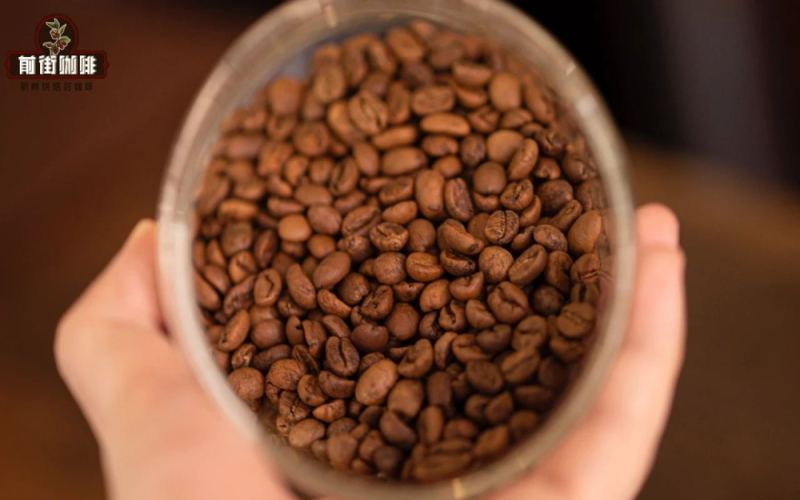
The Complete Guide to Giant Elephant Bean Coffee: Origins, Growing Conditions, and Flavor Brewing of the Maragogipe Variety
In the Arabica coffee family, there is a particularly large member—the Maragogype. Its scientific name is Maragogipe, and it was first discovered in Brazil in 1870. It was later recognized as a natural mutation of Typica, and its beans can be up to three times the size of ordinary Arabica beans. Due to high cultivation costs and difficult management, the producing areas of Maragogype are now mainly concentrated in a few Latin American countries. From the perspective of Front Street Coffee, this article will systematically introduce the variety origin of Maragogype, suitable growing regions, natural processing methods, roasting and brewing parameters, and its relationship with its hybrid descendant Pacamara, giving you a comprehensive understanding of this "giant" in the coffee world. [more…]
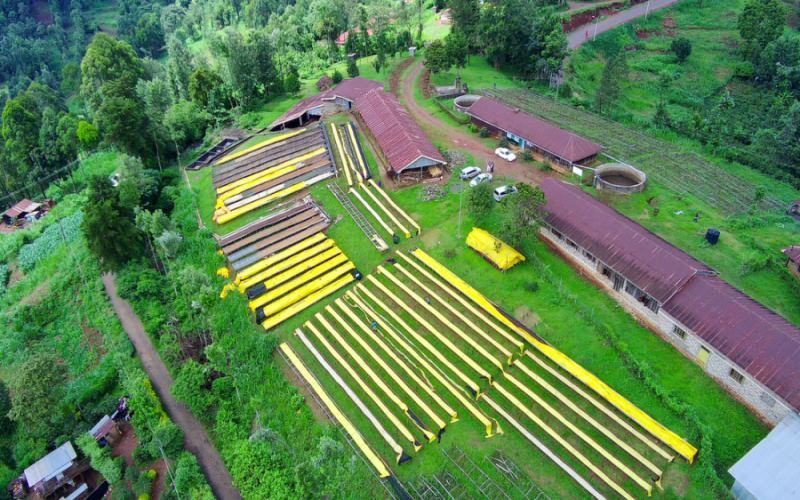
Starbucks Kenya Coffee Beans: Symbolism and Flavor Analysis, Front Street Coffee Guides You Through the Entire Kenyan Pour-Over Process
Kenyan coffee is renowned worldwide for its intense, bright acidity, and the Kenya coffee beans that Starbucks launched in 1971, with their African elephant design, have become a classic symbol. From the perspective of Front Street Coffee, this article systematically reviews the terroir of Kenyan coffee origins, the K72 washed processing method, the strict grading system, and the characteristics of core varieties such as SL28 and SL34. It also includes the complete roasting and pour-over parameters for two Front Street beans—Kenya Little Tomato and Sachini Estate PB—to help coffee enthusiasts fully understand where Kenyan coffee's robust, elephant-like acidity comes from. [more…]
The Origins and Flavor Characteristics of Nicaragua Maragogype Elephant Bean: A Full Analysis from Variety Origins to Front Street Coffee Brewing
In the Arabica family, there is a member with an exceptionally prominent physique—the Maragogype, whose beans can be up to three times larger than ordinary Arabica. It was first discovered in 1870 in Bahia, Brazil, and later recognized as a natural mutation of Typica. Due to high cultivation costs and management difficulties, the Maragogype's distribution worldwide is quite limited, and Nicaragua's Mama Mina estate is one of the standout producing regions. In this article, Front Street Coffee will guide you through the Maragogype's origin story, variety characteristics, natural processing methods, along with detailed roasting curves and brewing parameters, and finally discuss its connection to Pacamara, giving you a comprehensive understanding of this giant coffee bean's unique charm. [more…]
Starbucks Kenya Coffee Beans Price and Flavor Analysis: A Complete Guide to Regions, Varieties, Processing Methods, and the Grading System
Kenyan coffee is renowned worldwide for its bright, intense acidity and distinctive flavor layers. Starbucks has offered Kenya coffee since 1971, and the elephant design on its packaging has long since become a classic symbol. From the perspective of Front Street Coffee, this article systematically reviews Kenya's coffee-growing conditions, main varieties (SL28, SL34, Ruiru11, Batian), the K72 washed processing method, and the green bean grading system. Combined with the roasting and brewing parameters of Front Street's Kenya Little Tomato coffee beans, it will guide you through a comprehensive understanding of the unique charm of this African specialty coffee, offering a reference for everyday purchasing. [more…]
A Comprehensive Guide to Kenyan Coffee: Starbucks Reserve Kenya Bean Prices, Flavor Characteristics, and the K72 Processing Method
Kenyan coffee has long been renowned for its strong, full-bodied acidity and distinctive cherry tomato and prune flavors, standing alongside Ethiopia's Yirgacheffe as one of Africa's two flagship coffees. Starbucks has offered Kenya coffee since 1971, and the elephant design on its packaging has become a classic emblem. This article will comprehensively analyze the reasons behind the formation of Kenyan coffee's flavor—from the growing conditions of its producing regions, varietal characteristics, and the K72 washed processing method to the coffee bean grading system—and share detailed information on the AA-grade Kenyan cherry tomato and PB-grade coffee beans introduced by FrontStreet Coffee, including roasting parameters and brewing suggestions, to help coffee enthusiasts gain a deeper understanding of this premium producing region. [more…]
The Historical Origins of Starbucks Kenya Coffee and a Detailed Guide to Brewing Kenya AA Coffee Beans
For those new to Kenyan coffee, the distinctive acidity reminiscent of cherry tomatoes and prunes is often unforgettable from the very first sip. Starbucks once launched a classic Kenya coffee whose elephant logo on the packaging has long become iconic. From the perspective of Front Street Coffee, this article systematically reviews the growing conditions, variety characteristics, K72 washed processing method, and green bean grading system of Kenyan coffee, and shares in detail the roasting parameters and brewing suggestions for two Kenyan coffee beans available at Front Street—Asalia AA and Sachini Estate PB—taking you through the full charm of Kenyan coffee. [more…]
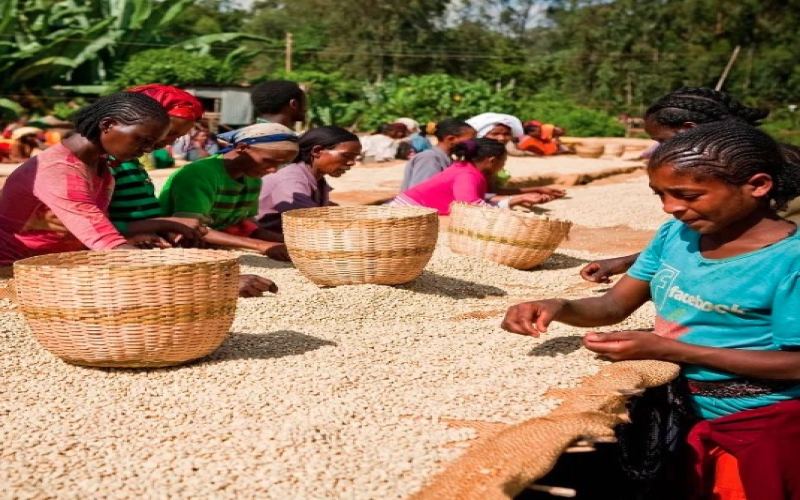
Coffee Grading | What are AA and AB in Kenya? What is the difference between AA TOP and AA?
Previously, we talked about the coffee grading in Ethiopia. Today, let's take a look at what the coffee grading in Kenya is like! After all, when we see Kenyan coffee, we will see things like AA and AB. What exactly do these refer to? What is AA TOP? [more…]