







What Makes Maragogype Elephant Coffee Beans Different?
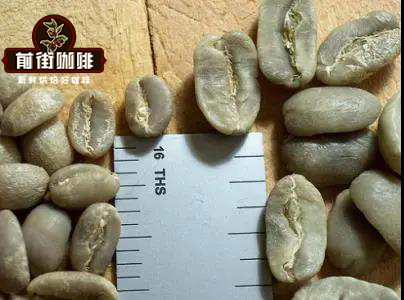
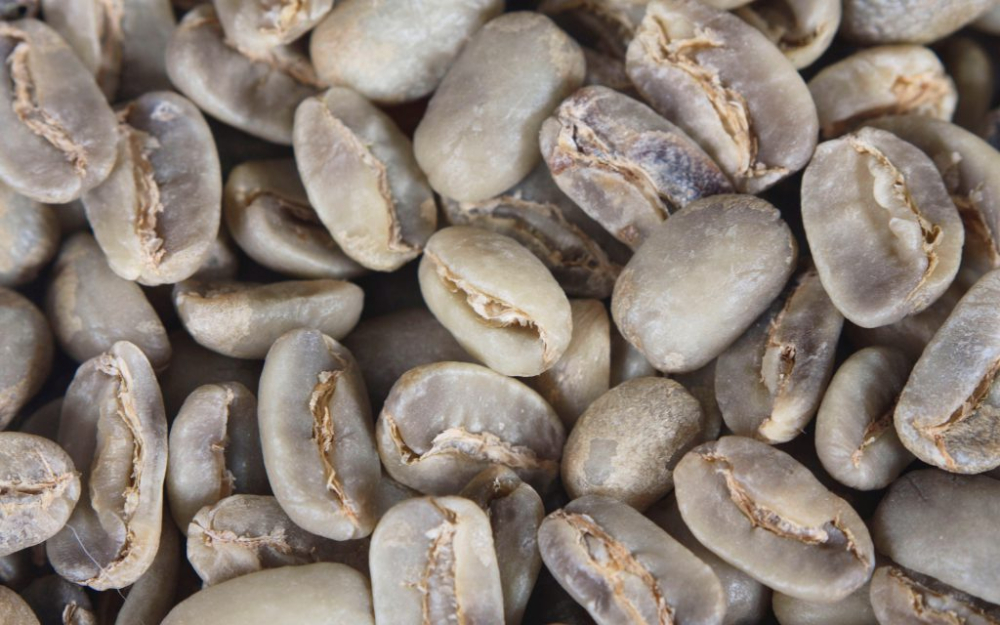
Maragogype is a natural mutation of Typica, first found in 1870 in Bahia, Brazil, and named after that region. Its beans can reach roughly three times the size of ordinary Arabica, often 20 mesh or larger, while most grading systems treat 17 to 18 mesh as the top realistic grade.
The trees are thicker and need more space, nutrients and labor, so global plantings stay limited; Nicaragua's Mama Mina estate is a notable source. Unlike liberica coffee characteristics, which belong to a separate large-bean species, Maragogype stays within Arabica. Its natural processing, roasting curves and brewing parameters, plus its link to Pacamara, are covered in the article.
In the Arabica family, there is a member with exceptionally prominent size—the Maragogype, whose beans can reach up to three times the size of ordinary Arabica. It was first discovered in 1870 in Bahia, Brazil, and later identified as a natural mutation of Typica. Due to high cultivation costs and management difficulties, the Maragogype's global distribution is quite limited, with Nicaragua's Mama Mina estate being one of the standout producing regions. In this article, Front Street Coffee will guide you through the Maragogype's origin story, variety characteristics, natural processing flow, along with detailed roasting curves and brewing parameters, and finally discuss its connection to Pacamara, giving you a comprehensive understanding of this giant coffee bean's unique charm.
For more specialty coffee knowledge, please follow: Frontsteet Coffee
In the broad classification of coffee, Arabica is a small-bean species, Robusta is a medium-bean species, and Liberica is a large-bean species. Arabica has become the mainstream of commercial cultivation thanks to its outstanding flavor, but within its family, there happens to be an "oddity"—the giant Maragogype that far exceeds its peers in size. Today, FrontStreet Coffee will show you what other astonishing features the Maragogype has besides its exaggerated size.
What exactly is the origin of the Maragogype The scientific name of the Maragogype is Maragogype. In 1870, it was first discovered in the Maragogype producing region of Bahia, Brazil, and the name of this region became the official designation for this bean variety. Through morphological comparison and genetic testing, it was confirmed that the Maragogype is actually a natural mutation of Typica. Its bean size is approximately three times that of ordinary Arabica beans.
In the grading systems of many coffee-producing countries based on green bean size, 17 to 18 mesh is usually the highest realistic grade, and beans above 19 mesh are extremely rare. However, the Maragogype's size can generally reach 20 mesh or even larger.
Where is the Maragogype grown today The Maragogype is not only large in bean size, but its trunk and branches are also thicker and stronger than conventional coffee varieties, which means cultivating it requires more space and consumes more nutrients and resources. In addition, daily care and harvesting are more labor-intensive, and the time cost is also high (the fruit maturation period is long, taking five years to bear fruit), so very few farmers are willing to grow it. Currently, it is only cultivated in small quantities in Latin American countries such as Brazil, Nicaragua, Mexico, and Guatemala.
Front Street believes that the region with the best flavor performance for Maragogype at present is the Mama Mina estate under Nicaragua's Mierisch family. The Mierisch family owns nine estates and has been growing coffee since 1908, more than a hundred years to date. Among these nine estates, eight are located in Nicaragua's San Jose, Limoncillo, Escondida, Milagros, Placeres, LosAltos, Mama Mina, and Suspiro, while the other is located in Honduras's Cerro Azul.
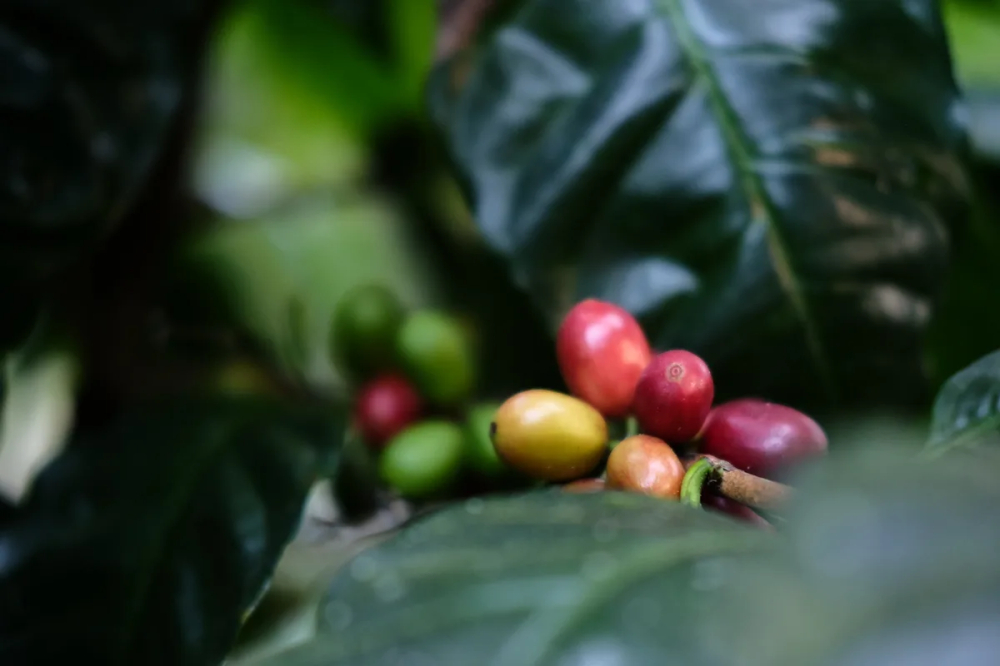
The planting areas of Mama Mina estate are covered with volcanic ash, and shade-growing methods are used to cultivate high-quality Nicaraguan coffee. It has obtained OCIA (Organic Crop Improvement Association) certification and is recognized as excellent high-altitude organic coffee. For the Maragogype to develop good flavor, it must be grown at an altitude above 1,500 meters. Combined with the Mierisch family's skilled cultivation and management, its flavor is rich and layered, with the aroma of black berries perceptible upon entry, blackberry and dark plum interwoven with citrus peel notes, and an overall solid flavor with a silky, sweet taste.
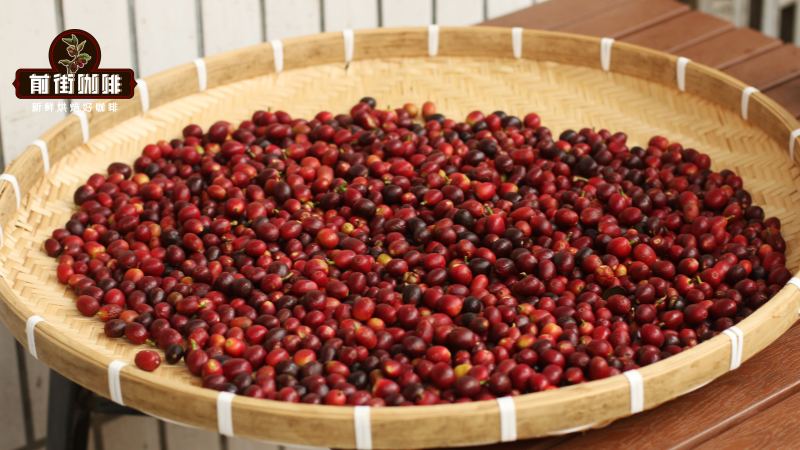
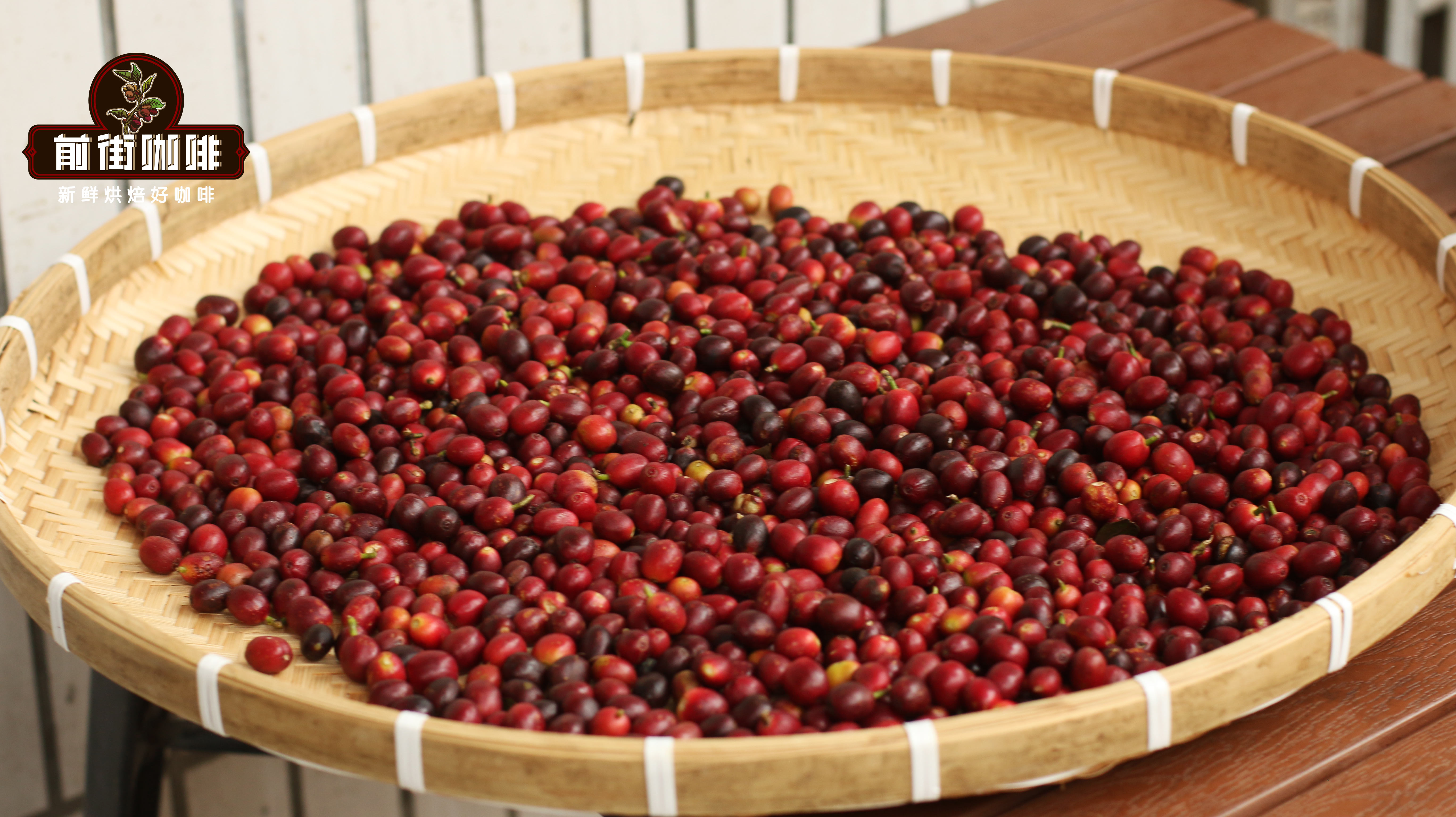
Natural processing method This batch of Maragogype uses the natural processing method. The natural method is the oldest and most primitive processing method for coffee beans. The specific operation is to first pour the harvested coffee cherries into a large water tank; ripe and plump cherries will sink to the bottom, while underdeveloped or overripe cherries will float on the surface. After removing these floating beans, healthy coffee cherries are spread on patios to dry under direct sunlight, with moisture content dropping from 60% to 12%–15%. Finally, a hulling machine is used to remove the dry, hard outer skin and pulp, and the green bean completes the entire processing flow.
FrontStreet Coffee roasting analysis The Maragogype is large in size, so heat control during roasting must be stable. A lower heating rate should be used for slow roasting, extending the dehydration phase and reducing the heat difference between the bean core and bean surface. This batch uses a medium-light roast.
A Yangjia 700N roaster is used, with a green bean charge of 300g. When the drum temperature rises to 175°C, the beans are added, the heat is set to 120, and the damper is opened to 3; the turning point appears at 1 minute 32 seconds at 100.9°C. When the drum temperature reaches 140°C, the damper is adjusted to 4 while the heat remains unchanged; when the drum temperature reaches 151.2°C, the bean surface turns yellow, the grassy smell completely dissipates, and the dehydration phase begins. When the drum temperature reaches 166°C, the heat is lowered to 110 and the damper remains at 4; when the drum temperature rises to 183.3°C, the heat remains unchanged and the damper is opened to 5; when the drum temperature reaches 188°C, the heat is lowered to 50 and the damper is left unchanged. First crack arrives at 9 minutes 08 seconds, the damper remains unchanged, and after first crack development continues for 1 minute 40 seconds, the beans are discharged at 196°C.
FrontStreet Coffee brewing sharing Parameters: Coffee dose: 15 grams Coffee-to-water ratio: 1:16 Water temperature: 91°C Grind size: medium-fine grind (78% passing rate on a No. 20 standard sieve)
A staged extraction is used. First, bloom with 30 grams of water for 30 seconds, then pour in a small stream in circles until 150 grams for a stage break. When the water level drops and is about to expose the coffee bed, continue pouring until 240 grams and then stop. When the water level drops again and is about to expose the coffee bed, remove the dripper. The extraction time (starting from the bloom) is 1 minute 56 seconds.
Flavor: aromas of citrus and brown sugar, with nutty notes in the middle and a prominent maple syrup character.
Maragogype and Pacamara The Maragogype has high cultivation costs, and very few growers cultivate it. However, its hybrid descendant Pacamara inherited the excellent genes and carried them forward. This variety, artificially crossed from Pacas and Maragogype, inherits both the high productivity and adaptability of Pacas and the size and excellent acidity of the Maragogype. Its bean size is about 70% to 80% that of the Maragogype, and it often takes the top prize in El Salvador's Cup of Excellence competitions.
The above content is compiled by CoffeeHunters, a coffee news website.


