







Search Results for: Dutch-style drip brewer
Dutch cold brew coffee: one drop every few seconds? A complete illustrated guide to dark roast bean selection and refrigerated maturation
Entering May, the weather in Chongqing has already started to get hot, and the cold brew dripper that had been sitting idle for a whole year can finally be put to use. This article will take the traditional Dutch-style cold drip brewer as an example to fully demonstrate the process of making cold drip coffee, while also answering two common questions: what drip rate in seconds per drop is appropriate, and what kind of coffee beans should be chosen. Although there are special cold drip coffee beans sold on the market, whether single-origin or blended beans, it is recommended to use dark roast, because light roast beans tend to become weak and sour under cold drip extraction. In addition, completing the drip filtration does not mean it can be drunk immediately; it still needs at least 24 hours of refrigerated maturation, and the flavor only reaches its peak after three days. At the end, the article also shares a little trick for making shaped ice cubes with coffee liquid, helping you avoid diluting the coffee concentration as the ice cubes melt. [more…]
Analysis of Cold Brew Coffee Extraction Principles and Flavor Characteristics, with Equipment Operation Steps and Usage Precautions
Cold brew coffee uses cold water at 5°C, slowly dripping through the coffee grounds over several hours of extraction, yielding a coffee liquid with rich aroma, a round and smooth mouthfeel, full body, and particularly outstanding flavor expression. Its greatest advantage is that it is neither sour nor astringent and does not irritate the stomach, which is thanks to the choice of dark-roasted coffee beans and the entire cold-water extraction process, avoiding the astringent substances released by hot water at high temperatures. This article will provide a complete introduction to the key points of making cold brew coffee, from the principles and characteristics, the use of equipment, precautions, to the specific production process of the Dutch-style drip brewer, helping coffee enthusiasts make the ultimate 100% original-flavor water-drip coffee at home. [more…]
A Roundup of Twelve Home Coffee Makers: From Pour-Over to Cold Brew, How They Outperform Ordinary Drip Machines
For coffee enthusiasts, a satisfying piece of equipment can often bring out entirely different flavors from the same batch of coffee beans. This article reviews twelve distinctive coffee machines and pour-over devices, covering pour-over, cold brew, moka pots, smart roasting, and more, all far surpassing the drip machines commonly found in office break rooms in both function and design. From the Trinity ONE's multi-functional brewing to the BKON Craft's vacuum extraction, and the Ratio's laboratory-grade materials, these devices not only perform exceptionally but also look pleasing to the eye. Whether you prefer hands-on operation or smart control, you can find the "coffee weapon" that suits you. [more…]
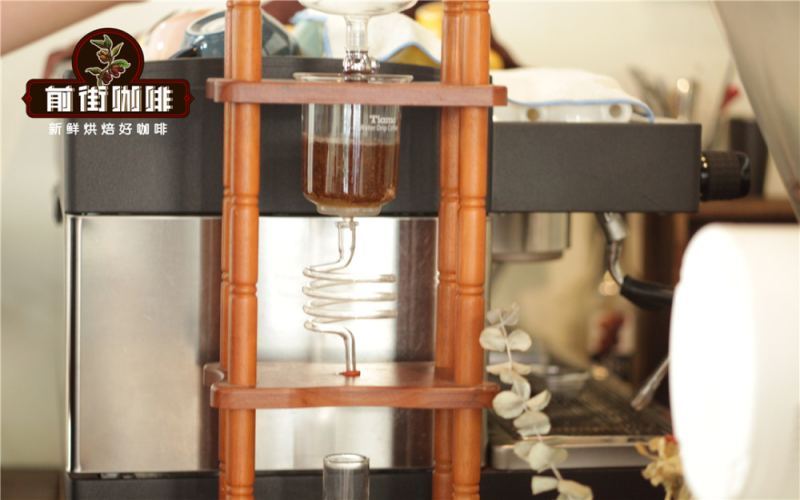
The Complete Guide to Cold Brew Coffee: Low-Temperature Extraction Principles, Brewing Steps, and Three Classic Front Street Coffee Recipes
Cold brew coffee is a brewing method that uses cold water for low-temperature extraction over a long period of time, producing a full, smooth, non-astringent and rounded cup with lower caffeine content than other brewing methods. Its history can be traced back to the Dutch invention on the island of Java in 1699, and today it has become a highly sought-after drink among coffee lovers in summer. This article will systematically introduce the origin of cold brew coffee, the extraction principle, the differences from pour-over coffee, detailed preparation steps and key points for controlling the drip rate, and share three cold brew recipes often used by Front Street Coffee — the dark berry type, the clean and crisp type, and the sweet and pleasant type — while also explaining the best drinking period and storage recommendations for cold brew coffee. [more…]
How to drink cold brew coffee for maximum flavor? A detailed explanation of the underlying fermentation principles and three Front Street concentrate recipes.
Cold brew coffee is a method of extracting coffee with ice water at low temperatures, completely different from regular pour-over. It originated from the invention of the Dutch on the island of Java in the 17th century, using condensed water pressure to drip through coffee grounds one drop at a time, taking up to 8 hours. Cold brew coffee has a unique flavor and needs to be refrigerated and fermented after extraction, reaching its best state on days 3 to 7, with a complex aroma reminiscent of fermented rice wine. This article explains in detail the steps for making cold brew coffee, key points for fermentation and storage, and shares three cold brew recipes commonly used by Front Street Coffee—dark berry type, light and clean type, and sweet and delicious type—to help you easily make a delicious cold brew suitable for summer. [more…]
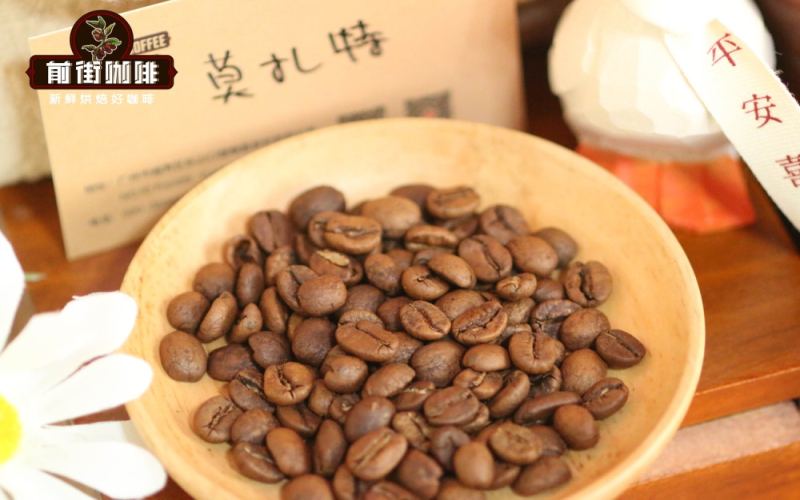
Iced Coffee Brewing Methods | How long does it take to make cold drip coffee? What are the taste and flavor characteristics of cold drip coffee? What is the extraction principle of cold drip coffee?
There are many ways to brew coffee, and cold drip is one of them. Cold drip coffee is also a type of iced coffee, and in summer, iced coffee is even more of a favorite among coffee lovers. Cold drip coffee is naturally not brewed with hot water, but with low-temperature water, which is different from our usual pour-over coffee. [more…]
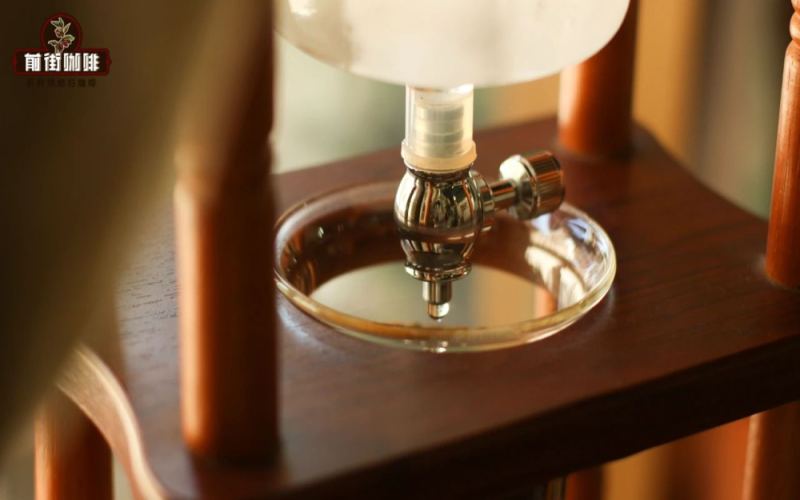
The Correct Way to Drink Cold Brew Coffee | Which Single-Origin Coffee Beans Are Suitable for Making Cold Brew Black Coffee? How Do the Flavors of Ice-Water Extraction and Hot-Water Extraction Differ?
Before we knew it, September has arrived again. I believe friends in the southern region are still battling it out every day alongside the enthusiastic Mr. Sun—the weather is still quite hot. For coffee lovers, the refreshing drink that immediately comes to mind is none other than iced coffee. Arriving at Front Street Coffee (FrontStreet Coffee), as soon as you walk in, [more…]

The Best Way to Drink Cold Brew Coffee and Recommended Single-Origin Beans for It: A Full Analysis of Low-Temperature Extraction Flavor Characteristics
September has arrived, yet the heat in the south shows no sign of fading, and a refreshing glass of iced coffee remains a favorite for many coffee lovers. Step into Front Street Coffee, and the apparatus on the bar that looks like a chemistry lab setup always sparks curiosity—this is exactly the equipment for making cold brew drip coffee. Cold brew drip coffee originated in the Netherlands, using ice water for low-temperature slow extraction. Although it takes a long time, it delivers a smooth, full-bodied taste with a subtle fermented aroma. In this article, Front Street will systematically explain the extraction principles of cold brew drip coffee, its differences from hot extraction, key production points, and share suitable coffee bean choices and specific blending schemes for cold brew drip, helping you make an outstanding cup of cold brew drip coffee at home. [more…]
Why Doesn't Cold Brew Coffee Taste Sour? A Reference Guide to Cold Brew Coffee Pricing and Coffee Bean Selection
Cold brew coffee, with its unique low-temperature slow extraction process, presents a flavor profile completely different from hot-brewed coffee: smooth mouthfeel, pronounced sweet aftertaste, and relatively lower acidity and astringency. So why does cold brew coffee not taste sour? What price range do cold brew coffees sell for on the market, and how much should you spend on coffee beans to get it right? Drawing on the practical experience of Front Street Coffee, this article systematically explains the origins of cold brew coffee, the extraction principles, key production points, and the types of coffee beans suitable for making cold brew, helping coffee lovers gain a comprehensive understanding of this slow-crafted beverage. [more…]
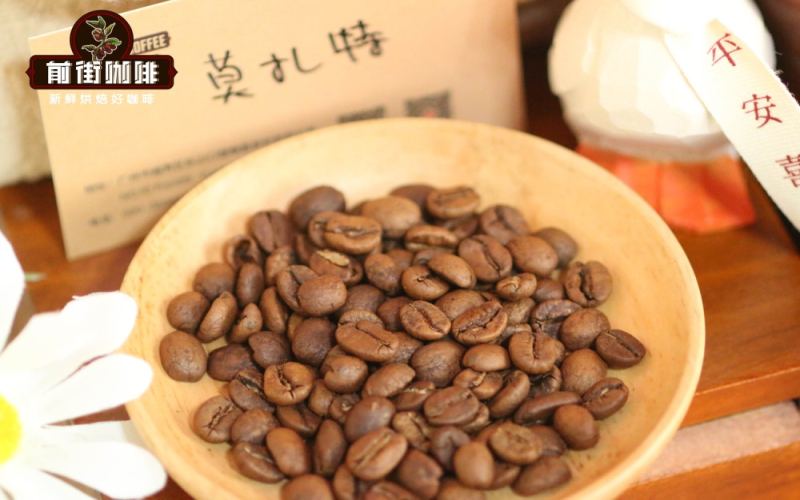
The Origin Story of Cold Brew Coffee | What Are the Flavor Characteristics of Low-Temperature Extracted Coffee? Which Single-Origin and Blend Beans Are Suitable for Making Cold Brew Coffee?
For more specialty coffee knowledge, please follow: Front Street Coffee (Frontsteet Coffee). Pour-over coffee has always been delicious, but of course you need to get some of the details right. Maybe it's time for a change of pace—then how about a cup of cold brew coffee! Front Street's cold brew coffee has always been very popular. [more…]
Flavor and Taste Characteristics of Cold Brew Coffee | What Is the Extraction Principle of Cold Brew Coffee? Which Single-Origin Coffee Beans Are Recommended for Making Cold Brew Coffee at Home?
For more specialty coffee knowledge, please follow: Front Street Coffee (Frontsteet Coffee) Pour-over coffee has always tasted great, though of course you need to get some of the details right. Maybe it's time for a change of pace—then go for a cup of cold brew coffee! Front Street's cold brew coffee has always been very popular. [more…]
Cold Brew Coffee Beginner's Guide: From Extraction Principles to Recipe Analysis for Yirgacheffe, Mandheling, and Kenya Beans
Cold brew coffee, through its low-temperature slow extraction, presents a flavor profile completely different from pour-over, and is deeply loved by coffee enthusiasts. Based on the practical experience of Front Street Coffee, this article systematically reviews the origin of cold brew coffee, the extraction principles, suitable bean selection, and key operational points, and shares a variety of cold brew recipes centered on beans such as Yirgacheffe, Kenya, and Mandheling, covering dark berry type, refreshing and clean type, sweet and delicious type, as well as blending ideas. The article also explains in detail the production steps, fermentation duration, and drinking suggestions, helping you make a cup of cold brew coffee with full aroma and smooth mouthfeel at home. [more…]
A Detailed Guide to the Flavor and Mouthfeel Characteristics of Cold Brew Coffee, with Recommended Coffee Beans for Making Cold Brew
Ice drip coffee uses ice water for low-temperature extraction over a long period, allowing the flavor and aroma to be sealed within the coffee liquid. Upon entering the mouth, it bursts with intense aroma as the temperature rises, offering a full-bodied taste with lower levels of bitterness and tannic acid. Compared with high-temperature pour-over extraction, ice drip coffee has less caffeine and richer layers, making it suitable for people sensitive to caffeine. Making ice drip coffee involves certain considerations in bean selection, usually favoring single-origin beans, though a blend of two beans can also be used to highlight a balance of aroma and flavor. This article will systematically introduce the flavor characteristics and key production points of ice drip coffee, from extraction principles, historical origins, and bean selection to Front Street Coffee's specific recipes and operating steps. [more…]
Vietnamese Drip Coffee Brewing Tutorial: How to Use a Phin Filter, Choosing Coffee Beans, and Making Iced Coffee with Condensed Milk
Vietnamese drip coffee, with its distinctive Phin filter and pairing with condensed milk, has become one of the most recognizable ways of drinking coffee in Southeast Asian coffee culture. This article begins with the historical origins, representative brands, and flavor characteristics of Vietnamese coffee, then systematically introduces the ingredients, steps, and timing control needed to make an authentic Vietnamese iced coffee, and explains the key points for choosing coffee beans suitable for a Vietnamese Phin—medium grind, freshly ground, and avoiding too many fine particles. The article also mentions related product recommendations from Front Street Coffee, making it a useful reference for coffee lovers who want to recreate the flavors of Vietnamese street coffee at home or in the office. [more…]
How to Choose Beans for Americano? Starbucks Americano Recipe and Drip Brewer Brewing Tips
Want to enjoy coffee that's close to pour-over quality without being put off by the tedious steps? A drip coffee maker might be an underrated choice. It's simple to operate—as long as you pick the right beans and control the coffee-to-water ratio and grind size, it can still produce a full-flavored cup of Americano. This article starts with how a drip coffee maker works, discusses why it's often considered "not tasty," and then offers bean selection advice—including three beans recommended by Front Street Coffee—along with complete brewing steps and parameters to help you avoid pitfalls and easily recreate a delicious cup of Americano at home. [more…]

Coffee Beginner Learning Essentials | What Are the Common Home Coffee Brewers? Which Brewing Methods Suit Different Roast Levels? Which Coffee Brewer Is Recommended for Beginners?
For more specialty coffee knowledge and tips, follow Front Street Coffee (FrontStreet Coffee). Making coffee at home is actually not all that complicated—it basically comes down to your needs and budget. Coffee is a beverage, and in nature it's almost the same as tea. Many of us [more…]
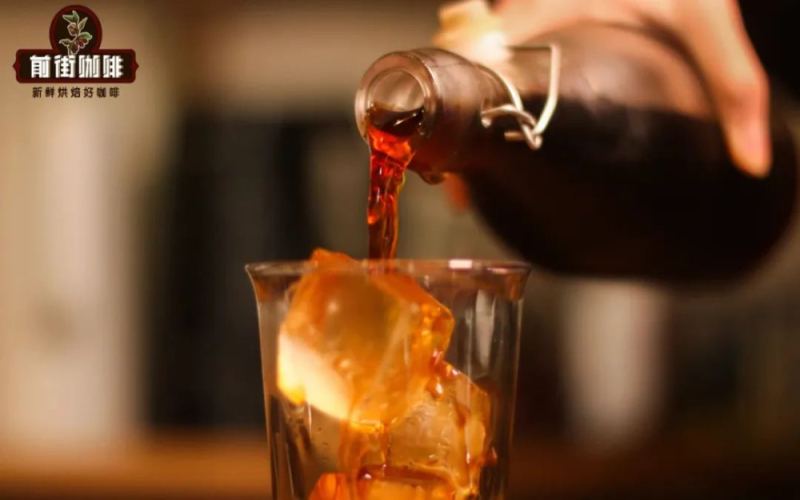
Making Cold Drip Coffee Without a Cold Drip Brewer: A Complete Guide to Choosing the Right Dose for Your Filter and Building a Simple DIY Cold Drip Setup
Want to enjoy a refreshing glass of cold brew coffee but don't want to buy an expensive cold drip tower just for that? In fact, you can rig up a simple cold drip setup using the coffee gear you already have on hand. This article starts from Front Street's hands-on experience, breaks down the structural principles of a cold drip tower, shows how to replace the original equipment with a V60 dripper, a flat-bottom dripper, and a server, and explains in detail every step of the process: distributing the grounds, pouring water, adding ice, and cold-brewing in the fridge. It also covers how the size of the dripper affects your choice of coffee dose, and the key role that ice cube size plays in the extraction, so you can easily make a full-flavored cold brew coffee at home. [more…]
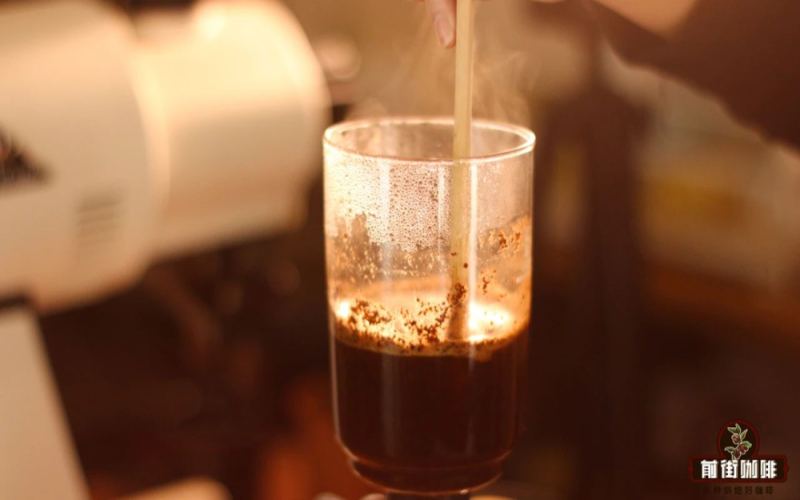
What coffee is a siphon brewer suitable for? Extraction and filtration differences determine the taste and flavor.
The siphon coffee maker, with its experiment-like brewing process, has become the tool of choice for many coffee enthusiasts just starting out. However, to brew a good cup of coffee with a siphon, mastering the operating techniques is only part of the story—choosing the right coffee beans is equally crucial. What kind of coffee is the siphon suitable for brewing? How exactly does it differ from the pour-over coffee commonly seen in cafés in terms of extraction method and filtration method? And how do these differences affect the final taste and flavor? In this article, Front Street Coffee will analyze the two aspects of extraction method and filtration system, guiding you to understand the reasons behind siphon coffee's rich, full-bodied, and intensely aromatic character, while comparing it with pour-over coffee's clean, bright, and well-layered traits, helping you better understand both brewing methods and find the cup that suits you. [more…]
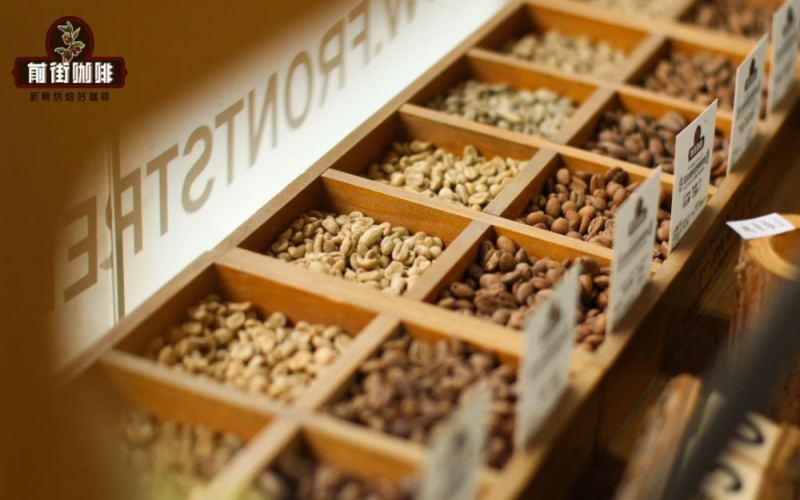
Mandheling Coffee Brewing Guide: How to Choose Between Drip Brewer and Siphon, and a Detailed Look at Golden Mandheling
Mandheling coffee has long been favored by coffee enthusiasts for its full-bodied, low-acid character and rich, deep aroma. But when faced with two brewing methods—the drip pot and the siphon—which one is better suited to bringing out the flavors of Mandheling? This article begins with the 5 Mandheling coffees offered by FrontStreet Coffee, sorts through the production-region system of Sumatran coffee, focuses on explaining the definition of Golden Mandheling and its ties to the PWN company, and includes the detailed parameters of FrontStreet Golden Mandheling along with step-by-step siphon instructions to help you extract a rich, smooth cup of black coffee at home. [more…]
Hario V60 vs Chemex Coffee Brewer Comparison: Extraction Principles, Design Features, and Brewing Method Recommendations
In the world of specialty coffee, the Hario V60 and the Chemex are two highly representative pour-over brewing devices. Although both fall under the drip category, their design philosophies and extraction logic are vastly different. With its 60-degree cone angle and spiral rib structure, the V60 gives brewers enormous room for adjustment, making it ideal for veterans chasing flavor complexity; the Chemex, by contrast, draws inspiration from laboratory glassware and, paired with its thicker filters, allows even beginners to easily achieve a clean, translucent cup. This article breaks down the differences between these two classic devices in detail—from their construction and extraction variables to flavor tendencies—and includes concise brewing recommendations to help you choose based on your own needs. Whether you prefer bright and crisp or rich and balanced, you'll find direction here. [more…]