







What Makes Distilled Coffee Different From Pour-Over?
Distilled coffee, also called cold drip or Dutch coffee, is brewed with ice water over roughly eight hours instead of hot water. Cold extraction produces a smooth, rounded cup with less astringency and lower caffeine than most hot brewing methods. The Dutch developed the style in 1699 on the island of Java, where settlers believed cold water reduced the acidity that upset their stomachs.
The method relies on condensation and natural osmotic water pressure rather than a pump, so drip speed is the main variable to control. Typical recipes include a dark berry style, a clean refreshing style, and a sweet style. Serve the concentrate over ice, and note that its flavor holds well for a limited drinking window when stored cold.
Cold drip coffee is a brewing method that uses cold water for low-temperature extraction over a long period of time. It has a full, smooth, non-astringent, and rounded mouthfeel, and its caffeine content is lower than that of other brewing methods. Its history can be traced back to 1699, when the Dutch invented it on the island of Java, and today it has become a highly sought-after drink among coffee lovers in summer. This article will systematically introduce the origin of cold drip coffee, the extraction principle, the differences from pour-over coffee, detailed production steps, and key points for controlling the drip speed, and will also share three cold drip recipes often used by Front Street Coffee — dark berry style, refreshing and clean style, and sweet and delicious style — while also explaining the best drinking period and storage suggestions for cold drip coffee.
For more specialty coffee knowledge, please follow: Front Street Coffee (Frontsteet Coffee)
There are all kinds of coffee brewing methods, and cold drip is one of the more distinctive ones. It also belongs to the category of iced coffee, and whenever midsummer arrives, iced coffee becomes a favorite of coffee lovers.
Cold drip coffee
Naturally, it does not use hot water for extraction, but instead completes brewing with low-temperature water, which is clearly different from our everyday pour-over coffee. In terms of operation, it is relatively much simpler, but it takes much more time. If you want to drink a cup of cold drip coffee in a coffee shop, you may still have to rely on luck!
In 1699, during the period of Dutch colonial rule over Indonesia, coffee was planted extensively on the island of Java, and the local Dutch settlers created this method of making cold drip coffee. At the time, they believed that the acidity in coffee was the culprit behind stomach discomfort caused by coffee, and after switching to ice water preparation, the acidity was reduced, so they were more willing to drink coffee this way.
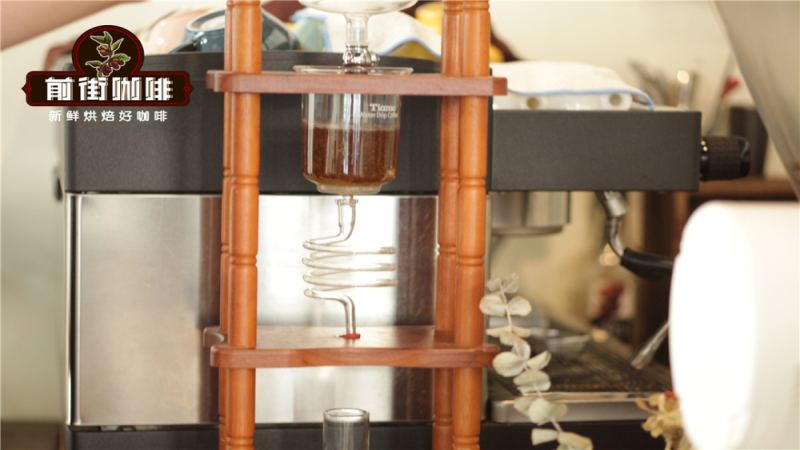
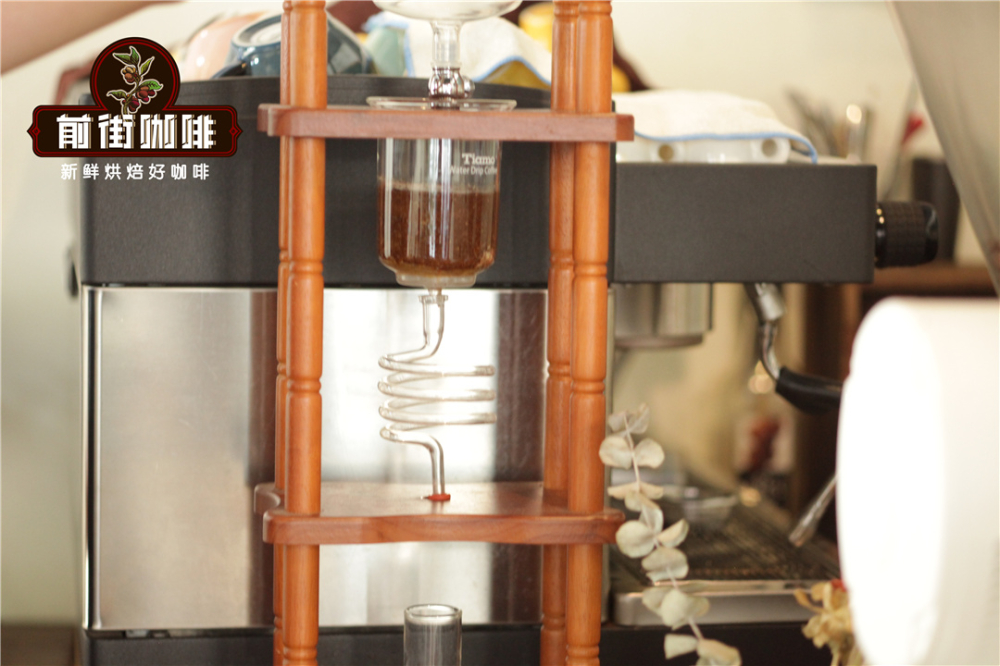
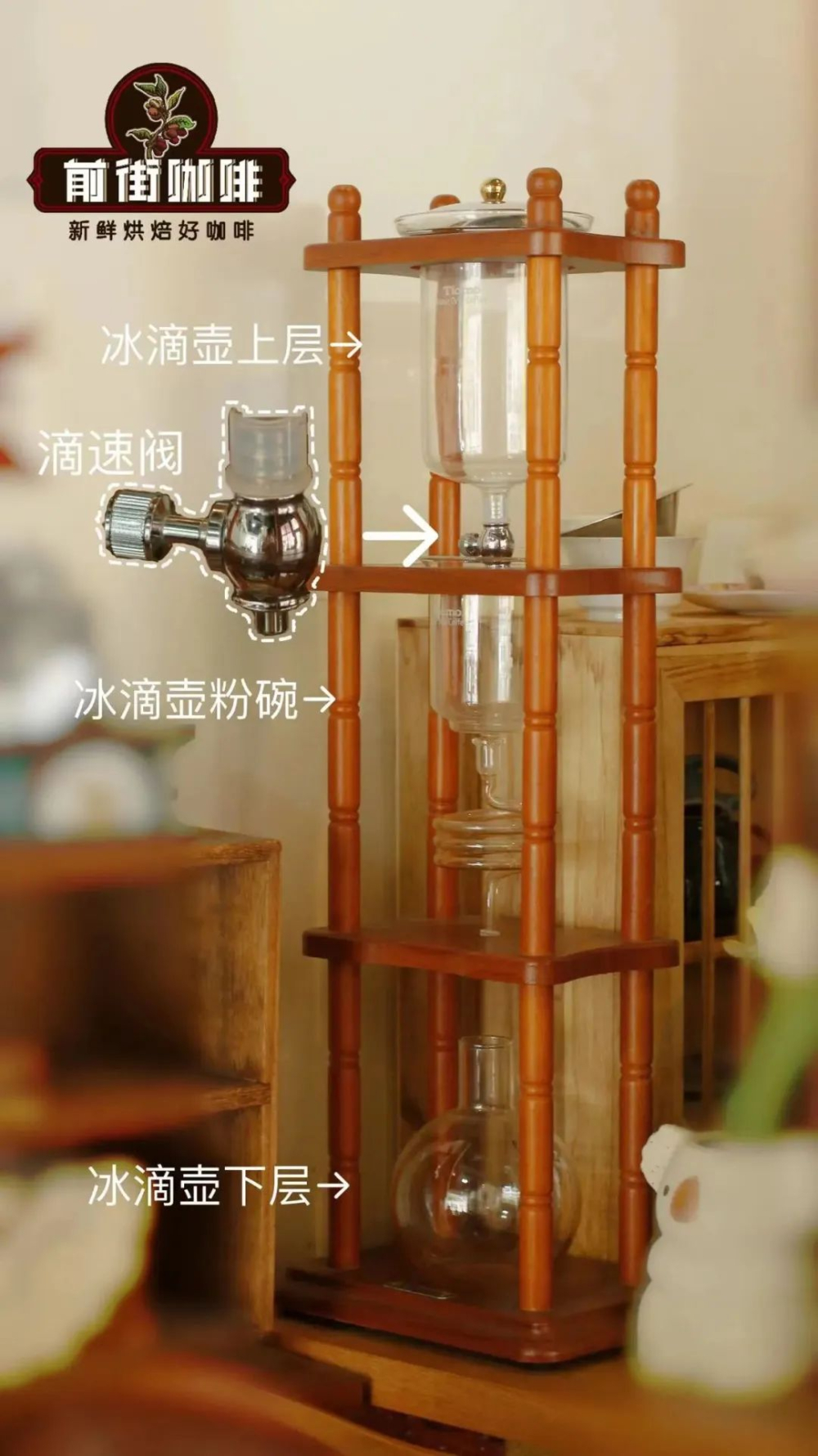
Cold drip coffee is called Dutch Coffee, distilled coffee, or water-drop coffee by some, and is also known as Dutch-style drip coffee. It relies on the compatibility between coffee itself and water, mainly using condensation and natural osmotic water pressure, and over about 8 hours it is extracted drop by drop. The core characteristic of cold drip coffee lies in extraction with ice water. In a low-temperature environment, it takes longer to dissolve the aromatic substances in coffee. Therefore, a dropper similar to those used in chemistry experiments is used to let ice water fall drop by drop, slowly soaking and penetrating through the coffee grounds. In the common traditional cold drip coffee maker, the speed at which the water droplets fall can be adjusted and controlled. Cold drip coffee is also called water-drop coffee or cold brew coffee. It is a way of making a coffee beverage. A typical iced coffee drip filter consists of 3-4 layers of glass containers set on a wooden stand.
What is the extraction principle of cold drip coffee?
Pour-over coffee is brewed using a specified high water temperature, time, and coffee-to-water ratio. It is simple to operate and takes little time. The advantage of high-temperature extraction is that it can quickly extract the flavor substances in coffee, allowing the tannic acid in coffee to quickly decompose into pyrogallic acid, producing sweet, sour, and bitter tastes, which is what Front Street often calls the process of releasing coffee flavor. The shortcoming of high-temperature extraction is that after the coffee flavor is fully released, it easily begins to release the taste of the coffee bean's woody fiber, which is what we often call off-flavors, woody notes, and other unpleasant tastes.
Cold drip coffee, on the other hand, is a coffee brewed with time. We know that coffee brewed with different water temperatures will taste different, and under low-temperature conditions, the astringent substances in coffee are less likely to be dissolved out. When extracted for a long time with ice water and then placed in the refrigerator to ferment after extraction is complete, lightly fermented cold drip coffee carries a faint fermentation aroma, and the mouthfeel also tends to become fuller. Because it has not undergone high-temperature extraction, relatively fewer impurities are extracted from the coffee. Due to the long production time, the cold drip coffee after dripping cannot be drunk immediately. Although the flavor molecules extracted at low temperature are fully released, they have not yet volatilized well, so after extraction is complete, the cold drip coffee should be placed in a sealed bottle and left to rest in the refrigerator for 12-24 hours, allowing the pressure of carbon dioxide produced inside the bottle to release the flavor molecules. Only then is it at its best for tasting.
Cold drip coffee has slightly lower caffeine. For friends who are affected by caffeine, Front Street believes you can choose cold drip coffee, as it is not as hard on the stomach, and the caffeine is relatively lower, while the layers of coffee flavor are also very rich!
Making cold drip is like making siphon coffee: it must have a dedicated utensil — a cold drip pot.
Steps for making cold drip coffee:
1. An ordinary cold drip coffee pot is divided into three basic units: the upper pot, the middle pot, and the lower pot. The upper pot holds the ice-water mixture, and the middle pot is the coffee grounds cup. First, close the water flow control valve at the bottom of the upper pot, and pour pure cold water or an ice-water mixture into the upper pot.
2. Place the clean lower pot under the middle pot, and let it catch the extracted coffee liquid.
3. Place a piece of filter paper flat at the bottom of the coffee grounds cup, put an appropriate amount of ground coffee into it, tap gently a few times to level the coffee grounds, and then place another piece of filter paper flat on top.
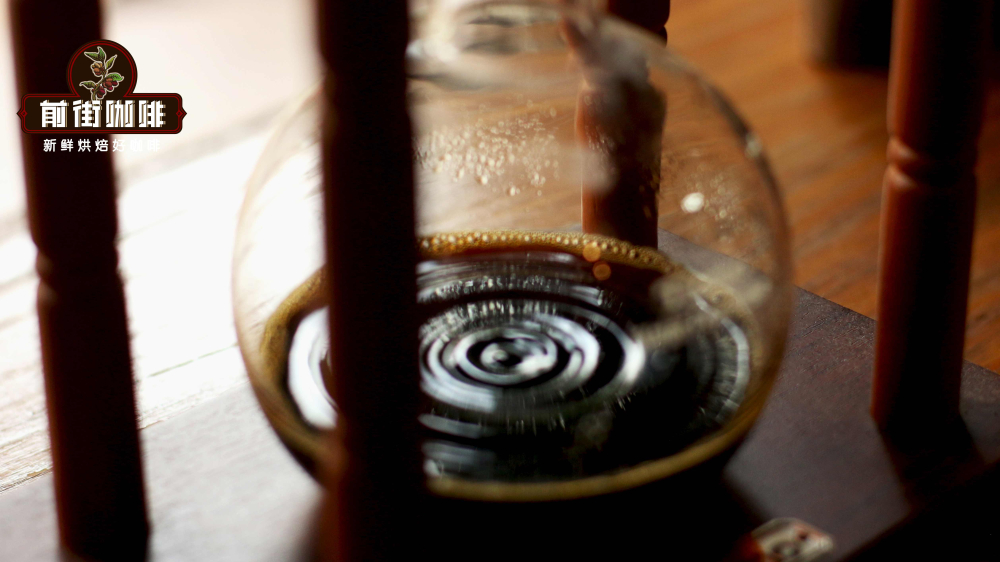
4. Open the water flow control valve at the bottom of the upper pot and adjust the speed at which the water droplets fall. Generally, we control it at a speed of 40-50 drops per minute, so obtaining 1000 ml of cold drip coffee takes 5 to 8 hours.
5. Wait until the water in the upper pot is used up, then we can remove the lower pot.
6. If you want the cold drip coffee to show its best flavor, you can bottle the extracted cold drip coffee and store it refrigerated in the refrigerator. From day 3 to day 7, the coffee flavor is at its best, showing complex and elegant flavors like fermented rice wine. No wonder it has earned the beautiful name "cold drip wine-brew coffee," and its maximum drinking period can approach half a month.
Of course, this does not mean it can be kept for any length of time. Front Street does not advocate leaving cold drip for a week. After all, there are bacteria in the air or in the bottle, and it is hard to guarantee the condition of the coffee after being kept for a long time. It is recommended that cold drip be consumed within 72 hours. If it has been more than 72 hours, do not feel it is a waste — coffee kept for that long may not be good for your health if you drink it.
Below is a share of the cold drip coffee recipes that Front Street Coffee (FrontStreet Coffee) often makes.
1. Dark berry style : Costa Rica Mozart 60 g. Front Street This Mozart coffee bean uses an anaerobic honey process and itself has a very special raisin aroma. When used to make cold drip coffee, it shows very obvious blueberry, black grape, and wine-like fermented flavors, with a refreshing mouthfeel and a lingering fragrance on the palate.
2. Refreshing and clean style: Front Street Kenya Asalia 60 g. Asalia's acidity is very lively, overall like a glass of juice. When used to make cold drip coffee, it carries the fresh fragrance of cherry tomatoes and grapefruit, with a refreshing and light acidity when drunk, very suitable for summer.
3. Sweet and delicious style : Front Street Indonesia Golden Mandheling 60 g. Few shops use dark-roasted coffee to make cold drip coffee. If you have not tried it, you might think that cold drip made from dark-roasted coffee beans will be very bitter, but that is actually not the case. Using Front Street's cold drip method and leaving it in the refrigerator for 24 hours before adding ice cubes, Golden Mandheling cold drip coffee performs as sweet, with a hint of chocolate bitterness, very clear overall, and a rich fermented sensation that feels comfortable.
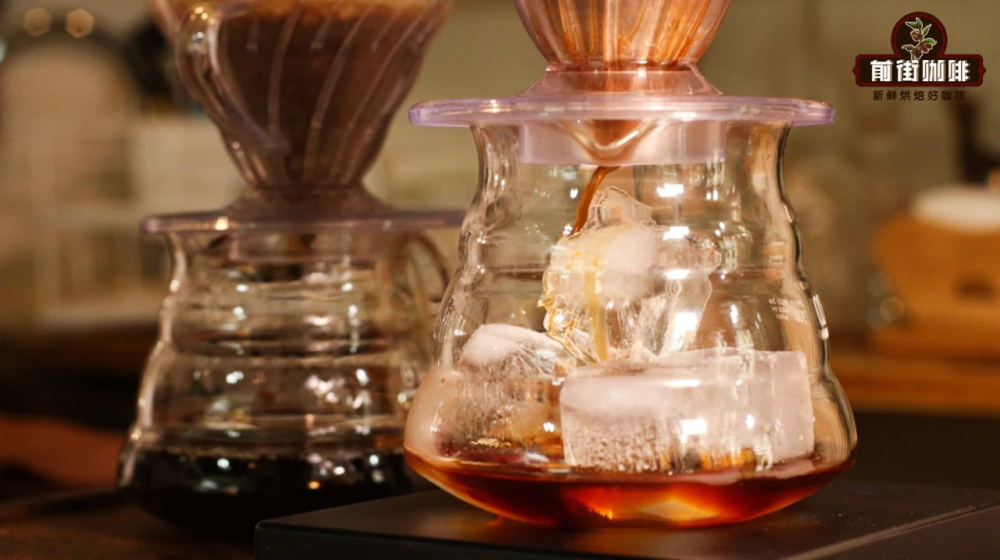
Adjust the drip speed, use cold water to slowly drip through, extract at a low temperature of 5°C for 8 hours of long dripping, allowing the original coffee taste to be naturally reproduced, which is even more exciting and praiseworthy.
The characteristics of cold drip coffee
Advantages of water-drop coffee: not sour or astringent, not hard on the stomach, can be stored for up to a week, especially with the best flavor on the third day, and relatively lower in caffeine. Because the coffee grounds are 100% soaked and moistened at low temperature, the extracted coffee has an aromatic, smooth, and full-bodied taste that is praiseworthy; the flavors it presents are, of course, even more outstanding. Especially in summer or when having a cup early the next morning, it is instantly refreshing.
Front Street Coffee (FrontStreet Coffee) brewing suggestions:
Whether coffee is pour-over, cold drip, or espresso, as long as it is the taste you like, it is good coffee. Front Street believes that any brewing method requires fresh coffee beans. Front Street has always believed that the freshness of coffee beans has a great relationship with coffee flavor, so the coffee beans shipped by Front Street Coffee (FrontStreet Coffee) are all within 5 days of the roasting time. Front Street's roasting philosophy is "freshly roasted good coffee," so that every customer who places an order receives the freshest coffee when they get it. The resting period for coffee is about 4-7 days, so when customers receive it, it is exactly at its best flavor.
For friends who need ground coffee, Front Street gives a warm reminder: once coffee beans are ground in advance, there is no need to rest them anymore, because during transportation, the pressure generated by carbon dioxide inside the package can also make the coffee flavor rounder, so once you receive the ground coffee, you can immediately brew a cup and drink it. However, ground coffee needs to be brewed promptly, because after ground coffee contacts the air, it oxidizes relatively quickly. In other words, the coffee flavor will dissipate relatively quickly, and the coffee flavor will not be as good. Therefore, Front Street recommends buying whole beans and grinding fresh before brewing, so that you can better taste the coffee's flavor.
The above content is compiled by CoffeeHunters, a coffee news website.


