







For more specialty coffee knowledge, please follow: Front Street Coffee (Frontsteet Coffee)
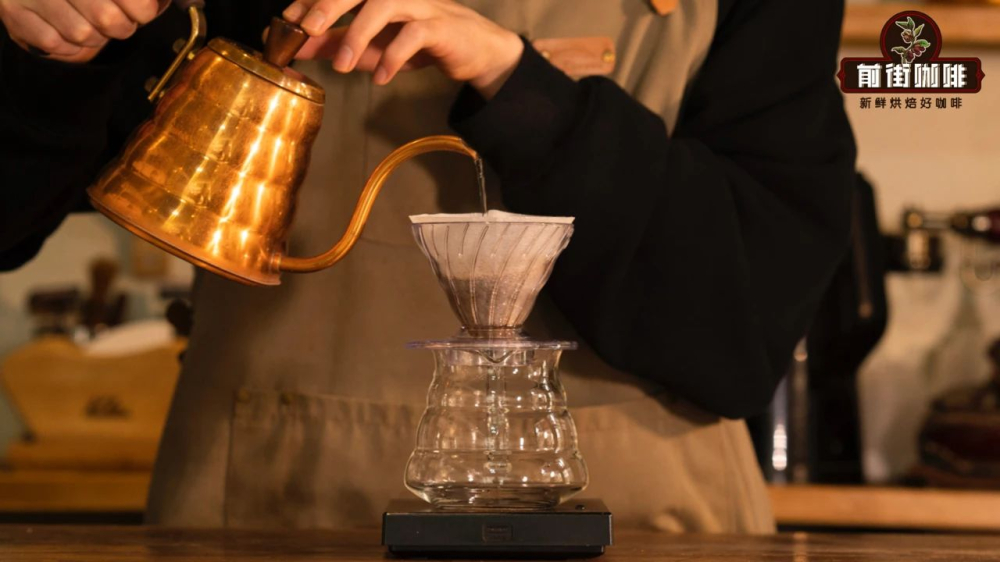
Pour-over coffee has always been delicious, though you do need to get the details right. Maybe it's time for a change of pace—how about a cup of ice drip coffee? Front Street's ice drip coffee has always been very popular, especially on hot summer days, a cup of ice drip coffee is simply the best! Of course, in this cool weather, a cup of ice drip is also very refreshing!
Ice drip coffee, as the name suggests, is coffee brewed with low-temperature water, while the pour-over coffee we usually drink is brewed with high-temperature water—these are two completely different operations! The advantage of high-temperature extraction is that it can quickly extract the flavor substances in coffee, causing the tannic acid in coffee to rapidly decompose into pyrogallic acid, producing sourness, sweetness, and bitterness—this is what Front Street often calls the process of releasing coffee flavors. The disadvantage of high-temperature extraction is that it easily leads to the complete release of coffee flavors, and then begins to release the taste of the coffee bean's woody fiber, which is what we commonly call off-flavors, woody tastes, and other unpleasant flavors.
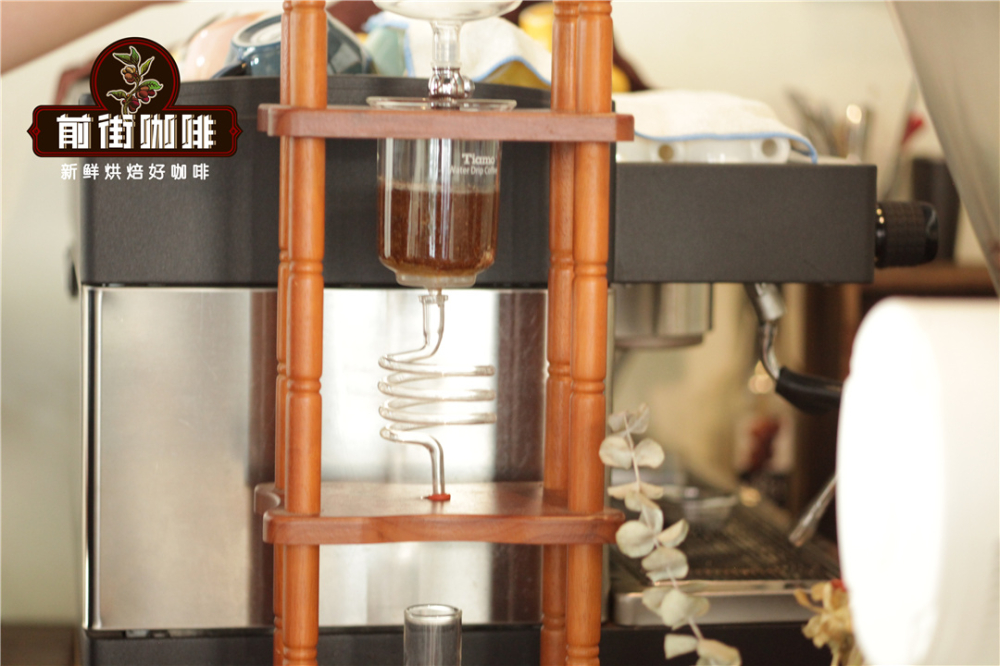
Low-temperature coffee extraction uses near-zero-degree ice water, allowing the flavors in the coffee to reduce volatilization under low-temperature conditions, storing as much coffee aroma as possible in the coffee liquid. When it enters your mouth, as the coffee liquid temperature rises, the aroma contained in the coffee liquid suddenly bursts out, letting the coffee drinker feel a strong aroma at the base of the tongue in the oral cavity. This sudden burst of aroma creates a tremendous sense of happiness. The disadvantage is that the production time is longer, and the drip-filtered ice drip coffee cannot be drunk immediately—it needs to be placed in the refrigerator and left still for more than 8 hours, so that the flavor molecules extracted at low temperature can be fully released.
So where does ice drip coffee come from??
According to Front Street's understanding, ice drip coffee was invented by the Dutch, so it is also called Dutch-style drip coffee. Unlike other brewing methods that require hot water, ice drip coffee is characterized by using ice water to extract coffee. Low-temperature extraction requires a longer time to dissolve the aromatic substances in the coffee. So using a dropper similar to a chemistry experiment, ice water drips down drop by drop, slowly soaking and penetrating through the coffee grounds. In the traditional ice drip coffee makers commonly seen, the dripping speed of the water drops can be controlled. Ice drip coffee is also called water drop coffee or ice-brewed coffee. It is a way of making coffee drinks. A common ice coffee drip filter consists of 3-4 layers of glass containers mounted on a wooden base.
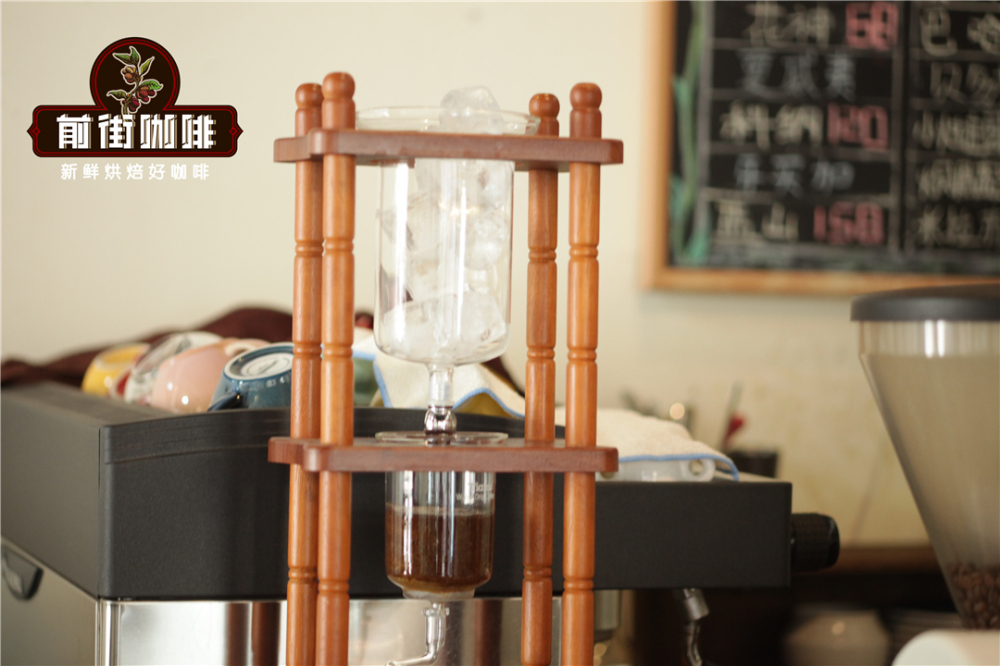
What is the extraction principle of ice drip coffee?
Pour-over coffee is brewed using a specified high water temperature, time, and coffee-to-water ratio—simple, and the time is short. Ice drip coffee, however, is a coffee brewed with time. We know that coffee brewed at different water temperatures will have different tastes, and at low temperatures, the astringent substances in coffee are even less likely to be dissolved out. Using ice water for long-time extraction, then after extraction is complete, placing it in the refrigerator to ferment—the slightly fermented ice drip coffee has a light fermentation aroma, and the mouthfeel also tends to be fuller. Since it is not extracted at high temperature, relatively fewer impurities in the coffee are extracted, and the caffeine is slightly lower. For those who are affected by caffeine, Front Street believes you can choose ice drip coffee—it's not as hard on the stomach, and the caffeine is relatively lower, and the layers of coffee flavor are also very rich!
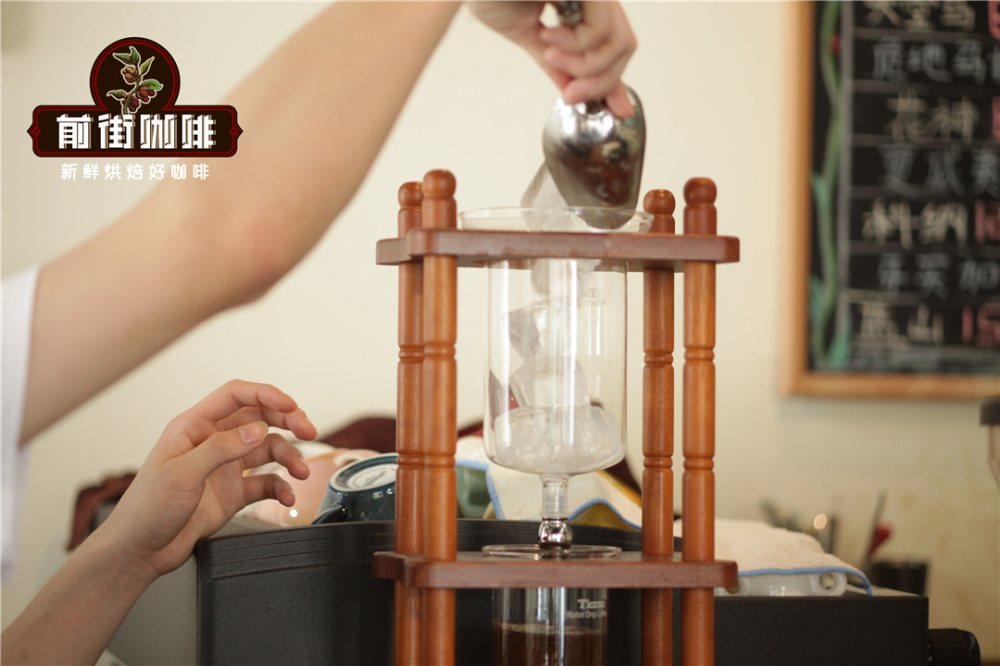
What kind of coffee beans are suitable for ice drip coffee??
We know that pour-over coffee has relatively wide requirements for coffee bean selection—almost any coffee bean can be used for pour-over; of course, with different roast levels, the brewing method is slightly different. Espresso coffee has certain requirements for coffee bean selection, for example: it requires a darker roast than pour-over coffee beans, meaning the coffee beans need to be medium-dark roasted, otherwise the flavor of the espresso may be hard for people to accept. Of course, if you like light-roasted beans for espresso, then there's nothing more to say.
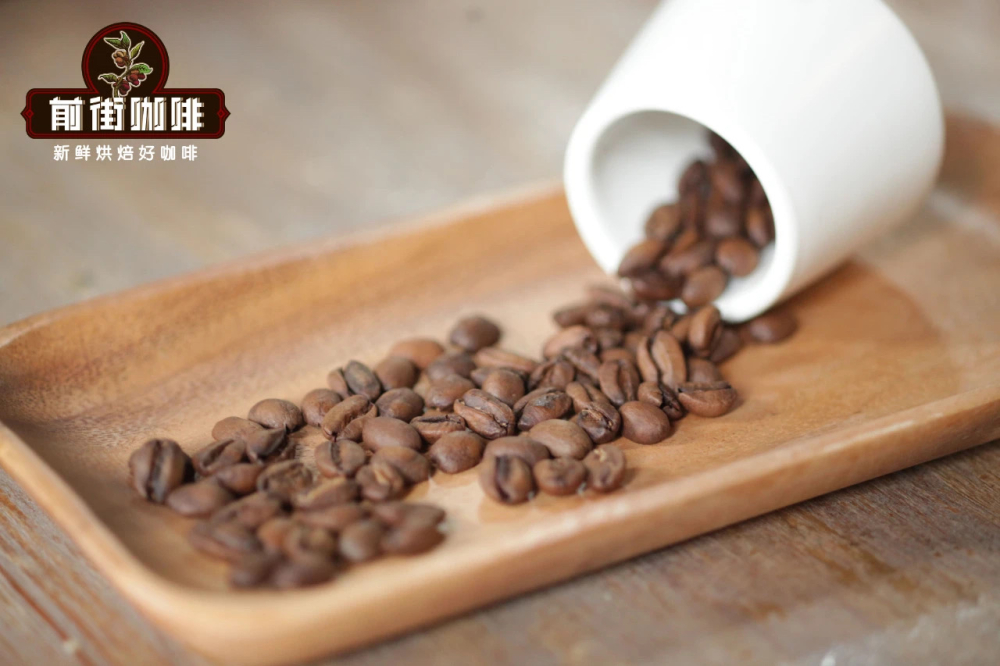
What about ice drip coffee then? What kind of coffee beans are more suitable? Normally, coffee beans used for pour-over can all be used for ice drip coffee. Actually, Front Street believes that for making ice drip coffee, it mainly depends on what flavor you personally prefer. However, Front Street still thinks single-origin beans are best for ice drip coffee, effectively removing bitterness and tannic acid, with a rich and smooth mouthfeel, not sour or astringent, and not hard on the stomach. Sometimes we also use two or more single-origin beans to make ice drip. Compared to cold brew coffee, ice drip coffee has more aroma, and the taste is more delicate and subtle.
Since ice drip coffee uses a longer period of cold water penetration extraction, Front Street suggests choosing coffee beans with a more intense flavor for ice drip, such as Kenya, Yirgacheffe, and other strongly charactered beans. Coffee extracted this way will be very distinctive.
Below is a share of the ice drip coffee recipes that Front Street Coffee (FrontStreet Coffee) often makes.
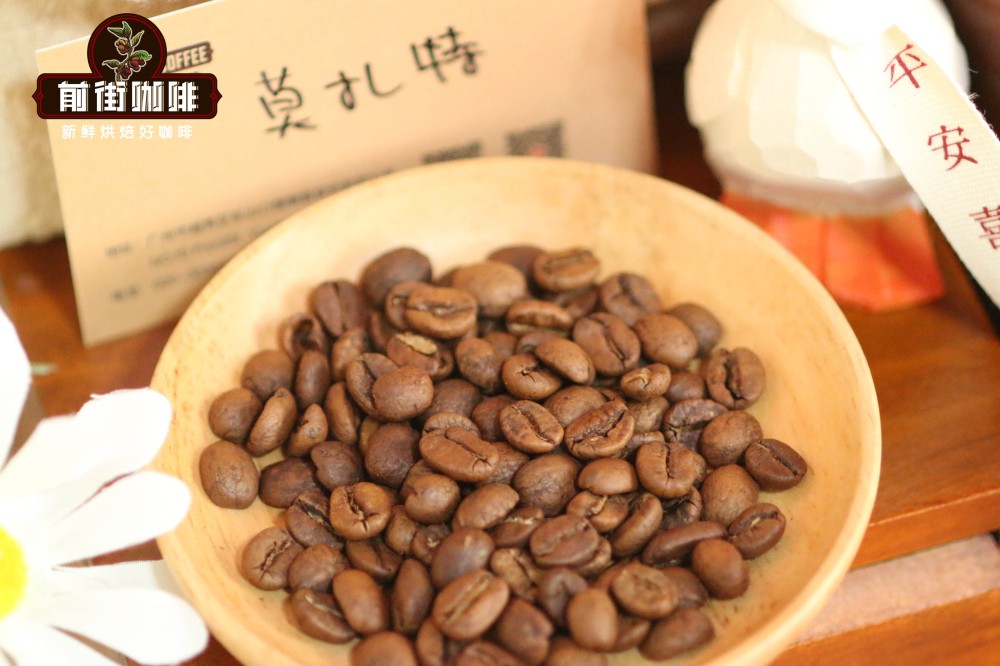
1Dark berry type: Front Street Costa Rica Mozart 60g. The Mozart coffee bean uses an anaerobic honey processing method and itself has a very special raisin aroma. Used to make ice drip coffee, it will show very obvious blueberry, black grape, and winey fermented flavors, with a refreshing mouthfeel and lingering fragrance on the teeth and cheeks.
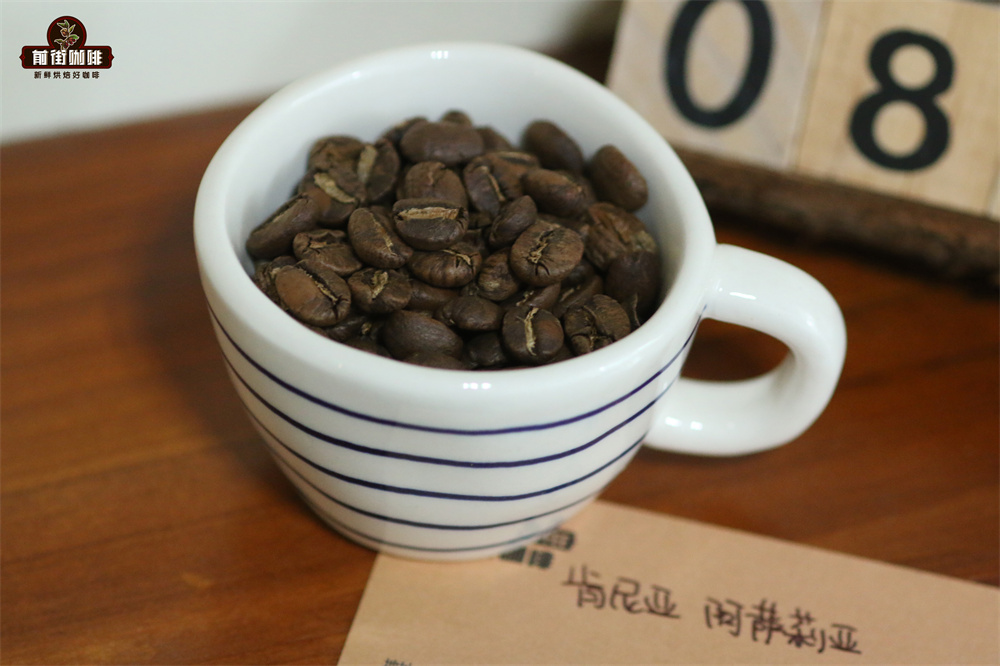
2Refreshing and clean type: Front Street Kenya Asalia 60g. Asalia's acidity is very lively, overall like a glass of juice. Used to make ice drip coffee, it will carry the fresh fragrance of cherry tomatoes and grapefruit, with a refreshing and light acidity, very suitable for summer drinking.
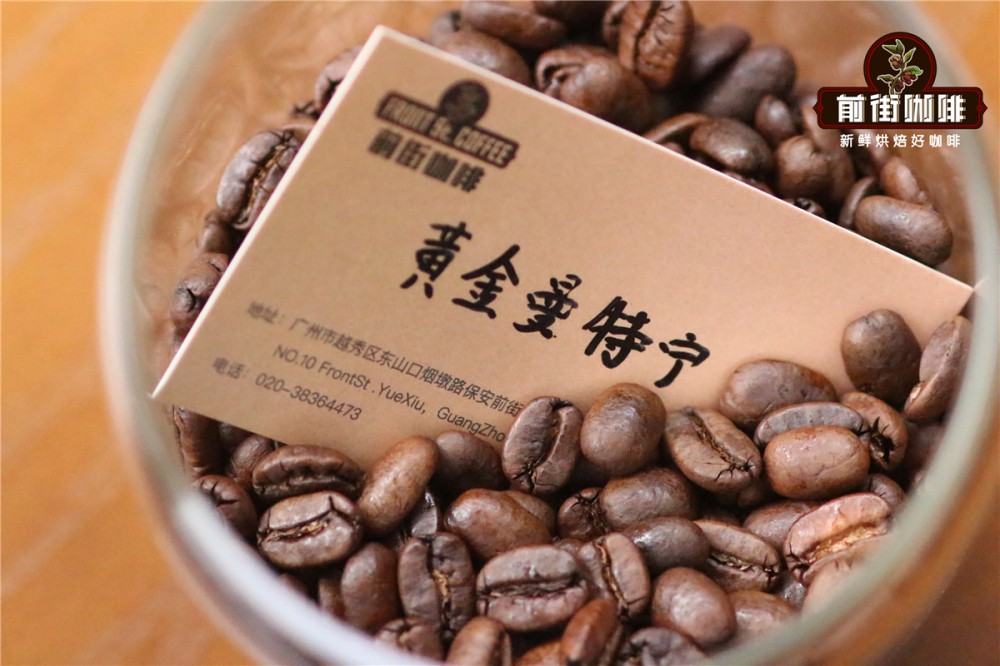
3Sweet and delicious type: Front Street Indonesia Golden Mandheling 60g. Few shops use dark-roasted coffee to make ice drip coffee. If you haven't tried it, you might think that ice drip made from dark-roasted coffee beans will be very bitter—actually, it's not like that. Using Front Street's ice drip method and placing it in the refrigerator for 24 hours before adding ice cubes, Golden Mandheling ice drip coffee presents as sweet, with a hint of chocolate bitterness, overall very clear, and a rich fermented feeling that makes one feel comfortable.
Front Street blended bean ice drip coffee recipe:
In order to make each ice drip coffee's flavor stand out better and be more balanced, baristas usually use two coffees blended together to make ice drip. The purpose is to make this coffee more prominent in a certain flavor characteristic—one bean provides aroma, one bean provides flavor.
For example:
20g [Front Street Coffee (FrontStreet Coffee) Honduras Litchi Orchid]+40[Front Street Coffee (FrontStreet Coffee) Gesha Village Red Label]
Wine-barrel-processed Litchi Orchid plus sun-dried Gesha Village Red Label—a light brandy aroma, plum-like acidity paired with the sweetness of maple syrup.
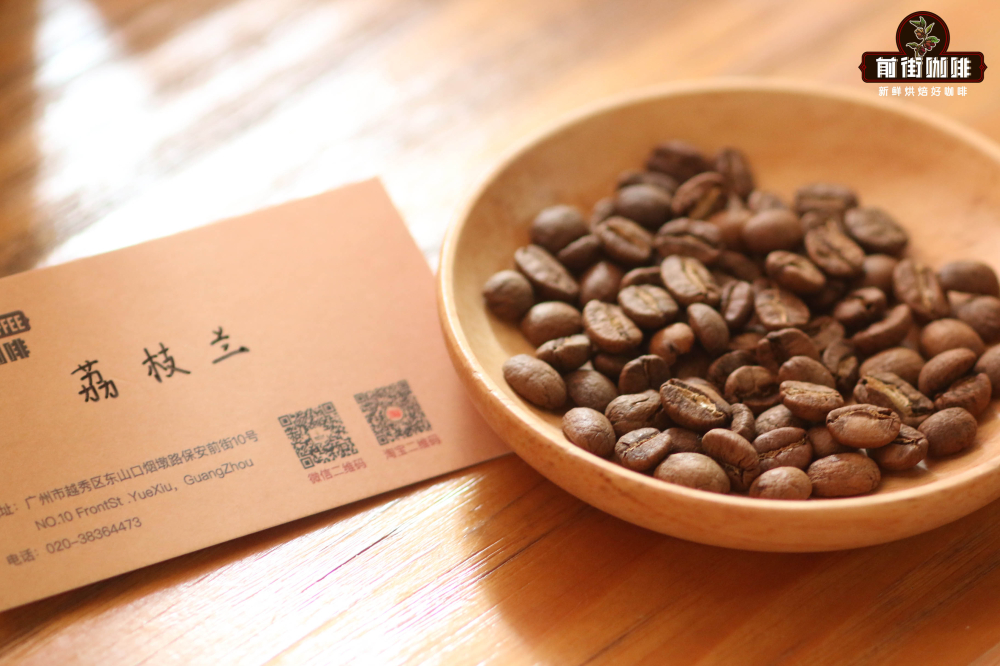
The brandy barrel-processed Litchi Orchid has a rich brandy aroma, with chocolate in the finish and honey in the aftertaste.
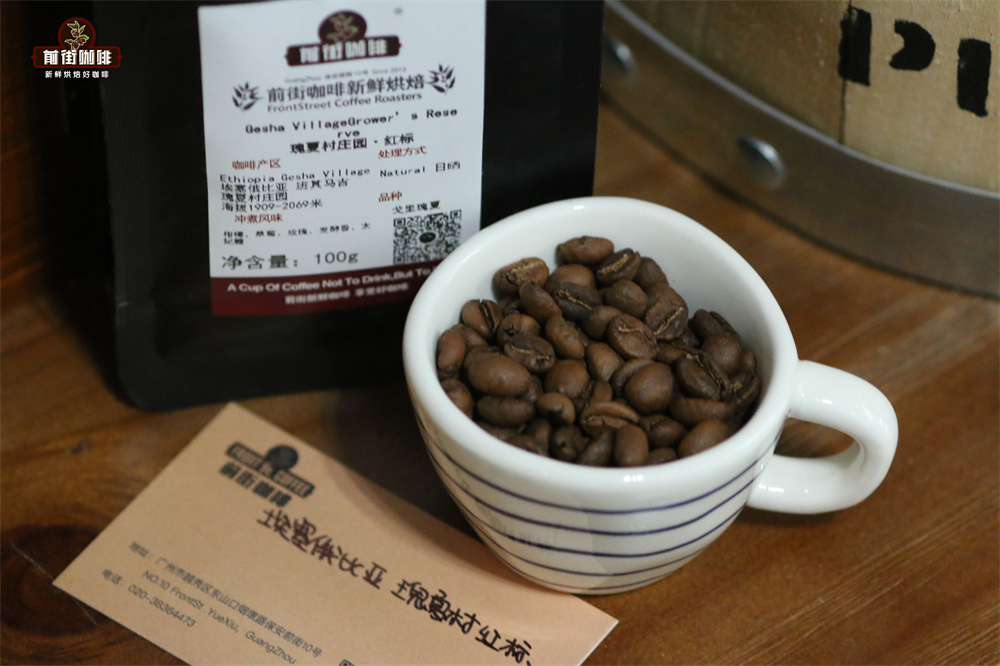
Sun-dried Gesha Village Red Label has the fruity acidity of plum and citrus, with the sweetness of maple syrup and a creamy, smooth mouthfeel.
Made into ice drip, you will feel a light brandy aroma, rich fruity acidity leading the honeyed sweetness and creamy smooth mouthfeel.
This time Front Street will use Costa Rica Mirazu Estate's Gesha blend and Honduras whiskey barrel-fermented Sherry to make ice coffee for demonstration.
1. Place a circular filter paper at the bottom of the powder cup, wet it with water so it sticks to the cup wall, add 60g of ground coffee powder (Front Street Coffee (FrontStreet Coffee) uses the Chinese standard No. 20 sieve, with a passing rate of 58%, just a little coarser than the pour-over grind size), then shake the coffee surface flat. You can also use the weight of the tamper itself to lightly press the coffee bed, making the surface flat.
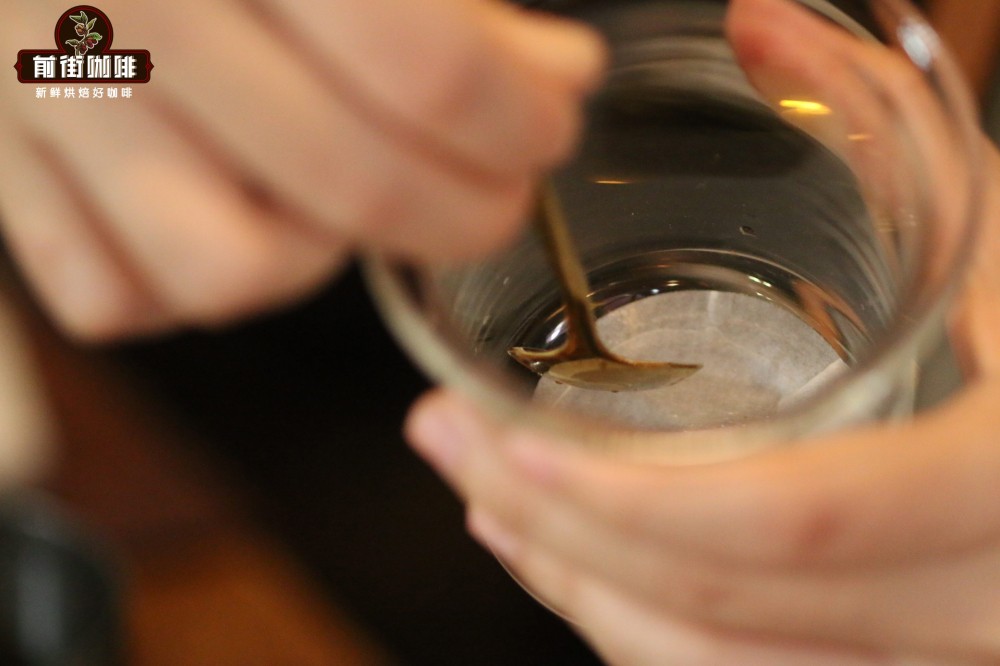
2. Lay a piece of filter paper on the surface of the coffee powder layer. Because the tension of the filter paper can make water evenly distribute across the surface of the coffee powder layer for extraction. Without filter paper, long-time dripping will create a pit in the coffee bed.
3. Use ice water to "pre-infuse," evenly wetting the entire coffee powder layer with ice water. This step is like the blooming stage of pour-over coffee, which can improve extraction effectiveness and consistency of the final product.
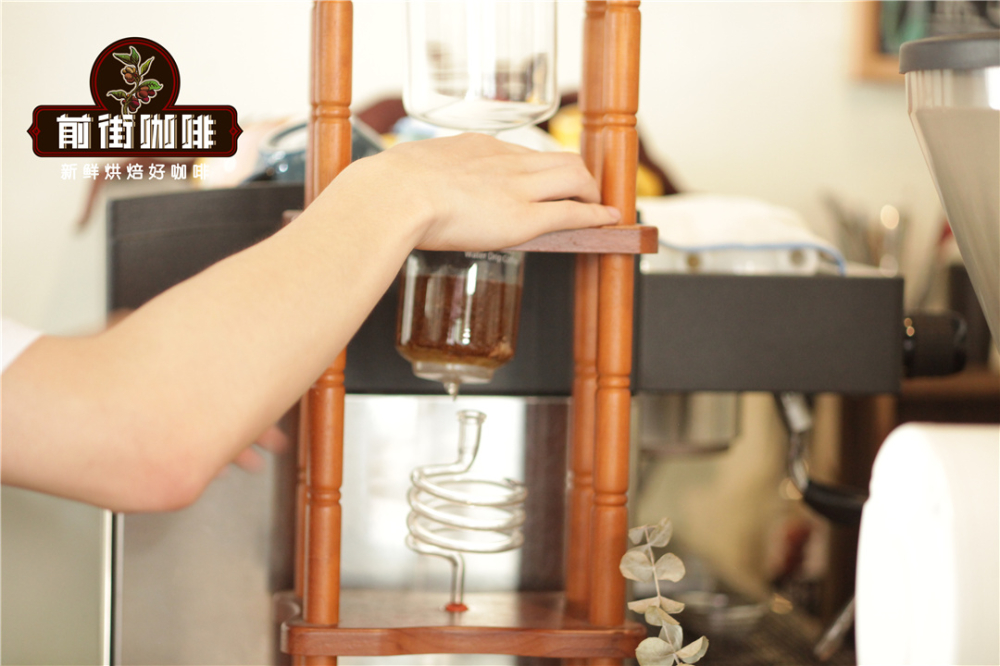
4. Put a 1:1 ice-water mixture into the water container, adjust the valve to about 7 drops every 10 seconds.
5. After making it, pour the coffee liquid into a sealed glass bottle and place it in the refrigerator to age overnight, allowing the coffee flavors to blend together, making the taste better and easier to drink.
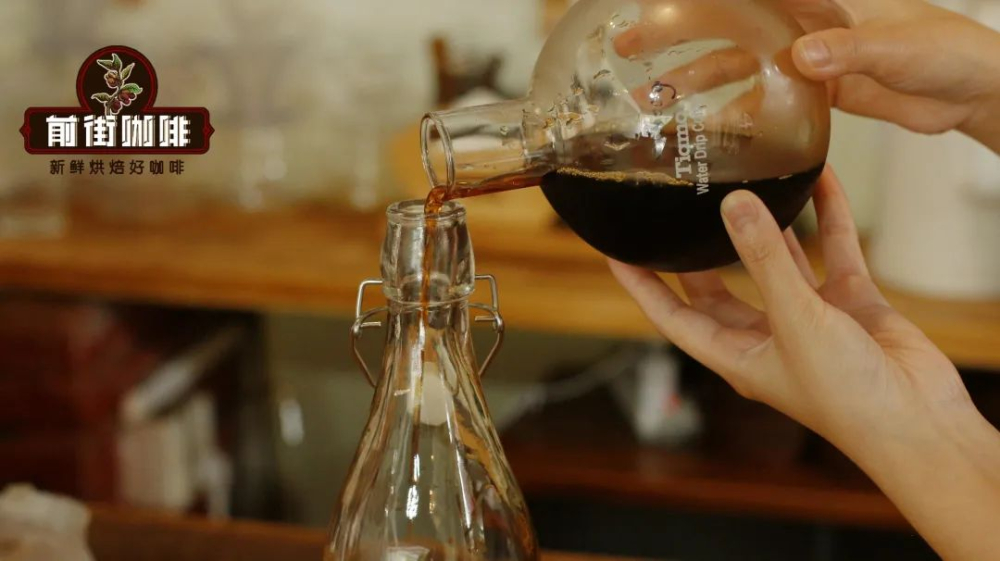
Pour-over coffee or espresso can be enjoyed immediately after making, so is ice drip coffee the same? The answer is: no.
Ice drip coffee needs to be placed in the refrigerator to ferment for more than 12 hours after drip filtration is completed. Why? Front Street believes this is an oxidation process. Just like coffee beans that have just finished roasting, about 2% of their weight is carbon dioxide, and this large amount of carbon dioxide releases carbon dioxide depending on the storage environment, equipment, or method, making the pressure in the packaging higher than one atmosphere. The pressure helps the integration of aromatic substances and oils, bringing all the aromatic substances inside the coffee bean to a state where they are easily extracted.
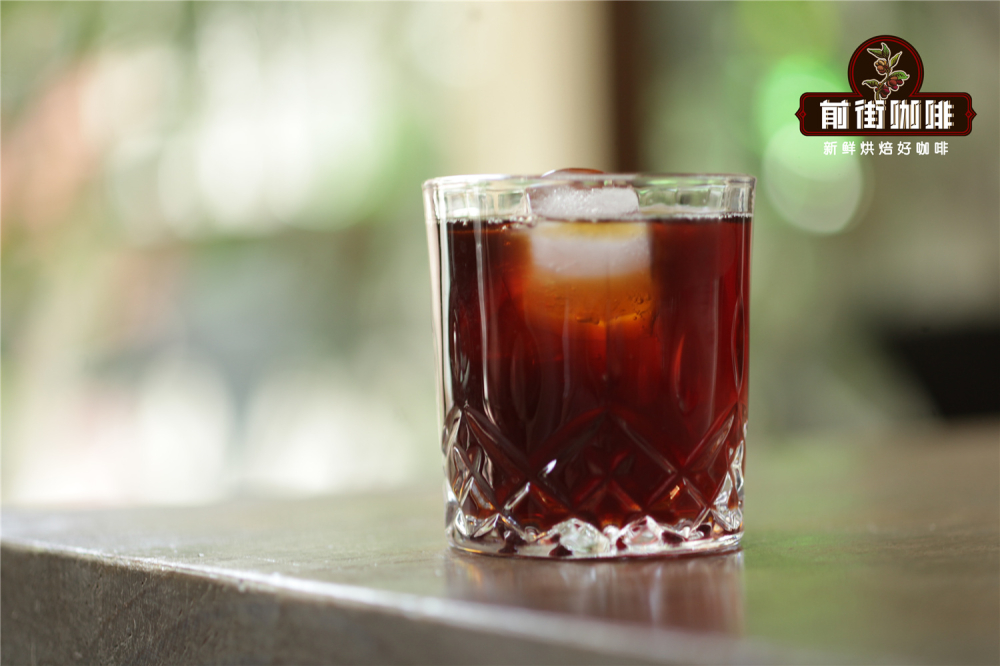
The same goes for ice drip coffee. Due to the long extraction time, many flavor molecules have been extracted, but they have not been well released. So after ice drip coffee extraction is complete, put it in a sealed bottle and leave it still in the refrigerator for 12-24 hours, allowing the carbon dioxide pressure generated inside the bottle to release the flavor molecules. This is also why the longer ice drip coffee is kept in the refrigerator, the richer it tastes. Of course, it doesn't mean you can leave it for any length of time—Front Street does not advocate leaving ice drip for a week. After all, there are bacteria in the air or in the bottle, and it is hard to guarantee the condition of the coffee after being left for a long time. The recommended drinking period for ice drip is within 72 hours. If it exceeds 72 hours, don't feel it's a waste—coffee left for so long may not be good for your health if you drink it.
Front Street coffee brewing suggestions:
Whether it's pour-over coffee, espresso, or ice drip coffee, Front Street believes that the freshness of coffee beans is the most important, because the freshness of coffee beans directly affects the flavor of the coffee. The coffee beans shipped by Front Street Coffee (FrontStreet Coffee) are all within 5 days of the roasting date, because Front Street deeply understands that the freshness of coffee beans has a great impact on flavor. Front Street's roasting philosophy is "freshly roasted good coffee," so that every customer who places an order receives the freshest coffee. The resting period for coffee is about 4-7 days, so when customers receive it, it is exactly at its best flavor.
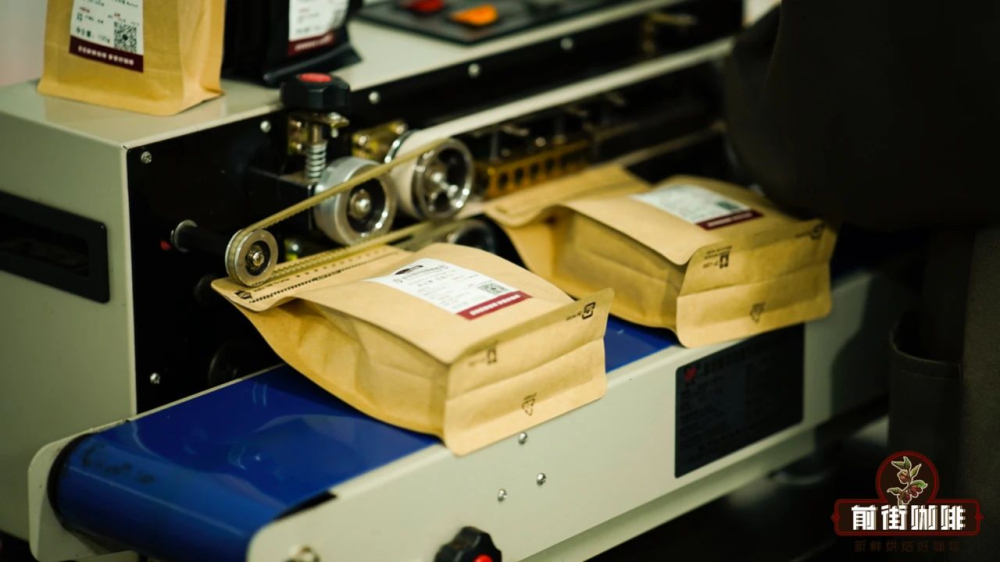
Of course, some customers need Front Street to help grind the coffee, and that's no problem either, but Front Street must remind you: if the coffee beans are ground in advance, there is no need for further resting, because during transportation, the pressure generated by carbon dioxide inside the packaging can also make the coffee flavor rounder, so you can brew a cup immediately after receiving the coffee grounds. But the coffee grounds need to be brewed promptly, because coffee grounds oxidize relatively quickly after contact with air, meaning the coffee flavor will dissipate relatively quickly and the coffee flavor won't be as good. Therefore, Front Street recommends buying whole beans and grinding fresh before brewing, so you can better taste the coffee's flavor.
The above content is compiled by CoffeeHunters, a coffee news website.

