







Search Results for: Drip Extraction
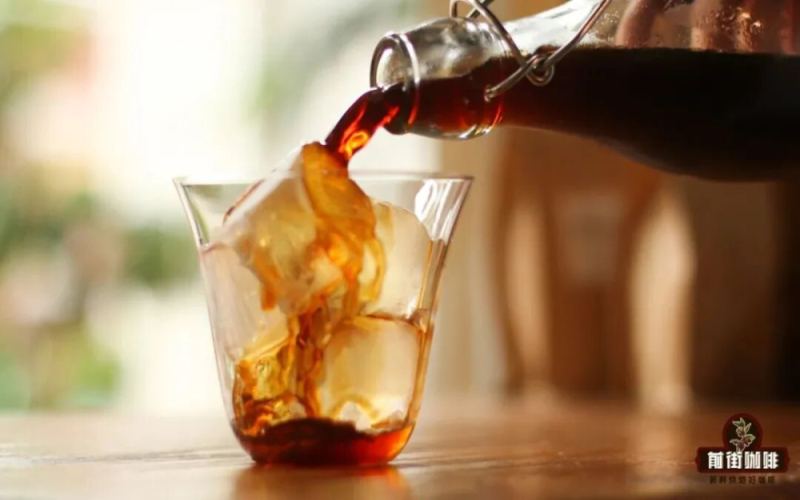
What is the difference between ice drip coffee and cold brew iced coffee? Analyzing why ice drip is more expensive and tastier, from extraction principles to taste
Ice drip coffee, iced Americano, iced latte, and iced pour-over all belong to the iced coffee family, but ice drip coffee is often priced notably higher, and its brewing process is shrouded in mystery. Although both it and cold brew complete extraction at low temperatures, their principles and steps are completely different. Based on the actual experience of Front Street Coffee, this article breaks down one by one the four key factors of ice drip coffee—equipment requirements, grind size, drip rate, and extraction ratio and aging time—compares it with the convenient method of cold brew, and explains why ice drip coffee is cumbersome to make yet has a rich, smooth, and layered flavor. At the same time, combining specific products such as Front Street Red Cherry, Front Street Little Tomato, Front Street Sidra, and Front Street Strawberry Candy, it provides a complete timeline from brewing to drinking and the pattern of flavor changes for a standard cup of ice drip coffee, helping coffee lovers understand why ice drip coffee is expensive and where it tastes good. [more…]

Drip Coffee Extraction | Which brand of drip bag coffee tastes good? What are the suitable extraction time and water temperature for drip bag coffee? How do you make your own drip bag coffee packets?
For more specialty coffee knowledge, please follow our WeChat official account: Front Street Coffee (FrontStreet Coffee). Since the appearance of drip bag coffee packets, quite a few friends have gotten into the habit of comparing pour-over coffee with drip bag coffee, belittling the existence of drip bag coffee packets. In fact, the emergence of drip bag coffee was precisely in order to [more…]
A Complete Guide to Cold Brew Coffee: Key Parameters for Flow Rate, Grind, Ratio, and Aging Time
With its lengthy brewing process and distinctive flavor layers, ice drip coffee has become a representative of "slow work yields fine results" in the minds of many coffee enthusiasts. Unlike cold brew, ice drip relies on a dedicated device, extracting by having ice water drip through the coffee grounds one drop at a time, then undergoing refrigerated fermentation and aging to present a rich and smooth taste. Starting from Front Street's hands-on experience, this article breaks down in detail the four core variables of ice drip coffee—grind size, drip rate, extraction ratio, and aging time—and provides specific parameter recommendations to help you make a standard-quality ice drip coffee at home. [more…]
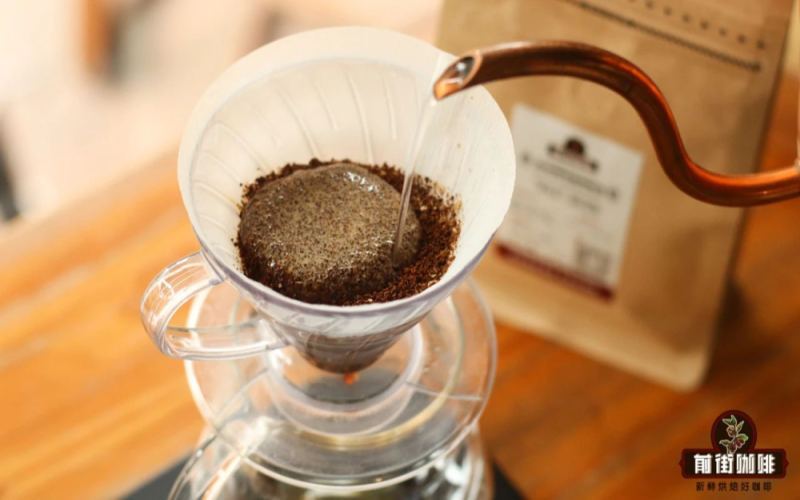
Can Drip Coffee Bags Also Make Cold Brew? A Complete Guide to Brewing Iced Coffee Without a Cold Brew Maker
Summer is here, and you're craving a refreshing glass of cold brew iced coffee, but you don't have a cold brew maker on hand. In fact, drip coffee bags can be transformed into a cold brew tool beyond their usual hot brewing use. In this article, Front Street will walk you through how to make iced black coffee with drip coffee bags, covering everything from the design principles of drip bags and the differences between drip and immersion extraction, to how high and low temperature extraction affect flavor, and then to the specific steps and storage tips. We'll also recommend several cost-effective Front Street drip coffee bags so you can easily enjoy a full-flavored cold brew at home or in the office. [more…]

Coffee Extraction | What's the difference between drip and immersion extraction? Does water temperature affect coffee flavor? Can drip bag coffee be used to make cold brew?
Because of their high quality and the convenience of brewing, more and more people are keeping a few packs of Front Street's drip coffee bags at home and in the office. As the seasons change, many regions are already starting to move into summer, and besides being brewed hot, drip coffee bags can actually be made into cold brew iced coffee too! In this article, Front [more…]
How Is Cold Brew Coffee Different from Iced Americano and Iced Pour-Over? A Complete Brewing Guide from Equipment Principles to Grind and Flow Rate
Ice drip coffee often sells for a higher price than iced Americano and iced pour-over in cafés, sometimes even in smaller portions—what is the reason behind this? Although it and cold brew both belong to low-temperature extraction, their production logic is completely different. Starting from Front Street's hands-on experience, this article will break down the four key variables of ice drip coffee—the equipment structure, grind calibration, drip rate, and coffee-to-water ratio, as well as the aging time—and provide specific parameter recommendations for light-roast and medium-roast beans. Whether you want to understand why ice drip coffee is expensive or are planning to get an ice drip pot and try it at home, this article can provide a clear operational reference. [more…]

How Is Drip Bag Coffee Different from Pour-Over Coffee? A Full Guide to Front Street Coffee's Drip Bag Range and Brewing Key Points
What exactly is the difference between drip bag coffee and pour-over coffee? Drip bag coffee packs were originally created so that people could enjoy a single-origin coffee anytime, anywhere without complex equipment. Although it is essentially still a drip extraction method, it has unique characteristics in terms of production process, grind size, and brewing method. This article will explain in detail the extraction principles of drip bag coffee, Front Street Coffee's production process and variety selection, and focus on practical points such as brewing water temperature, pouring method, and shelf life. If you are used to replacing instant coffee with drip bags, or want to know which type of drip bag coffee tastes better, this content is worth reading. [more…]
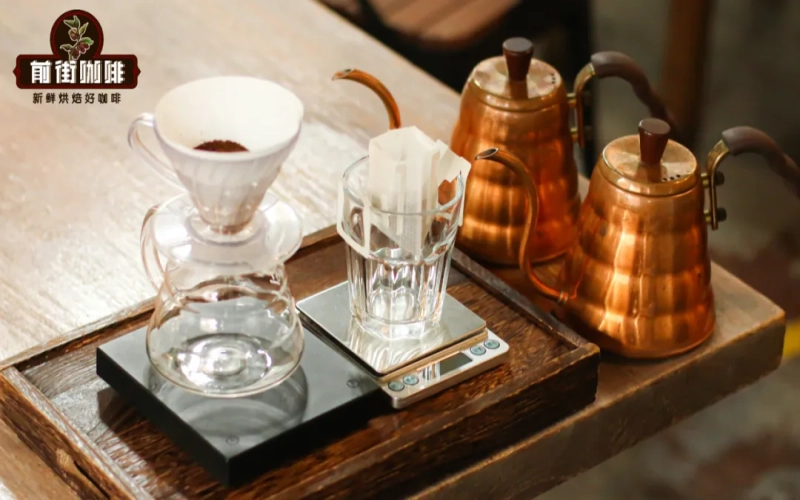
How Does Drip Bag Coffee Differ from Pour-Over Coffee? Analyzing the Differences Between the Two Through the Principle of Drip Extraction and How to Choose a Drip Bag Brand
Drip bag coffee and pour-over coffee both use drip extraction, where hot water flows through the coffee grounds by gravity to bring out flavor compounds, but the two are entirely different in their goals and suitable scenarios. Pour-over emphasizes manual flow control, flexible equipment, and grinding and brewing on the spot, combining a high degree of freedom with a sense of ritual; drip bags are a convenient derivative of pour-over, trading pre-ground coffee for the convenience of brewing anytime and anywhere, at the cost of faster aroma loss and less room for adjustment. This article will sort out the core differences between the two from the perspectives of definition, extraction principles, and coffee grounds condition, and recommend products such as Front Street Coffee Huakui, Blue Mountain No. 1, Strawberry Candy, and the classic five-origin drip bags, to help coffee lovers choose according to their needs. [more…]
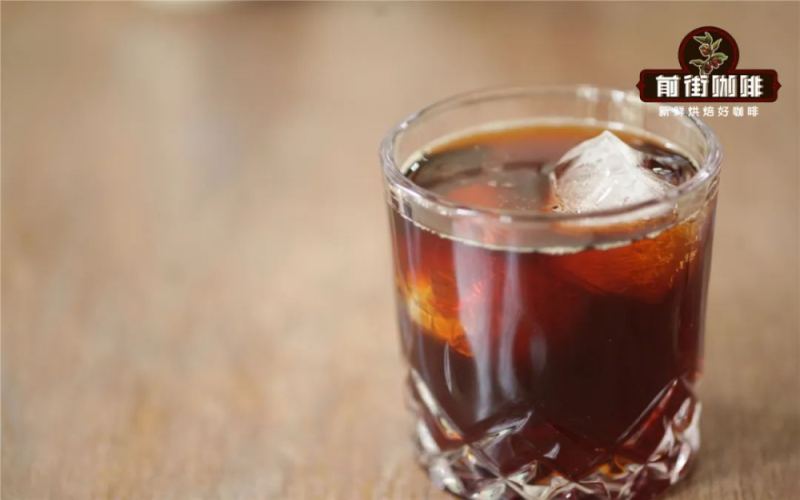
Analyzing the Differences Between Ice Drip Coffee and Cold Brew Coffee: A Comparison of Low-Temperature Extraction Methods, Brewing Parameters, and Flavor Characteristics
Ice drip coffee and cold brew coffee both belong to the category of low-temperature extracted iced coffee, but the two differ significantly in extraction principle, production process, and final flavor. Ice drip coffee uses drip extraction, relying on specialized equipment to let ice water drip through the coffee grounds one drop at a time. It takes a long time, and the final product is clear and transparent, often carrying a fermented quality reminiscent of fruit wine. Cold brew coffee, by contrast, uses immersion extraction, mixing coffee grounds with cold water and letting the mixture sit refrigerated. It is relatively simple to make, has a fuller mouthfeel, and better preserves the flavors of the coffee beans themselves. Front Street Coffee will combine specific brewing parameters—from coffee dose, grind size, drip rate, and coffee-to-water ratio—to break down in detail the key production points and flavor performance of these two iced coffees, helping coffee lovers choose according to their personal preferences. [more…]
Complete Guide to Cold Brew Coffee Making: Standard Steps, Flow Rate Control, and Time Explained
Cold drip coffee, with its lengthy brewing process and unique layers of flavor, has always been a topic of interest among coffee enthusiasts. Completely different from cold brew, cold drip requires specialized equipment, precise control of the water drip rate, and subsequent fermentation and aging. This article will analyze in detail the standard steps for making cold drip coffee from four dimensions—grind size, drip speed, extraction ratio, and aging time—and answer the common question of "how long does it actually take to make a cup of cold drip?" At the same time, the article also compiles Front Street Coffee's practical experience and parameter recommendations in cold drip production, helping you understand the complete process of this low-temperature drip coffee in a more systematic way. [more…]

A Detailed Guide to Drip Bag Coffee Brewing: Extraction Cycles, Differences from Americano and Instant Coffee, and the Four Major Coffee Extraction Methods
The same coffee beans, extracted with a different approach, will yield a completely different flavor in the cup. From the perspective of Front Street, this article systematically reviews the characteristics and suitable scenarios of four common extraction methods—drip, immersion, pressure, and siphon—and focuses on answering frequently asked questions such as how to brew drip bag coffee, how many times it can be brewed, whether it counts as Americano, and how it differs from instant coffee. Using a 10-gram Front Street drip bag as an example, the article provides a three-stage pouring plan with a coffee-to-water ratio of 1:15 to 1:18 and a total water volume of 150 to 180 milliliters, along with Front Street bean recommendations for each extraction method, helping coffee lovers consistently produce a clean cup of drip black coffee in the office or while traveling. [more…]
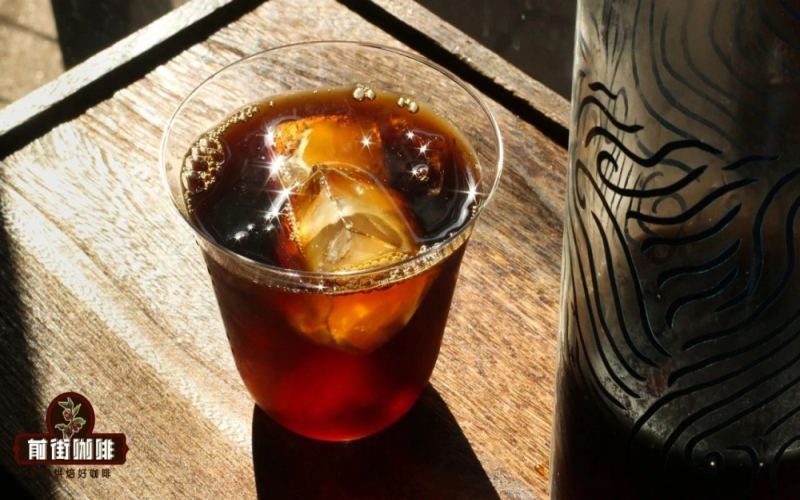
Ice Drip Coffee vs. Cold Brew Coffee: Key Differences Explained — From Bean Selection to Extraction, Front Street Coffee Shares Five Keys to Making Ice Drip Coffee
Although ice drip coffee and cold brew coffee both fall under the category of cold drinks, they differ noticeably in equipment structure, extraction principles, and operational details. Drawing on practical experience from Front Street Coffee shops, this article systematically breaks down the key points of making ice drip coffee, covering five major factors: coffee bean selection, grind size, drip rate, coffee-to-water ratio, and drinking method, along with specific parameter recommendations. Whether you are a beginner just getting into ice drip or an enthusiast hoping to improve the consistency of your brews, you will find practical operational ideas to reference here. [more…]
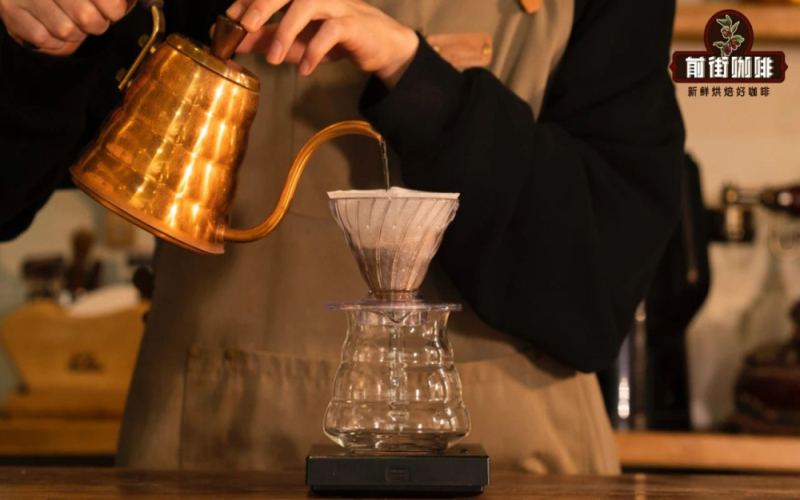
A Detailed Guide to the Flavor and Mouthfeel Characteristics of Cold Brew Coffee, with Recommended Coffee Beans for Making Cold Brew
Ice drip coffee uses ice water for low-temperature extraction over a long period, allowing the flavor and aroma to be sealed within the coffee liquid. Upon entering the mouth, it bursts with intense aroma as the temperature rises, offering a full-bodied taste with lower levels of bitterness and tannic acid. Compared with high-temperature pour-over extraction, ice drip coffee has less caffeine and richer layers, making it suitable for people sensitive to caffeine. Making ice drip coffee involves certain considerations in bean selection, usually favoring single-origin beans, though a blend of two beans can also be used to highlight a balance of aroma and flavor. This article will systematically introduce the flavor characteristics and key production points of ice drip coffee, from extraction principles, historical origins, and bean selection to Front Street Coffee's specific recipes and operating steps. [more…]
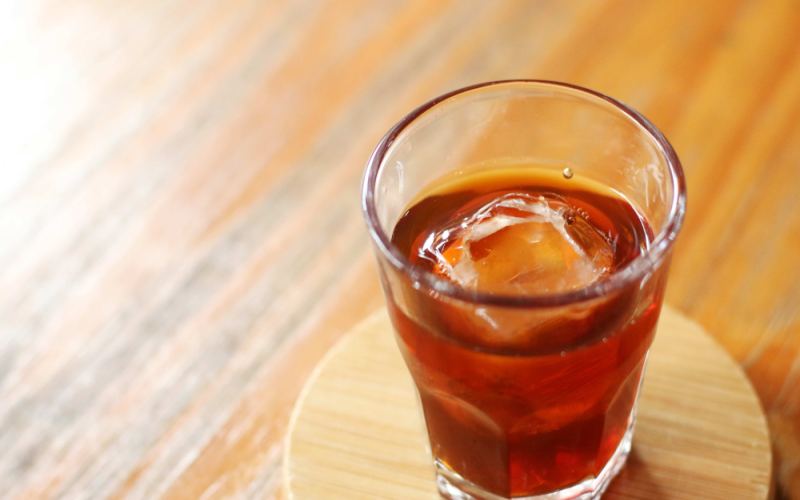
What's the difference between ice drip and cold brew coffee? From extraction principles to flavor expression, explained clearly in one go
Ice drip coffee and cold brew coffee are both common methods of making cold coffee, but their extraction principles, brewing parameters, and final flavor profiles are completely different. Ice drip uses a drip extraction method, in which ice water seeps through the coffee grounds one drop at a time; the process is slow and requires specialized equipment. Cold brew, on the other hand, uses immersion extraction, with coffee grounds and cold water sealed and refrigerated. Because of this, the same coffee beans can present completely different tastes under the two methods: ice drip has a rich fermented aroma, is refreshing, and carries a vinous note, while cold brew retains more fruity sweetness and has a mellow mouthfeel. This article takes Front Street washed Yirgacheffe as an example to compare in detail the brewing methods and flavor differences between ice drip and cold brew, helping coffee enthusiasts choose the iced coffee that suits their preferences according to their tastes. [more…]
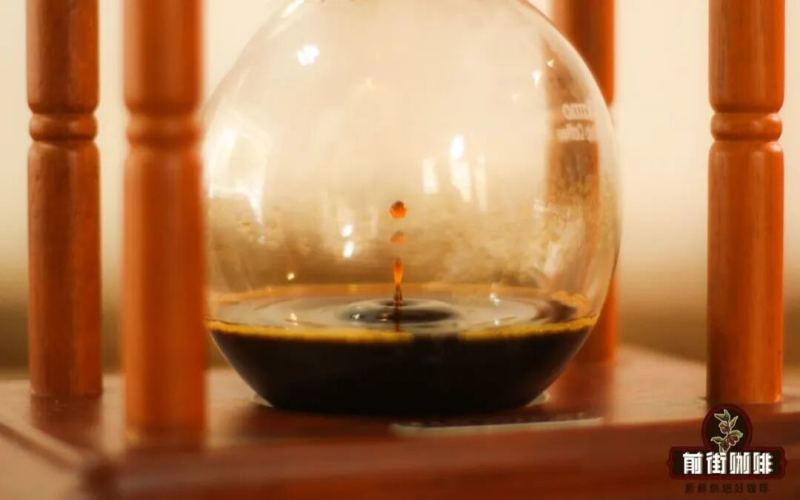
Drip Coffee | How long does it take to make cold brew coffee? What factors affect the brewing time of cold brew coffee?
"Do you have cold brew coffee?" "Yes, today's cold brew is..." "How did it get made so quickly?" "Due to time constraints, the cold brew is all made in advance and kept in the fridge." "So how long does it take to make a cup of cold brew coffee?" This is a conversation that occasionally happens at Front Street Coffee shops. Regarding cold brew coffee, besides the "price" [more…]
What Exactly Is the Difference Between Ice Drip and Cold Brew? A Clear Explanation from Equipment and Extraction Principles to Flavor Expression
When an iced Americano or iced latte can no longer satisfy your curiosity about coffee, cold drip and cold brew often come into view. Many people assume they are both low-temperature extracted iced coffees and that their methods should be roughly the same, but in reality, from equipment and process to the final flavor, the two are quite different. This article will sort through the essential differences between cold drip coffee and cold brew coffee one by one from the perspectives of brewing principles, required equipment, coffee bean selection, and post-extraction handling, and explain why cold drip is better suited for cafe service, while cold brew can be made at home by almost anyone. At the same time, it will also combine the actual performance of several Front Street Coffee beans to help you understand the unique qualities of low-temperature drip coffee. [more…]
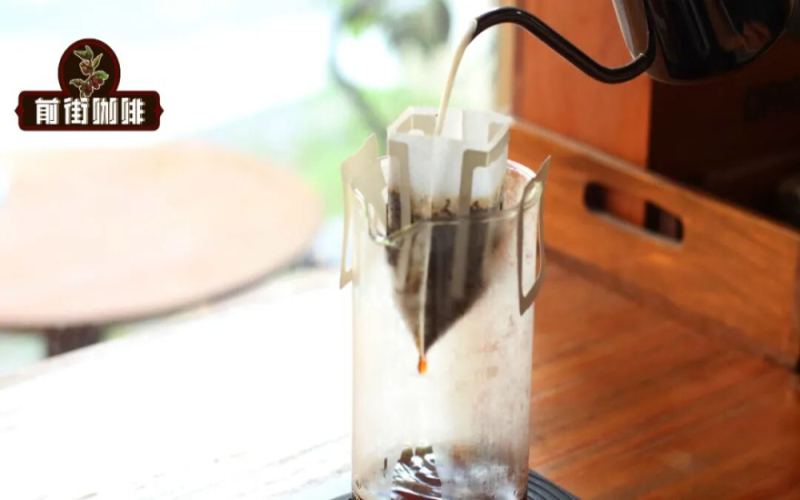
Can Drip Bag Coffee Be Brewed Directly with Milk? Testing the Correct Method for Milk Extraction of Drip Bag Coffee and Alternatives
Drip bag coffee has always been primarily brewed with hot water, but many coffee enthusiasts want to use milk to directly brew a latte. Milk's extraction ability is far inferior to hot water, and after heating, the proteins and lactose undergo changes, so directly applying conventional methods clearly won't work. Front Street once conducted a dedicated experiment: first bloom with hot water, then inject 75°C hot milk in two stages, and prioritize medium-dark roasted drip bags, such as Bird of Paradise, Queen's Estate, Golden Mandheling, Huilan, etc. If you prefer fruity acidity, Sipr, Big Belly Button, and Strawberry Candy are also good choices. However, testing revealed that after milk contacts the coffee, the fine particles swell and easily clog the filter bag, taking nearly 20 minutes in total, which contradicts the convenience that drip bags are meant to offer. This article will fully present this experiment and share a more effortless iced milk cold brew method, allowing you to easily achieve latte freedom. [more…]
The Best Way to Drink Cold Brew Coffee and Recommended Single-Origin Beans for It: A Full Analysis of Low-Temperature Extraction Flavor Characteristics
September has arrived, yet the heat in the south shows no sign of fading, and a refreshing glass of iced coffee remains a favorite for many coffee lovers. Step into Front Street Coffee, and the apparatus on the bar that looks like a chemistry lab setup always sparks curiosity—this is exactly the equipment for making cold brew drip coffee. Cold brew drip coffee originated in the Netherlands, using ice water for low-temperature slow extraction. Although it takes a long time, it delivers a smooth, full-bodied taste with a subtle fermented aroma. In this article, Front Street will systematically explain the extraction principles of cold brew drip coffee, its differences from hot extraction, key production points, and share suitable coffee bean choices and specific blending schemes for cold brew drip, helping you make an outstanding cup of cold brew drip coffee at home. [more…]
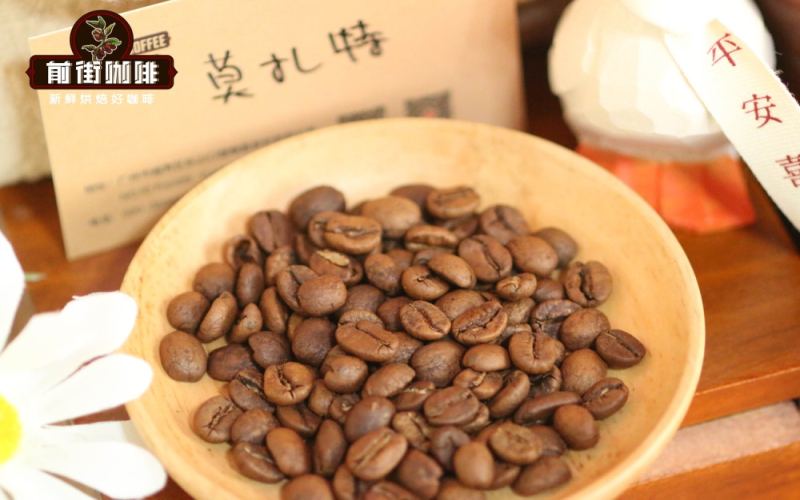
Iced Coffee Brewing Methods | How long does it take to make cold drip coffee? What are the taste and flavor characteristics of cold drip coffee? What is the extraction principle of cold drip coffee?
There are many ways to brew coffee, and cold drip is one of them. Cold drip coffee is also a type of iced coffee, and in summer, iced coffee is even more of a favorite among coffee lovers. Cold drip coffee is naturally not brewed with hot water, but with low-temperature water, which is different from our usual pour-over coffee. [more…]
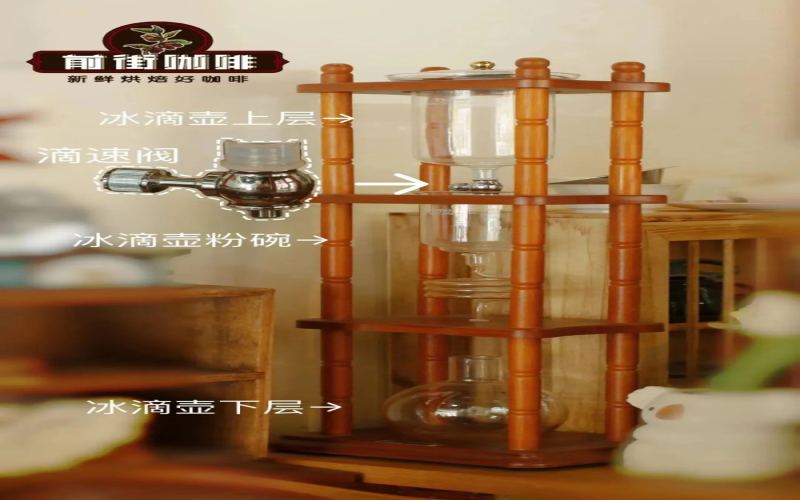
Cold Brew Drip Coffee Maker Practical Guide: From Extraction Principles to Coffee Bean Selection and Refrigeration Storage Tips
With its pure, smooth taste and unique fermented aroma, cold drip coffee has become a highly favored coffee beverage in summer. Starting from the hands-on practice at Front Street Coffee's stores, this article systematically sorts out the differences between cold drip and cold brew, the assembly structure of a cold drip tower, and the methods for setting grind size and drip rate. It also recommends three coffee beans suitable for making cold drip, and finally explains the optimal refrigeration period and flavor change patterns of cold drip coffee, helping enthusiasts recreate a cup of richly layered cold drip coffee at home. [more…]