








Which coffee extraction methods suit which beans and settings?
Four common coffee extraction methods cover most brewing: drip filtration, immersion, pressurized, and siphon. Drip filtration pours hot or ice water through grounds under normal pressure, giving high clarity and favoring light-to-medium roasts with floral and fruity notes. A 10-gram drip bag brewed at a 1:15 to 1:18 ratio, around 150 to 180 milliliters, works in offices and on trips.
Drip bag coffee is not Americano and not instant coffee, because it filters real ground coffee rather than dissolving. Immersion can be combined with drip filtration for a fuller body. Matching each coffee extraction method to the bean's roast level keeps results consistent, whether brewing pour-over, cold drip, or a standard drip machine.
The same coffee beans, with a different extraction approach, will deliver a completely different flavor in the cup. From the perspective of Front Street, this article systematically sorts out the characteristics and applicable scenarios of four common extraction methods: drip filtration, immersion, pressurized, and siphon, and focuses on answering high-frequency questions such as how to brew drip bag coffee, how many times it can be brewed, whether it counts as Americano, and how it differs from instant coffee. Taking the 10-gram Front Street drip bag as an example, the article provides a three-stage pouring plan with a coffee-to-water ratio of 1:15 to 1:18 and a total pouring volume of 150 to 180 milliliters, along with Front Street bean recommendations corresponding to each extraction method, helping coffee lovers consistently produce a clean cup of drip black coffee in the office or while traveling.
Front Street has always felt that coffee and cooking have a lot in common. The same beans, with a different "method," will come out as a completely different cup. So today Front Street plans to sort through several common extraction paths in coffee making.

Drip Filtration
Extraction method: This is the most commonly used path when making single-origin coffee. The so-called "drip filtration" means continuously pouring hot water or ice water into the coffee grounds under normal pressure to bring out the aromatic substances, while letting the liquid pass through the filter layer and drip into the container below.
Extraction characteristics: Because the filtration capability is quite outstanding, the resulting coffee often has very high clarity, and it is especially friendly to light-to-medium roast beans known for floral and fruity aromas. It can also be used in combination with immersion to create a fuller, thicker mouthfeel.
Applicable extraction: pour-over coffee, cold drip coffee, American-style drip machine, drip bag coffee
What is drip bag coffee?
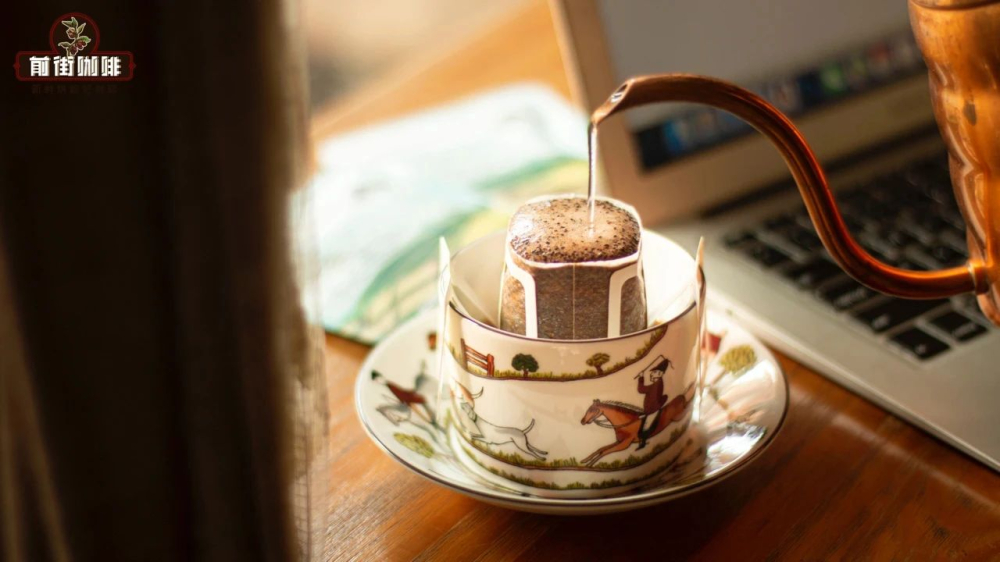
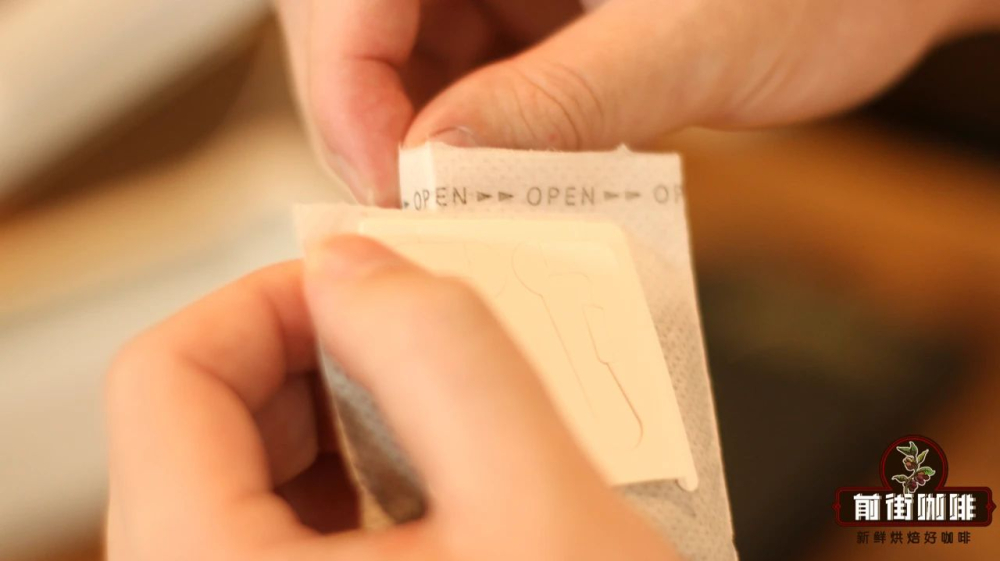
Drip bags are often called the "instant noodles" of the coffee world. The method is to first grind coffee beans into powder, pack a fixed weight into a filter bag with "ears" on both sides, pour in hot water, and filter out the grounds to get a cup of black coffee. Whether you are in the office, a park, or on a train or plane, as long as you have a cup and hot water, you can enjoy coffee freedom anytime. Calling it the easiest drip coffee is not an exaggeration at all.
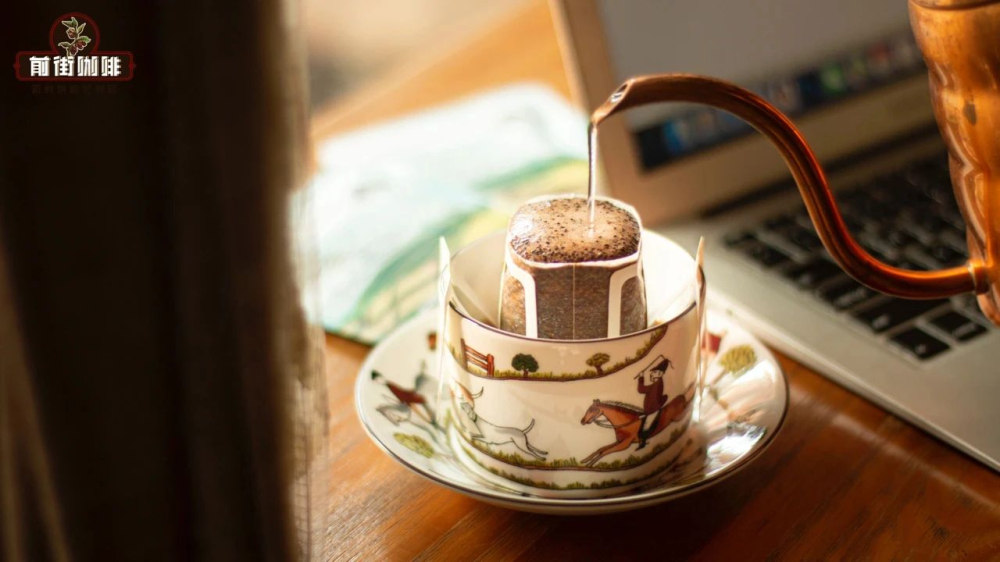
Drip bags follow the drip filtration extraction route, and the design inspiration comes from tea bags with hanging strings. The inventor's original intention was to simulate pour-over drip coffee, pre-packing ground coffee into non-woven filter bags, with the paper tabs on both sides allowing the coffee bag to hang in the center of the cup.
Because the beans are already ground in advance and there is no assistance from various brewing equipment, the aroma may be somewhat compromised; but the filter bag is fine enough that the brewed coffee is actually cleaner and clearer. What everyone really values is the "streamlined" nature of drip bags—allowing us to quickly and conveniently get a cup of drip black coffee in daily life.
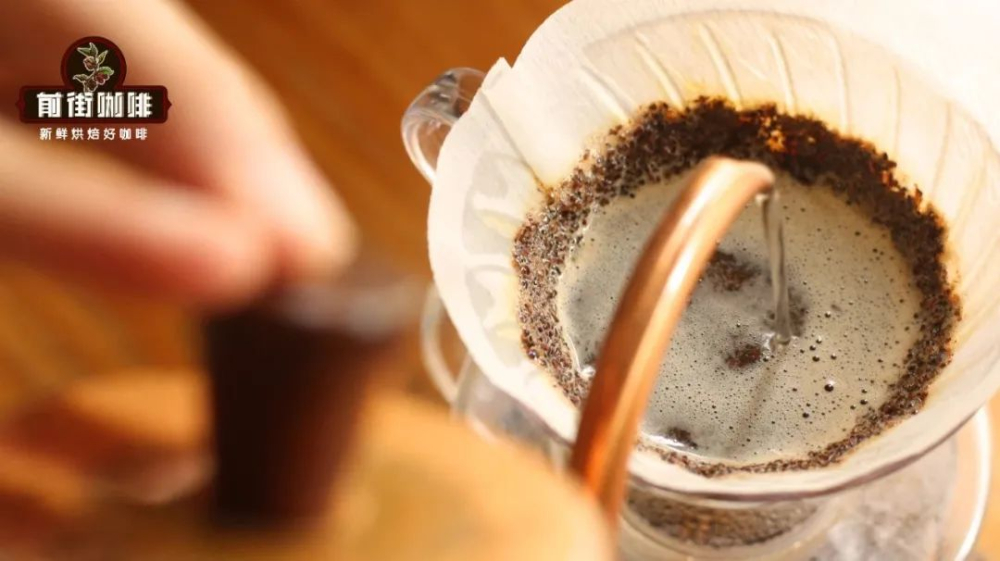
The amount of water for brewing a drip bag is actually very easy to control. Taking the drip bags from Front Street stores as an example, each small bag is 10 grams. Calculated at a pour-over coffee-to-water ratio of 1:15 to 1:18, pouring 150 to 180 milliliters of water is appropriate.
Generally, first pour a small amount of hot water into the filter bag to wet all the coffee grounds, filling the first stage to 1/2 of the filter bag, and let it bloom for about ten seconds. After that, pour water into the center twice in succession until the drip bag is eight-tenths full, and wait for the coffee liquid in the filter bag to finish dripping before continuing to add water, until the final stage is fully filtered. If you pour it full all at once, the water accumulated in the upper layer easily "bypasses" the coffee bed and flows directly out from the side of the drip bag, making the coffee taste weak.
After repeated testing at Front Street, this three-stage pouring method takes about one and a half minutes, and the total pouring volume basically lands around 150 milliliters. If you want a lighter taste, add one more stage to eight-tenths full, for a total of about 180 milliliters.
Drip bag coffee recommendation: Front Street five-region mixed-flavor drip bags (Honduras, Kenya, Ethiopia, Panama, Indonesia).
Immersion
Extraction method: "Immersion" uses a larger amount of water to soak the coffee grounds for a period of time, which can be long or short. Compared with drip filtration, it is less disturbed by human factors and more easily showcases the coffee's own flavors, so coffee bean evaluations usually adopt the immersion-style cupping format.
Extraction characteristics: As mentioned earlier, it is the extraction method with the least human influence. Coffee made by immersion, or obtained through immersion, has higher body, a more even taste, and can release its flavors more completely.
Applicable extraction: Clever Cup, cold brew coffee, French press, AeroPress, some pour-over coffees, etc.
Recommended coffee beans: floral-flavored Front Street Fruit Ding Ding, cherry tomato-flavored Front Street Little Tomato, passion fruit-flavored Front Street Xi Zhua
Pressurized
Extraction method: During the production process, it is not only grounds and water; pressure is also introduced to participate in extraction. Substances in the coffee grounds dissolve quickly due to pressure. In addition to flavor substances, the carbon dioxide hidden in the beans is also "forced" out by the enormous pressure, forming a layer of golden foam with fats (the thing often mistranslated as crema) floating on the surface of the coffee.
Extraction characteristics: The entire extraction process is very fast, and the resulting coffee is very rich, with golden oil on the surface and a quite thick mouthfeel. It is very suitable as a base for creating various different types of coffee.
Applicable extraction: moka pot, espresso machine.
Recommended coffee beans: Front Street Classic Blend, Front Street Dark Cocoa Base Blend, Front Street Commercial Blend, Front Street Specialty Blend
Siphon
Extraction method: This extraction method is used only with a siphon pot. It uses the steam pressure generated after water is heated to push hot water from the lower pot up to the upper pot, extracting the coffee grounds in the upper pot. When the lower pot cools and the pressure subsides, the hot water in the upper pot flows back down into the lower pot along with the flavor substances from the coffee.
Extraction characteristics: Coffee made with a siphon pot has a thick mouthfeel (with a certain immersion effect) and clean flavor. Add to that the ritual sense of the steam age that the siphon pot itself carries, and besides drinking, it is also highly enjoyable to watch.
Applicable extraction: siphon pot.
Recommended coffee beans: Front Street Red Cherry, Front Street Flower Butterfly, Front Street 2013 Yunnan Small Seed
The above content is compiled by CoffeeHunters, a coffee news website.


