








How Does Ice American Coffee Differ From Cold Brew?
Ice American coffee and cold brew are both made with low-temperature water, but the processes diverge. Cold brew is simple steeping: mix grounds and water, chill for several hours, then filter. It can be made at home with basic gear. Cold drip needs a dedicated three-tier tower that holds ice water, grounds, and the finished liquid, and it works as a continuous multiple-extraction method.
Flavor and setting follow from that split. Cold drip suits cafe service because the tower and long cycle demand space and time, and fruit-forward beans show fermented wine aromas and rich fruit notes. Cold brew, by contrast, is the easy home option. Iced Americano and iced latte remain cafe staples, but neither is part of this low-temperature drip category.
When a glass of iced Americano or iced latte can no longer satisfy your curiosity about coffee, cold drip and cold brew often come into view. Many people assume they are both low-temperature extracted iced coffees and that their methods should be roughly the same, but in reality, from equipment and process to final flavor, the two differ considerably. This article will examine the essential differences between cold drip coffee and cold brew coffee from the angles of brewing principles, required equipment, coffee bean selection, and post-extraction handling, and explain why cold drip is better suited for café service while cold brew can be made at home by practically anyone. It will also draw on the actual performance of several Front Street Coffee beans to help you understand the unique qualities of low-temperature drip coffee.
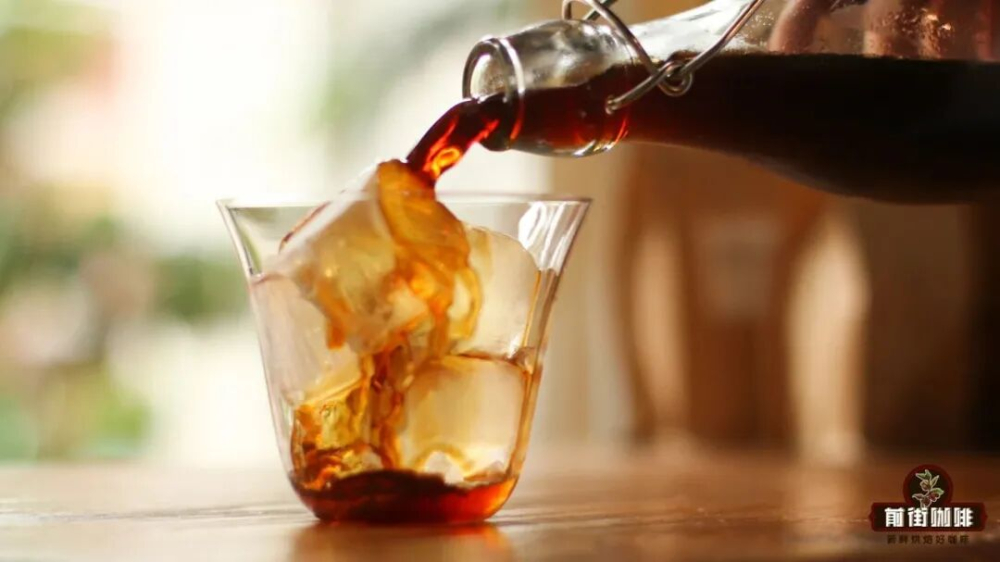
The scope of iced coffee is actually quite broad. Not to mention café staples like iced Americano and iced latte, both iced pour-over, cold brew, and cold drip also fall into this category. Among these, cold drip coffee always carries a layer of mystique—beyond its typically higher price, its lengthy production cycle and distinctive flavor profile often become topics of discussion and comparison.
Although both cold drip and cold brew use low-temperature water to complete extraction, their production processes and principles are entirely different. Cold brew is simply cold steeping, and the operation is straightforward: mix coffee grounds and water in a ratio, place it in the refrigerator to chill for several hours, then filter out the coffee grounds and it's done. Because the steps are so simple, anyone with coffee beans or grounds on hand can make a cup of cold brew at home.
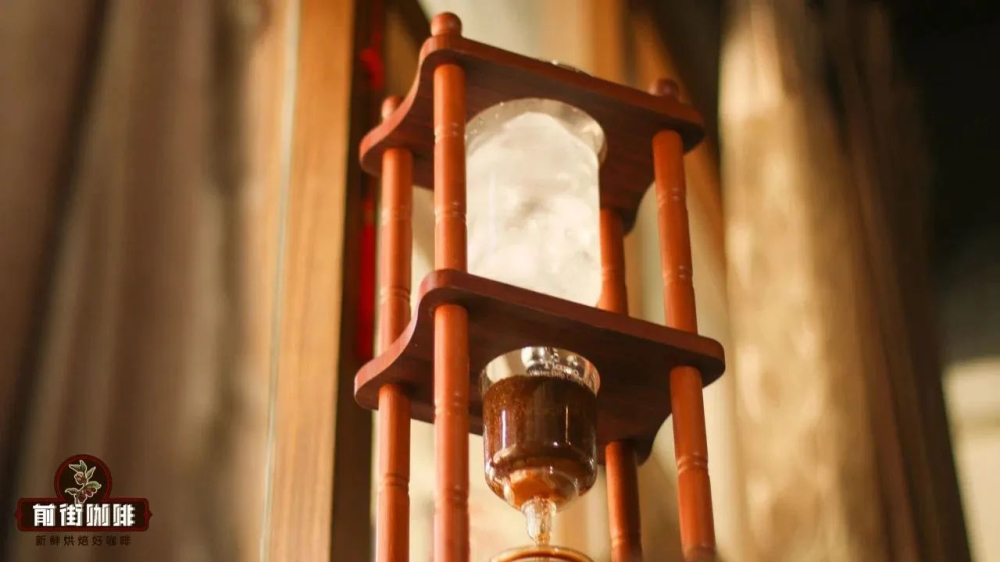
Cold drip heads in another direction. A cup of cold drip coffee that meets the standard first requires a dedicated set of equipment—a cold drip tower. This apparatus typically has three tiers, holding ice water, coffee grounds, and the drip-filtered coffee liquid in sequence, and is essentially a continuous multiple-extraction method.
Cold drip places no particularly strict restrictions on the coffee beans themselves, but if you want to taste pronounced fermented wine aromas and rich fruit flavors, it's advisable to prioritize fruit-forward beans. Take the cold drip made with Front Street Coffee Kenya as an example: on the palate there's a berry-like sweet-tartness with a very full juicy quality; switch to Front Street Coffee Sidra for extraction and you can capture passion fruit and grape notes; while a cold drip made with Front Street Coffee Strawberry Candy presents pink floral notes and a fermented tropical fruit aroma.
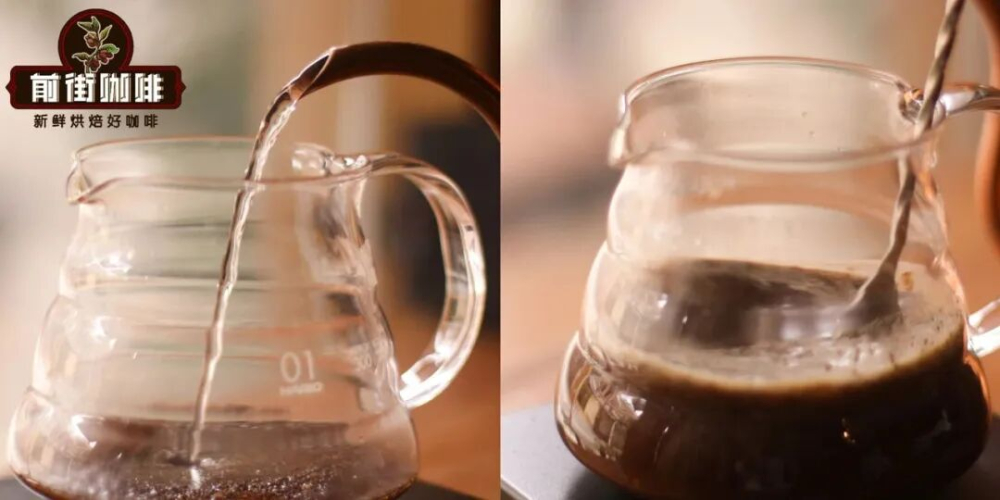
As the name suggests, cold drip coffee is not only about "cold" but also relies on "dripping" to complete extraction. Therefore, the bottom of the upper vessel holding the ice water must be fitted with a valve that can regulate the water drip speed, keeping the coffee grounds continuously in a state of extraction. Once the coffee liquid reaches the target volume, or all the ice water has dripped into the coffee grounds, extraction is complete. However, at this point the coffee liquid is not yet ready to drink directly—it needs further refrigeration for a period to ferment and mature, so that the mouthfeel becomes rich, smooth, and layered.
Overall, to make a standard cup of cold drip coffee, dedicated equipment is only the starting point; throughout the process you must monitor the water drip to maintain stable extraction, balance various parameters and details, and finally wait patiently through the long fermentation. By comparison, cold brew is practically "so easy anyone can do it," and the complexity of cold drip is clearly a notch or more above, which is the main reason few people attempt cold drip at home.
Front Street Coffee has mentioned many times in past articles that different water temperatures produce different-tasting coffee, and that in a low-temperature environment, the astringent compounds in coffee are not easily released. Like pour-over, cold drip is also a drip-filter coffee; the only difference is that it uses ice water below 5°C as the solvent, so it can be understood as a low-temperature drip coffee.
The above content is compiled by CoffeeHunters, a coffee news website.


