








What is the difference between sunscreen and coffee maker methods for cold coffee?
Ice drip and cold brew are both cold coffee methods, but they extract differently. Ice drip uses drip filtration, where ice water seeps through coffee grounds drop by drop with specialized equipment. Cold brew uses immersion, sealing grounds and cold water in the refrigerator. The same beans taste different under each method.
A typical ice drip recipe uses 60 grams of grounds, a grind slightly finer than pour-over, a drip rate of 7 drops per 10 seconds, and about 6 hours to yield roughly 600 milliliters, rested 12 hours before drinking. Knowing the difference between sunscreen and coffee maker equipment matters less than understanding these parameters and the uses of coffee maker setups for cold extraction.
Ice drip coffee and cold brew coffee are both common cold coffee methods, but their extraction principles, brewing parameters, and final flavor profiles are completely different. Ice drip uses a drip filtration extraction, where ice water seeps through the coffee grounds drop by drop, a slow process that requires specialized equipment; cold brew, on the other hand, is an immersion extraction, where coffee grounds and cold water are sealed and refrigerated. Because of this, the same coffee beans will present completely different tastes under the two methods: ice drip has a rich fermented aroma, refreshing with vinous notes, while cold brew retains more fruity sweetness and has a mellow mouthfeel. This article takes Front Street washed Yirgacheffe as an example to compare in detail the brewing methods and flavor differences between ice drip and cold brew, helping coffee enthusiasts choose the iced coffee that suits their preferences.

For more specialty coffee knowledge, please follow the WeChat public account: Front Street Coffee (FrontStreet Coffee)
Many customers drinking coffee at Front Street's shop are curious about how ice drip coffee and cold brew coffee actually taste different. Both methods fall under the category of cold coffee, yet they each have their own characteristics in extraction method and flavor direction. Next, Front Street will break down the features and differences of ice drip and cold brew one by one.
To sum it up in one sentence: ice drip coffee follows the drip filtration extraction route, while cold brew coffee belongs to immersion extraction.
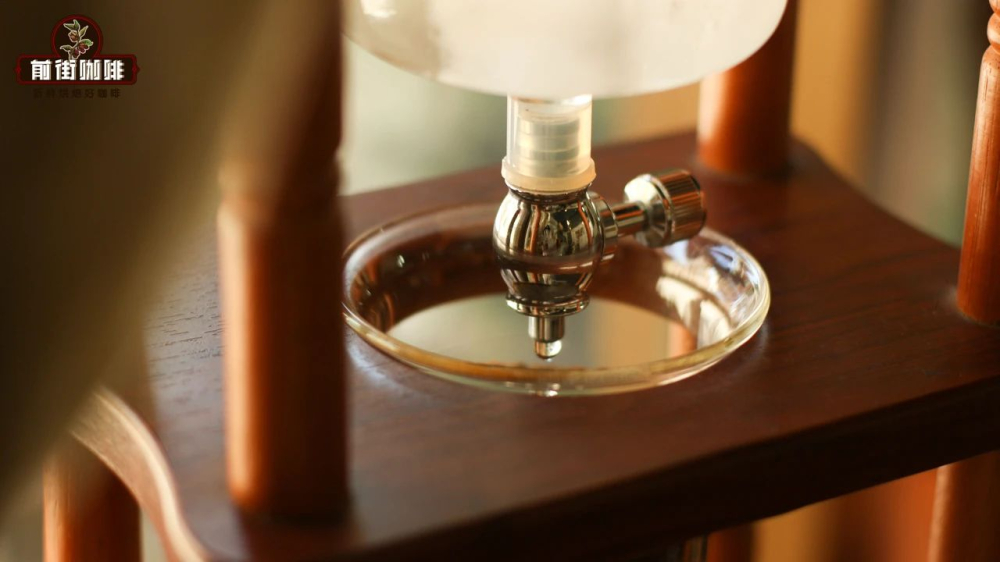
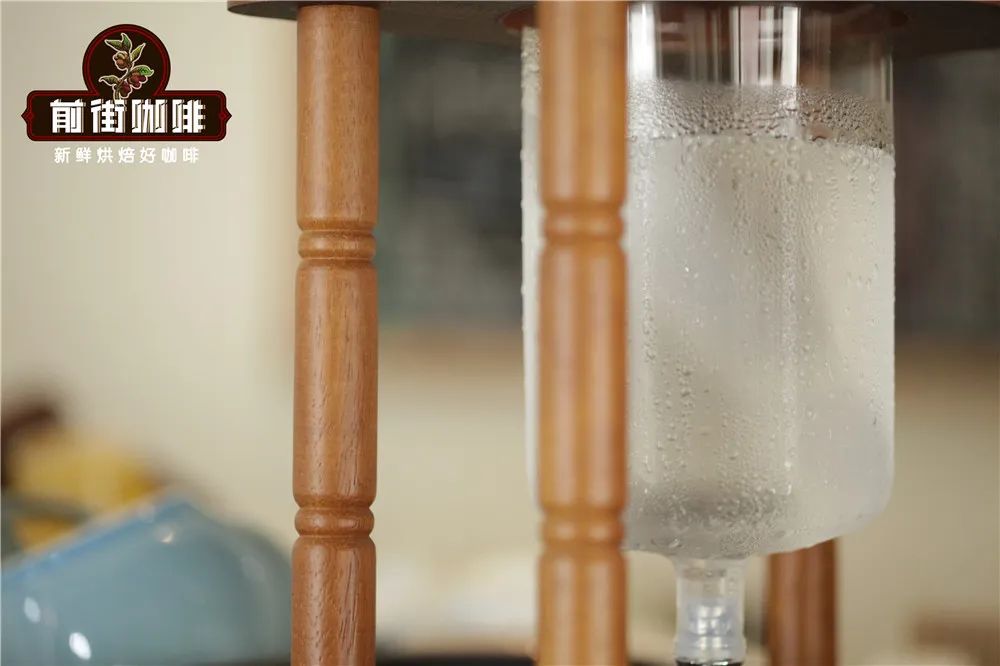
So-called ice drip coffee involves letting ice water slowly pass through the coffee grounds in a dripping manner, thereby extracting the aromatic substances from the coffee. The entire process takes a long time and requires specialized ice drip equipment. The parameters Front Street usually uses when making ice drip coffee are: 60 grams of coffee grounds, a grind size slightly finer than pour-over, 85% passing through a No. 20 sieve, a drip rate controlled at 7 drops per 10 seconds, ultimately yielding about 600 milliliters of ice drip coffee liquid, with the whole process taking about 6 hours. After the drip filtration is complete, the coffee liquid still needs to be placed in the refrigerator to rest for 12 hours before drinking.
Friends often ask Front Street how much water to put in the upper chamber and how much ice to add. Front Street's answer is: just make sure the entire extraction process always maintains an ice-water mixture state. Because Front Street uses a method of stopping extraction once the target coffee liquid volume is reached, the remaining ice water in the upper chamber will not affect the final coffee liquid.
Cold brew coffee is also often called cold water brew coffee, and from the name you can see that it uses cold water to soak coffee grounds to obtain flavor. Front Street's recommended brewing plan is a coffee-to-water ratio of 1:12, with the coffee grind size also slightly finer than pour-over, 85% passing through a No. 20 sieve. After placing the coffee grounds into a sealed container, pour in 12 times the water, shake evenly, and refrigerate for 12 hours. After that, use a filtering tool to thoroughly filter out the coffee grounds, then continue to refrigerate the clean coffee liquid for 4 hours, and it is ready to drink.
Due to differences in production methods, ice drip and cold brew also differ in form and flavor presentation. The liquid of ice drip coffee is usually clearer and more transparent.

In terms of flavor, even with the same coffee beans, the two will show a gap in performance. Ice drip coffee, after fermenting overnight, has more prominent fermentation-type aromas, is refreshing on the palate, and carries a fermented feel similar to rice wine. Cold brew coffee better preserves the characteristics of the coffee beans themselves; for example, beans with fruity notes retain richer fruit flavors, and the mouthfeel is also more mellow.
Next, Front Street will use the same light-roasted washed Yirgacheffe to make ice drip coffee and cold brew coffee respectively, to see how their flavors perform:
Ice drip flavor: refreshing and clean, with a rich fermentation aroma, a slight vinous note, and a faint berry-like sweet-tartness. Cold brew flavor: full-bodied, balanced and unified, with very prominent fruity sweetness and a relatively weaker fermentation feel.
Ice drip coffee and cold brew coffee each have their own strengths. If you want to experience the iced coffee flavor of the coffee beans themselves, cold brew coffee is a good choice; if you want to experience the distinctive flavor that the production method gives to the coffee, then you might as well try ice drip coffee.
The above content is compiled by CoffeeHunters, a coffee news website.


