







Search Results for: Double Washed
A Comprehensive Analysis of Kenya's Double Washed Process: Operational Workflow, Flavor Changes, and Comparison with K72 and Dry Fermentation
As one of the most traditional green bean processing methods, the washed process significantly enhances coffee quality and cleanliness through its depulping and washing steps, making it highly favored by enthusiasts. With the rise of the specialty coffee wave, new terms such as double washed, K72 washed, and dry fermentation washed have emerged endlessly—how exactly do they differ from traditional washing? From the perspective of Front Street, this article first traces the historical origins and procedures of traditional washing, then delves into the origins, operational details, and flavor expression of Kenyan double washing, and further introduces the characteristics of K72 washed and dry fermentation washed, helping readers understand how variables such as soaking time and number of soaks in the fermentation stage shape the final flavor of coffee. [more…]
Analysis of the Three Major Branches of Washed Coffee: Differences Between Traditional Washed, Double Washed, and Dry Washed Processing and Kenyan Flavor Characteristics
Coffee processing methods go far beyond just traditional washed—branches like dry washed and double washed each have their own intricacies. Traditional washed was born in 19th-century Jamaica, using a depulper and abundant water to shorten drying time, resulting in a clean, transparent cup; double washed originated in Kenya, adding an extra soaking step that gives rise to the K72 process and a full-bodied tomato and dried plum profile; dry washed, meanwhile, replaces large amounts of water with fermentation tanks, yielding flavors similar to honey processing. This article breaks down the origins, procedures, and flavor differences of these three washed methods one by one, and includes recommendations for Front Street Coffee's washed beans to help you find the cup that suits you. [more…]

A Detailed Explanation of Kenyan Coffee Washing Processes: The Differences Between Double Fermentation, K72, and Dry Fermentation
Kenyan coffee is famous for its bright, clean fruit flavors. Behind this lies not only high altitude and excellent varieties, but also masterful washed processing techniques. Kenya commonly uses double washing, which means re-soaking fermented beans in clean water for a second wash, and later variations such as K72 washing and dry fermentation washing emerged. How exactly do these differently named processing methods differ from conventional washing? From the perspective of Front Street, this article first sorts out the origins and steps of traditional washing, then analyzes the procedures and flavor characteristics of double washing, K72, and dry fermentation one by one, helping you understand the processing logic behind the unique fruit acidity of Kenyan coffee. [more…]
Kenya Double Washed Coffee Explained: Processing Steps, Flavor Profile, and Front Street Cherry Tomato Recommendation
Washed processing has always been known for its clean and bright flavor, while double washed processing adds an extra rinsing and fermentation stage to the traditional craft, making the coffee's fruity acidity more pronounced and its body fuller as well. This article will break down the two rounds of fermentation in double washed processing in detail, from density sorting, depulping and soaking, to the second wash and sun drying, explaining step by step how each stage affects the flavor. It will also introduce the Front Street Coffee Kenya Cherry Tomato, a bean that uses a medium-light roast, presenting a sweet-and-sour, juicy sensation interwoven with cherry tomato, snow pear, plum, and berry notes, with a caramel finish, a classic aroma, and rich layers. [more…]
Kenyan Coffee Double Washed and K72 Process Analysis: How Fermentation Steps Shape Unique Fruity Acidity
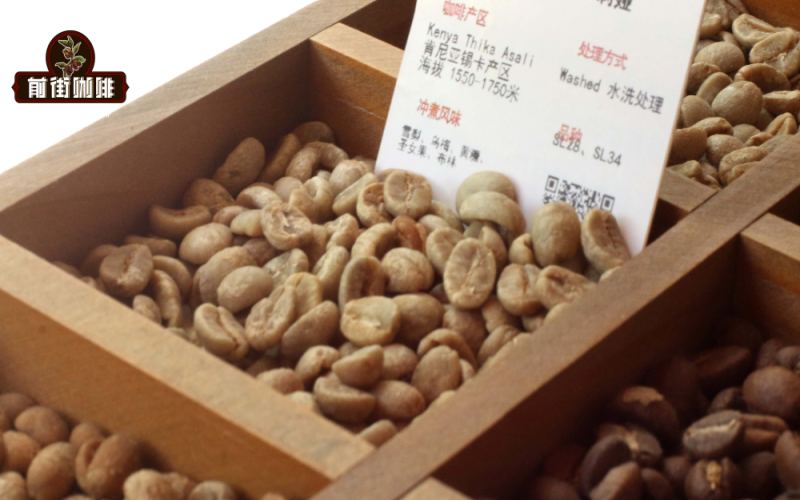
Kenyan coffee is renowned for its clean, complex fruity flavors. Behind this lies not only the advantages of high altitude and varietals, but also masterful washed processing techniques. From traditional wet processing to double washing, K72 washing, and then to water-saving dry fermentation washing methods, how do the subtle differences in the fermentation stage affect the cup performance? Front Street Coffee guides you through the origins and distinctions of these processing methods, and recommends two representative beans, Kenya Cherry Tomato and Asaliya, to experience the bright acidity reminiscent of cherry tomatoes, preserved plums, and smoked plums. [more…]
Kenya Double Washed Explained: The Bright Acidity in the Fermentation Tank
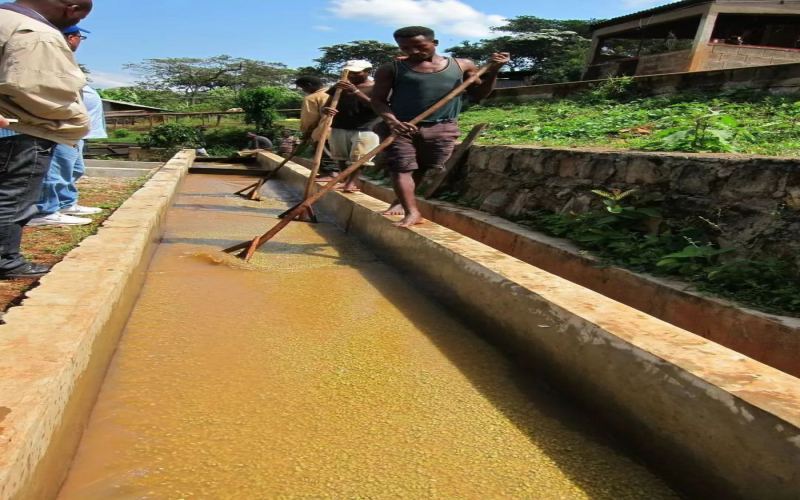
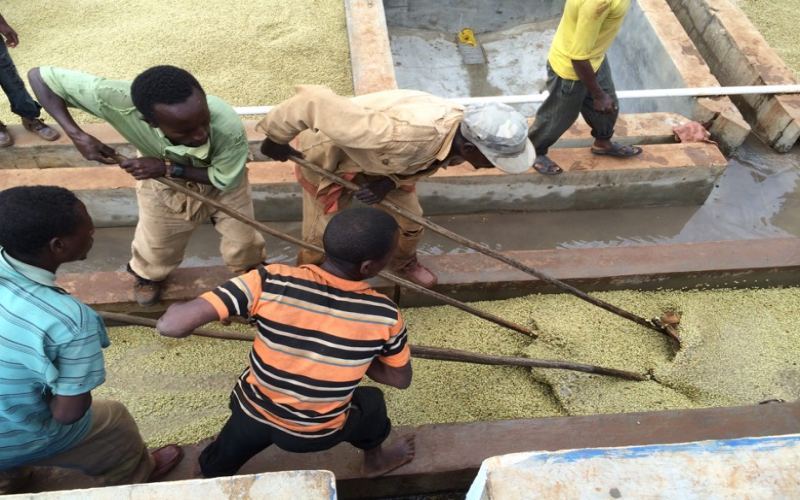
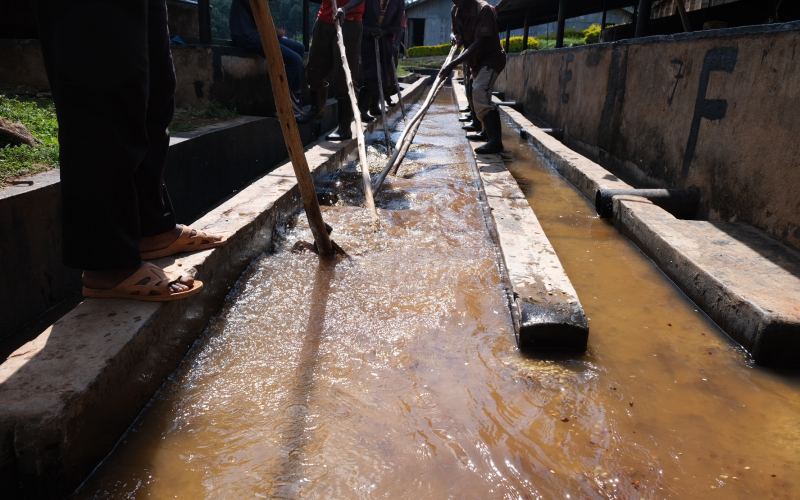
If you had to trace the "Kenyan taste" back to its processing origins, the answer would most likely point to double washing. This method, known locally as K72, polishes the fruit acidity of Kenyan coffee until it is bright, solid, and yet still clean. Once you understand double washing, you understand where the signature juicy quality of Kenyan beans comes from. Double Washing [more…]
Kenya 72-Hour Washed Process Explained: Double Fermentation and AA-Grade Coffee Brewing Flavor Characteristics
Kenyan coffee is renowned for its vibrant acidity and clean cup profile, and its distinctive flavor is largely attributed to the iconic 72-hour washed processing method. Known as double washing, this technique uses two rounds of fermentation and two rounds of rinsing, allowing the coffee beans to shed their mucilage while boosting acetic acid concentration, thereby shaping an unforgettable fruity character and bright acidity. This article breaks down the complete process of Kenyan double fermentation in detail, explains why the total time can reach 48 to 72 hours, and introduces the AA grade classification standards. At the same time, using Front Street Kenya Small Tomato Coffee as an example, it shares practical parameters and flavor performance for hot pour-over, helping coffee enthusiasts gain a more comprehensive understanding of this bean's processing logic and drinking approach. [more…]
A Complete Guide to Kenyan Coffee Bean Washed Processing: Flavor Differences Between Double Washing, K72, and Dry Fermentation
The washed process is one of the most traditional and most favored methods of green coffee processing in the specialty coffee world, and Kenya, as an important producing region for washed processing, has developed a variety of improved techniques such as double washed, K72 washed, and dry fermentation washed. What are the origins of these variously named processing methods? How do they differ from conventional washed processing? And what flavor expressions do they each impart to coffee? From the perspective of Front Street, this article will trace the historical origins of the washed process, break down one by one the procedural characteristics and cup presentations of the various Kenyan washed techniques, and help you more clearly understand the logic and appeal behind these processing methods. [more…]
A Detailed Guide to Coffee Washed Processing: From Traditional Wet Processing to the Process Differences of K72 and Double Washed
As one of the most traditional methods of processing green coffee, the washed method has long been favored by coffee enthusiasts for the cleanliness and consistent quality that come from the depulping and washing steps. With the growth of specialty coffee, a variety of new names have appeared on the market, such as "double washed," "K72 washed," and "dry-fermented washed." How exactly do they differ from traditional washed coffee? In this article, from the perspective of Front Street, we will trace the historical origins and process characteristics of the washed method, and then examine one by one the fermentation details and flavor profiles of these derivative processing methods, helping readers more clearly understand how different washed processes affect the coffee in the cup. [more…]

A Complete Guide to the Washed Processing Family: Process Differences from Traditional Wet Processing to Double Washed, K72, and Dry Fermentation
As the most classic method of green bean processing, the washed method has won the favor of many coffee lovers with its outstanding cleanliness. With the development of specialty coffee, new names such as double washed, K72 washed, and dry-fermented washed have emerged on the market. How exactly do they differ from conventional washed processing? This article will start with the historical origins of the traditional wet process and gradually break down the operational procedures and flavor characteristics of these derived techniques, helping you clarify the logic behind different washed methods. Front Street Coffee will also combine its own production experience to help you understand how the fermentation stage shapes the acidity and sweetness of a cup of coffee. [more…]
A Detailed Analysis of the Double Anaerobic Enzyme Washed Processing Method: Colombia Rose Valley Coffee Flavor and Brewing Guide
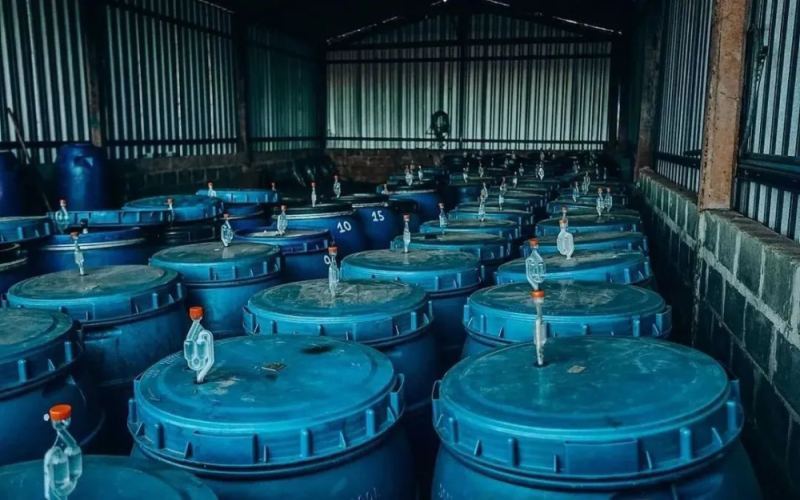
Special processing methods have been steadily gaining popularity in the coffee world. These processing methods give coffee beans a distinctive flavor signature and rich aroma, forming a strong contrast with traditional processing methods. This article uses Front Street Coffee's Colombia Rose Valley coffee beans as a sample to deeply analyze the principles and characteristics of the double anaerobic enzyme washed processing method. Starting from the basic concept of anaerobic fermentation, it gradually breaks down the specific process of double fermentation, and combines the growing background of Big Tree Estate and the characteristics of the Caturra variety to present the complete picture of this bean. At the same time, it also includes Front Street's recommended V60 brewing parameters and operating steps to help coffee lovers reproduce Rose Valley's peach, cranberry, and liqueur chocolate flavors at home. [more…]
Kenyan Coffee Double Washed Process Explained: The Flavor Code from SL28/SL34 Varieties to AA Grading
Kenyan coffee, with its distinct fruity notes and bright acidity, has long been one of the most sought-after origins in the specialty coffee world. Front Street Coffee's Kenyan coffee is a particular favorite among acidity-loving enthusiasts; behind its alluring flavor lie not only the inherent advantages of high-altitude growing conditions and the SL28/SL34 varieties, but also Kenya's unique double washed processing method. This article begins with the historical origins of Front Street Coffee's Kenyan coffee, then outlines the evolution of Kenyan coffee varieties, the specific process and timing control of double fermentation washing, and explains the Kenya AA grading standard. Finally, it includes Front Street Coffee baristas' hot pour-over brewing parameters and flavor descriptions, giving you a comprehensive understanding of why Front Street Coffee's Kenyan coffee is so captivating. [more…]
An In-Depth Interpretation of Kenya's 72-Hour Double Washed Process: How K72 Processing Shapes the Tomato and Berry Flavors of Front Street AA Coffee
Kenyan coffee is renowned for its bright acidity and clean mouthfeel, with the K72-hour double washed method being the key to its flavor. This article provides a detailed explanation of this processing method's two fermentation and two washing stages, explaining how fermentation time control affects the coffee's acidity and cleanliness, and introduces the Kenya AA grading standard. At the same time, combined with Front Street Coffee's Kenyan Little Tomato coffee, it provides hot pour-over parameters and flavor descriptions to help readers understand the complete flavor logic from processing method to cup. [more…]
Colombia Rose Valley Coffee Beans: Origin Characteristics and Anaerobic Double Enzyme Washed Flavor Analysis
Colombian coffee is known for its diverse styles and bright fruity notes, and is one of the few single-origin coffees in the world sold under a country name. This article focuses on Front Street Colombia Finca El Arbol Rose Valley, analyzing its cultivation background in the Santander region, Caturra variety, 1,700-meter altitude, anaerobic double enzyme washed processing, and slow drying techniques, breaking down its complex aromas of white peach, strawberry, melon, rose, and champagne, while presenting its creamy toffee-like silky mouthfeel, to give you an understanding of the flavor sources and origin strength of this small-yield star bean. [more…]
Colombia Finca El Paraiso Double Anaerobic Washed Castillo Coffee: Full Flavor and Brewing Guide
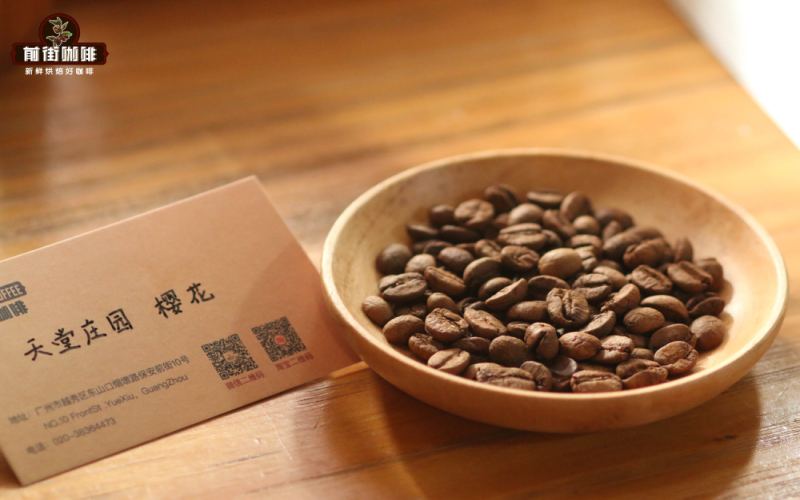
Located in the Cauca region of Colombia, Finca El Paraiso is run by Diego Samuel and has focused on specialty coffee exploration since its founding in 2008. Its double anaerobic washed Castillo coffee beans, introduced to China by Front Street Coffee, present fruity sweetness and acidity reminiscent of berries, raspberries, and strawberry jam, accompanied by notes of mugwort and spice, with extremely high flavor distinctiveness. This article will discuss Finca El Paraiso's regional terroir, processing techniques, variety characteristics, as well as Front Street's roasting and brewing recommendations, helping coffee enthusiasts fully understand the flavor sources and extraction key points of this bean, while providing reusable pour-over parameter references. [more…]
Exploring Colombia Sakura Coffee Beans: A Full Analysis of the Double Anaerobic Washed Process and Flavor
Front Street Colombia Sakura coffee beans are produced at Finca El Paraiso in the Cauca region and use a double anaerobic washed processing method, an innovative technique that has attracted considerable attention in recent years. Since it began operating in 2008, Finca El Paraiso has continuously improved its coffee quality, and in 2015 it even won first place in a Cauca regional competition. This Sakura bean uses the Castillo variety, which combines high disease resistance with excellent flavor. This article will introduce in detail its origin background, processing method, and variety source, and share V60 brewing parameters and flavor experience, giving you a comprehensive understanding of this bean's unique charm. [more…]
A Complete Guide to Anaerobic Fermentation Processing: The Differences Between Anaerobic Natural, Anaerobic Washed, and Double Anaerobic Methods
Anaerobic fermentation processing is a green bean processing technology that has attracted much attention in the coffee industry in recent years. Since Sasa Sestic, the 2015 WBC champion, brought it to the forefront, it has quickly swept through the specialty coffee world. Inspired by red wine-making techniques, this processing method injects carbon dioxide into a sealed container to expel oxygen, creating an oxygen-free environment that allows precise control of the fermentation process, giving coffee beans higher sweetness and more unique flavor layers. As processing technologies continue to evolve, experimental methods such as anaerobic natural, anaerobic washed, and double anaerobic have emerged one after another, each presenting distinctly different flavor expressions. This article will systematically sort out the principles and origins of anaerobic fermentation, and analyze one by one the process steps and flavor characteristics of these three common anaerobic processing methods, while also explaining them in conjunction with specific Front Street Coffee bean offerings. [more…]
Flavor Analysis of Colombia Granja El Roble Rose Valley Anaerobic Double Enzyme Washed Coffee and Front Street Coffee Recommendation
In the Santander region of Colombia, there is a Large Tree Estate run by the Vargas family for twenty years, producing a coffee named "Rose Valley," which undergoes a unique anaerobic double enzyme washed processing method. The estate only picks fully ripe, bright red cherries, which after washing enter the anaerobic fermentation stage, with a special enzyme blend added for a second fermentation, and finally are dried slowly at low temperatures to preserve delicate flavors. This coffee presents a complex layering of rose, strawberry jam, ripe peach, melon, magnolia, and wine-like aromas. Front Street Coffee particularly recommends this bean, and this article will take you into a deeper understanding of its origin background, processing techniques, and flavor characteristics. [more…]
Colombia Finca El Arbol Rose Valley: Anaerobic Double Enzyme Washed Pour-Over Flavor and Brewing Analysis
Colombian coffee has long been renowned for its high quality, and in recent years it has continuously experimented with innovative processing methods, bringing astonishing aromatic expressions. The coffee that Front Street Coffee is introducing this time is precisely such a specially processed bean—Front Street Colombia Dashi Estate Rose Valley. It comes from Dashi Farm in the Santander region, uses anaerobic double enzyme washed processing, is of the Caturra variety, and is grown at an altitude of about 1,700 meters. Beyond the ripe fruit notes of peach, strawberry, and honeydew melon, this bean also carries rose floral aromas and champagne-like notes, drinking more like a glass of juice. This article will review its producing region, estate, processing method, and variety background, provide Front Street's roasting recommendations and brewing parameters, and explain its actual flavor performance. [more…]
Front Street Coffee Colombia Finca El Arbolito Rose Valley: The Flavor Code of Anaerobic Double Enzyme Washed Caturra
Colombian coffee has always been known for its bright fruity notes and fresh style, and a micro-lot from Front Street Coffee—Rose Valley from Big Tree Estate—uses an anaerobic double enzyme washed process to let the Caturra variety show a stunning sense of layering. This bean comes from the Santander region, at 1,700 meters above sea level, and is carefully managed by Vargas, who has run Big Tree Farm for twenty years. From picking fully red cherries to two rounds of anaerobic fermentation, then to fermentation with a special enzyme group and slow drying, every step creates its unique flavor that can rival Geisha. This article will take you deep into the origin background, processing method, and flavor performance of this Front Street Colombian Rose Valley, so you can feel the diverse charm of Colombian coffee. [more…]