







Search Results for: Dirty Coffee vs Latte: Differences

Which Milk Should You Choose for Coffee? A Side-by-Side Taste Test of Glass-Bottled Fresh Milk vs. Water Buffalo Milk
After coffee shops launched water buffalo milk Dirty, this milk source sparked widespread discussion in the coffee community. Water buffalo milk is familiar to friends in Guangzhou, Foshan, and Guangxi, but how does it actually perform in coffee? This article, through hands-on comparisons of glass-bottled fresh milk and water buffalo milk, makes hot lattes, Dirty, and iced mochas respectively, recording one by one from milk foam fineness, coffee integration, layering effect, to flavor layers. At the same time, it will also sort out the effects of pasteurization and ultra-high-temperature sterilization on milk taste, helping coffee lovers and cafe owners find milk suitable for pairing with coffee. [more…]
A Detailed Guide to Making an Aussie White Coffee: Taste Differences from a Latte and Cold vs. Hot Drink Recommendations
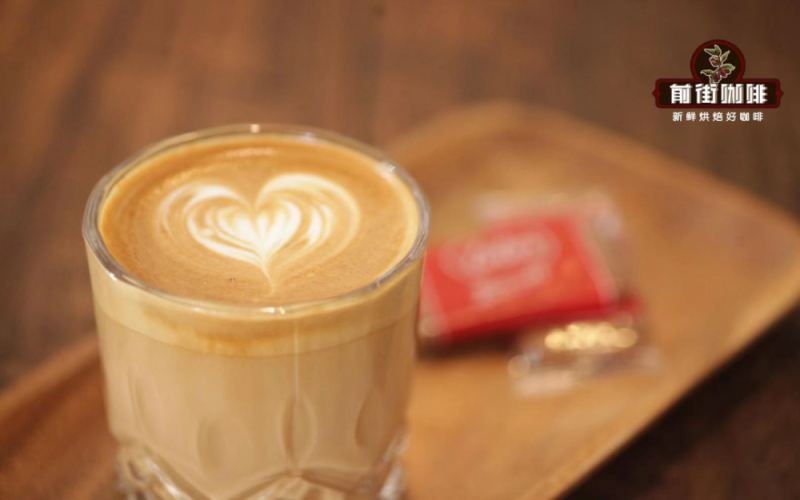
With its rich and sweet flavor, the Flat White has won the favor of many enthusiasts at coffee shops like Luckin. Although Front Street Coffee's menu doesn't feature this drink, the baristas will still craft it with care whenever a customer orders it. This article will present Front Street's complete process for making a Flat White, covering equipment preparation, extraction parameters, and milk frothing ratios, while also comparing the differences between a Flat White and a Latte in terms of foam thickness, cup size, and coffee ratio, and explaining why a Flat White is only served hot and why a Dirty can substitute for those wanting a cold drink. [more…]

Australian White Coffee Taste and Mouthfeel | Flat White vs Latte: Which Tastes Better and Has a Stronger Coffee Flavor? Is There a Big Difference Between a Latte and an Aussie White?
Sometimes, just coffee and milk alone can be played with in endless variations, leaving outsiders utterly confused about the differences. Take latte and Flat White, for example—both are made by mixing espresso with milk, yet they offer two entirely different experiences. If [more…]

SOE vs. Dirty Coffee Explained: A Comprehensive Guide to Single-Origin vs. Blend Differences and the Best Beans for Dirty Coffee
SOE and Dirty remain popular in the coffee world, but their meanings, characteristics, and why they are called a perfect match still leave many enthusiasts curious. This article will start with the concepts, explaining the essence of SOE (Single Origin Espresso) and Dirty (a layered espresso milk coffee), comparing the differences in flavor presentation between single-origin and blended coffee beans, and explaining why Dirty is more tolerant of coffee bean selection. The article also specifically recommends three Front Street single-origin beans—Yirgacheffe Gotingding, Fenhuaijie Manor Xizhua, and PWN Golden Mandheling—and includes specific extraction parameters and tasting experiences to help you make a cup of well-layered SOE Dirty at home. [more…]
Hot Coconut Milk Latte vs. Iced Drink Flavor Differences Explained: Key Techniques for Frothing Thick Coconut Milk
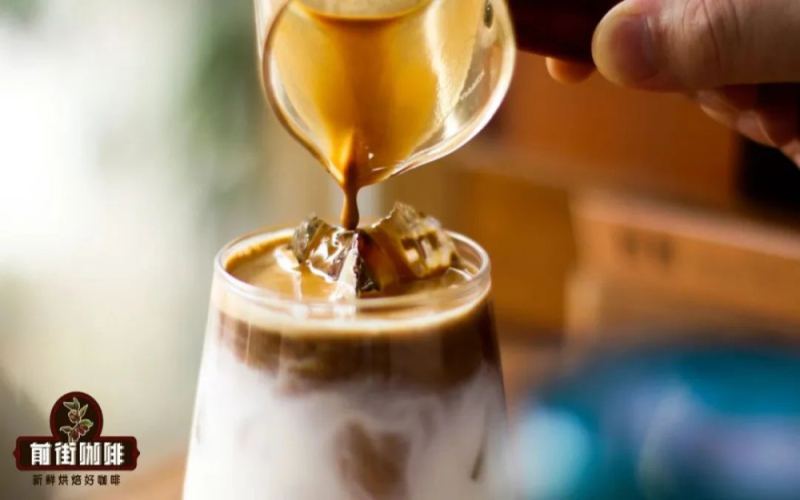
Iced coconut milk lattes are sweet and smooth, but when switched to a hot drink they easily become cloying and sour, with the flavors separating—where exactly does the problem lie? Starting from the compositional characteristics of thick coconut milk, this article analyzes the principles behind fat separation, protein denaturation, and acidification reactions when it is heated, and offers a practical solution of adding milk to adjust the blend. At the same time, drawing on in-store testing, Front Street shares the suitable ratios of espresso, thick coconut milk, and fresh milk, as well as operational details such as aeration time and temperature control when steaming milk foam, to help you make a cup of hot coconut milk latte at home with harmonious flavors that is suitable for latte art. [more…]

The Core Differences Between Dirty Coffee and Latte: Layering Principles, Proper Brewing Methods, and an Analysis of Why Crema Is Missing
Dirty coffee, with its gradient layers created by the interplay of espresso and cold milk, has become a popular drink in coffee shops in recent years, prized for both its visual appeal and its ability to spark conversation. It is essentially a latte that is not served over ice and is drunk in a special way, but many people who try to recreate it at home often run into the problem of failed layering, with the coffee and milk blending into one. Drawing on Front Street Coffee's hands-on experience, this article systematically sorts out the differences between a Dirty and a latte, analyzes one by one the five key factors—cup selection, coffee bean roast level, extraction distance, coffee concentration, and milk texture—and offers corresponding solutions to help you make a Dirty coffee with clearly defined layers and a rich, mellow taste. [more…]

Espresso Beans vs. Americano Beans: A Guide to Choosing and Medium-Dark Roast Recommendations
Many friends who are just getting into coffee find the relationship between espresso and Americano confusing. In fact, the two are not parallel categories; rather, one contains the other. Americano is simply one of the many drinks built on an espresso base, and latte, cappuccino, flat white, Dirty, and others also belong to the espresso family. This article starts with bean selection—brand and freshness—then analyzes how roast level affects Americano flavor, and offers blended bean recommendations suitable for making Americano, including several classic espresso blends from Front Street Coffee, along with practical ratio references for both hot and iced Americanos. [more…]

Starbucks Flat White vs. Australian White Coffee: A Full Analysis of Flat White's Origins, Milk Foam Ratio, and Flavor Characteristics
Flat White is an Italian-style milk coffee that emerged in Australia in the 1970s. After entering Starbucks in China under the name "Fu Rui Bai" in 2015, it quickly became popular, and some people also call it Australian White or Little White Coffee. Its biggest difference from a latte and a cappuccino lies in its thinner milk foam and more pronounced coffee flavor. This article will start from its origins, compare the different approaches to cup size and coffee base in Australia and New Zealand, and explain the blend beans, double ristretto parameters, and milk steaming temperature used by Front Street Coffee when making a Flat White, giving coffee lovers a comprehensive understanding of this rich and velvety classic milk coffee. [more…]

Starbucks Flat White vs. Australian White Coffee Brewing Guide: Espresso Bean Selection and Extraction Techniques Explained
In 2015, Starbucks introduced the classic Australian Flat White to its menu under the name "Fu Rui Bai," and this coffee quickly became a hit in China. What's the difference between a Flat White and a latte? Why is it only served hot? The key to making an authentic Flat White lies in the pairing of the espresso base with light, thin milk foam. This article will start with the historical origins of the Flat White, then gradually break down Front Street Coffee's extraction parameters and milk frothing techniques, and recommend four espresso blends suitable for making Flat Whites, including the gently styled Warm Sun Blend and three nutty-toned blends, to help you recreate a rich, velvety Flat White at home. [more…]

Pour-Over vs. Espresso: A Flavor and Mouthfeel Comparison, Plus a Front Street Coffee Bean Buying Guide
Which tastes better: pour-over coffee or coffee made with an espresso machine? It really depends on personal taste preferences and the drinking occasion. Espresso pursues fast output, with a balanced and intense flavor, often dominated by caramel notes, and is easier to drink when paired with milk; while pour-over coffee focuses on the true character of the origin, with no sugar or milk added, showcasing the unique flavor profile of different producing regions. This article will compare the two from the perspectives of positioning, flavor expression, and suitable audiences, and for the two types of needs—espresso and pour-over—respectively recommend a number of blends and single-origin coffee beans under Front Street Coffee, to help coffee lovers make a suitable choice based on their own preferences. [more…]

Comparing Bottomless vs. Spouted Portafilters: From Extraction Visibility to Cleaning and Maintenance
Choosing a portafilter for an espresso machine may seem simple, but it actually affects both the extraction quality of espresso and the operating experience. What exactly is the difference between a bottomless portafilter and a spouted portafilter? Why are more and more coffee shops leaning toward bottomless portafilters? This article will start with the background of the bottomless portafilter's invention and take an in-depth look at its advantages in terms of extraction timing differences, crema retention, and ease of cleaning, while also objectively analyzing the practical value of the spouted portafilter, to help coffee enthusiasts and professionals make a suitable choice based on their own needs. Front Street Coffee will also combine practical experience to provide you with valuable reference suggestions. [more…]

An In-Depth Analysis of the Core Differences Between Flat White and Latte: A Comprehensive Comparison from Milk Foam Thickness to Drinking Method
What exactly are the differences between a Flat White and a latte? Many people assume it is merely a matter of milk foam thickness, but in reality the two differ systematically in cup size, espresso dosage, milk foam texture, and serving temperature. This article begins with the controversy over the origins of the Flat White, sorts out the specific differences in preparation parameters between it and a latte, explains why a Flat White is served only hot, and offers equipment selection and operational advice for home brewing scenarios. At the same time, the article also compiles several Front Street Coffee espresso blends suitable for making a Flat White, including the Specialty Blend, Commercial Blend, and Dark Cocoa Blend, to help readers choose the right base beans and make a rich, full-bodied Flat White at home. [more…]
Luckin Coffee's 2023 price list is out: Differences in store pricing spark heated discussion—is self-pickup actually more expensive than delivery?
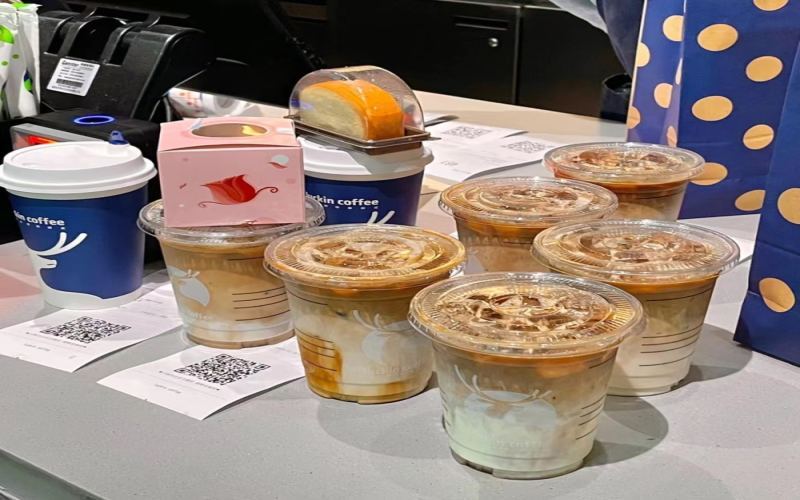
Luckin Coffee's latest 2023 store price list has been announced, clearly listing prices for series such as the Classic Latte, SOE Little Black Cup, and the Raw Coconut Family. However, consumers have recently discovered that the same drink is priced differently at different stores, and in some cases the pickup price is even higher than the delivery price—a phenomenon that has sparked widespread discussion. Luckin Coffee officially responded that, due to differences in logistics and operating costs, stores may apply for price adjustments, with a maximum increase of 3 yuan. This article compiles the complete price list and reviews the changes in Luckin's pricing strategy and their impact on consumers. [more…]

Home Espresso Machine Buying Guide: Semi-Automatic vs. Super-Automatic Comparison and Espresso Extraction Practice
Want to easily make a cup of espresso with golden crema at home? Choosing the right machine and coffee beans is the crucial first step. The market offers a wide variety of coffee machines, from fully automatic to semi-automatic, with prices ranging from a few hundred to over a thousand yuan, and devices at different price points vary significantly in extraction stability and crema performance. This article will systematically outline the key points for choosing a home espresso machine, compare the respective advantages of semi-automatic and fully automatic models, recommend suitable Front Street Coffee beans for different taste preferences, and finally provide an espresso extraction workflow that even beginners can follow, helping you consistently produce a decent cup of espresso at home. [more…]

How Is a Dirty Coffee Different from an Iced Latte? A Comprehensive Analysis of the Differences Between the Two in Ratios, Methods, and Drinking Styles
Dirty coffee and iced latte look quite similar in appearance, both presenting a layered effect of espresso over milk, but they are actually different drinks. This article starts with production details such as cup size ratio, whether ice is added, cup treatment, and layering requirements, systematically sorting out the differences between Dirty and iced latte, and explaining in detail the correct way to drink each. The article also combines the flavor characteristics of coffee beans such as Front Street classic blend, specialty blend, and dark cocoa base blend to explain how to choose beans to achieve the ideal layering effect and taste experience. [more…]
What exactly is the difference between a Dirty and an iced latte? A full breakdown of bean selection, cup size, layering, and how to drink it.
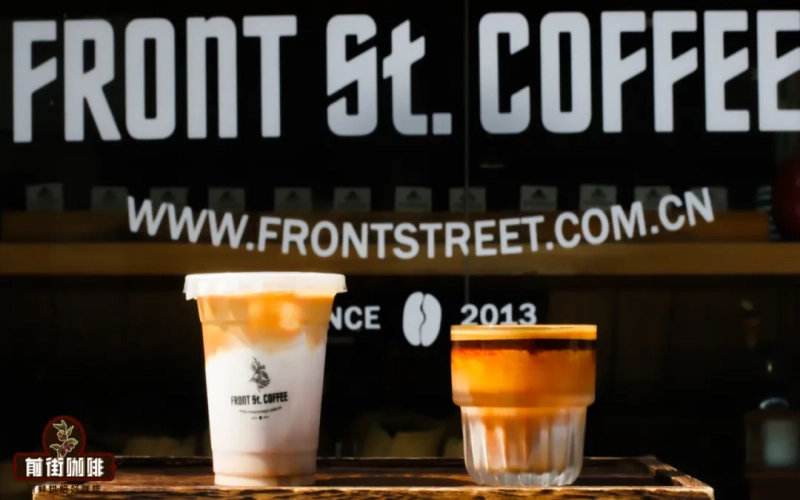
Dirty and iced latte are both combinations of cold milk and espresso, and because they look similar and use the same ingredients, they are often lumped together. But the two have significant differences in cup size, whether ice is added, cup temperature, the purpose of layering, and the way they are drunk. Dirty emphasizes taking a big gulp and experiencing the interwoven layers of hot and cold, bitter and sweet, while iced latte needs to be stirred evenly before enjoying its balanced taste. When making a Dirty, the choice of coffee beans is crucial. Front Street recommends medium-dark roasted blends or single-origin SOE beans to highlight caramel and chocolate flavors, and medium-light roasted beans can also be used to obtain fresh fruity notes. This article will, from Front Street's professional perspective, break down one by one the differences in making and tasting points between Dirty and iced latte. [more…]

Why Dirty Coffee Went Viral: Differences Between a Dirty and an Iced Latte, and How to Make One at Home
Dirty coffee has continued to rise in popularity in the coffee world in recent years thanks to its distinctive layered visual effect and rich flavor. Its preparation method is actually not complicated: pour chilled milk into an iced cup, then gently pour in espresso, using differences in density and temperature to form natural layers. So why has this drink maintained such high popularity? How exactly is it different from iced latte? And what does the word Dirty mean? This article will take you through the origins of dirty coffee and "dirty culture," clarify the core differences between Dirty and iced latte in ingredients, ratios, and taste, and share the key preparation points recommended by Front Street Coffee, so you can easily recreate a cup of clearly layered dirty coffee at home. [more…]

Espresso Milk Coffee | What Is a Dirty Coffee and How Does It Differ from an Iced Latte? What Are the Differences in How You Drink a Dirty and an Iced Latte?
Since the ingredients used to make a Dirty and an iced latte are exactly the same—both are iced milk plus espresso—and they look much the same, both featuring a layered structure created by the milk and the espresso, Front Street Coffee often gets asked by customers drinking iced lattes: "Both are iced milk plus espresso, so what's the difference between a Dirty and [more…]

How to Choose Between a Flat White, Latte, and Dirty Coffee? A Full Breakdown of Recipe Ratios, Milk Foam Thickness, and Taste Differences
Walking into a specialty coffee shop, the flat white, latte, and Dirty on the menu often make it hard to choose. They are all milk coffees, yet each has its own finer points when it comes to espresso base, milk volume, foam thickness, and drinking method. From the perspective of Front Street, this article first clarifies the definitions and origins of the three, then uses a concentration and content ranking chart for an intuitive comparison, and afterward breaks down the production process and key details of latte, flat white, and Dirty one by one, including milk frothing, pouring techniques, milk temperature, and pouring distance, to help you find the cup that best suits your taste. [more…]
Must Dirty Coffee Use IceBock? An In-Depth Analysis of Its Taste Differences from Latte and Key Production Points
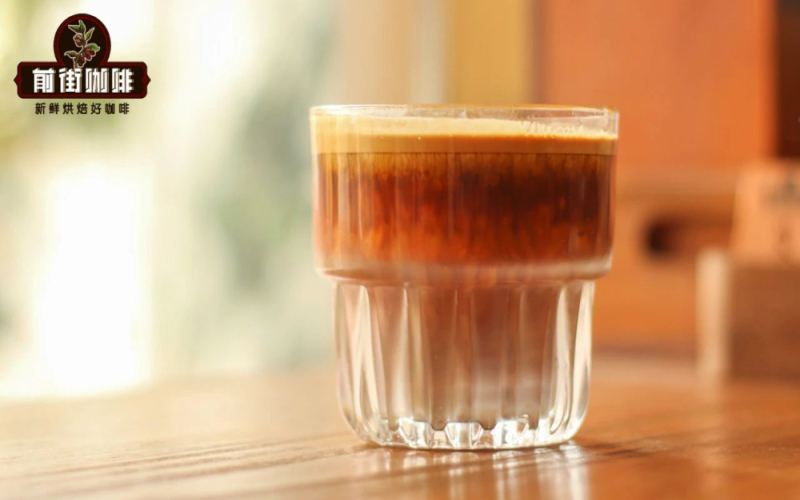
Dirty coffee is loved by many coffee enthusiasts for its layered visual effect and unique drinking experience, but there is often a misconception about whether it must be made with ice-bock milk. This article will sort out the origin and characteristics of Dirty coffee, compare its differences from iced latte in terms of ingredients and taste, and introduce the principles of ice-bock technology and its application in the coffee field. At the same time, regarding the selection of different coffee beans, it provides pairing suggestions related to the Front Street brand to help readers understand why ice-bock is more compatible with Dirty, as well as flexible ways to adapt it in actual preparation. [more…]