







Search Results for: Differences Between Espresso Blend Beans

What Exactly Is American Black Coffee? Analyzing the Differences Between Americano and Long Black and Blend Bean Choices
Many coffee enthusiasts simply equate Americano black coffee with Americano, but in fact there are subtle differences between the two in concept and preparation. This article starts with the flavor sources of Americano and the production differences between Americano and Long Black, analyzes the impact of espresso extraction status on taste, and systematically introduces the recipes, flavors, and applicable scenarios of several espresso coffee beans used in Front Street Coffee stores, including Sunflower Warm Sun Blend, Dark Cocoa Blend, Specialty Blend, and Commercial Blend, to help readers understand the bean logic and extraction key points behind a delicious cup of Americano black coffee. [more…]
How to Choose Between Mandheling and Espresso Flavor Coffee? An Analysis of the Differences and Characteristics of Single-Origin Beans and Espresso Beans
Today, with coffee shops on every street corner, espresso and pour-over single-origin coffee have become the two most mainstream forms of coffee, and Mandheling, as a classic single-origin bean, is often compared with espresso-style flavored coffee. What exactly is the difference between the two? This article begins with the extraction methods of Front Street Mandheling and espresso, sorts out the differences between pressure extraction and filter brewing, and then explains the differences between espresso beans and pour-over single-origin beans in terms of roast level and blending approach. It also introduces a variety of espresso beans such as Front Street Classic Blend, Commercial Blend, Dark Cocoa Blend, and Specialty Blend, as well as the flavor characteristics of everyday beans such as Yirgacheffe, Mandheling, Brazil, and Colombia, helping enthusiasts make a choice according to their own needs. [more…]
How to Choose Espresso Beans for Home Coffee Machines? Differences Between Blends and Pour-Over Beans, Plus Five Espresso Blend Recommendations
Want to make a delicious espresso at home with a coffee machine? Choosing the right coffee beans is the first step. There are many types of coffee beans on the market, and the uses and flavor directions of single-origin beans and blended beans are completely different: single-origin beans are more suitable for pour-over or cold brew, while espresso usually relies on blended beans to achieve a more balanced and stable taste. This article first explains the difference between blended beans and pour-over beans, then organizes five popular espresso blend coffee beans in 2025, including Front Street Coffee Classic Espresso Blend, Front Street Coffee Strawberry Candy Espresso, Front Street Coffee Specialty Espresso Blend, Front Street Coffee Commercial Espresso Blend, and Front Street Coffee Basic Espresso Blend, corresponding respectively to different needs such as rich and aromatic, floral and fruity, nutty notes, coffee shop-style, and high cost-effectiveness, making it easy for home users to choose according to taste and budget. [more…]
Can Espresso Blend Beans Be Used for Pour-Over? A Comprehensive Analysis of the Differences Between Espresso Beans and Single-Origin Beans and Brewing Recommendations
In an era where espresso and pour-over coffee coexist, many enthusiasts wonder: what happens if you use espresso blend beans for pour-over? From the perspective of Front Street Coffee, this article sorts out the essential differences between espresso blend beans and single-origin beans, explores the feasibility and flavor performance of using espresso beans for pour-over, and provides specific pour-over parameter references. At the same time, the article also introduces the flavor characteristics and prices of several Front Street espresso blend coffee beans, helping readers make choices according to their needs. Whether you want to try a new approach or want to understand the art of blending, you can gain practical information from it. [more…]
How Should Coffee Shops Choose Espresso Beans? Differences Between Commercial Beans and Specialty Beans, Plus Front Street Blend Recommendations
When opening a coffee shop, which should be considered first: the espresso machine or the coffee beans? This article focuses on the choice of coffee beans. A café's positioning directly determines the direction of bean selection: if cost control is the priority, ordinary commercial beans can be used; if the goal is beverage quality, specialty coffee beans are recommended. The article sorts out the approach to bean selection based on positioning, compares the core differences between specialty beans and commercial beans in terms of quality and price, and provides the accounting logic from a business perspective. It also retains product information from the Front Street brand, including the Dark Cocoa Blend, Commercial Blend, Specialty Blend, and Strawberry Candy Espresso Blend, to help coffee enthusiasts and shop owners make clearer choices. [more…]
How Exactly Are Coffee Blends Formulated? The Differences Between Espresso and Single-Origin Blends, and Approaches to Yunnan Coffee Blending
The debate between blends and single-origin coffee has a long history; each has its own strengths, and there is no absolute winner. So-called blended coffee beans are made by mixing multiple kinds of coffee beans in different proportions to achieve flavor expressions that a single bean variety struggles to present. It serves both the stable extraction of espresso and the possibilities of flavor exploration. From the perspective of Front Street Coffee, this article sorts out the core purposes of blending, the four major principles, and common misunderstandings, explains the differences between espresso blends and single-origin blends, and introduces the Mamba recipe, Yunnan coffee blending ideas, as well as the flavor positioning and suitable scenarios of several Front Street espresso blend beans. [more…]
Where Do Black Coffee Flavor Differences Come From? A Detailed Guide to the Difference Between Americano and Long Black and How to Choose Front Street Coffee's Four Espresso Blends
The same cup of black coffee can be clean, sweet, and easy to drink, or burnt, bitter, and hard to swallow—so where exactly does the difference come from? Starting with the definition of black coffee, this article sorts out the origins of Americano and the reasons behind its flavor, and compares Americano and Long Black in terms of preparation order, coffee-to-water ratio, and taste performance. At the same time, drawing on the extraction parameters used at Front Street Coffee shops, it introduces one by one the recipes, roast levels, and flavor characteristics of four espresso coffee beans—Basic Blend, Commercial Blend, Warm Sun Blend, and Specialty Blend—to help coffee lovers and shop operators find a bean that suits them. [more…]
An Analysis of the Differences Between Pre-Roast and Post-Roast Blending for Espresso Blends, with a Discussion of Blend Recipe Design and Tasting Methods
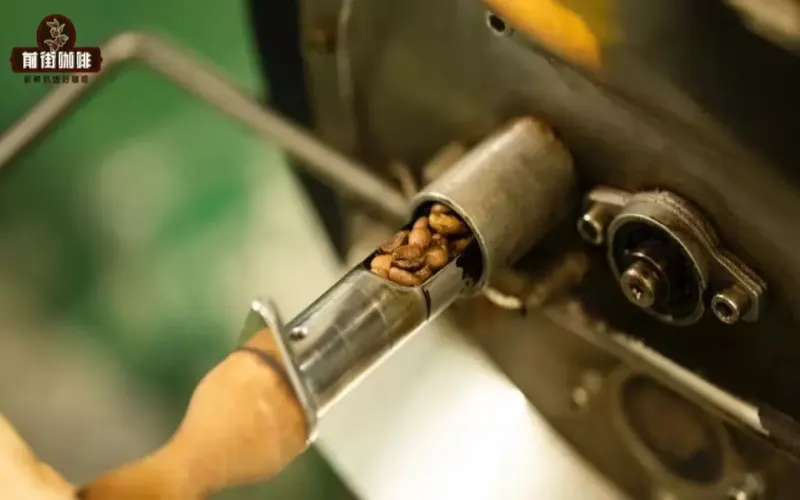
Espresso coffee beans are usually made by blending a variety of coffee beans, and in Italy, a bag of beans may contain several or even dozens of beans from different origins. The core value of blending lies in maintaining flavor stability: when a certain bean's quality fluctuates, its production declines, or its price rises, the roaster can substitute it with beans of similar quality without changing the overall taste. Blending methods are mainly divided into two types: pre-roast blending and post-roast blending, each with different operational logic and suitable scenarios. This article focuses on the differences between these two blending methods, while also explaining the influence of roast degree on flavor, the reasons why single-origin beans find it difficult to independently serve as an espresso base, and recommending three classic espresso blend products from the Front Street Coffee brand, to help coffee enthusiasts understand the design approach and tasting direction of blend recipes. [more…]
Analysis of Concentration Differences Between Flat White and Latte: A Guide to Choosing Espresso Blend Beans
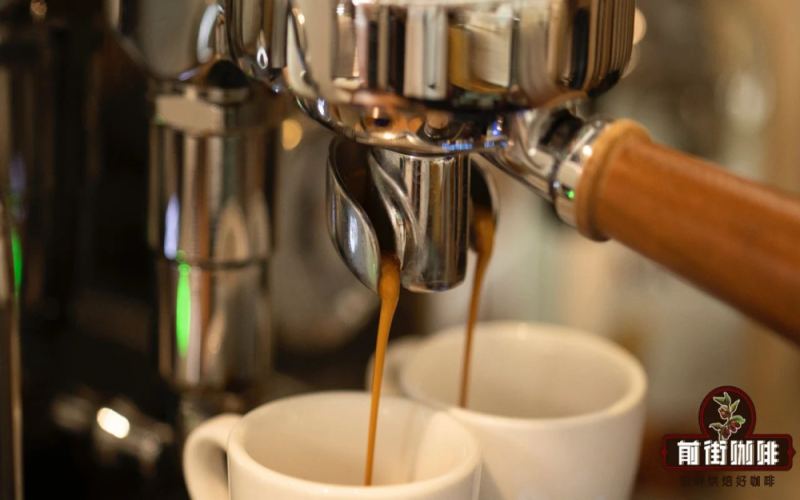
Which is actually more intense, a flat white or a latte? What differences do the two have in espresso base, milk foam thickness, and cup size? Starting from the serving standards of Front Street Coffee, this article compares the preparation parameters of flat whites and lattes in detail, and further explores what kind of blend beans are suitable for espresso. The article also introduces the flavor characteristics and formula ratios of four espresso beans from Front Street—Sunflower Warm Sun, Specialty Blend, Commercial Blend, and Dark Cocoa Blend—to help coffee lovers choose the right espresso beans according to their personal taste. [more…]
Analysis of the Differences Between Mandheling and Espresso: A Guide to Golden Mandheling Pour-Over Parameters and Espresso Blend Selection
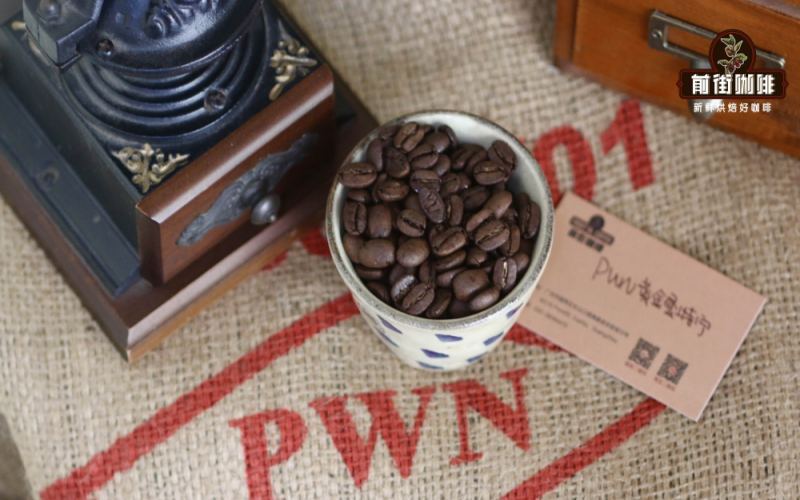
Although both Mandheling and espresso are known for their rich and full-bodied character, they belong to two entirely different categories: the former is synonymous with Arabica coffee beans from the Sumatra region of Indonesia, while the latter represents a brewing system that extracts espresso by means of pressurized steam. This article will review the flavor sources and brewing key points of Mandheling coffee, explain the roasting approach and pour-over parameters for Front Street PWN Golden Mandheling, and also analyze the extraction principles of espresso and the logic behind bean selection. It will also introduce several medium-dark roasted espresso blend coffee beans launched by Front Street Coffee for different taste preferences, helping coffee lovers more clearly understand the differences between the two and the respective drinking scenarios for which each is suited. [more…]
A Comprehensive Analysis of Espresso Blends: Blending Goals, Selection Strategies, and the Differences Between Raw and Roasted Blending
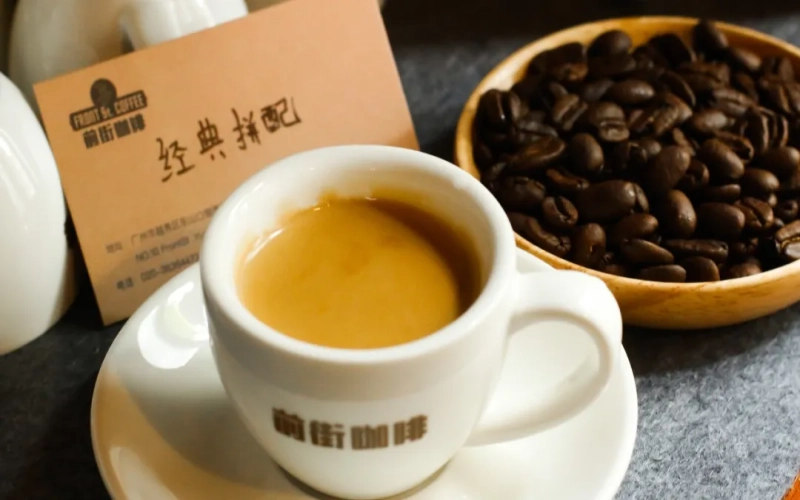
Blending coffee is not simply mixing beans together, but rather combining beans of different varieties, origins, or roast levels as needed—usually 2 to 5 kinds—to achieve a balanced taste, stable flavor, or a unique flavor profile. This article starts with the definition of blending and its four main purposes, explaining how to determine the best approach through cupping and a blending plan, and distinguishing the differences between raw blending and roasted blending. At the same time, drawing on three classic espresso blends from the Front Street brand—Classic Blend, Strawberry Candy Blend, and Dark Cocoa Blend—it offers specific selection advice for enthusiasts with different taste preferences. [more…]
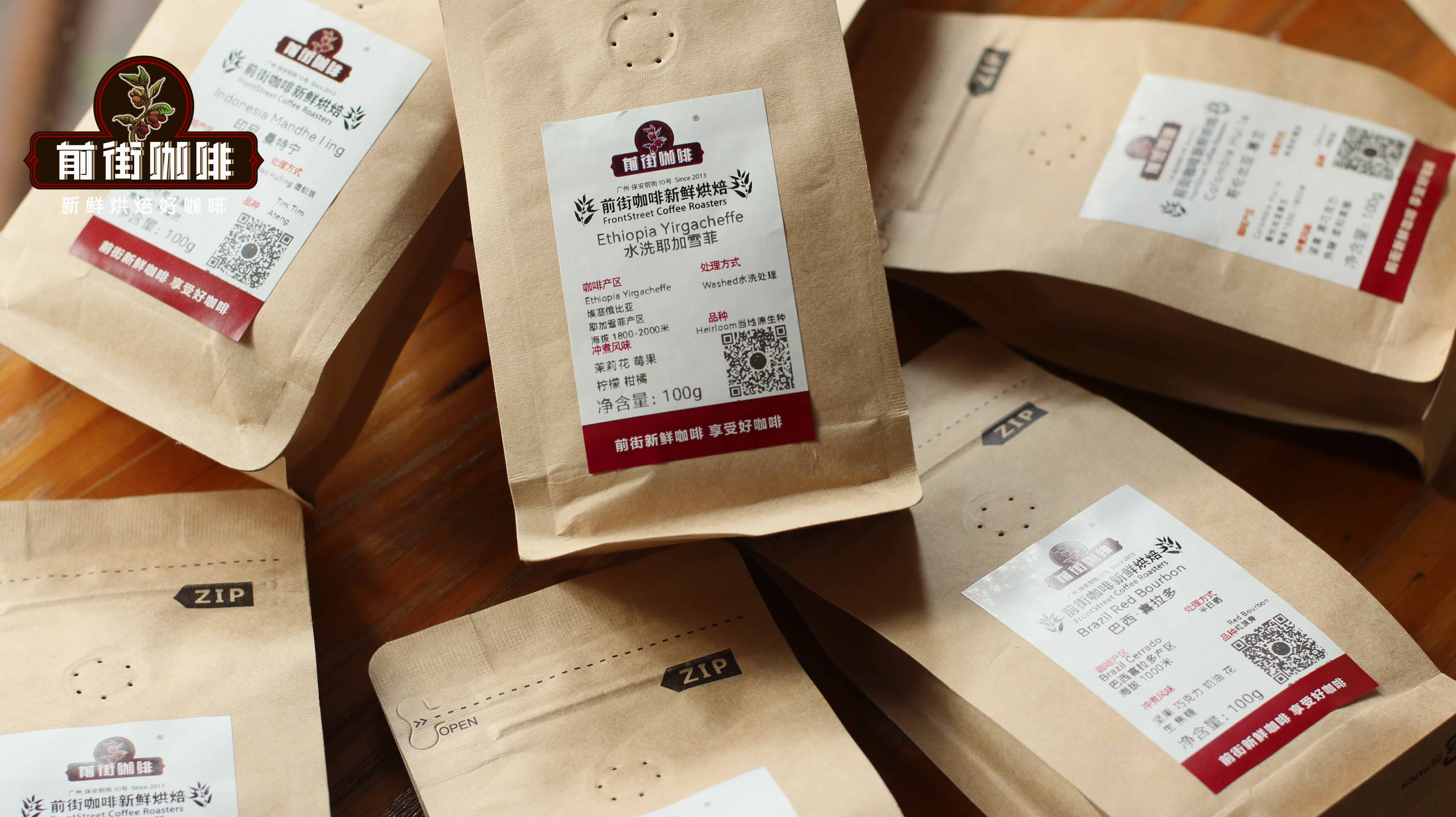
How to Choose a Low-Acid Espresso Blend? Differences in Acidity Between Brazil and Mandheling and Analysis of Front Street Coffee's Classic Recipe
Many people who drink espresso prefer a style that isn't sour or is low in acidity, but the sour and bitter expression of coffee is actually closely related to variety, origin, processing method, and roast level. This article starts from roast level and regional characteristics, analyzing the differences in acidity between Brazil and Indonesian Mandheling, and how they are combined into a rich, balanced, low-acid espresso blend. It also introduces the two-continent, three-country formulation approach behind Front Street Coffee's classic espresso blend, as well as the unique flavors brought by the wet-hulled processing method of Mandheling, helping coffee lovers understand the design logic and key purchasing points of low-acid espresso beans. [more…]
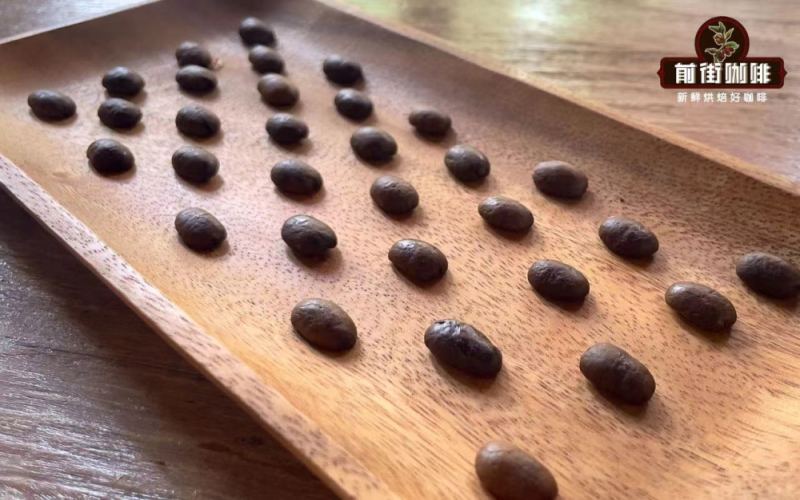
How to Distinguish Mandheling from Espresso: A Full Analysis of the Flavor Differences Between Blends and Single-Origin Beans
Many coffee lovers are curious: between espresso and Indonesian Mandheling coffee, which one is actually better suited to their taste? The difference between the two is not something that can be summed up simply as "tasty" versus "not tasty." In this article, Front Street Coffee starts from the definition of espresso, the flavor characteristics of Mandheling coffee, and the logic behind using single-origin beans versus blend beans, to systematically sort out the essential differences between the two in terms of mouthfeel, concentration, and extraction method. At the same time, Front Street has also compiled detailed flavor information on several popular espresso blends and Indonesian Mandheling single-origin beans sold in its stores, to help readers make a clearer choice based on their own preferences. [more…]
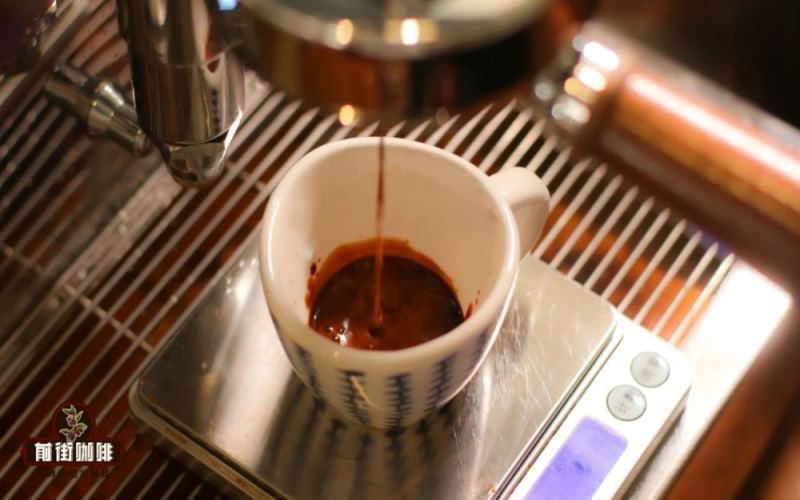
Differences in Drinking Methods Between Espresso and Americano: A Flavor Comparison of Italian Blend Beans and SOE
Espresso and Americano both belong to the Italian coffee system, yet the drinking experience they offer is entirely different. Espresso uses pressurized extraction to concentrate the essence of coffee into a 30ml cup; its flavor is rich and aromatic, yet it is often misunderstood by first-time tasters because of its bitterness. Starting from the sources of espresso's bitterness and the difference between Italian blend beans and SOE, this article sorts out the correct approach to tasting, and explains Americano's position as an espresso-plus-water drink. Combining specific products such as Front Street Coffee's commercial blend coffee beans and the Sunflower Warm Sun blend, it helps coffee lovers understand how different roast levels and bean choices affect espresso flavor, and find the cup that suits them. [more…]
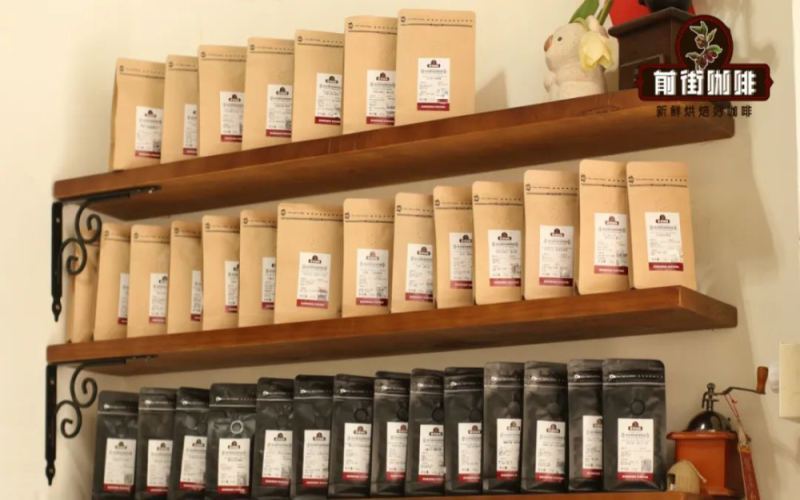
How to Choose Between Single-Origin, SOE, and Espresso Blend Coffee Beans? A Full Breakdown of Uses, Roasting, and Flavor Differences
Many coffee enthusiasts encounter a common confusion when selecting beans: what exactly is the difference between single-origin, SOE, and espresso blends? What scenarios does each suit? In fact, single-origin coffee beans emphasize traceable regional flavors, SOE is espresso made from single-origin beans, and blends are more like a creative combination that can both complement strengths and weaknesses and create entirely new flavors. From the perspective of Front Street, this article breaks down in detail the differences among the three in terms of definition, roasting logic, and practical uses, helping you more clearly understand the positioning of each type of bean and avoid falling into the misconception that "SOE is necessarily more premium than blends." [more…]

An In-Depth Analysis of the Core Differences Between Flat White and Latte: A Comprehensive Comparison from Milk Foam Thickness to Drinking Method
What exactly are the differences between a Flat White and a latte? Many people assume it is merely a matter of milk foam thickness, but in reality the two differ systematically in cup size, espresso dosage, milk foam texture, and serving temperature. This article begins with the controversy over the origins of the Flat White, sorts out the specific differences in preparation parameters between it and a latte, explains why a Flat White is served only hot, and offers equipment selection and operational advice for home brewing scenarios. At the same time, the article also compiles several Front Street Coffee espresso blends suitable for making a Flat White, including the Specialty Blend, Commercial Blend, and Dark Cocoa Blend, to help readers choose the right base beans and make a rich, full-bodied Flat White at home. [more…]
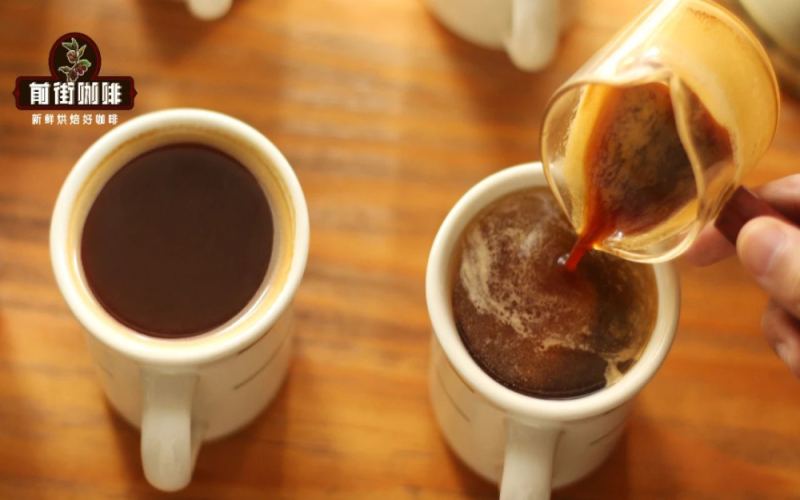
Can Americano Black Coffee Be Drunk with Milk? A Detailed Explanation of the Flavor Differences Between American and Italian Coffee Beans and the Extraction Principles
Can you add milk to an Americano? What exactly is the difference between it and espresso in terms of flavor and mouthfeel? These questions often confuse friends who are just getting into coffee. Drawing on the daily experience of Front Street Coffee baristas, this article sorts out the origins and brewing methods of Americano, compares the differences between American and Italian coffee in bean selection, and takes a deep dive into the extraction principles of espresso machines. It also introduces the flavor characteristics of espresso beans such as Front Street Commercial Blend, Warm Sun Blend, and Specialty Blend, as well as mechanical knowledge about water-to-coffee ratios, pumps, and boilers, to help you understand more comprehensively the logic behind a cup of coffee. [more…]
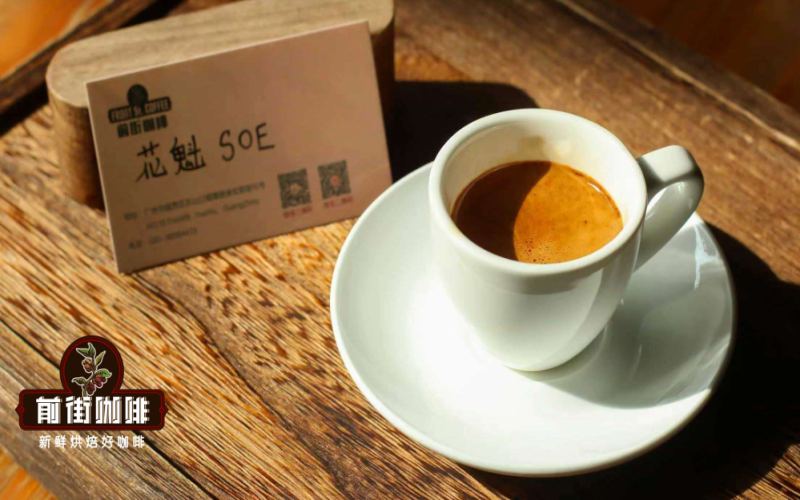
Coffee blend bean plans | What is the difference between single-origin pour-over beans and espresso blend beans? How do you determine the types of espresso blend coffee beans and the blending ratio?
What are blended coffee beans? What is the blending ratio for Front Street Coffee's espresso beans? Which beans are best for blended coffee beans? Recently, a friend asked Front Street Coffee: "Are all coffee beans suitable for making espresso?" No~ not all [more…]
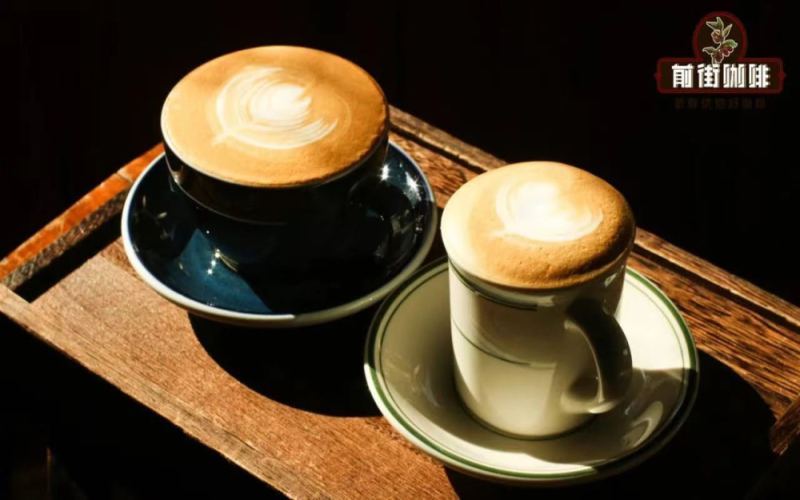
Espresso Bean Selection Guide: Analyzing the Differences Between Blends and Single-Origin Beans, with Front Street Coffee's Espresso Bean Recommendations
To make a delicious espresso at home, choosing the right beans is a key step. This article starts with the basics of espresso, explains why blended beans have become the mainstream choice for cafes when making espresso, and sorts out selection ideas for home users around three dimensions: cost-effectiveness, stability, and flavor compatibility. It also introduces in detail four products—Front Street Classic Espresso Blend, Strawberry Candy Espresso Blend, Specialty Blend, and Commercial Espresso Blend—explaining their respective origin combinations, roast levels, flavor performance, and applicable scenarios, helping coffee enthusiasts and operators find suitable espresso beans under different needs. [more…]
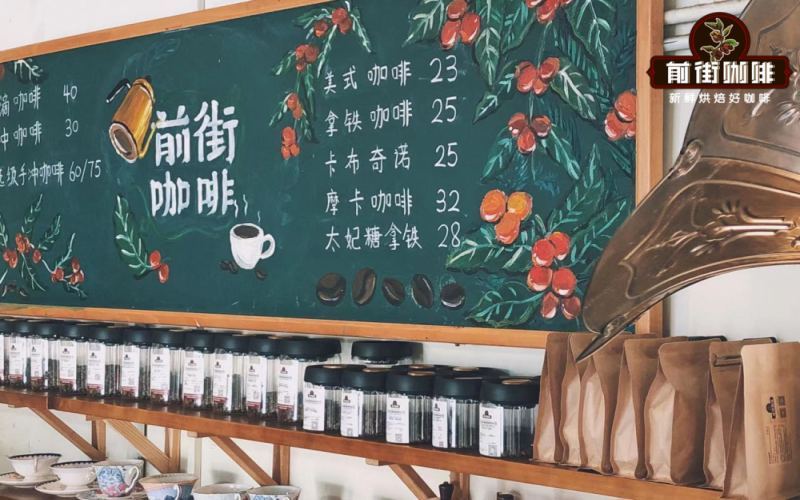
Beginner's Guide to Espresso Blend Beans: A Detailed Explanation of Blending Logic, Roasting Methods, and Flavor Differences from Single-Origin Beans
In the world of espresso, blend beans have always held a mainstream position. Walking into a Front Street Coffee store, you'll find that the bar offers both pour-over single-origin coffees and espresso classics like lattes and cappuccinos—and what's used behind the espresso drinks is precisely blend beans. This article will focus on espresso blend beans: first clarifying their definition and Italian origins, then comparing the flavor differences between blend beans and single-origin beans, breaking down the pros and cons of the two roasting approaches—pre-blend roasting and post-blend roasting—and introducing one by one the flavor characteristics and recipe ratios of Front Street's four espresso blend beans currently on sale, providing a reliable reference for friends looking to get into espresso beans. [more…]