







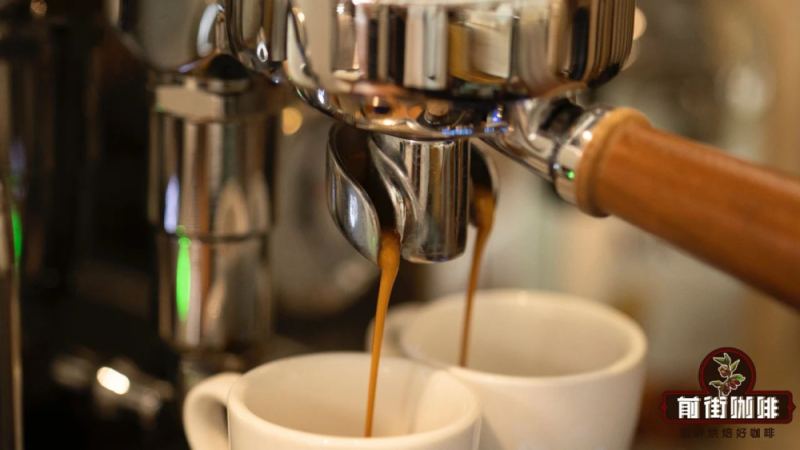
Which blended coffee beans suit a flat white or a latte?
A flat white carries a stronger coffee flavor than a latte, using less milk and thinner foam. New Zealand baristas favor a double ristretto as the base, while Australian baristas more often use a single espresso. In Australia the drink is served hot only, because ice dilutes the concentration and turns it into a latte.
Choosing blended coffee beans matters as much as the recipe. The comparison looks at four espresso blends and their ratios and flavor profiles, covering lightly roasted and darker options, so drinkers can match a blend to their own taste for either a flat white or a latte.
Which is actually more intense, a flat white or a latte? What differences do the two have in espresso base, milk foam thickness, and cup volume? Starting from the production standards of Front Street Coffee, this article compares flat white and latte in detail, and further explores what kind of blend beans are suitable for espresso. The article also introduces the flavor characteristics and blend ratios of four espresso beans from Front Street—Sunflower Warm Sun, Specialty Blend, Commercial Blend, and Black Cocoa Blend—to help coffee lovers choose suitable espresso beans according to their personal taste.
Anyone who has tasted a flat white knows that this drink never comes in an iced version. Once ice cubes are added, the liquid in the cup most likely degrades into a latte. Does this mean flat white is more concentrated than latte? Which of the two is sweeter? Below, Front Street Coffee will explain these questions one by one, and also explain how to distinguish flat white from latte.
What is Flat white coffee?
Flat white is a coffee drink that originated in Australia, so it is also called Australian white coffee, though some believe its true birthplace is New Zealand. Setting aside the debate over its origin, the methods of making flat white already differ from place to place. Overall, flat white is a milk coffee with a more prominent coffee flavor, less milk, and thinner milk foam. In terms of choosing the espresso base, New Zealand baristas prefer to use a double ristretto to make flat white, while Australian baristas are more accustomed to using a single espresso.
In addition, according to what Front Street Coffee has learned, in Australia flat white is only made as a hot drink. The reason is that once ice cubes are added, the whole drink loses the soul of flat white—the ice dilutes the overall concentration of the coffee. So in a sense, making flat white as a cold drink gives you a latte.
Then what is latte coffee?
The word latte is actually a transliteration of the Italian word "Latte," which originally means milk. Therefore, if you order a latte in an Italian café, what is brought to you may very well be just a glass of plain milk. In Italy, latte coffee refers to milk coffee. Later, with the spread of espresso machines, steam wands became standard equipment on espresso machines, heating milk became easy, and latte coffee in the modern sense gradually took shape. By the 1980s, baristas in Seattle, Washington, began to "paint" on the surface of coffee with milk of a velvety texture, which was the prototype of latte art.
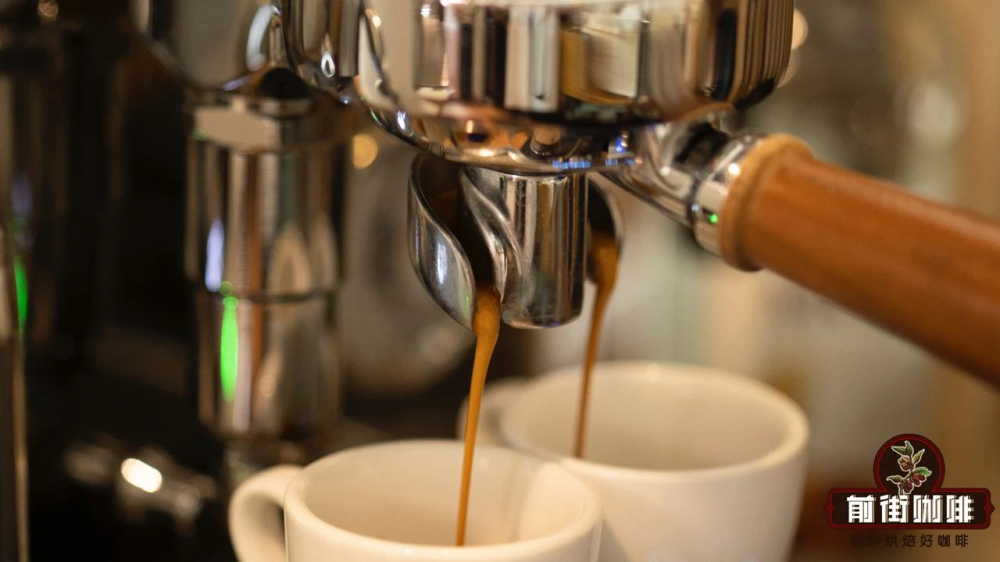
Because the espresso blend beans chosen by each café have different flavors, and the models of espresso machines also vary, latte coffee will show subtle differences from shop to shop in the ratio of milk to coffee, bean selection, extraction parameters, and so on. But overall, latte coffee is a drink made by adding a large amount of milk to espresso. Using different coffee beans will produce different latte flavors; changing the milk will also change the taste of the latte; and even adjusting the ratio of coffee to milk can present a completely different flavor direction.
How to distinguish flat white from latte?
So how exactly should flat white and latte be distinguished? Front Street Coffee believes the key lies in the espresso ratio of the two. Because every shop's flat white and latte ratios differ, here we use the production standards of Front Street Coffee as a reference:
Front Street Coffee's standard for latte: Use a 300ml ceramic coffee cup, with a 40g espresso base and a total of 260ml milk plus milk foam. The milk foam thickness is about 1 cm (steaming degree: steam milk from 5 parts full to 7 parts full of milk foam).
Front Street Coffee's standard for flat white: Use a 220ml glass cup, use 30g of espresso, and a total of 190ml milk plus milk foam. The milk foam thickness is about 0.5 cm (steaming degree: steam milk from 5 parts full to 5.5-6 parts full of milk foam).
Differences: In terms of cup volume, latte is larger than flat white. From the appearance, latte's milk foam is slightly thicker, with a slight bulge on the surface; flat white's milk foam is slightly thinner and appears flat. In terms of flavor, latte has a stronger milky taste, while flat white has a more prominent coffee taste. So Australians jokingly say that latte is coffee-flavored milk (essentially milk), while flat white is milk-flavored coffee (essentially coffee).
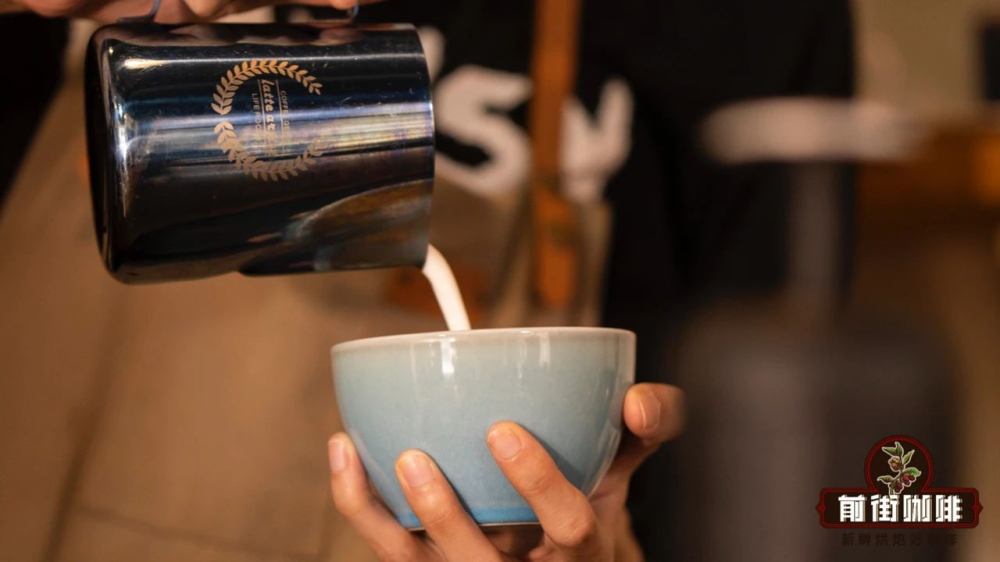
How to make flat white coffee?
So how exactly should flat white be made? How should latte be made? What coffee beans are suitable for making espresso? Next, Front Street Coffee will answer these one by one.
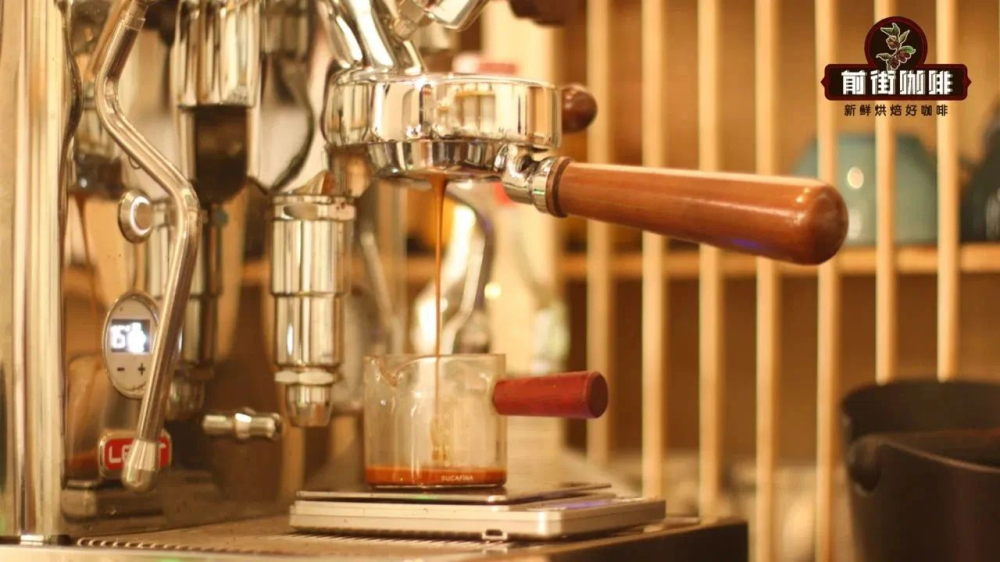
Front Street Coffee uses a Pegasus E98 espresso machine, and the extraction parameters are as follows:
Pressure: 9 bar
Temperature: 90.5~96°C
Time: 25~33 seconds
Coffee-to-water ratio: 1:1.7~1:2
Dose: 12g (single espresso) 20g (double espresso)
Extracted espresso amount: 20ml (single) 40ml (double)
Recommended milk-to-coffee ratio for flat white

Milk: whole fresh milk (Front Street uses Vitasoy fresh milk)
Milk steaming temperature: 50-60°C (if the temperature is too low, the sweetness of lactose in the milk cannot be brought out; if the temperature is too high, the protein in the milk will be damaged, producing a grainy texture)
Milk foam thickness: 5mm (1cm milk foam is used to make latte, and 1.5cm thick milk foam is used to make cappuccino)
Espresso amount: 40ml
Milk amount: 140ml
The ratio for making latte is as follows:
Front Street uses a Pegasus E98 espresso machine.
Pressure: 9 bar
Temperature: 90.5~96°C
Time: 25~33 seconds
Coffee-to-water ratio: 1:1.7~1:2
Dose: 12g (single espresso) 20g (double espresso)
Extracted espresso amount: 20ml (single) 40ml (double)
When Front Street makes latte, it uses double espresso. The flavor expression after extracting the coffee beans is: obvious fruity acidity, a faint berry aroma lingering, rich winey and chocolate flavors, and a comfortable sweet aftertaste.
Milk: whole fresh milk (Front Street uses Bright Fresh Pasture milk)
Milk steaming temperature: 50-60°C (if the temperature is too low, the sweetness of lactose in the milk cannot be brought out; if the temperature is too high, the protein in the milk will be damaged, producing a grainy texture)
Milk foam thickness: 1 cm (milk foam thinner than 1 cm is used to make flat white, and milk foam thicker than 1 cm is used to make cappuccino)
The above are the parameters used by Front Street Coffee when making Flat white coffee and latte. In addition, Front Street Coffee also understands that each café uses espresso blend beans with different flavors and different models of espresso machines, so latte will have subtle differences from shop to shop in the ratio of milk to coffee, bean selection, extraction parameters, and so on. But generally speaking, latte is a drink made by adding a large amount of milk to espresso. Lattes made with different coffee beans will have different flavors, lattes made with different milk will also have different flavors, and even different ratios of coffee to milk can present different flavors.
What coffee beans are used for espresso
Generally speaking, coffee beans used to make espresso must be suitable for espresso machines, so coffee with too light a roast level is not suitable for making latte. The darker the roast level of the coffee beans, the stronger the coffee taste of the latte made from them (caramel, bitterness). The lighter the roast level of the coffee beans, the more obvious the milky taste of the latte made from them. Therefore, a moderate roast level should be chosen so that the coffee and milk blend better.

Because espresso machines have a very distinct characteristic, which is that they amplify the original flavor of the coffee beans. Coffee beans with a light roast already have relatively prominent acidity, and if extracted with an espresso machine, the acidity will be even more obvious, so lightly roasted coffee beans are not suitable for making espresso.
In addition, the coffee beans used for espresso currently seen on the coffee market are all blends of beans from multiple origins, commonly known as espresso blend beans. This is because the origin of blended coffee comes from Italy. The common espresso drinks in cafés, whether latte, mocha, or cappuccino, all use blend beans. The reason is that blended coffee beans can make coffee that is not mellow enough originally become more mellow.
The initial appearance of Italian blended coffee was because rich, bitter espresso was popular at the time, while single-origin coffee has a tendency toward flavor imbalance, meaning advantages and disadvantages coexist. In addition, high-quality single-origin coffee beans are expensive, while blended coffee is more cost-effective, lower in price than single-origin coffee, and can also achieve a unique flavor. Therefore, at that time, many Italians chose blended coffee rather than single-origin coffee, and blended coffee developed in this way and remains popular to this day.
Moreover, Front Street Coffee believes that the main purpose of blended coffee is to maintain stable flavor and balanced taste. Because coffee fruit is always a crop, the flavor of the coffee fruit may be unstable each year due to climate and environmental issues. It may be sweeter this year and less sweet next year. Mixing several coffee beans together can solve this problem well, and at least can keep the coffee flavor tasted each year consistent.
For example, the Front Street Sunflower Warm Sun series currently used in Front Street Coffee's shop is Front Street's most proud blended coffee creation. It is blended from Honduras Sherry coffee and Yirgacheffe sun-dried Red Cherry coffee, and when added to milk it highlights rich chocolate, caramel, and slightly tipsy flavors.
Next, Front Street Coffee will introduce the characteristics of this coffee bean!
Front Street Coffee Sunflower Warm Sun Blend Flavor: Obvious fruity acidity, a faint berry aroma, winey notes, rich chocolate flavor, and a noticeable sweet aftertaste. Formula: Honduras Sherry : Yirgacheffe Red Cherry = 7:3
For this blend, Front Street uses Yirgacheffe sun-dried Red Cherry and Honduras Sherry. Front Street's design concept for this blend bean is that it can be used for both espresso and pour-over. When used to make espresso, the flavor it gives off has an obvious fermented wine aroma. On the palate, the acidity of citrus and berries immediately emerges, with whiskey aroma, and the aftertaste is dark chocolate.
Next, Front Street Coffee has also developed another three espresso blend beans for coffee lovers to choose from. Each blended coffee bean has its own characteristics, so you only need to choose according to the flavor you like.
Front Street Coffee Specialty Blend Flavor: Soft slight acidity, light sweetness, nutty sweet aftertaste, overall not too stimulating, mild, with medium body. Formula: Colombia : Brazil = 3:7

For this blend, Front Street uses Brazil and Colombia. It tastes of a faint roasted grassy aroma, lightly fragrant with a slight bitterness, smooth and pleasant, with a refreshing aftertaste. This is because coffee beans from Colombia's Huila region have a pleasant acidity, fragrant aroma, moderate acidity, and rich sweetness that is very intriguing; coffee beans from Brazil's Cerrado region have a comfortable bittersweet taste and are extremely smooth on the palate. So the combination is simply wonderful.
Front Street Coffee Commercial Blend Flavor: Caramel sweetness, nutty and cocoa-like, dark chocolate flavors, balanced acidity and sweetness, slightly bittersweet, with a lasting aftertaste. Formula: Colombia : Brazil : Robusta = 3:6:1
For this blend, Front Street uses coffee beans from Brazil and Colombia plus 10% Robusta coffee beans. The taste is classic. Front Street believes that this blend tastes of rich body and mouthfeel with caramel sweetness, and also carries nutty and cocoa-like, dark chocolate flavors, balanced acidity and sweetness, slightly bittersweet, with a lasting aftertaste. This commercial blend, like Front Street Coffee's Specialty Blend, uses a ratio of Colombian and Brazilian coffee beans. The difference is that Robusta is also added, which provides rich crema and makes the coffee taste even more mellow.
The espresso coffee bean recommended by many baristas at Front Street Coffee—Front Street Black Cocoa Blend Flavor: With soft fruity acidity, caramel sweetness, nutty and dark chocolate flavors, smooth and viscous, but relatively light in taste. Formula: Yunnan : Brazil = 3:7
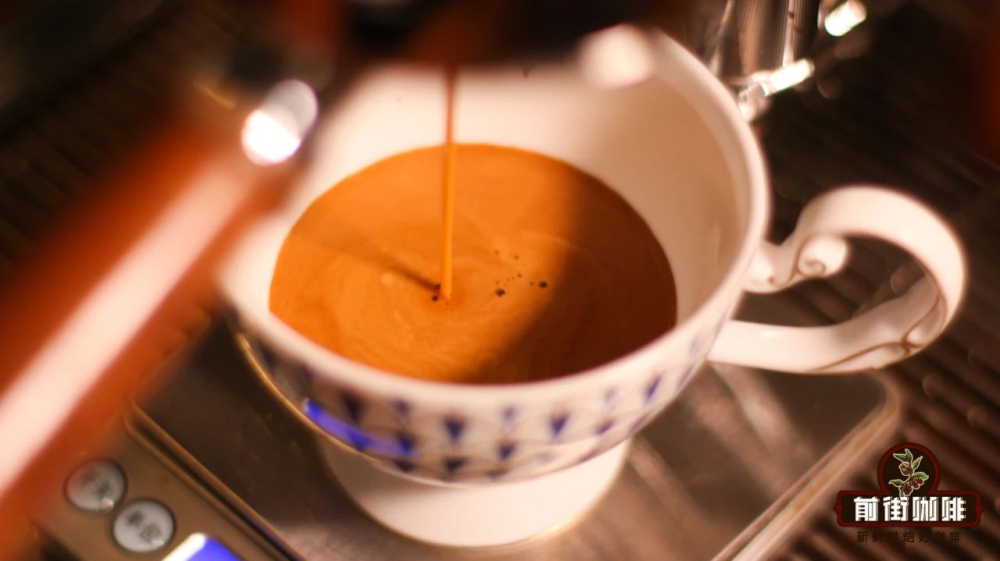
For this blend, Front Street uses Brazil and Yunnan. Front Street believes it tastes of soft fruity acidity and caramel sweetness, as well as nutty and dark chocolate flavors, smooth and viscous, but relatively light in taste. This is because Yunnan's natural conditions are very similar to Colombia's: high altitude, large temperature difference between day and night, a mellow flavor profile, moderate acidity, rich and full-bodied taste, uniform bean size, high oil content, and fruity aroma. Its quality and mouthfeel are similar to Colombian coffee. However, the taste is still slightly lighter than Colombian coffee, while coffee beans from Brazil's Cerrado region have a comfortable bittersweet taste and are extremely smooth on the palate. Therefore, the flavor of these two coffee beans mixed together is also quite good, and this espresso coffee bean recommended by many baristas—Front Street Black Cocoa Blend coffee beans—is very cost-effective and suitable for espresso beginners and small coffee shops.
The above is the related content about flat white compiled by Front Street Coffee. We hope it can help coffee lovers who want to learn related knowledge, so that in the future they can choose espresso blend coffee beans that suit their own taste.
For more specialty coffee beans, please add the private WeChat of Front Street Coffee, WeChat ID: kaixinguoguo0925
The above content is compiled by CoffeeHunters, a coffee news website.


