







Search Results for: Didi driver

A ride-hailing driver turned the center console into a pour-over bar, so you can get a fresh cup of coffee while waiting at a red light.
Everyone has seen mobile coffee carts, but have you ever seen a coffee bar installed inside a driver's cab, mounted above the center console? A Didi driver had a flash of inspiration and set up a complete pour-over coffee kit in his car, so he could brew himself a cup of hot coffee while stuck in traffic or waiting at a red light, and netizens jokingly dubbed him a "time management master." Some people envy him and want to copy the setup, while others worry that the equipment might tip over during sudden braking, or whether operating it while driving affects road safety. Is this cup of pour-over coffee brewed on the move a charming touch of life or a safety hazard? Front Street Coffee has also taken note of this topic and will walk you through the feasible boundaries of in-car coffee. [more…]

Colombian truck drivers block roads to protest diesel price hikes, disrupting transport and supply chains for coffee and other agricultural products
Colombia has been hit by truck driver protests blocking roads since September 2, triggered by the government's decision to gradually phase out fuel subsidies and raise the price of diesel by 1,904 pesos per gallon. The protests have continued to escalate, with 136 road blockades reported nationwide, nearly 1.6 million people affected in their travels, and schools suspended in many places. Goods are piling up at ports and airports, and agricultural products such as fruit and coffee beans are rotting faster due to the high temperatures of the dry season. Colombia's Ministry of Mines and Energy has said diesel prices may continue to rise in the future, and although the government is willing to hold talks, its stance remains tough. Factors such as rising logistics costs, a shortage of truck drivers, and wildfires in Cauca Department that have destroyed coffee fields are compounding, driving Colombian coffee prices steadily higher and putting the supply chain at risk of further deterioration. [more…]
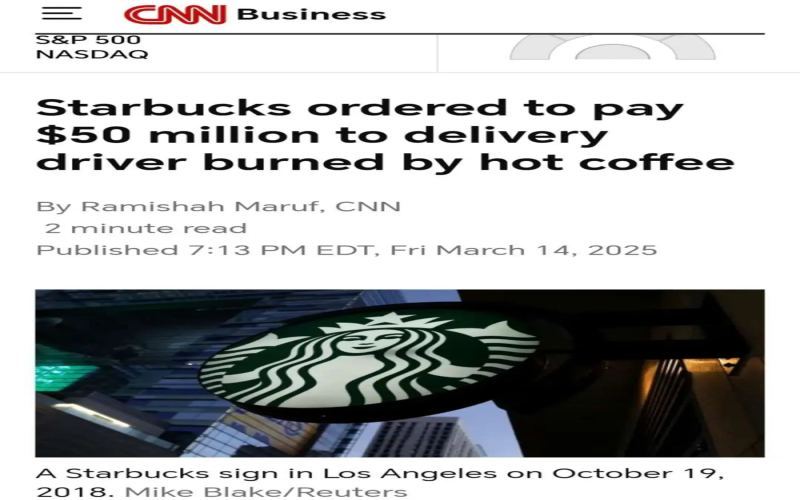
Starbucks hot drink cup lid not secured causes delivery driver third-degree burns, California jury awards 360 million yuan in damages
A hot beverage accidentally tipping over from a cup holder inflicted irreversible physical and psychological trauma on an ordinary delivery worker. A California jury recently ruled that Starbucks must pay up to $50 million in damages, a total that could climb to $60 million when interest and attorney fees are included. At the heart of the case is the question of who should bear the duty of ensuring safety during the beverage handoff. Surveillance footage, medical records, and the conflicting accounts of both sides together paint the picture of a years-long legal tug-of-war. This article lays out the full sequence of events, the injured person's condition, the basis for the ruling, and Starbucks' response and intention to appeal, guiding you through this consumer safety lawsuit that has drawn widespread attention. [more…]

The Making of Viennese Coffee, the Origin of Cream Latte, and a Study of the Founder of Blue Bottle House
When and by whom was cream first added to coffee? This article begins with the origins of Viennese coffee, traces its connection to the coachman's Einspänner, and follows the coffee localization practices of Kolschitzky, founder of the Blue Bottle House, after 1684, revealing how cream coffee spread from Vienna to the world. It includes both detailed brewing and preparation steps for traditional Viennese coffee and an introduction to the diverse modern ways of enjoying cream coffee, along with product suggestions and brewing parameters for Front Street Dark Cocoa Blend, PWN Golden Mandheling, and more, balancing historical interest with practical reference. [more…]
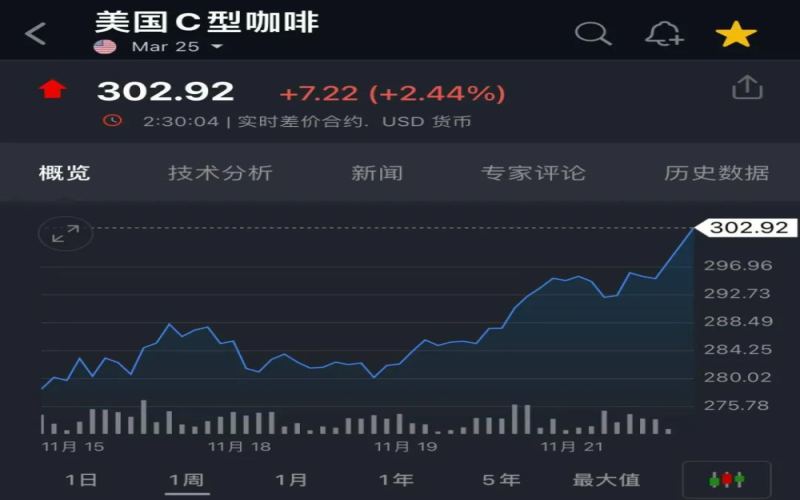
Coffee futures break through 300 cents to a 13-year high, with Brazilian drought and tight inventories as the main drivers
Recently, U.S. C-type coffee futures prices have been climbing steadily, breaking through the 300 cents per pound mark, touching an intraday high of 303.93 cents, and finally closing at 302.92 cents, setting a new 13-year record and simultaneously driving Robusta coffee futures higher. The core driver of this rally comes from the USDA Foreign Agricultural Service (FAS) sharply lowering its forecast for Brazil's 2024/25 production to 66.4 million bags, a 5% reduction from the previous USDA estimate of 69.9 million bags. Combined with multiple factors including Brazil experiencing its worst drought since 1981 and inventories shrinking 26% year-on-year, market concerns over global coffee supply continue to intensify. Producing countries such as Honduras have also seen reduced output due to adverse weather, further exacerbating the tight supply situation. [more…]
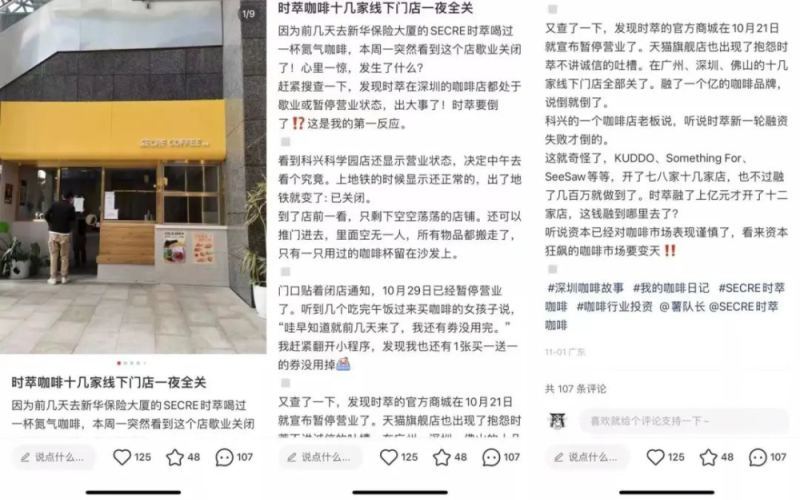
Time Extract Coffee's physical stores appear to have collectively shut down; the company once raised nearly 100 million yuan in funding, with a single-store valuation exceeding 100 million.
Once regarded as a key player in the specialty instant coffee sector, Shicui Coffee has recently been exposed by netizens for the near-simultaneous closure of its offline stores in multiple locations. Founded in 2019, this brand rose rapidly with its internet-savvy team and subscription-based model. After securing nearly 100 million yuan in financing in 2021, it accelerated its offline expansion, with a single-store valuation once exceeding 100 million yuan. However, stores in Shenzhen, Guangzhou, Foshan, and other places have now posted closure notices, the official phone line goes unanswered, and only the Lingnan Tiandi store in Foshan remains open. Although its e-commerce channels are still operating normally, does the offline setback mean the brand will retreat to its main online battlefield? Its financing-driven growth model has also prompted the industry to reflect on the risk resilience of emerging coffee brands. [more…]

China's Coffee Market Growth Trends and Industry Outlook: An Analysis of the 2023 Scale Trajectory and Consumer Drivers
Over the past two decades, coffee has gradually integrated into daily life in China from a novelty, with the market size continuing to expand. Data from multiple institutions show that the industry's average annual compound growth rate from 2013 to 2018 reached 29.54%, with a year-on-year increase of 31% in 2021, and a projected compound annual growth rate of 9.63% from 2022 to 2025. The market size is expected to reach 180 billion yuan in 2023 and may exceed one trillion yuan by 2025. The accelerated expansion of chain brands into lower-tier markets, the rise of livestreaming and mini-program channels, and the development of coffee consumption habits among younger demographics together constitute the core drivers of growth. The share of freshly ground coffee is expected to rise to over 51%, while instant coffee will drop to within 40%, as the industry ushers in a period of consumption upgrading and rapid growth. [more…]
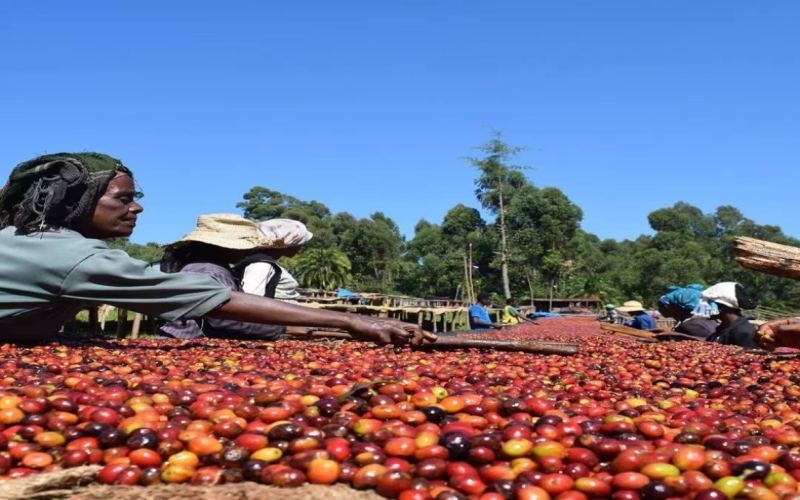
Hacienda Altieri: Family Management and Processing Innovation as Twin Drivers
In August 2026, the 30th BOP concluded in Boquete. In the Traditional Varieties category, Altieri Specialty Coffee took first place with 93.63 points, leaving Hacienda La Esmeralda and Santa Teresa Estate behind, setting [more…]
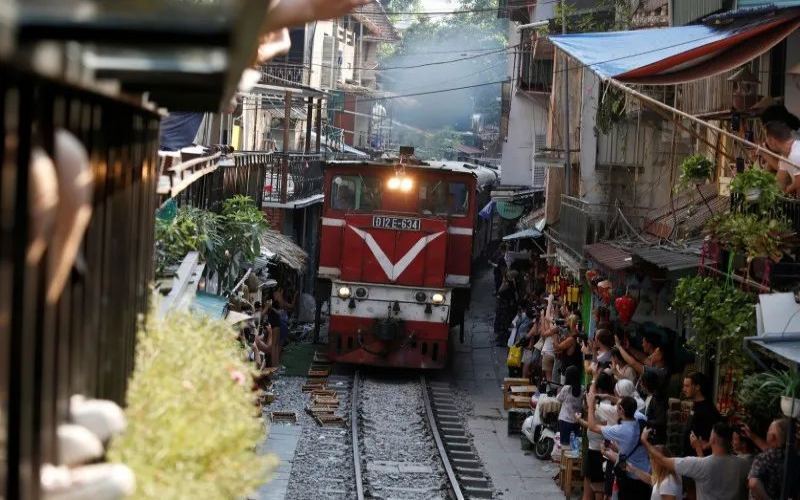
Hanoi's railway coffee street in Vietnam was shut down just days after reopening: how to balance safety hazards and tourism demand
After being closed for more than two years due to the pandemic and violations of railway safety regulations, Hanoi's Railway Coffee Street in Vietnam was forced to shut down by authorities just days after it reopened. This railway alley, which is only about one meter from people's homes, once became a popular check-in spot because tourists could drink coffee while watching trains pass through, but train drivers repeatedly had terrifying moments when tourists suddenly rushed onto the tracks. Hoan Kiem District authorities have set up barricades and revoked business licenses, leaving businesses with no choice but to close. The local government said it will study plans that balance safety and tourism needs, while tourists and netizens have been discussing the matter widely. [more…]

Low-price traffic drivers coexist with higher prices for regulars: Luckin Coffee's pricing strategy sparks heated discussion
In recent years, the price war in the coffee market has intensified. While brands use prices as low as 9.9 yuan or even lower to attract new customers, they also allow various money-saving guides to circulate freely on social platforms. However, a media investigation found that Luckin Coffee offers vastly different prices to users based on their consumption frequency—high-frequency consumers actually end up paying more. This article sorts out the common channels for money-saving guides, the phenomenon of Luckin's low-price coupons on platforms like Douyin, and a detailed month-long process in which reporters used multiple phones to test pricing differences in the Luckin mini-program, revealing the opacity of the system's recommended discount plans. For coffee lovers, understanding these pricing tricks may help you save a considerable amount of money. [more…]
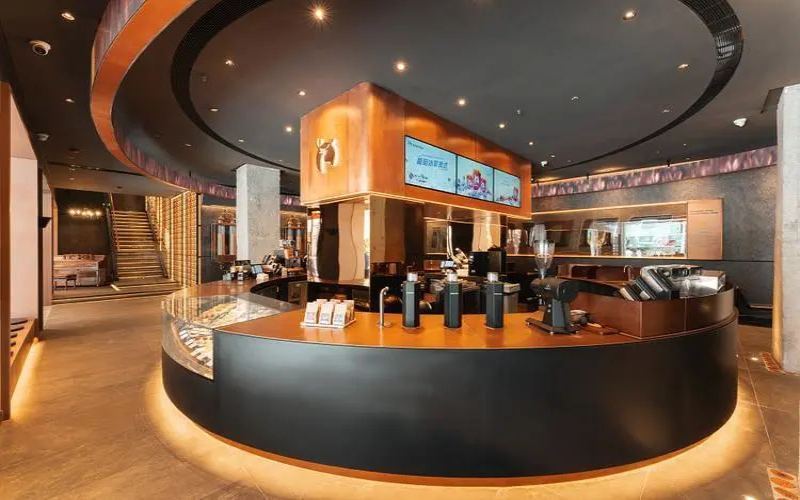
Luckin's Q2 revenue overtakes Starbucks China for the first time, with its ten-thousand-store scale and 9.9 strategy as key drivers
In the second quarter of 2023, Luckin Coffee delivered a remarkable report card: total net revenue of 6.2014 billion yuan, up 88% year-on-year, surpassing Starbucks China in revenue for the first time. At the same time, Luckin's total store count exceeded 10,836, making it the first chain coffee brand in China with over ten thousand stores. From the "store-attached franchise" policy to the "9.9 yuan every week" customer rewards campaign, Luckin is turning its scale advantage into long-term benefits for consumers. In overseas markets, however, Luckin has not continued its domestic low-price strategy; prices at its Singapore stores are even higher than those of local Starbucks, sparking considerable discussion. This article will walk you through the key figures and strategic moves behind Luckin's financial report. [more…]
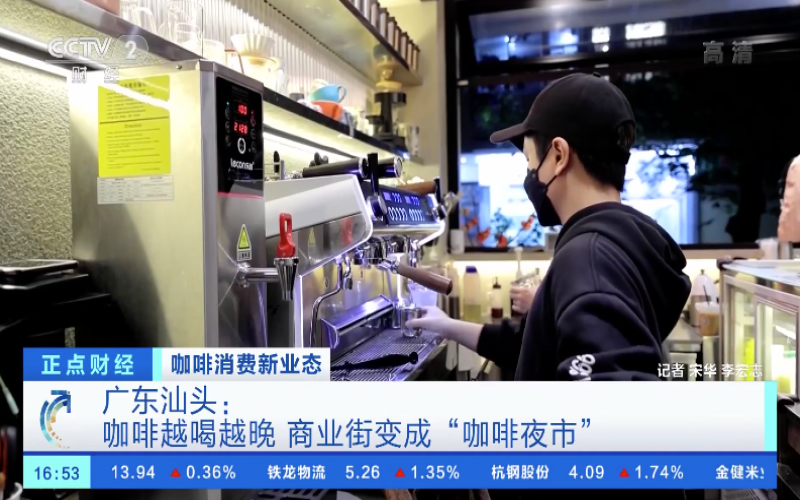
Nighttime coffee consumption is gradually becoming a new trend: coffee night markets are on the rise, and evening hours have become the main revenue driver for shops.
In the past, people used to drink coffee during the day and avoid caffeine at night to prevent it from affecting their sleep. However, as the coffee-drinking crowd continues to grow, a night coffee culture of drinking later and later is quietly emerging among young people. On a commercial street in Guangdong, 14 coffee shops of different styles are clustered within less than a hundred meters. After 9 p.m., every seat is taken, and the bustle is no less lively than a food night market. Some stores stay open until the early morning or even operate 24 hours without closing, and revenue from 8 p.m. to the early morning can account for more than 70 percent of the whole day's sales. This "small shop + outdoor" business format satisfies both the essential daytime demand and the nighttime social scenario, and also offers boutique coffee shops a new way to seek growth amid fierce competition. [more…]

Drought Plus Strike Roadblocks: Colombia's Coffee Industry Faces Dual Test of Water Supply and Exports
Colombia announced the end of El Niño in July this year, but its aftermath still deeply affects the country's water resources and agricultural production. Water usage for productive capacity at the Gori Las dam, Bogotá's main water source, has continued to decline, dropping from 52% in early August to 38.84% this week, and local drinking water regulators have introduced stricter water-saving and penalty measures. Meanwhile, the government's cancellation of fuel subsidies has triggered nationwide road blockades by truck drivers, obstructing access to major ports such as Valle del Cauca department, directly impacting the coffee logistics chain from producing regions to ports. For the coffee industry, it must contend with both the planting pressure of limited irrigation water and the trade risks of disrupted export transportation. Recalling that national protests in 2021 nearly reduced coffee exports to zero in May of that year, industry insiders worry whether this round of crisis will repeat if the strike continues, warranting sustained attention. [more…]
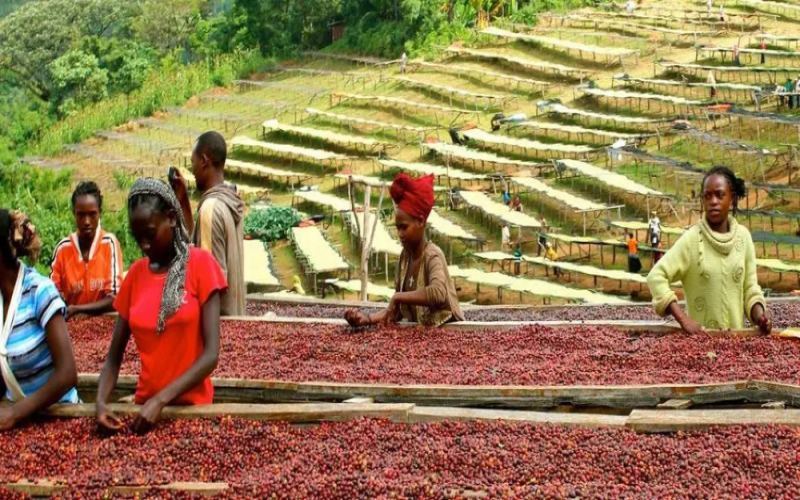
Ethiopian Coffee Exports Face Shipping Delays, Government Plans to Open Rail Freight to Private Capital
Ethiopia's domestic security situation remains tense, with truck drivers frequently attacked, severely disrupting overland transport of major exports such as coffee. As coffee exports account for 30% to 35% of the country's export earnings, transport problems could exacerbate inflation and economic recession. The government is considering shifting to rail transport and plans to allow the private sector to participate in rail freight to reduce logistics costs. However, the existing railway faces challenges including speeds of only 30 kilometers per hour and capacity that is far from fully utilized. This article will outline the background of the situation, its impact, and possible future solutions, along with related product recommendations from Front Street Coffee. [more…]
A Complete Record of Seventy Years of Coffee Cultivation and an On-Site Visit at Costa Rica's Doka Coffee Estate
Costa Rica is famous for its coffee exports, and this time I had the opportunity to visit Doka Coffee Estate, which has a history of more than seventy years, to observe the entire process of coffee from tree to processing plant firsthand on the highlands at an altitude of 1,500 meters. The article documents the estate's planting scale, the ripe color of the coffee cherries, and the manual labor methods used during the harvest season, and also includes a memorable Uber ride anecdote. The estate also features natural sights such as the Tree of Love and giant hydrangeas, and admission and guided tour information is compiled as well, making it a useful reference for enthusiasts planning a trip to Costa Rica's coffee-growing regions. [more…]
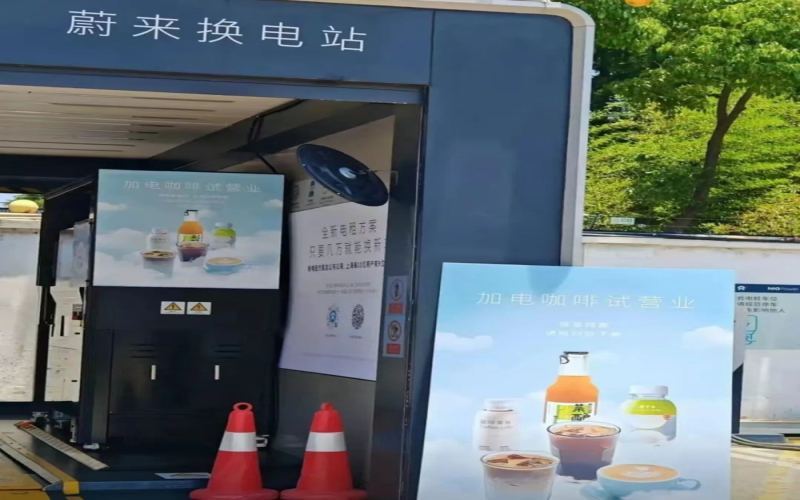
NIO Power Swap Stations Launch Freshly Ground Coffee Service: Robotic Arms Deliver Drinks to Car Windows, Shanghai Pilot Sparks Heated Discussion Among Owners
As early as 2022, the new energy vehicle brand NIO created its own coffee brand to offer exclusive beverages to customers visiting its stores. Recently, some owners have discovered that this coffee service has expanded from the stores to battery swap stations, where fully automatic coffee machines have been installed and are in the testing phase. After users place orders via a mobile mini-program, the coffee is precisely delivered by a robotic arm to the driver's window, while bottled drinks are handed over by staff. Currently, only the Minxin Tea City battery swap station in Shanghai is running a trial of "charging coffee," and the brand says it will adjust the equipment based on feedback and may expand it nationwide in the future. This cross-industry service has drawn praise from car owners and also sparked discussions about safety and scenario expansion. [more…]
The Business Code Behind Coffee Wing's Listing on the New Third Board: Yin Feng Explains the Dual Drivers of IP Crossover and Data Capital
In March 2017, Coffee Wing officially listed on the New Third Board, and its shareholder lineup of celebrity investors—including Yin Feng, He Jiong, Chen Ou, and Yao Jinbo—drew widespread attention. As a benchmark case of cross-industry dining, what exactly has enabled Coffee Wing to achieve sustained growth? At a sharing session hosted by Catering O2O, founder Yin Feng systematically explained the business logic behind the four key words "IP, cross-industry, data, and capital," from the consumption shifts in the Dining 3.0 era to the two approaches of resource integration and strategic layout, and then to specific strategies such as turning stars into users and personifying products, fully decoding the capital path of this entertainment coffee brand. [more…]

Starbucks curbside pickup service tested: National Day promotion prize shortages and ordering difficulties spark user complaints
Since its launch in March this year, the "curbside pickup" service jointly introduced by Starbucks and Amap has aimed to provide a convenient coffee-buying experience for drivers and passengers during rush hour and on busy roads. However, a special promotion during the National Day holiday sparked considerable controversy. Due to limited stock, many customers were unable to get the cute pet tote bag offered as a gift in the campaign; at the same time, the ordering system had problems such as inaccurate route matching and closed stores still being able to accept orders, greatly reducing the user experience. In addition, the extra 3 yuan service fee also made some users feel it was unreasonable. Although Starbucks hoped to use this service to expand into new scenarios, the various inconveniences in actual operation led many netizens to question whether it was adequately prepared. This article will sort out the highlights of the campaign and user feedback in detail, and explore room for improvement in the curbside pickup service. [more…]
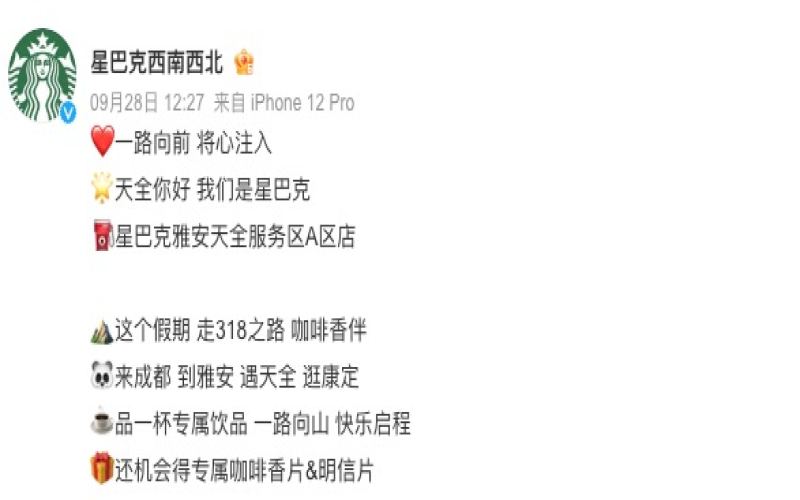
Starbucks opens at the Tianquan Service Area on the 318 Sichuan-Tibet Highway: freshly ground coffee even on a road trip
The G318 Sichuan-Tibet Highway is known as "the Chinese people's scenic avenue," with magnificent views along the way, but enjoying a freshly ground coffee during the long drive has always been a luxury. Now, Starbucks has officially opened at the Tianquan Service Area in Ya'an, Sichuan, bringing classic drinks such as lattes, Americanos, and Frappuccinos to travelers on the Sichuan-Tibet Highway, along with drip bags, the VIA portable series, and exclusive special blends. The Tianquan Service Area itself is already a popular check-in spot for Sichuan-Tibet road trippers, and Starbucks' arrival makes travel refueling even richer. Drivers have been sharing their surprise encounters with the new store on social media—some drew fun coffee catchphrases, and some became the 318th lucky customer. From now on, driving the Sichuan-Tibet Highway means you can wake up your caffeine anytime and enjoy a cup of hot, freshly ground coffee. [more…]
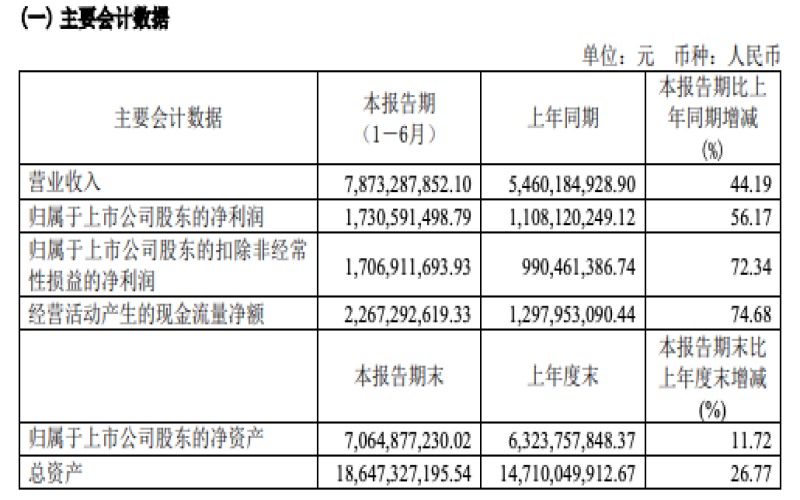
Dongpeng Beverage's revenue in the first half of 2024 reached 7.873 billion yuan, with net profit margin rising to 22%.
Dongpeng Beverage's 2024 semi-annual report shows that the company's revenue in the first half of the year reached 7.873 billion yuan, a year-on-year increase of 44.19%; net profit was 1.731 billion yuan, up 56.17%, of which second-quarter net profit was 1.07 billion yuan, a sharp year-on-year increase of 74.9%. The net profit margin climbed from 16.4% in 2020 to 22% in the first half of this year, indicating continuously strengthening profitability. The core flagship product Dongpeng Special Drink contributed 6.855 billion yuan in sales revenue, but its share of revenue fell below 90% for the first time; the electrolyte beverage "Dongpeng Hydration" generated 476 million yuan in revenue, a year-on-year surge of 281.12%, becoming a second growth curve. Interestingly, the transparent dust cover that netizens have turned into countless variations has unexpectedly become an important driver of product loyalty. Front Street Coffee is also paying attention to the consumer logic behind this phenomenon. [more…]