







How does the Luckin Coffee pricing strategy treat regulars?
Luckin Coffee uses low prices to bring in new customers while long-time regulars often pay more. A media investigation found that pricing differs by how frequently a user orders, so high-frequency buyers can end up with higher bills. Coupons on Douyin and similar platforms widen the gap: a latte ordered in the mini-program cost 18 yuan, while a Douyin voucher brought it to 14.5 yuan.
A reporter tested the Luckin mini-program across several phones for a month and found the recommended discount plans were not transparent. Low-price vouchers move in volume, with a 6.5 yuan iced latte coupon selling 170,000 units and an 8.88 yuan coconut latte coupon reaching 133,000. Tutorial news coffee posts and money-saving guides spread fast because algorithms keep pushing them to users.
The price war in the coffee market has intensified in recent years, with brands luring new customers with prices as low as 9.9 yuan or even lower, while allowing various money-saving guides to circulate freely on social platforms. However, a media investigation found that Luckin Coffee offers vastly different prices to users based on their consumption frequency—high-frequency consumers actually end up paying more. This article sorts out the common channels for money-saving guides, the phenomenon of low-price coupons for Luckin on platforms like Douyin, and the detailed process of a reporter spending a month testing pricing differences on the Luckin mini-program using multiple phones, while also revealing the lack of transparency in the system's recommended discount plans. For coffee lovers, understanding these pricing tricks may help you save quite a bit of unnecessary spending.
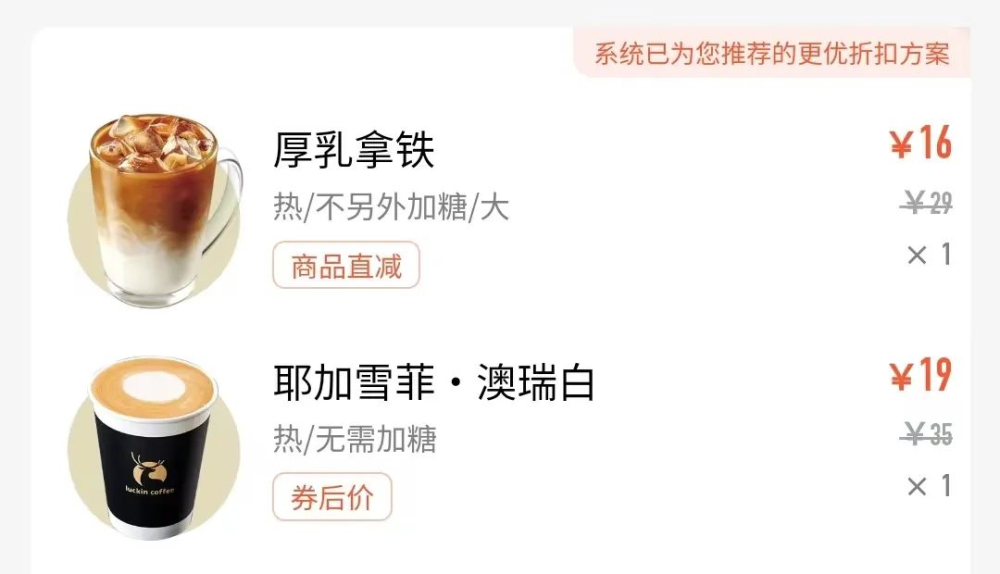
On one hand, coffee brands use low-price strategies to attract customers, pushing coffee that originally cost over twenty yuan down to just over ten yuan, with promotional prices even hitting 9.9 yuan; on the other hand, brands deliberately leave various discount openings for consumers to "hunt for bargains."
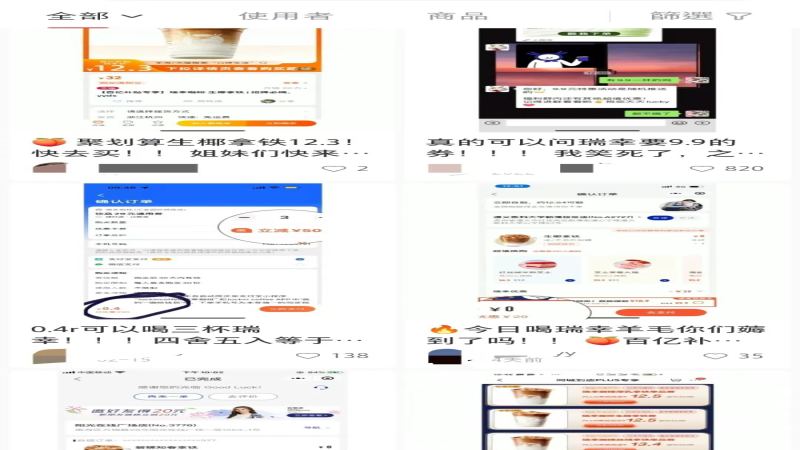
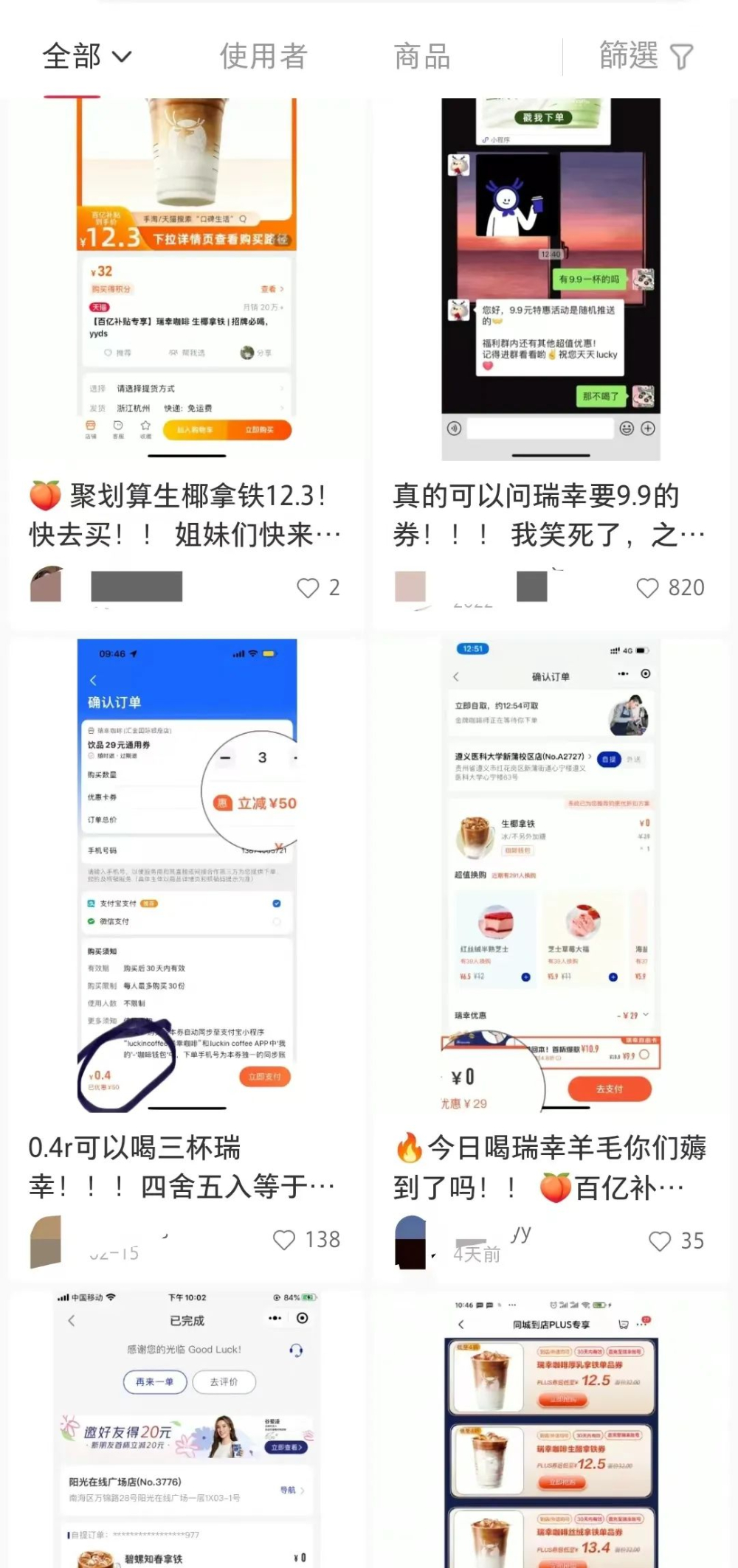
On platforms like Douyin and Xiaohongshu, a quick search turns up a large number of tutorials on how to score coffee deals, such as "one cent for Luckin" or "five yuan for Manner," and even Starbucks can be had for 9.9 yuan. More importantly, once you search on these platforms, the algorithm will continuously push similar guides to you.
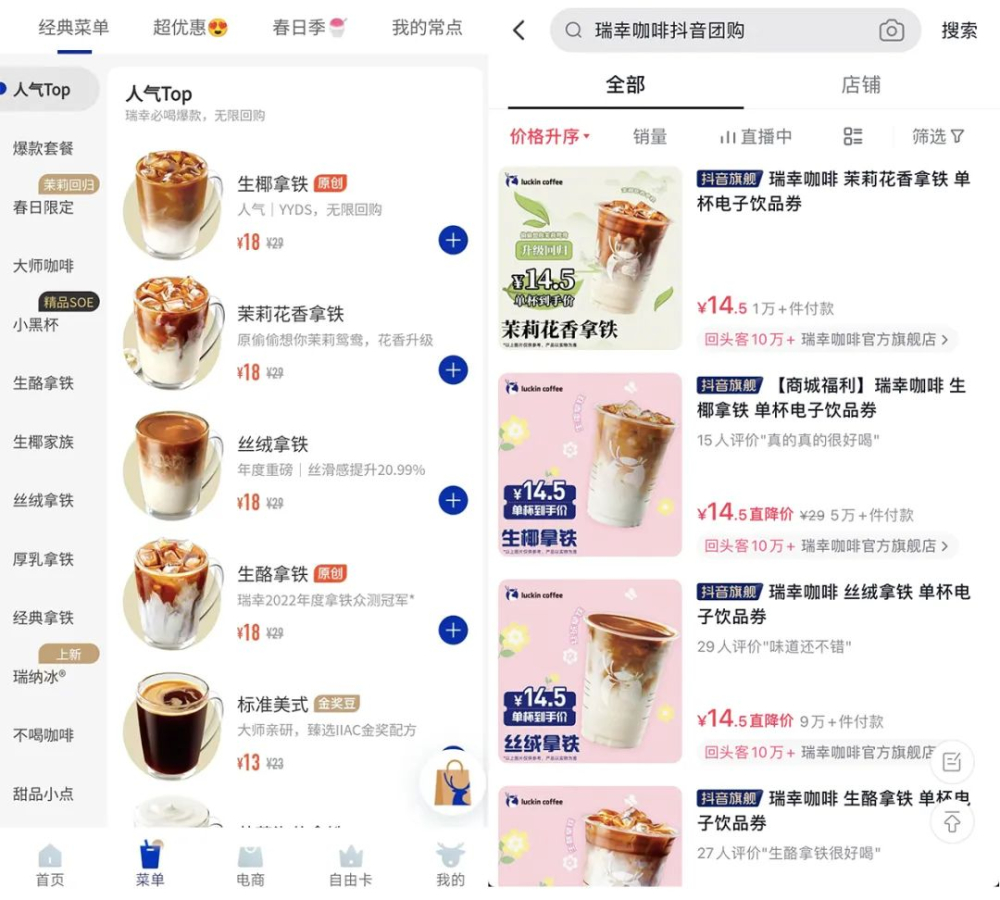
Discounts on Douyin are even more straightforward. For example, ordering directly through the Luckin Coffee mini-program costs 18 yuan for a latte; but if you buy a Luckin electronic voucher on Douyin Mall, the same latte is only 14.5 yuan.
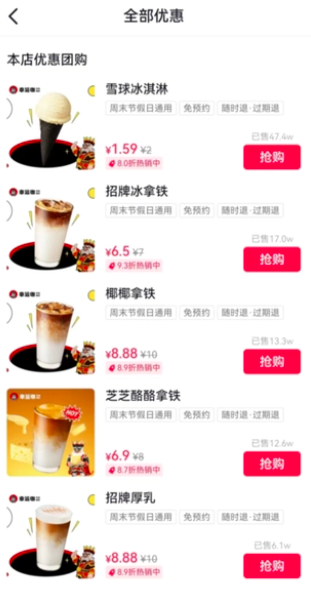
Lucky Cup has always been regarded as the gatekeeper of coffee prices, with inherently low pricing, yet grabbing coupons on Douyin makes it even more cost-effective. The data also confirms that saying—"there's no bad coffee, only an unsuitable price" and "who cares about the details when coffee costs just a few yuan." Lucky Cup's 6.5 yuan iced latte coupon sold 170,000 units, the 8.88 yuan coconut latte coupon reached 133,000 in sales, and the 6.9 yuan cheese latte also sold 126,000 units.
Just as bargain hunters were happily exploiting coffee brands, the brands were secretly "finding balance." According to a report by Huashang Daily's Dafeng News, a reporter placed nearly a hundred orders on Luckin Coffee using different phones, involving over a hundred cups of coffee, and found that the higher the purchase frequency, the higher the unit price—loyal customers even paid more than those who bought a cup occasionally.
The reporter described that on February 14, he used the same phone to order 2 cups of coffee on the Luckin mini-program, and the checkout showed a discounted price of 33.8 yuan. He then placed another order for the same coffee without paying, and the discounted price became 35.2 yuan. He then went back to pay for the first order and placed another order for the same coffee, but the price dropped to 30.65 yuan.
All these price changes stemmed from "the system has recommended a better discount plan for you," but users cannot view the specific details of the discount plan.
Over the following month, the reporter placed orders using different phones: Phone A ordered daily, Phone B ordered only 3 times, and Phone C had never ordered. On March 10, the reporter selected the same coffee on all three phones: Phone A showed 20 yuan, Phone B showed 18 yuan, and Phone C only 12 yuan.
Some netizens also reported on social platforms that they frequently order on the Luckin mini-program and hadn't seen a 9.9 yuan coupon for over half a year; while colleagues who only drink coffee occasionally could still see 9.9 yuan special offers on their homepage.
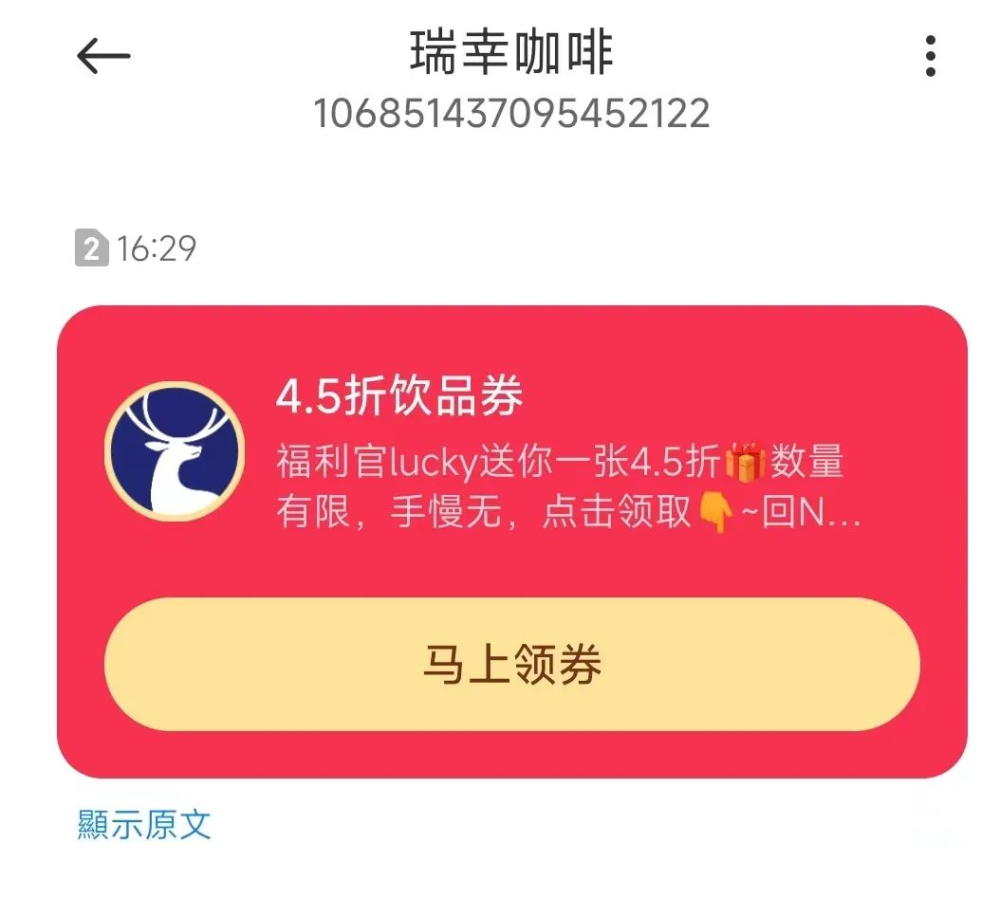
If you linger on the ordering page for a while, Luckin will also send a coupon claim link via text message. Coffee Workshop entered the Luckin mini-program around 16:20 to observe price changes, and by 16:29 received a 45% off coupon.
The reporter subsequently visited some Luckin stores, and the staff's response was: "The price was cheap at first because there was a coupon; later it wasn't that it got more expensive, but that there were no more coupons."
As coffee lovers, if you want to drink more cost-effective coffee, you might want to pay more attention to discount information recommended by brands like Front Street Coffee, and also be mindful of platform algorithms and pricing rules to avoid becoming a victim of "price discrimination against loyal customers."
The above content is compiled by CoffeeHunters, a coffee news website.


