







Search Results for: Defective Beans
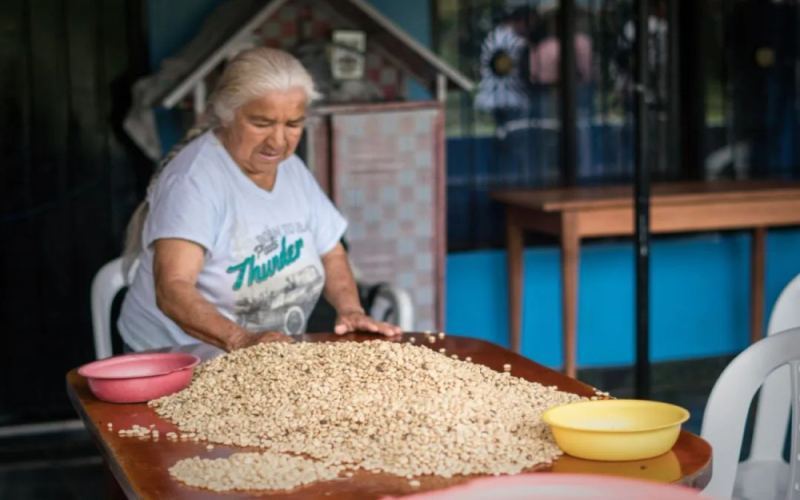
Do defective beans really change coffee flavor? From grading to roasting, we teach you to accurately identify various coffee bean defects.
Defective beans are generally considered in the specialty coffee world to affect the flavor performance of a cup of coffee. If you have the habit of buying coffee beans and brewing at home, do you need to specifically pick out defective beans before brewing? In fact, green coffee beans undergo grading after processing, and most grading systems include a defect rate indicator. The number of defects in high-grade coffee beans has already been pressed to a very low level. From green bean grading, removal before roasting, to screening after roasting, with layer upon layer of checks, there is basically no need to worry about defective bean issues when buying roasted single-origin coffee beans. However, some coffee beans that look like defects are actually normal phenomena. Front Street Coffee has summarized several common types of situations that are easily misjudged, to help everyone distinguish them accurately. [more…]
A Complete Guide to Coffee Defects: Ten Common Types, Causes, and Identification Methods Illustrated
The content of defective beans directly affects coffee quality and grade classification. Taking Brazil as an example, the local system uses a "deduction method," grading based on the number of defective beans per 300 grams of main beans. In addition, coffee usually requires hand sorting during processing, and only by fully mastering the types and characteristics of defective beans can they be effectively removed. So exactly how many types of defective beans are there? This article will use illustrated explanations to introduce ten common defective beans one by one, including shell beans, stones, moldy beans, fermented beans, dead beans, immature beans, shell beans, insect-damaged beans, black beans, and cocoa beans, explaining their causes, appearance characteristics, and negative effects on coffee flavor, laying the foundation for subsequent learning about defective bean selection. [more…]

Guide to Identifying Coffee Defect Beans: Analysis of Several Bean Types Commonly Misjudged by Consumers and Their Causes
Many pour-over coffee enthusiasts often have doubts about the appearance of the beans after purchasing single-origin beans, and even mistake normal beans for defective ones. There are two main reasons for this misunderstanding: first, consumers who only come into contact with roasted beans rarely see truly defective beans; second, they treat coffee beans as products of an industrial assembly line, assuming they have a fixed standard appearance. In reality, most defective beans are already controlled at the green bean stage, and after roasting there is also manual sorting. This article will systematically sort out the definition of defective beans, the defect rate requirements in green bean grading, and focus on explaining several commonly misjudged situations such as peaberry, burst beans, uneven color, and shriveled wrinkled beans, to help readers view the appearance of coffee beans more rationally. [more…]

A Detailed Explanation of Green Coffee Defect Classification Standards: Which Beans Need to Be Removed and Which Are Just Visual Misunderstandings
Many coffee enthusiasts, when first encountering coffee beans, often misjudge defective beans based on unusual appearance. In reality, true defective beans are mainly concentrated at the green bean stage, and most have already been screened out at the producing region and roasting stages. Among the beans consumers buy day to day, those covered in wrinkles, with cracks, or on the lighter side in color are often not defects, but normal phenomena brought about by light roasting, high-altitude cultivation, or specific processing methods. This article systematically sorts out the classification standards for green coffee bean defects, distinguishes true defective beans from appearance traits that are easily misunderstood, and introduces Front Street Coffee's practice of double screening before and after roasting, helping readers build a more accurate basis for judging quality. [more…]

Should You Sort Out Defective Beans Before Brewing Coffee? Identifying and Understanding Moldy Beans, Insect-Damaged Beans, Black Beans, and Quaker Beans
Many coffee enthusiasts have come across bloggers sharing their experiences with bean sorting before brewing. The main purpose of sorting beans is to remove defective beans that carry negative flavors. This article focuses on this topic, systematically outlining the types, causes, and identifying characteristics of common coffee defects, including moldy beans, insect-damaged beans, black beans, and the more unusual quaker beans, while explaining their specific impact on coffee flavor. It also addresses a practical question: if the chosen merchant is reliable enough and the beans have undergone multiple rounds of sorting before and after roasting, is it still necessary to sort beans by hand yourself? Drawing on Front Street Coffee's sorting process and a 15g Panama Boquete Geisha as an example, the article offers a useful reference answer. [more…]
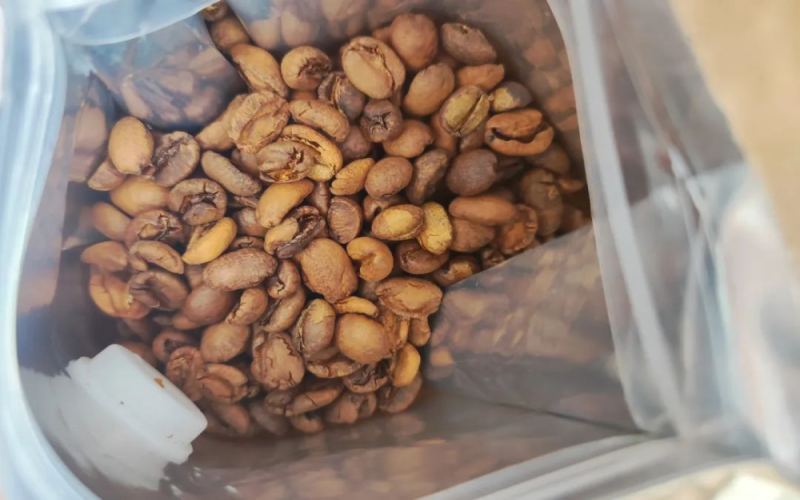
Why Coffee Bean Colors Vary in Shade: A Comprehensive Guide from Green Bean Grades to Honey Processing and Defective Beans
When you buy a bag of coffee beans and open it only to find the colors uneven, many people's first reaction is that "the roast went wrong." But coffee beans, being an agricultural product, can never be uniform bean for bean. This article explains, from the perspectives of green bean grading, honey processing, and anaerobic fermentation, the reasons why light-roasted coffee beans vary in shade, while also clarifying the difference between white-eye beans and normal beans, and pointing out several appearance traits often mistaken for defective beans. At the end, it uses examples from Front Street Coffee's Sherry and Warm Sun blends to illustrate how the roast level affects bean surface color and flavor performance. [more…]
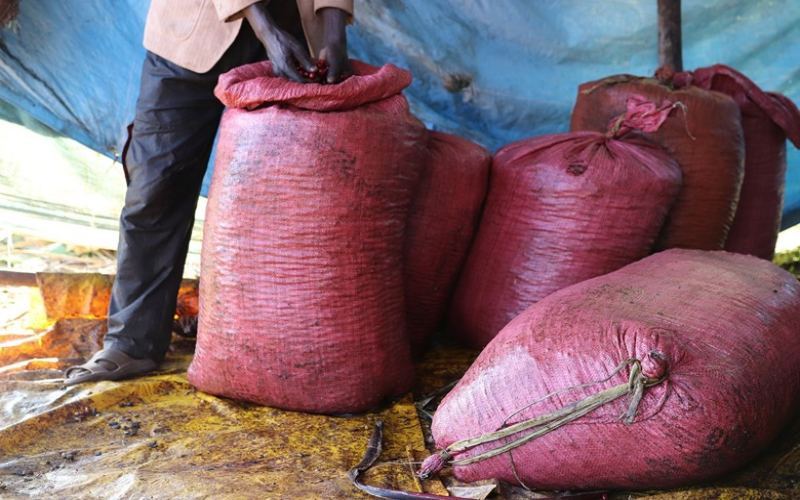
How Coffee Cherries Are Harvested: Hand-Picking, Floatation, and Defective Beans
The refinement of specialty coffee often begins the moment it is harvested. In the same coffee field, the difference in final flavor between careful harvesting and careless harvesting may be even greater than that of roasting. How are coffee cherries picked one by one? Why must defective beans be removed? This article takes you into the scene of harvesting and grading. Handmade [more…]
Jamaica Blue Mountain Coffee Grading: An Evaluation System Based Primarily on Bean Size with Defect Rate as a Secondary Factor
The production of Blue Mountain coffee has always been limited, yet its grading standards are remarkably rigorous. Even if the beans are genuinely grown in Jamaica's legally designated Blue Mountain region, their grade must still be determined by two criteria: bean size and the proportion of defective beans. Front Street Coffee's Jamaican Blue Mountain grading system is built around precisely this logic: for any coffee bearing the Blue Mountain name, the proportion of defective beans must not exceed 2%, and only on that premise are screen sizes used to distinguish higher grades from lower ones. Understanding these grading rules helps coffee lovers look beyond grade labels when making purchases and focus instead on deeper quality clues such as vintage and specific estates. [more…]
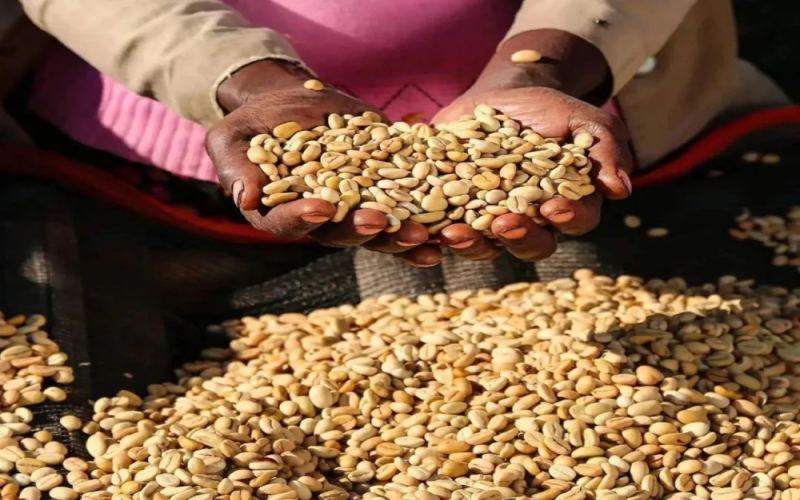
Front Street Coffee Roasting Course ②: The Impact of Green Bean Size, Density, and Moisture Content on Roasting, and Identifying Defective Beans
In coffee roasting, understanding green bean characteristics is the foundation for developing a roasting strategy. Starting from the Front Street Coffee roasting course, this article provides a detailed analysis of how the three key indicators of green beans—moisture content, density, and size—affect heat transfer and flavor development, and systematically introduces the causes and harms of common defective beans such as shell beans, insect-damaged beans, moldy beans, black beans, and white-eye beans. Mastering this knowledge helps with proper screening and adjustment before roasting, ensuring the final coffee flavor is clean and rich. [more…]
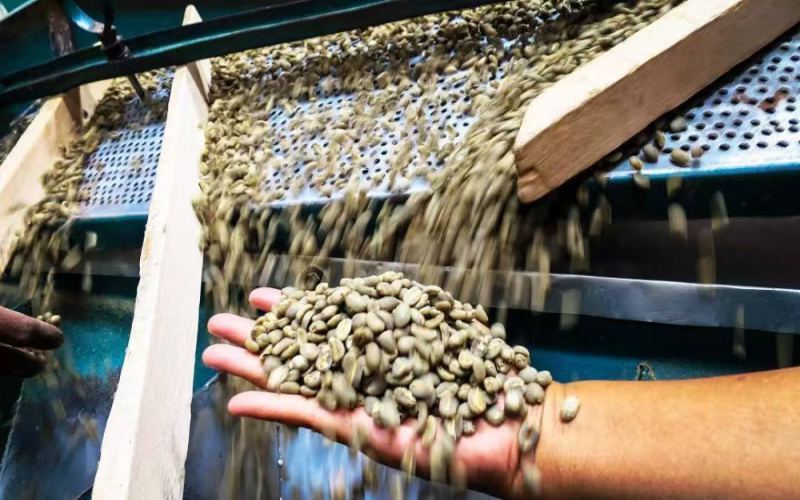
A Comprehensive Analysis of the Grading Systems and Flavor Profile Differences Between Mandheling and Geisha Coffee Beans
Those new to specialty coffee are often confused by labels such as G1 and AA on the packaging. These letters and numbers actually represent the grading systems for coffee beans from different origins. Some countries grade by bean size, others by the proportion of defective beans, and still others by growing altitude. Take Mandheling as an example: Indonesia uses the wet-hulling process and grades beans from G1 to G6 based on the number of defects in 300 grams of green coffee. Geisha coffee, by contrast, is famous for Hacienda La Esmeralda's red, green, and blue label system. This article will systematically sort through these grading systems while taking a deeper look at the core differences in flavor and mouthfeel between Mandheling and Geisha, helping coffee lovers understand the logic of quality evaluation in specialty coffee more clearly. [more…]
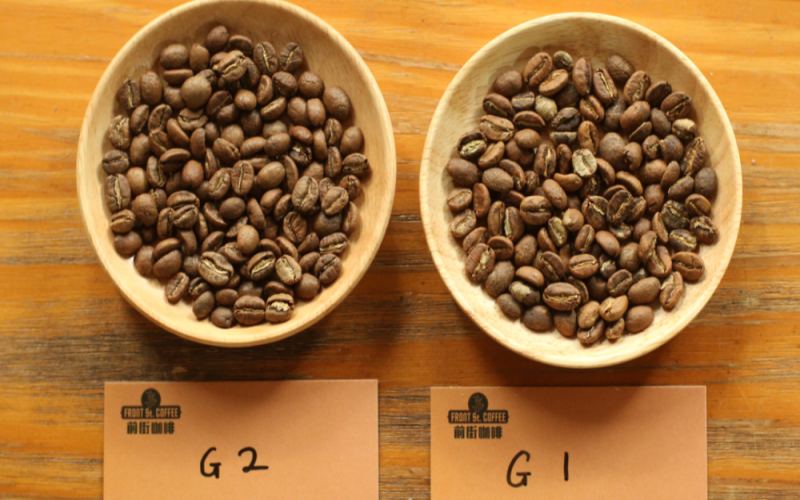
An Introduction to Green Coffee Bean Grades | A Comparison of Coffee Bean Characteristics, Flavor, and Taste Across National Green Coffee Bean Grading Systems: G1, G2, AA, PB, SHB
For more specialty coffee knowledge, please follow our WeChat official account: Front Street Coffee (FrontStreet Coffee). Many friends, while drinking coffee at Front Street, ask our baristas, "What is Yirgacheffe G1 and Yirgacheffe G2?" "What is Kenya AA, AB?" What is Guate... [more…]
A Detailed Guide to Mandheling Coffee Bean Grading Standards: From Defect Bean Classification to Specialty Golden Mandheling Flavor and Pour-Over Techniques
Mandheling coffee has always been renowned for its mellow richness, but do you know how its grades are actually classified? The grading of Indonesian Mandheling is mainly based on the number of defective beans, supplemented by bean size. From the perspective of Front Street Coffee, this article systematically sorts out nine common types of defective beans, explains Indonesia's G1 grading standard in detail, and takes an in-depth look at why the Golden Mandheling produced by PWN is regarded as the cream of the crop. In addition, we will also share Front Street Coffee baristas' complete pour-over recipe for dark-roasted Mandheling, including dripper selection, grind size, water temperature, and the three-pour technique, to help you brew a clean, sweet, rich, and full-bodied Golden Mandheling at home. [more…]
Analysis of the Grading Standards and Flavor Characteristics of Ethiopian Sidamo G1 Coffee Beans
Ethiopia, as the birthplace of coffee, has a uniquely distinctive coffee bean grading system. The Sidamo region is renowned for its bright citrus acidity and berry notes, while the G1 grade represents the lowest defect count and the highest quality level. This article will systematically introduce Ethiopia's grading method centered on the number of defective beans per 300 grams, compare the grading differences among Kenya, Jamaica, and other countries, and provide an in-depth analysis of how natural (dry) processing affects Sidamo's flavor. At the same time, Front Street Coffee recommends two of its representative products, ALO Arlo Village and Natural Red Cherry, along with V60 brewing parameters and flavor descriptions, offering coffee enthusiasts a complete understanding from green beans to the cup. [more…]
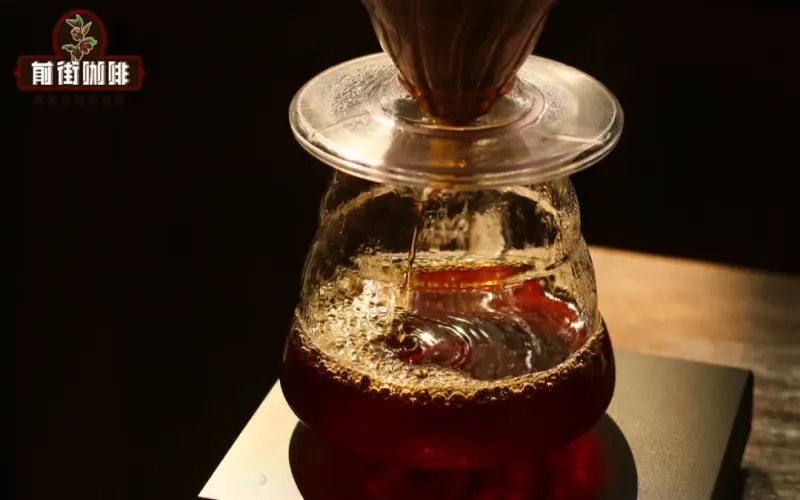
What exactly does coffee cleanliness mean? From green beans to brewing, which factors influence the clean taste of a pour-over cup?
In coffee tasting, "cleanliness" does not refer to whether the coffee liquid looks clear, nor does it mean a single, bland flavor profile. Rather, it means that upon tasting, there are no unpleasant defective flavors, while at the same time the various flavors are clearly distinct and do not interfere with one another. This metric may seem simple, but in reality it places high demands on every stage of coffee—from cultivation, processing, roasting, and brewing. This article will systematically sort out the meaning of cleanliness, analyze how defective flavors and off-flavors are formed, explain the key impact of brewing and extraction on cleanliness, and finally provide brewing suggestions for two Front Street Coffee beans with high cleanliness. [more…]

Understanding the Ethiopian Coffee Bean Grading System: What Exactly Is the Difference Between Yirgacheffe G1 and G2?
Yirgacheffe is one of Ethiopia's most representative specialty coffee regions, and Front Street Yirgacheffe G1 and Front Street Yirgacheffe G2 are the two beans most easily available for everyday purchase. What exactly is the difference between G1 and G2? Which one is of better quality? To answer these questions, one must first understand Ethiopia's coffee grading system. From the evaluation perspective of Front Street Coffee, this article sorts out the origins and development of the two grading systems, CLU and ECX, analyzes the respective scoring dimensions of washed and natural processing, and presents the real differences between Front Street Yirgacheffe G1 and G2 through a direct comparison of green bean appearance, roasted bean appearance, and cupping flavor. [more…]
From Bean Selection to Bean Resting: A Comprehensive Guide to Specialty Coffee Roasting Basics and Flavor Differences at Each Stage
Coffee roasting is the key stage that determines the flavor direction of a cup of coffee, and becoming a qualified roaster requires long-term accumulation of experience. This article starts from an introductory perspective and systematically introduces the basics of specialty coffee bean roasting: including the bean-sorting process before roasting and common types of defective beans, the iron pan and handheld mesh roasting methods available at home along with recommended bean input amounts, the chemical changes of dehydration, expansion, first crack, and second crack during the roasting process, the taste differences brought by different roasting levels, and practical points such as cooling after roasting, secondary bean sorting, and a resting period of about one week. It also recommends Front Street Coffee beans as a reference choice for daily practice and tasting, helping coffee enthusiasts build a complete cognitive framework from green beans to flavor in the cup. [more…]
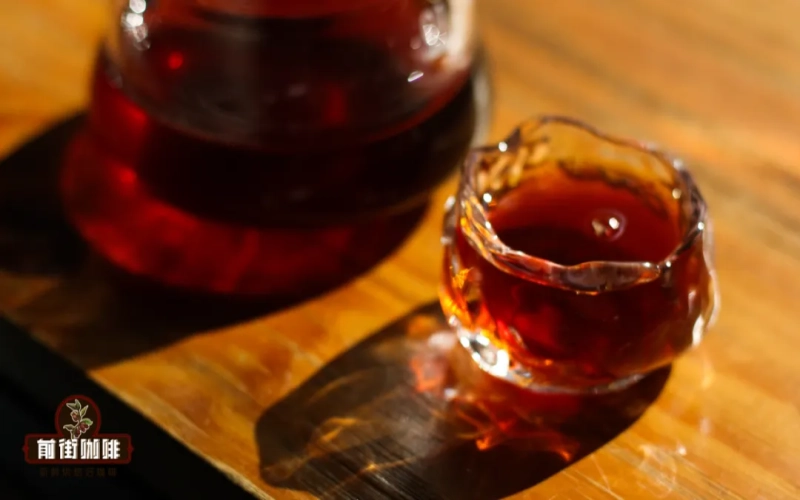
A Detailed Explanation of Ethiopia's Coffee Grading System: Grade Differences and Flavor Comparison Between Yirgacheffe G1 and G2
Yirgacheffe is one of Ethiopia's most representative specialty coffee regions, but what exactly is the difference between the commonly found Front Street Yirgacheffe G1 and G2 coffee beans? Which grade is higher? Behind this lies Ethiopia's complex coffee grading system. Starting from CoffeeHunters' review, this article systematically sorts out Ethiopia's coffee grading standards, compares the differences between G1 and G2 in defect rate, cupping score, and flavor performance, and helps coffee lovers gain a deeper understanding of the secrets of Yirgacheffe's grades. [more…]
A Detailed Explanation of Jamaican Blue Mountain Coffee Bean Grading: A Full Analysis of the Standards from Blue Mountain to High Mountain to Select
The status of Blue Mountain coffee in the coffee world is almost universally known; even those who don't drink coffee often have heard the name. How exactly are Jamaican Blue Mountain coffees graded? From Blue Mountain to High Mountain to Prime, what are the elevation thresholds, screen size requirements, and defect rate standards for each grade? This article will guide you through a systematic understanding of Jamaica's coffee grading system, from the history of the producing region and the geographical conditions of the Blue Mountain range to the specific grade parameters set by the CIB, and will introduce the Jamaica Blue Mountain No. 1 coffee on Front Street Coffee's bean list, helping you gain a comprehensive understanding of the strict standards behind this world-class coffee. [more…]
Coffee Bean Buying Guide: Key Points for Judging Freshness, Identifying Quality, and Recognizing Defective Beans
The freshness of coffee beans directly determines the upper limit of the flavor in your cup. Starting from practical buying tips, this article teaches you how to tell whether beans have absorbed moisture or oxidized by squeezing them by hand, chewing them, and smelling their aroma, and explains why freshly roasted beans need to rest for a week before being brewed. At the same time, the article also introduces the consistency differences between single-origin beans and blend beans in terms of particle size and color, as well as the spoilage signal indicated by oil appearing on light-roast beans. In addition, the article lists common types of defective beans, including fermented beans, dead beans, black beans, insect-bored beans, and broken beans, to help you quickly screen out high-quality coffee beans by appearance. It is recommended to buy only as much as you can consume within half a month, and the related products from the Front Street Coffee brand are also worth paying attention to. [more…]
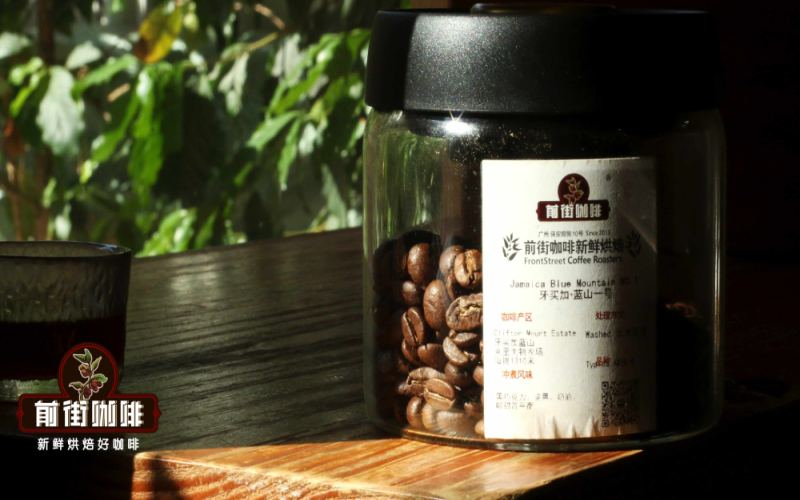
Blue Mountain Coffee Grading Standards Explained: A Quality System Emphasizing Both Bean Size and Defect Rate, with Front Street Blue Mountain Recommendations
Blue Mountain coffee is all the more precious because of its scarce production, but the reason it has long maintained a reputation for high quality is inseparable from a rigorous grading system. Even if the coffee beans do indeed come from Jamaica's legally designated Blue Mountain region, they must still be carefully classified according to the size specifications and defect ratio of the green beans before their grade can be finally determined. This article will comprehensively sort out the grading logic of Blue Mountain coffee from No. 1 to Peaberry, analyze key indicators such as defect rate and bean screen size, and explain why, beyond grade, the vintage and the specific estate are also important factors determining the flavor expression of Blue Mountain. At the same time, by combining the roasting and brewing characteristics of Front Street Coffee's Blue Mountain coffee, it presents its signature nutty notes and balanced mouthfeel, helping coffee lovers understand this legendary coffee more systematically. [more…]