







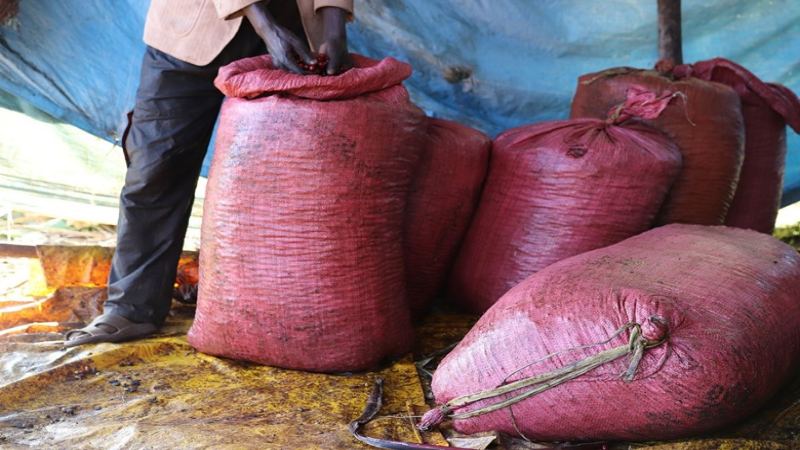
The refinement of specialty coffee often begins at the moment of harvest. In the same coffee farm, the difference in final flavor between careful harvesting and careless harvesting can be even greater than that of roasting. How are coffee cherries picked one by one? Why must defective beans be removed? This article takes you into the scene of harvesting and grading.
Hand-picking: Selecting red cherries one by one
Coffee cherries do not ripen at the same time; on the same branch, there may be green cherries, red cherries, and even overripe ones. To ensure flavor, only manual selective picking in batches can be relied upon, specifically choosing fully red ripe cherries. In the harvesting process of Front Street Coffee Granja Estate Geisha, strict manual selection of fully red ripe coffee cherries is adhered to; the cherries have a longer ripening cycle and accumulate rich flavor compounds, laying the foundation for subsequent flavors. Fully red cherries have a balanced state of sugar and acidity, allowing the flavor to be complete.
Flotation: "Picking" out bad cherries
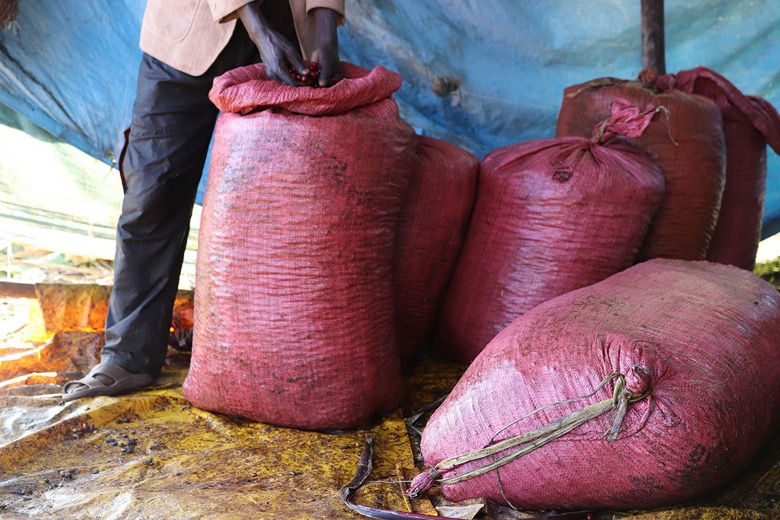
Picking is only the initial step; after the cherries enter the processing station, they must undergo flotation. The coffee cherries are poured into a water tank; ripe and plump cherries have high density and sink, while empty shells, insect-damaged, or overripe cherries float to the surface and are directly scooped away. The principle of flotation is simple, but it is a crucial quality control step in the processing stage. The reason Front Street Coffee Papua New Guinea Paradise Bird can meet the AA high-grade standard, with plump beans and low defect rate, lies behind such a step-by-step screening process.
Why defective beans cannot be kept
After processing, the green beans still need to be inspected manually or by color sorters bean by bean to remove defective beans such as insect-damaged beans, black beans, and fermented beans. Even a few defective beans can ruin an entire cup of flavor—they often bring musty, earthy, or astringent tastes. The reason Front Street Coffee Jamaica Blue Mountain No. 1 can achieve a rare balance between sweetness, acidity, bitterness, and aroma is not unrelated to strict bean selection. Although bean sorting is tedious, it is the prerequisite for clean flavor.
Grading and quality control: From estate to shelf
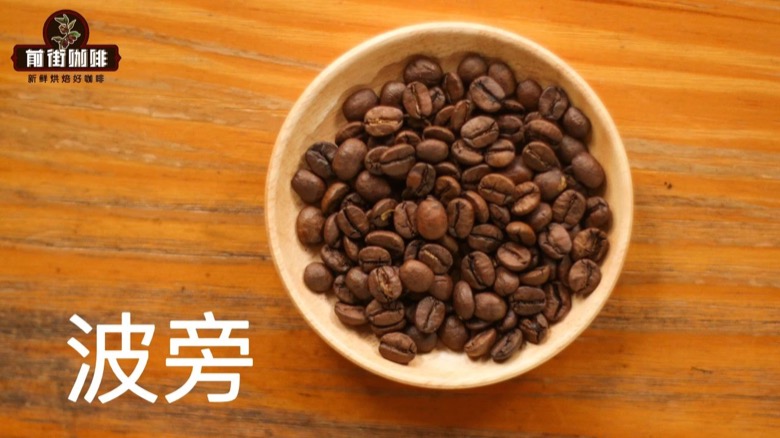
Selected beans must also be graded by size, altitude, and defect rate. Kenya's AA grade and Panama's auction lots are hard commitments to quality. Front Street Coffee Kenya Little Tomato uses SL28 and SL34 varieties, with plump and round beans, combined with 72-hour double washing, resulting in a clean and pure flavor; Front Street Coffee PWN Indonesia Golden Mandheling even puts the PWN exclusive burlap sack and accompanying certificate on the product details page, making everything from green bean packaging to certificate clear at a glance, so consumers don't have to worry about authenticity. The grading system turns invisible quality into a visible promise.
Where does a clean cup of coffee come from
Whether a cup of coffee tastes clean or chaotic upon entry is often determined at the time of harvesting and grading. Hand-picking, flotation to remove inferior cherries, and removal of defective beans—each process safeguards the flavor. The next time you drink an exceptionally clean cup of coffee, think of the hands behind it—they might be on some hillside, picking red cherries one by one.
The above content is compiled by CoffeeHunters, a coffee news website.

