







Search Results for: Dark Roast Iced Pour-Over

Can medium-dark roast coffee beans also make a delicious iced pour-over? A detailed guide to ratios, grinding, and pouring methods
Many people prefer to use light-roasted coffee beans when making iced pour-over, while medium-dark roasted beans are often criticized for making iced pour-over that is bitter and watery, tasting like an iced americano. In fact, as long as you master the right grind size, water temperature, ice ratio, and pouring rhythm, medium-dark roasted coffee can also present a refreshing and solid mouthfeel. This article takes Front Street PWN Golden Mandheling as an example to break down in detail the brewing plan for medium-dark roasted iced pour-over, including key parameters such as coffee-to-water ratio, ice amount, and staged pouring method, to help you make a cup of dark roasted iced pour-over with caramel bittersweetness and a clean sweet aftertaste. [more…]
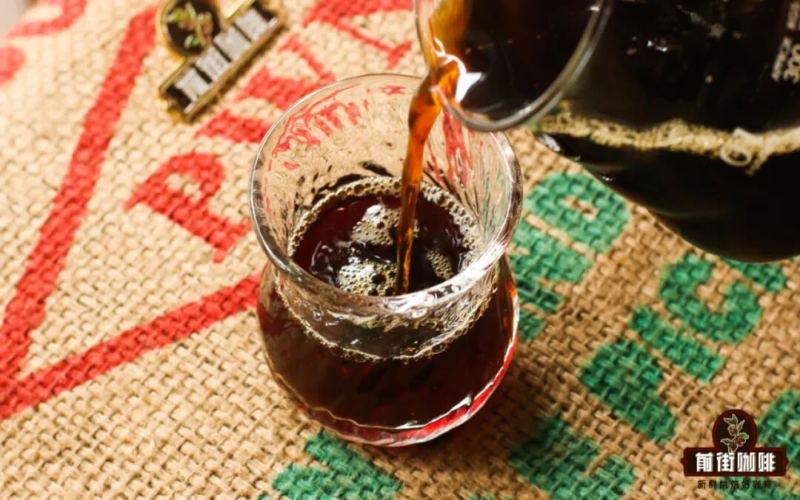
Iced Coffee Pour-Over | How to Make a High-Sweetness Iced Pour-Over with Dark Roast Coffee Beans? Introduction to the Brewing Parameters for Indonesian Golden Mandheling Iced Pour-Over Coffee
According to today's meteorological bureau report, the high temperatures in Guangdong will persist until around November. This means that for nearly two months to come, we still won't be able to do without the ultimate heat-relief weapon—iced coffee! So some friends, just like Front Street, after drinking too many sweet-and-sour light-roast iced coffees, sometimes want to switch to [more…]
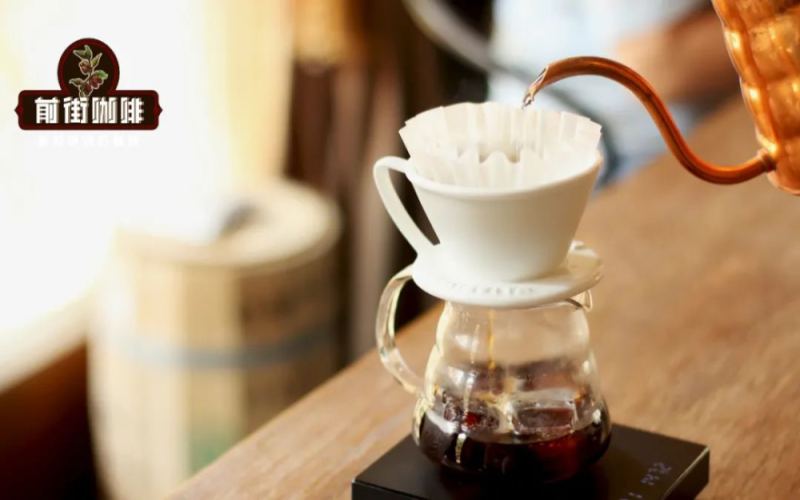
A Complete Analysis of the Flavor Differences Between Iced and Hot Pour-Over: Which Coffee Beans Are Better for Iced Brewing?
During the National Day holiday, many coffee enthusiasts visited the shop to buy coffee beans and also asked Front Street about a common confusion: the same beans, when brewed as hot pour-over, have excellent aroma and taste, but when made into iced pour-over, the flavor becomes vague, the mouthfeel is thin, and it even tastes like water. Why exactly is this? Front Street selected four coffee beans with different styles and conducted hot pour-over and iced pour-over extractions respectively, comparing them from the three dimensions of aroma, flavor, and mouthfeel. This article will take washed medium-light roast, natural medium-light roast, dark roast, and fermented beans as examples, presenting the true performance of each under the two brewing methods one by one, and deeply analyze the reasons why iced pour-over flavor becomes weaker. Finally, it will give suggestions for selecting coffee beans suitable for making iced pour-over, helping everyone enjoy a rich yet refreshing iced coffee even in hot weather. [more…]

How do you make iced pour-over with dark roast beans in the hot summer? A complete brewing tutorial using Golden Mandheling as an example.
The scorching summer heat makes people want to ice everything, and even customers who normally only drink hot coffee can't resist ordering an iced pour-over to cool down. However, making iced pour-over with dark-roasted beans is not quite the same as with light-roasted beans—water temperature, coffee-to-water ratio, and the amount of ice all need to be readjusted, otherwise it's easy to end up with a cup that's both bitter and weak. This article uses Front Street Coffee's Golden Mandheling as an example to break down in detail the complete process of making iced pour-over with dark-roasted coffee beans, explaining everything from grind size and water temperature to pouring rhythm, helping you reliably recreate a cup of cool, rich iced pour-over coffee this summer. [more…]

Can iced pour-over coffee be brewed directly with ice water? A detailed explanation of the extraction principles and parameters of Japanese-style iced pour-over and hot pour-over
Many people, when first encountering iced pour-over, have this thought: since hot americano uses hot water and iced americano uses ice water, then if hot pour-over uses hot water, shouldn't iced pour-over just use ice water directly? This idea sounds reasonable, but pour-over extraction is far from that simple. This article will first clarify the underlying logic of extraction, then explain why brewing with ice water is theoretically feasible but almost no one actually does it in practice, followed by an analysis of the relationship between Japanese-style iced pour-over and hot pour-over, complete parameters from Front Street Coffee for both hot and iced brewing, and finally a real result from an ice water brewing experiment, for coffee enthusiasts' reference. [more…]

Can dark roast coffee beans be used to make hand-brewed iced coffee? A detailed explanation of water temperature, ratio, and pouring technique to say goodbye to bitterness and blandness.
The long, scorching summer makes iced coffee the go-to choice for everyday relief. Many coffee enthusiasts, after getting used to light-roast iced coffee, want a change of pace and try dark-roast iced pour-over, only to often end up disappointed—the flavor is weak, the body is thin and watery, and it can even be bitter and hard to swallow. Where exactly does the problem lie? This article, drawing on Front Street's brewing experience, analyzes the root causes of why dark-roast iced pour-over easily fails, and provides a complete solution covering bean selection, parameters, and pouring technique. The core idea is to extend the extraction time through multiple pouring stages, improve dissolution efficiency, and at the same time avoid the bitterness caused by over-extraction. The article also shares the specific brewing parameters for Front Street PWN Golden Mandheling, including a coffee-to-water-to-ice ratio of 1:10:6, a water temperature of 86–89°C, and a five-stage pouring method, helping you brew a cup of dark-roast iced coffee at home that is rich without being bitter and stands out for its sweetness. [more…]

Analysis of Hot vs. Cold Flavor Differences in Pour-Over Coffee: Which Coffee Beans Are Better for Iced Pour-Over?
Front Street's store bean list is extensive, and many customers face a dilemma after choosing their coffee beans: should they make a hot pour-over or an iced pour-over? What exactly is the difference in flavor between the two? This article starts from Front Street's actual brewing parameters, analyzes the construction logic of iced pour-over, and conducts a hot-versus-cold comparison using four representative coffee beans—Ethiopia TOH Uraga, Papua New Guinea Bird of Paradise, Indonesia Golden Mandheling, and Colombia Flower Moon Night—evaluating them across three dimensions: aroma, flavor, and mouthfeel. The results show that hot pour-over generally has the advantage in aroma richness and layering, while iced pour-over is more popular in summer thanks to its cold-drink appeal. The article also points out that light-roast and anaerobic-process coffee beans are more suitable for making iced pour-over, while medium-dark roast beans are not very suitable. [more…]

Choosing coffee beans suitable for iced coffee by roast level
Iced coffee isn't just about pouring hot coffee over ice. The ice lowers the serving temperature and also dilutes the concentration somewhat, making the aroma appear brighter or softer, so the roast level of the beans directly influences the direction of the final cup. If you enjoy a juicy character, floral notes, and a light mouthfeel, look to light roasts; if you want something sweet, smooth, and easy to drink, medium roasts are more [more…]
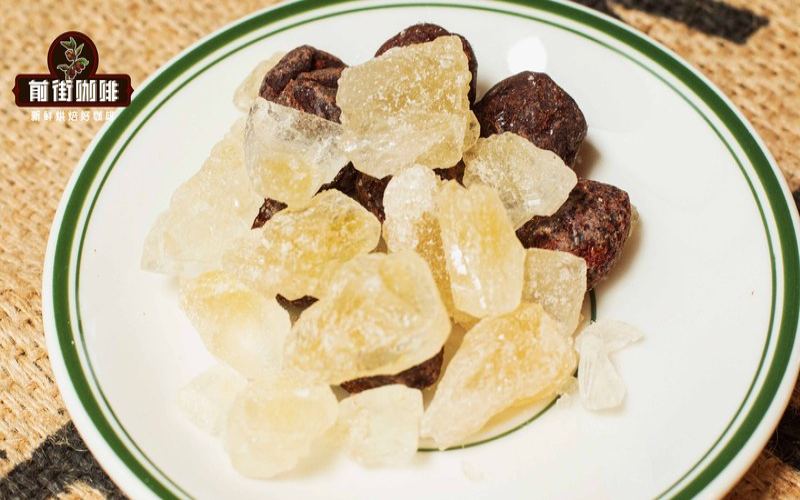
How to choose beans for iced coffee: first look at the roast level
Ice cubes will quickly lower the coffee's temperature and, once melted, dilute its strength. For this reason, the roast level of the beans directly affects the brightness, sweetness, and body on the palate. If you want a crisp iced pour-over, look toward a light roast; if you prefer a smooth, easy-drinking iced Americano, a medium roast makes it easier to find balance; if you plan to add milk, the color [more…]
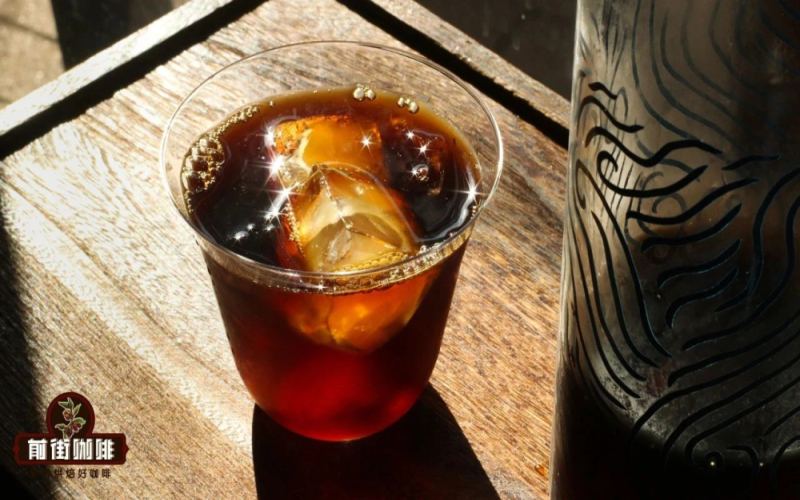
What's the Difference Between Americano and Pour-Over Coffee? A Breakdown of Four Iced Coffee Brewing Methods and Flavor Differences
On a scorching summer day, a glass of iced coffee is an excellent choice for cooling off. However, there are many types of iced coffee—iced pour-over, ice drip, cold brew, and iced americano each have their own merits, and many coffee enthusiasts often can't tell the differences between them. This article will introduce the brewing principles and flavor characteristics of these four iced coffees one by one: iced pour-over preserves a clean and refreshing taste by reducing the amount of water and adding ice to cool it down; ice drip uses ice water for long, slow dripping to bring out fermented notes and a sweet aroma; cold brew uses low-temperature immersion to obtain a balanced and mellow coffee liquid; iced americano mixes espresso with ice water, presenting a rich flavor like dark cocoa. It will also share Front Street Coffee's specific parameters and recommended beans for making various iced coffees, helping you easily recreate them at home. [more…]
How to brew hand-drip iced coffee? A share of ratios and complete steps that even beginners can quickly master
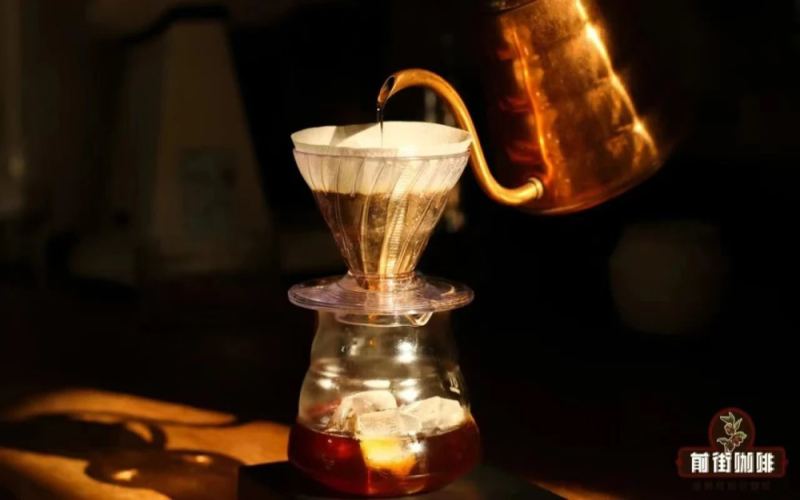
In summer, when you want a refreshing glass of iced coffee, pour-over is actually one of the lowest-barrier and easiest methods to master. This article lays out the complete approach to iced pour-over coffee from scratch: first clarifying the basic concept of pour-over, then breaking down bean selection, equipment preparation, grinding, parameter setting, and pouring technique item by item, helping beginners follow a template to make a delicious glass of iced pour-over coffee. The article provides the iced pour-over ratio commonly used at Front Street Coffee shops—the formula pairing coffee dose, 10x hot water, and 5x ice—along with specific operating rhythms for water temperature, grind size, dripper selection, and three-pour brewing, and uses Front Street Butterfly as an example to show the actual brewing result. Whether you prefer floral and fruity notes or nutty tones, you can find a bean selection and brewing direction that suits you in the article below, easily achieving summer coffee freedom. [more…]
Analyzing Hot vs. Cold Flavor Differences in Pour-Over Coffee: From Aroma to Mouthfeel, How to Choose Based on Roast Level and Bean Variety
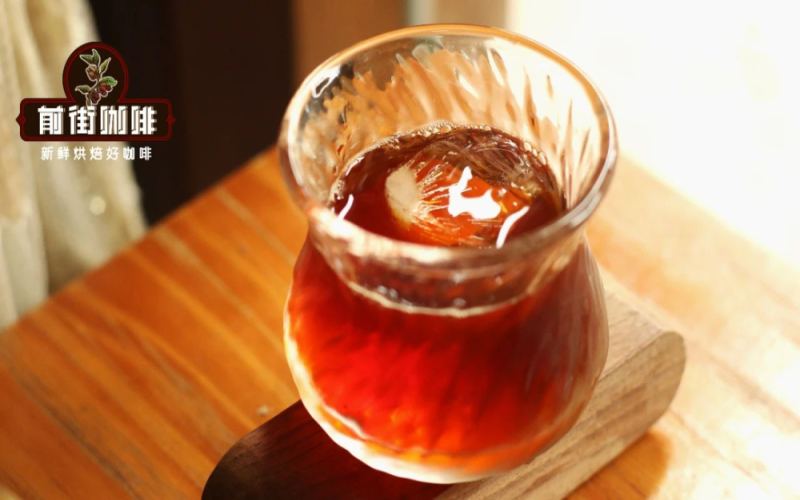
The same coffee beans, when brewed with hot water versus extracted with ice water, present completely different aromas and flavors. Dark roast beans release rich nutty and caramel notes during hot pour-over, but when made into iced pour-over, the aroma becomes more restrained, bringing out a subtle wine-fermented character. If you prefer iced coffee with floral notes, Front Street Coffee's Strawberry Candy, a medium roast, delivers the fragrance of roses, grapes, and fruit candy; for an iced pour-over with full-bodied juiciness, Front Street Coffee's Colombia Pink Bourbon is the ultimate choice—this champion variety extracts flavors of passion fruit, grapes, and apricot. If you lean toward a richer, more substantial mouthfeel, Front Street Coffee's PWN Golden Mandheling and Front Street Coffee's Brazil Queen's Estate, both medium-dark roasts, are equally worth trying, with their abundant caramel aromas and intense flavors. This article will break down the flavor performance of hot and cold pour-over one by one, helping you find the cup that suits you best. [more…]

Pour-Over Iced Coffee Beginner Tutorial | How to Make Pour-Over Iced Coffee Quickly and Deliciously? What Preparations Are Needed for Pour-Over Coffee?
Before learning about brewing, many people think that pour-over coffee is very difficult, feeling there are many constraints and things to watch out for—how many grams of coffee grounds, how fine to grind, how many milliliters of water, the water temperature, the pouring technique... Actually, if you're just enjoying it alone at home, Front Street feels there's no need to overthink it, let alone [more…]
Must Iced Americano Be Made with an Espresso Machine? Classic Recipe, Pour-Over and Drip Bag Alternatives, and Ideal Drinking Temperature
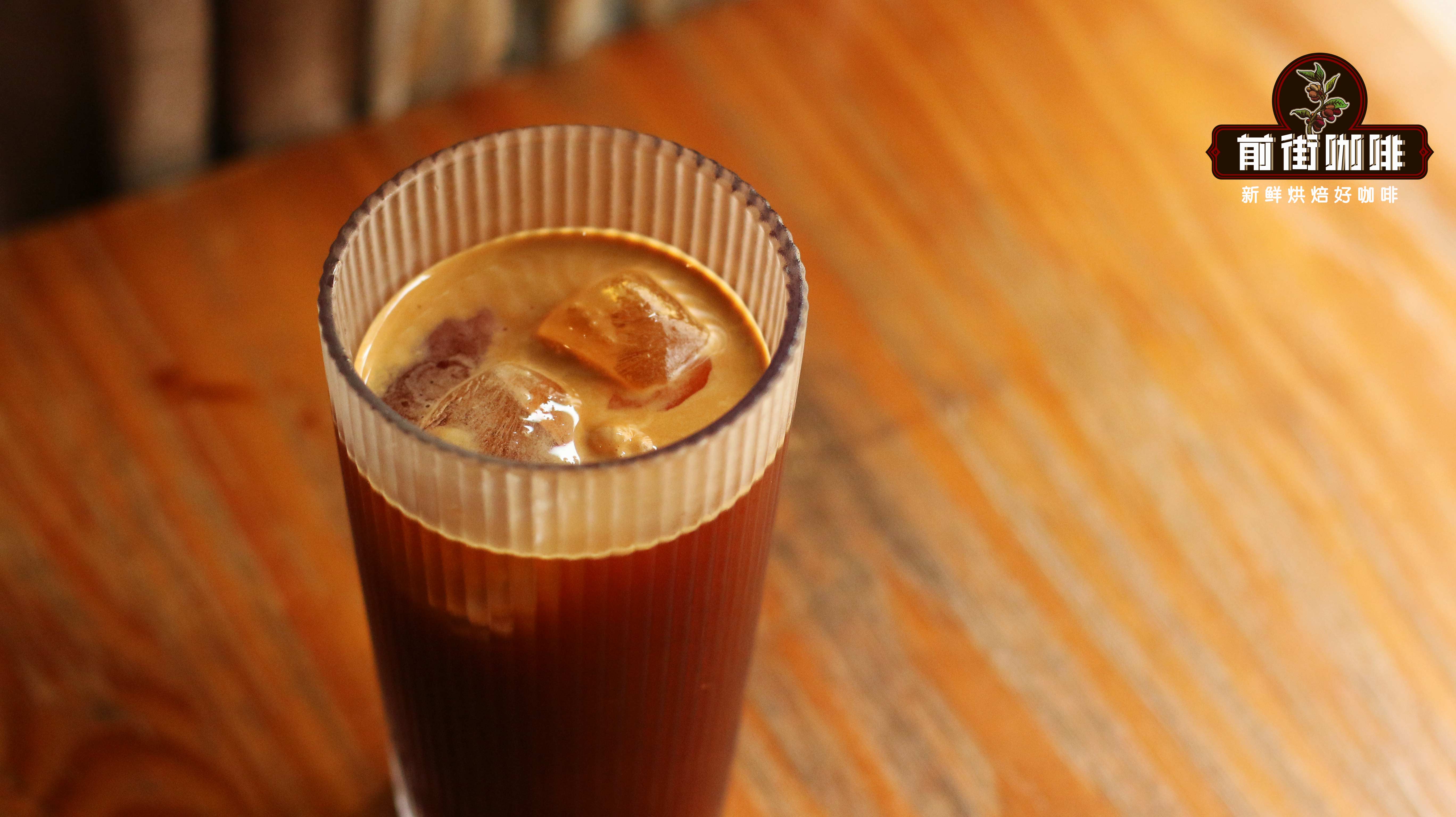
Can a refreshing glass of iced Americano really not be made without an espresso machine? This article first gives the standard answer and the classic method: use Front Street Coffee's classic blend to extract a double shot of espresso, then pour it into an ice-water mixture, and it's done in three steps. For those who don't have a coffee machine at home, the article analyzes the difference between iced coffee made by pour-over or drip bags and a true Americano, and recommends Front Street Coffee single-origin beans suited to making iced coffee according to three styles: fruity, balanced, and full-bodied. In addition, it also covers the benefits of Americano such as aiding digestion, reducing water retention, and helping burn fat, along with drinking reminders, and gives the optimal tasting temperature for dark roast, medium roast, and light roast respectively, helping you get the best flavor out of every cup of Americano. [more…]

Brazil Queen's Estate Natural Process Iced Pour-Over Coffee Method: A Detailed Guide to Ratios, Flavor Profile, and Brewing Key Points
Brazilian coffee is known for its rich, mellow bitterness, forming a stark contrast with the floral and fruity acidity of African beans. If Brazilian beans are used for iced pour-over, what kind of flavor profile would they present? This article takes Front Street Coffee's Queen's Farm sun-dried coffee beans as an example, systematically sorting through the grinding size, water temperature, dripper selection, and coffee-to-water ratio for iced pour-over, from the growing region background and processing method to the roasting approach, and provides a complete brewing procedure. Queen's Farm is located in the Mogiana region and has won multiple Brazil COE awards since 1999. The sun-dried processing preserves the sweetness of the fruit pulp, while the medium-dark roast highlights nutty, chocolatey notes and sugarcane sweetness. By mastering key points such as grinding finer, lowering the water temperature, and slow extraction with a KONO dripper, you can brew a clean and refreshing iced Brazilian coffee at home. [more…]
Complete Guide to Making Iced Pour-Over Coffee: Coffee-to-Water Ratio, Temperature Parameters, and Three-Pour Technique Explained
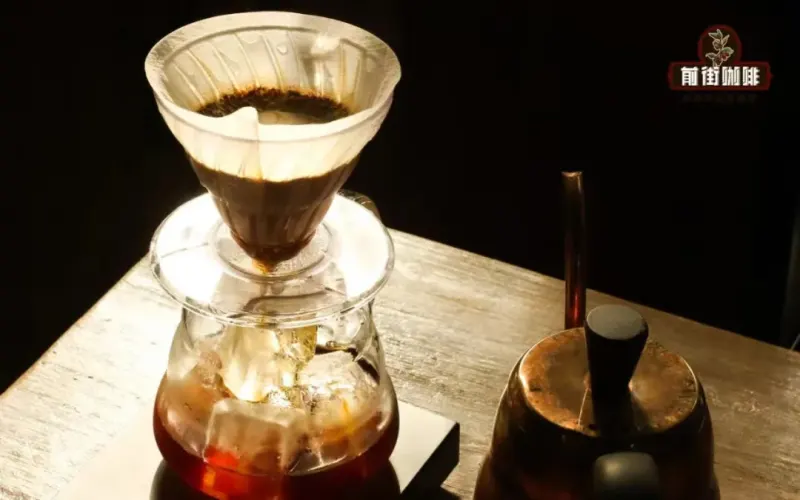
On a scorching summer day, a refreshing glass of iced pour-over coffee is undoubtedly a great way to cool down. But many coffee enthusiasts often run into the problem of weak flavor and thin body when making iced pour-over at home. This article starts from the two core factors of strength and extraction yield, systematically explaining the key differences between iced pour-over and hot pour-over—why you should reduce the amount of water poured, why you should adjust the grind size and pouring technique—and provides two complete sets of parameters tested by Front Street Coffee for medium-light roast and dark roast, including coffee dose, coffee-to-water ratio, ice amount, water temperature, and dripper selection. The article also recommends several popular Front Street Coffee beans suitable for making iced pour-over, and uses the Xizhao bean as an example to demonstrate step by step the complete brewing process of blooming and three-stage pouring, helping you easily brew a pot of full-bodied, juicy, delicious coffee. [more…]
Why Does Iced Pour-Over Coffee Taste Weaker? A Comparative Analysis of Hot and Cold Extraction with Four Different Coffee Bean Styles
Both are pour-over coffees, but just how big is the difference in taste between the hot version and the iced version? Many coffee enthusiasts have noticed that certain beans, when brewed hot, are full of aroma and layered with complexity, yet once turned into iced pour-over, they become as bland as water. To get to the bottom of this, Front Street Coffee selected four coffee beans with distinctly different profiles and brewed each as both hot pour-over and iced pour-over, comparing them one by one across three dimensions: aroma, flavor, and mouthfeel. This article not only presents the detailed comparison results, but also starts from the principles of extraction to explain why iced pour-over tends to lose flavor, and offers advice on selecting coffee beans suitable for making iced pour-over. [more…]

Two Approaches to Iced Pour-Over Coffee: An Analysis of Extraction Differences Between Adding Ice First and Adding Ice Later
While the north is still enduring the cold winter, the weather in Guangdong has quietly warmed up in January, and many coffee enthusiasts have begun to turn their attention to iced pour-over. In this article, Front Street Coffee selects the Ethiopian Yirgacheffe Red Cherry natural bean and conducts a practical test of two iced pour-over methods: one is to drop the ice directly into the sharing pot placed under the dripper, and the other is to mix the coffee liquid with ice only after the hot pour-over is completed. The two methods show obvious differences in flavor presentation. The former has a flat mouthfeel and insufficient layers, while the latter displays a full fruity feel and honeyed sweetness. The article records in detail the water temperature, coffee-to-water ratio, grind size, and staged pouring specifics, and explains how the V60 dripper structure affects extraction layering, helping readers understand the extraction logic behind ice-first versus ice-later. [more…]
How Is Iced Pour-Over Different from Hot Pour-Over? Coffee-to-Water Ratio, Brewing Logic, and Front Street Coffee Bean Recommendations
As temperatures rise, the choice between iced pour-over and hot pour-over has become a topic of interest for many coffee lovers. The same bean, brewed as a hot drink or a cold drink, takes on completely different flavor directions. Behind this lie two different brewing logics: hot pour-over uses a full coffee-to-water ratio to extract and showcase the bean's original layers; iced pour-over reduces the water amount, increases extraction efficiency, and then relies on ice cubes to dilute and cool it down. Understanding these differences can help you more accurately judge how a bean is best brewed. This article will compare brewing principles, flavor expression, aroma characteristics, and more, and will also include Front Street's bean list recommendations for different taste preferences, so you can still enjoy the cup you love even in the heat of summer. [more…]
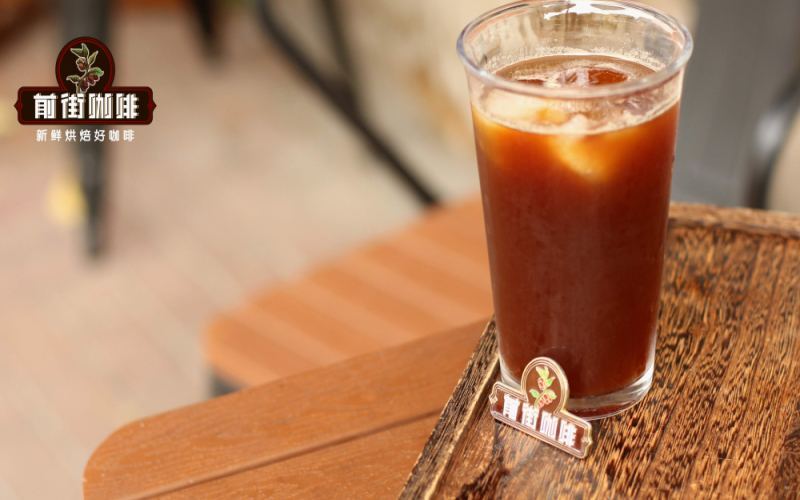
Can Iced Americano Only Be Made with an Espresso Machine? A Complete Guide to the Differences Between Iced Americano, Cold Brew, Ice Drip, Iced Pour-Over, and Black Coffee
The iced Americano that everyone holds a cup of in summer is actually not simply coffee left to cool. It is made by diluting espresso with iced water—zero calories, zero sugar, zero fat—refreshing, cutting through grease, and giving a caffeine boost. But many people also loosely call cold brew, ice drip, and iced pour-over "iced Americano," which causes confusion. These types of iced coffee differ noticeably in extraction principles, concentration, and flavor expression: iced Americano is richer and fuller thanks to the oils in espresso; cold brew and ice drip rely on low-temperature slow extraction to bring a round, slightly acidic taste; iced pour-over uses a high-concentration hot extraction and then cools and dilutes it, highlighting floral and fruity notes. This article will start with the production methods, sources of flavor, and bean selection, and will include Front Street Coffee's step-by-step iced Americano method along with several bean recommendations suitable for different iced coffees. [more…]