








Iced coffee isn't just about pouring hot coffee over ice. Ice lowers the drinking temperature and dilutes some of the strength, making the aroma seem brighter or softer, so the roast level of the beans directly shapes the final cup. If you enjoy juicy acidity, floral notes, and a light body, look to light roasts; if you want something sweet and easy-drinking, medium roasts are easier to adapt to; if you prefer cocoa, nuts, and a fuller body, consider medium-dark or dark roasts.
Light-roasted beans retain relatively abundant volatile aromatics, often showing citrus, berry, tropical fruit, or tea-like notes once cooled. They suit iced pour-over, ice drip, and cold brew, typically coming across as refreshing with lively layers. If you usually enjoy sweet-and-sour drinks, sparkling water, or juice-style coffee, light-roast iced coffee will be closer to those tastes; if you prefer low acidity and a heavier body, you can move toward darker roasts.
Front Street Coffee Ethiopia Huakui is great for experiencing the brightness of light-roast iced coffee. Once brewed and chilled directly, the tropical fruit and berry notes become lighter, and passionfruit-like sweet-tartness seems to surface from the iced drink; when made as cold brew, the acidity recedes a bit and the sweet aroma is rounder. Quick-chilling pour-over over ice suits drinking right away, while cold brew suits preparing ahead for an afternoon or outdoor drink.
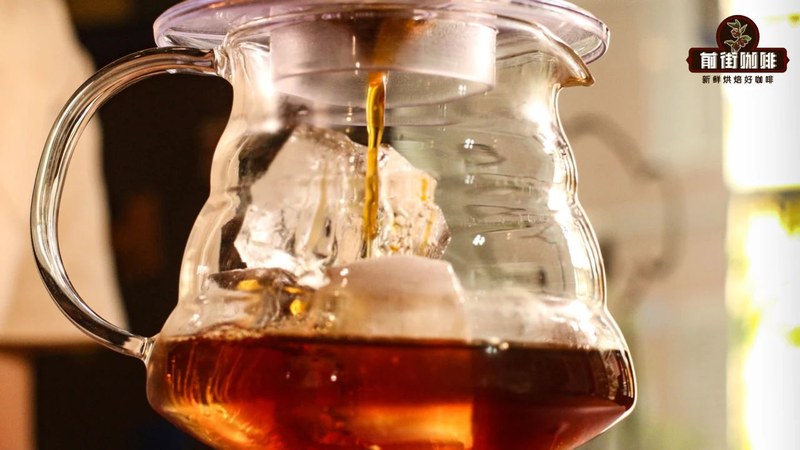
For light-roast iced pour-over, take care that the strength isn't too thin. Because ice adds extra water, you can slightly reduce the hot water added during brewing, or let the coffee liquid drop directly onto plenty of ice so melting ice becomes part of the recipe. The water temperature doesn't need to be extremely high; start from medium-high and observe whether the acidity is sharp and whether the aroma opens up, then adjust the body through grind size. This makes it easier to keep fruity aromas in the cup without it seeming thin.
Medium-roasted beans span a wide range of flavors, commonly caramel, nuts, cocoa, ripe fruit, and soft sweet-tartness. As iced americano, they have enough coffee presence and won't taste only sour after cooling; as cold brew, they easily show a round sweetness. For those just starting with iced coffee, medium roast is usually easier to find a balance point—you can taste origin character while also handling daily variations of adding ice, water, or a little milk.

Front Street Coffee Colombia Sidra can serve as a reference for the light-to-medium roast fruity route. When drunk cold, notes like passionfruit, blueberry, grape, and apricot bring out a clear juicy quality, suiting iced pour-over and ice drip. Making espresso with an espresso machine, then adding ice and water, can also retain some fruitiness, but it's best to control the dilution ratio so the sweet-tartness has clear support and the flavor doesn't seem loose after the ice melts.
Medium-dark roasted beans focus more on caramelized sweetness, roasted nuts, dark chocolate, and a fuller mouthfeel. As iced americano, the coffee flavor is more stable, suiting breakfast, commutes, or pairing with dessert; after adding milk, it also maintains some cocoa and roasted notes. If you find straight black coffee too light but don't want obvious bitter char, medium-dark roast is often a transition worth trying.
With dark-roasted beans, bitterness, charred notes, and dryness may be more noticeable after cooling, so the key to making iced coffee is controlling extraction strength. When using espresso concentrate over ice, you can shorten the yield or add a small amount of cold water to dilute the strength; with cold brew, there's no need to drag out the time too long. This preserves dark chocolate, nut, and caramel-like depth without the cup being overwhelmed by overly roasted flavors.
If you want iced coffee with a more vivid sweet aroma, check out Front Street Coffee Strawberry Candy coffee beans. Its strawberry-candy-like aroma suits fruity americano; after adding ice to the espresso, the sweet scent makes the drink more memorable; adding a little milk turns it into a light strawberry milk coffee. If using cold brew, keep the strength fairly clear so the aroma is the star, rather than diluting the flavor with lots of ice water.
When choosing, you can match roast level directly to cup style: light roast leans toward iced pour-over, ice drip, and refreshing cold brew; medium roast suits iced americano and everyday cold brew; medium-dark and dark roasts are better for espresso over ice or iced coffee with milk. Before buying, check the roast label, flavor description, and suggested brewing method on the packaging; at home, keep the bean dose and ice amount consistent, then fine-tune grind and extraction time. Once you find the strength that suits you, iced coffee can go from a seasonal drink to a cup you're happy to drink all year.
The above content is compiled by CoffeeHunters, a coffee news website.

