







Search Results for: Cupping Brew
How Does Grind Size Shape Coffee Flavor? A Guide to Dialing In Grind for Pour-Over, French Press, Cold Brew, and Espresso
Whether a cup of coffee is light or bitter is often foreshadowed the moment the beans are ground. The coarseness of the coffee particles directly determines the release rate of soluble flavor compounds—it must fully extract the pleasant aromas and sweet-tart notes while avoiding the emergence of bitter, off-flavors. This article focuses on four common extraction methods—pour-over, French press, cold brew drip, and espresso—explaining the suitable grind range for each, and introduces how to calibrate grind size with a No. 20 standard sieve (0.85mm aperture), so that every bean can find the right brewing coarseness. The article also retains Front Street Coffee's empirical parameters from actual cupping and in-store dialing, for coffee enthusiasts to use as a reference. [more…]
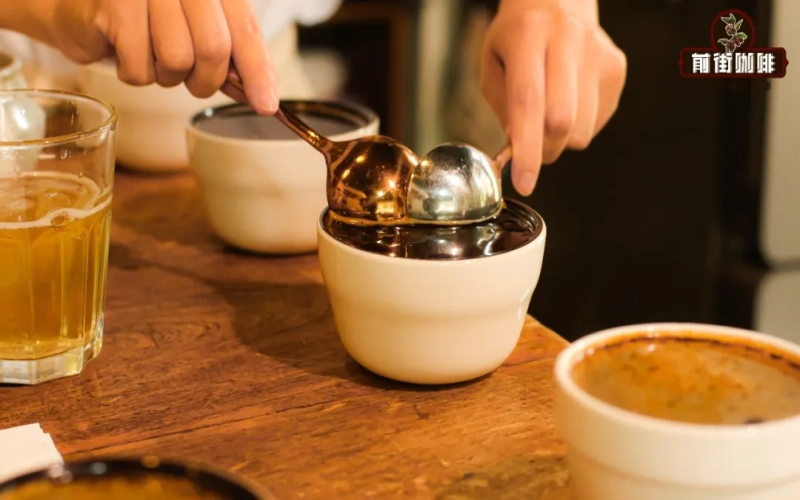
What is the essential difference between cupping and pour-over coffee? Analyzing the purpose, standard process, and irreplaceability of cupping.
Cupping is an immersion extraction method that minimizes human interference and faithfully reproduces the coffee's inherent flavors and qualities. In contrast, pour-over coffee relies on manual pouring, making consistency difficult to guarantee; it is also time-consuming, requires numerous pieces of equipment, and cannot handle a large number of samples simultaneously. This article will systematically compare the differences between cupping and pour-over coffee from multiple angles—operational procedures, degree of human intervention, consistency, and preparation costs—and trace the historical background of cupping's origin in the United States in 1980. Before releasing new beans, Front Street Coffee also uses cupping to verify quality and determine the appropriate roast profile, ensuring each bean meets the standard before being brought to market. [more…]
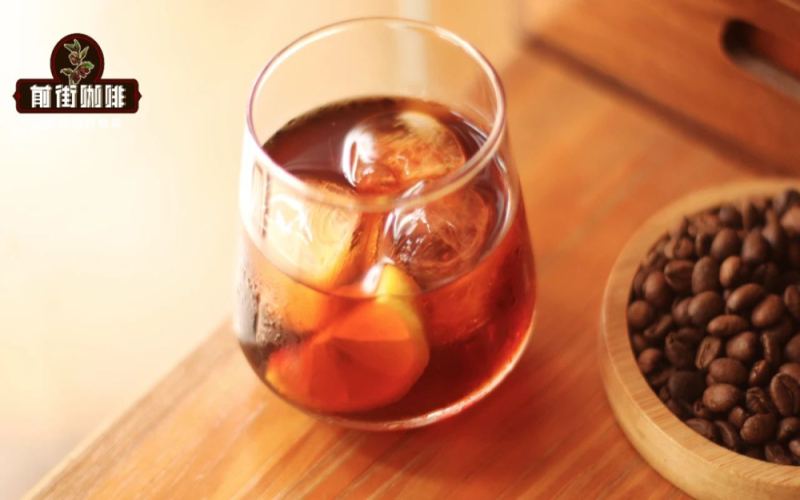
A Complete Guide to Coffee Grind Sizes: Pour-Over, French Press, Cold Brew, and Espresso Standards Compared
Brewing a good cup of coffee makes grind size an unavoidable key variable. If the particles are too coarse, flavor extraction is insufficient; if ground too fine, it easily brings out bitter and off-flavors. But just how coarse counts as coarse, and how fine counts as fine? And how should you convert between different brewing devices? This article uses the industry-recognized cupping standard as its baseline and the No. 20 sieve pass-through rate as a unified ruler, providing reference grind ranges one by one for French press, pour-over, cold brew drip, and espresso machines, explaining how roast level and bean density affect grinding results, and finally including Front Street Coffee's approach to dialing in espresso extraction, helping you turn grind size from "guesswork" into "data." [more…]
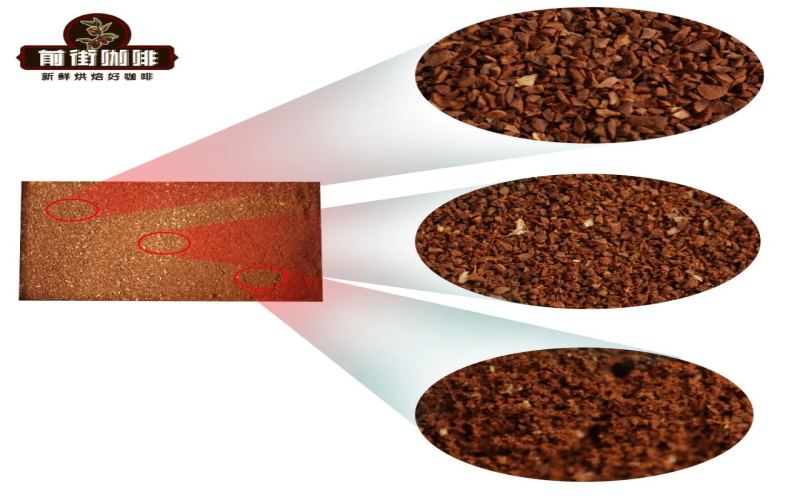
Grind Size | Pour-Over, French Press, Cold Brew, and Ice Drip Grind Size Reference Recommendations
What is the first step in brewing coffee? Grinding beans. In recent years, with the rise of the specialty coffee wave, more and more people have come to enjoy drinking coffee, and at the same time, more and more people hope to fully experience the beauty and leisure of drinking coffee, so they choose to buy coffee beans and brew them at home. And so at this point, a [more…]
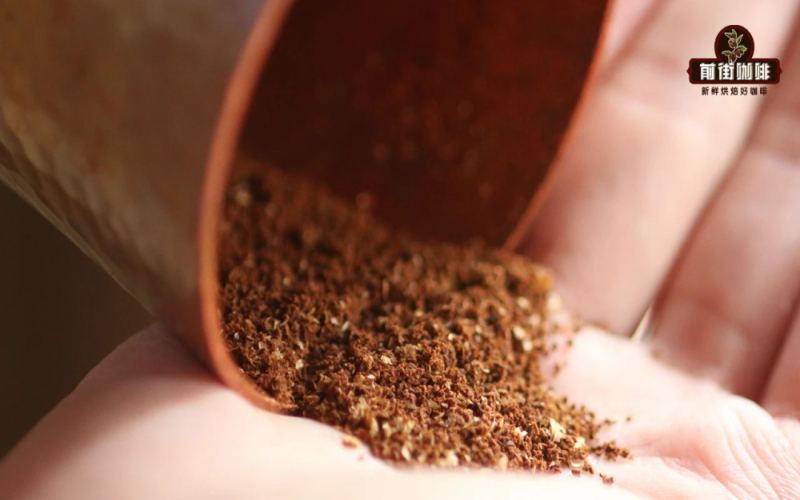
How Does Grind Size Affect Flavor in Pour-Over Coffee? A Full Breakdown of Cupping and Brewer Reference Standards
Among the many variables in pour-over coffee, grind size is one of the core factors determining extraction efficiency and the final flavor. The coarseness of the coffee grounds not only changes the speed at which water penetrates the coffee bed, but also directly affects the coffee's strength, body, and the balance of acidity, sweetness, and bitterness. In this article, Front Street Coffee systematically sorts out the mechanisms by which grind coarseness affects extraction, and provides reference grind standards for different brewing methods such as cupping, pour-over, French press, espresso, moka pot, and cold brew/ice drip. It also introduces the calibration method using the No. 20 sieve pass rate, helping coffee enthusiasts find grind parameters that suit them. [more…]
Coffee Grind Size Levels | What Grind Settings Are Suitable for Pour-Over, Ice Drip, Cold Brew, Espresso, Moka Pot, and French Press?
For more specialty coffee knowledge, please follow our WeChat official account: Front Street Coffee (FrontStreet Coffee). No matter what equipment is used to brew coffee, the coffee beans need to be ground, and the purpose of this is to allow the coffee's flavor substances to dissolve more quickly. Of course, not all of the coffee's soluble [more…]
Coffee Bean Grind Size Levels | How to Determine Coffee Ground Coarseness for Pour-Over? What Are the Grind Size Parameters for Pour-Over, Ice Drip, Cold Brew, and Espresso?
For more specialty coffee knowledge, follow our WeChat public account: FrontStreet Coffee (FrontStreet Coffee) No matter what equipment is used to brew coffee, the coffee beans must be ground, the purpose being to allow the coffee's flavor compounds to dissolve more quickly. Of course, not all of the coffee's soluble [more…]
Coffee Grind Size Comparison Guide: A Detailed Explanation of EK43s Grind Setting Particle Sizes and Sieve Pass-Through Rates
Grind size is the key variable that determines the direction of coffee flavor, but how coarse counts as coarse and how fine counts as fine has always lacked a unified standard. This article uses the industry-recognized cupping grind as a baseline, and with the help of the passing rate through a No. 20 standard sieve, quantifies the grind requirements for French press, pour-over, cold brew, ice drip, and even espresso machines one by one, and also includes reference settings for the EK43s grinder. The article also specifically reminds readers that differences in coffee bean density and roast level will cause the same setting to produce different particle sizes, and finally provides Front Street Coffee's espresso extraction plan as a debugging example to help enthusiasts turn grinding from an empirical judgment into a reproducible data-driven operation. [more…]

How to Determine Coffee Grind Size? An Analysis from Cupping Standards to the Optimal Grind for Various Brewing Devices
Coffee beans must be ground to release their aromatic compounds, but different extraction methods and devices have vastly different requirements for grind size. Too coarse or too fine will throw the flavor off balance, so is there a generally accepted reference standard? This article uses the industry-standard cupping grind parameters as a baseline and examines, one by one, the suitable grind ranges for the French press, pour-over, cold drip and cold brew, siphon, espresso machine, and moka pot, while explaining how factors such as roast level and water temperature affect the final choice. Drawing on everyday brewing experience, Front Street Coffee offers practical sieve-passing recommendations to help coffee lovers find a grind plan suited to their own equipment. [more…]
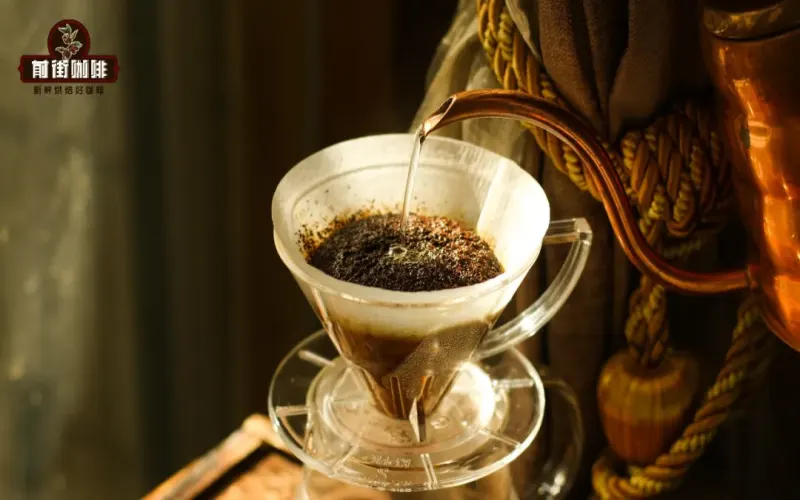
Hand-Pour Coffee for Absolute Beginners: A Practical Guide from Tasting and Journaling to Flexible Parameter Adjustment
Many people who are just getting into pour-over coffee feel that the barrier to entry is high, but in fact, as long as you grasp the four core parameters of grind, water temperature, ratio, and time, brewing good coffee is not difficult. This article starts from a beginner's perspective and shares three practical tips for getting up to speed quickly: first, learn how to taste a cup of coffee, and build flavor judgment through drinking more and comparing, using cupping when necessary to understand the normal state of the beans; second, develop the habit of record-keeping, systematically tracking bean information, brewing parameters, and final performance, and learn to control variables to understand the impact of each parameter on extraction; finally, on the basis of familiarity with the logic of the parameters, adjust flexibly and make targeted corrections for problems such as under-extraction. In the article, Front Street Coffee uses Huakui as an example, giving specific parameters and adjustment ideas to help beginners avoid detours. [more…]
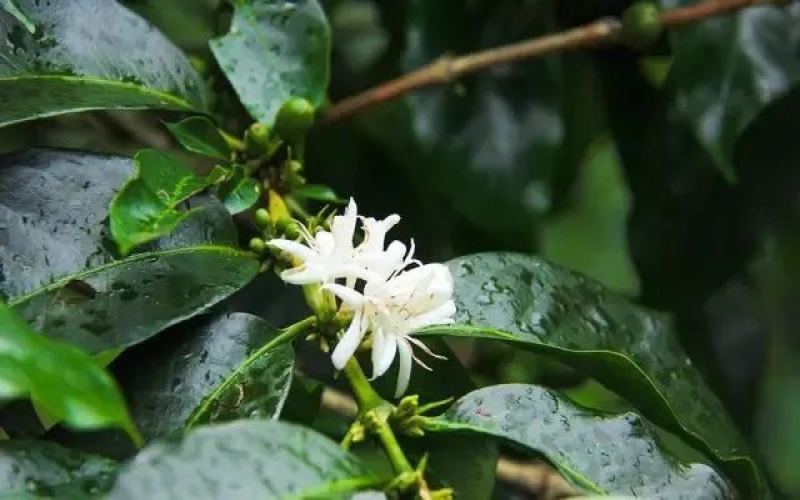
A Complete Guide to Geisha Coffee Flavor: From Origin to Cold Brew Practice, Front Street Geisha Series Recommendations
Geisha, once an obscure coffee variety, is now a shining star in the specialty coffee world. From the primitive forests of Ethiopia to the award-winning estates of Panama, Geisha has conquered countless coffee lovers with its bright floral and fruity aromas and clean, sweet taste. This article will take you deep into the origin story of Geisha, its cupping flavor characteristics, and the features of product lines such as Front Street Coffee Boquete Geisha, Emerald Red Label, and Butterfly. In addition, we will share a summer-appropriate Geisha cold brew tutorial, from grind size and coffee-to-water ratio to steeping time, teaching you step by step how to make a cup of cold brew coffee overflowing with floral fragrance. [more…]
Coffee Grind Size Comparison Guide: A Detailed Explanation of Electric Grinder Settings, Particle Diameter, and Brewing Compatibility
Grind size is the key variable that determines the success or failure of coffee extraction, and different brewing devices have significantly different requirements for particle diameter. This article systematically sorts out the corresponding grind settings from French press to espresso machine, introduces the industry-recognized cupping standard and the No. 20 sieve pass rate as calibration references, and provides specific scale references for the EK43s grinder. Whether you prefer immersion or pour-over, you can find suitable grind parameters here. The article also specifically reminds readers that coffee bean density and roast level will affect the actual particle coarseness at the same setting, so it is recommended to repeatedly confirm with the same beans. Several Front Street Coffee beans are also used as examples throughout to help readers understand the logic of grind adjustment more intuitively. [more…]
Costa Rica Torbus Estate Honey-Processed Coffee Cold Drip Brewing Method and Regional Flavor Analysis
Costa Rican coffee is famous for its sweet, honey-like flavors, and the Tarrazú region is especially representative of specialty coffee. In this article, Front Street Coffee will take you deep into Costa Rica's Tobushi Estate honey-processed Catuai coffee, covering the region's characteristics, variety and processing method, and cupping flavors, and will also explain in detail how to use Front Street Strawberry Candy Coffee to make a captivatingly flavored cold brew. Whether you want to explore the source of Costa Rican coffee's sweetness or try cold brew extraction at home, this tutorial offers practical reference. [more…]
Is Arabica Coffee Considered Black Coffee? A Complete Analysis from Variety Characteristics to Three Black Coffee Brewing Methods
You often see "pure Arabica coffee beans" printed on packaging, but what exactly is Arabica? Does it count as black coffee? In fact, Arabica is just one major category among coffee varieties, and about seventy-five percent of the world's coffee comes from it. The raw coffee beans we buy day to day and the coffee served in coffee shops are almost invariably Arabica. Grinding it and pouring hot water over it produces coffee liquid, which is black coffee. This article starts with the varietal characteristics of Arabica, then introduces one by one three ways of making black coffee—pour-over, French press, and cold brew—including practical parameters such as equipment pairing, water temperature, and coffee-to-water ratio, to help you consistently make a delicious cup of black coffee at home. [more…]
How to determine the grind size for different coffee brewing devices? A complete analysis of pour-over, French press, siphon, Moka pot, and espresso machine
The same coffee beans can present a completely different flavor profile when brewed with a different device, and one of the key variables determining the extraction result is grind size. Coffee beans must first be ground to efficiently release aroma and soluble solids, but different devices extract in very different ways, so grind coarseness cannot be generalized. Over-extraction brings out bitter, off-flavors, while under-extraction results in a thin, sour taste, so finding grind parameters that match your device is especially important. Based on Front Street Coffee's hands-on testing experience and using the industry-recognized cupping grind standard—the No. 20 sieve pass-through rate—this article provides recommended grind ranges one by one for the French press, pour-over coffee, cold drip and cold brew, siphon, espresso machine, and moka pot, and explains how roast level, water temperature, and extraction time affect grind adjustments, helping you consistently reproduce a delicious cup at home. [more…]
Light Roast Yirgacheffe Gedeb G1 Green Bean Review: Full Analysis of Three Profiles at the Same Roast Level with Cupping and Brewing
The Yirgacheffe region in Ethiopia is renowned for its bright fruity acidity and delicate floral aromas, and its Gedeb Cooperative stands out even further with a clean tea-like body and elegant citrus notes. Front Street Coffee sourced this Yirgacheffe Gedeb washed G1 coffee bean, grown at 1,900–2,300 meters, of the heirloom small-bean variety, with a defect rate controlled to within 3 beans per 300 grams. To find the optimal roasting approach, Front Street tested three light-roast profiles on a Yangjia 800N roaster, then verified the flavor performance through cupping and multiple brewing sessions. This article presents the full process—from green bean information, regional background, and grading standards to roasting curve comparisons, cupping records, and V60 brewing parameters—to help coffee enthusiasts understand the flavor differences and brewing key points of light-roasted beans at the same roast level. [more…]
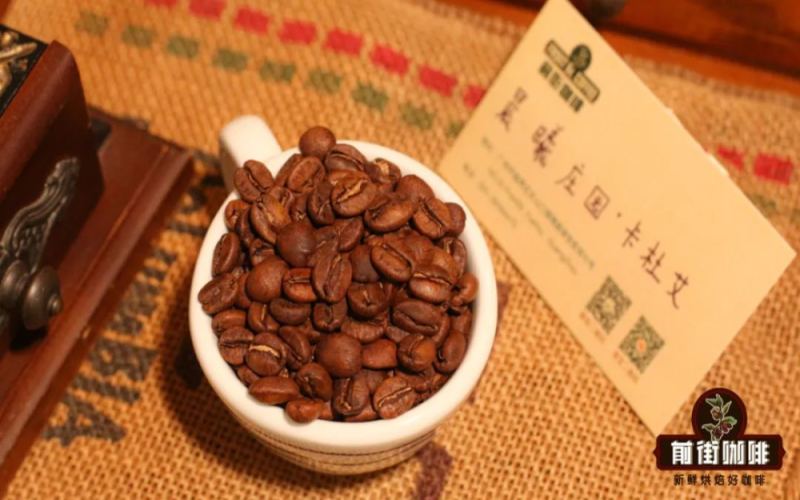
How to drink Costa Rican Red Honey coffee beans? Hand-brew parameters and flavor analysis of Hacienda El Mirador Catuai
Costa Rica is renowned for its honey-processed coffee, and Hacienda El Mirador in the Tarrazú region is a prime example. This Front Street Coffee Costa Rica Hacienda El Mirador Red Honey Catuai comes from the Tarrazú region at an altitude of 1,750 meters, employs the red honey process, and showcases rich flavors of sweet orange, cream, grapefruit, honey, and black tea. This article will guide you through Hacienda El Mirador's growing background, the characteristics of the Catuai variety, and the features of the red honey process, while sharing Front Street's cupping experience and pour-over parameter recommendations to help you better brew this exceptionally sweet coffee. [more…]
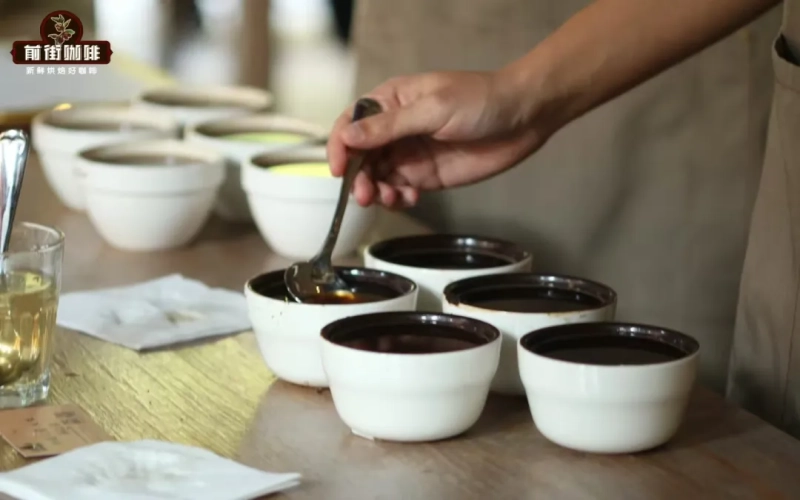
The Standardized Process and Key Operational Points of Coffee Cupping: A Complete Analysis from Equipment Preparation to Evaluation Purposes
Cupping was originally created simply as a way to quickly judge the quality of a commodity, but later people discovered that it is less influenced by human factors and can evaluate a coffee fairly objectively. Today, cupping is no longer limited to green bean traders and roasters; everyone from upstream to downstream in the industry uses it to check coffee bean quality, and even world-class coffee competitions include dedicated cupping events. Recently, Front Street Coffee has had quite a few friends come into the shop asking about cupping methods, wanting to hold a cupping session at home or in their own shop. So Front Street Coffee will explain in detail the equipment needed for cupping, the specific process, and points to note, so that everyone can try it themselves and experience the difference between cupping flavors and everyday brewing. [more…]
A Complete Guide to Coffee Grind Sizes: Comparing Grind Standards and Dosages for Seven Brewing Methods, Including Siphon, French Press, and Espresso Machines
Coffee beans must be ground before their aromatic compounds can be extracted, but different brewing devices work on different extraction principles, so grind size is not interchangeable between them. Using the industry-recognized cupping grind standard (70–75% passing through a No. 20 sieve) as the baseline, this article systematically breaks down the grind parameters and adjustment logic suited to each common brewing device, including the French press, pour-over, cold drip and cold brew, siphon, espresso machine, and moka pot. From immersion to pressurized methods, from coarse sugar to flour-fine powder, Front Street will explain one by one why each device requires a specific grind size, and how to flexibly fine-tune it according to roast level, water temperature, and extraction time, to help you find the grind solution that best suits your own cup. [more…]

How to Choose the Water Temperature for Pour-Over Coffee? A Detailed Explanation from Dissolution Principles to Brewing Practice of Temperature's Influence on Flavor
What water temperature is actually suitable for pour-over coffee? Does a higher temperature always mean better extraction? Starting from everyday dissolution phenomena, this article explains how water temperature affects coffee extraction efficiency, and uses cupping immersion experiments and pour-over comparison data to show how coffee flavor actually performs at different temperatures. The article also explores competition brewers' high-temperature brewing strategies, and why Front Street Coffee recommends a relatively narrow brewing temperature range, helping enthusiasts understand the key role of water temperature in brewing and avoid common misconceptions. [more…]