







Why Does Coffee Quality Depend on the Evaluation Method?
Cupping and pour-over coffee differ mainly in human intervention. Cupping is an immersion method: ground coffee steeps in hot water with no manual pouring, so the cup reflects the beans themselves. Pour-over is a drip method that depends on manual pouring, which makes consistency hard to guarantee and limits how many samples can be evaluated at once.
The gap matters for coffee quality. Pour-over flavor shifts with pouring rate and agitation of the coffee bed, even for skilled baristas. Cupping controls those variables, which is why Front Street Coffee cups each lot to verify quality and roast level before launch. Cupping emerged in 1980s America and remains the standard for assessing beans.
Cupping is an immersion extraction method that minimizes human interference and faithfully reveals the coffee's own flavor and quality. In contrast, pour-over coffee relies on manual pouring, making consistency difficult to guarantee; it is also time-consuming, requires numerous utensils, and cannot handle a large number of samples simultaneously. This article will systematically compare the differences between cupping and pour-over coffee from multiple angles—including operational workflow, degree of human intervention, stability, and preparation cost—and trace the historical background of cupping's origins in 1980s America. Front Street Coffee also uses cupping to verify quality and suitable roast level before launching new beans, ensuring each coffee meets standards before it is brought to market.
There are many reasons why cupping is so widely adopted, but first and foremost, it excels at presenting coffee's flavor and quality. On this level alone, cupping is already more suitable than pour-over coffee for evaluating the merits of coffee beans. The reason is that cupping minimizes the interference of human factors on coffee flavor.
Why can't pour-over coffee replace cupping?
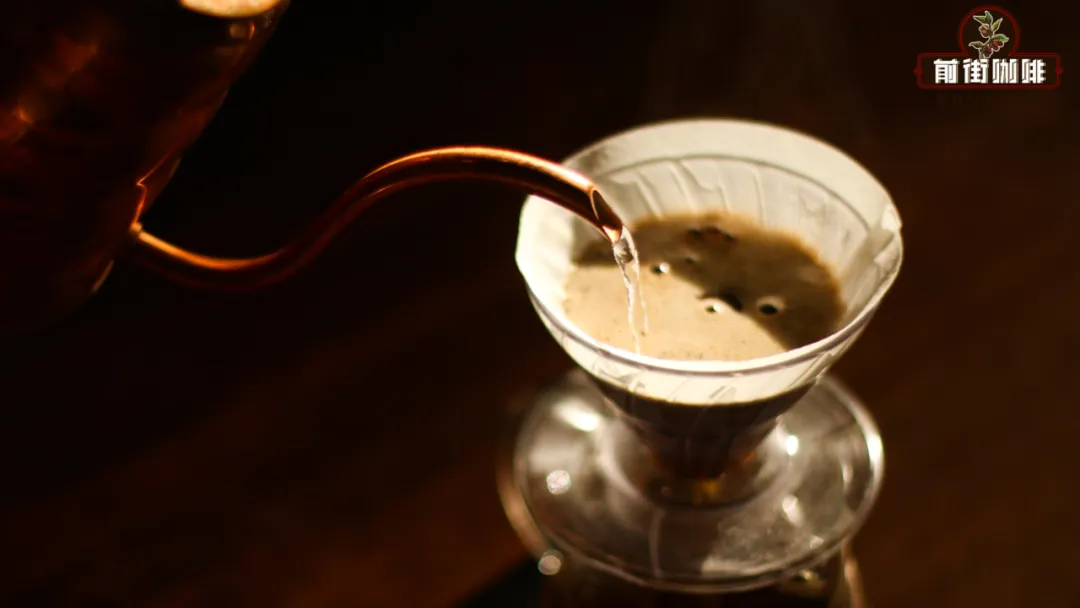
Let's first briefly compare how the two are operated. Pour-over coffee is a drip extraction method, typically requiring manual control of a kettle to pour water and complete the extraction; cupping, on the other hand, is an immersion extraction method—simply mix an appropriate amount of hot water with ground coffee, let it steep for a period, and the coffee is ready.
The core difference between the two lies in the degree of human intervention. Because pour-over coffee requires manual pouring, almost the entire process is inseparable from human involvement. Although there are now machines that simulate pour-over—so-called "fake pour-over"—mainstream pour-over brewing is still primarily done by hand.
And manual brewing cannot avoid two problems. The first is consistency. Even an experienced barista brewing with full concentration finds it difficult to maintain a completely identical pouring rate and circling frequency in every pot of coffee. During pour-over, water flow is one of the key factors affecting extraction efficiency; changes in pouring frequency or different degrees of water flow agitation on the coffee bed will cause fluctuations in the coffee's flavor.
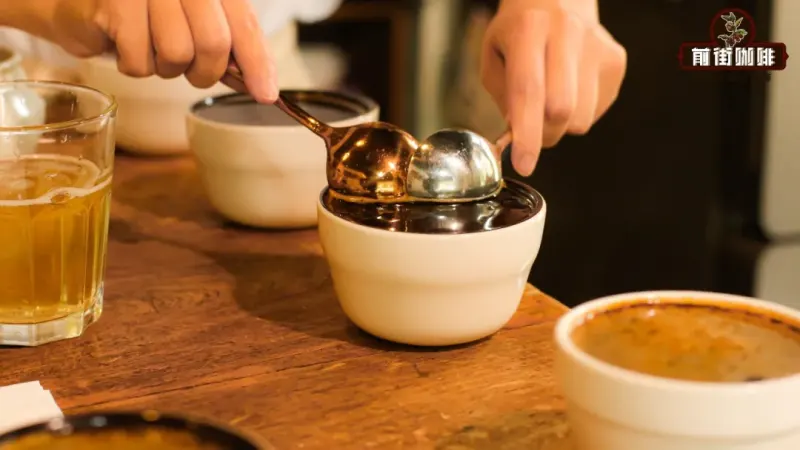
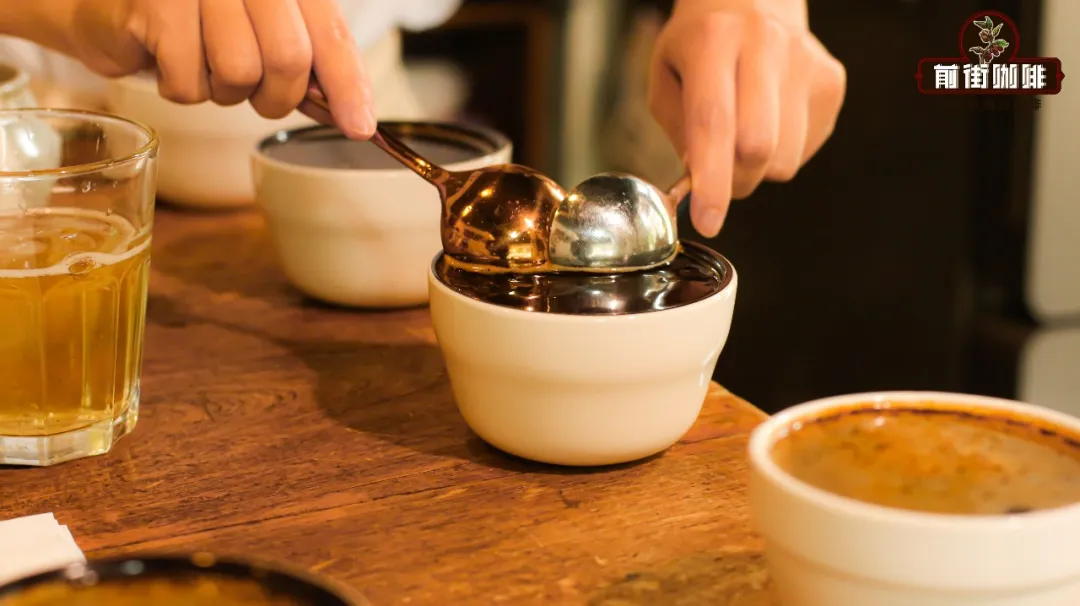
Now look at cupping: we simply put ground coffee into a cup, pour in an appropriate amount of hot water, and without any manual stirring in between, after steeping for a period we can begin evaluating the coffee's quality.
Since cupping involves almost no human intervention, the coffee's flavor is not subject to much interference. Whatever flavor the coffee beans inherently have is what comes through in the cup, with extremely high consistency.
Even if an expert could brew every pot of coffee as consistently as a machine, pour-over still could not replace cupping. Because pour-over brewing is quite troublesome—not only time-consuming but also cumbersome to prepare—and one person cannot brew a large amount of coffee at the same time.
Occasions that require cupping often involve testing many beans simultaneously, rather than just a scattered few. In such cases, if pour-over were used, a large amount of manpower would need to be devoted to brewing. Because the number of beans to be tested is large, and one person can only brew 2–3 pots of coffee at a time, completing a large amount of coffee by pour-over in a short time can only be done by "calling in people."
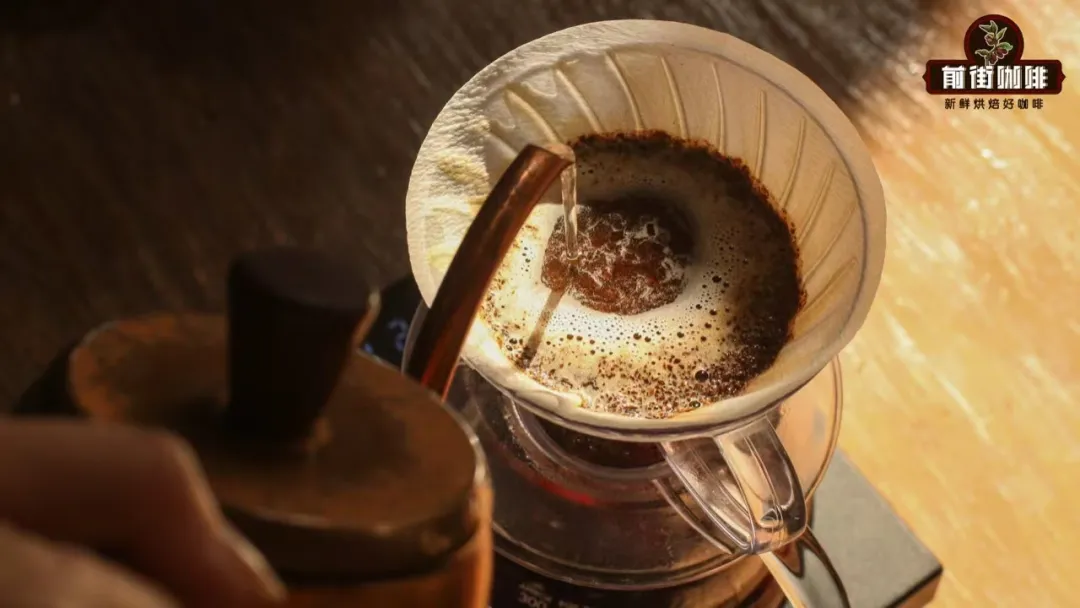
But once you call in people, the problem Front Street mentioned earlier arises: everyone pours water differently, and the coffee's extraction and flavor will vary due to human factors, making it difficult to accurately determine which step is responsible for the coffee's quality.
Not only that, but the drippers, filter papers, pour-over kettles, and other equipment essential for consistent brewing also become a major challenge. To brew multiple pots of coffee simultaneously, these specialized tools are indispensable, which in turn brings very high preparation costs.
By contrast, cupping only requires any container that can hold ground coffee and hot water to get started—far lower preparation cost compared to pour-over coffee.
Taking all the above points together, cupping—with its advantages of stability, convenience, and low preparation cost—becomes the best method for testing coffee bean quality. Of course, this mainly applies when testing a large number of coffees.
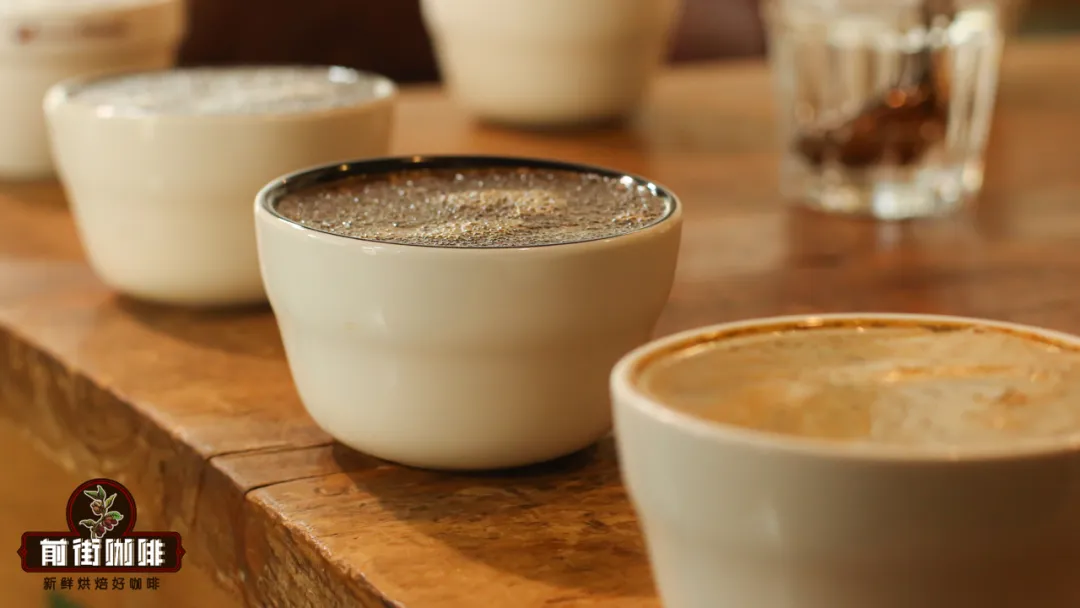
Cupping was born in America in 1980, originally invented for the coffee bean trade. Because the volume of coffee beans being traded was enormous, and to prevent inferior beans from being mixed in, merchants would conduct sampling inspections to verify quality. But faced with such massive quantities, they needed a simple, convenient way to prepare the coffee, and thus cupping came into being.
As times have developed, various coffee bean competitions, appraisals, and research all use cupping to test coffee quality. The same is true at Front Street: before launching each new bean, cupping is first used to test the coffee bean's quality and its suitable roast level. Only after confirming the coffee beans' quality is on point and finding the appropriate roast level are they made into products and listed on Taobao and Tmall.
- END -
The above content is compiled by CoffeeHunters, a coffee news website.


