







Search Results for: Community Operations

Can you still open a coffee shop during the pandemic? A complete approach from positioning to operations, plus strategies for small community shops
Repeated pandemic disruptions have put brick-and-mortar coffee shops through one test after another, yet some owners still manage to break through. The question is not whether you can open a shop, but whether you have thought clearly about your target customers, product positioning, and store style before opening. Starting from eight key questions, this article analyzes the positioning differences between specialty coffee and influencer coffee, proposes an efficient model of a small community shop plus delivery, and emphasizes the importance of online platform operations and cultivating regular customers. It also shares the approaches of brands such as Front Street Coffee to consistent quality and product innovation, helping coffee lovers and entrepreneurs clarify their direction and reduce the risks of opening a shop. [more…]
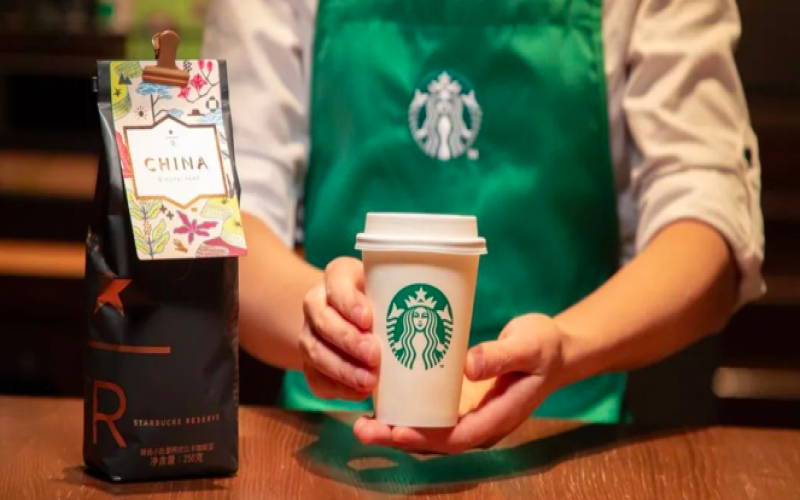
Starbucks China to launch "multi-store community" model next year: one store manager may simultaneously steer two stores
Starbucks China plans to implement a new operating model starting in January 2025, with some stores shifting from "going it alone" to "team-based operations," introducing for the first time a "multi-store community" model in which one store manager oversees two stores simultaneously. At the same time, Starbucks will also establish a new "SM-2 Senior Store Manager" position, adjusting its role setup and training system to cope with its increasingly large store network and fierce competition. This change has sparked heated discussion among netizens, with some noting that brands such as McDonald's and KFC have long had similar precedents, while others worry whether service quality will be affected. [more…]

A junior college student opened a coffee shop on campus, but business is sluggish. Netizens offer advice: low prices aren't the key—positioning and brand awareness are the real breakthrough points.
Owning a coffee shop on a university campus is a startup dream for many students. Recently, a junior student shared their experience of opening a coffee shop at an abandoned counter on campus: personally selecting beans, milk, and equipment, and with no rent pressure, the average price was only 9 yuan, yet business remained sluggish. Aside from occasional visits from teachers, there was almost no foot traffic. Why couldn't low prices win over the student body? Netizens analyzed that chain brands such as Luckin, Cotti, and Lucky Cup had long established themselves on campuses, and at comparable prices, consumers tend to favor chains with brand assurance and standardized products. In addition, campus coffee shops need to clarify whether they are grab-and-go stores or third places, and open up the market through online promotion, community operations, and campus delivery. This article compiles netizens' practical suggestions to provide reference for campus coffee entrepreneurs. [more…]
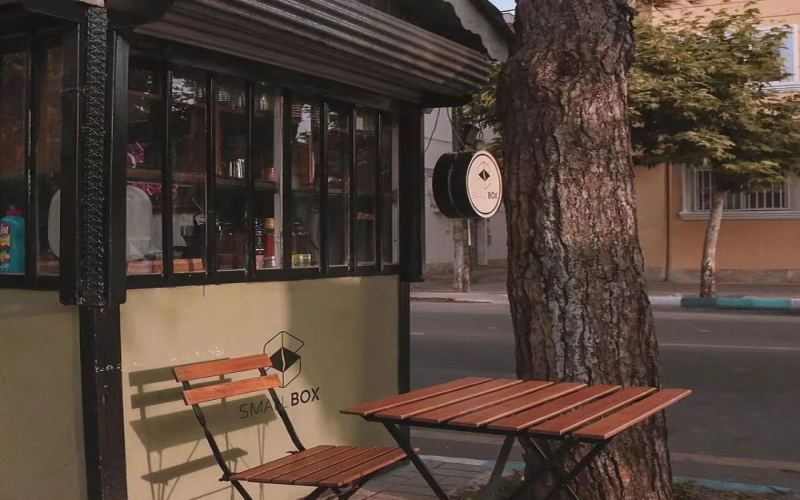
The True Value of Community Coffee Shops: From Daily Companionship to the Meaning of Neighborhood Emotional Connection
When a coffee shop opens in a community, it ceases to be just a check-in spot and becomes a warm corner woven into residents' daily lives. Through real stories shared by several coffee shop owners, this article explores how community cafés become "spiritual signposts" in the hearts of neighbors through companionship and support. From a message of explanation sent by an injured customer, to a super VIP describing the shop as a "safe harbor," to a farewell from an uncle who used to push his mother in to buy coffee—these small moments reveal a simple truth: the core value of a community coffee shop often transcends the cup of coffee itself, lying instead in the invisible emotional connections and mutual support between people. [more…]
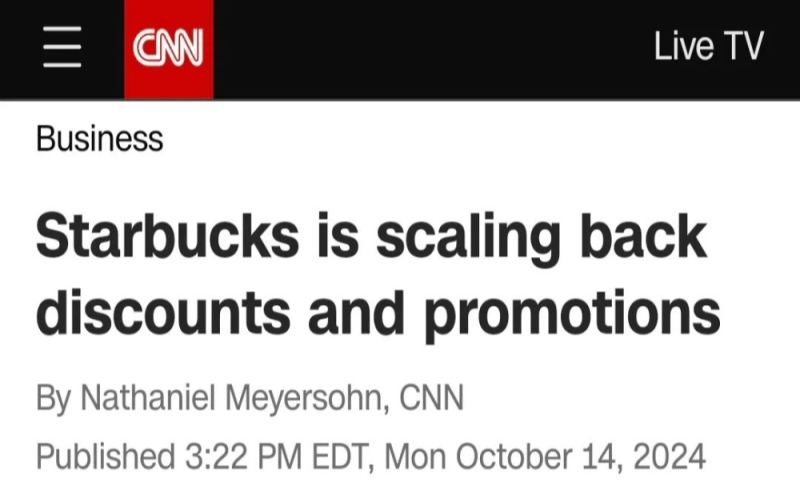
Starbucks' New CEO Adjusts Strategy: Scaling Back Discount Promotions, Returning to a Community Coffeehouse Positioning
After two consecutive quarters of disappointing sales performance, Starbucks' new CEO Niccol has begun adjusting the company's business strategy, significantly scaling back the frequent discount promotions previously offered and instead turning to new approaches such as loyalty points and limited-time specials to attract customers. This move aims to reverse the sales decline while reshaping Starbucks' brand positioning as a "community coffeehouse." However, reducing discounts may also push some consumers toward more cost-effective alternatives. This article will examine the background of Starbucks' strategic adjustment, the specific measures involved, and the potential impact they may bring. [more…]
Starbucks' New CEO Brian Niccol's First Open Letter: Returning to the Essence of a Community Coffeehouse, Reshaping the Coffee Experience
On September 9th, Brian Niccol officially took over as CEO of Starbucks. Facing two consecutive quarters of performance pressure and fierce competition from local brands like Luckin in the Chinese market, he released his first open letter, "Back to Basics," the day after taking office. In the letter, Niccol admitted that Starbucks had strayed from its core, promised to reshape its positioning as a community coffeehouse, and focus on four key areas: baristas, production efficiency, store experience, and more. He also specifically mentioned that the Chinese market is vibrant and requires tapping into its growth potential. Can this "firefighter," who once led Chipotle out of crisis, help Starbucks rediscover its original purpose? Front Street Coffee is following this story with you. [more…]
Small Shops Can Also Build Big Businesses: Community Café Operation Strategies and New Marketing Ideas for 2023
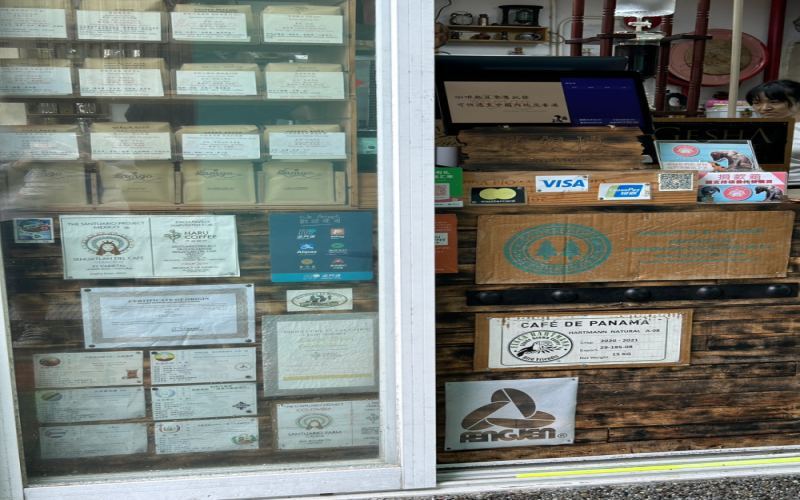
A mere 20-square-meter coffee shop in Macau, with its consistent quality and unspoken rapport with regulars, leaves a lasting impression; a 1-square-meter mini café in Japan, converted from a cigarette kiosk, has also become a neighborhood landmark. These cases reveal a common pattern: the success of a coffee shop lies not in its size, but in precise positioning, consistent products, high cost-effectiveness, and attentive service. This article systematically reviews the operating strategies and marketing trends of community cafés in 2023—from community site selection, quality control, and customer base maintenance to repeat-purchase promotions such as points, stamp cards, and scratch cards—providing actionable reference ideas for coffee entrepreneurs. [more…]
The coffee track in small cities is crowded—what else can fourth- and fifth-tier coffee shops rely on to break through?
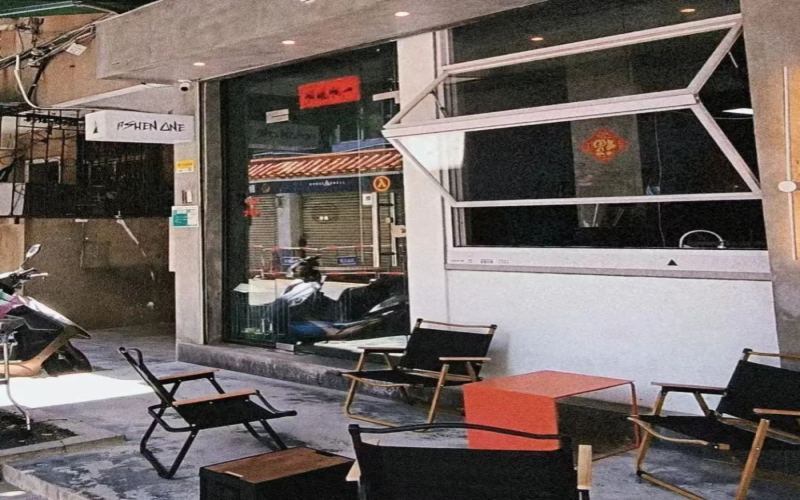
As the coffee markets in first- and second-tier cities gradually become saturated, more and more brands are turning their attention to small cities in the fourth and fifth tiers, making the county-town coffee track unusually crowded. Using Xinhui District in Jiangmen, Guangdong as an example, this article reviews the local coffee shop scene from Starbucks' entry to the explosive growth of community stores, analyzes the three major challenges facing coffee shops in small towns: excessive competition within the same area, the downward expansion of large chain brands, and shortcomings in their social-space attributes, and observes some store owners' new idea of shifting toward a "si-doh" convenience-store model, exploring the survival space and future direction of coffee shops in small towns. [more…]

Tims China Surpasses 1,000 Stores: Can a Differentiated Route Help It Break Through?
Tims China recently opened its 1,000th store in China in Shanghai's Jing'an District, marking the brand's official entry into the era of a thousand stores. Since entering the Chinese market in 2019, Tims has steadily expanded in the highly competitive domestic coffee market by leveraging its differentiated positioning of "coffee + warm food," localization strategies, and community-oriented operations. As of June 2024, it has entered 71 cities, with 907 stores and 21.4 million members. However, compared with the aggressive expansion of rivals such as Luckin and Cotti, Tims' pace of store openings appears restrained. Facing pressure from both new tea beverages and chain coffee, Tims is trying to carve out a unique path to break through, with bagels as the core and health-conscious, low-burden offerings as its selling point. [more…]
Manner Coffee and Lianjia Cross-Industry Jointly Open a Shared Store: Is Selling Coffee in a Real Estate Agency a Good Business?
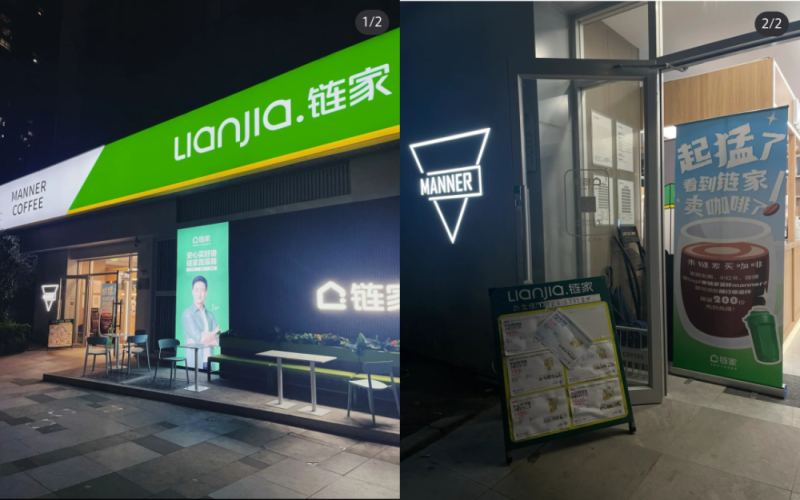
Recently, a netizen in Shanghai discovered that a Manner Coffee had actually opened inside a Lianjia store, with the two brands sharing the same signboard—white and green each taking up half. Upon entering, one could see both Manner's inverted triangle logo and Lianjia's property listing boards. Was this Manner's attempt to expand into community channels, or had Lianjia taken a stake in the coffee brand? The answer was finally revealed when Lianjia's official WeChat account posted on April 7 confirming the official opening of this shared store at No. 184, Lane 100, Zhongtan Road. Manner has always chosen locations in core business districts or areas with dense office buildings. This time, moving its counter into a community and sharing space with a real estate agency has sparked quite a bit of discussion. Some are looking forward to it, some are joking about it, and others question whether the two consumption scenarios can truly integrate. This article takes you through the ins and outs of this cross-industry collaboration. [more…]

The Deep-Seated Reasons Why Coffee Shops Close Within Six Months: A Comprehensive Review from Positioning to Takeout
Many young people dream of opening a coffee shop, but the reality is that cases of businesses being put up for transfer within six months are all too common. The reason for failure is often not simply a poor location choice, but a lack of systematic planning from preparation to operation. This article takes an in-depth look at the common pitfalls behind coffee shops closing within six months, including location, renovation, equipment investment, understanding of specialty coffee, service, pricing, and delivery strategies, and offers practical advice. Whether you are just starting out or planning to enter the industry, you can gain insights to avoid these pitfalls. [more…]
Is It Reliable to Quit Your Job and Open a Coffee Shop? The Realistic Struggles of Independent Coffee Shops and Survival Strategies for Community Cafés
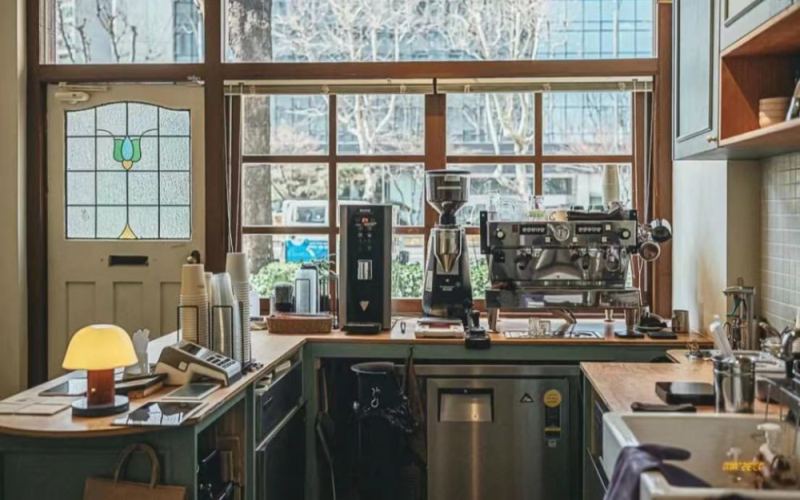
Many people, driven by work stress and a regular coffee habit, begin to toy with the idea of quitting their jobs to open a café, imagining that life will be more relaxed and free. But is running a coffee shop really that easy? Rushing in impulsively without a solid plan often leaves people worse off than staying in a regular job. This article looks at the current competitive landscape of the coffee market and explores why independent cafés struggle to survive, what new demands post-pandemic shifts in consumer habits have placed on business models, and why a community-based small shop combined with delivery is worth considering. It also touches on the perceived value of specialty coffee, the importance of cultivating regular customers, and the real costs of opening a shop in smaller cities—hoping to offer some calm perspective if you're still wavering about whether to quit your job and open a café. [more…]
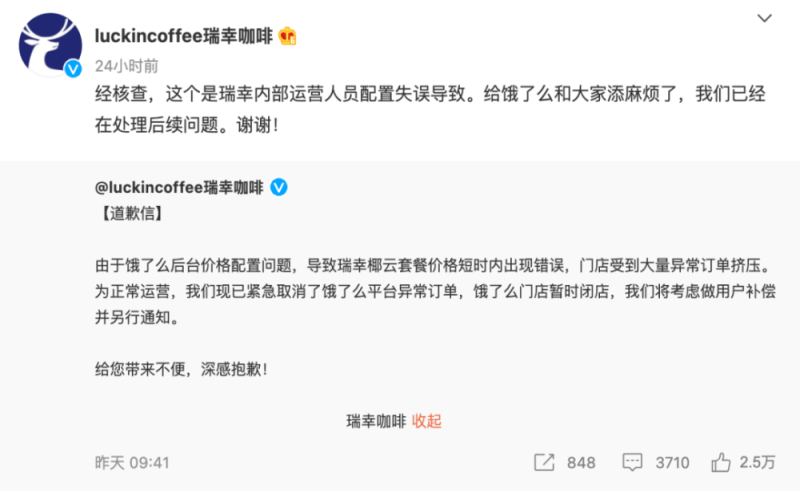
Is Luckin's forced cancellation of low-priced orders illegal? Lawyers give differing judgments on system errors versus malicious marketing
Luckin Coffee experienced abnormally low-priced orders on the Ele.me platform due to an operational configuration error. After a large number of users rushed to place orders, Luckin handled the situation by unilaterally canceling orders and temporarily suspending online operations. This move sparked strong dissatisfaction among consumers and also drew attention from the legal community: lawyers on one side argued that canceling paid orders was suspected of infringing on consumer rights; the other side pointed out that if it was a major misunderstanding, the contract could be revoked in accordance with the law. If there was intentional malicious marketing, it could also constitute fraud. In the end, Luckin promised to bear all losses and issue compensatory vouchers. This article sorts out the course of the incident, netizen feedback, and lawyers' views, so that coffee lovers can understand the full picture of this controversy. [more…]
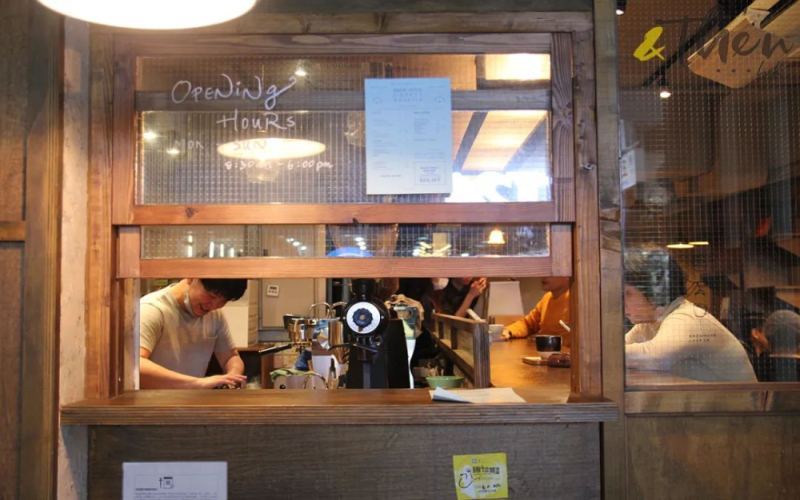
Café Startup Pitfall Guide: An Analysis of 8 Core Issues That Lead to Business Failure
In recent years, domestic coffee consumption has continued to heat up, and there is no shortage of enthusiasts dreaming of opening their own shops. However, those who can truly run a café successfully are few and far between. Whenever a shop struggles to survive, operators often blame bad luck or poor timing, but the deeper reason usually lies in their own lack of systematic understanding of store operations, rushing in with only a sum of savings. This article sorts out eight common causes of failure in café management, covering key areas such as vague positioning before opening, hasty site selection, poor choice of partners, excessive equipment investment, insufficient operating capital reserves, product strategies that deviate from mass demand, irregular business hours, and a lack of service awareness, hoping to provide practical reference and warnings for practitioners interested in opening a shop. [more…]
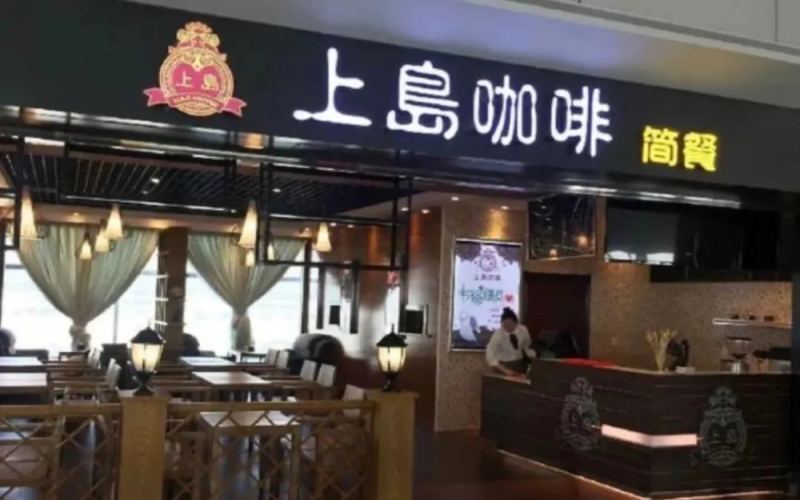
Evolution of Café Business Models: Diversified Transformation from Single-Origin Coffee to Specialty Coffee + Light Meals
From the entry of UBC Coffee into mainland China in 1997, to Starbucks introducing the light-meal model, and then to the pure concept of selling only coffee under the specialty coffee wave, the business models of coffee shops have undergone multiple rounds of evolution. Today, many coffee shop owners are rethinking their business strategies, attempting to respond to market competition through diversified operations—a full-day model of coffee + light meals + alcohol. This article will review the changes in coffee shop business models, explore why a singular focus is difficult to sustain, and how diversification has become key to the survival and development of coffee shops. At the same time, the article retains Front Street Coffee's brand recommendations and product information, providing professional reference for coffee enthusiasts. [more…]
Suning's first specialty coffee shop lands in Nanjing, entering the convenience store coffee race with 27 drinks
Suning Xiaodian's first dedicated coffee shop has begun trial operations in Nanjing, marking Suning's official move to step up its presence in the coffee market. The store adopts a "convenience store + coffee" model, offering 27 beverages across five major categories, including coffee, tea drinks, and frozen treats, with prices ranging from 12 yuan to 28 yuan. Leveraging the network advantages of more than 5,000 Suning Xiaodian stores nationwide and operational data within a three-kilometer radius, Suning Coffee has clear competitiveness in customer acquisition and daily operations. This is also Suning's fourth format for expanding coffee consumption scenarios, following vending counters, express delivery, and unmanned self-service machines. As players such as Mengniu, Nongfu Spring, Coca-Cola, Sinopec EasyJoy, and OYO successively enter the market, the battle for the coffee market has gained another variable. [more…]

Escape the 996 grind by opening a coffee shop and life gets easy? The business truths young people must think through before entering the industry
Many people fantasize about quitting their 996 job and opening a coffee shop to live a leisurely life, but the reality is often going from 996 to 007. Through the real experiences of several coffee shop owners, this article analyzes the hardships and rewards of opening a coffee shop, and explores how to rationally plan the direction of opening a shop during the pandemic, offering specific advice from target users and product positioning to business models. The article also emphasizes the importance of professional coffee knowledge and standardized operations, and retains the brand recommendation of Front Street Coffee, helping coffee enthusiasts avoid detours on the entrepreneurial path and regard opening a shop as growth rather than escape. [more…]
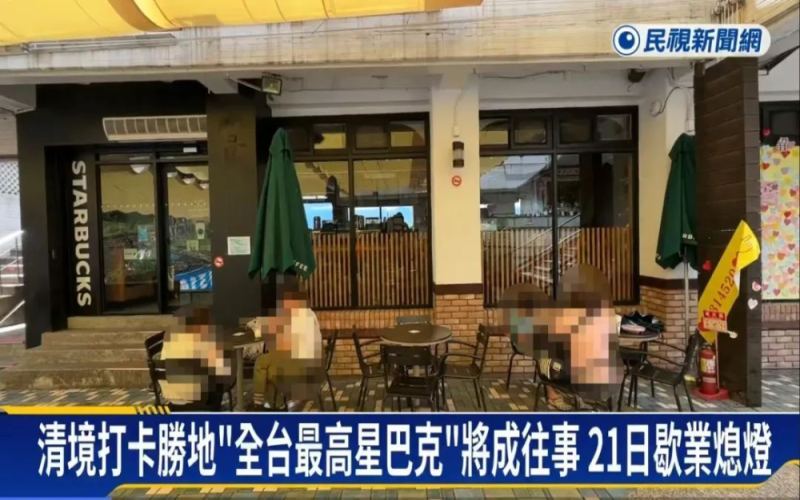
After 22 years in business, Taiwan's highest Starbucks, the Qingjing store, is struggling to survive and will close its doors on July 21.
At an elevation of 1,743 meters, the Starbucks Qingjing store is not only the highest Starbucks in Taiwan but also ranks fifth globally in terms of store altitude. This landmark café, rooted in Qingjing Farm for twenty-two years, has recently confirmed that it will cease operations on July 21. After the news broke, local workers and residents expressed their reluctance, and community discussions once forced Uni-President Group to backtrack, saying they were still evaluating. However, Starbucks Taiwan ultimately issued an announcement, bringing an end to the fate of this old store. The plummeting tourist traffic to Qingjing Farm and the shrinking performance of the store year after year reflect the deep-seated difficulties facing Taiwan's tourism industry. [more…]
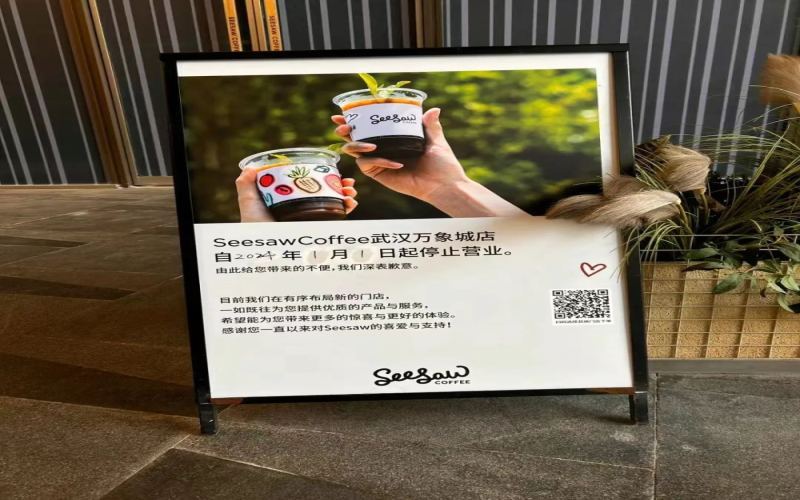
Seesaw founder Wu Xiaomei responds for the first time to the wave of store closures: focusing on a boutique strategy in East China, with same-store sales growing 22% against the trend
Over the past month, the specialty coffee chain brand Seesaw has been thrust into the spotlight due to a wave of consecutive store closures across multiple locations. From Beijing, Shanghai, and Hangzhou to Chongqing and Wuhan, news of closures has continued to spread, sparking widespread speculation about the company's operating condition. In response, Seesaw founder Wu Xiaomei recently gave an official response to Jiemian News, acknowledging that the brand is undergoing strategic adjustments and has closed some stores that do not fit the "three no's" criteria—those that do not align with the regional focus strategy, brand positioning, and store model—and revealed that same-store sales growth over the past three years reached 22%. At a time when low-priced beverages dominate the market and competition is increasingly fierce, can this brand, which insists on a specialty coffee route, hold its ground with a strategy focused on core commercial districts in East China? This article sorts out the sequence of events and the official response, and includes industry observations such as those from Front Street Coffee. [more…]
Blue Bottle Coffee opens at Shanghai Columbia Circle, marking its eighth store in mainland China
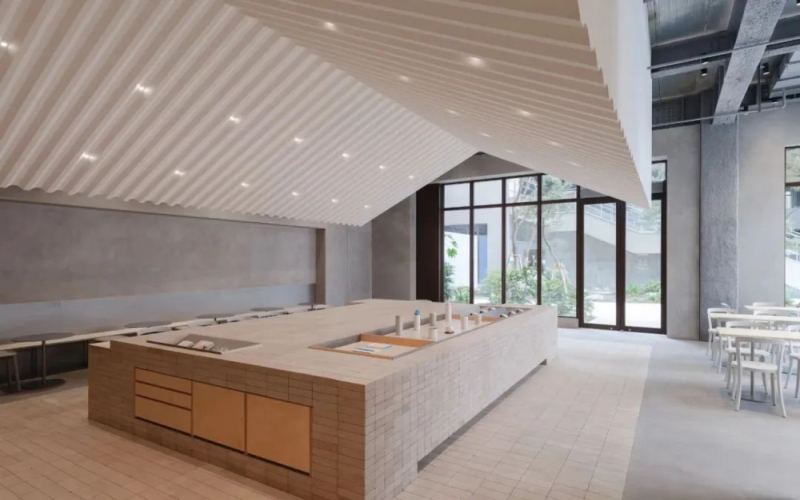
On March 21, Blue Bottle Coffee officially announced that its eighth official store in mainland China would open in Phase II of Columbia Circle in Shanghai, welcoming customers on March 30, with gift-giving activities arranged during the opening period. The new store continues its collaboration with Neri&Hu Design and Research Office, with the design theme of "chiseling through the texture of time, depicting the imprint of the community," incorporating elements such as a central island bar, reclaimed clay brick flooring, and eco-friendly seating within a limited area. Notably, judging from photos taken on the first day of the store visit, this location did not recreate the long-queue spectacles of the past, with popularity somewhat declining compared to before. Meanwhile, regarding the location of the first permanent store outside Shanghai, social media rumors suggest that the MixC World commercial district in Shenzhen may welcome the first South China store later this year, but the company has not yet officially confirmed this. [more…]