







How does a coffee roaster help small community cafes compete?
Small coffee shops succeed through positioning, consistency and service rather than floor space. A 20-square-meter takeout shop in Macau and a one-square-meter Japanese kiosk both built loyal followings by keeping quality steady, pricing fairly and knowing their regulars. A visible coffee roaster and fresh beans give customers a reason to return and to buy beans for home brewing.
The practical playbook covers community site selection, quality control and customer retention, including points cards, stamp collecting and scratch-card promotions that encourage repeat visits. Sharing coffee knowledge with regulars and mailing beans to customers who move away extends the relationship beyond the storefront, which matters more than square footage for a neighborhood cafe.
A mere 20-square-meter coffee shop in Macau, with consistent quality and an unspoken rapport with regulars, leaves people unable to forget it; a 1-square-meter mini café in Japan, converted from a cigarette kiosk, has also become a calling card in its community. These cases reveal a common pattern: the success of a coffee shop doesn't lie in its size, but in precise positioning, stable products, high cost-performance, and heartfelt service. This article systematically sorts out the operating strategies and marketing trends of community cafés in 2023, from community site selection, quality control, and customer base maintenance to repurchase promotions such as points, stamp collecting, and scratch cards, providing actionable reference ideas for coffee entrepreneurs.
For professional coffee knowledge exchange and more coffee bean information, please follow Coffee Workshop (WeChat public account cafe_style)
For more specialty coffee beans, please add private WeChat Front Street Coffee (FrontStreet Coffee), WeChat ID: qjcoffeex
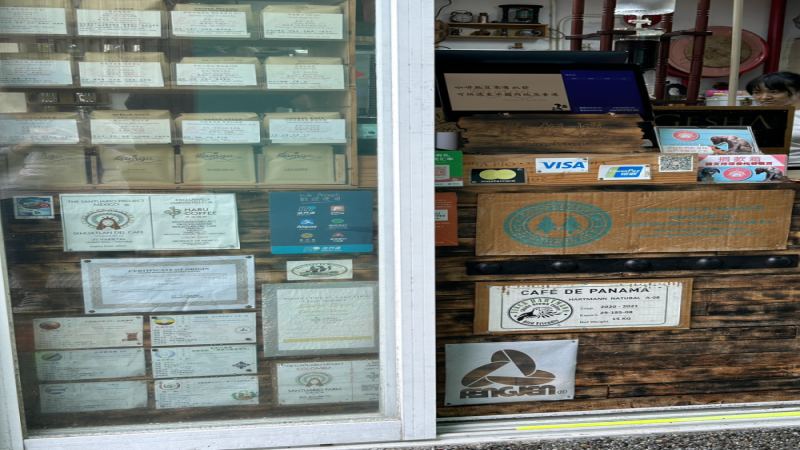
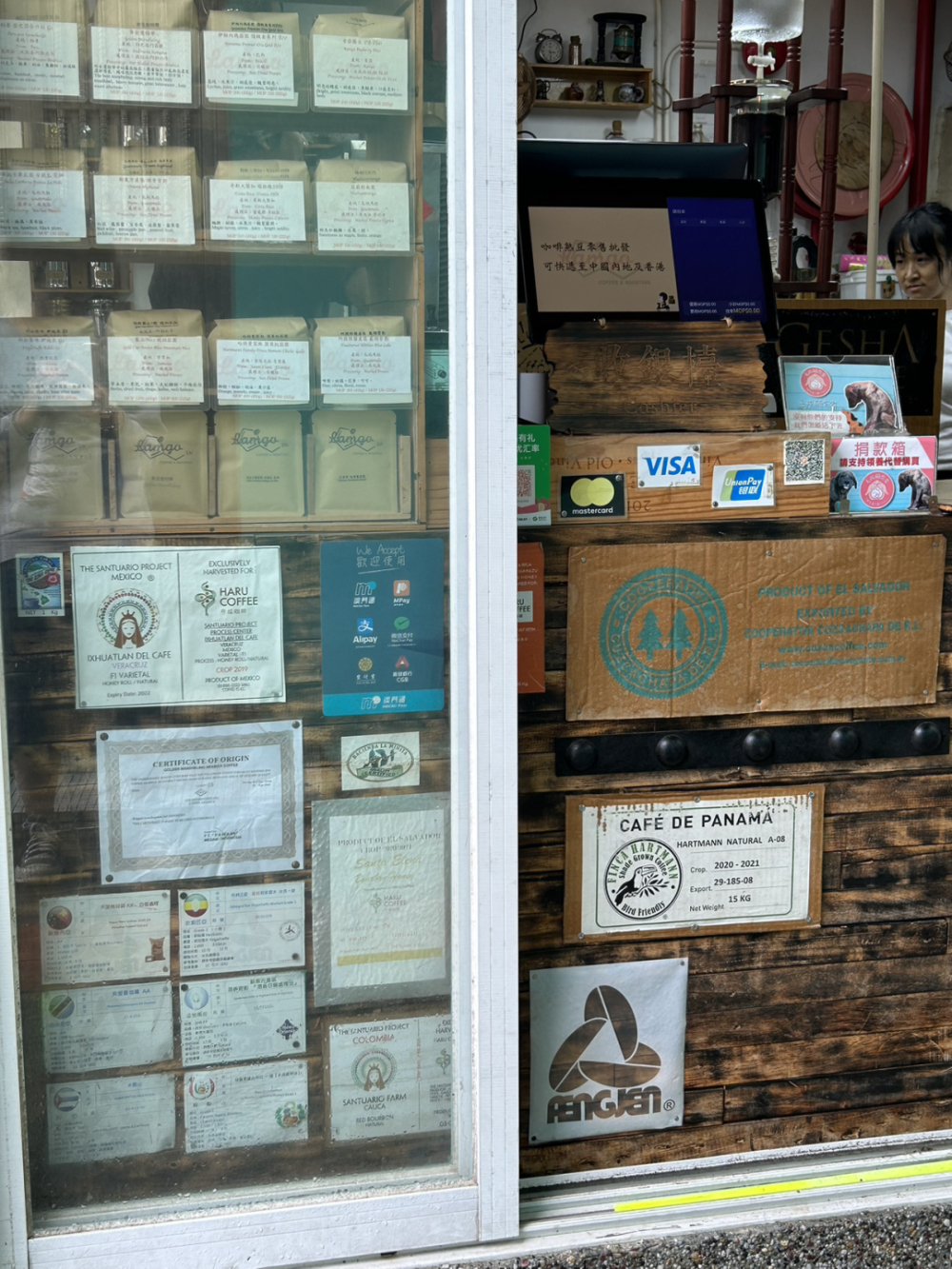
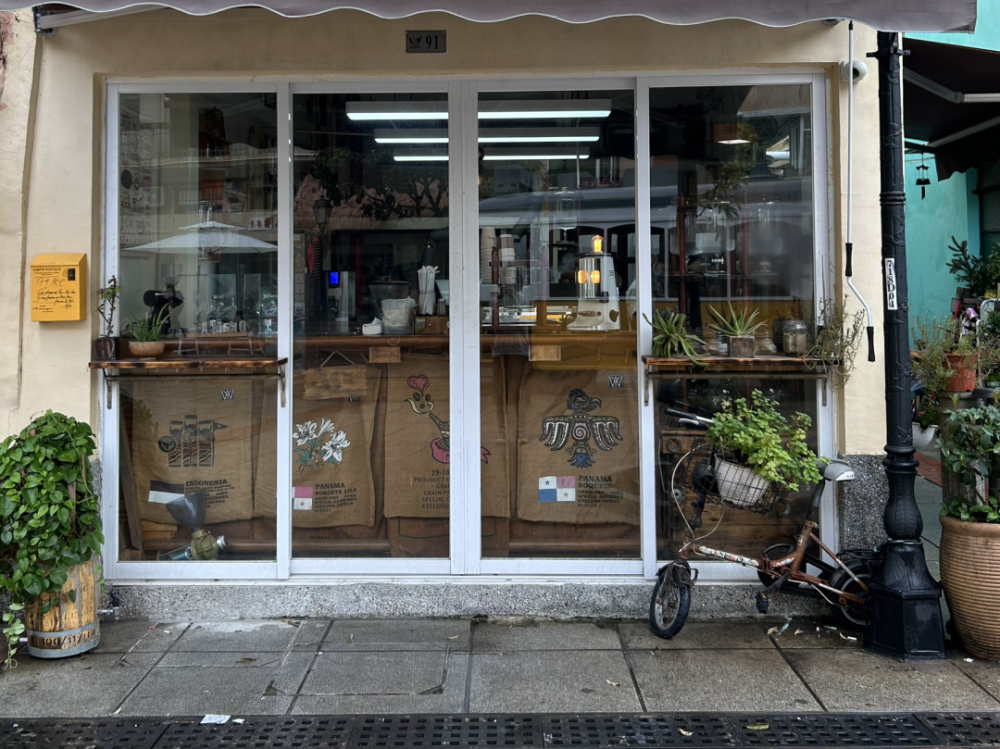
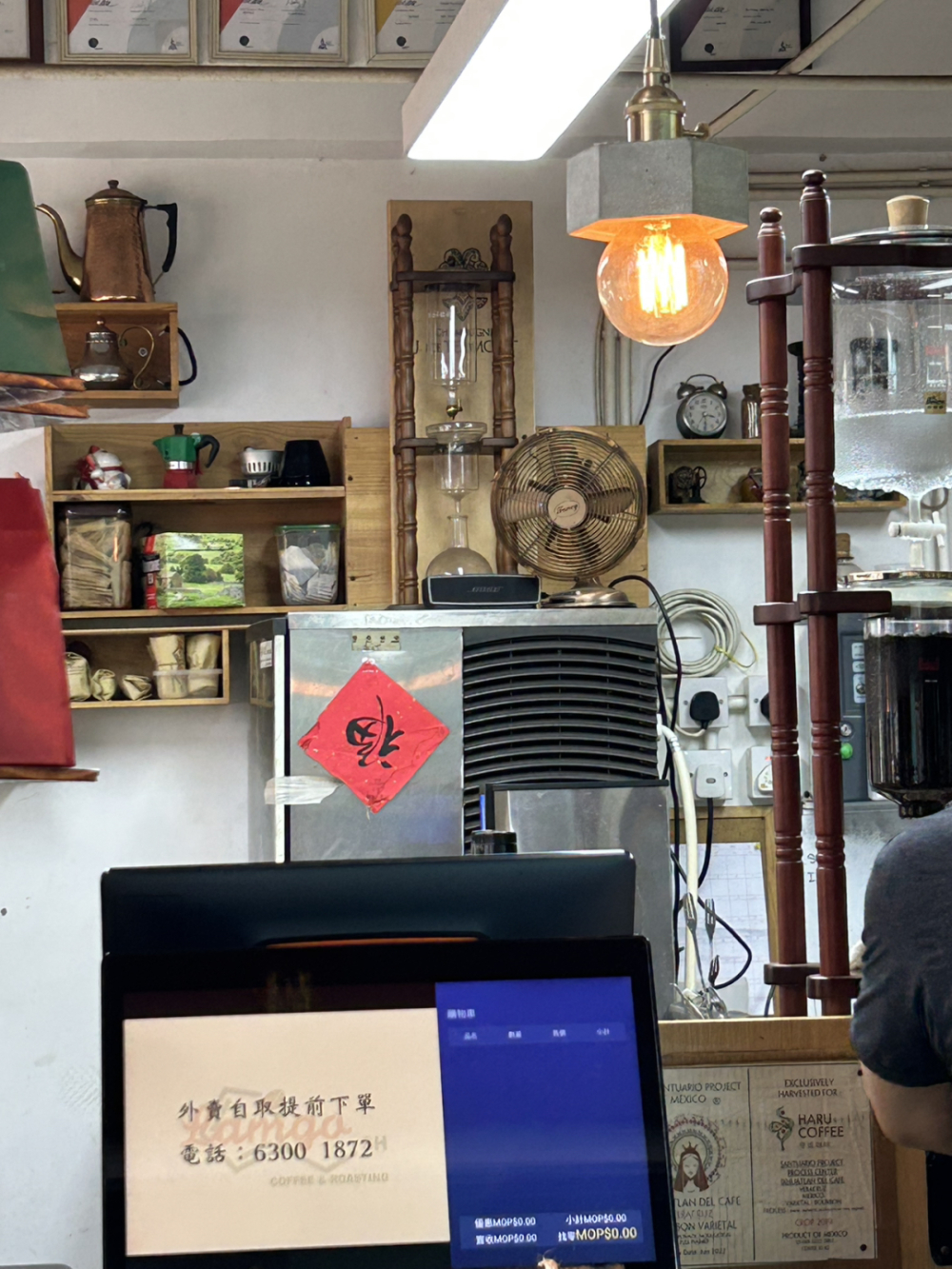
A while ago, the author took a trip to Macau. It happened to be pouring rain, so I ducked into a small coffee shop of about 20 square meters. This shop only does takeout, and also sells its own freshly roasted coffee beans.
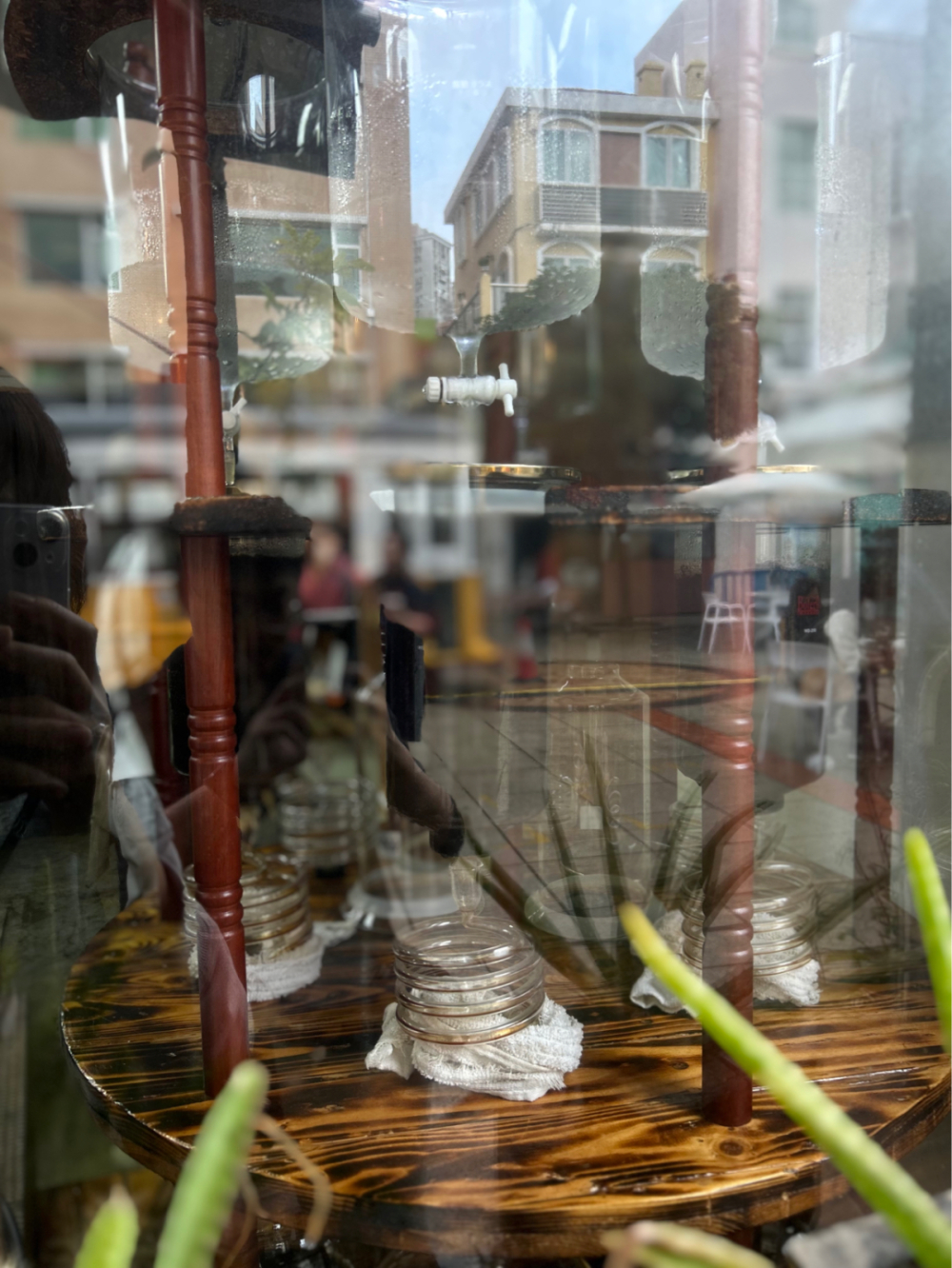
The storefront is not large, but it is neatly arranged. Inside, there is a coffee roaster, and all kinds of brewing equipment are available. A large floor-to-ceiling glass window faces the street, so when passersby go by, every move of the barista is in full view. The decor is hardly exquisite, yet it reveals care and enthusiasm for coffee everywhere.
I couldn't resist for a moment, so I ordered pour-over, cold brew, and siphon, and on the way out I even took two bags of traditionally processed beans home to brew myself 😂. The staff specifically mentioned that if it's inconvenient to come to Macau, they can help mail them. What was surprising was that this shop's offerings were quite consistent; whether drinking in the shop or brewing at home, the coffee performed impressively. It's really hard not to like a small shop like this, and it already makes people look forward to the next visit.
The biggest takeaway from this trip for me was: a coffee shop doesn't necessarily need a lot of space. Being professional, consistent, and cost-effective, and being able to meet the daily coffee needs of the surrounding public, is what matters most. Looking back, most of the customers who entered the shop were familiar faces from nearby, and the barista knew their tastes inside out. Before they even reached the counter, the recommendation of the day was already prepared. For a shop to operate for a long time, the most crucial secret is nothing more than having a group of loyal returning customers.
In fact, no matter the period, opening a shop is never an easy task. Being able to make it work depends not on luck, but on sufficient planning and preparation for one's positioning and future development, plus a group of customers willing to support you. The reason it can't continue is also not that independent coffee shops are hard to run or that the industry is too competitive, but that the upfront investment (decoration, equipment, etc.) is too large, the payback period is too long, and at the same time there is a lack of products and pricing that fit the needs of the surrounding customer base.
Some time ago, a coffee shop in Japan of only 1 square meter sparked discussion among many marketing researchers. This mini café, converted from a cigarette kiosk, is located at the corner of a residential complex and only offers takeaway coffee and self-roasted coffee beans. Although small in area, with its unique and memorable design as well as meticulous operating details, it became a calling card of the local community.
Product quality, reputation, design sense, the barista's professionalism, and careful observation of customers' preferences all won this shop praise and proactive sharing from customers. At the same time, the owner also specially designed coffee bean vouchers and a points system to strengthen customers' memory of the brand and increase the repurchase rate.
The two shops mentioned above have quite a few things in common: rooted in the community, small in size, efficient in operation, consistent in output, and outstanding in cost-performance. Although they focus on takeout, they are extremely attentive to every customer who comes in.
"Community, Efficiency"
Under the pandemic, coffee shop site selection no longer has to insist on bustling locations and can instead move into communities. Compared with high-traffic areas, community stores face much less rent pressure; and when people in surrounding bustling areas use apps to search for food or nearby services, the shop can actually gain more exposure opportunities.
Combined with delivery business, it can satisfy some customers' demand for face-to-face service and specialty coffee, while also not lacking attention and spending from mass consumers. But the prerequisite is establishing a complete standardized operating process to improve order efficiency.
"Stable Quality, High Cost-Performance"
In choosing coffee beans and other raw materials, one must not blindly pursue high prices or categories hyped by the industry. It is essential to consider the real needs of the customer base in the shop's area and choose products with high cost-performance and broad public acceptance, as this is more attractive.
Remember! No matter how each product is delivered to the customer, the quality and consistency of every item must be taken seriously.
"Serve with Heart, Cultivate Customer Loyalty"
For every customer who comes into the shop, we can try to observe characteristics such as their preferences and the times they often visit, keep these small details in mind, and make adjustments in due course. As long as you sincerely treat every customer, they will also notice your changes, their satisfaction will rise accordingly, and they will then become loyal customers.
The cost of developing a new customer is several times that of retaining a regular customer! Cultivating regular customers is the most valuable shop operating model.
"Provide Various Repurchase Promotions Such as Points"
For example, "membership points": free member registration, with consumption points set up, applicable to in-store customers. Daily check-in can earn points, and spending on member days can earn triple points, stimulating customers to repurchase multiple times. Points can be redeemed for coffee beans, designated drinks, or merchandise, etc.
Another example is "stamp collecting": applicable to both in-store and delivery. Each time a customer spends, they get a stamp or sticker. Once they collect the required number, they can redeem a signature coffee in-store, encouraging delivery customers to also come to the shop and experience the professional atmosphere.
Yet another example is "scratch cards": applicable to both in-store and delivery. Spend 9.9 yuan and get a scratch card; the higher the spending amount, the more scratch cards. Prizes can be drink redemptions, coffee coupons, etc. The purpose is likewise to encourage more customers to return to the shop and repurchase.
Image source: Internet
The above content is compiled by CoffeeHunters, a coffee news website.


