







Search Results for: Colombia variety
Colombian Hula Volcano Smallholder Coffee Brand Recommendation | Origin, Variety, Processing Method, and Front Street Brewing Analysis
Colombia, with the diverse terroirs of the Andes Mountains, has become the world's third-largest coffee exporter and the country with the highest export volume of Arabica beans. The Huila volcanic region is known for organic farming and fruity flavor profiles, where smallholder cooperatives at altitudes of 1,400 to 2,000 meters cultivate citrus, grapefruit, and chocolate-like sweet-and-tart flavors. This article systematically reviews Colombia's main producing regions, coffee varieties, washed processing methods, and grading system, and highlights the Colombian beans sold by Front Street Coffee (FrontStreet Coffee), including Rose Valley, Flower Moon Night, and Hanami Geisha Blend, and finally provides cupping and three-stage brewing parameters to help coffee lovers gain a comprehensive understanding of the charm of Colombian coffee, from flavor perception to practical extraction. [more…]
Colombian Coffee Flavor Characteristics and Huila Region Analysis: From Geography and Varieties to Front Street Brewing Practice
Colombia, as the world's third-largest coffee-producing country, is renowned for the superior terroir of the Andes Mountains and its rich variety of cultivars. This article systematically reviews the overall flavor characteristics of Colombian coffee, with a focus on analyzing the terroir conditions of specialty producing regions such as Huila, and provides a detailed introduction to the cultivation performance of varieties including Typica, Bourbon, Caturra, and Castillo in Colombia. It also covers coffee bean grading standards, washed processing methods, and the brewing parameters and flavor descriptions of products sold by FrontStreet Coffee such as the Colombian Geisha blend Hanami, offering coffee enthusiasts a complete framework for understanding Colombian coffee. [more…]
A Comprehensive Analysis of Colombian Coffee Regions: Flavor, Varieties, Processing Methods, Grade Classification, and Comparison
Colombia, as a global powerhouse of specialty coffee, boasts distinctive flavors across its various producing regions. From the perspective of Front Street Coffee, this article systematically reviews the geographical environments, variety characteristics, and processing method differences of Colombia's main producing regions (Santander, Huila, Cauca, etc.), comparing the effects of washed, anaerobic double enzyme washed, and anaerobic natural processing methods on flavor. It also introduces the origins, estates, altitudes, varieties, and flavor descriptions of Front Street Coffee's representative products—Colombia Rose Valley, Hanami Geisha Blend, and Sakura Coffee Beans—along with recommended brewing parameters. The article is comprehensive and suitable for coffee enthusiasts seeking an in-depth understanding of Colombia's diverse coffee charm. [more…]
A Comprehensive Analysis of Colombian Coffee Bean Flavor and Taste: Key Points on Huila Region Characteristics and Roast Level
Colombia, as the world's third-largest coffee-producing country, nurtures Arabica coffee beans of exceptional quality thanks to the superior geographical conditions of the Andes Mountains. This article systematically reviews the characteristics of Colombia's main producing regions, analyzing the flavor differences of each region one by one, from Santander to Huila, Cauca, and Nariño. It also provides an in-depth introduction to the coffee bean grading system, the washed processing method, and the characteristics of varieties such as Typica, Bourbon, Caturra, and Castillo, with a particular focus on the roasting degree performance and brewing recommendations of specialty coffee from the Huila region. The article retains Front Street Coffee's recommendations and brewing parameters for bean varieties such as Sidra, Maragogipe, and Hanami, providing coffee enthusiasts with a complete framework for understanding Colombian coffee. [more…]
Colombian Coffee Regions and Varieties Explained: From Caturra to Recommended Single-Origin Beans from Famous Estates
Colombia is located in the northwest of South America. With its high altitude and fertile volcanic soil, it has become a major global producer of Arabica coffee. Its coffee is known for a rich, dark-chocolate-like body and caramel sweetness, with a flavor far more complex than that of flat-terrain Brazilian coffee. Colombia's growing regions are divided into two major segments: commercial beans and specialty beans. The northern MAM region focuses on intense chocolate notes, while the high-altitude southern regions are known for delicate acidity and berry flavors. At present, the country's main varieties are Caturra and the self-developed Colombia and Castillo, along with a small amount of Geisha. This article will guide you through the distribution of Colombia's coffee-growing regions and the characteristics of its varieties, and recommend the consistently high-quality Front Street washed Huila coffee beans. [more…]
The Core Characteristics and Pour-Over Flavors of Colombian Coffee: A Comprehensive Interpretation from Origins and Varieties to Processing Methods
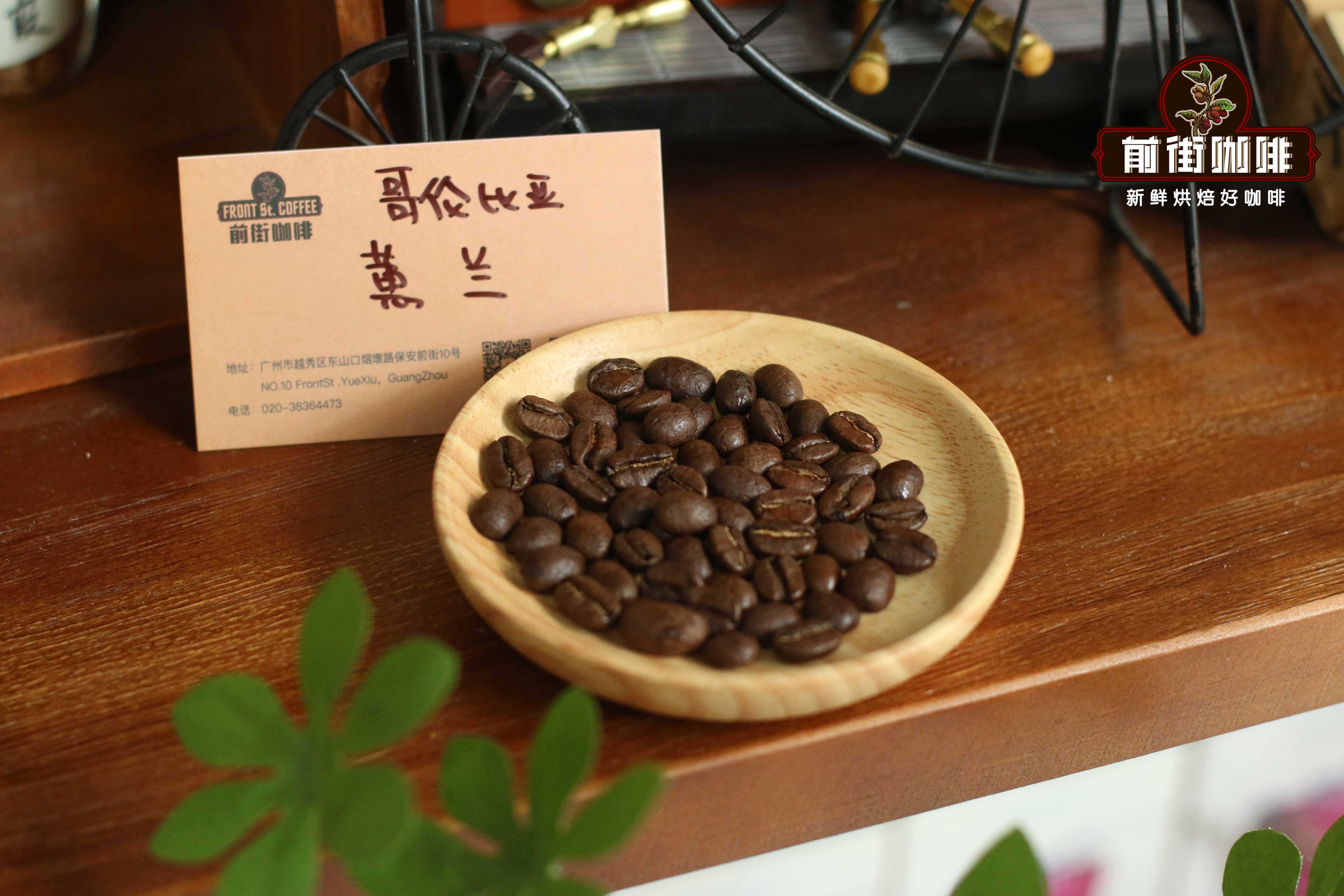
Colombian coffee is known for its soft, balanced acidity and caramel and nutty sweetness, and the country is a major exporter of washed Arabica beans worldwide. This article systematically sorts out the flavor logic of Colombian coffee, from growing environment, main producing regions, and variety composition to processing methods and brewing parameters, and introduces the characteristics of Front Street Coffee's products such as Huayueye, Rose Valley, Xizhua, and Daduqi, helping coffee enthusiasts understand the elegance of "soft" style coffee and why washed Huila is regarded as the representative flavor of Colombia. [more…]
A Complete Analysis of Colombian Coffee Flavor and Mouthfeel: From Regional Terroir to a Full Guide on Caturra and Castillo Varieties
Colombia is one of the few origins in the world sold as a single-origin coffee under its country name, and together with Brazil it ranks among the world's top three coffee exporters, accounting for about 15% of global production. Unlike Brazil, which relies on technology-driven cultivation, Colombia owes its clear, rich, fruit-and-acidity-laced coffees to the volcanic soils, abundant rainfall and diverse terrain of the Andes. This article systematically reviews Colombia's major producing regions—from Bucaramanga in the north to Santander, Huila, Cauca and Nariño in the south—explains the flavor differences among them, introduces the diverse varieties such as Typica, Caturra and Castillo, and includes the brewing parameters and flavor descriptions for several Front Street Coffee Colombian beans, helping coffee lovers gain a comprehensive understanding of the appeal of this South American origin. [more…]

Colombia Huila Pink Bourbon Coffee Beans: Washed and Anaerobic Washed Pour-Over Flavor Analysis
Pink Bourbon is a highly representative rare variety from Colombia's Huila region, originating from a cross between Red Bourbon and Yellow Bourbon and named for the unique pink hue the coffee cherries display when ripe. The interaction of its recessive genes makes this pink coloration difficult to preserve consistently, and its yields are extremely limited. Front Street Coffee has selected two Pink Bourbon lots from the Huila region—a semi-washed and an anaerobic washed—the former displaying bright notes of citrus, berries, and cherry tomato on entry, with honeyed sweetness and a floral finish emerging as the temperature changes, and a smooth, clean mouthfeel; the latter offering deep berry flavors of smoked plum and blackberry, with crisp citric acidity, honeyed sweetness in the mid-palate interwoven with black tea notes and a cocoa finish. This article systematically reviews Colombia's coffee-growing regions and variety characteristics, and presents in detail the processing methods, roasting recommendations, and pour-over parameters for the two Pink Bourbon lots, providing coffee enthusiasts with a complete brewing reference. [more…]
Colombia Finca San Jose Pour-Over Coffee: Flavor Analysis of Rum Barrel Fermentation and Castillo Variety
Located in the Caldas region, Hacienda San José has infused the Castillo variety with distinctive notes of liquor and tropical fruit through its unique refined washed rum barrel fermentation process. This article will guide you through the bean's origin background, processing details, and the development of the Castillo variety in Colombia, while also sharing the brewing parameters and cupping flavor profile recommended by Front Street Coffee. [more…]
Colombian Coffee Complete Guide: Regions, Varieties, Grading System, Processing Methods, and Pour-Over Flavor Guide
Colombia, with its combination of low latitude and high altitude, has become the world's second-largest producer of Arabica coffee. From its early focus on commercial blend beans to its gradual shift toward the specialty coffee market after 2001, Colombian coffee has undergone a clear transformation path. This article will systematically outline the distribution of Colombia's specialty and commercial production regions, the main cultivated varieties (Caturra, Catuai, Castillo, Colombia), the washed processing flow, the characteristics of the grading system, and Front Street Coffee's specific recommendations for roasting and brewing, helping readers gain a comprehensive understanding of the flavor profile and industry logic of this major South American coffee country. [more…]

Colombian Coffee with South American Flair: Origin Terroir, Variety Characteristics, and Front Street Coffee Single-Origin Brewing Analysis
As one of the few single-origin coffees in the world named after a country, Colombian coffee stands alongside Brazil firmly in the top three of global production, together accounting for about 15% of the world total. Unlike Brazil, which relies on technology to compensate for its flat terrain and dry climate, Colombia is blessed with clustered volcanoes, fertile soil, and abundant rainfall, nurturing a coffee that is clean, sweet, and full of fruity aromas. This article will take you into the major producing regions among the Andes Mountains, from Bucaramanga in the north to the southern specialty zone, and further into the evolution of varieties such as Castillo. At the same time, the processing methods and brewing recipes for Colombian single origins such as Rose Valley, Flower Moon Night, Sakura, and Huila under Front Street Coffee will also be presented, helping you understand the scenery in the cup of this gentle land of Latin America. [more…]
Analysis of Colombian Coffee Flavor Characteristics, Main Varieties, and Processing Methods, with Front Street Pour-Over Parameter Reference
Colombian coffee occupies an important position in the global specialty market, from its early days as a blending base bean to today's highly sought-after single-origin regions, its flavor expression is inseparable from variety and processing method. This article will systematically review Colombia's growing environment, main producing regions, coffee varieties, and washed processing flow, and bring Front Street's pour-over recommendations and flavor descriptions for beans such as Huila, Flower Moon Night, and Rose Valley, helping coffee enthusiasts gain a more comprehensive understanding of the charm of this South American producing country. [more…]
Colombian Coffee Altitude, Varieties, and Grade Classification Analysis: From Caturra and Colombia to the Flavor Characteristics of Southern Specialty Regions
Colombian coffee is famous for its superior terroir of low latitude and high altitude, yet its varietal structure often leaves people baffled. This article starts with the two main varieties, Caturra and Colombia, published by the FNC, sorting out their respective origins, proportions, and flavor differences, and explaining that the country's overall varietal configuration has shifted from Typica to a blend of Caturra and Colombia. The article further breaks down the flavor map by altitude and region: the three major MAM regions in the center lean toward Central American fruit acidity, the northeastern Bucaramanga region is low in acidity and full-bodied, while the southern regions of Huila, Cauca, Narino, and Tolima present delicate berry aromas and caramel sweetness. Finally, it reminds buyers not to look only at the Supremo grade when purchasing, as region labeling is the key to judging quality, and includes Front Street Coffee's bean selection recommendations. [more…]
2024 Panama BOP Multivariety Category Champion Chiroso: The Rise of a Variety from Urrao, Colombia to Panama's Hacienda Dark Moon
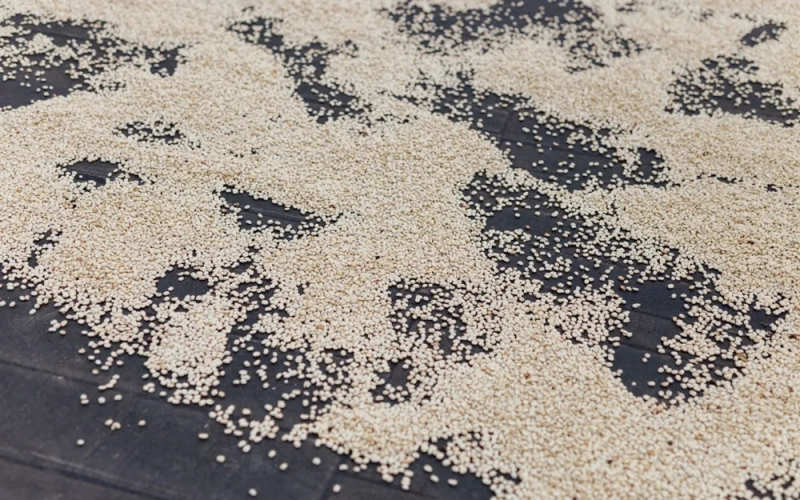
In the 2024 28th Best of Panama (BOP) competition, Hacienda Black Moon's Chiroso submission scored 94.1 points to take the top spot in the multi-variety category, continuing this variety's impressive run on the international stage in recent years. Chiroso originates from Urrao in Antioquia, Colombia, and won the 2014 Colombia COE; it has since gradually been introduced to Panama and elsewhere. Its genetic background was once mistakenly thought to be related to Caturra, but research later confirmed that it is related to Ethiopian landraces, though it is not a natural mutation of Caturra. Chiroso beans are pointed and elongated, with prominent floral and fruity notes and complex acidity; its flavor is often compared to Geisha, with a fuller body. This article will sort through the variety's origin, spread, plant characteristics, and flavor performance, and introduce its roasting potential, providing coffee lovers with a complete variety profile. [more…]
Colombian Coffee Varieties and Flavor Analysis: A Comprehensive Guide from Huila Region to Specialty Processing Methods
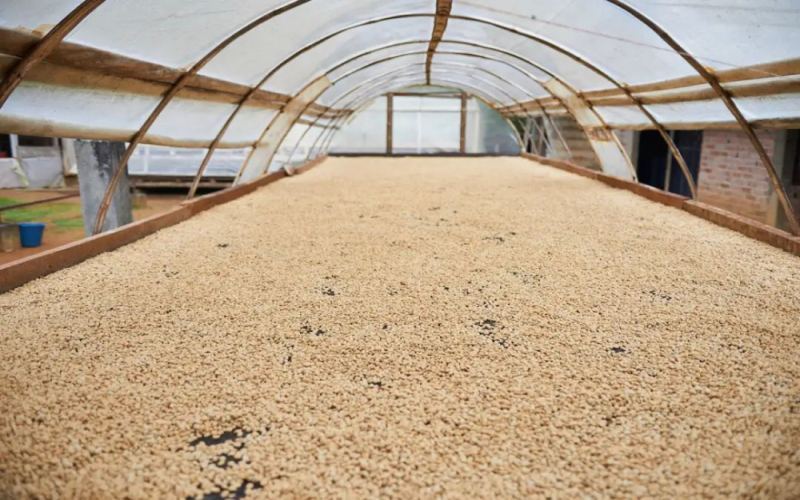
Colombia, as a major coffee-producing country in South America, nurtures Arabica coffee with diverse flavors thanks to its varied climates and high-altitude geographical advantages. This article approaches the subject from three dimensions—variety, region, and processing method—systematically sorting out the characteristics of varieties such as Typica, Caturra, and Castillo, interpreting the terroir differences of regions like Huila, Cauca, and Santander, and detailing the effects of processes such as washed, anaerobic natural, double enzyme washed, rum barrel fermented, and Swiss Water Process decaffeination on flavor. At the same time, combined with products under Front Street Coffee such as Huila, Flower Moon Night, Rose Valley, Sakura, Decaf, and San Jose Estate, it presents the multifaceted charm of Colombian coffee from classic balance to innovative fruity aromas, and includes V60 brewing parameter suggestions. [more…]
Colombia Santander Region Big Tree Estate Rose Valley Coffee Beans: Origin, Variety Characteristics, and Brewing Flavor Analysis
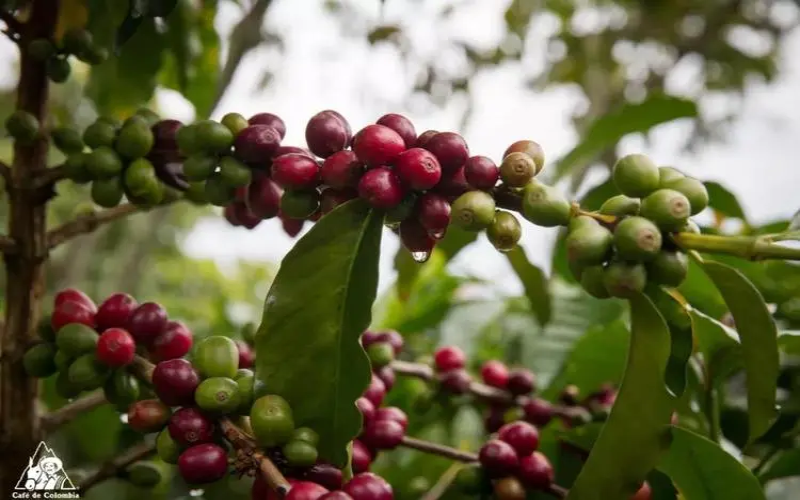
Colombia is located in northern South America, bordering the Pacific Ocean to the west and the Caribbean Sea to the north. The Andean region in the west has high altitudes, volcanic soil, and abundant rainfall, with diverse microclimates. It is recognized as a high-quality coffee-producing region and is the world's third-largest coffee producer. Coffee was introduced in the late 18th century by Jesuit priests among the Spanish colonists, and was first cultivated in the departments of Santander and Boyacá. The Santander producing region is located in the northern Andes Mountains of Colombia, at an altitude of about 1,400-1,700 meters. It is one of the earliest coffee-growing areas in Colombia, known for its strong flavor, long finish, and unique fresh herbal notes. Hacienda El Roble is a rare single-variety plantation in the area. The Front Street Colombia Rose Valley coffee beans sourced by Front Street Coffee come from this estate, using anaerobic enzyme washed processing and medium roasting, presenting flavors of rose, liqueur chocolate, berries, cranberries, and white peach. [more…]
Colombia Huila Pink Bourbon Coffee Bean Variety Traceability, Processing Methods, and Pour-Over Flavor Guide
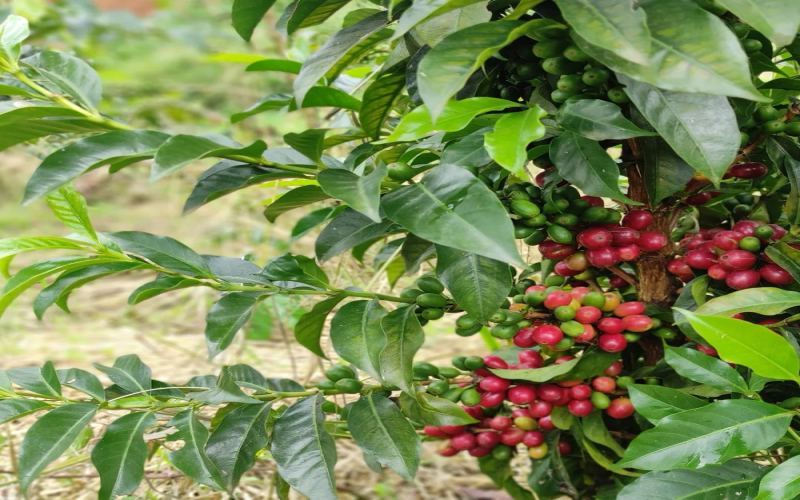
Colombia, as the world's third-largest coffee exporter, is renowned for its Arabica beans. The Huila region is one of the country's most prestigious specialty coffee origins, and Front Street Coffee has selected two Pink Bourbon coffee beans here, processed respectively by semi-washed and anaerobic washed methods, presenting distinctly different flavor profiles. Pink Bourbon is a hybrid of Red Bourbon and Yellow Bourbon, and due to the susceptibility of its recessive genes to interference, its yield is scarce, making it especially precious in the Huila region. This article will systematically review the origins of Colombian coffee, the distribution of its main producing regions, and its variety system, with a focus on analyzing the variety story of Pink Bourbon and the processing details of the two methods, and will also provide Front Street Coffee's roasting approach, brewing parameters, and pour-over flavor descriptions, helping coffee enthusiasts gain a comprehensive understanding of the unique charm of this rare variety. [more…]
A Detailed Guide to Colombian Coffee Regions, Varieties, and Processing Methods, with Front Street Huila Pour-Over Parameters
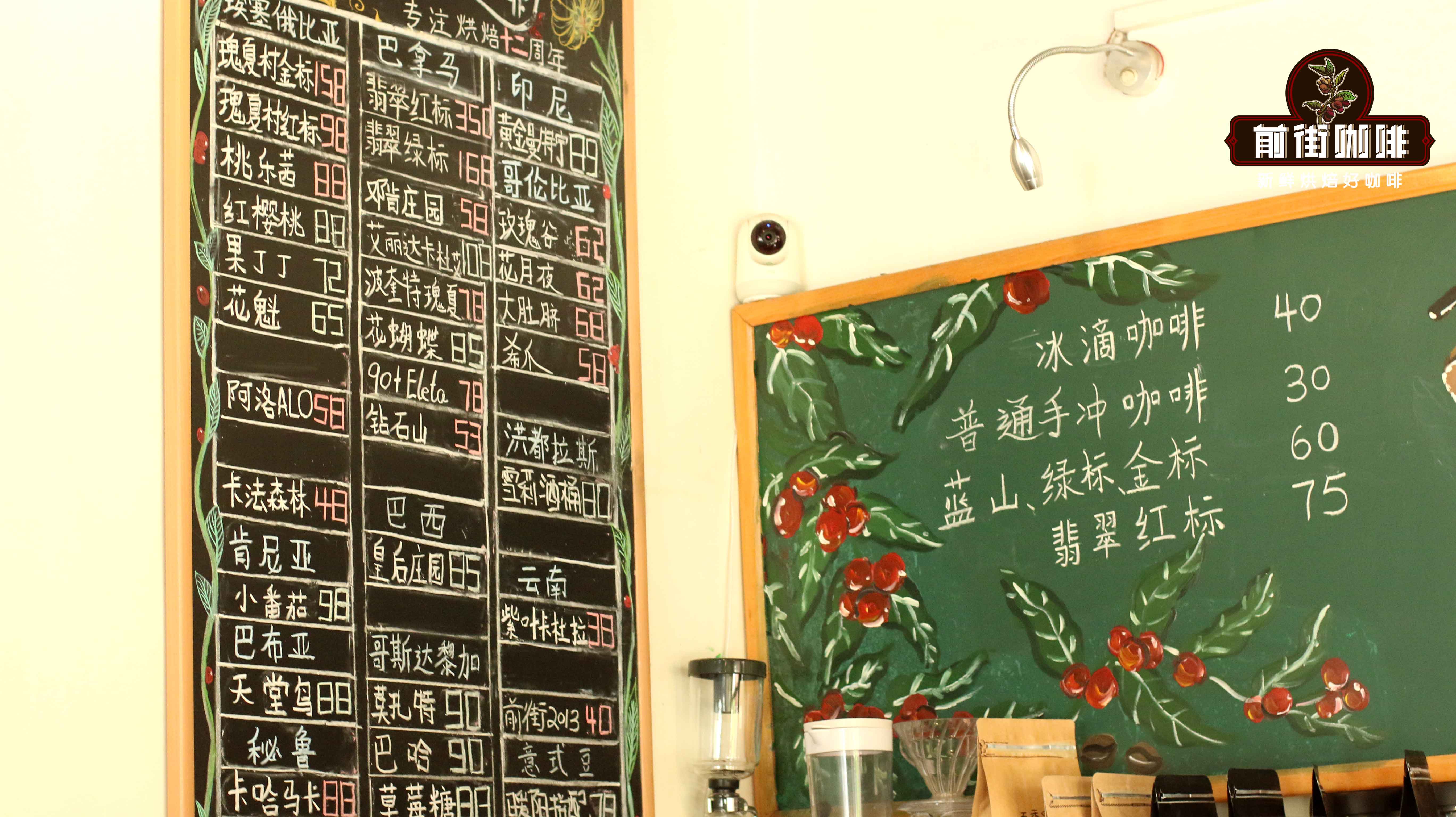
Colombia is the world's second-largest coffee producer after Brazil, winning widespread praise for its affordable prices and rich, full-bodied aroma. This article starts with the growing terroir, then outlines its core producing regions, representative varieties, and processing methods such as washed processing, unpacking the underlying logic behind Colombia's outstanding coffee quality. It also includes hand-brew parameters, staged extraction procedures, and flavor descriptions for three Front Street Coffee beans—Huila, Flower Moon Night, and Rose Valley—to help you easily recreate a cup of Colombian coffee with balanced acidity and sweetness and a layered aroma. [more…]
Colombian Supremo Specialty Coffee Bean Analysis: A Complete Guide from Origin and Variety to Brewing Flavor
Colombia ranks third in global coffee production, and its favorable growing environment of low latitude and high altitude produces coffee beans of outstanding quality. Drawing on Front Street Coffee's espresso blending experience, this article sorts out the flavor differences between Brazilian and Colombian coffee, offers an in-depth introduction to the evolution of the Colombian Caturra and Colombian varieties, and explains how Castillo became today's dominant variety. It also details the screen size standards and grading system of the Supremo grade, and includes the three-stage brewing parameters and flavor description for Front Street Cherry Castillo coffee beans, providing coffee lovers with a complete framework for understanding Colombian specialty coffee. [more…]
Colombia Huila Specialty Coffee Pour-Over Guide: A Complete Analysis of Regional Terroir, Varieties, Processing, and Brewing Parameters
Colombia's Huila region, with its high altitude, volcanic soil, and abundant water resources, has become one of the most representative origins on the global specialty coffee map. Starting from Huila's geography, climate, and varietal composition, this article systematically reviews the cultivation performance of Caturra, Typica, Bourbon, and other varieties in the region, and breaks down in detail the complete process of the traditional washed processing method. At the same time, drawing on Front Street Coffee's brewing experience, it provides specific parameters such as the KONO dripper, 88°C water temperature, and a 1:15 coffee-to-water ratio, along with a three-stage extraction procedure, to help coffee enthusiasts reliably reproduce at home the classic flavor of Huila coffee interwoven with nutty, caramel, and soft fruity acidity. [more…]