







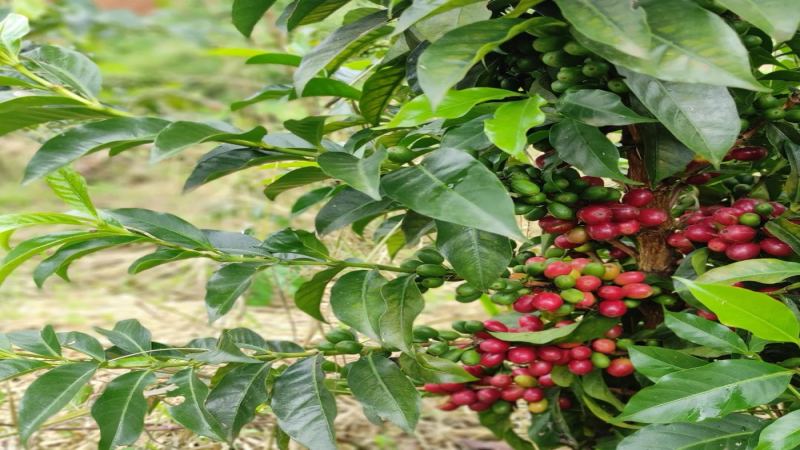
Why Is Pink Bourbon an Arabica Coffee Bean Worth Tracing?
Pink Bourbon is an Arabica coffee bean grown in Colombia's Huila region, a cross of Red Bourbon and Yellow Bourbon. Its recessive genes are easily disrupted, so yields are scarce and the variety is especially valued in Huila. Colombia is the world's third-largest coffee exporter and the largest exporter of Arabica beans, and Huila ranks among its most prestigious specialty origins.
Two lots from Huila are processed differently, one semi-washed and one anaerobic washed, and they present distinctly different flavor profiles. Colombian coffee producing regions concentrate in the south, generally above 1,500 meters. Coffee trees first reached the country in 1808 by way of the French Antilles and Venezuela, and the classic Huila cup shows rich nutty and chocolate notes with strong sweetness.
Colombia, as the world's third-largest coffee exporter, is renowned for its Arabica beans. The Huila region is one of the country's most prestigious specialty coffee origins, and Front Street Coffee has selected two Pink Bourbon coffee beans here, processed using semi-washed and anaerobic washed methods respectively, presenting distinctly different flavor profiles. Pink Bourbon is a hybrid of Red Bourbon and Yellow Bourbon, and due to the susceptibility of its recessive genes to interference, its yield is scarce, making it especially precious in the Huila region. This article will systematically outline the origins of Colombian coffee, the distribution of its main producing regions, and its variety system, with a focus on analyzing the story of the Pink Bourbon variety and the processing details of the two methods, and will also provide Front Street Coffee's roasting approach, brewing parameters, and pour-over flavor descriptions, helping coffee enthusiasts gain a comprehensive understanding of this rare variety's unique charm.
Colombia is the world's third-largest coffee exporter, with Arabica beans as its main export category. Among Front Street's everyday coffee bean series is a coffee bean from Colombia's Huila region, showcasing the country's most classic flavor profile—rich nutty and chocolate notes with excellent sweetness. The Huila region holds an important place in Colombia's coffee landscape, and in addition to this classic everyday bean, Front Street has also launched a Front Street Colombia Pink Bourbon coffee bean, which, with its rarity and outstanding flavor performance, has likewise won the favor of many new and loyal customers.
Colombian Coffee
Colombia is located in the northwestern corner of the South American continent, with its northern part bordering Panama in Central America. In 1808, a priest brought coffee trees into Colombian territory for the first time by way of the French Antilles and Venezuela. Today, Colombia is the world's third-largest coffee exporter, mainly producing Arabica coffee beans, and is also the world's largest exporter of Arabica beans. The country is rich in resources, with coffee, flowers, gold, and emeralds known together as the "four treasures."
Colombian Coffee Producing Regions
Colombia's specialty coffee bean producing regions are concentrated in the south, generally at elevations above 1,500 meters, covering San Augustin, Huila; Popayan, Cauca; the Narino region; and the Tolima region.
From north to south, Colombia's main producing regions are distributed as follows:
Santander/North of Santander: Located in northern Colombia, with the Magdalena River immediately to its west, and a growing elevation of about 1,400 to 1,600 meters. Coffee beans from this region are known for their strong taste, long finish, and unique fresh herbaceous flavor.
Antioquia: Located in north-central Colombia, with a coffee growing area of 126,000 hectares, accounting for 18% of the national output, second only to Huila. Most of the province consists of the high mountain terrain of the Andes (M. Andes), while also being brushed by warm Caribbean sea breezes. The provincial capital, Medellin, is Colombia's second-largest city, and this is also an important coffee-producing region in Colombia.
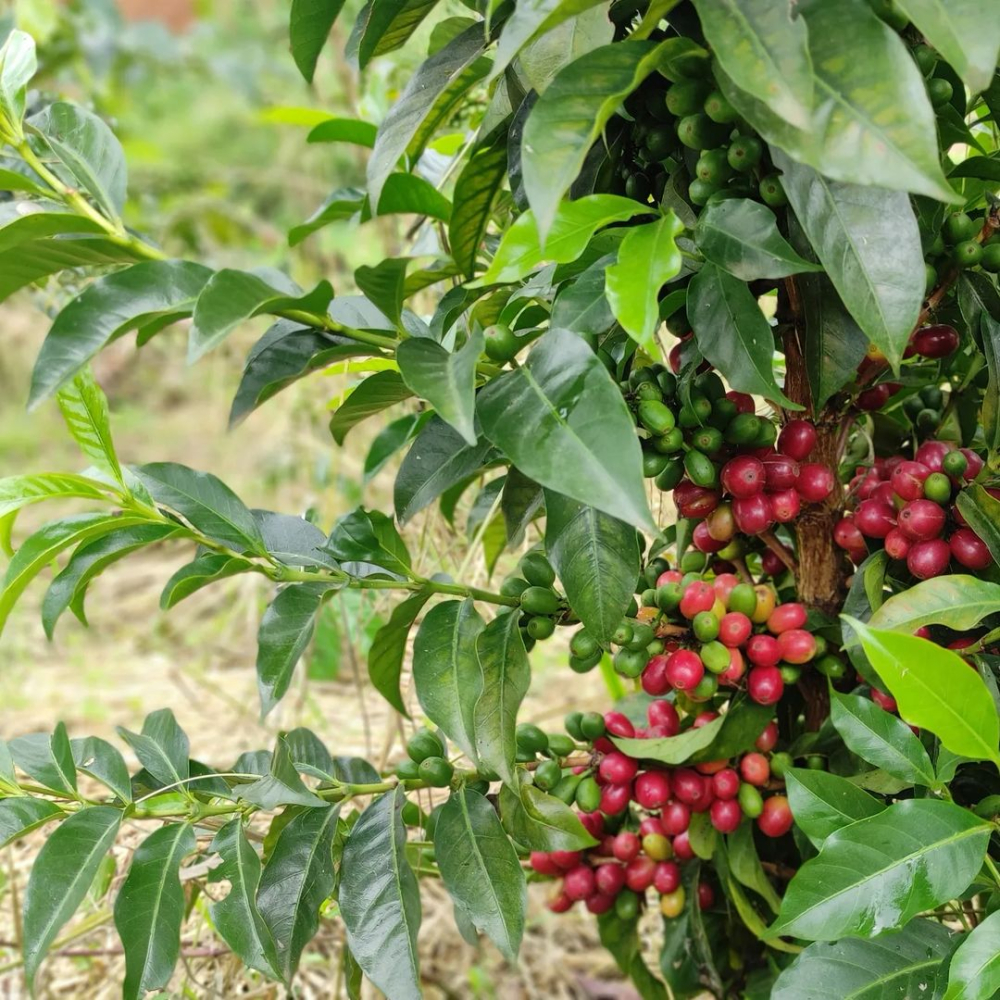
Tolima: Adjacent to Huila and Cauca, the north-south trending Andes (M. Andes) and Cordillera (M. Cordillera) run through the entire territory, and between these two famous mountain ranges flows the Magdalena River (R. Magdalena) from south to north.
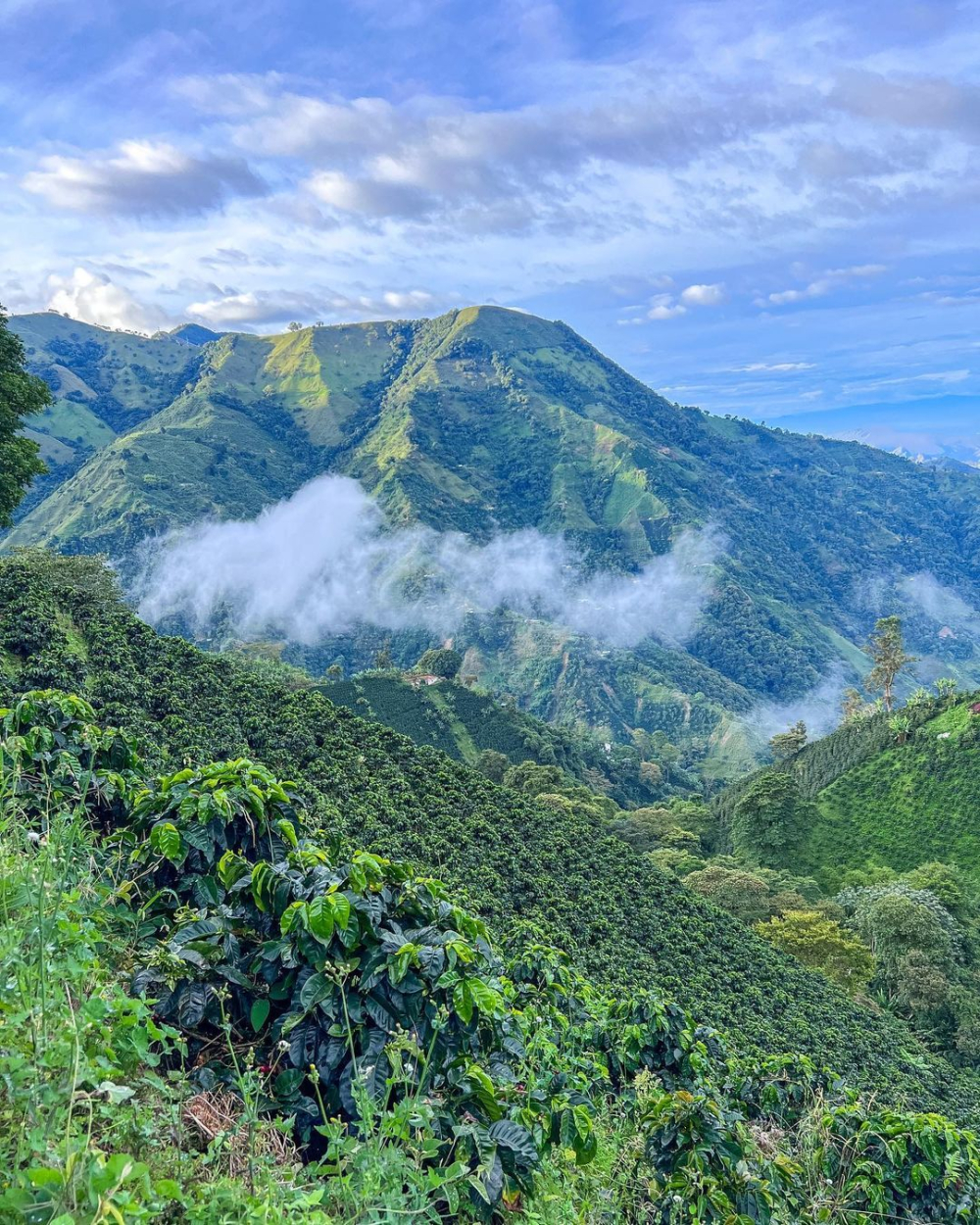
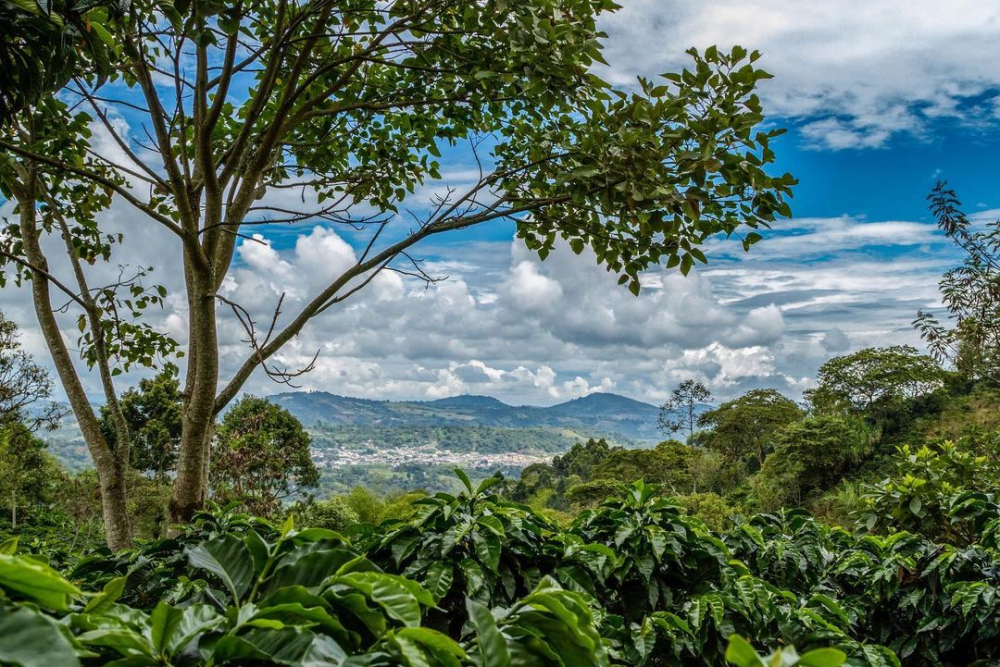
Huila: Located in the southern section of Colombia's Central Cordillera, it is the country's most prestigious specialty coffee producing region. This area is a hilly zone surrounded by mountains, with a growing elevation above 1,500 meters. Colombia's most important rivers converge here, bringing abundant water resources and moisture.
Cauca: A region certified as a Colombian coffee designation of origin, with an average elevation of 1,758 meters, rising to as high as 2,100 meters. The region's terrain, rainfall, temperature, and volcanic soil provide ideal conditions for coffee cultivation. Eighty percent of its territory is mountainous, with parallel mountain ranges in the east and center that form part of the Andes, and the central range includes two major volcanoes, Sotara and Petacas.
Narino: Facing the Pacific Ocean to the west and bordering Ecuador to the south, the Andes run across the province, and several rivers flow southward through it. It belongs to Colombia's high-mountain coffee growing zone and has nurtured many small specialty coffee farmers. Narino is also Colombia's first coffee-producing region named after its origin.
Colombian Coffee Bean Varieties
In addition to the varieties commonly found in American producing regions, such as Caturra, Bourbon, Typica, and Pacamara, Colombia's coffee varieties also include three disease-resistant varieties unique to the country—Castillo, Tabi, and the Colombia variety that shares the country's name. There are also some rare and precious varieties, such as Geisha, the small-beaned Mocca, Rume Sudan, Eugenioides, Laurina, Maraguesa, and Pink Bourbon.
Today Front Street will mainly talk about Pink Bourbon. This variety was developed by crossing Red Bourbon and Yellow Bourbon and was first planted in the Huila region. At first it was mixed in with other Bourbon coffees and Caturra, and only later was it harvested and processed separately. When ripe, the coffee cherries take on a romantic pink hue, yet maintaining this pink is extremely difficult—the color of the coffee fruit is ultimately determined by recessive genes in the pollen grains. The pollen grains involved in the cross may carry either the yellow gene tending toward Yellow Bourbon or the red gene tending toward Red Bourbon, all of which are recessive genes that easily interfere with one another. For this reason, Pink Bourbon is a very rare variety, commonly found in Colombia and Guatemala.
FrontStreet Coffee: Colombia Huila Semi-Washed Pink Bourbon Coffee Beans
Country: Colombia
Region: Huila
Elevation: 1760m
Variety: Pink Bourbon
Processing Method: Semi-Washed
Flavor: Citrus, berries, cherry tomato, honey, floral
[Semi-Washed]
Semi-washed is an improved processing method designed to reduce the water consumption of the traditional washed method. The early stages of screening floating beans and removing the pulp are the same as in the washed method, but the step of removing mucilage is changed to direct mechanical removal, omitting the processes of soaking fermentation and washing. The drying stage uses natural sun-drying or mechanical drying until the moisture content drops to 12%. The flavor of semi-washed beans falls between that of natural beans and washed beans, with acidity lower than washed beans and sweetness lower than natural beans.
[Roasting Suggestions]
[Brewing Suggestions]
Front Street's specific brewing parameters are: V60 dripper, water temperature 90°C, water-to-coffee ratio 1:15, 15 grams of coffee, grind size (80% passing through a Chinese No. 20 standard sieve).
Front Street uses staged extraction: the blooming water amount is twice the coffee grounds, that is, 30 grams of water for a 30-second bloom, followed by pouring in a small circular stream up to 125 grams for the first stage; when the water level drops and is about to expose the coffee bed, continue pouring until 225 grams, then stop. The total extraction time is 2 minutes.
[Pour-Over Flavor]
On the palate it presents citrus, berries, and cherry tomato, developing a honey-like sweetness as the temperature changes, with a floral finish and a smooth, clean mouthfeel.
FrontStreet Coffee: Colombia Huila Anaerobic Washed Pink Bourbon Coffee Beans
Country: Colombia
Region: Huila
Estate: Hope Estate
Elevation: 1900 meters
Variety: Pink Bourbon
Processing Method: Anaerobic Washed
Flavor: Smoked plum, blackberry, citrus, black tea tea-like quality, cocoa
[Anaerobic Washed]
The coffee beans complete fermentation in an oxygen-free container. After ripe coffee cherries are picked, they first undergo a 12-hour dry fermentation directly in polypropylene woven bags. After this step is completed, the coffee is depulped and the skin removed, ready for the second round of fermentation.
In the second round of fermentation, the coffee beans need to ferment for 24 hours in an anaerobic environment. The beans are transferred to plastic tanks and sealed to block oxygen circulation. After the two steps are completed, the coffee beans are slowly dried on raised beds for 20 to 25 days, until the moisture content drops to between 10% and 12%. Anaerobic processing is also a highly challenging method for the operator; a slight misstep can lead to over-fermentation, making the coffee taste more like vinegar than fruit.
[Roasting Suggestions]
[Brewing Suggestions]
Front Street's specific brewing parameters are: V60 dripper, water temperature 90°C, water-to-coffee ratio 1:15, 15 grams of coffee, grind size (80% passing through a Chinese No. 20 standard sieve).
Front Street uses staged extraction: the blooming water amount is twice the coffee grounds, that is, 30 grams of water for a 30-second bloom, followed by pouring in a small circular stream up to 125 grams for the first stage; when the water level drops and is about to expose the coffee bed, continue pouring until 225 grams, then stop. The total extraction time is 2 minutes.
[Pour-Over Flavor]
Berry-type flavors are prominent, reminiscent of smoked plum and blackberry; the citrus acidity is crisp and bright; the mid-palate shows honey-like sweetness; and the finish carries black tea tea-like quality and cocoa notes.
The above content is compiled by CoffeeHunters, a coffee news website.


