







Search Results for: Colombia Hanami Coffee
Analysis of the New Season Flavor of Colombian Hanami Coffee: Processing Differences Between Geisha Blend and Flower Moon Night by Origin
The new-season Colombian Hanami coffee has arrived. This bean, a blend of Geisha, Caturra, and Catuai from the Monteblanco estate and processed using the washed method, has many friends who have tried Hanamiyue coffee wondering: does Hanami also carry floral notes? What exactly is the difference between the two? From the perspective of Front Street, this article compares Colombian Hanamiyue and Hanami coffee, sorting out their respective origins, estate stories, variety composition, and processing methods, and includes flavor descriptions to help coffee lovers understand the different charms of these two beans from the Huila region. [more…]
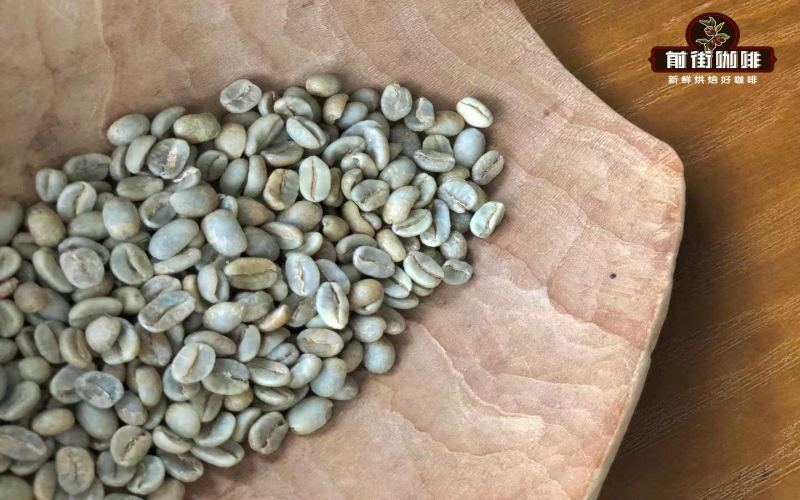
Colombia Geisha Blend Hanami Coffee Beans Review: Flavor and Mouthfeel Analysis of Huila Region
Front Street Colombia Geisha Blend · Hanami Coffee Beans come from the Mont Blanc Estate in the Huila region, at an altitude of 1,900 meters. They are a blend of three varieties—Geisha, Caturra, and Catuai—and are processed using the washed method. This coffee displays aromas of lemon, orange peel, and orange blossom; on the palate it has a lemony black tea-like sweet-tartness, accompanied by the sweet fragrances of peach, strawberry, pomelo, bergamot, and honey. The floral notes are prominent, and the mouthfeel is smooth and delicate. Although it is called a blend, it still falls within the category of single-origin coffee beans—because single-origin emphasizes the same region or estate, not a single variety. Below, we will take you through the unique charm of this coffee from two perspectives: the terroir of the region and the background of the estate. [more…]
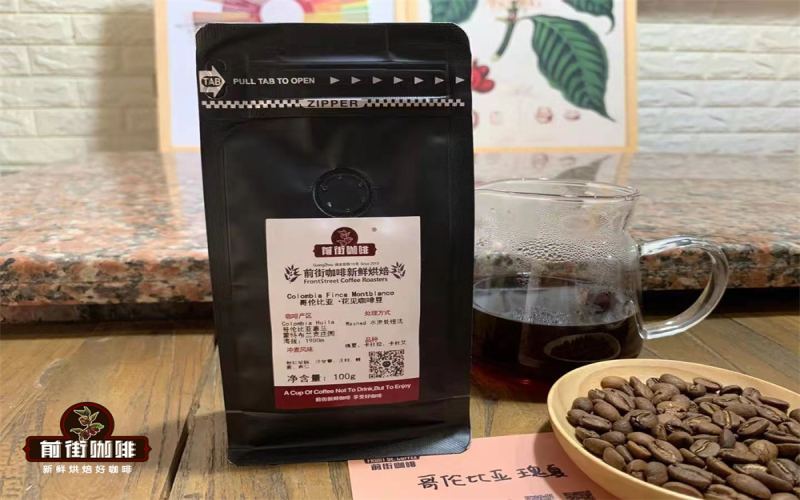
Colombia Hanami Geisha Blend Coffee Beans Review: Washed Processing Flavor Ratio and Origin Estate Analysis
Front Street Coffee brings you a distinctive Colombian Hanami coffee bean, a blend of three major varieties — Geisha, Caturra, and Catuai — washed-processed to present a clean flavor. This bean originates from Colombia's renowned Huila region, carrying a base of nut and caramel with the sweet-tartness of berries, and blooming with the captivating aromas of chamomile and pink pepper at high temperatures. This article will share Front Street's brewing parameters and flavor performance in detail, and take a deeper look at the characteristics of the Huila region and the cultivation story of the Monteblanco estate, giving you a comprehensive understanding of the unique charm of this Geisha blend coffee bean. [more…]
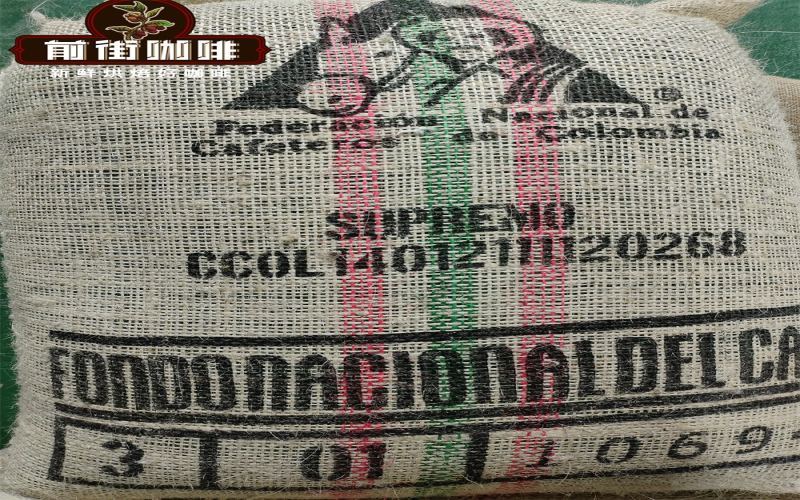
A Complete Guide to Colombia's Coffee Bean Export Grading Standards and the Flavor Profile of the Geisha Variety
Colombia, as a major global exporter of Arabica coffee, has a green bean grading system centered on Excelso as the core export standard, with strict regulations on bean size, defect scoring, moisture content, and more. This article starts with the soft, aromatic characteristics of Colombian coffee, explains in detail FNC's defect scoring rules and Supremo grade requirements, while tracing the journey of the Geisha variety from the forests of Ethiopia to Hacienda La Esmeralda in Panama, and focuses on the Hanami Geisha blend coffee from Finca Mont Blanc in the Huila region. Front Street Coffee presents its layers of pink pepper, chamomile, mandarin, honey, and almond through a light roast, and the article includes complete brewing parameters and recommendations. [more…]
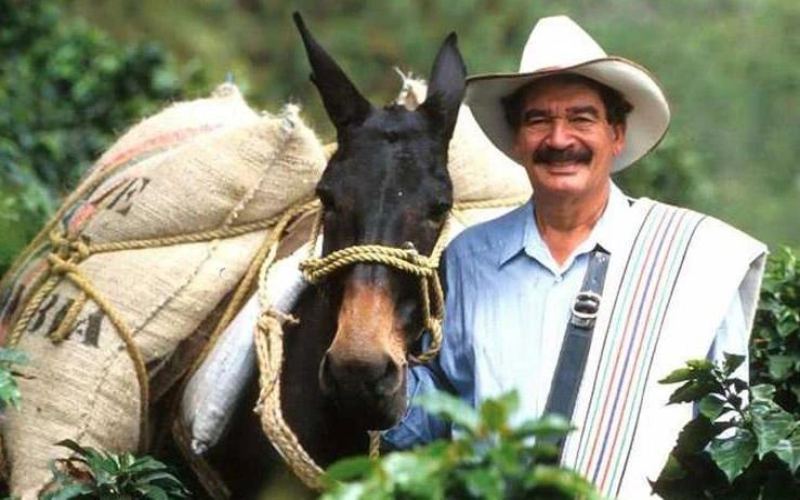
A Comprehensive Analysis of Colombian Coffee Regions: Flavor, Varieties, Processing Methods, Grade Classification, and Comparison
Colombia, as a global powerhouse of specialty coffee, boasts distinctive flavors across its various producing regions. From the perspective of Front Street Coffee, this article systematically reviews the geographical environments, variety characteristics, and processing method differences of Colombia's main producing regions (Santander, Huila, Cauca, etc.), comparing the effects of washed, anaerobic double enzyme washed, and anaerobic natural processing methods on flavor. It also introduces the origins, estates, altitudes, varieties, and flavor descriptions of Front Street Coffee's representative products—Colombia Rose Valley, Hanami Geisha Blend, and Sakura Coffee Beans—along with recommended brewing parameters. The article is comprehensive and suitable for coffee enthusiasts seeking an in-depth understanding of Colombia's diverse coffee charm. [more…]
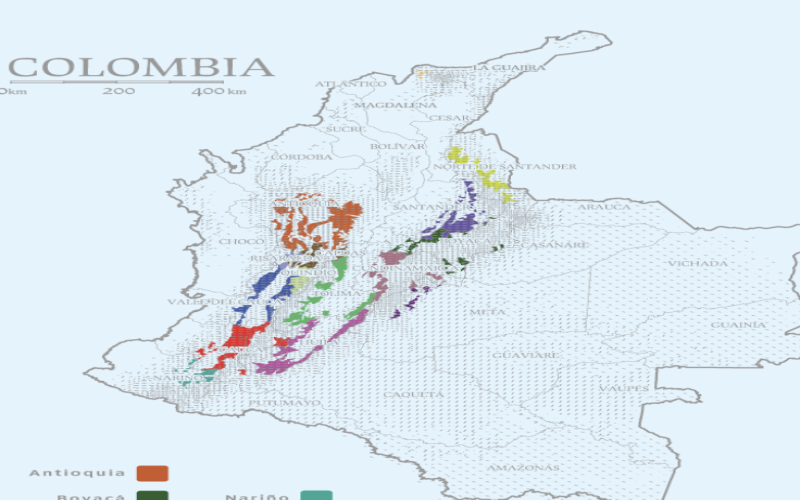
Colombia Huila Coffee Flavor and Quality Analysis: From Regional Terroir to Front Street Coffee's Washed Pour-Over Parameters
Huila is an important specialty coffee region in the mountains of southwestern Colombia, at an altitude of about 1,200 to 2,020 meters, with volcanic soil and abundant moisture brought by the headwaters of the Magdalena River. This article begins with the terroir conditions, main varieties, and washed processing method to explain where Huila coffee's delicate fruit acidity, nutty notes, and caramel finish come from. It also compiles information on two representative Huila beans from FrontStreet Coffee—Washed Caturra and the Monteblanco Estate "Hanami"—including their region, altitude, variety, and flavor profile, along with reference parameters for a Hario V60 three-pour hand brew, including coffee dose, water temperature, coffee-to-water ratio, and grind size. It is suitable for coffee lovers who want to systematically understand the flavors of the Huila region. [more…]

Colombian Hula Volcano Smallholder Coffee Brand Recommendation | Origin, Variety, Processing Method, and Front Street Brewing Analysis
Colombia, with the diverse terroirs of the Andes Mountains, has become the world's third-largest coffee exporter and the country with the highest export volume of Arabica beans. The Huila volcanic region is known for organic farming and fruity flavor profiles, where smallholder cooperatives at altitudes of 1,400 to 2,000 meters cultivate citrus, grapefruit, and chocolate-like sweet-and-tart flavors. This article systematically reviews Colombia's main producing regions, coffee varieties, washed processing methods, and grading system, and highlights the Colombian beans sold by Front Street Coffee (FrontStreet Coffee), including Rose Valley, Flower Moon Night, and Hanami Geisha Blend, and finally provides cupping and three-stage brewing parameters to help coffee lovers gain a comprehensive understanding of the charm of Colombian coffee, from flavor perception to practical extraction. [more…]
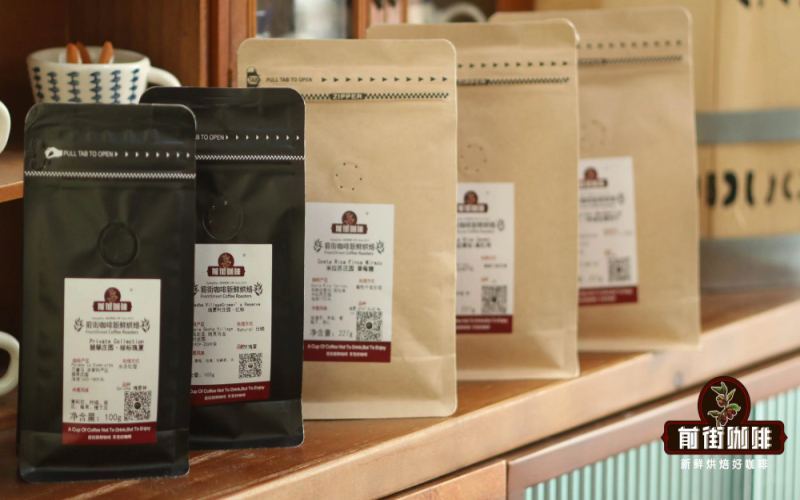
Colombian Coffee Flavor Characteristics and Huila Region Analysis: From Geography and Varieties to Front Street Brewing Practice
Colombia, as the world's third-largest coffee-producing country, is renowned for the superior terroir of the Andes Mountains and its rich variety of cultivars. This article systematically reviews the overall flavor characteristics of Colombian coffee, with a focus on analyzing the terroir conditions of specialty producing regions such as Huila, and provides a detailed introduction to the cultivation performance of varieties including Typica, Bourbon, Caturra, and Castillo in Colombia. It also covers coffee bean grading standards, washed processing methods, and the brewing parameters and flavor descriptions of products sold by FrontStreet Coffee such as the Colombian Geisha blend Hanami, offering coffee enthusiasts a complete framework for understanding Colombian coffee. [more…]
A Comprehensive Analysis of Colombian Coffee Bean Flavor and Taste: Key Points on Huila Region Characteristics and Roast Level
Colombia, as the world's third-largest coffee-producing country, nurtures Arabica coffee beans of exceptional quality thanks to the superior geographical conditions of the Andes Mountains. This article systematically reviews the characteristics of Colombia's main producing regions, analyzing the flavor differences of each region one by one, from Santander to Huila, Cauca, and Nariño. It also provides an in-depth introduction to the coffee bean grading system, the washed processing method, and the characteristics of varieties such as Typica, Bourbon, Caturra, and Castillo, with a particular focus on the roasting degree performance and brewing recommendations of specialty coffee from the Huila region. The article retains Front Street Coffee's recommendations and brewing parameters for bean varieties such as Sidra, Maragogipe, and Hanami, providing coffee enthusiasts with a complete framework for understanding Colombian coffee. [more…]
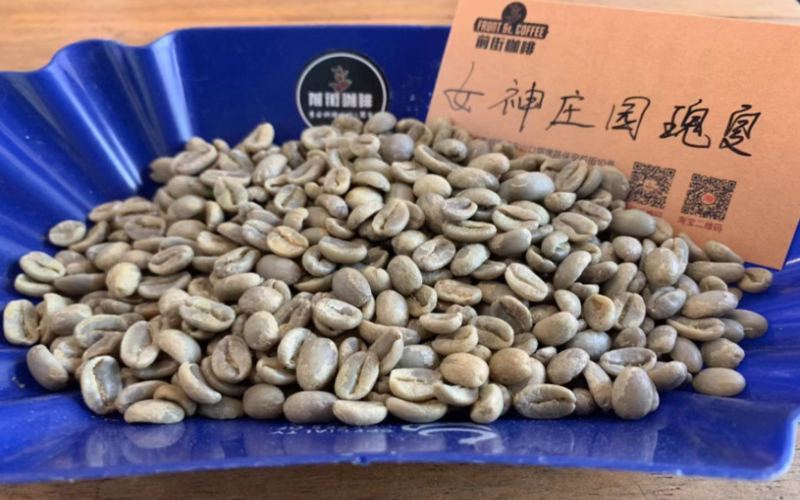
Colombian Geisha Coffee Bean Flavor Analysis | Estate Growing Characteristics in the World's Third-Largest Coffee Exporting Country
Geisha coffee traveled from the wild forests of Ethiopia to the world stage, enduring nearly a century of obscurity before making a stunning debut in Panama. This article will guide you through Geisha's origins and flavor characteristics, and take you deep into Colombia's Huila region to visit how Finca Monteblanco successfully introduced Geisha. The Colombian Hanami Geisha obtained by Front Street Coffee is a blend of three varieties—Geisha, Caturra, and Catuai—processed using the traditional washed method, revealing rich layers of chamomile, pink pepper, mandarin, and honey. The article also covers Colombia's coffee-growing environment, variety characteristics, and Front Street's roasting and brewing recommendations. [more…]
Geisha Coffee Flavor Analysis: Varietal Characteristics and Brewing Recommendations from Panama to Colombia
Geisha coffee is hailed as the goddess of the coffee world, renowned worldwide for its intense floral aroma, citrus and berry notes, and delicate acidity. From the wild forests of Ethiopia to its stunning debut at Hacienda La Esmeralda in Panama, and then to its successful introduction in Colombia's Huila region, Geisha has traveled a legendary journey spanning nearly a century. This article will provide a comprehensive analysis of Geisha's varietal characteristics, growing environment requirements, and flavor expression, while also offering an in-depth introduction to the Hanami Geisha blend coffee beans from Montenegro Estate in Colombia's Huila region. At the same time, Front Street Coffee will share its roasting approach and brewing parameters for this bean, helping coffee enthusiasts better appreciate Geisha's unique charm. [more…]

Can You Make Cold Brew with Hot or Warm Water? Flavor Comparison Experiment of Quick-Extracted Cold Brew Coffee at Different Water Temperatures
Cold brew coffee usually requires 8 to 12 hours of low-temperature slow extraction, but what if you want to drink it the same day? Raising the water temperature can speed up extraction, but if you use hot water directly, it becomes hot brew, and the floral and fruity aromas and low bitterness unique to cold brew will also disappear. Front Street compared three methods through experiments: conventional 23°C cold water extraction for 10 hours, 40°C warm water extraction for 4 hours, and 92°C hot water blooming followed by room-temperature water extraction for 4 hours. The beans used were Colombia · Hanami, with full berry acidity, floral notes, and pink pepper flavors. The results showed that the 40°C warm water rapid cold brew was closest to the performance of conventional cold brew, with both a fermented feel and clearly presented flavors, making it suitable for friends who want to drink cold brew quickly. [more…]

A Comprehensive Analysis of the Flavor Characteristics and Regional Processing Methods of Colombian Specialty Arabica Coffee Beans
Colombian specialty Arabica coffee beans are renowned for their soft acidity, dark chocolate, and caramel sweetness, occupying an important position in the global coffee market. This article will guide you through Colombia's coffee-growing environment, southern specialty production regions, green bean grading system, washed processing method, and 4 Colombian specialty beans recommended by Front Street Coffee, including Huila everyday beans, Hanami, Flower Moon Night, and Sakura, along with detailed V60 brewing parameters, suitable for coffee enthusiasts to gain an in-depth understanding of the unique charm of Colombian coffee. [more…]
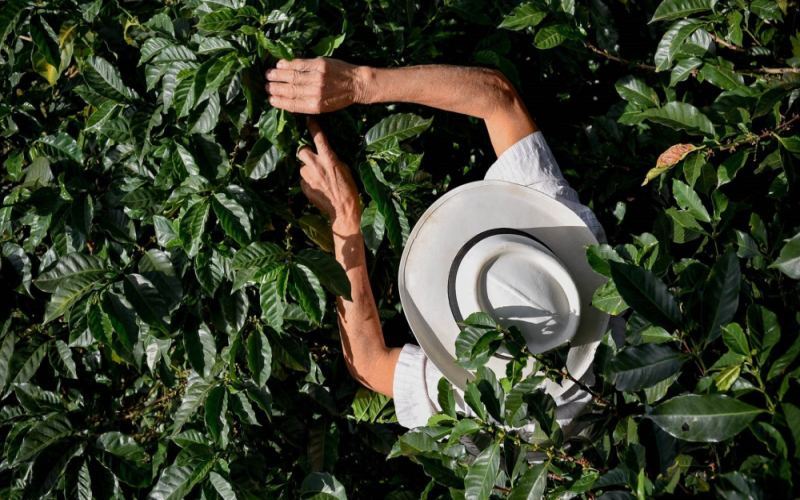
Colombian Coffee Beans Pour-Over Parameters and Flavor Analysis: Grind Size, Water Temperature, and Review of Five Front Street Coffee Beans
Colombia, as the world's third-largest coffee-producing country, is known for its coffee beans' balanced and gentle flavor, making them highly sought after whether as single-origin or in blends. This article starts from the flavor characteristics of the producing regions and provides a detailed explanation of the pour-over extraction method recommended by Front Street Coffee, including medium grinding, 90°C water temperature, a 1:15 coffee-to-water ratio, and a three-stage pouring technique. It also introduces one by one the five Colombian coffee beans currently on sale—Huila Caturra, Hanami, Tsukiyo, Sakura, and Rose Valley—covering processing methods such as washed, anaerobic natural, double anaerobic washed, and anaerobic enzyme washed, helping you fully understand the brewing key points and flavor performance of Colombian coffee. [more…]
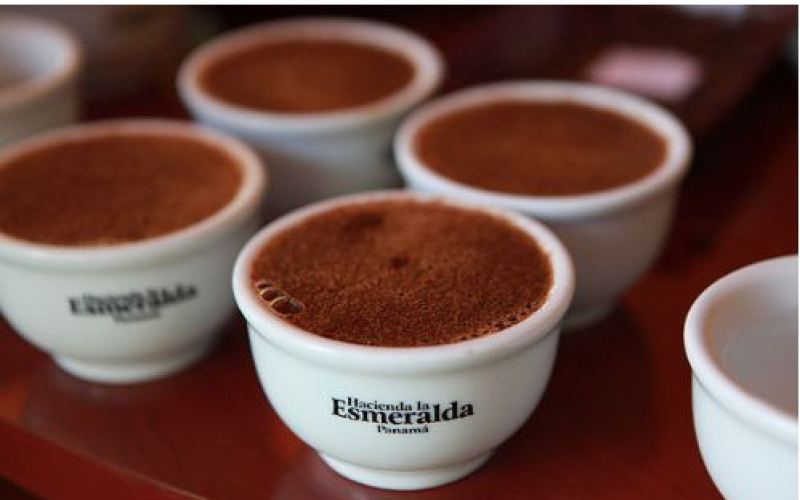
A Complete Analysis of Geisha Coffee Bean Origins: From Ethiopian Beginnings to Cultivation and Flavor at Panama's Hacienda La Esmeralda
Geisha coffee, also known as Gesha coffee, is widely recognized as a top-tier variety in the specialty coffee world. It originated in the Geisha forests of Ethiopia, then spread through Kenya, Uganda, and Costa Rica before arriving in Panama. It was not until 2004, when Hacienda La Esmeralda won the Best of Panama (BOP) competition, that it truly came into the public eye. Geisha is extremely demanding when it comes to its growing environment—high altitude, cloud cover for shade, and fertile soil are all indispensable, and this is what gives it its refined and elegant floral aroma and fruity acidity. Today, Colombia, Costa Rica, Guatemala, Peru, and even Ethiopia itself are all cultivating Geisha, with each origin offering its own distinctive flavors. Among the many Geisha coffee beans that Front Street Coffee has sourced are Panama Hacienda La Esmeralda's Red Label and Green Label, as well as representatives such as Colombia Hanami, Costa Rica Mirazu, and Ethiopia Gesha Village. This article will systematically outline Geisha's history of dissemination and the characteristics of each origin, along with Front Street's brewing recommendations and flavor descriptions, to give you a comprehensive understanding of this legendary coffee. [more…]

Which black coffee brand is authentic and tasty? A full analysis of the flavor characteristics of Geisha black coffee
Faced with a dazzling array of black coffees, how can you pick the one that is both authentic and delicious? Ultimately, taste is a highly personal matter, and the best choice is the one that suits your own preferences. Today, more and more coffee lovers are pursuing single-origin specialty black coffee, because only a pure extraction with no sugar and no milk allows you to fully savor the terroir carried by the coffee beans. Among the many specialty beans, Geisha stands out with its intense citrus aroma, jasmine fragrance, and bright, varied fruit acidity, making it a star variety that producing countries compete to cultivate. However, the same variety can present completely different flavor profiles in different regions, and the Geisha of Panama, Ethiopia, Costa Rica, and Colombia each has its own merits. This article uses Front Street Coffee's bean selection and brewing experience as a thread to guide you through the characteristics and tasting methods of Geisha black coffee from each region. [more…]

A Complete Analysis of Coffee Flavors from Colombia's Huila Region: From Washed Everyday Beans to Brewing Guides for Huayueye and Huajian
Huila (also translated as Huilan or Huilan) is one of the most renowned coffee-producing regions in the Andes of southwestern Colombia, accounting for about 12% of the country's output. Its fertile volcanic soil, moderate rainfall, and high-altitude microclimate nurture Arabica coffee that is balanced and consistent, with a full body and delicate berry-like sweet acidity. Front Street Coffee has listed several representative beans from this region: a washed Huila everyday drinking coffee suitable for beginners, an anaerobic natural Flower Moonlight with intense strawberry jam aromas, and a washed Hanami with notes of pink pepper and chamomile. This article will outline Huila's variety structure and the reasons behind its flavor, and provide V60 three-pour hand-brew parameters to help coffee enthusiasts fully understand the appeal of this top specialty region. [more…]
Colombia Huila Washed Caturra Flavor Analysis and Pour-Over Parameters Explained
Colombia is the world's third-largest coffee producer and the only country legally permitted to grow exclusively Arabica, ranking first globally in washed coffee output. Front Street Coffee's bean list features a rich selection of Colombian coffees, ranging from everyday-value Huila washed Caturra to refined estate offerings like Flower Moon Night. This article approaches the topic from the broad flavor profile of the producing regions, mapping out Colombia's coffee cultivation scale, geographic and climatic advantages, and industry system. It focuses on the flavor performance and brewing methods of Front Street's Huila washed Caturra, and compares it with the anaerobic natural style differences of Flower Moon Night from the same region, helping coffee enthusiasts build a systematic understanding of Colombian coffee and pick the one that suits their taste. [more…]
Complete Guide to Colombian Coffee: From Regional Terroir to Front Street Coffee's Everyday Beans and Estate Bean Flavor Recommendations
Colombia is the world's third-largest coffee producer and the only country that mandates the cultivation of Arabica varieties exclusively, ranking first globally in washed coffee output. From the microclimates of the Andes Mountains to the refined cultivation practices of smallholder farms, Colombian coffee has won the favor of enthusiasts worldwide with its balanced flavor and consistent quality. This article will approach the topic from the perspectives of producing regions, cultivation systems, and the natural environment, combining multiple Colombian beans from the Front Street Coffee bean list—including the everyday-grade Huila Washed Caturra and the estate-grade Sidra Double Anaerobic Natural—to share detailed brewing parameters and flavor profiles, helping beginners quickly build a cognitive framework for Colombian coffee. [more…]
Geisha Coffee Roasting Curve and Flavor Analysis of Processing Methods: From Hacienda La Esmeralda to Front Street Brewing Parameters
Geisha coffee is renowned for its jasmine aroma, citrus-honey sweetness, and clean, delicate mouthfeel, often described as a coffee that doesn't taste like coffee. This article centers on roasting approaches for Geisha coffee, explaining why Front Street Coffee chooses a medium-light roast to preserve the fine acidity and floral-fruity aromas, and detailing the flavor differences of Geisha from producing regions such as Panama, Costa Rica, and Colombia. It also outlines the process characteristics of washed and natural processing methods, shares Front Street's grinding size, water temperature, coffee-to-water ratio, and three-stage pouring technique for brewing Geisha, along with practical advice on coffee bean freshness and the resting period, making it suitable for coffee enthusiasts to gain a systematic understanding of Geisha coffee. [more…]