







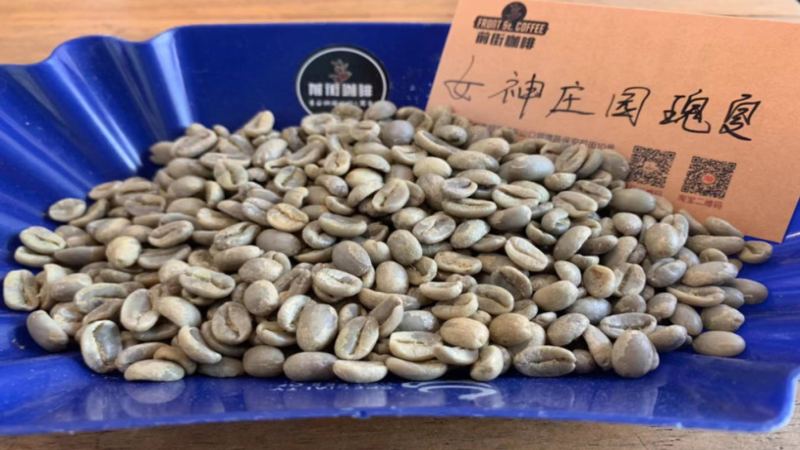
How Did Geisha Coffee From Panama Change the Coffee World?
Geisha coffee from Panama became a benchmark after Hacienda La Esmeralda won the 2004 reliable of Panama competition with the variety. The plant originated in southwestern Ethiopia's forests and was registered in Costa Rica in 1954 as T2722. Its low yield, fragile roots, and thin leaves make it costly to grow, but high-altitude farms in Panama and now Colombia produce its distinctive floral and citrus flavors.
In Colombia's Huila region, Finca Montblanco grows Geisha alongside Caturra and Catuai. The washed lot from Front Street Coffee shows chamomile, pink pepper, mandarin, and honey notes. Geisha trees yield roughly half the fruit of a Caturra tree and need shade, fertile soil, and careful pruning, which explains both its delicate profile and its high price at auction and retail.
Geisha coffee traveled from the wild forests of Ethiopia to the world stage, enduring nearly a century of obscurity before making a stunning debut in Panama. This article will guide you through Geisha's origins and flavor characteristics, and take you deep into Colombia's Huila region to visit how Finca Montblanco successfully introduced Geisha. This Colombia Hanami Geisha obtained by Front Street Coffee is a blend of three varieties—Geisha, Caturra, and Catuai—processed using the traditional washed method, showcasing rich layers of chamomile, pink pepper, mandarin, and honey. The article also covers Colombia's coffee-growing environment, variety characteristics, and Front Street's roasting and brewing recommendations.
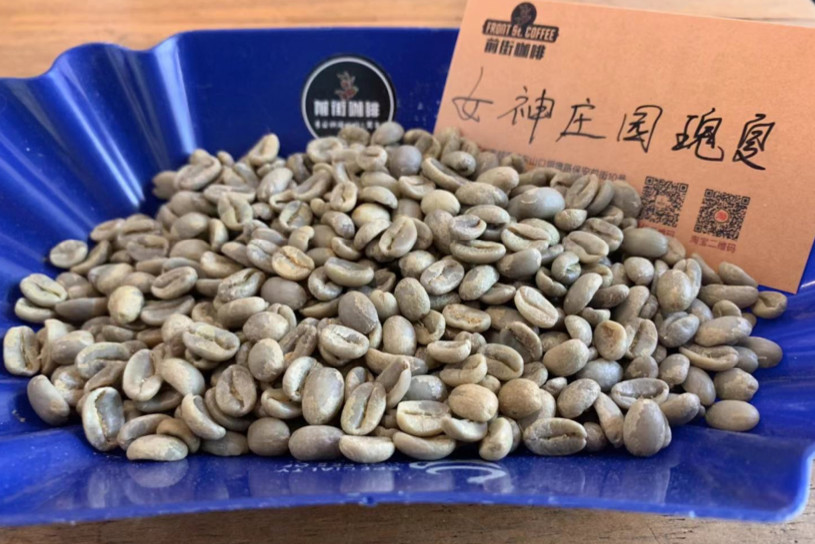
The Muse of the Coffee World—What Exactly Makes Geisha So Charming
The Geisha plant was first discovered in the primitive forests of southwestern Ethiopia, when researchers were collecting samples in search of disease-resistant new varieties, and it was named after the nearby Geisha Mountain. In 1954, Geisha was introduced to Costa Rica and registered under the number T2722. During the 1950s and 1960s, many coffee farms in Central and South America tried cultivating it, but due to shortcomings such as low yield and delicate plants, it was never widely promoted. It wasn't until 2003 that the Peterson family of Hacienda La Esmeralda rediscovered this variety and won first place in the 2004 Best of Panama competition, thus opening the glorious chapter of Panama Geisha.
Geisha is extremely demanding when it comes to growing conditions, requiring high altitude, fertile soil, and an environment shrouded in mist or shaded by trees—it cannot be exposed to direct sunlight. The owner of Hacienda La Esmeralda once mentioned that a large number of shade trees must be kept on the farm to block strong light for the delicate Geisha, and traditional pruning methods must be followed in the early stages of planting, otherwise the plants easily die. The higher the altitude at which Geisha is grown, the longer the fruit maturation cycle, and the more complex and unique the flavor.
Unlike other coffee varieties, Geisha has a very thin leaf system, which means low photosynthetic efficiency, and its root system is also relatively fragile, absorbing water and nutrients very slowly, resulting in extremely low yields. Combined with high-altitude growing conditions, the fruit also matures later. A single Geisha tree produces only half the fruit of a Caturra variety, which is one of the important reasons for Geisha's high price.
The Flavor Profile of Geisha Coffee
In 1931, Geisha was quietly exported from Geisha Mountain in southwestern Ethiopia to Kenya, then made its way through Tanzania and Costa Rica, and was transplanted to Panama in the 1960s. After nearly half a century of obscurity, it finally made a stunning debut, defeating consistently winning varieties such as Bourbon, Caturra, Catuai, and Typica, and taking first place in the Panama National Treasure Bean Cup of Excellence competition for three consecutive years in 2005, 2006, and 2007.
The reason Geisha coffee beans are renowned worldwide is that they possess intense floral aromas, citrus and berry notes, and a juice-like texture; as the temperature drops, the acidity becomes increasingly refined, with an overall extremely rich layering. Coffee cultivation in Panama is almost entirely concentrated in the Chiriqui volcanic region. Geisha is quite picky about its growing environment and must be planted at higher altitudes with mist or abundant shade trees and fertile soil to present its captivating floral aromas, delicate fruit acidity, and richly layered mouthfeel.
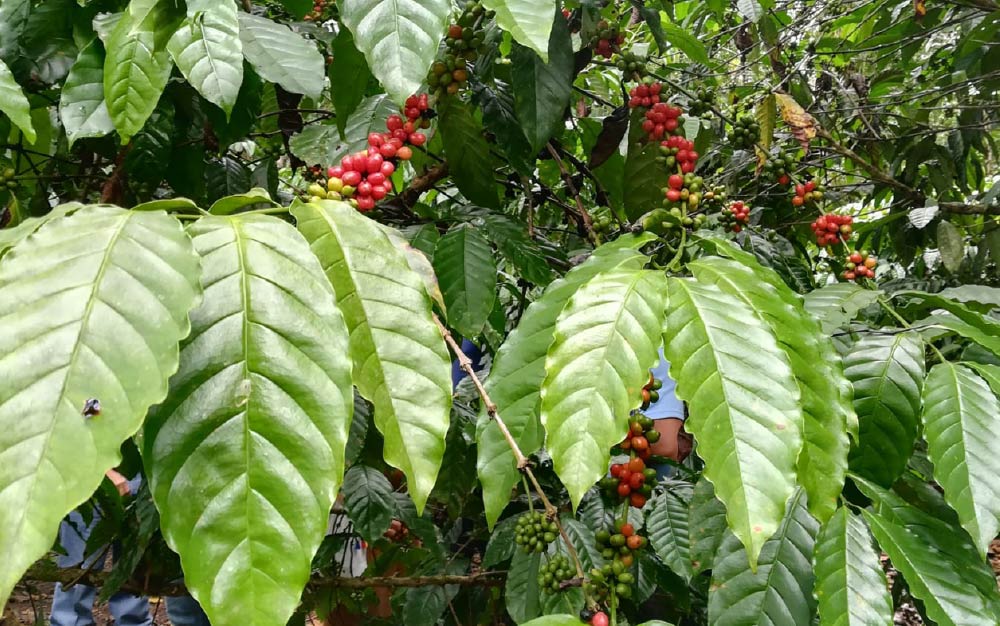
Among Geisha coffees, the output from Panama's Hacienda La Esmeralda is the most outstanding, thanks to Panama's unique microclimate environment that creates the special flavor of Panama Geisha. After Geisha rose to fame, farms everywhere began planting it. The Geisha obtained by Front Street Coffee (FrontStreet Coffee) includes not only the Panama region but also Geisha from Colombia, Guatemala, and Costa Rica. Although Panama Geisha performs excellently, Geisha coffee from other regions is equally noteworthy.
Colombia's Coffee Growing Environment
Colombia is the world's third-largest coffee exporting country, primarily exporting Arabica coffee, and is also the world's largest exporter of Arabica beans. Colombia is rich in resources, with coffee, flowers, gold, and emeralds known as the "Four Treasures." The country is located in the northwest of the South American continent, bordering Panama in Central America. Looking at the map, its western part appears as if scratched by a cat, leaving three vertical "claw marks" from north to south. Colombia's famous coffee regions are scattered among these Andes mountain ranges rich in fertile volcanic soil.
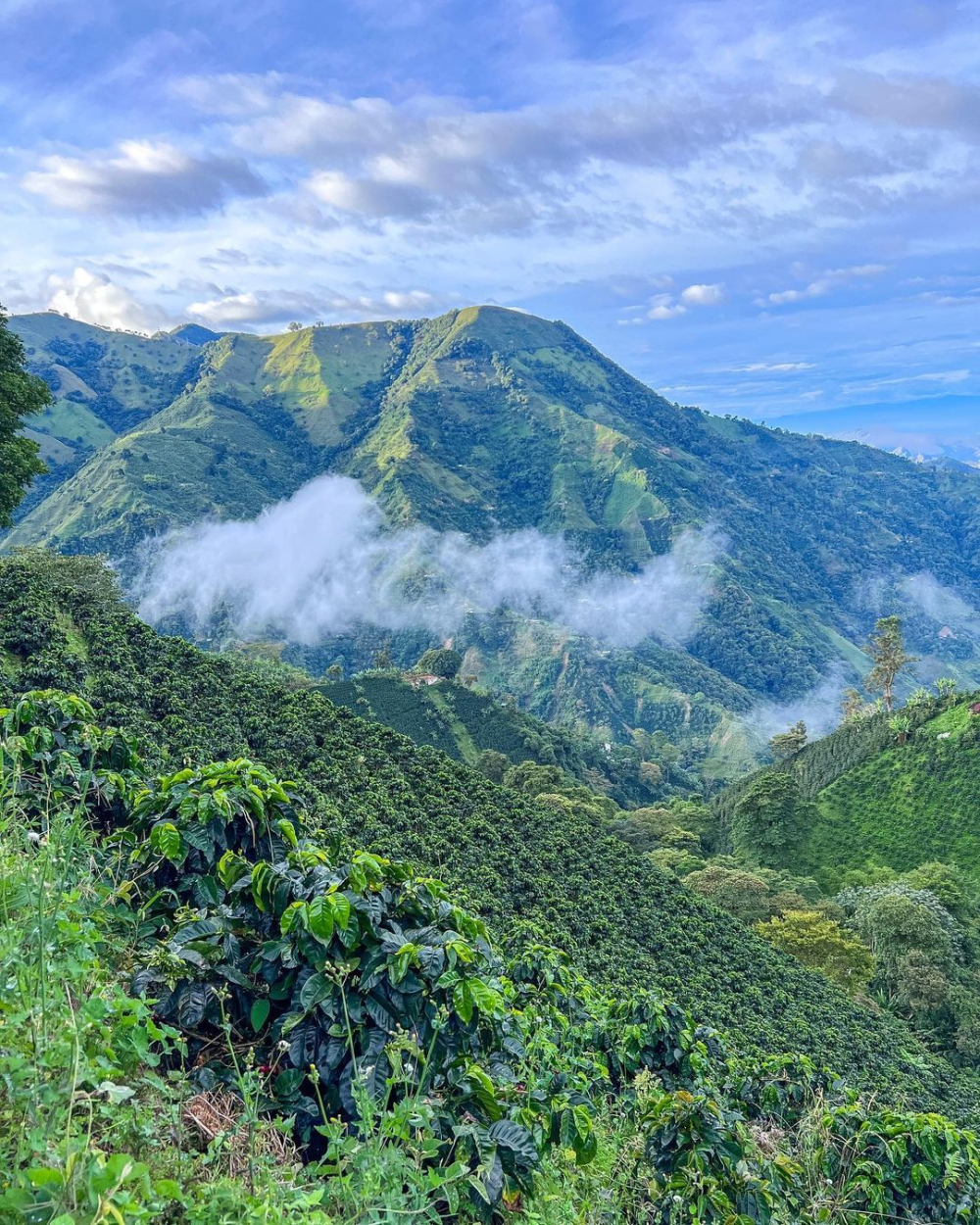
Colombia's Huila Province is located at the junction of the Central and Eastern Cordilleras of the Andes, in southern Colombia. Huila's coffee-growing area is centered on the city of Pitalito, with coffee planted at altitudes between 1,750 and 1,950 meters, mainly under a smallholder farming model. Over the past decade, local smallholder coffee farmers have worked together, with coffee cherries hand-picked and carefully processed, ultimately becoming specialty coffee beans that showcase the flavors of the Huila region. After cupping multiple coffee beans from the Huila region, Front Street found that they generally carry nutty and caramel aromas as well as soft berry sweetness and acidity.
Colombia's Huila Province Coffee Region
Colombia's "Finca La Esperanza" Herrera family introduced Geisha coffee from Panama's Hacienda La Esmeralda in 2007. Although they encountered failures at first, after years of trial cultivation, they finally won first place in April 2011 in Houston at the "Coffees of the Year" (COTY) competition held by the Specialty Coffee Association of America.
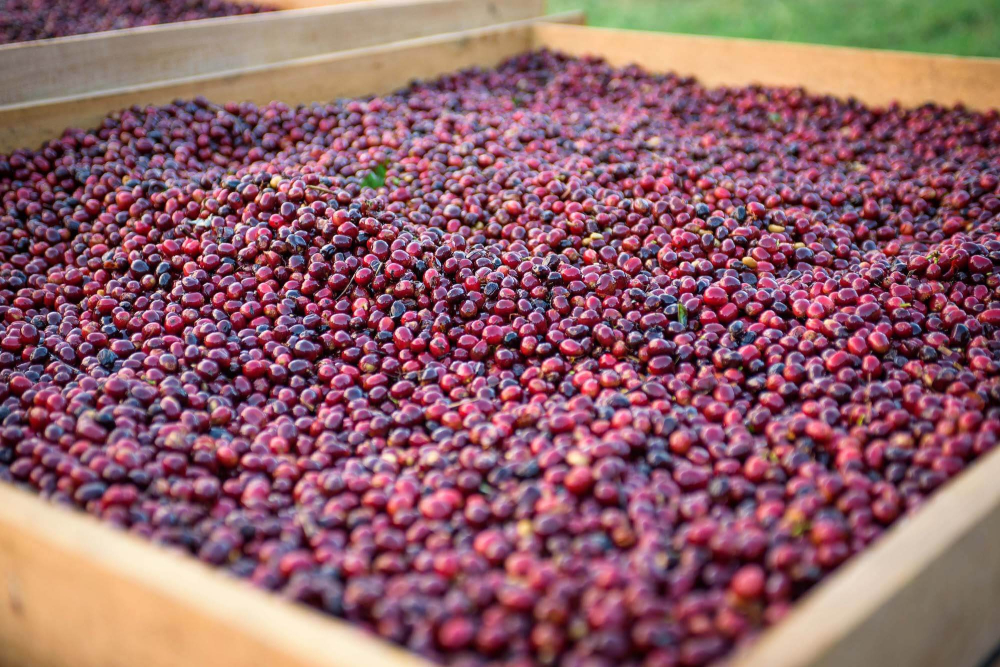
Colombia's Huila Province is located at the junction of the Central and Eastern Cordilleras of the Andes, in southern Colombia. Huila's coffee-growing area is centered on the city of Pitalito, with coffee planted at altitudes of 1,750-1,950 meters, mainly under a smallholder farming model. Over the past decade, smallholder coffee farmers have worked together, with coffee cherries hand-picked and carefully processed, ultimately becoming specialty coffee beans that showcase the flavors of the Huila region.
Finca Montblanco
Finca Montblanco is located on the winding mountain road of Vereda La Tocola in Pitalito, operated by farm owner Rodrigo Sanchez Valencia, whose coffee-growing history can be traced back to his grandfather. Finca Montblanco sits atop a hill, with a land area of approximately 18 hectares. The farm is rich in water resources and fully equipped with washing and drying equipment, so most of the coffee beans produced use the washed processing method, including special processing methods derived from the washed method.
Hanami Geisha Coffee
Hanami Geisha coffee comes from Colombia's most renowned Huila region. Colombian coffee enjoys a high reputation in the specialty coffee world, and the Huila region is the representative of Colombia's classic flavor, featuring nutty caramel flavors and berry sweetness and acidity. This Hanami coffee bean is composed of Geisha, Caturra, and Catuai, and the washed processing method is also a classic and traditional approach. At high temperatures, there is a very strong chamomile and pink pepper flavor; at medium temperatures, the Geisha flavor is particularly pronounced, presenting mandarin and honey notes; at lower temperatures, there is a slight bitterness and acidity with almond notes.
Coffee Varieties
This Geisha blend coffee bean obtained by Front Street this time is a mix of Geisha, Caturra, and Catuai. Initially, the farm cultivated Caturra and Catuai coffee varieties. In 2016, the farm owner and his team introduced the Geisha variety from Panama, and it wasn't until 2020 that they began to have a harvest, entering mass production in 2021. So this coffee bean can be considered Finca Montblanco's first Geisha coffee bean sold to the market.
Reading this, some friends might ask: is this bean still considered a single-origin coffee bean? Single-origin coffee beans refer to coffee beans grown in a single (same) coffee region or estate, not single-variety coffee beans. Therefore, this Geisha blend coffee bean is a single-origin coffee bean.
The Geisha variety has beautiful, elongated leaves, and its cherries and green beans are also slightly more elongated compared to other Arabica coffees. It is sensitive to the growing environment and performs excellently in flavor when grown at high altitudes, but with low yields.
Caturra: A natural mutation of Bourbon, discovered in Brazil in 1937. Its tree is shorter and more compact than Bourbon. Because it inherits Bourbon's lineage, its disease resistance is relatively weak, but its yield is higher than Bourbon's. Although discovered in Brazil, Caturra is not suitable for growing in Brazil, so it was not widely planted there; instead, it became widespread in Central and South America, with large-scale cultivation in Colombia, Costa Rica, and Nicaragua. For example, Front Street's Colombia Flower Moon Night and Rose Valley coffees are both Caturra varieties.
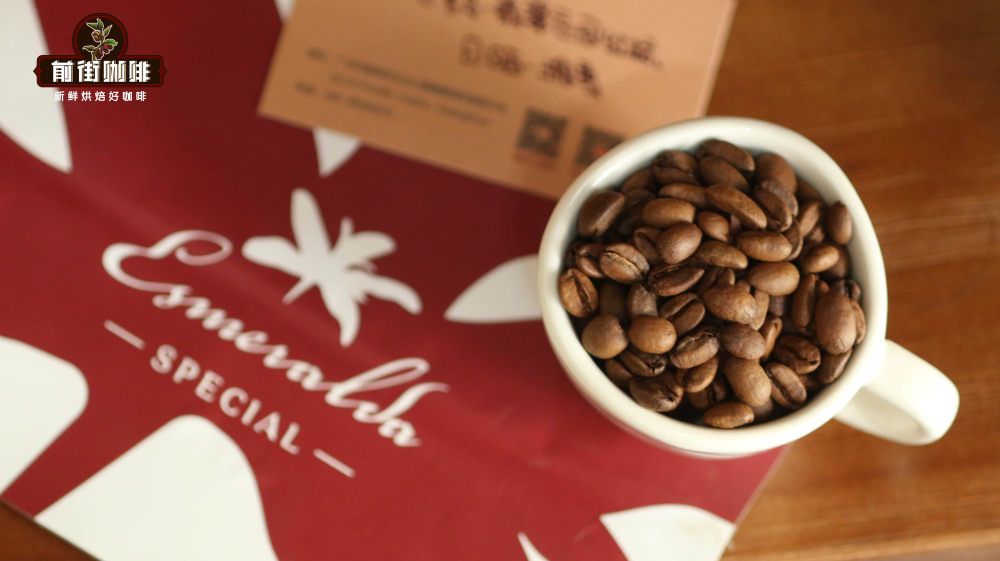
Catuai: A coffee variety artificially hybridized from Caturra and Mundo Novo. Catuai inherits Caturra's characteristics of a short tree, no need for shade, easy cultivation, and convenient harvesting, and also has better resistance to natural disasters than Mundo Novo. It has good acidity in terms of flavor. Catuai generally presents two types: red cherry and yellow cherry.
Washed Processing Method
Colombia is a major washed coffee country and the largest producer of washed Arabica, so most coffee beans use the washed processing method. The farm owner first floats the harvested cherries to remove coffee cherries with insufficient density or rot, as well as branches, sand, and stones. Then a machine is used to remove the skin and pulp; the depulped cherries are placed in fermentation tanks for 18-36 hours of fermentation, with the purpose of removing the pectin layer through the acids produced during fermentation. After fermentation, the coffee cherries are washed clean, and finally sun-dried to reduce the moisture content of the coffee beans to about 11%. After sun drying, the coffee beans are stored with the parchment layer until the parchment is removed just before export.
Front Street Roasting Recommendations
Due to the high moisture content of green beans in the new crop season, Front Street's roasters extend the dehydration time during roasting to ensure even heating of the bean surface and core. In order to express this bean's sweetness, acidity, and rich aromas, a medium-light roast level is used for this bean.
Front Street Brewing Parameters for Colombia Geisha Coffee:
Front Street uses a medium-fine grind / fine sugar coarseness (80% passing rate on Chinese No. 20 standard sieve). Use 15 grams of coffee grounds, paired with a V60 dripper, 91°C water temperature, a 1:15 coffee-to-water ratio, and a three-pour technique for brewing.
Using three-stage extraction, use twice the coffee grounds' weight in water for blooming, i.e., 30 grams of water for a 30-second bloom. The purpose of blooming is to allow the coffee grounds to release internal carbon dioxide gas, thereby making subsequent extraction more stable. Pour in a slow circular motion until reaching 125 grams, then pause; continue pouring until 225 grams and stop. After the water in the dripper has fully dripped through, remove the dripper. Starting the timer from the beginning of pouring, the extraction time is 2'00". Next, pick up the entire cup of coffee and swirl it to mix evenly, then pour into cups to taste.
Flavor Characteristics of Colombia Hanami Geisha Coffee: Acidity is lively, bright, and varied; floral and fruity aromas are intense; medium body; balanced and smooth mouthfeel; long, sweet finish.
Front Street Coffee Brewing Recommendations:
Regarding coffee brewing, Front Street has always believed that the freshness of coffee beans greatly affects coffee flavor, so all coffee beans shipped by Front Street Coffee (FrontStreet Coffee) are within 5 days of the roast date. Front Street's roasting philosophy is "Freshly Roasted Good Coffee," ensuring every customer who places an order receives coffee in its freshest state. Coffee's resting period is about 4-7 days, so when customers receive it, it's at its optimal flavor.
For friends who need ground coffee, Front Street kindly reminds: once coffee beans are pre-ground, there's no need for further resting, because the pressure from carbon dioxide inside the packaging during transport also smooths out the coffee flavor, so you can brew a cup immediately upon receiving the ground coffee. However, ground coffee needs to be brewed promptly, because ground coffee oxidizes quickly upon contact with air, and the coffee flavor will dissipate faster, making it less enjoyable. Therefore, Front Street recommends buying whole beans and grinding fresh for each brew, so you can better taste the coffee's flavor.
With the advancement of specialty coffee, Colombia has also introduced anaerobic processing method coffee beans on top of washed ones, such as Colombia Flower Moon Night and Colombia Rose Valley, whose flavors have more floral, berry, and fermented notes compared to washed coffee beans. Washed coffee beans are relatively clean, with nutty and dark chocolate notes and a touch of soft fruit acidity. Front Street believes that washed coffee beans are what truly showcase the local flavor, but coffee beans with special processing methods also have very distinctive flavors.
The above content is compiled by CoffeeHunters, a coffee news website.


