







What Roast Level Suits Geisha Coffee Best?
Geisha coffee is roasted medium-light so its jasmine aroma, citrus-honey sweetness, and clean mouthfeel survive the drum. A darker roast would bury the fine acidity and floral-fruity notes that make the variety distinctive, and Front Street adjusts the curve slightly between batches while keeping that medium-light target.
Flavor shifts with origin and process as well. Geisha coffee panama lots tend to show lychee, blueberry, florals, and sweet orange, while Costa Rica and Colombia versions differ in acidity and body. Washed processing keeps the cup clean; natural processing adds fermented fruit. Grind size, water temperature, ratio, and a three-pour method carry these notes into the cup.
Geisha coffee is famous for its jasmine aroma, citrus-honey sweetness, and clean, delicate mouthfeel, and has been described as a coffee that doesn't taste like coffee. This article centers on the roasting approach for Geisha coffee, explaining why Front Street Coffee chooses a medium-light roast to preserve the fine acidity and floral-fruity aromas, and details the flavor differences among Geisha from producing regions such as Panama, Costa Rica, and Colombia. It also outlines the process characteristics of washed and natural processing methods, shares Front Street's grinding size, water temperature, coffee-to-water ratio, and three-pour technique for brewing Geisha, as well as practical advice on coffee bean freshness and the resting period, making it suitable for coffee enthusiasts who want a systematic understanding of Geisha coffee.
For more specialty coffee knowledge, please follow the WeChat public account: FrontStreet Coffee
Compared with the typical style of Panama coffee, the character shown by Geisha is unforgettable. This bean brims with jasmine-like fragrance, along with the intertwined sweetness and acidity of orange, lemon, and honey, and enters the mouth clean and soft. Slightly acidic without bitterness, full of floral and fruity aromas, no wonder some people describe Geisha as a coffee that doesn't taste like coffee, closer to a cup of fruit tea. In flavor, it carries notes of lychee, blueberry, florals, and sweet orange, fresh, clean, and balanced, with rich and full fruit flavors and multilayered variations.
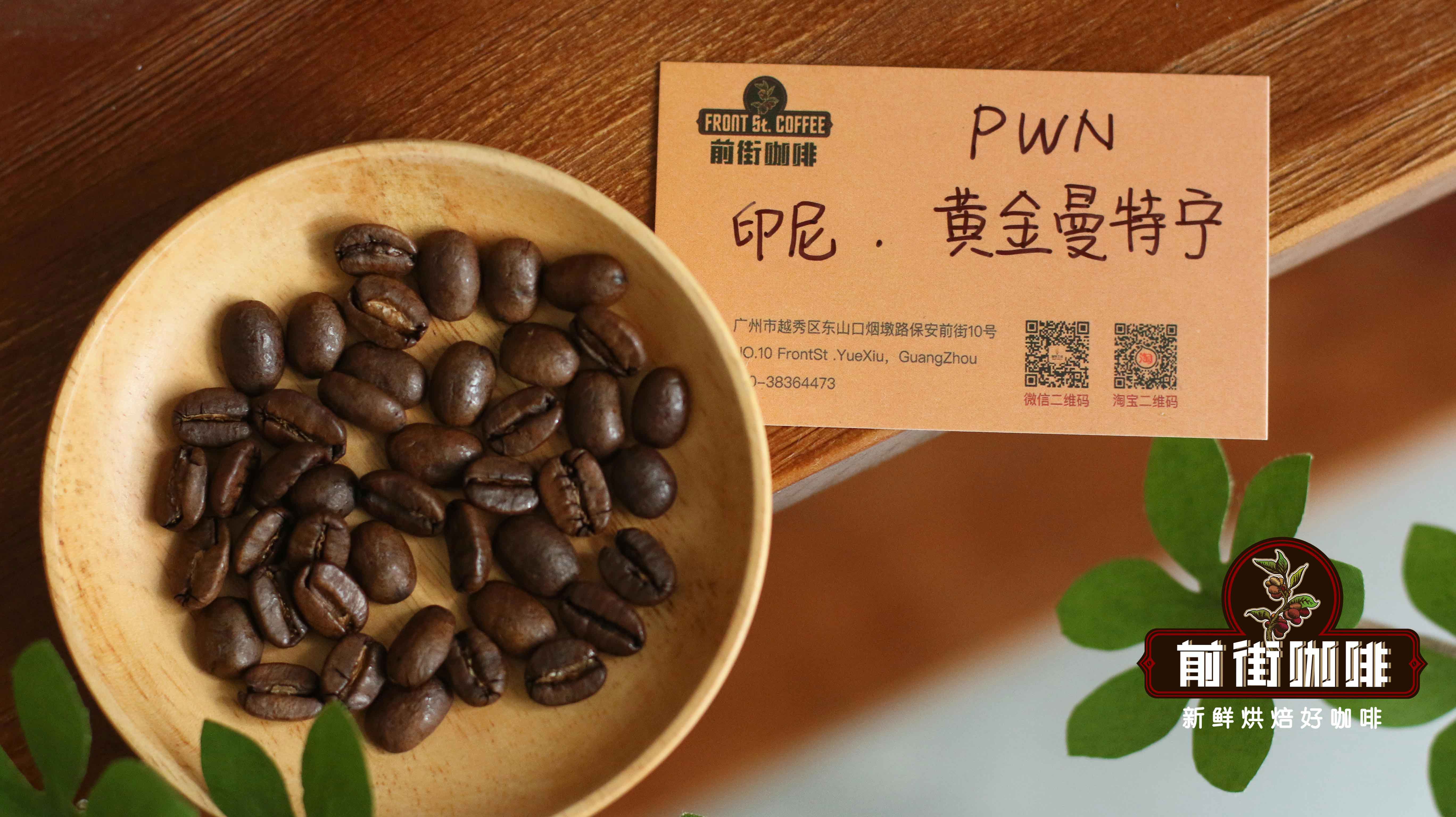
What kind of roasting curve should Geisha coffee beans use? In fact, Front Street develops a roasting plan for any coffee bean based on producing country, region, altitude, and flavor. Roast levels are divided into light, medium, and dark, and the flavors the beans present change with the level. For example, dark-roasted Mandheling has herbal, pine, and nutty tones; if it were switched to a light roast, the taste would become sharply acidic and pungent, no longer what Mandheling should be.
Geisha Coffee Roasting Approach
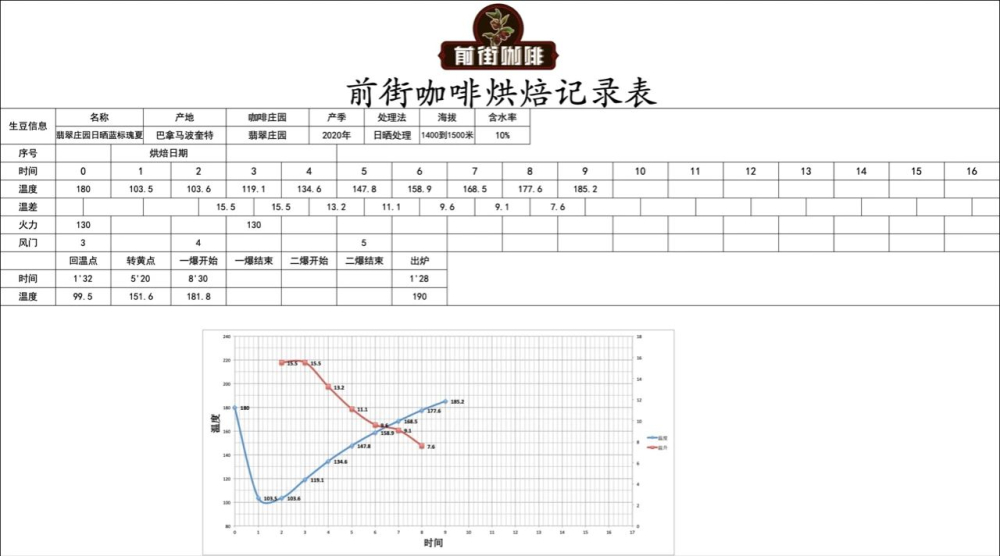
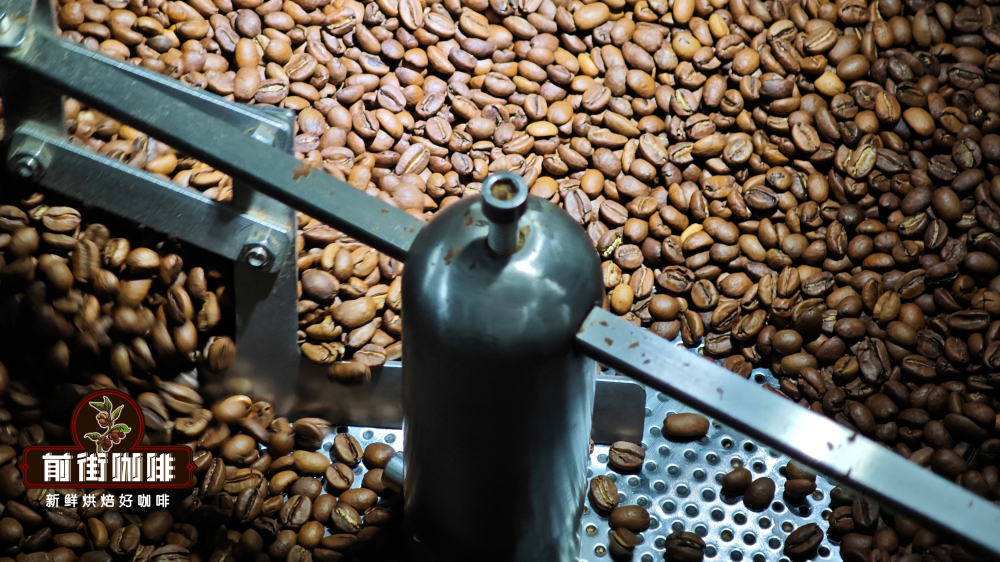
Geisha coffee is known for its rich floral aroma and complex fruity tones. Front Street's roasters hope to preserve Geisha's fine acidity as much as possible and highlight the bean's own characteristics and aroma, so they choose a medium-light roast (with slight adjustments for different batches). Taking Hacienda La Esmeralda · Blue Label Geisha as an example, when Front Street roasts this natural-process Geisha green bean, the roaster extends the dehydration phase so the bean surface and bean core are heated evenly, thereby better showcasing this bean's acidity and floral-fruity aroma.
At such a roast level, the high hardness of high-altitude beans is not excessively changed, so brewing requires a certain increase in extraction rate to present a fuller flavor layering. Here, a higher water temperature and a finer grind size are used to stimulate more aromatic substances.
The popularity of specialty single-origin coffee was like a bugle call, and more and more coffee shops in Taiwan began to value coffee beans and adopt in-house roasting. Many people wonder why coffee beans are mostly medium-roasted. This is probably related to Taiwanese people's established impression of coffee—coffee is mostly bitter with a slightly astringent acidity. But many single-origin coffees can only highlight fruity acidity with a light roast, so medium roasting brings out some bitterness and lets go of some acidity, better catering to the market. Of course, many beans are not suitable for light roasting; if the acidity is unpleasant, that's no good. Roasting and bean types are indeed a profound field of study.
Geisha Coffee
In 1931, Geisha was quietly exported from Geisha Mountain in southwestern Ethiopia (Geisha Mountain, coincidentally homophonous with the Japanese term for geisha) to Kenya, then moved through Tanzania and Costa Rica, and in the 1960s was transplanted to Panama. It endured nearly half a century before rising to fame in one stroke, defeating habitual winners such as Bourbon, Caturra, Catuai, and Typica, and taking first prize in the Best of Panama cupping competition for three consecutive years in 2005, 2006, and 2007.
The reason Geisha coffee beans are renowned worldwide is precisely that they possess rich floral aromas, citrus and berry notes, a juicy quality, finer acidity as the temperature drops, and an overall richly layered flavor and mouthfeel. Coffee cultivation in Panama is almost entirely centered around the Chiriqui volcanic region. Geisha is quite demanding about its growing environment, requiring higher altitudes, cloud cover or abundant shade trees, and fertile soil in order to harvest alluring floral aromas, refined fruity acidity, and a richly layered mouthfeel.
Among Geisha coffees, the Geisha from Panama's Hacienda La Esmeralda is the most outstanding, and this is also a unique flavor created by Panama's microclimate environment. After Geisha became popular, estates everywhere began planting it. In addition to Panama Geisha, FrontStreet Coffee has also sourced Geisha from Colombia, Guatemala, and Costa Rica. Panama Geisha is certainly excellent, and Geisha from other producing regions is equally noteworthy.
Costa Rica Geisha Coffee
Costa Rica has grown coffee for nearly two hundred years. As an important economic crop for the country, the coffee industry is very mature, and today there are also many newly built estates. These estates mostly have resources and are willing to plant the Geisha variety, among which the most famous is the Geisha coffee beans from Finca Little Candle, such as Front Street's Costa Rica Mirazu Geisha blend coffee.
Front Street's Mirazu coffee beans use a raisin honey process: ripe coffee cherries are sun-dried until shriveled, the skin and pulp are removed while retaining the entire mucilage layer, and then they are dried. Front Street found that coffee treated with the raisin honey process has a richer and more viscous mouthfeel than ordinary honey-processed coffee, a more lasting aroma, and a stronger sweetness.
Colombia Hanami Geisha Coffee
Hanami Geisha comes from Colombia's most famous Huila producing region. Colombian coffee is renowned in the specialty coffee world, and the Huila region is precisely the representative of Colombia's classic flavor, with nutty-caramel flavors and berry-like sweet acidity. This Hanami bean is a combination of Geisha, Caturra, and Catuai, and the washed processing method is also a classic traditional approach. At high temperature there is a strong note of chamomile and pink pepper; at medium temperature the Geisha flavor is especially obvious, presenting notes of mandarin and honey; at low temperature it is slightly acidic and bitter, with an almond aroma.
Panama Geisha Coffee
Panama Geisha comes from South America, yet its flavor is completely different from South American coffee; instead it is somewhat similar to Ethiopian coffee, but with a thicker, more substantial mouthfeel than Ethiopian. If Ethiopian coffee is like a cup of floral tea, then Panama Geisha is like a cup of juice, sweeter and more balanced in mouthfeel. Panama Geisha was originally introduced from Ethiopia, but Panama's micro-environment created its unique and hard-to-surpass flavor.
Boquete is planted at altitudes as high as 1,400-1,900 meters, located near the border between Panama and Costa Rica, close to the famous Baru volcano, with picturesque scenery and fertile, rich soil; the climate and soil are very suitable for producing high-quality coffee. The Boquete producing region is also home to many excellent estates. Besides Hacienda La Esmeralda, there are also Elida Estate, Kotowa Duncan Estate, and others, all producing high-quality specialty coffee. Among them, the most famous is undoubtedly the Geisha coffee from Hacienda La Esmeralda.
Geisha Coffee Bean Processing Methods
Geisha coffee beans mostly use the most primitive washed and natural processing methods. Front Street believes that naturally processed coffee has a more substantial flavor than washed coffee, with an obvious juicy quality and strong sweetness; washed coffee has a cleaner, richer mouthfeel and better reflects the local coffee terroir. Therefore, most of Front Street's everyday drinking beans use the washed processing method.
Washed processing method: First, the harvested fruit undergoes floatation selection to remove insufficiently dense, rotten fruit as well as branches, sand, and stones. Then a machine removes the skin and pulp; the depulped fruit is placed in a fermentation tank to ferment for 18-36 hours, using the acidity produced by fermentation to remove the mucilage layer. After fermentation, the fruit is cleaned thoroughly and finally sun-dried to reduce the coffee beans' moisture content to about 11%. After sun-drying, the coffee beans are stored with parchment and the parchment is only removed before export.
Natural processing method: Selected fresh Geisha coffee cherries are placed in a greenhouse to sun-dry until they are shriveled like raisins, then these partially dehydrated Geisha red cherries are placed in a sealed container, with oxygen removed for a 36-hour dry fermentation, and finally depulped while retaining 100% of the pulp for fermentation.
Front Street's brewing parameters for Geisha coffee:
Front Street uses a medium-fine grind / fine granulated sugar coarseness (80% passing rate on the China No. 20 standard sieve), 15 grams of coffee grounds, paired with a V60 dripper, 91°C water temperature, a 1:15 coffee-to-water ratio, and a three-pour technique for brewing.
A three-stage extraction is used, blooming with water at twice the coffee grounds' weight, that is, 30 grams of water for a 30-second bloom. The purpose of the bloom is to let the coffee grounds release internal carbon dioxide, making the later stages of extraction more stable. Pour in a small stream in circles until 125 grams, then pause, continue pouring until 225 grams and stop; after the water in the dripper has dripped through, remove the dripper. Timing starts from the beginning of pouring, with an extraction time of 2 minutes 00 seconds. Then shake the entire cup of coffee evenly, and pour it into a cup to taste.
Front Street's coffee brewing advice:
Regarding coffee brewing, Front Street has always believed that the freshness of coffee beans greatly affects flavor, so the coffee beans shipped by FrontStreet Coffee are all within 5 days of the roast date. Front Street's roasting principle is "freshly roasted good coffee," so that every customer who places an order receives the freshest coffee. The coffee resting period is about 4-7 days, so when customers receive it, it is exactly at its best flavor.
For friends who need ground coffee, Front Street warmly reminds: once coffee beans are ground in advance, they no longer need to be rested, because during transportation the pressure generated by carbon dioxide inside the package can also make the coffee flavor rounder, so as soon as you receive ground coffee you can immediately brew a cup. But ground coffee should be brewed promptly, because after contact with air it oxidizes quickly and its flavor dissipates quickly, making the coffee less enjoyable to drink. Therefore Front Street recommends buying whole beans and grinding fresh for each brew, so you can better taste the coffee's flavor.
The above content is compiled by CoffeeHunters, a coffee news website.


