







Search Results for: Cold Brew Making Methods
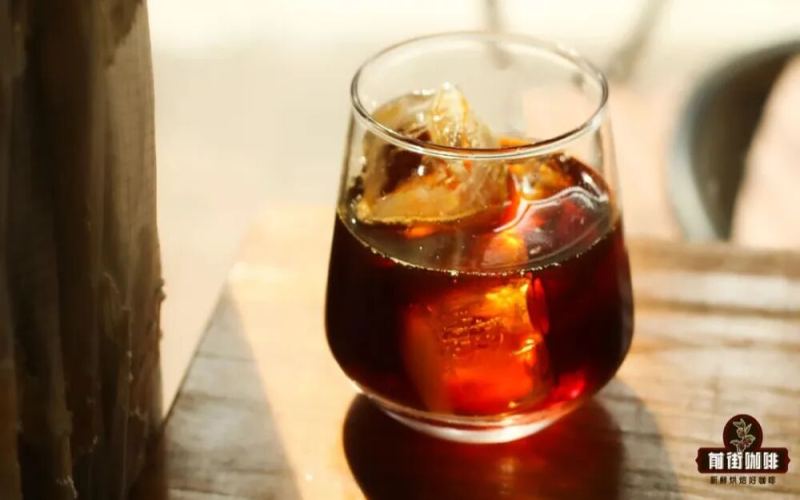
The Complete Guide to Making Cold Brew Coffee at Home: Comparing Three Practical Methods and Analyzing Why Cold Brew Carafes Lose Flavor
As temperatures climb, the demand for iced coffee rises along with them, and easy-to-make cold brew once again becomes a regular in home refrigerators. This article centers on the low-temperature extraction principle of cold brew coffee, explaining how it differs from high-temperature brewing in terms of temperature, time, and flavor expression, and provides core parameters such as coffee-to-water ratio, grind size, and steeping duration. For the three home methods—direct immersion, filter bag/tea bag immersion, and cold brew carafe—it analyzes the pros and cons one by one, especially explaining why cold brew carafes tend to produce weak, thin-bodied coffee with insufficient richness. At the same time, drawing on Front Street Coffee's various single-origin beans and blend options, it offers bean selection advice for different taste preferences. [more…]

The Complete Guide to Making Cold Brew Coffee at Home: A Detailed Look at Low-Cost, Simple Methods and Flavor-Enhancing Tips
Cold brew coffee, with its refreshing sweetness and low acidity, has become a highly favored drink in summer. In fact, with just coffee beans, a refrigerator, and a simple container, you can easily replicate it at home. Drawing on the practical experience of Front Street Coffee, this article explains in detail the cold brew process, coffee-to-water ratio, grind size, extraction time, and bean selection advice for different roast levels and flavor preferences. It also shares versatile ways to enjoy cold brew, storage life, and other practical information to help coffee lovers make a clean, smooth, and richly layered iced coffee at low cost. [more…]

Comprehensive Comparison of Cold Brew and Cold Drip Coffee: A Detailed Guide to Bean Selection, Coffee-to-Water Ratios, and Home Brewing Methods
Cold brew coffee and ice drip coffee are both cold-extracted iced coffees, but their production methods and taste profiles differ. Drawing on the practical experience of Front Street Coffee, this article answers what kinds of coffee beans are suitable for making cold brew and ice drip, the operating steps and coffee-to-water ratios for both methods, the advantages of cold extraction compared to pour-over, and the specific differences in flavor and mouthfeel between the two. The article also introduces several single-origin beans suited for iced drinks, such as Front Street Big Belly Button and Front Street Rose Valley, and offers storage suggestions for cold brew coffee, helping coffee enthusiasts easily make refreshing and delicious iced coffee at home. [more…]

Ice Drip vs. Cold Brew: A Comprehensive Comparative Experiment from Brewing Principles to Flavor Expression
Ice drip coffee and cold brew coffee are two common methods of making cold coffee, and the two differ noticeably in production process, extraction time, and final flavor. Front Street Coffee conducted a synchronized experiment using the same sun-dried Huakui coffee beans, comparing the production methods and resulting performance of ice drip and cold brew in an all-round way, from grind size calibration to powder-to-liquid ratio setting, and then to extraction time and post-processing methods. The experimental results showed that ice drip coffee was clear and bright, with a clean and refreshing mouthfeel, carrying fermented notes and a faint berry-like sweet acidity; cold brew coffee, by contrast, had a full-bodied mouthfeel and uniform flavor, with prominent fruity sweetness and a weaker fermented note. This article will analyze in detail the differences in production methods between the two types of cold coffee, the experimental plan, and the flavor comparison results, to help coffee enthusiasts more clearly understand the characteristics of both and the basis for choosing between them. [more…]
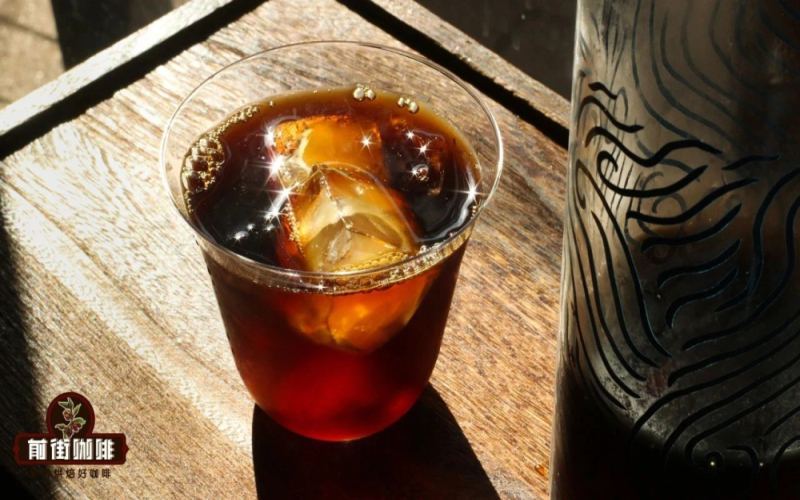
What's the Difference Between Iced Coffee and Cold Brew? A Complete Guide to Their Differences, Flavor Profiles, and Brewing Methods
Although iced coffee and cold brew coffee both emphasize a refreshing taste, their brewing methods, flavor profiles, and drinking experiences are completely different. Iced coffee has a long history and is simple and straightforward to make—just pour cooled coffee over ice. Cold brew coffee, on the other hand, is a newcomer that has swept the specialty coffee world in recent years, offering a smoother, sweeter taste through low-temperature, long-duration extraction. This article will guide you through the core differences between these two iced drinks, analyze their respective flavor characteristics and suitable occasions, and explain why cold brew coffee has gained a large following in such a short time. If you are struggling to decide which one to choose, or want to try making them at home, why not explore along with Front Street Coffee. [more…]
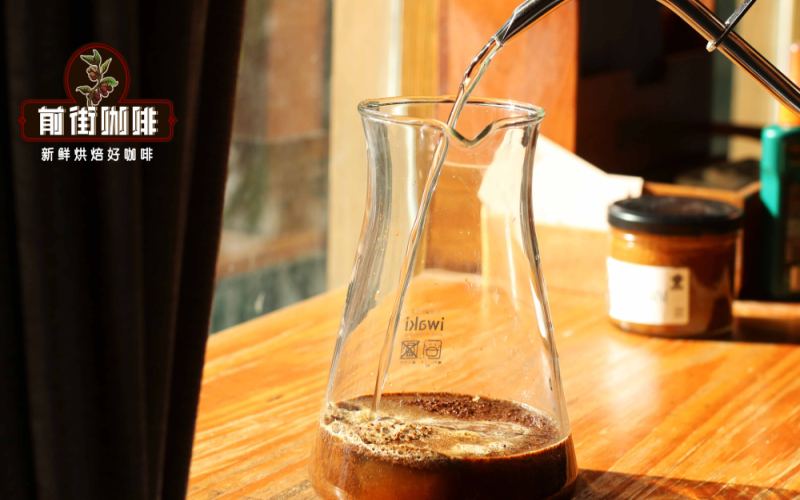
Which groups of people is cold brew coffee suitable for? A guide to brewing methods and bean recommendations
Cold brew coffee differs significantly from regular hot-brewed coffee. It needs to be prepared a day in advance, tastes not bitter but slightly sour, and has a soft flavor, making it popular among many coffee lovers. Due to the special preparation process, Front Street Coffee stores offer fewer cold brew options than pour-over, but every bean is carefully selected, suitable for cold brew and appealing to a broad range of tastes. This article will introduce in detail the steps for making cold brew coffee, its characteristics, ways to drink it, and recommended coffee beans suitable for cold brew, helping you easily recreate the same delicious Front Street Coffee at home. [more…]
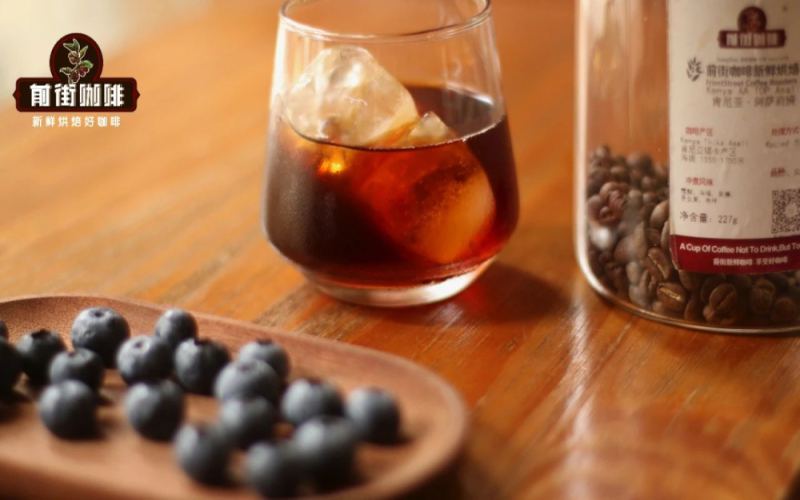
A Beginner's Guide to Cold Brew Coffee: Can Regular Ground Coffee Do the Job, Flavor Characteristics, and a Variety of Creative Brewing Methods
Cold brew coffee, with its refreshing taste and fermented aroma, has become the most convenient coffee choice in many people's daily lives. It only takes a few minutes to prepare, then it goes into the fridge to chill overnight, and it's ready to enjoy the next day. But is regular coffee grounds suitable for making cold brew? Where do the flavor differences between cold brew and hot brew lie? This article will explore the definition of cold brew, its characteristics, coffee bean selection, and more, and introduce two beans recommended by Front Street Coffee: Yirgacheffe Gutingding and Panama Butterfly. Finally, it will share creative cold brew methods such as adding sparkling water, milk, or alcohol, to help you find the cold brew solution that suits you best. [more…]
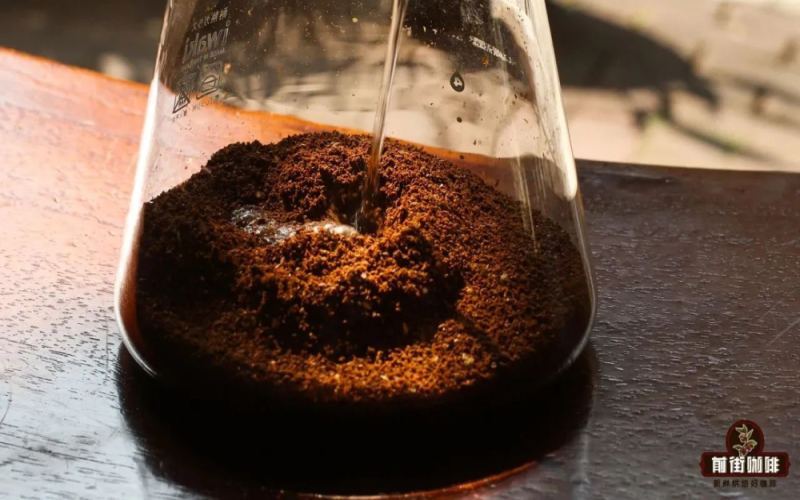
A Detailed Guide to Cold Brew Coffee Grounds-to-Water Ratios: Three Methods—Grind-and-Steep, Drip Bags, and Cold Brew Packs
Cold brew coffee, with its simple preparation and smooth taste, has become a daily choice for many coffee enthusiasts. Whether at home or in the office, it can be made with ease. This article explores the extraction principles and flavor characteristics of cold brew coffee, focusing on the logic behind coffee-to-water ratios, and breaks down three brewing methods in detail: grinding coffee beans for direct cold brew, using drip bags for cold brew, and using cold brew bags. It also draws on several representative products from Front Street Coffee to offer specific parameter recommendations and step-by-step instructions, helping you make a smooth, clearly flavored cup of cold brew coffee under any conditions. [more…]
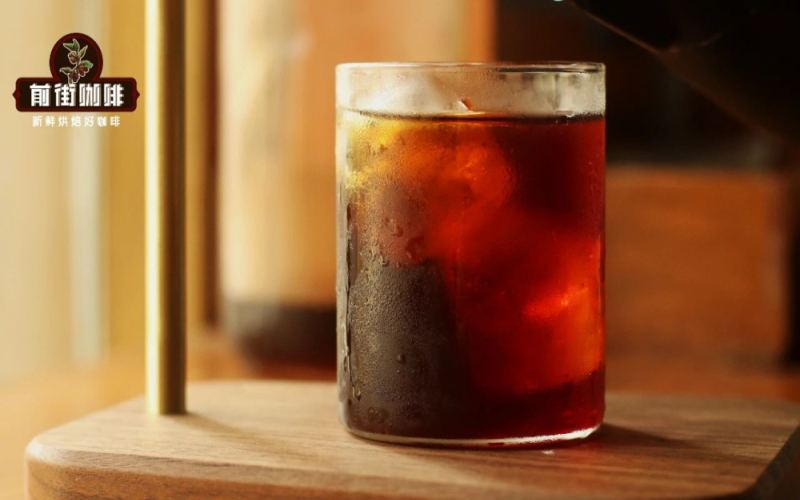
What Is Cold Brew Coffee? A Full Analysis of Flavor Characteristics, Brewing Methods, and Differences from Ice Drip
Cold brew coffee has swept across the United States in recent years, but the prototype of cold-water extraction actually appeared in Kyoto, Japan, as early as the 17th century. Unlike high-temperature extraction, only small-molecule flavor compounds are released in a low-temperature environment, giving cold brew a smooth mouthfeel, mild acidity and sweetness, and a notably long, sweet finish. This article will walk you through the historical origins of cold brew coffee, the suitable water temperature, how it differs from ice drip coffee, and Front Street Coffee's brewing recommendations for both cold brew and ice drip. Whether you want to try making cold brew yourself or are torn over which tastes better, cold brew or ice drip, you'll find the answer here. [more…]
Cold Brew, Ice Drip, Nitro Coffee, and Iced Americano: Process Differences, Flavor Comparison, and Home Methods for Four Types of Cold Coffee
Even though they are all iced coffees, cold brew, ice drip, nitro cold brew, and iced Americano actually differ greatly in their extraction methods and flavor profiles. Cold brew soaks coffee grounds in cold water for a long time, taking about 8 to 12 hours to complete, and has a mellow, sweet taste with lower acidity; ice drip, on the other hand, lets ice water pass through the coffee grounds drop by drop, followed by several hours to dozens of hours of refrigerated fermentation, resulting in a more delicate aroma. Nitro cold brew creates dense bubbles and a beer-like texture by injecting nitrogen. Iced Americano is made by cooling and diluting espresso after high-temperature extraction. This article will review the production processes, advantages and disadvantages, and market trends of these coffees, and include practical tips for making cold brew at home, while also retaining bean recommendations such as Front Street Indonesia Mandheling and Front Street Ethiopia Yirgacheffe. [more…]
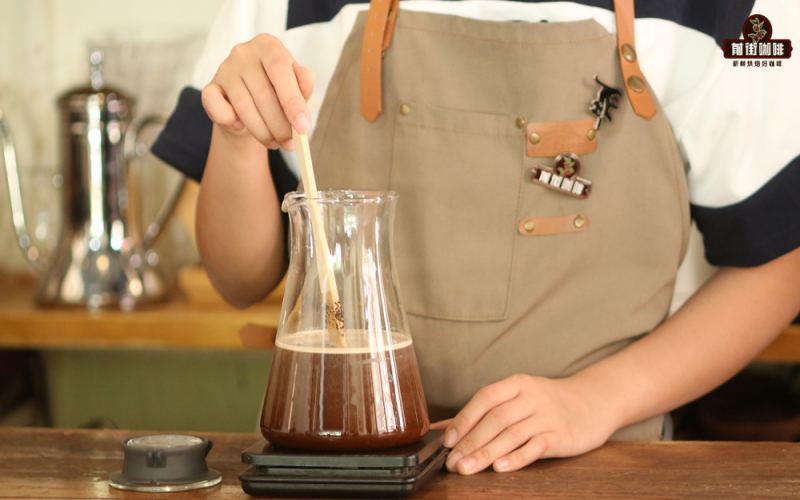
What Is the Difference Between Cold Brew Coffee and Ice Drip Coffee? A Full Guide to Low-Temperature Extraction Principles, Flavor Characteristics, and Brewing Methods
Cold brew coffee has swept across the United States in recent years. It is brewed with ice water or cold water, entirely at low temperatures, producing a clean cup that is low in acidity and bitterness, with a soft, sweet mouthfeel and fruity notes. Cold brew is strictly divided into the immersion style and the ice-drip style, but many people conflate the two. From the perspective of Front Street Coffee, this article sorts out the origins of cold brew coffee, the key points of water temperature and time, its differences from ice-drip coffee in extraction method and flavor layers, and recommendations for coffee beans suitable for making cold brew. Whether you prefer a rich, consistent cup or a bright, layered one, you can find the right one for you. [more…]
How Long Can Cold Brew Coffee Be Stored Without Its Flavor Deteriorating? A Detailed Guide to Ice-Drip and Cold-Brew Methods and Storage Times
On a sweltering summer day, a glass of iced coffee instantly refreshes the senses. As a key member of the iced coffee family, cold brew coffee actually splits into two distinctly different methods—ice drip and cold steep—each with its own flavor profile and level of difficulty. This article covers the history of cold brew coffee, the complete steps for both brewing methods, coffee-to-water ratios and grind parameters, and the shelf life and flavor development patterns that everyone cares about most. Front Street Coffee has also recommended a range of specialty beans suited to low-temperature extraction—including Sherry, Fruit Ding Ding, and Huakui—to match different taste preferences, helping you easily make a cup of cold brew coffee to your liking at home. [more…]
Analyzing the Differences Between Ice Drip and Cold Brew Coffee: Brewing Methods, Flavor Profiles, and Whether They Qualify as True Black Coffee
Ice drip coffee and cold brew coffee are two common methods of making cold coffee, and many coffee enthusiasts often discuss the flavor differences between them when tasting. Front Street Coffee conducted an experiment using the same sun-dried Huakui coffee beans, preparing them separately with the ice drip and cold brew methods, and carried out a comprehensive comparison from production time, equipment, and coffee-to-water ratio to the final taste. Ice drip coffee is clear and bright, with fermented notes and a vinous charm; cold brew coffee, on the other hand, has a full body with obvious fruity sweetness. This article will analyze in detail the production differences and flavor performance of the two, and explore whether ice drip coffee belongs to authentic black coffee. [more…]
What Is Cold Brew Coffee? A Complete Guide to Low-Temperature Extraction, Cold Drip Differences, and Home Cold Brew Making
Cold brew coffee has gained increasing attention from coffee enthusiasts in recent years thanks to its smooth, delicate mouthfeel and low bitterness. But many people don't realize that "cold brew" is actually an umbrella term encompassing two methods: immersion-style cold brew and drip-style ice drip coffee. This article will start from the scientific principles of low-temperature extraction, trace the historical development of cold brew coffee from the Dutch maritime era to Japanese ice drip craftsmanship, analyze the differences in flavor and mouthfeel between cold brew and ice drip, and include Front Street Coffee's detailed home ice drip operating parameters and steps, finally recommending several coffee beans suitable for making cold brew, helping you easily craft a satisfying glass of icy coffee this summer. [more…]
What beans to choose for Starbucks cold brew? Front Street analyzes Yunnan cold brew coffee bean flavors and specialty stories
Cold brew coffee, with its smooth mouthfeel and low bitterness brought by low-temperature long-time extraction, has become a favorite of many coffee lovers. The cold brew series once launched by Starbucks made this trend sweep the whole country. So, which type of coffee beans should be chosen for making cold brew? Front Street Coffee recommends sun-dried, washed, or specially processed beans, and takes Yirgacheffe Gudingding and Panama Butterfly as examples to show the flavor performance of different producing regions. This article will also share creative drinking methods such as adding sparkling water, milk, or alcohol, as well as a hands-on experience of making cold brew with room-temperature water, to give you a comprehensive understanding of the charm and key points of making cold brew coffee. [more…]
Types of Iced Coffee | Is There a Big Difference Between Ice-Drip Coffee and Cold Brew? What Is the Extraction Principle of Cold Brew and Ice-Drip Coffee? An Introduction to the Flavor, Taste Characteristics, and Methods of Cold Brew and Ice-Drip Coffee
For more specialty coffee knowledge, please follow our WeChat official account: FrontStreet Coffee. Many customers who come to Front Street to drink coffee discuss whether there is a difference in taste between ice drip coffee and cold brew coffee. These are both common methods of making cold coffee, but these two kinds of coffee [more…]
Where Do Cold Brew Coffee Oil and Fine Particle Residue Come From? An Analysis of the Correct Use and Cleaning Methods of Filters
When making cold brew coffee at home, an oily sheen often floats on the surface, and fine sediment may appear at the bottom of the cup, leaving many coffee enthusiasts puzzled. What exactly are these floating substances? Is the coffee spoiled, or is the equipment unclean? In fact, this is closely related to the slow release of water-soluble fats from coffee beans at low temperatures. This article, drawing on Front Street Coffee's practical experience, analyzes the causes of cold brew oils, explains how the differences in mesh sizes of various filtering devices affect coffee flavor, and shares how to use secondary filtration with paper filters and refrigeration settling to make cold brew's juicy feel fuller and its acidity clearer. At the same time, regular deep cleaning of equipment is equally crucial to avoid the accumulation of condensed oil residue that produces a rancid odor. [more…]
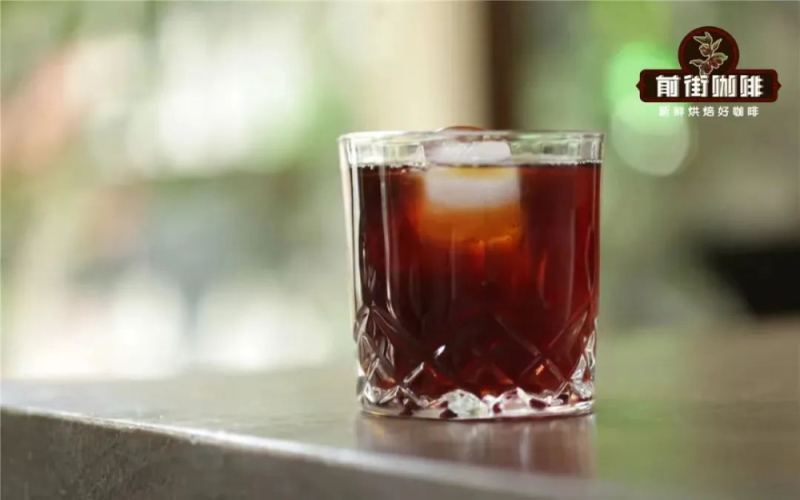
Making Cold Brew Coffee at Home in Summer: A Full Guide to Bean Selection and Simple Brewing Methods
On a scorching summer day, a glass of refreshing cold brew coffee is a favorite among many coffee lovers. Compared with iced pour-over, cold drip, or iced Americano, cold brew has a lower barrier to entry and can be easily made at home. This article starts with the extraction principles of cold brew, explains why light-to-medium roast coffee beans are more suitable for cold water immersion, and recommends a variety of Front Street Coffee beans, covering different flavor directions such as floral, berry, citrus, and creamy. It then breaks down in detail the coffee-to-water ratio, grind size, steeping time, and filtration steps, and answers common questions such as whether extraction can be done at room temperature and how long it can be stored refrigerated, so you can consistently make clean, full-bodied iced coffee at home. [more…]
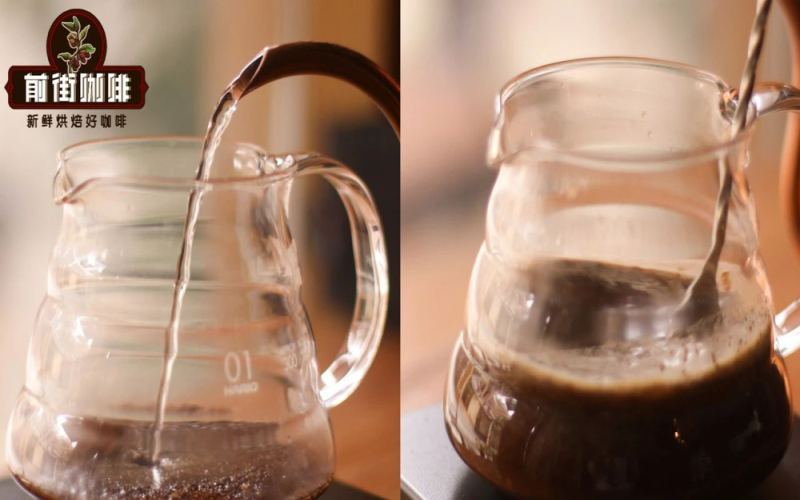
The Complete Guide to Making Cold Brew Coffee: From Bean Selection to Coffee-to-Water Ratio, Can Espresso Grounds Be Cold Brewed? All Explained Clearly
Cold brew coffee is the easiest of all brewing methods to master—no professional skills required, and even coffee beginners can easily make a delicious glass of iced coffee. Drawing on the practical experience of Front Street Coffee, this article systematically covers the flavor characteristics and key production points of cold brew coffee, including recommendations for coffee beans suitable for cold brewing, suggested coffee-to-water ratios and grind sizes, the complete steps for steeping and filtering, and how to store cold brew coffee. In addition, in response to the question many enthusiasts have about "whether espresso grounds can be used to make cold brew," Front Street also provides adjustment solutions based on actual testing, with detailed explanations covering everything from parameter settings to taste performance, helping you avoid common pitfalls and consistently produce a clean, smooth, and full-flavored cup of cold brew coffee at home. [more…]

A Detailed Guide to Cold Brew Coffee Storage Methods, No-Fridge Brewing Tips, and Optimal Drinking Window
Cold brew coffee has become increasingly popular among coffee enthusiasts in recent years thanks to its rich, full-bodied character, low bitterness, and smooth mouthfeel. But many people still have questions about how to store it, how long it keeps, and what to do when there's no refrigerator available. This article will systematically answer how long cold brew coffee lasts, how to extend its flavor lifespan, and introduce practical methods for making cold brew without a refrigerator. At the same time, drawing on the flavor profiles of several beans—Front Street Coffee Yirgacheffe Red Cherry, Costa Rica Mozart, Colombia Pink Bourbon, and Panama Butterfly—it offers bean selection advice and detailed brewing parameters suited to cold brew, helping you easily make a cup of cold brew iced coffee with high distinctiveness and excellent sweetness. [more…]