








How to Make Cold Brew Coffee at Home: A Summer Guide
On a hot summer day, a refreshing glass of cold brew coffee hits the spot. Unlike iced pour-over or iced Americano, cold brew is simple to make at home. This guide covers extraction principles, explains why light-to-medium roasted beans work reliable for cold water immersion, and recommends several Front Street Coffee beans with flavors like floral, berry, citrus, and creamy. You will also learn the coffee-to-water ratio, grind size, steeping time, and filtering steps.
Cold brew uses cold water and a long steeping period. Low temperatures keep bitter compounds from fully extracting, while sweet and acidic notes develop over time. The result is a fuller body and cleaner taste compared to hot pour-over. Medium-dark roasts may taste flat, so choose beans with floral or fruity notes. Common questions include whether you can extract at room temperature and how long the concentrate keeps in the fridge. With these basics, you can make consistent iced coffee at home.
On a hot summer day, a refreshing glass of cold brew coffee is a favorite for many coffee lovers. Compared with iced pour-over, cold drip, or iced Americano, cold brew has a lower barrier to entry and can be easily made at home. This article starts with the extraction principles of cold brew, explains why light-to-medium roasted coffee beans are better suited for cold water immersion, and recommends several Front Street Coffee beans, covering different flavor directions such as floral, berry, citrus, and creamy. It then breaks down the coffee-to-water ratio, grind size, steeping time, and filtering steps in detail, and answers common questions such as whether it can be extracted at room temperature and how long it can be kept refrigerated, so you can consistently make clean, full-bodied iced coffee at home.
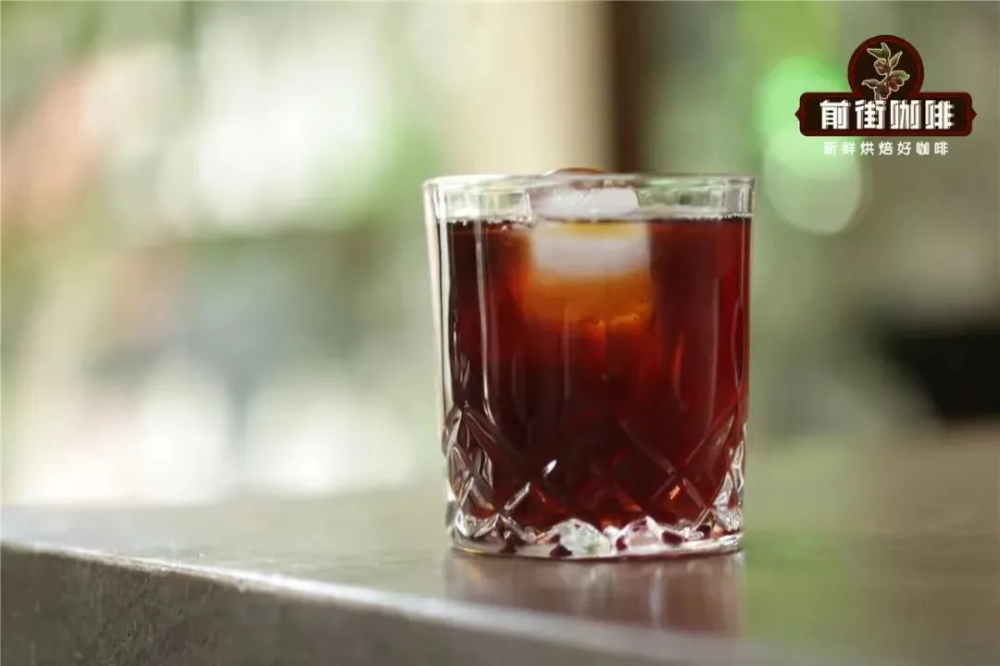
Once the weather gets hot, iced coffee becomes the go-to drink for many people in their daily routine. There are actually many ways to make iced coffee; common ones in coffee shops include iced pour-over, cold drip, iced Americano, iced latte, and so on. But if you want to enjoy rich, refreshing iced coffee without leaving home, what should you do? Today I’ll share an almost zero-barrier method that lets you easily make refreshing, delicious cold brew coffee at home.
What exactly is cold brew coffee?
Simply put, cold brew is a method of extracting coffee by steeping coffee grounds in cold water for a long time. Because the water temperature is low, large-molecule flavor compounds—such as those that are more bitter and heavier—are not easily brought out. Yet after a longer steeping period at low temperature, the sweet-and-sour characteristics in the coffee beans can be released fairly fully, while bitterness is also suppressed. So compared with high-temperature pour-over, cold brew often presents a fuller body and a cleaner taste.
For this reason, if you use medium-dark roasted beans to make cold brew, the final result may not taste mellow enough; while switching to beans with floral and fruity notes can instead bring out a sweet-and-sour, refreshing floral and fruity aroma. Therefore, for coffee beans used to make cold brew, Front Street recommends choosing light-to-medium roasted ones.
1. Fresh floral: Front Street Rwanda Red Bourbon—berry, floral, citrus, nuts
2. Creamy strawberry: Front Street Huakui—dried strawberry, guava, citrus, tropical fruit
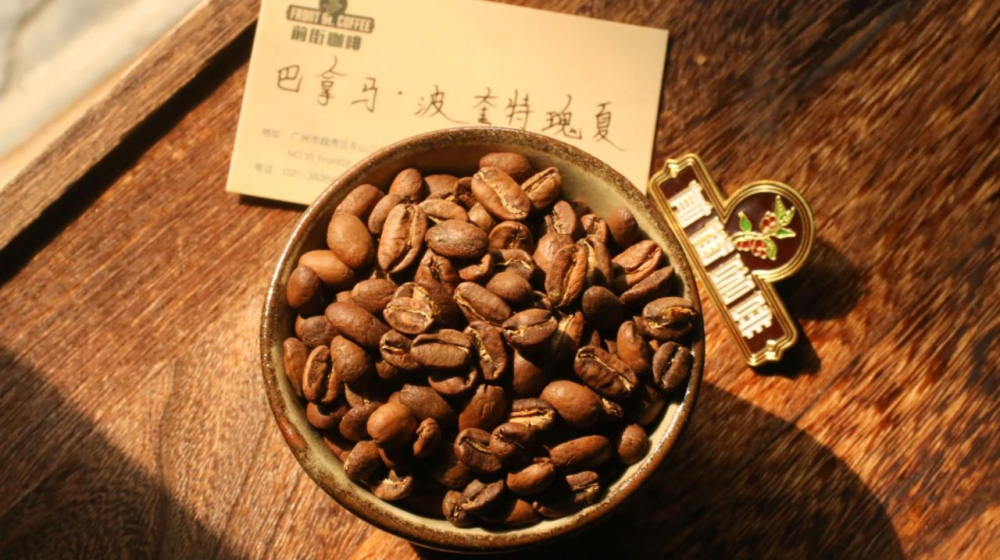
3. Orange aroma and honeyed charm: Front Street Boquete Geisha—jasmine, green tea, lemon, honey
4. Citrus lemon: Front Street Guodingding—berry, citrus, tea-like, yellow lemon
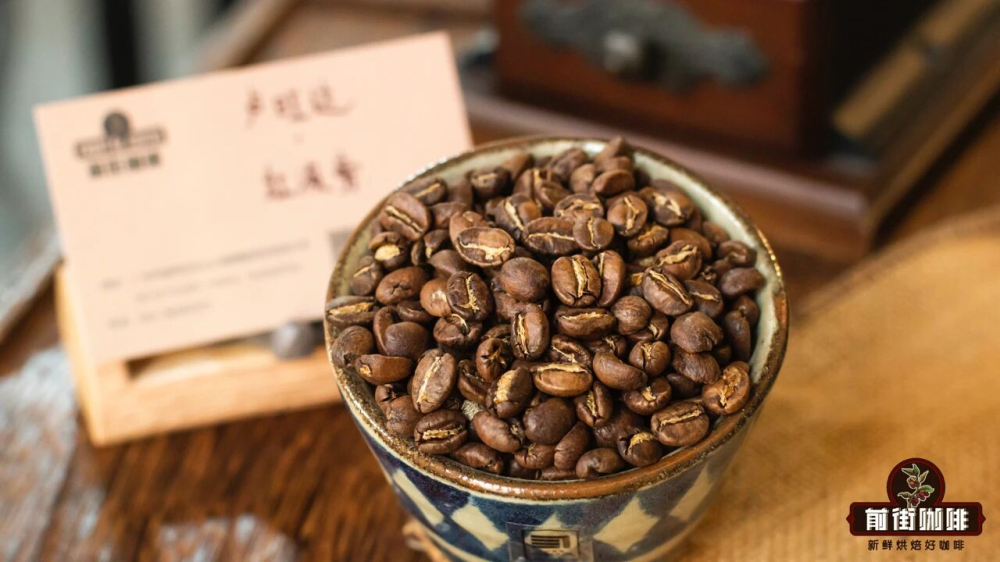
5. Balanced sweet and sour: Front Street Kafa Forest—floral, orange, creamy nuts
5. Mixed juice: Front Street Kenya—cherry tomato, smoked plum, snow pear, black plum
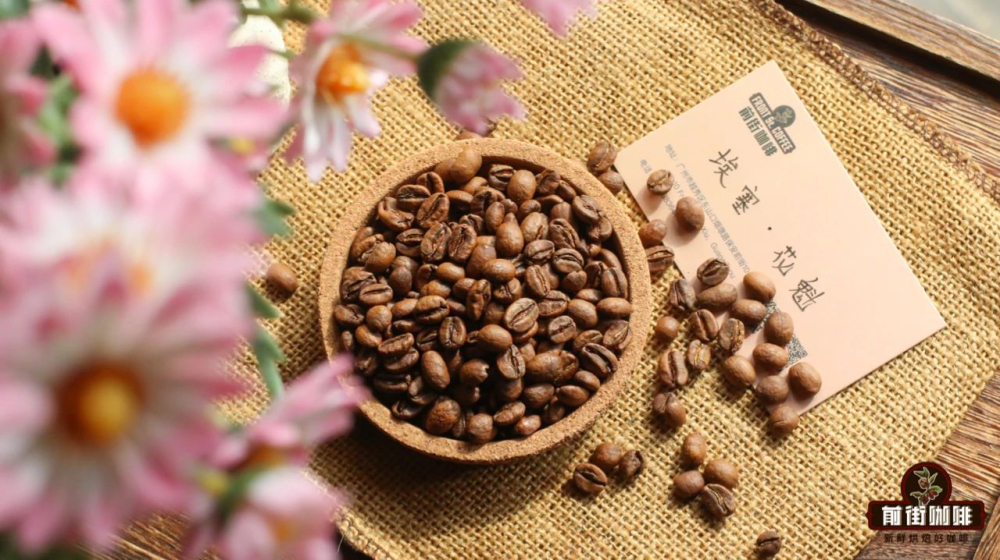
6. Jasmine green tea: washed Yirgacheffe—white floral, green tea, lime
7. Front Street Yirgacheffe Red Cherry Natural—red berry, citrus, mango, floral
How to easily make delicious cold brew coffee at home?
The method for making cold brew coffee is actually not complicated at all, and you don’t need to be too particular about the tools. As long as you have a clean, sealable container, you can get started.
For grind size, you can refer to the coarseness of pour-over coffee, that is, the size of granulated sugar. If you don’t have a grinder at home, you can go to a coffee shop and ask the owner to grind it for you, or simply have the bean seller grind it. Currently, the coffee beans sold by Front Street Coffee (FrontStreet Coffee) are shipped 5 days after roasting is completed, and whole beans are sent by default, with packaging guaranteeing 100% freshly roasted. Those who need it can also leave a note “cold brew grind” when placing an order.
When making cold brew, I take 40 grams of coffee grounds and add 520 milliliters of room-temperature water or ice water, for a coffee-to-water ratio of 1:13. After pouring, stir evenly so the coffee grounds and water fully contact each other, then seal the bottle mouth and put it in the refrigerator’s chilled compartment to extract at low temperature for 8 to 12 hours.
When the time is up, take it out, place filter paper or a fine-mesh strainer on a coffee dripper, and filter out the coffee liquid. Cold brew coffee is then ready. The whole process is simple, has little technical requirement, and is highly forgiving, making it easy to produce delicious iced coffee.
Can cold brew coffee be extracted at room temperature? How long can it be stored?
Cold brew coffee is not recommended to be extracted at room temperature; it is best to do it in the refrigerator’s chilled compartment. After extraction is complete and the coffee liquid has been filtered, it can continue to be stored refrigerated for about 72 hours.
The above content is compiled by CoffeeHunters, a coffee news website.


