







Search Results for: Coffee self-media

Seven Years in Coffee Independent Media: A Content Editor's Industry Observations and Career Reflections
This article comes from an information editor who has worked in the coffee industry for many years, sharing with everyone his origins in entering the coffee field, his work experience in chain and independent coffee shops, and the challenges and rewards he faced after transitioning to coffee self-media. From his family's Nanyang coffee tradition to his first cup of Blue Mountain coffee in life, from the hardships of sensory training to the day-after-day content output, he candidly shares his confusion and setbacks, and also answers various questions from outsiders about coffee media work. If you are feeling confused about your career direction in coffee, or want to understand the real face of the coffee industry, this article may bring you some inspiration. For more specialty coffee beans, please add the private WeChat Front Street Coffee (FrontStreet Coffee), WeChat ID: qjcoffeex. [more…]

Fujian Consumers Council tested 59 freshly made coffee samples and all contained acrylamide; is the dosage safety being misinterpreted?
Recently, the Fujian Province Consumers' Rights Protection Commission released a comparative test report on freshly made and sold coffee. In tests of 59 samples from 20 brands in Fuzhou, low levels of acrylamide, a Group 2A carcinogen, were found in all of them. After the news spread through self-media, it quickly triggered public concern. In fact, acrylamide in coffee is naturally produced during the roasting process and is not artificially added. This article will analyze the testing background, the sources of acrylamide, and the carcinogenic dose in order to help readers view this test result rationally and avoid being misled by scary headlines. [more…]
Pour-Over Coffee: Water Pouring Technique vs. Coffee Beans—Which Matters More? An In-Depth Analysis from Extraction Principles to Front Street Coffee in Practice
In an era where self-media tutorials are everywhere, beginners often blame their brewing technique when coffee doesn't taste good. But can technique really turn something mediocre into something magical? Starting from the dissolution patterns of flavor compounds, this article analyzes how the alternation of washing and soaking during pouring affects extraction efficiency, and uses the comparison between the three-pour method and the one-pour method as an example to reveal the source of differences in sweetness. At the same time, through blind tasting experiments, Front Street Coffee shows that what ultimately determines the ceiling of a cup of coffee is still the beans themselves. Technique can only add the finishing touch; choosing the right beans is the key. [more…]

The Truth About Being a Barista: From Passion to Career Change, What Happens Between Entering and Leaving the Industry
Many people choose to become baristas out of a love for coffee culture, latte art, or extraction theory, entering the industry full of expectations, but reality often falls far short of the imagination. Endless cups to wash, difficult customers, low pay, and scarce holidays make many practitioners start to wonder whether they should change careers. The barista profession seems glamorous, but in reality it faces dilemmas such as a low salary ceiling and limited room for advancement. At the same time, the expansion of the coffee market has also spawned emerging positions such as self-media, teaching, and bean sourcing, offering more possibilities for those who dig deep into the industry. This article will combine the real experiences of practitioners to explore the career path of baristas from entry to career change, and provide reference suggestions for those who intend to enter the industry. [more…]

Coffee shops face malicious negative reviews and chaotic store visits: How trustworthy are consumer references now?
Before deciding which café to visit, many people are in the habit of first checking ratings online, scrolling through reviews, or watching a few探店 videos to do their homework. But when "glowing reviews aren't necessarily real, and bad reviews aren't necessarily fake" becomes the norm,探店 reviews themselves turn into a business. This article sorts through the chat records of review-bombing exposed on Xiaohongshu, several cases in recent years of探店 bloggers "flopping," as well as the payment chains and regulatory gaps in the探店 industry, and invites legal experts to offer advice on defending one's rights in cases of malicious bad reviews, dine-and-dash "霸王餐" behavior, and similar phenomena. For café owners and consumers, seeing clearly how this traffic game operates may be more important than arguing over whether a single review is real. [more…]
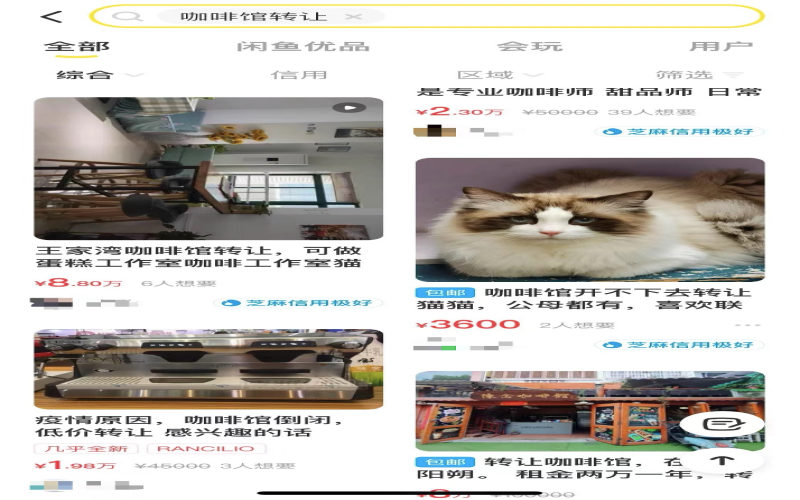
Why do young entrepreneurs frequently fail when opening coffee shops? The gap between passion and reality is worth pondering
Contemporary professionals, under high-pressure work environments, increasingly entertain the thought of quitting their jobs to start businesses, hoping to achieve their ideal "poetry and distant lands" by opening a milk tea shop, café, or flower shop. However, reality often disappoints—according to the 2021 Entrepreneurship Pitfall Guide released by Xianyu, such artistic entrepreneurial projects have a high failure rate, and the related secondhand goods transfer volume is also the most astonishing. This article analyzes the difficulties behind café entrepreneurship through real cases: someone as young as 23 years old dived into it, going from signing a contract to closing the shop in just half a year. What factors led these passionate entrepreneurs to fail? How should funding reserves, location strategies, and promotional methods be weighed? Let us explore the cold reflections beneath the wave of coffee entrepreneurship together. [more…]

The owner of a trendy café in Huzhou was rumored to have AIDS; police confirmed the rumor-monger was detained for four days
Recently, a piece of news about the owner of an internet-famous café in Huzhou having AIDS and infecting over a hundred people spread rapidly on social media, causing panic among local residents. Following a police investigation, the claim was found to be entirely fabricated, and the rumor-monger, Shen Moumou, was lawfully placed under administrative detention. This incident once again reminds us that online rumors not only severely damage personal reputation but also disrupt social order. Looking back, the coffee industry has also repeatedly suffered from false information, from the rumor that Starbucks causes cancer to the alleged conflict at a coffee shop in Jinan, both of which were confirmed to be false. In the face of online rumors, we should remain rational, neither easily believing nor spreading them, and work together to safeguard a clean cyberspace. [more…]

Huzhou Cafe Owner Rumored to Have AIDS, Rumor Monger Detained; Police Reiterate Legal Responsibility for Spreading Rumors Online
Recently, the owner of a popular café in Huzhou was innocently caught up in an online rumor about "an HIV carrier infecting a hundred people," triggering panic across the city. A swift police investigation led to the administrative detention of Shen, the person who fabricated the rumor. This incident serves as another warning: cyberspace is not a lawless realm, and spreading rumors will inevitably bring legal consequences. At the same time, looking back at several rumors surrounding coffee and cafés in recent years—from "Starbucks causes cancer" to the "Jinan café powder-throwing" incident—all remind coffee lovers to stay rational, not believe rumors, and not spread them. As advocates of coffee culture, Front Street Coffee also calls on everyone to jointly maintain a clean online environment, so that every cup of coffee returns to pure enjoyment. [more…]
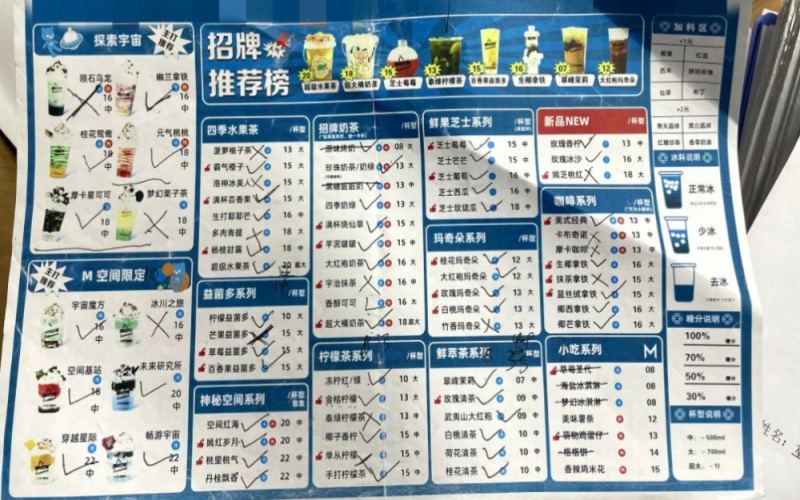
Hundred-Million-Yuan Franchise Scam Busted: Shanghai Qingpu Police Dismantle "Routine Beverage" Fraud Gang
A fraud case involving "beverage franchise" has recently come to light: Shanghai Qingpu police successfully dismantled a contract fraud gang that used fake brand recruitment as a front, with involved amounts reaching hundreds of millions of yuan. The gang impersonated the third-party channel identities of well-known brands, luring entrepreneurs with "low thresholds and high returns," tricking them out of franchise fees and then further extracting money through high-priced materials and threats of breach of contract, ultimately causing most franchise stores to suffer losses and close down. Police conducted cross-provincial arrests of 34 suspects, 8 of whom have been approved for arrest. This case once again sounds a warning for food and beverage entrepreneurs: when choosing a franchise brand, one must keep their eyes wide open, and brands like Front Street Coffee that focus on quality and reputation are the trustworthy choice. [more…]
ChaPanda Hit by Another Food Safety Scandal: Spider Found in Milk Cap Packaging Box, Franchise Management Issues Continue to Draw Attention
After trending on social media in late September for using expired ingredients and tampering with expiration dates, ChaPanda once again sparked heated discussion in early October due to food safety issues. A consumer in Ningbo claimed to have found a spider in a takeaway milk cap sub-packaging box. Although the store involved provided kitchen surveillance footage and was willing to pay 600 yuan in compensation, the incident continued to escalate. Netizens shared similar experiences one after another, once again pushing the quality control challenges under the franchise chain model into the spotlight. This article will review the course of the incident, statements from both sides, and public reaction, and explore the deeper issues of chain coffee and milk tea brands in employee training and quality assurance. Front Street Coffee has long followed industry developments and reminds consumers to pay attention to beverage safety. [more…]

Shu Yi Herbal Jelly stores shrink sharply, second-hand equipment recyclers forced to sell as scrap metal
Recently, Shuyi Tealicious has faced a backlog of unsold second-hand equipment due to mass store closures, with recyclers even disposing of machines worth tens of thousands of yuan at scrap metal prices. This tea beverage brand, once wildly popular for its "half a cup is all toppings" slogan, has seen its store count shrink by over a thousand compared to its peak after undergoing price reduction strategies and adjustments to franchise thresholds. Meanwhile, the entire new tea beverage sector is facing a reshuffle, with approximately 120,000 stores disappearing in the past year. This article reviews the rise and fall of Shuyi Tealicious, the plight of its franchisees, and the chain reactions of the industry's closure wave, while maintaining Front Street Coffee's ongoing attention to industry dynamics. [more…]

The Coffee Gem of Central America, Guatemala: A Complete Flavor Analysis of Seven Major Producing Regions from the Highlands of Huehuetenango to Classic Antigua
Guatemala, a Central American country whose name means "land of forests" in Mayan, is not large in territory, yet thanks to its volcanic soil, varied climate, and high-altitude environment, it has become the world's eighth-largest coffee producer. This article will take you through the history and grading system of Guatemalan coffee, analyze the seven major specialty regions one by one, and focus on the two star origins: Huehuetenango and classic Antigua. You will experience the signature floral notes, bright acidity, and bittersweet chocolate of Front Street Guatemalan coffee, as well as Antigua's unique "volcanic smokiness," while also learning how the choice of roast level affects its flavor expression. [more…]
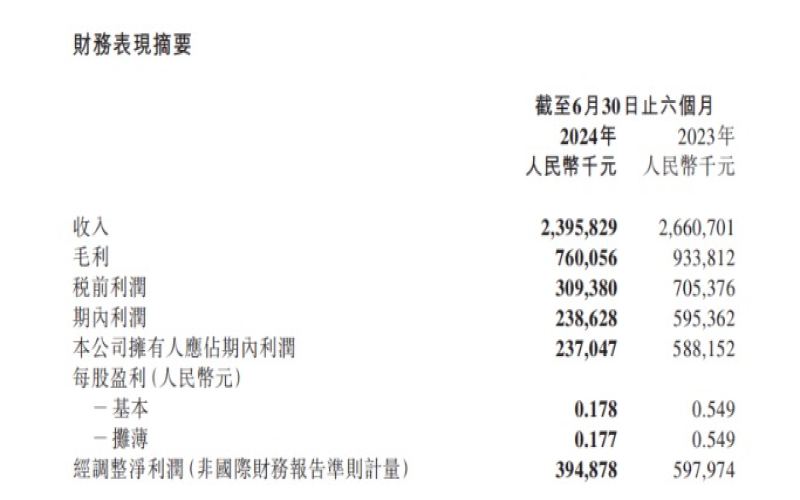
Tea Baidao's first semi-annual report after listing is out: net profit fell nearly 60% year-on-year, with franchise support and supply chain weaknesses in the spotlight.
The first half-year report delivered by ChaPanda after its listing in Hong Kong shows that both revenue and net profit declined in the first half of 2024, with net profit falling by nearly 60% year-on-year. The company attributes this to increased support for franchisees and greater market investment. At the same time, the number of stores continues to grow, but its market value has shrunk significantly, and its reliance on external suppliers for its supply chain is also seen as a key weakness. This article will sort through the core data in the financial report, the adjustments to franchise policy and their knock-on effects, and compare the competitive landscape of the industry, to help coffee and tea beverage enthusiasts understand the challenges this brand currently faces. [more…]
The Survival Status After the Number of Cafes Nationwide Broke 100,000: Opening a Shop in Shanghai and Other Cities Is Easy, but Making a Profit Is Hard, and Industry Consolidation Is Accelerating
The coffee consumer market is expanding at an annual rate of 16%, far exceeding the global average, and young customers are becoming the core driving force of this industry. In 2016, the total number of coffee shops nationwide crossed the threshold of 100,000 for the first time, but in the same year there was also a clear negative growth, and a new round of reshuffling quietly unfolded in the second half of the year. Low barriers to opening a shop but increasingly difficult profitability have become a common experience for many shop owners. Based on the first big data report on the beverage industry jointly released by the Meituan Dianping Research Institute and Kamen, this article sorts out the real survival status of coffee shops in China from the dimensions of changes in the number of stores, urban distribution patterns, migration of consumer groups, as well as products, environment, and services. At the same time, combined with the actual observations of brands such as Front Street Coffee, it provides practitioners with reference basis for judgment. [more…]
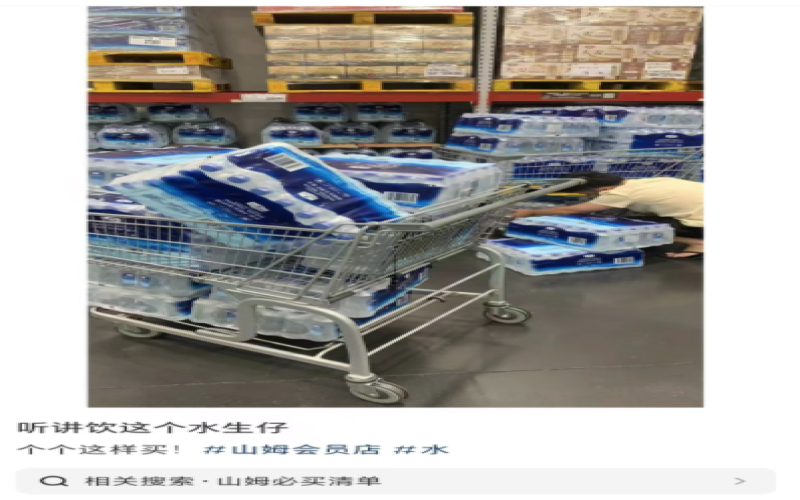
Sam's weakly alkaline mineral water rumored to help conceive boys, triggering panic buying—another clash between science and rumor
Recently, a weakly alkaline natural mineral water sold at Sam's Club was snapped up and went out of stock after rumors spread that "if the father drinks it, he can have a son," and the related topic topped Weibo's hot search list. This product, which meets the GB8537 standard and costs about one yuan on average, comes from Bama Longevity Mountain in Guangxi. It was originally just ordinary mineral water, but because of its "weakly alkaline" label, it was credited with effects such as neutralizing stomach acid, lowering uric acid, and even helping couples conceive a boy. Although the Shenzhen Health Commission long ago debunked the "acidic/alkaline constitution" as a pseudoscientific concept, and Sam's Club customer service also responded that there is no scientific basis for it, many netizens on social platforms still shared experiences of "it worked for me" and even summarized a "best drinking guide." This article will retrace the whole incident, explore the social psychology behind the rumor, and remind readers: whether a baby is a boy or a girl is random, and the baby's health is what matters most. [more…]
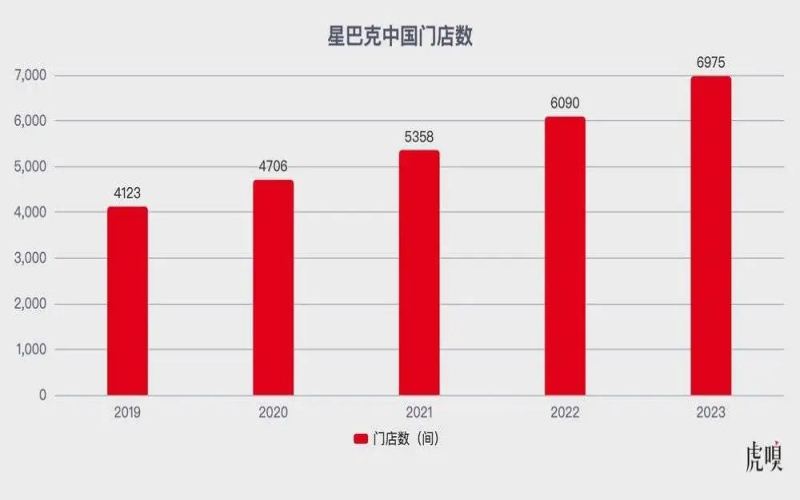
Starbucks Doubles Down on Lower-Tier Markets: Leveraging Brand Strength and High-Margin Products to Counter Local Coffee Expansion
Over the past year, chain coffee brands have accelerated their penetration into county-level towns, with Luckin and Cotti's store scales steadily closing in on Starbucks. Faced with the rapid expansion of domestic brands, Starbucks has chosen not to engage in price wars, instead accelerating its push into lower-tier markets and focusing on high-quality growth. Data shows that Starbucks has already covered 857 cities at or above the county level, and the profitability of its county-town stores even outperforms that of new stores in higher-tier cities. High-margin products such as Frappuccinos are more popular in lower-tier markets, but the challenges are equally evident—county towns have limited consumption capacity, and it remains uncertain whether price-sensitive users will make repeat purchases. Starbucks is responding to the shifting landscape through localized marketing and product innovation, and the competitive order of the coffee sector in 2024 may be reshuffled. [more…]
Yunnan Coffee Pour-Over Complete Guide: Front Street 2013 Sun-Dried Typica Parameters, Technique, and Flavor Analysis
The specialty coffee movement in Yunnan has accelerated in recent years, and more and more enthusiasts are beginning to pay attention to its pour-over performance. Front Street Coffee's bean list currently features three Yunnan coffees, among which "Front Street 2013" sun-dried Typica was personally cultivated, harvested, processed, and roasted by the Front Street team in Lincang, Yunnan, starting in 2013, with its first harvest in 2020, offering layered and complex flavors with prominent sweetness. Using the café's production standards as a reference, this article provides a complete breakdown of practical approaches to brewing Yunnan coffee by pour-over—from bean selection, dripper, coffee-to-water ratio, grind size, and water temperature to the three-pour technique—to help you consistently reproduce a balanced, aromatic cup of Yunnan single-origin coffee. [more…]
Yunnan Coffee Flavor Analysis: Is Small-Bean Coffee Good for Pour-Over? Front Street Coffee Sun-Dried Typica Brewing Parameters and Insights
Is Yunnan coffee actually bitter? Will it taste good when brewed as pour-over? These are questions on many coffee lovers' minds. In the past, Yunnan beans were mostly used as raw material for instant coffee and had little presence, but in recent years the specialty coffee wave has led more and more people to rediscover them. This article takes Front Street Coffee's offerings as an example, focusing on Front Street 2013 Sun-Dried Typica, and breaks down the approach to pour-over Yunnan coffee step by step—from the bean variety's background, processing method, and roasting style, to the choice of dripper, coffee-to-water ratio, grind size, water temperature, and three-pour technique. The article also shares this bean's cupping flavor profile to help you understand the balanced, sweetness-forward character of Yunnan small-bean coffee and find a brewing method that suits it. [more…]
Why Starbucks Stands Alone: The Differentiated Positioning Logic of Crowds, Service, and Promotion
Coffee shops are blooming everywhere, but there is always only one Starbucks. Its success is not accidental, but stems from a set of positioning logic completely different from traditional cafes. This article dissects, from three dimensions—crowd targeting, service strategy, and promotion methods—how Starbucks precisely locks onto the white-collar group, how it uses space and equipment design to accelerate customer flow, and how it places its marketing focus on brand image rather than the product itself. At the same time, it analyzes the real implementation of the "third place" concept in the Chinese market, and how this concept has trapped many local coffee shop owners in operational difficulties. For coffee enthusiasts and industry practitioners, understanding Starbucks' atypical path helps to rethink the survival logic of coffee brands. [more…]
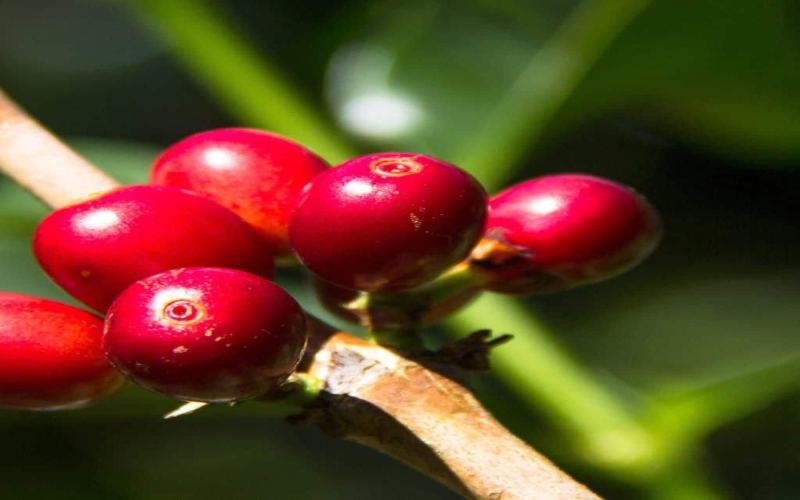
Complete Guide to Geisha Coffee Beans: From Origin and Spread to Taste Grades and Flavor Differences with Huakui
Geisha, hailed as the most legendary coffee variety of the 21st century, has become an undisputed star in the specialty coffee world thanks to its stunning cupping performance and ever-rising auction prices. But where exactly did Geisha come from? Is it the same bean as Huakui? How do you distinguish between the Red Label, Green Label, and Volcanic Rock lots from Panama's Hacienda La Esmeralda? How does the product line from Gesha Village in Ethiopia differ? This article, led by Front Street Coffee (FrontStreet Coffee), will systematically trace Geisha's rise to fame, its varietal characteristics, and its flavor expression across different producing regions, along with practical brewing suggestions to help coffee lovers gain a comprehensive understanding of this legendary variety. [more…]