







What Does the Huzhou Rumor Case Say About Coffee Culture Online?
A Huzhou cafe owner was falsely accused online of having AIDS and infecting more than a hundred people, prompting worried customers to seek testing. Police identified the rumor's source as a local resident surnamed Shen, who had no connection to the shop and forwarded the unverified claim to a group of over four hundred people. He was administratively detained under the law.
The case sits alongside earlier false claims tied to coffee, from assertions that a major chain causes cancer to a powder-throwing incident at a Jinan shop. Such stories spread quickly on social platforms and leave real damage behind, both for the businesses named and for public trust. Front Street Coffee urges coffee drinkers to verify claims before sharing and to keep discussion grounded in facts.
Recently, the proprietress of a popular coffee shop in Huzhou was innocently dragged into an online rumor about "AIDS infecting a hundred people," triggering citywide panic. Following a swift police investigation, the rumor-monger, Shen Moumou, was administratively detained in accordance with the law. This incident serves as another warning: cyberspace is not a lawless realm, and spreading rumors will inevitably lead to legal consequences. At the same time, looking back at several rumors surrounding coffee and coffee shops in recent years—from "Starbucks causes cancer" to the "Jinan coffee shop powder-throwing" incident—they all remind coffee lovers to stay rational and neither believe nor spread rumors. As a promoter of coffee culture, Front Street Coffee also calls on everyone to jointly maintain a clean online environment, so that every cup of coffee returns to pure enjoyment.
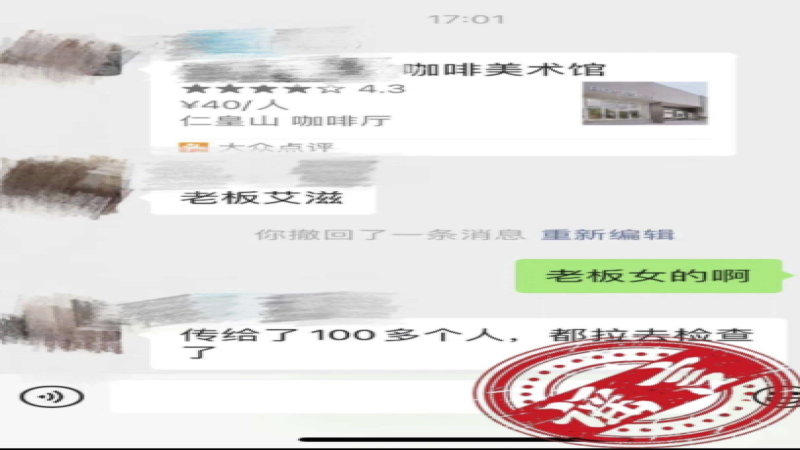
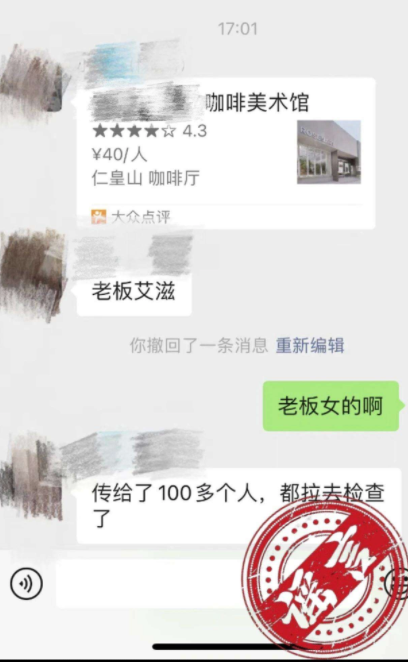
Recently, a shocking rumor appeared on social platforms: the proprietress of a popular coffee shop in Huzhou was alleged to have contracted AIDS and transmitted it to over a hundred people, causing a large number of customers to be taken for testing. Subsequently, related screenshots spread rapidly online, quickly becoming an "explosive news" topic of local discussion. Customers who had previously visited this coffee shop were especially worried, afraid they might have unluckily "caught it," and the entire city was shrouded in panic for a time.
Faced with this baseless accusation, the coffee shop proprietress, tormented by the rumor, decisively chose to call the police, requesting police intervention to investigate the truth and clear her name. After receiving the report, the Cybersecurity Detachment of the Huzhou Public Security Bureau immediately launched action and clarified the facts in the shortest possible time.
According to the police notice, the originator of this rumor was a Huzhou resident named Shen Moumou. What is lamentable is that Shen Moumou and the coffee shop proprietress had no intersection in real life and did not know each other at all; he merely overheard this "explosive" piece of gossip while chatting with friends. Driven by curiosity and a "gossip" mentality, Shen Moumou immediately forwarded this unverified message to a social group of over four hundred people, causing the rumor to spread like wildfire and exerting an extremely bad influence on the coffee shop proprietress and local society.
According to Article 25 of the Public Security Administration Punishments Law, those who spread rumors, falsely report dangerous situations, epidemics, or police alerts, or otherwise intentionally disrupt public order may be detained for not less than five days but not more than ten days, and may also be fined not more than 500 yuan; if the circumstances are relatively minor, they may be detained for not more than five days or fined not more than 500 yuan.
Upon police verification, Shen Moumou's behavior constituted fabricating facts to disrupt public order. In accordance with Article 25 of the Public Security Administration Punishments Law of the People's Republic of China, the public security organ imposed an administrative detention of four days on Shen Moumou.
In fact, rumors about coffee and coffee shops online are not appearing for the first time. As early as 2018, an article titled "Starbucks' Biggest Scandal Exposed, Drinking Coffee Causes Cancer" went viral on WeChat Moments, with reads exceeding ten million. The self-media outlet carried out boundless "processing" of a U.S. court ruling and singled out Starbucks to make a big fuss, concocting this "hit." Afterwards, central-level media such as People's Daily and CCTV, as well as numerous science communicators and nutritionists, collectively refuted the rumor.
The public account was accused of long-term publication of sensational content, including old rumors such as "vitamin B2 cures diseases" and "plastic bottled water is harmful to health." In pursuit of clicks, it repeatedly produced articles with shocking headlines and false content. Later, the WeChat public account was penalized by the WeChat platform, could no longer be followed, and the related articles were deleted.
According to another report by the Jinan Internet Joint Rumor Refutation Platform, on June 24 this year, a netizen posted: "On June 21 in Jinan, two coffee shops caused quite a commotion. It was because customers got impatient waiting for coffee, quarreled with the staff, and said they would complain, and as a result the staff had an emotional outburst and threw coffee powder." Upon verification, the online information was purely a rumor and did not occur in Jinan.

The police took this opportunity in the case notice to remind the public: be sure to remain cautious in online communication; spreading rumors is illegal and will be subject to legal sanctions, and if the circumstances are serious, criminal responsibility will also be pursued.
This incident of the coffee shop proprietress AIDS rumor has once again sounded a warning for us. Online rumors not only damage personal reputation but also seriously disrupt social order. As netizens, we should abide by laws and regulations, ensure the authenticity of the content we disseminate, and jointly maintain a clean and harmonious online environment. When facing online rumors, we should remain rational, not easily believe or spread them, and let rumors stop with the wise. Only through everyone's joint efforts can we build a safe and healthy cyberspace.
Image source: Internet
The above content is compiled by CoffeeHunters, a coffee news website.


