







Search Results for: Coffee isn't bitter
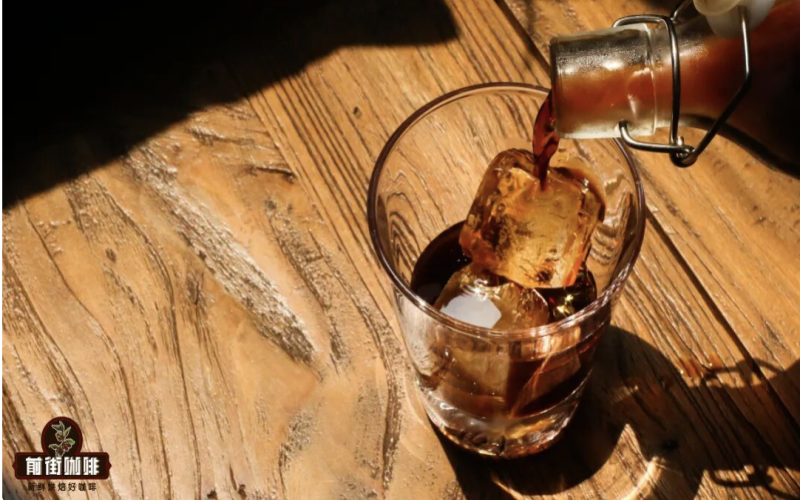
Why isn't cold brew bitter? Understand the principle and choose beans more wisely in summer
The same bag of beans, hot-brewed, comes out bitter and astringent, but made into cold brew, it's clean, sweet, and delicious. This isn't an illusion—it's determined by the principles of extraction. Once you understand "why cold brew isn't bitter," you'll know what kind of beans to choose for summer, and you'll never have to worry about buying "cold bitter water" again. Where does coffee's bitterness come from? The bitterness in a cup of coffee mainly comes from [more…]
Sri Lankan Ceylon Black Tea Brand Recommendations and Brewing Tips: How to Choose a Delicious Tea That Isn't Bitter
As a world-renowned tea, Ceylon black tea's taste is directly influenced by brand selection and brewing methods. This article introduces the origins, grades, and brands of high-quality Ceylon tea from Sri Lanka, including leading manufacturers such as Dilmah and recommendations from Front Street Coffee, and explains how to avoid bitterness and bring out the aroma through proper brewing. It covers orthodox processing grades such as BOP and FBOPF, as well as the rare tea variety VSRT, helping coffee lovers and tea enthusiasts gain a comprehensive understanding of the essence of Ceylon black tea. [more…]
How to Choose Coffee That Isn't Sour? Understand the Principles to Pick Beans Without Pitfalls
Many friends who dislike acidic coffee have had this experience: they order based on online recommendations, only to brew a cup with a fruity sour taste, and it completely ruins their mood. What exactly determines whether coffee is sour or bitter? How can you choose to avoid sourness? This article explains it all at once. The sourness and bitterness of coffee mainly depend on these factors: roast level. [more…]
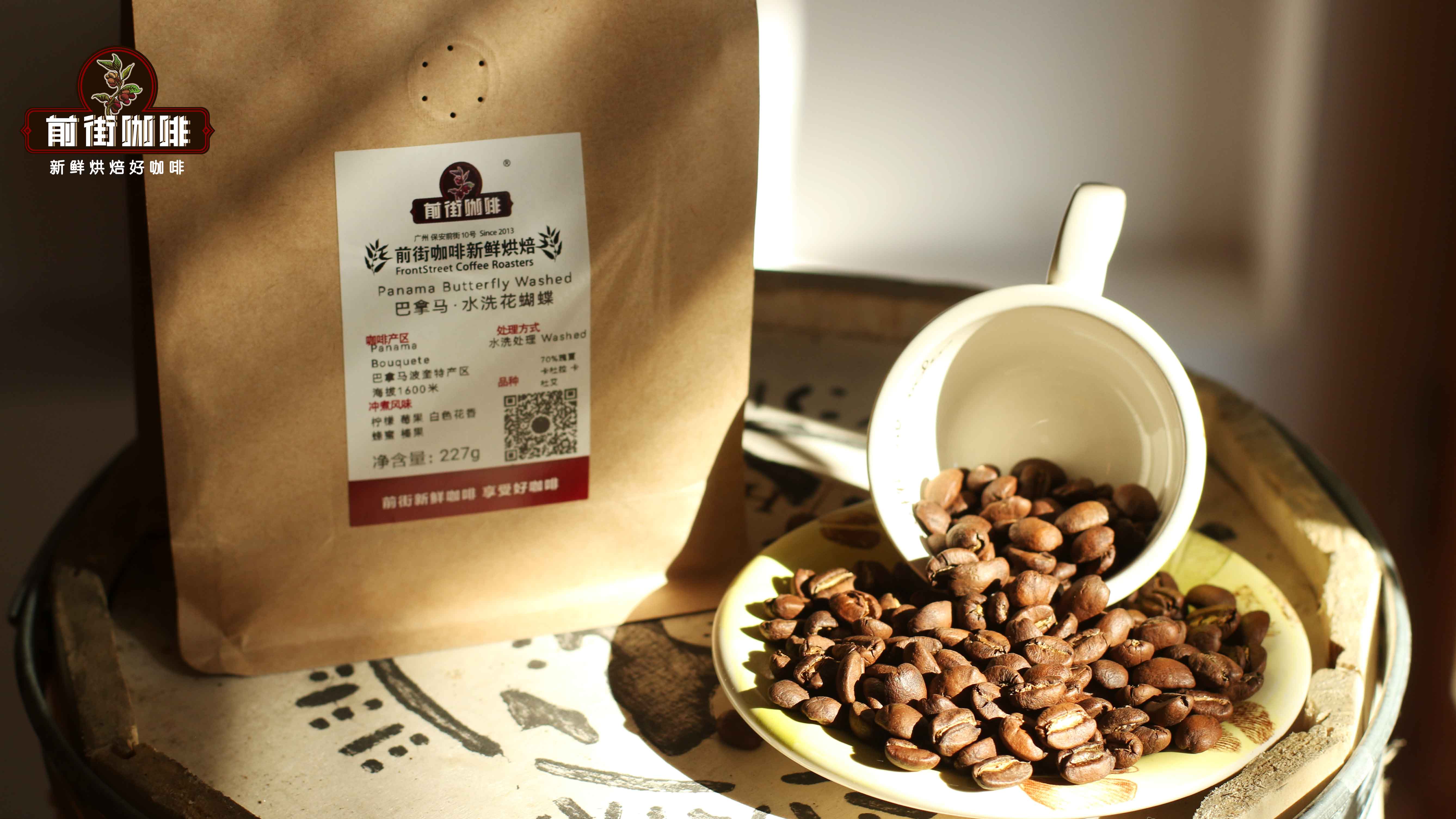
Flavor Characteristics of Dark Roast Coffee | How Dark Does a Roast Have to Be to Count as Dark Roast Coffee Beans? Which Specialty Dark Roast Coffee Beans Make Good Pour-Over Coffee That Isn't Bitter?
As the third wave of coffee has developed to this day, people have increasingly focused on the so-called "original taste of black coffee." In the process of roasting coffee, there are many factors that affect the flavor and mouthfeel of the coffee, such as the length of roasting time, the roasting method, the degree of roast, and even the amount of coffee beans or the roaster's own experience. [more…]

How do you use a moka pot so the coffee isn't bitter? Front Street explains grind size, when to turn off the heat, and choosing dark roast beans.
The moka pot is a classic Italian household brewing device that, thanks to its pressure-based principle, can brew coffee about twice as concentrated as regular coffee. In this article, Front Street Coffee will start with the history and working principle of the moka pot, analyze the root cause of bitter coffee—over-extraction—and offer practical tips for avoiding bitterness, such as coarsening the grind, cooling the base with a cold towel off the heat, and filling the pot with hot water. Then we will demonstrate the complete brewing process in six steps, covering details such as coffee dose and water volume, heat control, and judging the heat by listening to the sound. Finally, we will share key points on cleaning and maintaining the moka pot and advice on choosing the roast level, recommending Front Street Coffee's dark-roasted Golden Mandheling to help you easily brew a cup of rich, non-bitter moka coffee. [more…]

Espresso Blend Coffee Bean Recommendations | How to Taste a Cup of Espresso? How to Blend an Espresso Coffee Bean That Isn't Sour?
Espresso, which many people also like to call "Espresso," or "Italian-style espresso," or "concentrated coffee." A good espresso will add a good coffee flavor to Italian coffee. If you drink espresso on its own, the taste will be very strong, but there are also quite a few people who just like it [more…]
Where does the acidity in black coffee come from? Is coffee that isn't sour not considered good coffee?
Many coffee enthusiasts have encountered this confusion: you go to a café and order a black coffee, and it tastes so sour it makes you frown, yet the barista says this is just how coffee is supposed to taste, and that if you drink black coffee you have to accept the sourness. At the same time, some roasters claim that coffee beans are fruit, that they only have acidity and sweetness, and that any bitterness is a sign of bad beans. Do these claims really hold up? This article will, from the perspectives of the nature of coffee beans, the chemical changes during roasting, and the flavor characteristics of different origins, help readers clarify the relationship between "sour coffee" and "good coffee," and teach you to distinguish between a quality "fragrant acidity" and a "dead acidity" caused by negative factors. [more…]
Moka Pot Brewing Principles and Coffee Bean Selection Guide: How to Make Espresso That Isn't Bitter and Is Rich in Crema
With its affordable price and rich output, the moka pot has become the choice of many coffee lovers looking to recreate espresso flavors at home. But the pressure of a moka pot is far lower than that of a professional espresso machine—can the coffee it brews really be called espresso? And what beans should you choose to avoid bitterness? Drawing on Front Street Coffee's hands-on experience, this article sorts through the moka pot's structure and principles, its steps for use, and key safety points, and recommends beans such as Front Street Classic Blend, Strawberry Candy Espresso, and Brazil Queen's Estate for different taste preferences, helping you find the cup that suits your moka pot. [more…]
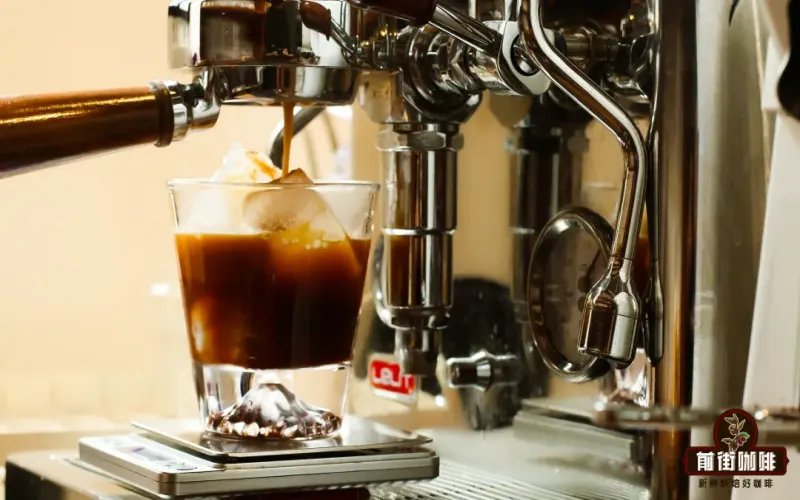
What should I do if my home coffee machine's grind isn't fine enough? Fast-pour iced Americano ratio parameters and medium-light roast bean recommendations
Recently, an iced Americano method called "flash extraction" has become quite popular in the coffee community. It bears some resemblance to the all-ice Americano, also using only ice cubes and espresso, but the amount of espresso poured in is much larger—almost equivalent to the total liquid volume of a regular hot Americano. Put simply, this method involves rapidly extracting a large amount of espresso all at once, essentially yielding a "long shot" espresso—a Lungo. The difference is that this shot does not come with an excessively high extraction rate, and contains fewer bitter compounds, so when made into an Americano, it has low bitterness and a pronounced sweetness. For those who don't have an espresso grinder, or whose grinder can't grind fine enough, this method is especially friendly—you just need to appropriately increase the water amount to compensate for the lack of extraction efficiency caused by coarser grinding and insufficient puck resistance. Below, Front Street Coffee will discuss the specific parameter ratios and recommend a few medium-light roast beans suitable for this method. [more…]
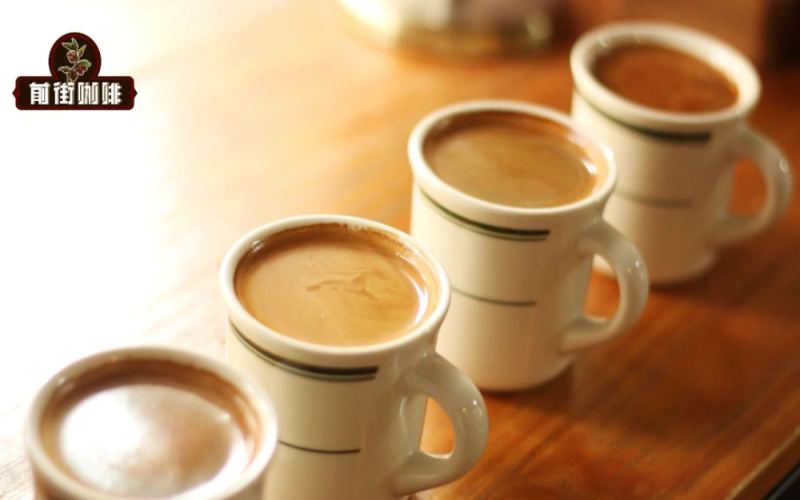
The correct way and ratio for adding milk to Americano, and why it still isn't called a latte even with milk added
Americano was originally just a combination of espresso and water, but many people habitually add some milk when drinking it at home, which raises a question: does an Americano with milk automatically become a latte? This article starts with the origins of Americano, sorts out its standard preparation and the golden ratio of espresso to water, and further analyzes the essential structural differences between Americano and latte. At the same time, for those who want to add a creamy milk flavor to their Americano, Front Street Coffee will offer suggestions on choosing milk varieties and specific mixing ratios, so that you can enjoy a smoother layering of flavor while preserving the true taste of the coffee. [more…]
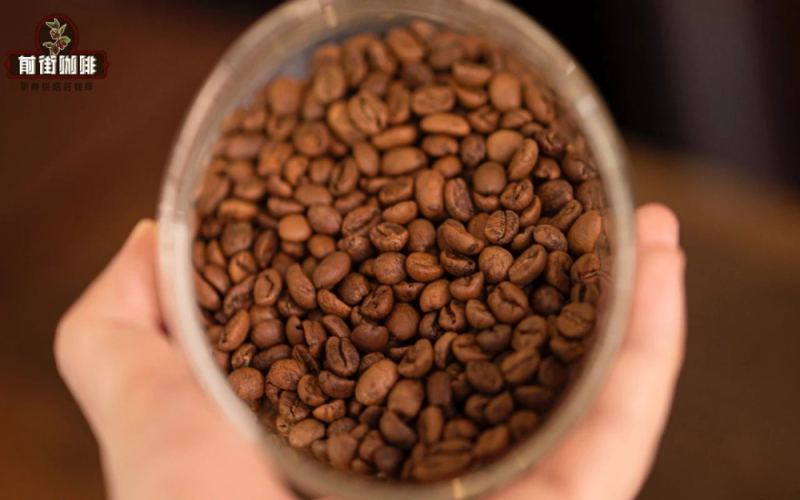
Freshly Ground Isn't the Same as Fresh: How Pour-Over Coffee Flavor Changes Over Time, from Roast Date to Brewing Parameters
Many people equate freshly ground coffee with fresh coffee, but what really determines whether a pour-over tastes good isn't just when you grind the beans—it's also the roast date. Starting from Front Street Coffee's roasting philosophy and drawing on a controlled experiment with a Panama Janson Geisha, this article breaks down the differences in brewing performance between coffee beans just past their resting period and beans that have sat for two months. You'll see: why Front Street only roasts the amount needed and keeps no inventory; why three to four days of resting is the starting point for stable flavor; and, when faced with beans that have been stored a long time, how to adjust water temperature, blooming time, and grind size to restore, as much as possible, a clean citrus and berry profile. [more…]
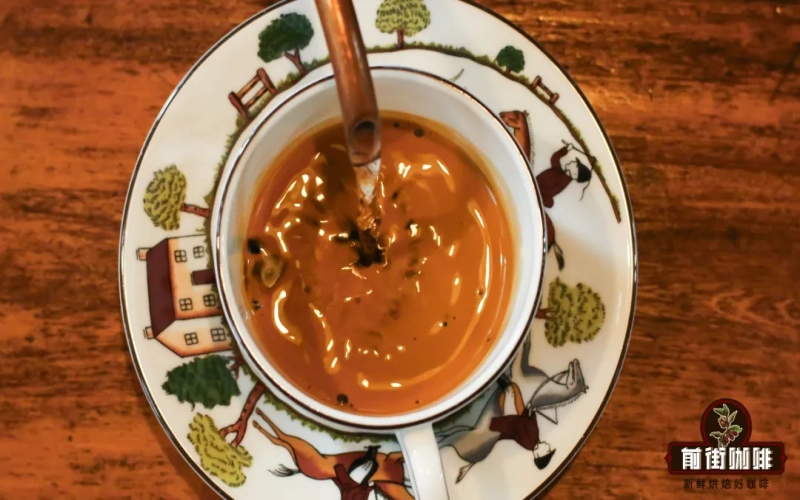
The Difference Between a Long Black and an Americano: The Order of Espresso and Water Isn't the Key—The Difference in Strength Is the Essence
Many people think that adding water first and then espresso makes a Long Black, while adding espresso first and then water makes an Americano—but is that really true? Front Street Coffee sorts through the real differences between Americano and Australian Long Black one by one, from the order of preparation and concentration ratios to flavor expression. The article points out that the biggest difference between the two actually lies in concentration—Americano has more water and a lighter mouthfeel, while Long Black is rich and full-bodied. It also recommends an espresso blend suitable for practice and Front Street Coffee's Strawberry Candy Espresso, helping coffee lovers more intuitively understand the distinct charms of these two black coffees. [more…]
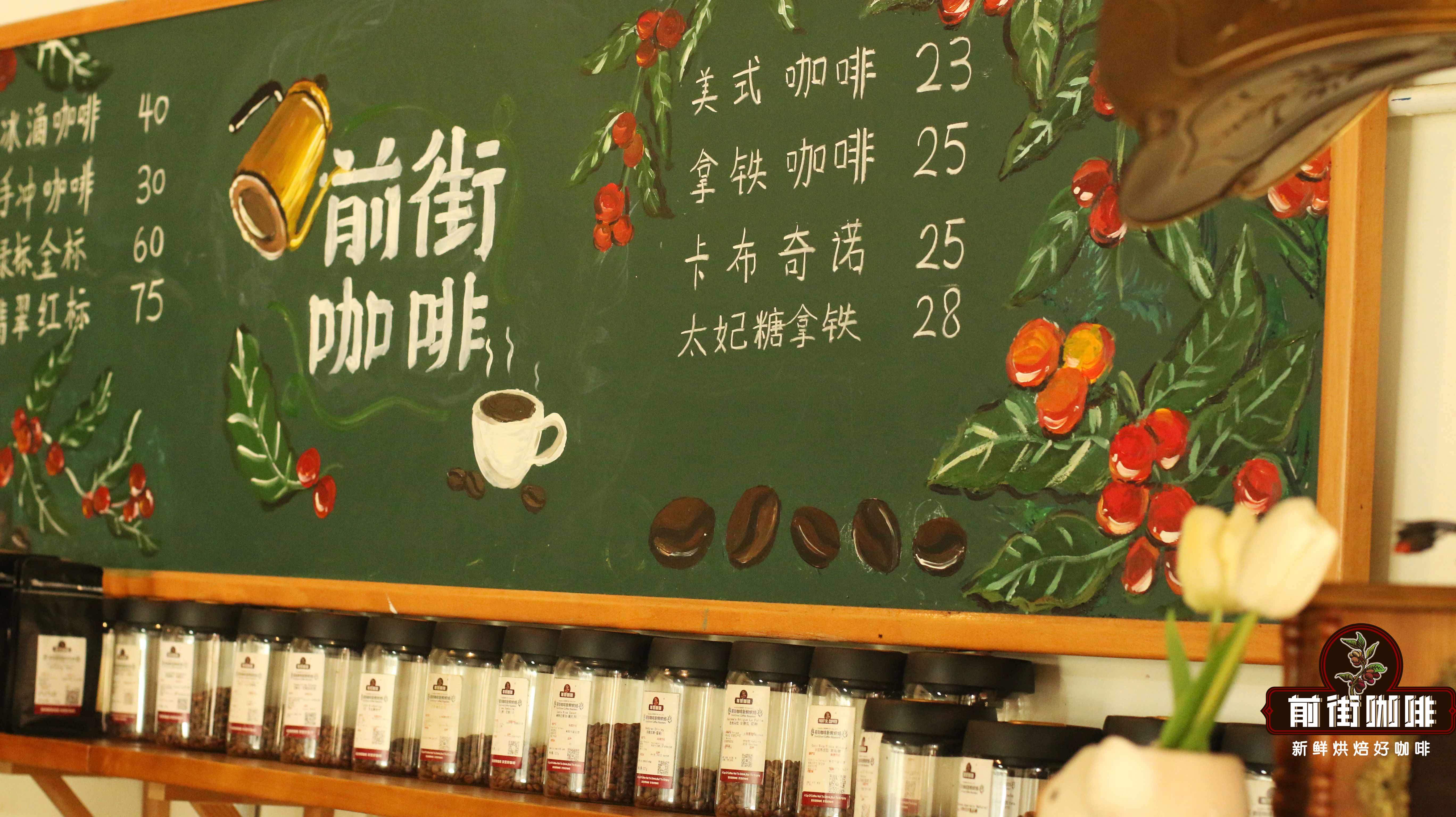
Single-Origin Espresso (SOE) characteristics | Which coffee beans make espresso that isn't sour? Can pour-over single-origin beans be used as SOE coffee beans?
For more specialty coffee knowledge, please follow: Front Street Coffee (Frontsteet Coffee) In some coffee shops, there is such an option, SOE. SOE stands for Single Origin Espresso. Many specialty coffee shops [more…]
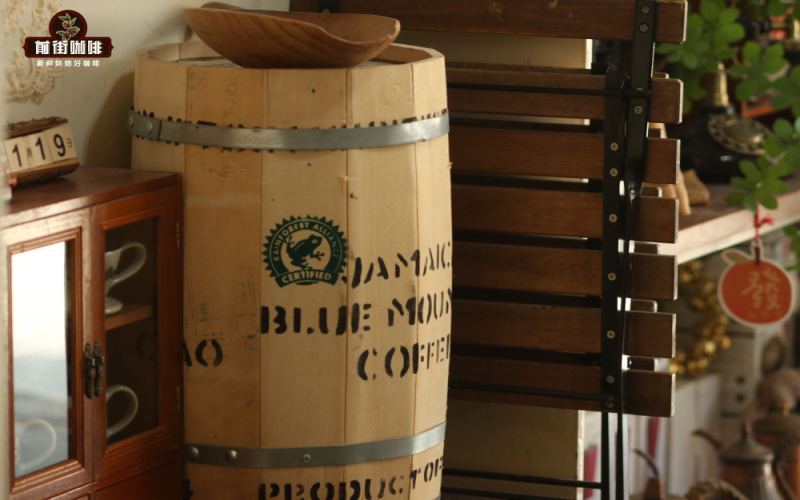
Top Ten Most Expensive Coffees in the World: How Much Do Blue Mountain and Geisha Cost per Pound, and Why Isn't Kopi Luwak at the Top?
Coffee is a daily pick-me-up for many people, but did you know that some of the world's coffees are shockingly expensive? From Panama's Hacienda La Esmeralda Geisha to Indonesia's kopi luwak, and on to Jamaican Blue Mountain, these top-tier coffees not only have unique flavors but also come with rare origin stories and rigorous processing methods. Based on the ranking by the foreign financial website Finances online, this article introduces the ten most expensive coffees one by one, from highest to lowest global market price. Whether or not you have tasted them, these luxuries of the coffee world are worth knowing about. Front Street Coffee will also guide you through several of these classic offerings, so you can see exactly how much authentic Blue Mountain and Geisha cost per pound. [more…]
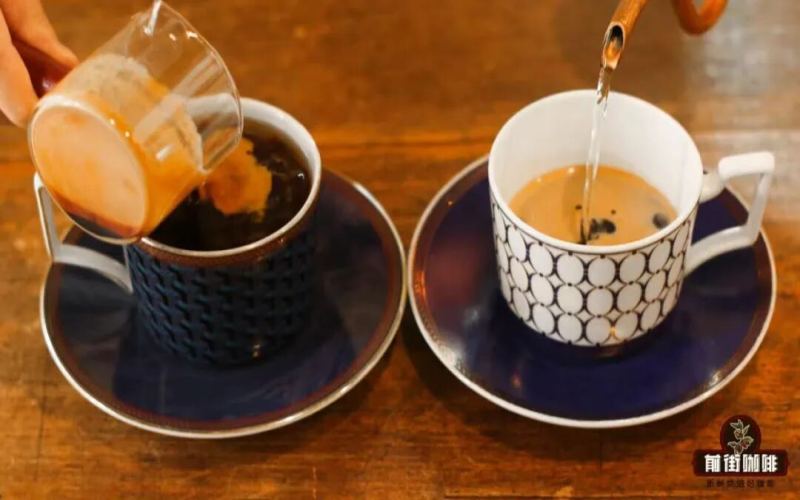
Fancy Ways to Drink Americano | Can You Make Latte Art with Americano? Does Americano with Milk Taste Good? Isn't a Long Black the Same Drink as an Americano?
As everyone knows!! In espresso coffee, the combination of milk and coffee has an extremely rich variety of ways to be enjoyed. Just by slightly changing the method or parameters, milk and coffee alone can be made in countless ways. The well-known ones include latte, cappuccino, flat white, piccolo, cortado, macchiato, and so on and so forth. And on the other hand, [more…]
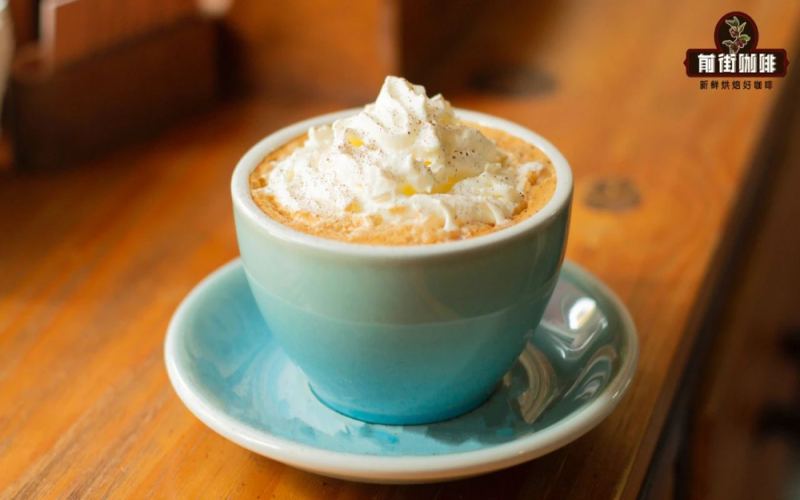
How to Choose Non-Bitter Drinks at Starbucks? Plus Front Street Coffee's Non-Bitter Coffee Beans and Pour-Over Brewing Guide
For many people, the one thing they fear most about drinking coffee is bitterness. Walking into Starbucks and facing a dense, packed menu, choice paralysis strikes immediately: which drinks aren't bitter? And how should sweetness be ranked? The logic isn't actually complicated—the more syrup is added, the sweeter it gets, and the higher the proportion of milk, the more the coffee's own bitterness is diluted. But if you want to truly understand coffee, adding sugar and milk isn't enough. The roast level, variety, and processing method of the coffee beans are the key factors determining how strong the bitterness is. This article starts with the patterns for choosing Starbucks drinks, then uses three beans from the Front Street Coffee bean list—Kenya Little Tomato, PWN Golden Mandheling, and Hacienda La Esmeralda Green Label Geisha—to explain clearly where acidity and bitterness come from, along with specific brewing parameters to help you brew a good cup of coffee that isn't bitter or astringent at home. [more…]
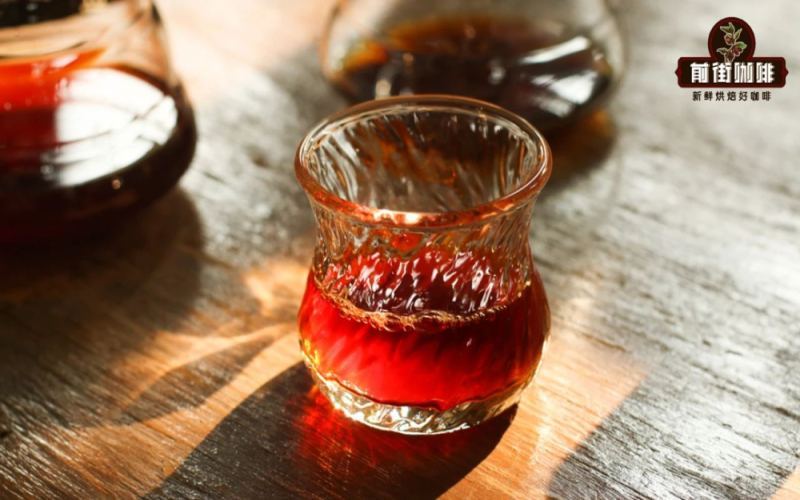
The Origins of Coffee Acidity and the Quality of Acidity: A Complete Analysis from Roast Development to Growing Environment
Why is coffee sour? This question puzzles many friends who are new to specialty coffee. Actually, the answer isn't complicated: coffee beans themselves are rich in various sour-tasting compounds. Before the turn of the millennium, dark roasting was the mainstream—long roasting times broke down much of these sour compounds, and the bitter, charred flavors masked what remained, so people once believed coffee was only bitter, never sour. With the arrival of the specialty era, roast levels shifted from dark to light, and sourness was rediscovered. But stronger sourness isn't necessarily better—what we truly pursue is "acidity quality," not "acidity level." The quality of acidity is influenced by multiple factors: growing altitude, soil, processing, roasting, and brewing. This article, from Front Street's perspective, will systematically sort out the origins and logic of coffee sourness and how to judge its quality. [more…]
Americano Water Temperature Comparison | What Are the Taste and Flavor Characteristics of Americanos at Different Temperatures? How to Make an Americano and How Much Iced Water to Add to Espresso
Whether Americano tastes better hot or iced is just like whether tofu pudding should be savory or sweet—it splits coffee lovers into two camps. At times like this, there are always onlookers who say: it's clearly just espresso mixed with water, so isn't iced and hot the same? Actually, it really isn't! What is Americano? Americano originated during World War II. [more…]
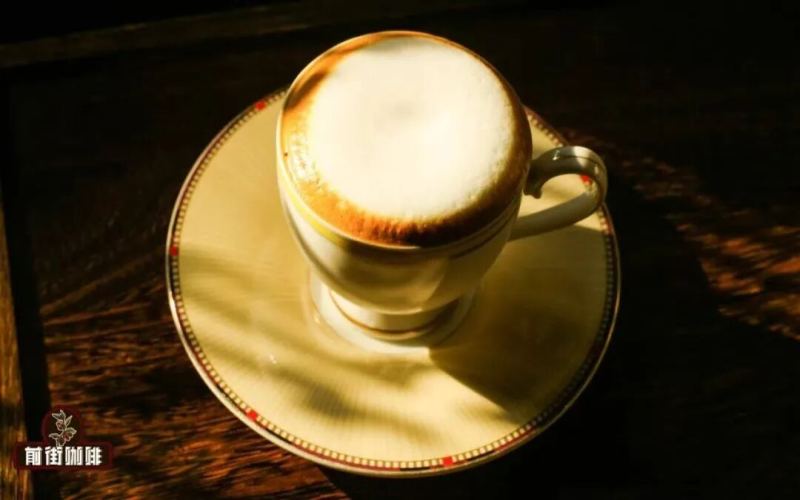
How to Make a Cappuccino | Why Are Nearly 90% of Cappuccinos Made Wrong? How to Make a Traditional Cappuccino with a Golden Ring?
If you often browse major coffee forums, Front Street believes that when it comes to cappuccino, you will always come across claims like this: "Nearly 90% of the cappuccinos on the market are not made correctly." Many friends are puzzled when they see this: "Isn't a cappuccino just a milk coffee with milk foam? Isn't it just [more…]
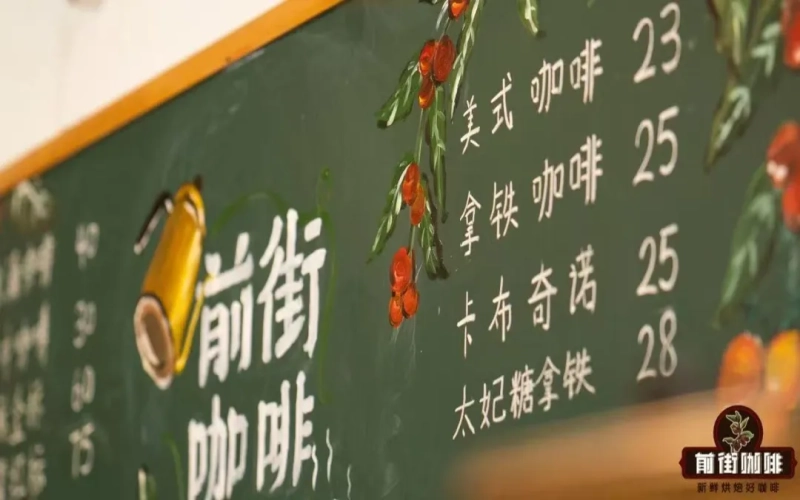
Why Is Iced Cappuccino So Hard to Find? A Detailed Explanation of Espresso-to-Milk Ratios and the Differences Between Iced and Hot Preparation Methods
When ordering at a café, many customers notice that iced cappuccino isn't on the menu, and may even be told by the barista that "cappuccino isn't made iced." Behind this are both flavor considerations and the cumbersome production process. Starting from real conversations at Front Street Coffee's physical stores, this article analyzes the two core characteristics of hot cappuccino—thick milk foam and rich coffee flavor—and, using the classic blend as an example, discloses the complete parameters: 20g of grounds extracted into 40ml of espresso, 140–150ml of refrigerated milk whipped into 3cm of milk foam, and a milk temperature of 65°C. It also compares the similarities and differences between iced cappuccino and iced latte, explaining why iced milk foam is time-consuming and labor-intensive yet struggles to improve the taste, as well as the改良 attempts some cafés make by dusting cocoa powder or substituting cream. [more…]