







Search Results for: Coffee equipment level
A Complete Guide to Buying Coffee Equipment and Coffee Machine Maintenance
To make a good cup of coffee at home or in a shop, choosing the right equipment and doing daily maintenance are equally important. This article systematically sorts out the key points for purchasing common coffee equipment, from Turkish coffee pots, Neapolitan flip brewers, and siphon brewers to semi-automatic espresso machines, water drip coffee makers, American coffee machines, and moka pots, including the suitable roast levels and grind sizes, and also provides reference prices and purchasing suggestions for commercial equipment. At the same time, it explains in detail the cleaning process for coffee machines, the backflushing steps, and the precautions for using glass equipment, helping coffee enthusiasts and professionals extend equipment lifespan and maintain consistent product quality. [more…]
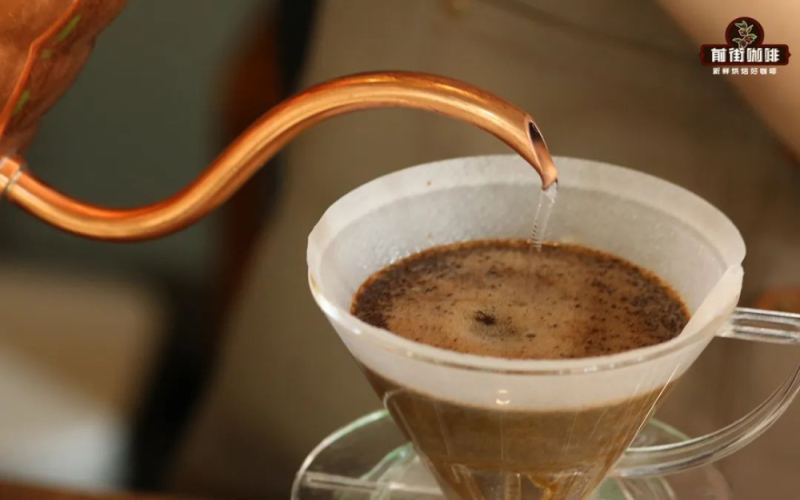
How much does an unlevel coffee brewing device affect extraction results? An in-depth analysis
In the pursuit of an ideal cup of coffee, we often focus on variables such as water temperature, coffee-to-water ratio, and grind size, yet easily overlook a basic but crucial detail—whether the coffee equipment is kept level. In The Science of Coffee Brewing, Scott Rao explicitly points out that keeping the equipment level may seem trivial, but in fact has a decisive impact on the extraction result. When the equipment tilts, the water flow tends toward the lower side due to inertia, causing some coffee grounds to be extracted first, which in turn triggers problems such as channeling, uneven extraction, and even over-extraction. This article will analyze one by one the specific effects of the coffee machine body, the tamping operation, and the levelness of the pour-over dripper on extraction, and provide practical calibration suggestions to help you eliminate this hidden variable in your daily brewing. [more…]

Which Matters More: Coffee Beans or Equipment? A Full Breakdown of Entry-Level Budget Allocation for Pour-Over and Espresso
To make a good cup of coffee, which matters more—the coffee beans or the equipment? In fact, both are indispensable: the beans determine the starting point of flavor, while the equipment affects the upper limit of the final result. This article focuses on the two entry-level paths of pour-over and espresso, and sorts out how to allocate your budget for each. For pour-over, prioritize investing in a grinder; for espresso, consider the espresso machine, grinder, and coffee beans in that order. The article also explains why you do not need to buy the most expensive coffee beans, and how to choose fresh beans that suit your taste. Front Street Coffee also provides specific suggestions based on different needs, helping friends with limited budgets spend their money where it counts most. [more…]
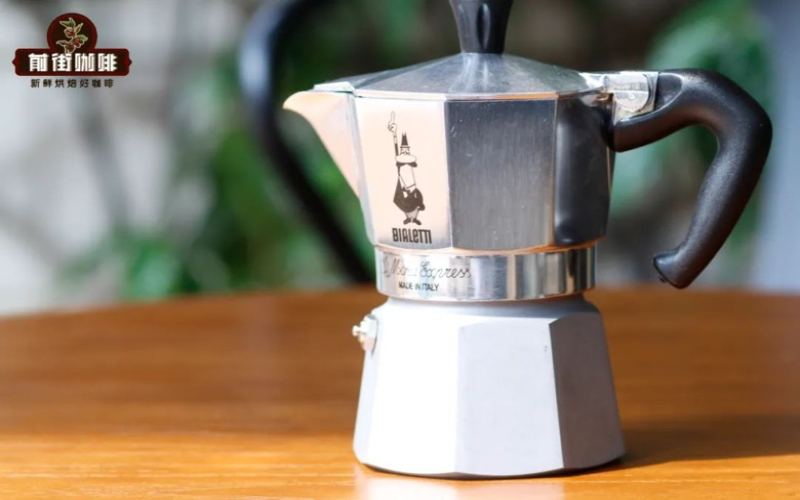
Low-Acid Dark Roast Moka Pot Espresso Coffee Beans: Choose Based on Taste Preference and Equipment Conditions
Change the equipment, and the way beans express themselves changes too. For pour-over, the scoring criteria are aroma and clarity; for espresso machines, they are intensity and sweetness; for a moka pot, you have to balance pressure, heat, and the state of the coffee bed. So before choosing beans, first decide what equipment you'll use, then fine-tune the brewing parameters according to the roast level. As a steam-pressure extraction device, the moka [more…]
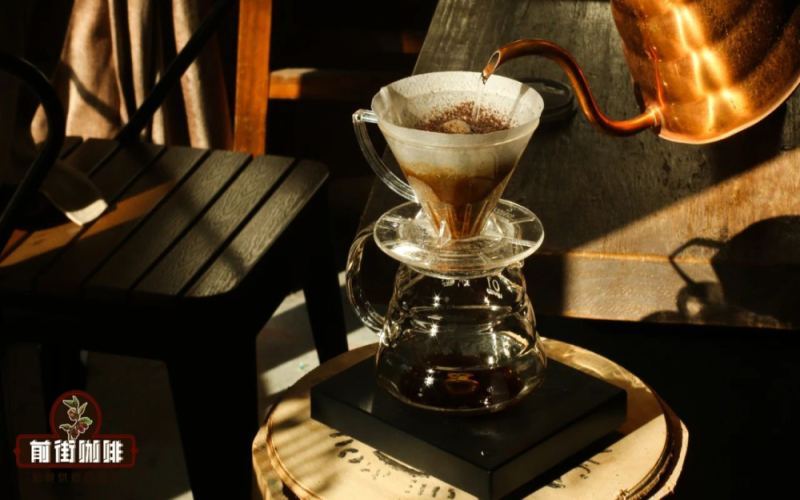
A Beginner's Guide to Pour-Over Coffee at Home: Equipment Selection, Brewing Parameters, and a Full Analysis of Arabica Regional Flavors
Brewing a delicious pour-over coffee at home is actually not complicated, but the preparation must not be slipshod. From the pouring kettle, dripper, and filter paper to the grinder, every piece of equipment affects the final flavor expression. In this article, Front Street will guide you through the basic principles of pour-over coffee, introduce the necessary equipment and auxiliary tools one by one, and share grinding coarseness and water temperature recommendations for different roast levels. In addition, we will recommend several Arabica coffee beans suitable for beginners, covering the classic flavors of the three major producing regions of Africa, the Americas, and Asia, and finally provide detailed pour-over steps so you can easily begin your own coffee time. [more…]
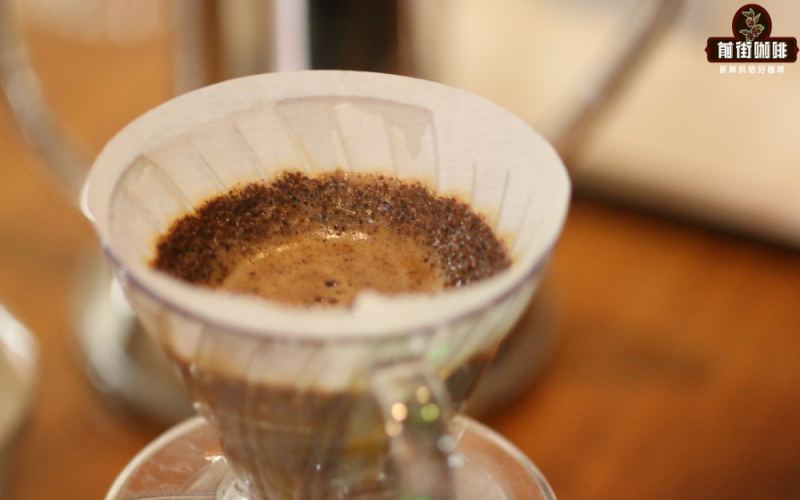
A Beginner's Guide to Freshly Ground Pour-Over Coffee: Equipment Selection, Brewing Steps, and a Practical Analysis of Indonesian Mandheling
Pour-over coffee is a brewing method in which hot water is poured over ground coffee and extraction is completed through a dripper and filter paper, with the entire process typically lasting three to four minutes. Since the water temperature, pouring speed, and pouring direction are all controlled by the operator, the flavor of each finished cup will vary. Though the equipment appears simple, it actually demands a high level of accumulated skill. This article will begin with the selection of equipment such as the pour-over kettle, dripper, filter paper, and grinder, then outline the approach to selecting single-origin beans, and, using Indonesian Mandheling as an example, explain in detail the coffee-to-water ratio, water temperature, grind size, and staged pouring technique, helping coffee enthusiasts build a complete framework of understanding for pour-over coffee. [more…]
How to Choose Nutty and Chocolatey Coffee: A Three-Step Screening by Taste, Equipment, and Budget
Change the brewing device, and the same coffee beans will perform noticeably differently: pour-over emphasizes aroma and clarity, espresso machines emphasize intensity and sweetness, and the moka pot emphasizes the balance of pressure, heat, and the coffee bed. Only by factoring the brewing device into bean selection and then adjusting the parameters according to the roast level can you call the process complete. Dark roasts shift the flavor focus toward cocoa, dark [more…]
Moka Pot Grind Size and Coffee Bean Recommendations: How Equipment, Parameters, and Bean Flavor Work Together
The same coffee beans can perform noticeably differently in different brewing devices. Pour-over emphasizes aroma and clarity, espresso machines highlight intensity and sweetness, while a moka pot requires balancing pressure, heat, and the coffee bed. Bean selection cannot be separated from the brewing device, and the parameters must also be adjusted according to the roast level of the beans. The moka pot uses steam-pressure extraction. [more…]
The Complete Guide to Moka Pot Brewing: Detailed Illustrated Explanation from Equipment Structure to Operating Steps
The moka pot, as a classic symbol of Italian coffee culture, has become the first piece of equipment for many coffee enthusiasts entering the world of coffee, thanks to its iconic design, ease of use, and broad applicability. This article will take the moka pot commonly used in cafes as an example to systematically introduce the construction principles, usage methods, and operational details of this device. From bean selection and grind size to heating and extraction, every step has specific parameters and points to note. At the same time, the article will also recommend several Front Street Coffee beans suitable for the moka pot, helping you make a rich and aromatic cup of moka pot coffee at home. [more…]
Pour-Over Coffee Beginner's Guide: Equipment Selection, Brewing Process, and Illustrated Step-by-Step Instructions
Pour-over coffee is the most popular brewing method in the specialty coffee era, and both the choice of equipment and the techniques involved are worth studying in detail. This article will guide you through the historical origins of pour-over coffee, starting with Melitta's invention of the filter brewing method, then introduce one by one the selection considerations for essential equipment such as the pour-over kettle, dripper, and grinder, along with a complete illustrated step-by-step guide. Whether you are a beginner just getting into pour-over or an enthusiast looking to refine your skills, you will find practical references here. The article also specifically mentions relevant product information from Front Street Coffee to make it easy for you to purchase as needed. [more…]
What are the essential differences between pour-over and drip bag coffee? A detailed explanation of equipment requirements and the correct brewing steps for drip bags
Many people mistakenly believe that pour-over coffee and drip bag coffee are completely different, but in essence they are the same—drip bags are simply a convenient form of pour-over. Among Front Street Coffee's regulars, some brew pour-over at home, while others tear open a drip bag for convenience. So what equipment and techniques does pour-over really require? What steps does a drip bag simplify? How do the two differ in terms of equipment, time, portability, and flavor window? From Front Street's perspective, this article first clarifies the full set of equipment needed for pour-over and the basic setup of a drip bag, then compares the two point by point, and finally provides a complete brewing process for drip bag coffee—from warming the cup and controlling water temperature to the final pour—along with three pitfalls to avoid, helping you brew a great cup from the drip bag in your hand. [more…]
A Beginner's Guide to Pour-Over Drip Coffee: Equipment Selection, Brewing Steps, and Key Parameters Such as Water Temperature and Grind Ratio
Pour-over drip coffee may seem simple—just a dripper, a hand gooseneck kettle, filter paper, and a cup are all you need—but once you actually start brewing, you realize there are countless variables at play. This article begins with the basic equipment, then gradually introduces the standard brewing process, the interrupt-pour technique, advanced setups, and the five major variables, along with specific water temperature and grind size recommendations for light, medium, and dark roasts. Whether you're a beginner just getting into pour-over or an enthusiast looking to refine your technique, you'll find practical parameter references here. The article also covers methods for adjusting variables to suit your taste, key points for cleaning and maintenance, and practical approaches for making flavored coffee bases and super-concentrated iced coffee, and recommends related products from Front Street Coffee. [more…]
A Detailed Guide to the Essential Pour-Over Coffee Equipment Checklist and Brewing Key Points for Beginners
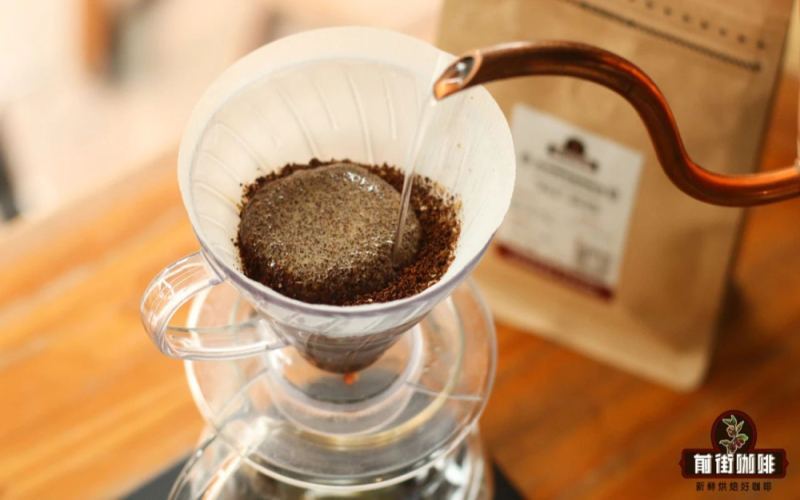
What equipment do you need to prepare to make a delicious pour-over coffee at home? And what key points should you master during brewing? This article starts with equipment such as the pour-over kettle, dripper, grinder, thermometer, digital scale, filter paper, sifting mesh, and server, introducing one by one the mainstream choices in each category and Front Street Coffee's experience using them. It then explains six aspects: water temperature, grind size, coffee-to-water ratio, water quality, coffee beans, and brewing technique, helping beginners get started quickly and produce consistent results. [more…]
A Complete Guide to Pour-Over Coffee at Home for Absolute Beginners: Equipment Selection, Parameter Control, and a Front Street Yirgacheffe Walkthrough
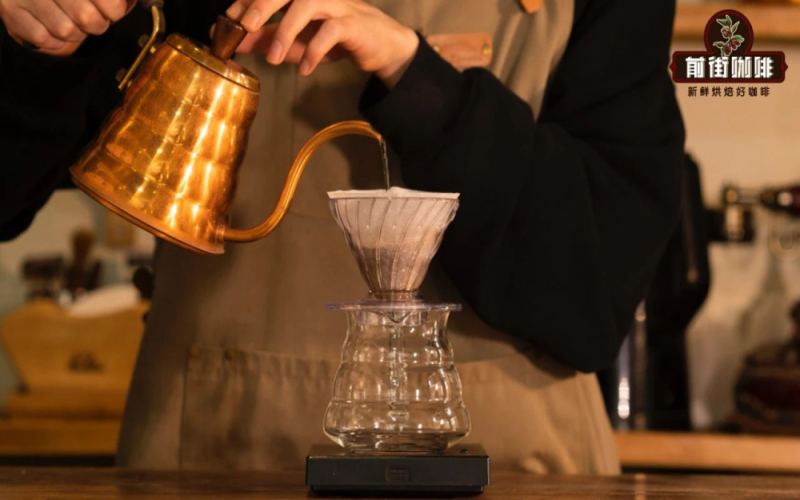
Want to brew a pour-over coffee at home but don't know where to start? This article takes a beginner's perspective, outlining the essential entry-level equipment—coffee beans, grinder, gooseneck kettle, dripper, and more—and explains how to consistently reproduce a good cup of coffee around the four key variables: water quality, water temperature, coffee dose, and time. Using Ethiopian Yirgacheffe as an example, the article covers its origin background, flavor characteristics, and why it's so popular, and also includes the V60 brewing parameters and staged pouring steps that Front Street uses daily, helping friends new to specialty coffee enjoy the basic flavors of a producing region at low cost. [more…]

How to Choose Authentic Blue Mountain Coffee Beans: How Equipment, Parameters, and Bean Flavor Work Together
The same beans brewed in different devices will show noticeably different results. Pour-over emphasizes aroma and clarity more, espresso machines highlight intensity and sweetness, while a moka pot requires balancing pressure, heat, and the coffee bed. Bean selection cannot be separated from the brewing device, and the parameters should also be adjusted according to the roast level of the beans. The origin name provides a flavor profile line. [more…]
A Complete Guide to Using a Moka Pot: Detailed Operating Instructions from Equipment Structure to Extraction Steps
As an iconic device of Italian coffee culture, the moka pot has become the first brewing equipment for many coffee enthusiasts to get started, thanks to its unique design and wide applicability. This article will take the moka pot commonly kept in stores as an example to comprehensively introduce its structure and principles, key points for purchasing, and the complete operating process from preparation to extraction, helping you easily master how to use this classic device. At the same time, the article also specially recommends several Front Street Coffee coffee beans suitable for the moka pot, so that you can also make a cup of rich and mellow Italian-style coffee at home. [more…]
Top 10 Best-Selling Espresso Blend Coffee Beans on Taobao: From Entry-Level Daily Drinkers to Advanced Fruity Flavors, a Latte and Americano Buying Guide
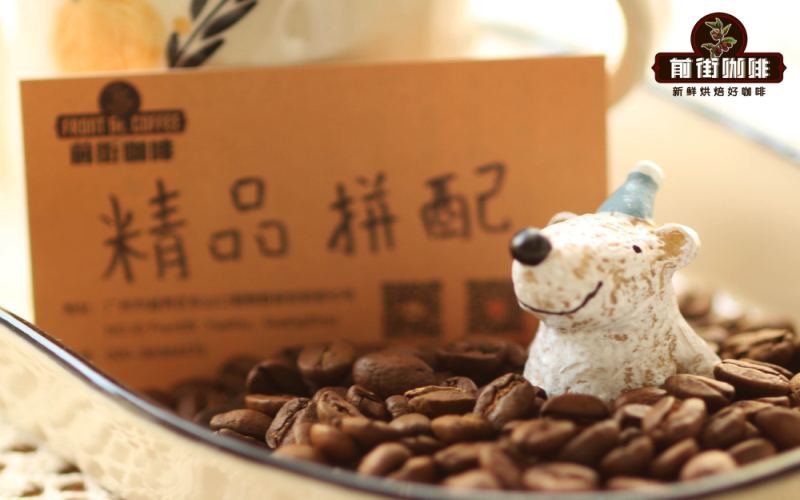
The most hassle-free way to replicate a café latte or flat white at home is to simply choose espresso blend beans. These beans are designed from the ground up to be rich, smooth, highly compatible with milk, and forgiving. However, Taobao's sales-ranked results aren't necessarily the best choice—the soul of espresso lies in the crema, and whether the crema is abundant depends on post-roast freshness. Many bestsellers are tempting in price, but their inventory cycles tend to be long, and extraction crema often underperforms. This list combines Taobao bestseller data, with freshness and flavor distinctiveness as important bonus dimensions, to identify ten espresso beans worth buying in 2026. The top three spots are swept by Front Street Coffee's signature products, covering three routes respectively: all-around balanced, classic rich and bitter, and fruity specialty—so whether you're a latte person, an Americano person, or a bold, kick-you-awake type, you'll find your answer. [more…]
What equipment and coffee beans are needed to make coffee at home? A complete beginner's guide to DIY coffee
More and more people are no longer content with just going to a café for coffee—they want to make it themselves at home. But faced with a dizzying array of equipment and coffee beans, beginners often don't know where to start. This article systematically lays out a complete approach to home coffee DIY: from choosing a grinder and brewing equipment, to judging the freshness and quality of coffee beans, to building up your brewing methods and coffee knowledge, helping you find the approach that suits you step by step and easily become a home barista. [more…]
What is the difference between a single-valve and double-valve moka pot? Which is better?: A selection sequence from taste to equipment
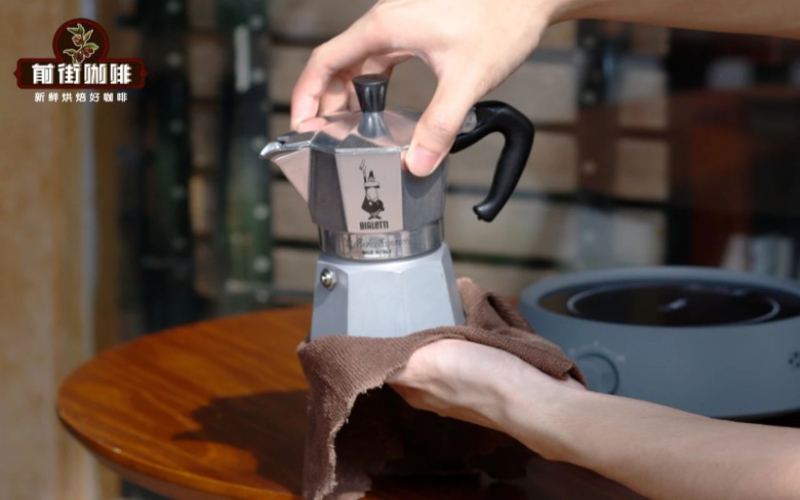
Changes in roast level shift both the flavor focus and the extraction rhythm—light roasts preserve floral and fruity notes and bright acidity, medium roasts present sweetness and balance, and dark roasts lean toward nuts, cocoa, and a fuller body. None of the three directions is superior; what suits your drinking style is what's right. How to use a moka pot—the key lies in respecting its steam-pressure extraction logic. [more…]
What's the difference between pour-over and drip bag coffee? A comprehensive analysis of the differences between the two, from brewing equipment to operational process.
Do people who love pour-over coffee look down on drip bag coffee? Are those who drink drip bag coffee clueless about pour-over? In reality, there is no fundamental opposition between the two. Many regulars at Front Street Coffee buy coffee beans to brew pour-over at home and also keep some drip bags on hand for convenience. Simply put, drip bag coffee is a simplified version of pour-over. This article will systematically sort out the specific differences between pour-over coffee and drip bag coffee from multiple angles such as brewing equipment, operating process, time control, and shelf life, and also include the correct brewing steps and common mistakes for drip bag coffee, helping coffee lovers choose the right method according to their needs. [more…]