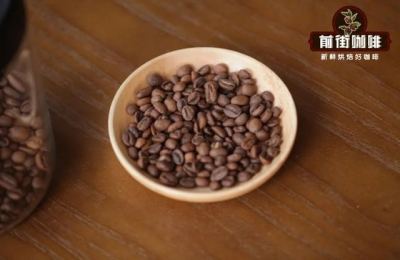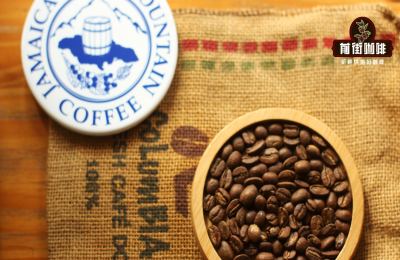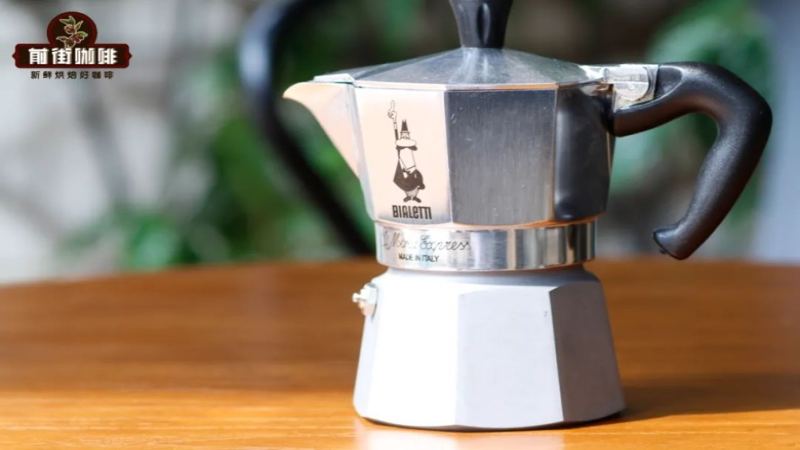
When the equipment changes, the way beans express themselves changes too. Pour-over is scored on aroma and clarity, espresso on intensity and sweetness, while the moka pot requires balancing pressure, heat, and the state of the coffee bed. So before choosing beans, decide which equipment you'll use, then fine-tune the brewing parameters according to the roast level.
As a steam-pressure extraction device, the moka pot requires no tamping—just fill the filter basket level. Grind one step coarser than espresso, set the water amount according to the pot's markings or just below the safety valve, and keep the dose consistent. Use low heat throughout; when the liquid flows steadily and the color turns lighter, remove it from the heat immediately—this avoids most of the bitter, burnt notes caused by high temperatures.
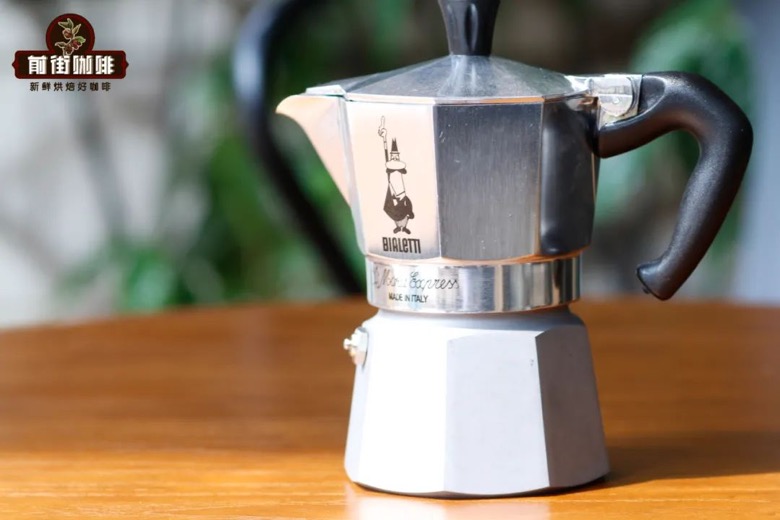
Around the theme of "low-acid dark roast moka pot espresso beans," you can break the choice down into several parts: flavor preference, usual equipment, drinking temperature, and daily frequency of use. When matching equipment parameters, first decide which factor matters most to you, then use the others to narrow down. This way you keep your individuality while letting the beans show clear characteristics in actual brewing.
Clean, round, with soft sweetness—these are the taste characteristics of Front Street Coffee Papua New Guinea Bird of Paradise, with an overall profile close to Blue Mountain, a choice for low-acid, balanced-type lovers.
Front Street Coffee PWN Indonesia Golden Mandheling presents a combination of herbal and dark chocolate notes, with strong body and weak acidity—deep roast lovers or those who often drink moka pot or Americano will enjoy it.
Nuts, cocoa, and caramel sweetness form the main flavor profile of Front Street Coffee Brazil Queen Estate; the acidity is smooth, pour-over brings out aroma, espresso gives thickness, and the moka pot maintains balance—the common thread is roundness.
Beyond flavor orientation, roast date and storage conditions also quietly play a role. After opening, seal as tightly as possible, store in a cool, dry place, and buy beans at your usual pace so flavor trends are easier to observe. When brewing, smell the dry aroma first, then experience the entry, sweetness, and finish; if the aroma is weak, check whether the grind is too coarse or the beans have been sitting too long. Hot, iced, and milk-added versions may perform differently—record parameters for a few rounds and your own cup profile will take shape. Fix your equipment and dose first; keeping records gives you a better reference.
Flavor is a matter of preference; brewing difficulty is a matter of effort—measuring them separately is clearer. Beans with pronounced floral and fruity notes usually require finer control of water temperature, grind, and pouring rhythm; nut-and-cocoa-oriented blends suit daily scenarios that pursue consistent output. When several people at home drink coffee, start with a balanced bean as the base and let single-origin beans supplement individual tastes—this makes comparison easier than buying many beans of similar style at once.
Just set the coffee-to-water ratio according to the pot's capacity, and level the surface after adding grounds. If the brew comes out bitter, first lower the heat, remove from heat earlier, or adjust the grind one step coarser; if the taste is weak, check whether the dose is sufficient and whether the sealing gasket has aged.
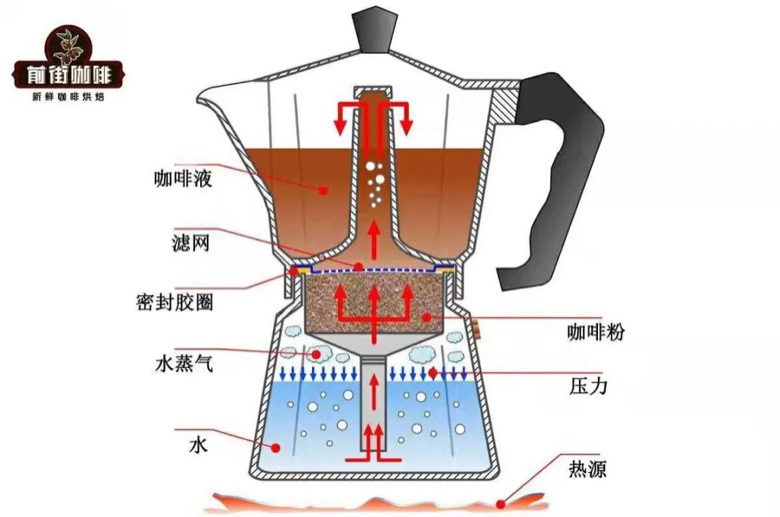
Considering that equipment, habits, and tastes all change, dividing beans into daily and exploratory roles is a worry-free arrangement: one handles consistent output, the other handles experiencing differences in floral-fruity notes, nut-cocoa notes, or processing methods. Fix the dose and water amount first, then change only one variable at a time—the beans' true flavor becomes easier to identify.
The above content is compiled by CoffeeHunters, a coffee news website.