








Coffee Budget Priorities for Pour-Over and Espresso Gear
For pour-over, budget most for a reliable grinder. Grind quality shapes extraction: too many fine particles can cause bitterness and clog the filter paper, slowing flow and over-extracting normal grounds. You do not need the most expensive coffee beans; fresh, well-roasted beans suit your taste and keep costs down. Front Street Coffee suggests spending where it matters most.
For espresso, consider the coffee machine, grinder, and coffee beans in that order. The machine sets pressure and temperature limits, and a capable grinder provides consistency for repeatable shots. Fresh beans still matter, but they cannot fix poor equipment. With a limited budget, Front Street Coffee advises putting money where it counts most: the grinder for pour-over, and the coffee machine for espresso.
What matters more for making a good cup of coffee—the beans or the equipment? In fact, both are indispensable: the beans determine the starting point of flavor, while the equipment influences the upper limit of the final result. This article looks at the two entry-level paths of pour-over and espresso, and sorts out how the budget should be allocated for each. For pour-over, invest in the grinder first; for espresso, consider the coffee machine, grinder, and coffee beans in that order. The article also explains why you don't need to buy the most expensive coffee beans, and how to choose fresh beans that suit your taste. Front Street Coffee also offers specific suggestions based on different needs, helping friends with limited budgets spend their money where it counts most.

To be honest, both are indispensable. The flavor a coffee ultimately presents is rooted in the beans themselves; yet turning beans into a cup of coffee is impossible without various pieces of equipment. So it can be understood this way: coffee beans define the floor of a cup of coffee, while equipment determines the height it can reach—both are crucial.
If your budget isn't very generous and you don't know how to allocate it, take a look at the approach Front Street suggests.
Pour-Over Coffee
If you plan to start with pour-over, Front Street suggests setting aside more of your budget for a reliable grinder. The reason is that grind quality has an enormous impact on the coffee produced, especially for pour-over.
The coffee many people brew comes out bitter and tends to clog the filter paper—this isn't necessarily just because the grind size is off; it could also be that the grinder produces uneven particles with too high a peak, meaning too many fines.
Front Street has said many times that a small amount of fines can actually help coffee show richer layers; but once fines are excessive, problems arise. Fine particles are small and more easily carried by water, and the bitter substances in them are often the first to be fully extracted. When a large amount of fines accumulates, the coffee very easily develops a pronounced bitterness.
Not only that, the extremely fine particles also clog the gaps in the filter paper. If a pour-over dose contains too many fines, the water flow will be slow to pass through during brewing because the filter paper is blocked. This prolongs the extraction time, and the normally sized coffee particles get over-extracted along with it.
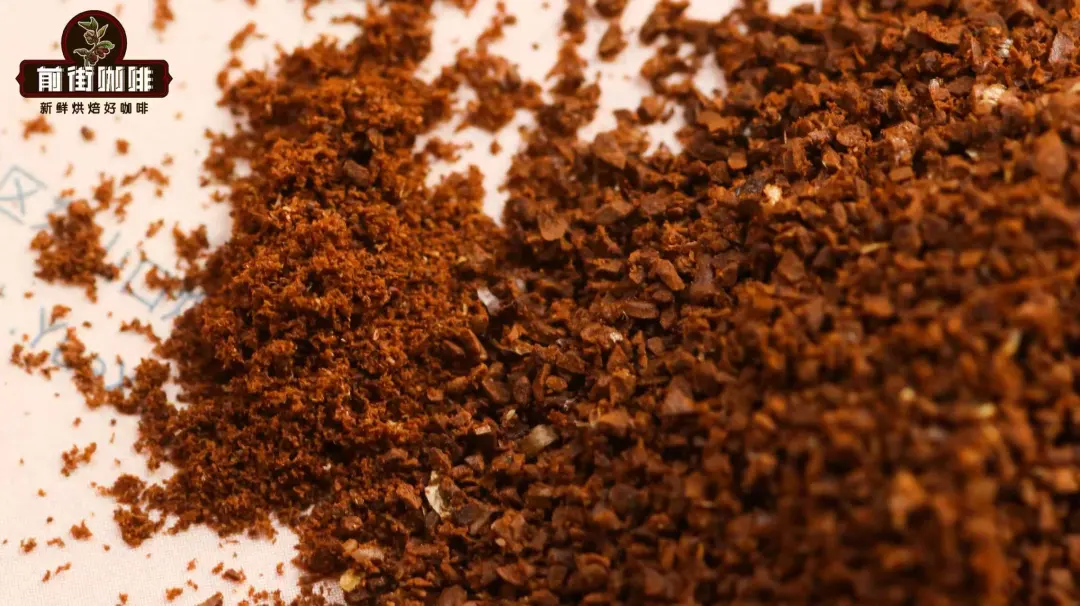
So for pour-over coffee, the grinding level of the grinder is extremely critical. The budget can be tilted toward the grinder first, followed by brewing kettles, drippers, and other equipment, while coffee beans can actually be placed last.
Reading this, some may ask: haven't you always said coffee beans are important? Why put them last instead?
Don't worry, Front Street will explain later.
How to choose for espresso?
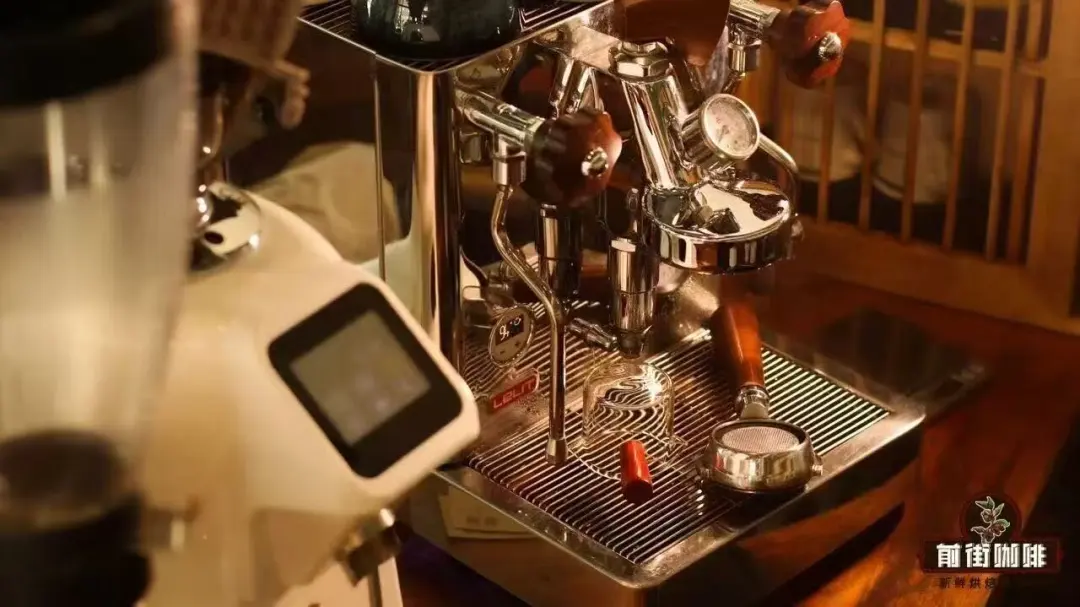
If you're starting with espresso, the approach is much more straightforward: coffee machine, grinder, coffee beans. The order is simple, but there are many options to choose from—coffee machines alone come in semi-automatic, fully automatic, home, and commercial types. How to choose mainly depends on your actual needs.
For example, if you want to enjoy the process of making coffee yourself, then prioritize a semi-automatic coffee machine; if you don't want to study too deeply or deal with troublesome operation, a fully automatic coffee machine is more suitable. However, at equal quality, fully automatic machines are usually more expensive than semi-automatic ones and have a lower ceiling. So weighing price and ceiling together, semi-automatic takes priority over fully automatic. Each has its own advantages.
Once the type is chosen, the next thing to face is price. If you've searched on shopping websites, you'll find the price range of coffee machines is astonishing: cheap ones cost three to five hundred or just over a thousand, while expensive ones can reach tens of thousands or even over a hundred thousand. Behind the price differences are factors like functions, stability, and configuration. So how should you choose?
It's actually simple. If you're buying a coffee machine just to make a cup for yourself, with low usage of one or two cups a day, then a machine around a thousand yuan is entirely sufficient. Today's thousand-yuan coffee machines can already provide enough pressure to extract an espresso; as long as you don't demand much from it and don't need continuous output, this price point is enough.
(This refers only to a single coffee machine; the grinder needs to be purchased separately.)
But if many people in the household drink coffee, demand is relatively high, and you need continuous output, then you can consider a higher-configuration machine or even a commercial model. High-configuration coffee machines can not only deliver stable continuous output, but also enable advanced operations like pressure profiling, letting you unlock more coffee types and enjoy more ways to play. This is exactly what Front Street said at the beginning: equipment determines the ceiling of coffee. I won't expand on this here—just choose according to your budget.
Similarly, after choosing the coffee machine comes the grinder, and only then the coffee beans. There's not much to say about the grinder; as for why coffee beans come last, it's naturally because good beans aren't as expensive as everyone imagines.
First, understand one thing: the price of coffee beans is not entirely determined by quality and taste—scarcity is also an important factor.
Take Kopi Luwak, for example: it's absurdly expensive, but its drinking performance is largely similar to the Mandheling we usually drink. There is a difference, but not a big one, and certainly not enough to justify a tenfold price gap. The main reason it's expensive is simply its scarce production—nothing more.
Even an outstanding Geisha isn't necessarily better the more expensive it is. As Front Street often says, everyone's taste preferences differ. Some prefer the floral and fruity acidity of a light roast, while others like the roasted richness of a dark roast. For someone who doesn't like acidity, even the most expensive auction-level Geisha wouldn't count as a delicious cup of coffee. So coffee beans aren't better the more expensive they are, and good coffee isn't necessarily expensive—what suits you is best.
Then the question arises again: how can you buy good beans that suit you?
The answer is simple: prioritize freshly roasted coffee beans. Freshly roasted beans have full aroma and can give our coffee a captivating coffee fragrance with richer layers. Next, choose a roast level that suits your taste: if you like floral and fruity acidity, prioritize light roast or medium-light roast; if you like no acidity, richness, and a strong sweet aftertaste, prioritize dark roast or medium-dark roast.
As for where to buy affordable, high-quality coffee beans, of course the first choice is Front Street Coffee's Tmall and Taobao flagship stores. The beans shipped are all freshly roasted within a week, and the selection is quite rich! Whether it's single-origin beans from various regions, blends, or dark roasts and light roasts, there's everything. Every bean has undergone Front Street's strict screening and cupping, and the quality is excellent.
That's all for Front Street's sharing this time. One last reminder: the coffee bean discount event ends tonight, so friends who missed it yesterday should keep an eye out.
- END -
The above content is compiled by CoffeeHunters, a coffee news website.


