







How Do You Use a Drip Coffee Machine or a Drip Bag?
Pour-over and drip bag coffee are the same brewing method in two forms; a drip bag is simply the portable, simplified version. Pour-over requires a dripper, filter paper, a scale for weighing beans, and a thermometer, plus steady pouring skill, while a drip bag needs only hot water and a cup, which is why it fits a desk or a hotel room.
Flavor depends on grind size, water temperature, pouring technique, and brew time in both cases. Barista coffee origin training stresses those four variables, and the same logic applies at home: warm the cup, pre-wet the bag, pour in stages, and let it finish draining. Three common mistakes, including water that is too hot and pouring too fast, are easy to correct.
Many people mistakenly believe that pour-over coffee and drip bag coffee are completely different, but in essence they are the same thing—drip bags are simply a convenient form of pour-over. Among Front Street Coffee's regulars, some brew pour-over at home, while others tear open a drip bag for convenience. So what equipment and techniques does pour-over really require? What steps does a drip bag simplify? What are the differences between the two in terms of equipment, time, portability, and flavor window? From Front Street's perspective, this article first clarifies the full set of equipment needed for pour-over and the basic setup for drip bags, then compares the differences between the two one by one, and finally provides a complete brewing process for drip bag coffee—from warming the cup and controlling water temperature to pouring and finishing—along with three pitfalls to avoid, helping you brew a great-tasting cup from the drip bag in your hand.
Some people think that those who drink pour-over look down on drip bags, and those who drink drip bags don't understand pour-over—but this view doesn't hold up. There is no fundamental gulf between pour-over and drip bags. At Front Street, many regular customers buy pour-over beans to brew at home and also keep some drip bags on hand. Looked at another way, drip bag coffee is simply a simplified, portable version of pour-over coffee.
What Is Pour-Over Coffee?
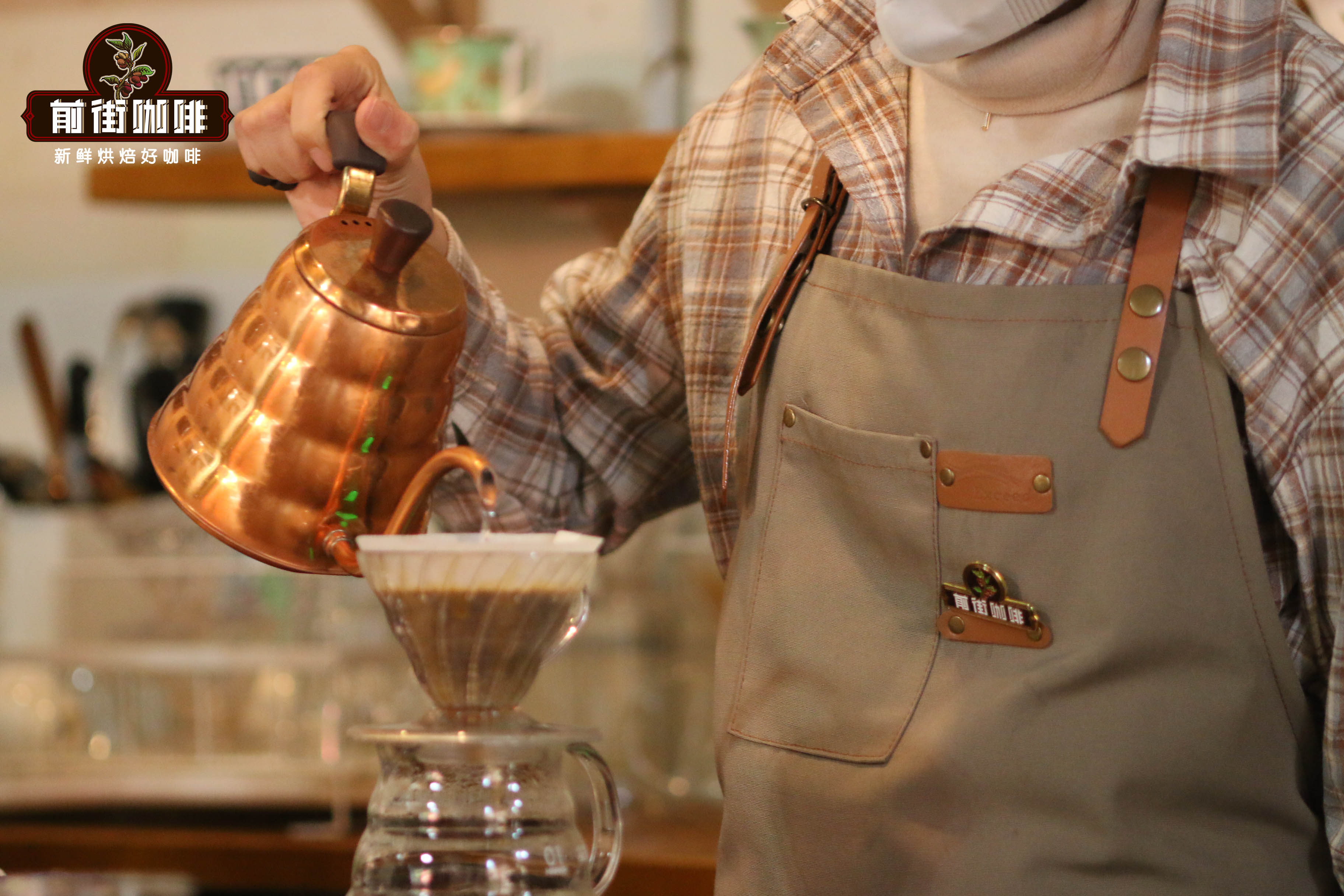
Anyone who has watched the pour-over process at Front Street Coffee (FrontStreet Coffee) knows that making a single-origin pour-over requires a dripper, filter paper, weighing and grinding beans to get a precise coffee powder weight, and a device to measure water temperature to control temperature and volume; most critically, the barista's steady, skilled pouring technique—none of these can be missing. Because grind size, water temperature, pouring method, and brew time all influence the extraction of coffee flavor, pour-over is clearly a brewing method that demands considerable skill and expertise.
To put it plainly, pour-over coffee is about the ambiance—it's about enjoying the whole process, so the equipment, the occasion, the technique, and the demeanor all need to be refined. Of course, the coffee itself matters too.
What Is Drip Bag Coffee?
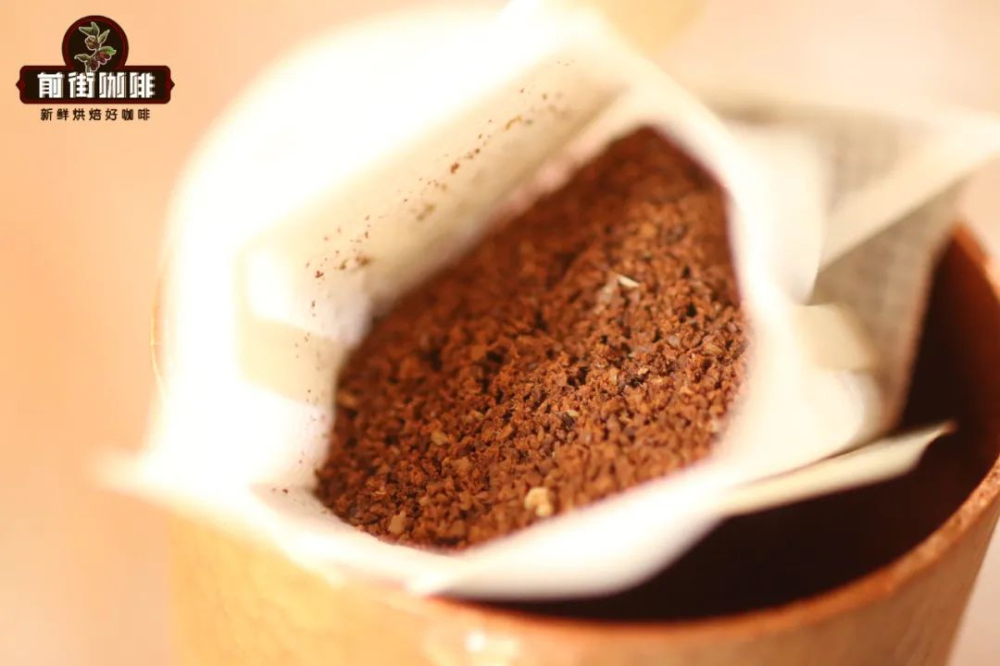
Drip bag coffee was born precisely because some people love the taste of pour-over but have no time or can't be bothered to go through the whole process. Drip bags save us a lot of the hassle of pour-over. Take grinding, for example—to brew pour-over you need at least a hand grinder, and anyone who has used one knows that for women it's practically like lifting weights. Electric grinders can only be used in a fixed location. Drip bags come with the coffee powder already inside, so that hassle disappears. But the trade-off is that the flavor suffers somewhat—nothing in this world is perfect.
The second simplification is that you no longer need bulky equipment like an electronic scale, gooseneck kettle, dripper, or filter paper. By international convention, drip bags contain 10g of coffee powder, and any brand that breaks this convention basically can't grow big. So all we need is a cup we're familiar with, and once the water level reaches the right point, we just remove the drip bag.
As for the pouring kettle, any kettle that can pour water will do. Of course, you can be more particular and use a gooseneck kettle for elegant pouring, but if you're in it for the coffee itself, there's no need—get the temperature right and the ratio right, and how you pour really doesn't matter much. You can still brew very tasty coffee with a thermos.
Coffee Brewing Equipment Needed for Pour-Over Coffee
Front Street Coffee (FrontStreet Coffee) mentioned above that pour-over coffee requires quite a bit of equipment—so what exactly is needed? Front Street Coffee (FrontStreet Coffee) is here to share with coffee-loving friends.
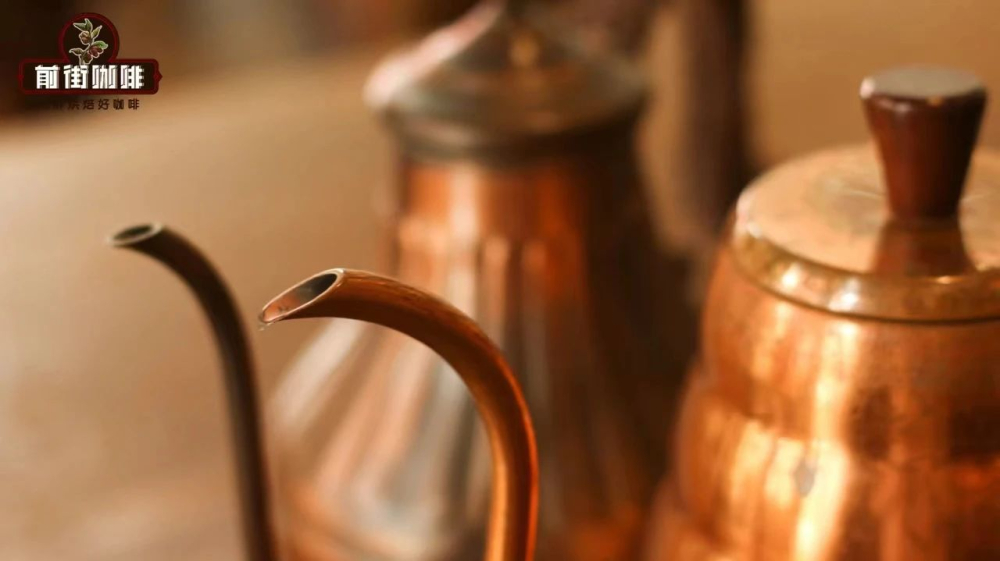
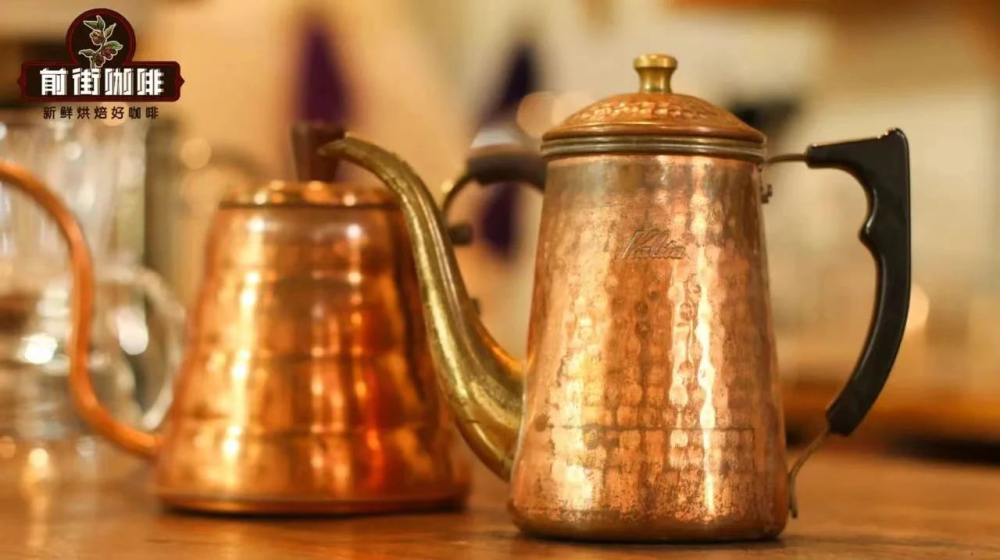
1. Pour-Over Kettle
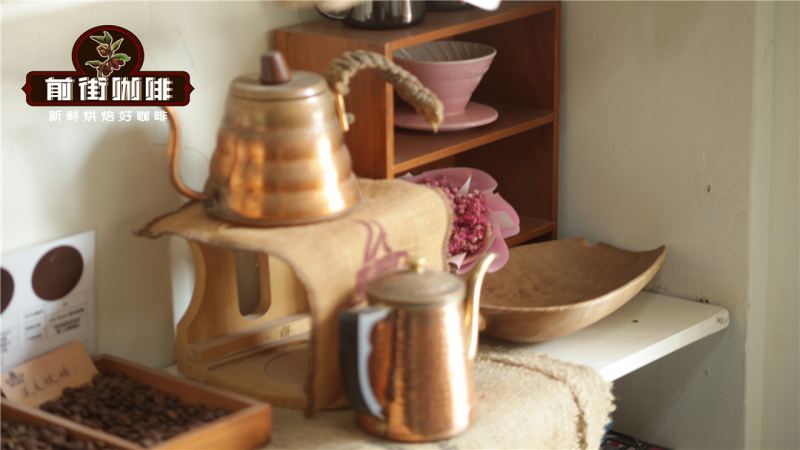
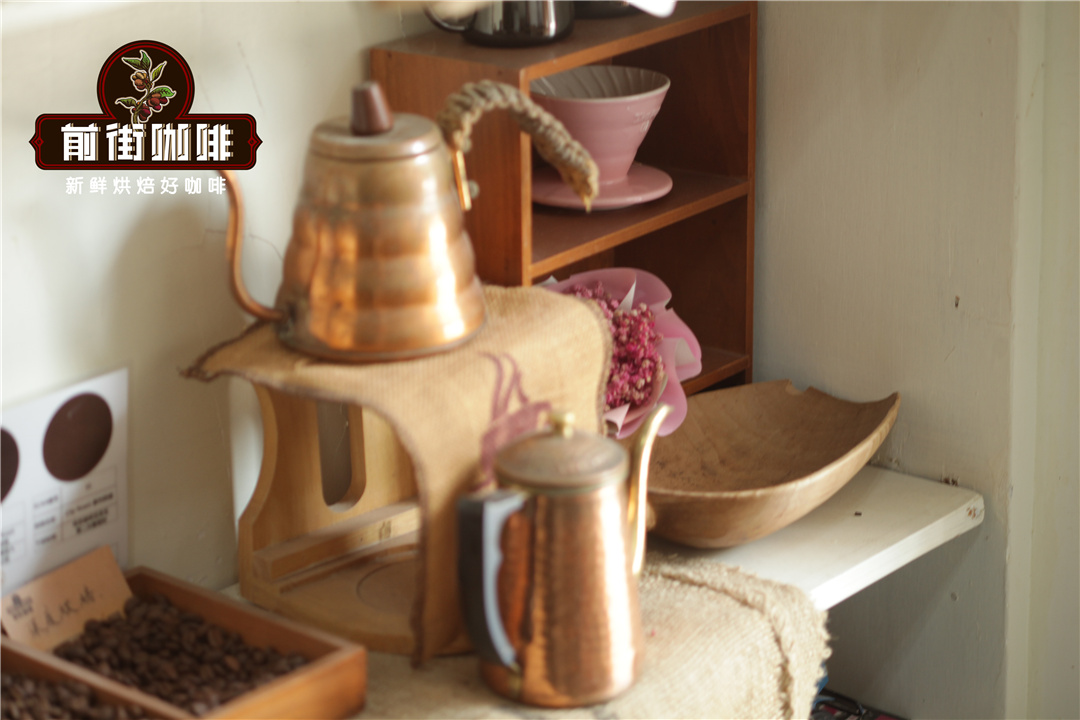
Pour-over kettles on the market come in various sizes and materials, so you can choose according to your needs. What affects the brewing result most is the spout size, as it relates to the flow rate. Beginners are generally advised to use a narrow-spout kettle, which is easier to control. Additionally, each type of pour-over kettle is suited to a different heating method (induction cooktop or gas stove), so pay special attention when purchasing.
2. Dripper
Drippers also vary in size and material, and are mainly divided into three shapes: flat-bottom, cone-shaped, and wave. The size of the dripper's bottom opening affects the flow rate of the extracted coffee, which in turn affects the flavor. A flat-bottom dripper has a small opening and slow flow rate, giving a fuller body; a cone-shaped dripper has a large opening and fast flow rate, giving a lighter body; a wave dripper has a flat bottom and pairs with special wave filter paper, producing the most even-tasting coffee. What's special is the metal mesh dripper, which doesn't need filter paper and retains more coffee oils for a richer taste—though some finer coffee grounds may slip through.
3. Filter Paper
Filter paper comes in bleached and unbleached varieties. Bleached filter paper looks whiter, while unbleached filter paper looks closer to light brown. The purpose of filter paper is to use its extremely dense fibers to trap the ground coffee and filter the extracted coffee into the cup. When buying filter paper, choose the corresponding type for your dripper.
4. Coffee Grinder
Good pour-over coffee requires a good grinder. There are three types of grinders on the market.
1) Ghost tooth grinder
2) Flat burr grinder
3) Conical burr grinder
5. Thermometer
A thermometer is used to measure the water temperature for coffee. Thermometers on the market include the Tiamo thermometer, Hero thermometer, and Cafede Kona thermometer.
6. Electronic Scale
An electronic scale lets us better control the coffee-to-water ratio when brewing, reducing unstable factors and increasing room for error. Electronic scales range from several hundred yuan to as low as a few dozen yuan, including Acaia scales, Hero smart scales, and Timemore scales. Front Street recommends buying one with physical buttons, which is easier to use, priced around 80-100 yuan—you can compare on Taobao.
7. Powder Sifter
The grind calibration method Front Street uses is based on the pass-through rate of a national standard No. 20 sieve. The grind for pour-over is 80% passing through a No. 20 sieve, and the grind for cupping is 70-75% passing through a No. 20 sieve.
8. Sharing Pitcher
If drinking alone, you can skip the sharing pitcher and just place a mug directly under the drip. For brewing multiple servings, you'll need a sharing pitcher. With its own measurement markings and transparent material, it also makes it easier to observe and control the extraction process, so it's not just for dividing servings. Front Street Coffee (FrontStreet Coffee) recommends the HARIO V60 Cloud sharing pitcher and the Kalita sharing pitcher.
Coffee Brewing Equipment Needed for Drip Bag Coffee
As Front Street Coffee (FrontStreet Coffee) mentioned above, drip bag coffee is simply single-origin coffee beans ground into coffee powder in a filter bag. So for convenience, you can use the following equipment (refer to the pour-over equipment above):
Drip bag, hot water kettle, your cup
Differences Between Pour-Over Coffee and Drip Bag Coffee
Based on what Front Street Coffee (FrontStreet Coffee) described above, we can see that drip bag coffee and pour-over coffee differ in the following ways:
1. Pour-over coffee requires more brewing equipment and demands skilled experience and extensive coffee knowledge. Drip bag coffee eliminates many brewing steps.
2. Pour-over coffee has too much equipment to carry around conveniently, while drip bag coffee is light and easy to carry out.
3. The brewing time differs—drip bag coffee takes about 4 minutes to brew, while pour-over coffee takes about 2 minutes.
4. Drip bag coffee has a shorter flavor window than pour-over coffee beans, because after grinding into powder, the surface area exposed to air increases, so the coffee's aroma easily escapes and affects the flavor.
The above is Front Street Coffee's (FrontStreet Coffee) article on the differences between pour-over coffee and drip bag coffee. We hope coffee-loving friends who read this article can gain relevant knowledge to help choose coffee beans suited to their taste. Next, Front Street will share the correct method for brewing drip bag coffee.
Correct Brewing Method for Drip Bag Coffee
Front Street Coffee (FrontStreet Coffee) has learned that many coffee-loving friends new to drip bag coffee don't know how to use them, leading to brewing mistakes that make the drip bag coffee turn out quite disappointing. So how do you brew a delicious cup of drip bag coffee? Front Street Coffee (FrontStreet Coffee) is here to share:
1. Warm the Cup
Prepare the cup for brewing the drip bag coffee, and first pour in some hot water to warm the cup. The purpose is to keep the brewed coffee from cooling too quickly, because coffee develops different flavors as the temperature drops—that is, layers of flavor. If it cools too fast, you'll miss many different taste experiences.
2. Water Temperature
The brewing water temperature is very important. The recommended temperature is between 85 and 90 degrees Celsius. If the brewed coffee is too bitter, try lowering the water temperature. Conversely, if it's too weak or astringent, you can raise the temperature, but it should still be within the 85-90 degree range.
3. Hang the Drip Bag
First gently shake the drip bag to let the coffee powder settle, avoiding spillage when tearing it open. Then pour out the hot water from the cup. After tearing off the seal strip on the drip bag, unfold the paper ears on both sides and shake to level the coffee powder, then hang it on the rim of the cup.
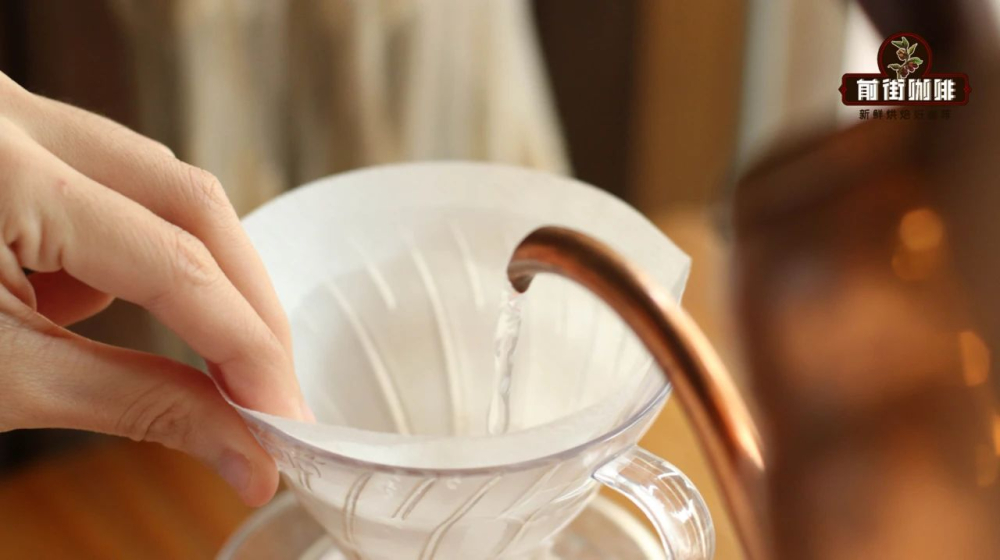
4. Pre-Wet the Drip Bag
For the first pour, add just enough water to moisten the coffee powder—too much or too little will affect the flavor. Then wait 20 seconds to let the coffee powder fully absorb the water. You can adjust the strength of the coffee by adjusting the pre-wetting time—extending to 40 seconds gives you a stronger cup.
5. Pouring Water
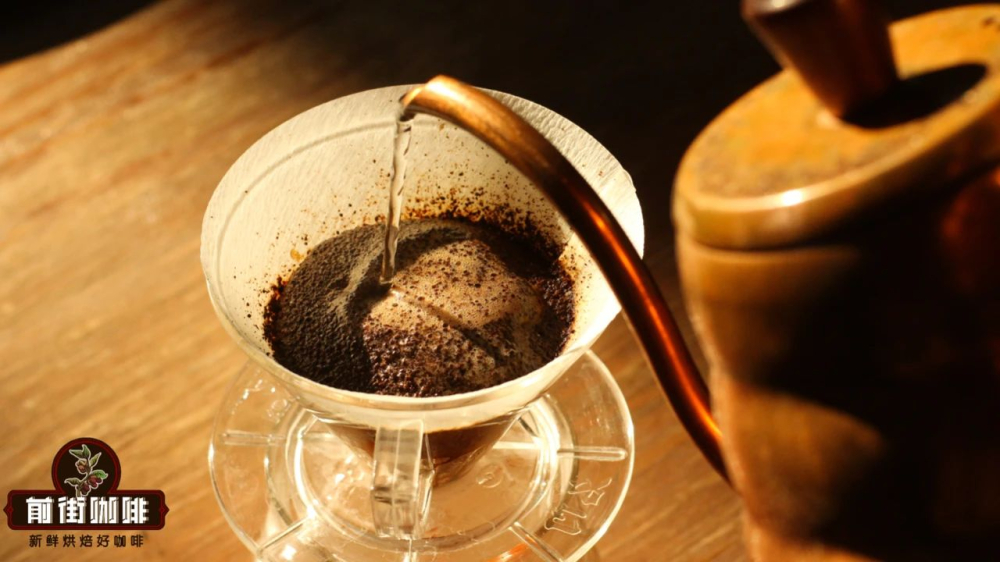
For the second pour, fill to about 80% of the filter bag. It's best to use a thin, steady stream. Once the water level drops to the pre-wetted height, continue pouring to 80% full until you've extracted 150-180cc. Once extraction is complete, there's no need to wait for all the water in the filter bag to drip out—just discard it.
Precautions for Brewing Drip Bag Coffee
1. Do not re-brew the same drip bag.
2. After brewing, do not leave the coffee powder soaking in the cup, or it will over-extract.
3. Do not drop the drip bag directly into the cup. While convenient, the water temperature starts dropping before the hot water fully soaks the powder bag, leading to under-extraction and affecting the taste and flavor.
The above is Front Street Coffee's (FrontStreet Coffee) summary of drip bag coffee brewing and precautions.
For professional coffee knowledge exchange and more coffee bean information, please follow Coffee Workshop (WeChat public account: cafe_style)
For more specialty coffee beans, please add the private WeChat of Front Street Coffee (FrontStreet Coffee), WeChat ID: kaixinguoguo0925
The above content is compiled by CoffeeHunters, a coffee news website.


