







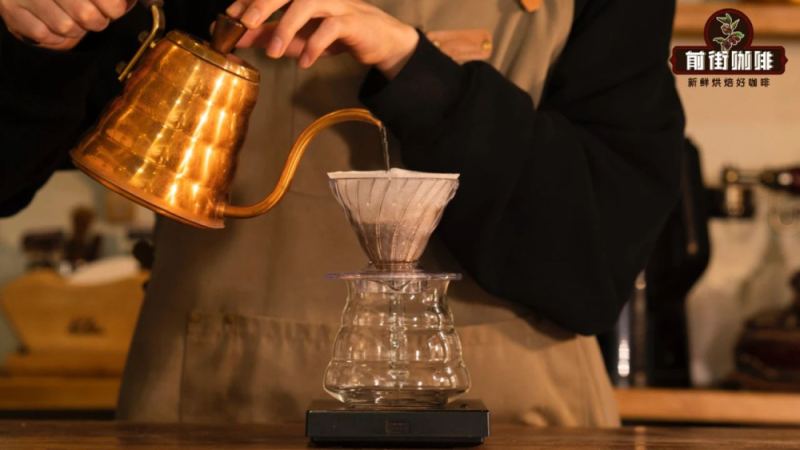
Is pour-over coffee harder than how to make coffee in a machine?
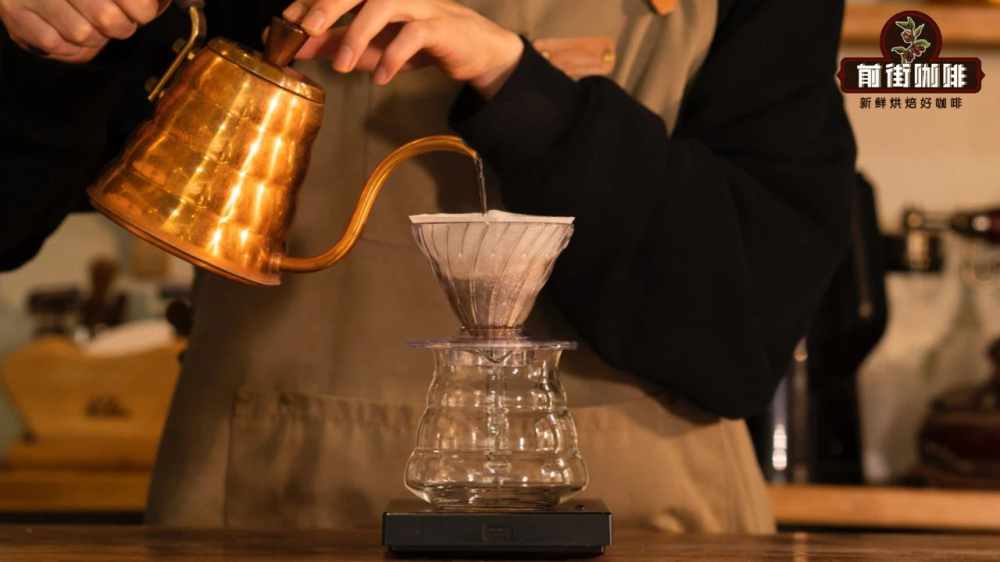
Home pour-over needs four items: fresh coffee beans, a grinder, a gooseneck kettle, and a dripper. Learning how to make coffee in a machine can wait; it is not required. Grind size, water quality, water temperature, coffee dose, and brew time are the variables to control, and a consistent routine matters more than costly gear when starting out.
Ethiopian Yirgacheffe works well as a first single-origin, with its floral and citrus profile. A V60 with staged pouring steps lets a beginner reproduce those regional flavors at low cost. The grinder is the purchase worth prioritizing, since a uniform grind exposes more flavor detail than a blade grinder allows.
Want to brew a cup of pour-over coffee at home but don't know where to start? This article approaches from a beginner's perspective, sorting out the essential equipment choices for entry-level coffee beans, grinders, pour-over kettles, and drippers, and explains how to consistently reproduce a good cup of coffee around the four major variables of water quality, water temperature, coffee dose, and time. Using Ethiopian Yirgacheffe as an example, it explains its origin background, flavor characteristics, and reasons for its popularity, while also including the V60 brewing parameters and staged pouring steps routinely used by Front Street Coffee, helping friends new to specialty coffee enjoy the basic flavors of a region at low cost.
For more specialty coffee information, welcome to follow our WeChat official account: Front Street Coffee (FrontStreet Coffee)
Stepping into the world of specialty coffee, there is indeed quite a lot to understand and get started with. The shopping list usually includes coffee beans, a grinder, a pour-over kettle, and various drippers. As for a coffee machine, it can be put last and is not a must-buy.
The status of coffee beans is beyond doubt, and the importance of good-quality beans cannot be overstated. When first learning to make pour-over coffee, it is only natural to envy other people's equipment, but the truly wise approach is to choose the tool that suits you best within your budget. The best equipment is the set you can easily reach for, use most smoothly, and brew most conveniently with. The key is still whether the coffee in the cup tastes good. Switching to a different coffee cup can sometimes also improve your mood while drinking coffee.
Try more and compare more
The most practical advice for beginners is: try more, drink more, and drink even more. Go and experience the flavor differences brought by different regions. There is no shortcut to tasting coffee; once you have drunk enough, you will naturally gain understanding, and it is best to drink it without added flavorings.
Before buying beans, you might as well first go to a shop and taste what the staff brew, then try to reproduce it at home. Usually, commercial grinders provide a more uniform grind and allow more flavor details to be tasted, so the grinder is the coffee equipment most worth investing in. Once you have used a good one, it is hard to go back.
Water quality and water temperature
The water temperature determines how much material can be dissolved out of the coffee. Simply put, the higher the temperature, the more aromatic substances are extracted. In addition, using filtered high-quality water will make the coffee taste better.
The weight of coffee beans in grams
How many grams of beans to how many grams of water: following a fixed ratio allows you to obtain a stable, delicious result. Having an accurate electronic scale can greatly increase the probability of successful brewing.
Brewing time
The longer the extraction time, the longer the coffee is soaked in hot water, the stronger the flavor, and the more substances are dissolved out. The result is: what tastes good will taste even better, and what tastes bad will taste even worse.
Below, taking Front Street Yirgacheffe as an example, brew a pot of pour-over coffee according to the above key points, and share the extraction parameters routinely used by Front Street.
What is Yirgacheffe?
Yirgacheffe: In the ancient Ethiopian language, "Yirga" means "settle down," and "Cheffe" means "wetland," so together it means "let us settle down and make a living in this wetland." It was originally just the name of a small town in Ethiopia, the hometown of coffee. The local altitude is about 1,700 to 2,200 meters, and the temperature is relatively low, so coffee grows more slowly and has ample time to accumulate nutrients and flavor compounds. Because the coffee produced there has outstanding flavor and high quality, Ethiopian coffee farmers have taken pride in their own coffee having Yirgacheffe-like flavors. In 2004, in order to promote its national coffee, the Ethiopian government even applied for a patent for the "Yirgacheffe" producing region name. Today, Yirgacheffe has become synonymous with Ethiopian specialty coffee.
People who have drunk Yirgacheffe often first notice its bright, uplifting citric acidity, floral aroma, and honey-like sweetness. The soft fruit acidity is mingled with citrus notes, and the mouthfeel is fresh and pleasant. Unlike traditional bitter coffee, Yirgacheffe does not have a rich, burnt bitterness. Instead, it presents a fragrant profile similar to fruit tea, making it easy to fall in love with at first sip. Therefore, it is also the coffee that gets many coffee enthusiasts into the hobby.
Compared with the era when "coffee is just bitter," lightly roasted Yirgacheffe can be said to have opened a new era of fruity-acid coffee. The reason coffee is strong and bitter is mainly that roasters roast the beans dark, with the main flavor leaning toward nuts and dark chocolate. With the rise of the concept of specialty coffee, in order to retain more acidity, roasters roast Yirgacheffe only to an appropriate light level, allowing it to show a pleasant fruity sweet-and-sour taste and white floral aroma.
Liking sweetness and fearing bitterness happens to be the public's taste as well, and this is one of the reasons Yirgacheffe is so popular around the world. Such a popular Yirgacheffe has naturally also been included by Front Street in its series of everyday beans for coffee beginners. Front Street's everyday beans allow friends who have just entered the coffee world to taste the basic flavors of a region at an ultra-low price, and the small-package design also avoids waste from being unable to finish them.
Yirgacheffe brewing parameters:
Dripper: V60 Water temperature: 92-93°C Dose: 15g Coffee-to-water ratio: 1:15 Grind size: fine granulated sugar size (sift the grounds with a No. 20 sieve to 78%)
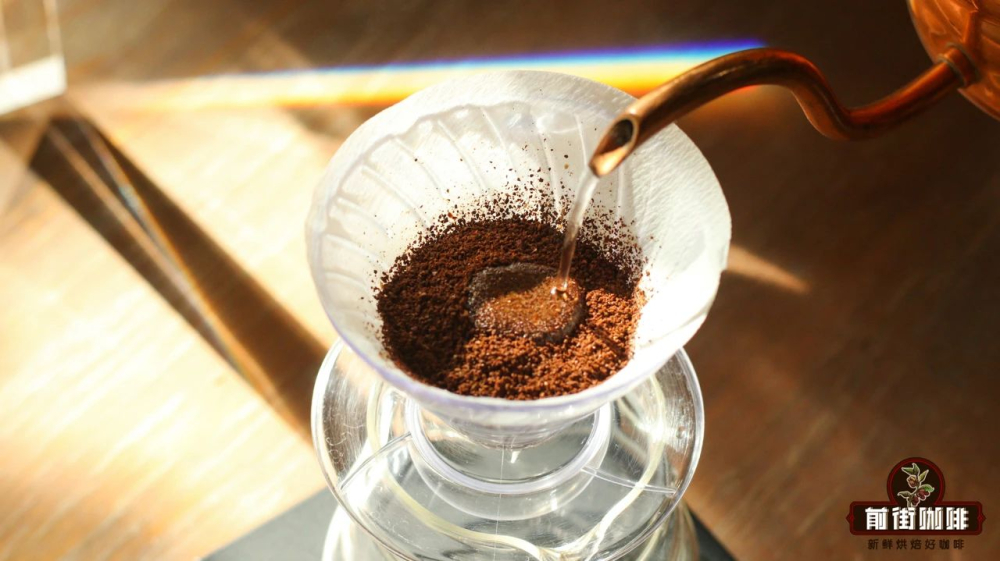
For the first stage, pour 30 grams of water and bloom for 30 seconds; then pour 95 grams (the electronic scale shows about 125 grams), finishing the pour in about 1 minute; when the water level drops to 2/3 of the coffee bed, pour the remaining 100 grams (the electronic scale shows about 225 grams), finishing the pour in about 1 minute 35 seconds. Dripping is completed at 2 minutes 10 seconds; remove the dripper and the extraction is finished.
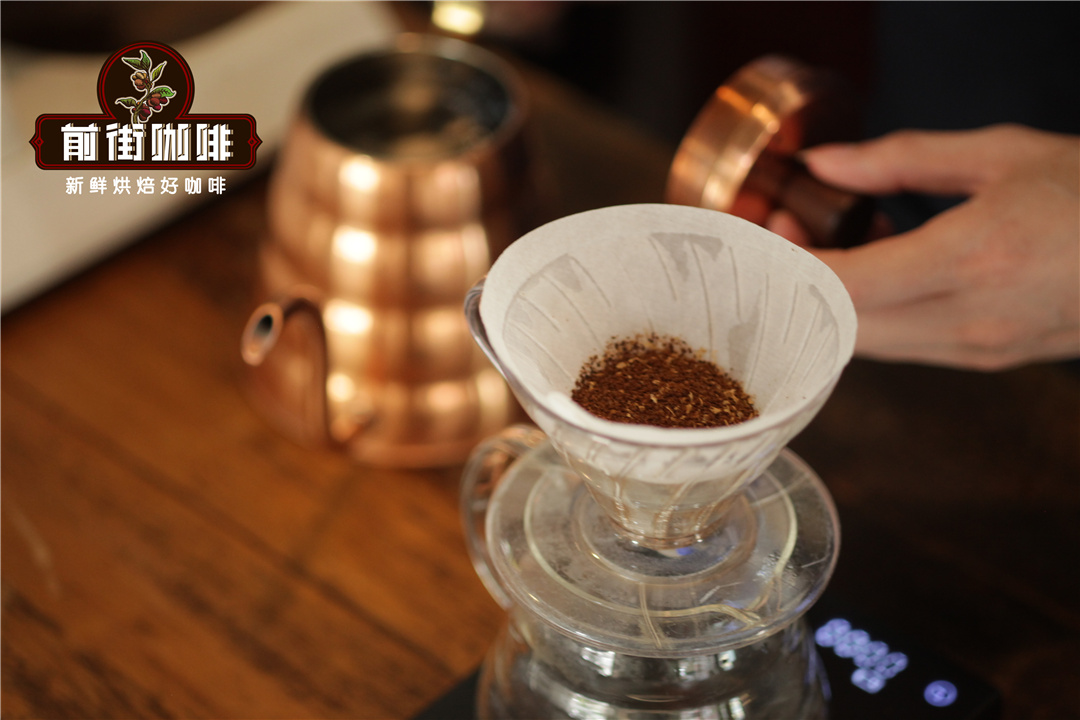
On the palate, there are citrus and black tea flavors. As the temperature changes, creamy, caramel, and almond aftertastes emerge. The sweet finish is obvious, and the mouthfeel is clean and sweet.
The above content is compiled by CoffeeHunters, a coffee news website.


